



죄송합니다. 이 글은 아직 원하시는 언어로 이용하실 수 없습니다.
10 things to do in San Francisco: Top spots and activities
San Francisco packs more personality into 49 square miles than many cities manage in 10 times the space. One moment you’re watching fog roll over the Golden Gate Bridge, the next you’re eating handmade dumplings in Chinatown, browsing vintage stores in Haight-Ashbury, or riding a cable car up one of the city’s famous hills. No list of 10 things to do in San Francisco could cover everything the City by the Bay has to offer, but it can point you toward the experiences that define it. This article covers the iconic attractions everyone should see, the neighborhoods that give San Francisco its character, and the best spots to eat, shop, and unwind. It also includes a couple of day trips worth leaving the city for. Think of it as a travel companion that’ll help you spend less time wondering what to do in San Francisco and more time enjoying it.
목차
- Visit San Francisco’s landmark attractions
- Walk across the Golden Gate Bridge
- Visit Alcatraz Island
- Explore Fisherman’s Wharf and ride the cable cars
- Explore San Francisco’s neighborhoods
- Discover the Mission District
- Spend a day in Golden Gate Park and visit the Exploratorium
- Experience San Francisco’s food and culture
- Visit Haight-Ashbury and the Castro
- Eat at the Ferry Building and the Mission District
- Go shopping in San Francisco
- Shop in Union Square, Valencia Street, and Hayes Valley
- Take day trips from San Francisco
- Visit Napa and Sonoma
- Explore Muir Woods and the Marin Headlands
- Stay connected in San Francisco with Saily
Visit San Francisco’s landmark attractions
Some attractions become famous for good reason. The Golden Gate Bridge, Alcatraz, and Fisherman’s Wharf might appear on every San Francisco itinerary, but they genuinely deserve their must-see reputation.
Walk across the Golden Gate Bridge
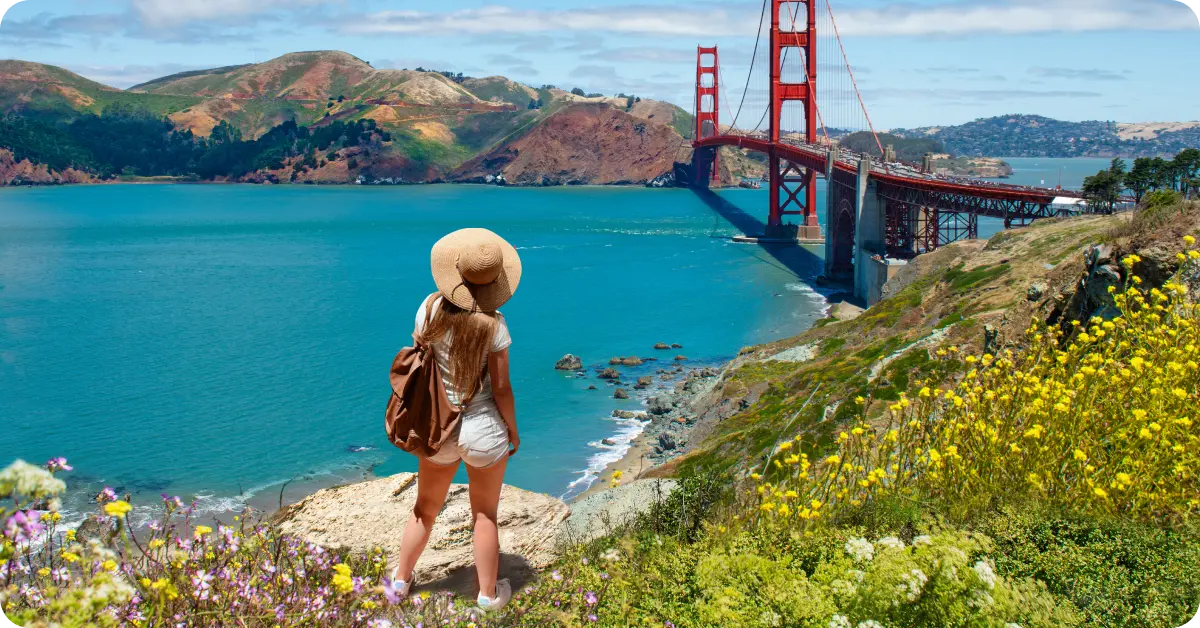
If one attraction defines San Francisco, it’s the Golden Gate Bridge. Stretching nearly two miles across the entrance to the San Francisco Bay, this orange suspension bridge somehow looks just as impressive in person as it does on postcards.
Walking across the Golden Gate Bridge is one of the best activities you can do in San Francisco. The full walk takes around 35 to 45 minutes one way, but you don’t have to cross the entire bridge to enjoy it. Even walking halfway rewards you with spectacular views of Alcatraz, Angel Island, and the downtown skyline.
If you’d rather cover more ground, rent bikes near Fisherman’s Wharf or the Presidio and cycle across the Golden Gate into Sausalito. From there, you can catch a ferry back to the city while enjoying a different perspective of the Bay Area.
Fog is part of the experience here. It often covers the bridge in the morning before clearing later in the day, creating the classic postcard image that earned San Francisco its “Fog City” nickname. If you’re hoping for completely clear skies, visit in the late afternoon most times of the year or any time of day during early autumn.
A little tip before you go: Parking for the Golden Gate Bridge fills up quickly, especially on weekends. Take public transport or a rideshare to avoid the hassle of finding space for your car.
Visit Alcatraz Island
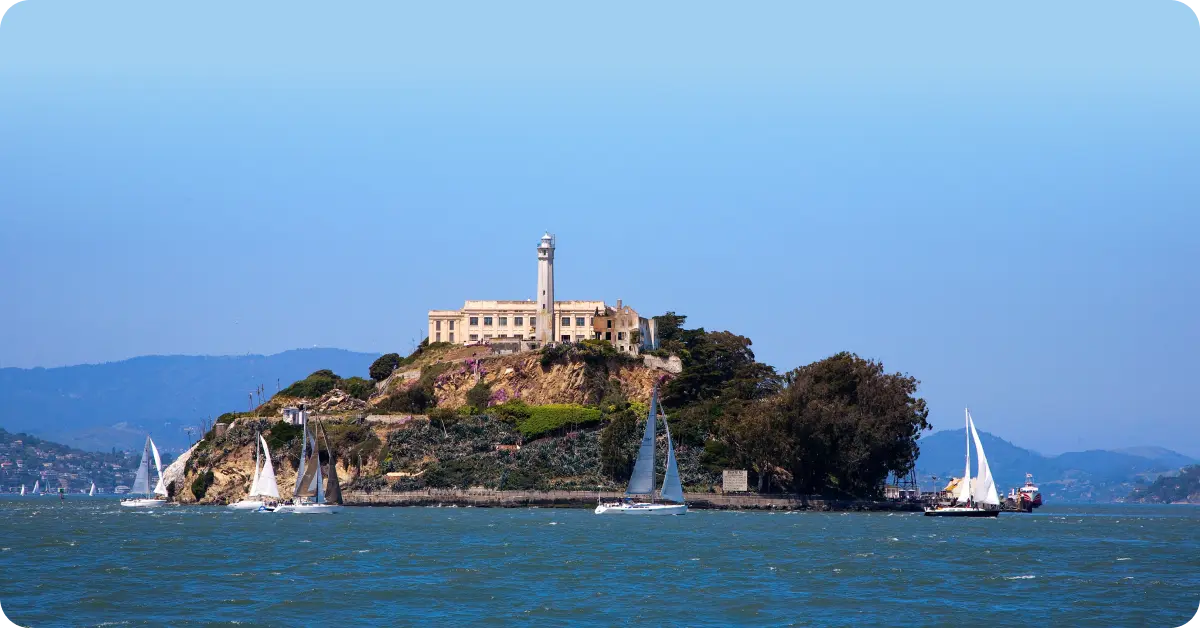
A prison doesn’t sound like an obvious vacation highlight, yet Alcatraz remains one of the most memorable places to visit in San Francisco.
The famous prison operated for less than 30 years, but it housed some of America’s most notorious criminals, including Al Capone and George “Machine Gun” Kelly. Today, the former penitentiary has become one of San Francisco’s most fascinating historical attractions.
Your visit begins with a scenic ferry ride across the bay. Once on Alcatraz, follow the self-guided audio tour through the prison while listening to stories from former guards and inmates, which make the prison’s history feel surprisingly personal.
If your schedule allows, book the night tour instead of the daytime visit. Evening tours are smaller, include additional guided experiences that aren’t available during the day, and offer a different perspective on the island after dark. Watching the city lights come on across the bay while standing inside one of America’s most famous prisons creates a striking contrast between freedom and confinement, making the visit especially memorable.
A little tip before you go: Book early. Tickets for Alcatraz often sell out several weeks ahead during peak travel seasons, particularly for night tours.
Explore Fisherman’s Wharf and ride the cable cars
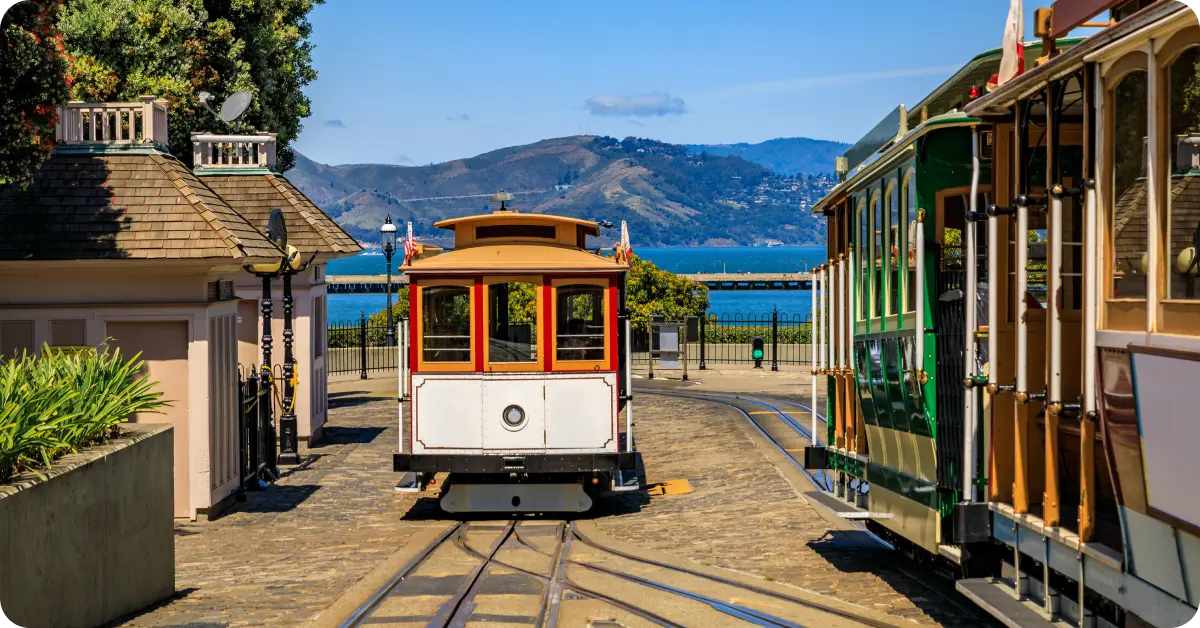
Fisherman’s Wharf may be San Francisco’s busiest tourist district, but it’s also where many of the city’s classic attractions are located.
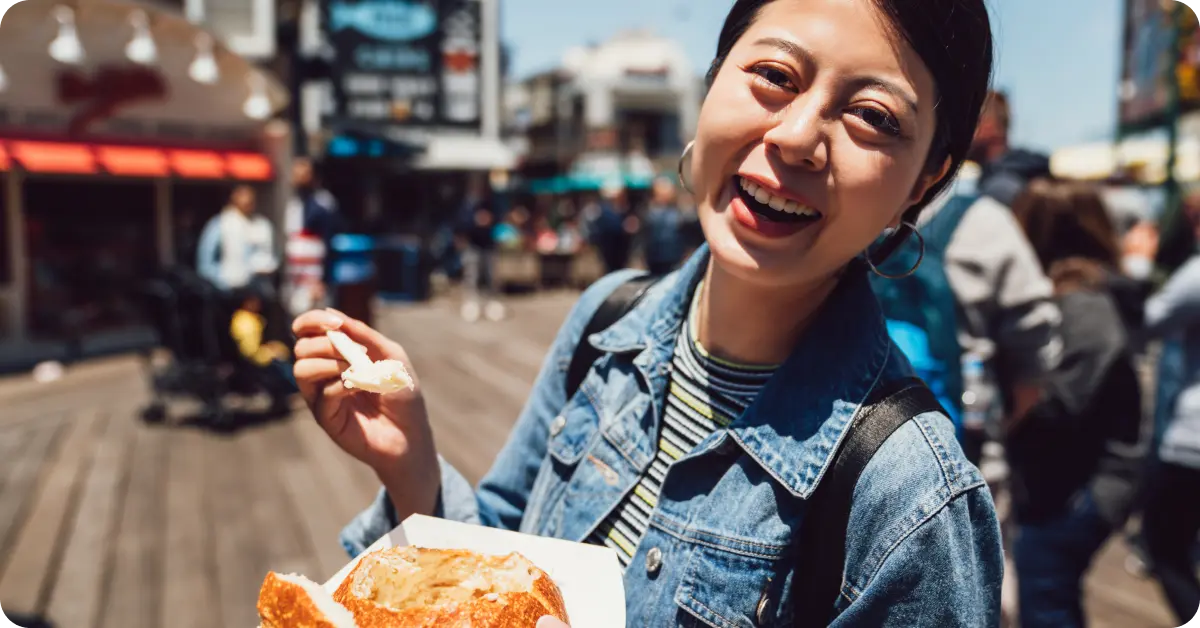
Start at Pier 39, where California sea lions have made the marina their home since the late 1980s. You’ll probably hear them barking before you spot them stretched across the floating docks.
A few minutes away, Ghirardelli Square is built around the restored former Ghirardelli chocolate factory and is now home to restaurants, cafés, shops, and the city’s famous chocolate heritage. It’s a great place to stop for dessert or enjoy views across the waterfront.
Just around the corner sits one of San Francisco’s most underrated attractions — Musée Mécanique. This free museum houses hundreds of vintage arcade games, animatronic fortune tellers, and mechanical machines dating back more than a century. Bring a few quarters to experience these vintage machines firsthand.
Before leaving the area, hop aboard one of San Francisco’s legendary cable cars. The city’s cable cars are the last manually operated system of their kind in the world. Riding through San Francisco’s steep streets in a historic wooden carriage is an experience you won’t find anywhere else.
If you’re curious about how the system actually works, the nearby Cable Car Museum is free to visit and explains the underground cables that continue pulling the cars up and down San Francisco’s steep streets.
A little tip before you go: The Powell-Hyde and Powell-Mason cable lines often attract long queues by late morning, especially in summer. Arrive early or ride later in the afternoon for a shorter wait.
Explore San Francisco’s neighborhoods
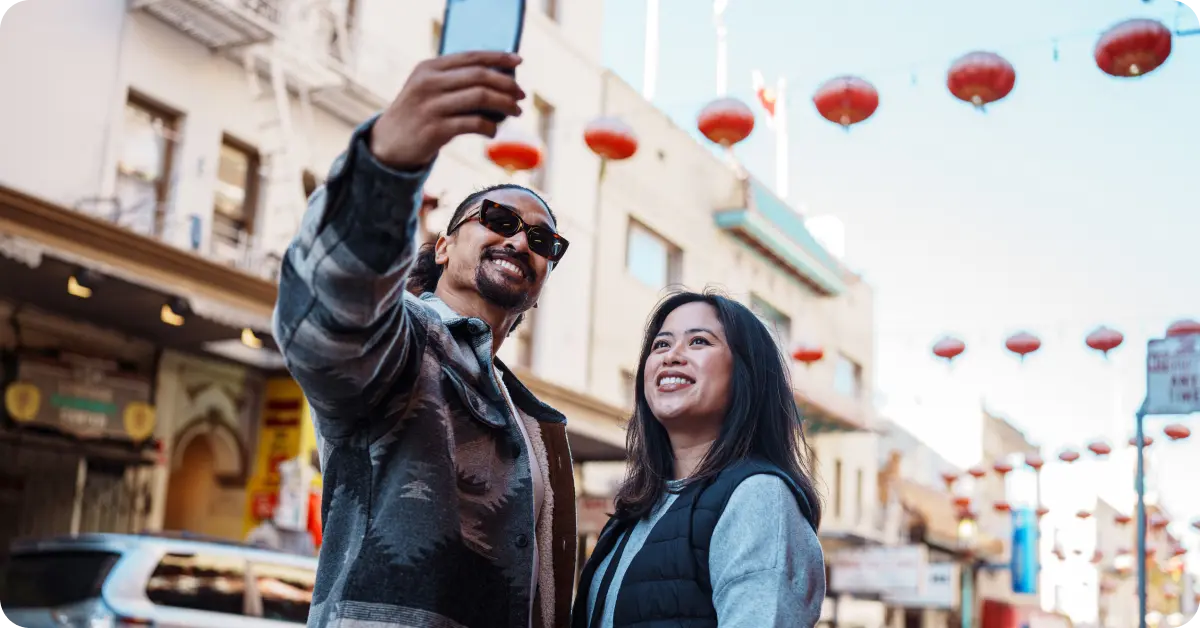
The famous landmarks introduce you to San Francisco. Its neighborhoods are where you get to know it. Colorful murals, independent bookstores, neighborhood cafés, and local parks give each district its own personality. Take your time exploring, and you’ll experience a side of San Francisco that many visitors miss.
Discover the Mission District
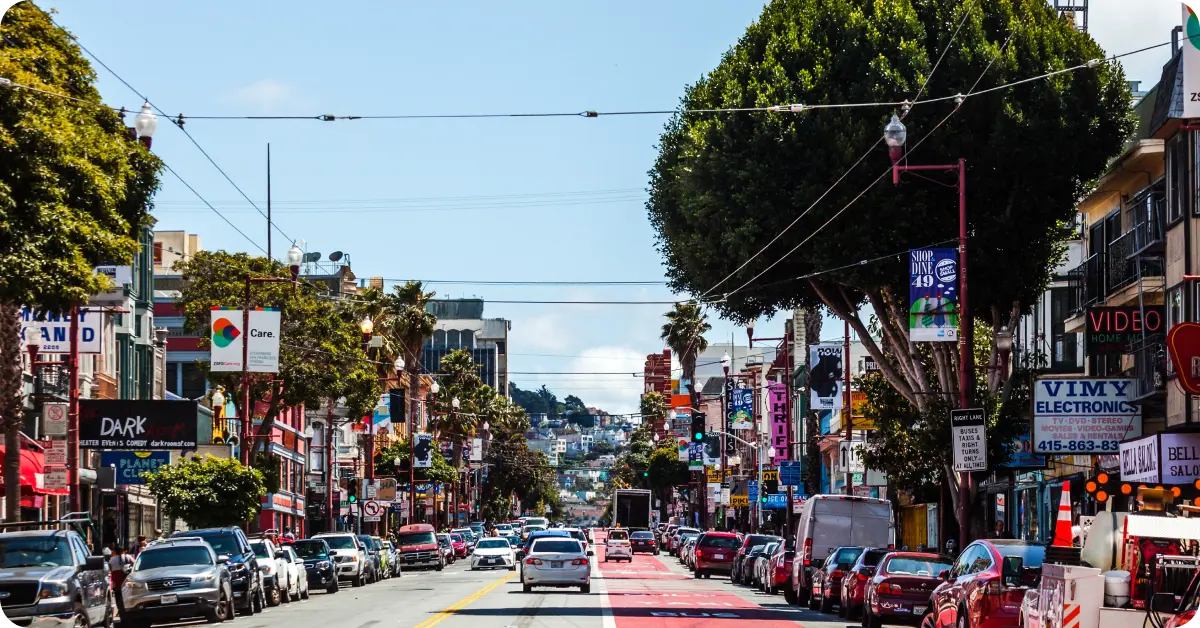
The Mission District has changed a lot over the years, but it has never lost its identity. Historically the heart of San Francisco’s Latino community, it’s still the city’s go-to neighborhood for great Mexican food, colorful street art, and some of its liveliest local businesses.
Start at Clarion Alley, where murals transform the space into an open-air gallery. Unlike commissioned public art, these paintings regularly change, reflecting the local culture and current social issues.
From there, head to Valencia Street, where independent bookstores and vintage shops encourage leisurely browsing, and bakeries and excellent coffee spots provide spaces to take a load off.
The neighborhood is just as well known for its food. The Mission claims to have invented the famous Mission-style burrito — oversized, tightly wrapped, and generously filled with rice, beans, meat, and salsa. Whether or not the story is true, you’ll find some of the best Mexican food in the United States here.
If the weather is nice, end your visit at Dolores Park (officially Mission Dolores Park). On sunny days, locals gather here for picnics, coffee, music, and time with friends. Find a spot on the grassy hillside and enjoy one of the city’s best views of the downtown skyline.
Spend a day in Golden Gate Park and visit the Exploratorium
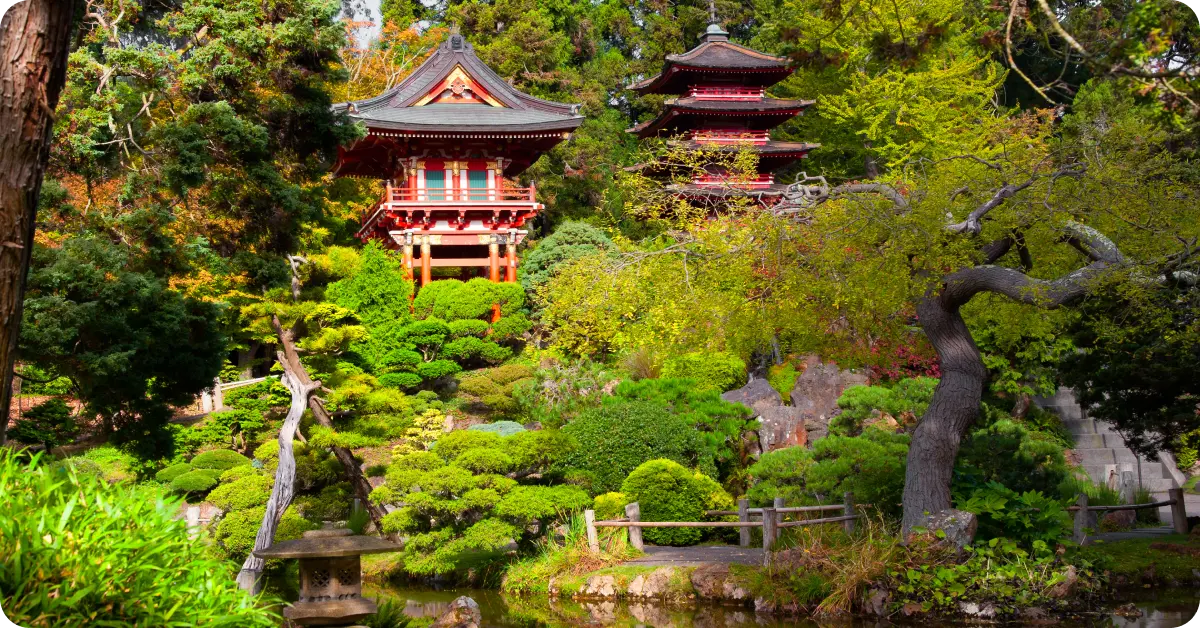
Many first-time visitors underestimate Golden Gate Park. It’s more than 20% larger than New York’s Central Park, and trying to squeeze everything there into an hour almost guarantees you’ll miss some of its best aspects.
One of the park’s highlights is the peaceful Japanese Tea Garden, the oldest public Japanese garden in the United States. Its koi ponds, stone lanterns, curved bridges, and traditional tea houses create a quiet escape that feels worlds away from the surrounding city.
Nearby, the Conservatory of Flowers houses thousands of tropical and rare plants inside a beautiful Victorian-era greenhouse. And just a short walk away, you’ll find one of the park’s most unexpected residents — a small herd of bison that has lived here for more than 100 years.
Art lovers should also consider stopping by the de Young Museum, whose observation tower offers one of the city’s best free panoramic viewpoints, even if you don’t visit the galleries themselves.
If you’d like a change of pace, head to the Exploratorium on the Embarcadero. This interactive science museum encourages you to touch, test, and experiment with hundreds of exhibits exploring light, sound, perception, and human behavior. It’s one of the rare attractions where everyone ends up having fun, regardless of age.
Experience San Francisco’s food and culture

San Francisco has always attracted people who challenge convention. Artists, activists, entrepreneurs, musicians, and immigrants have helped shape San Francisco into a city where every neighborhood has its own history, culture, and flavor. That cultural diversity is reflected not only in its neighborhoods but also in one of the country’s most diverse food scenes.
Visit Haight-Ashbury and the Castro
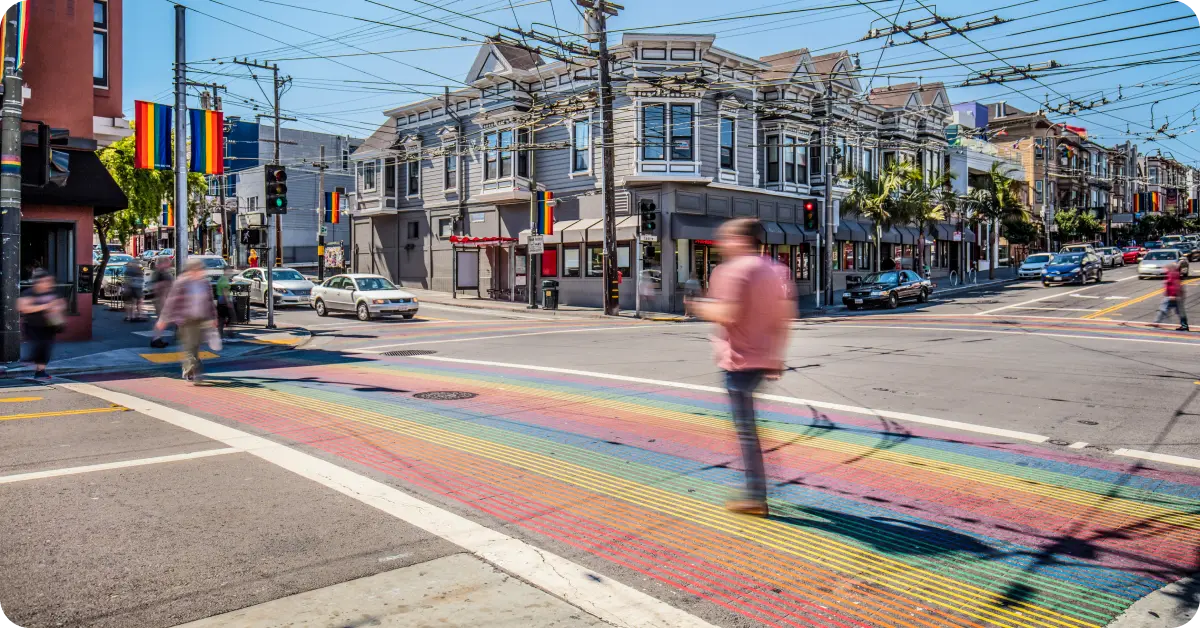
Few places capture San Francisco’s history quite like Haight-Ashbury and the Castro District. They’re only a short ride apart, making it easy to explore both in a single afternoon, yet each tells a completely different chapter of the city’s story.
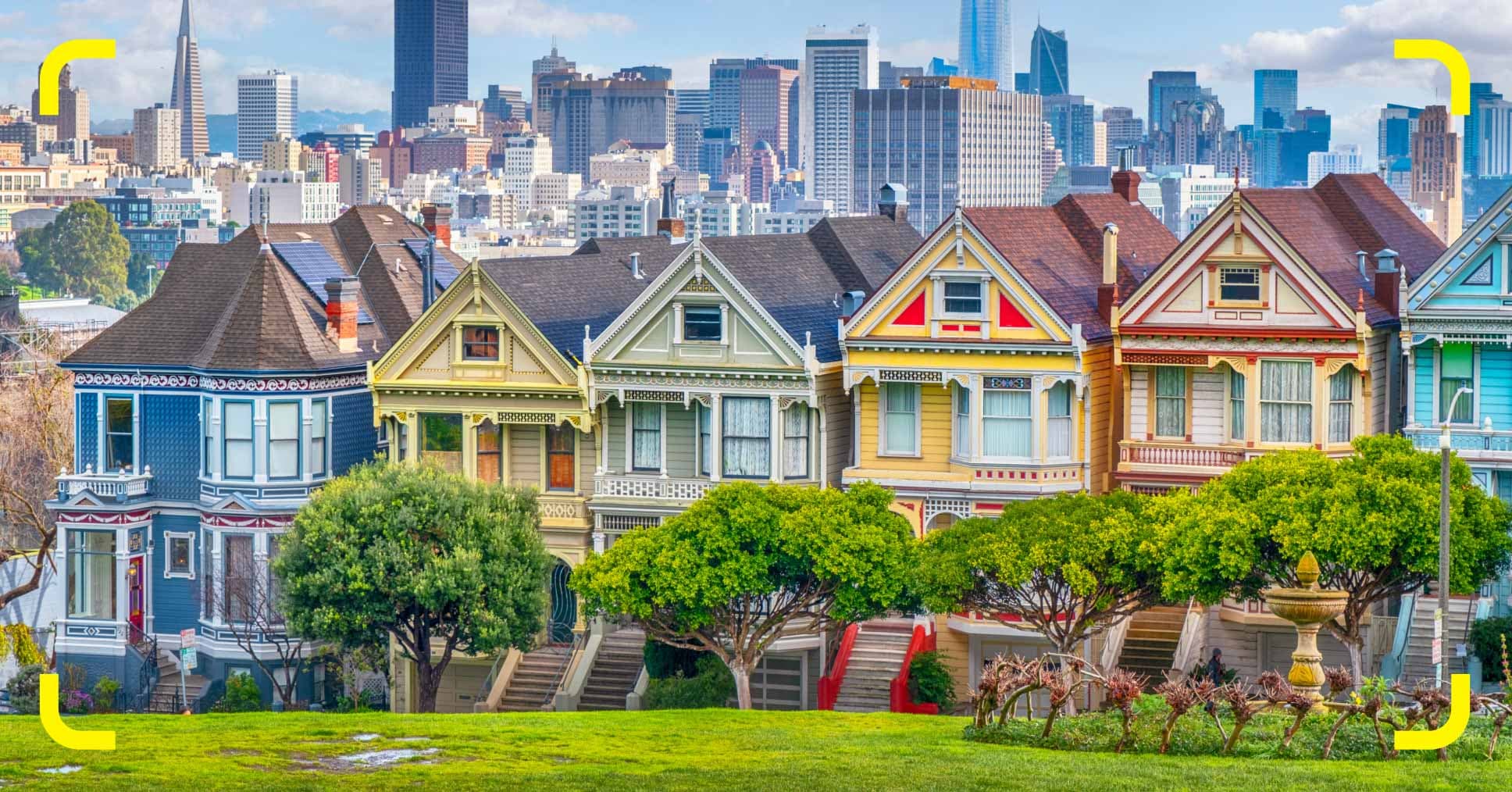
Haight-Ashbury became famous during the 1967 Summer of Love, when thousands of young people gathered here seeking music, community, and social change. Today, Haight Street still celebrates that independent spirit through vintage clothing stores, record shops, bookstores, colorful Victorian buildings, and locally owned cafés. If you’re a huge fan of thrifting, this neighborhood alone could keep you busy for hours.
A few minutes away, the Castro tells another defining San Francisco story. As one of the world’s best-known LGBTQ+ neighborhoods, it played a central role in the fight for equal rights and continues to celebrate that legacy today. Rainbow flags line the streets, representing decades of activism, resilience, and community.
While you’re here, stop by the beautifully restored Castro Theatre, known for its historic architecture and the live organ performances that often take place before screenings. Afterward, browse Cliff’s Variety for unique gifts or travel essentials, then stop by Hot Cookie, which has earned a bit of a cult following for its cheeky novelty cookies that are, let’s just say, more entertaining than family friendly.
Together, these neighborhoods show two very different sides of San Francisco’s cultural identity, and both are well worth experiencing.
Eat at the Ferry Building and the Mission District
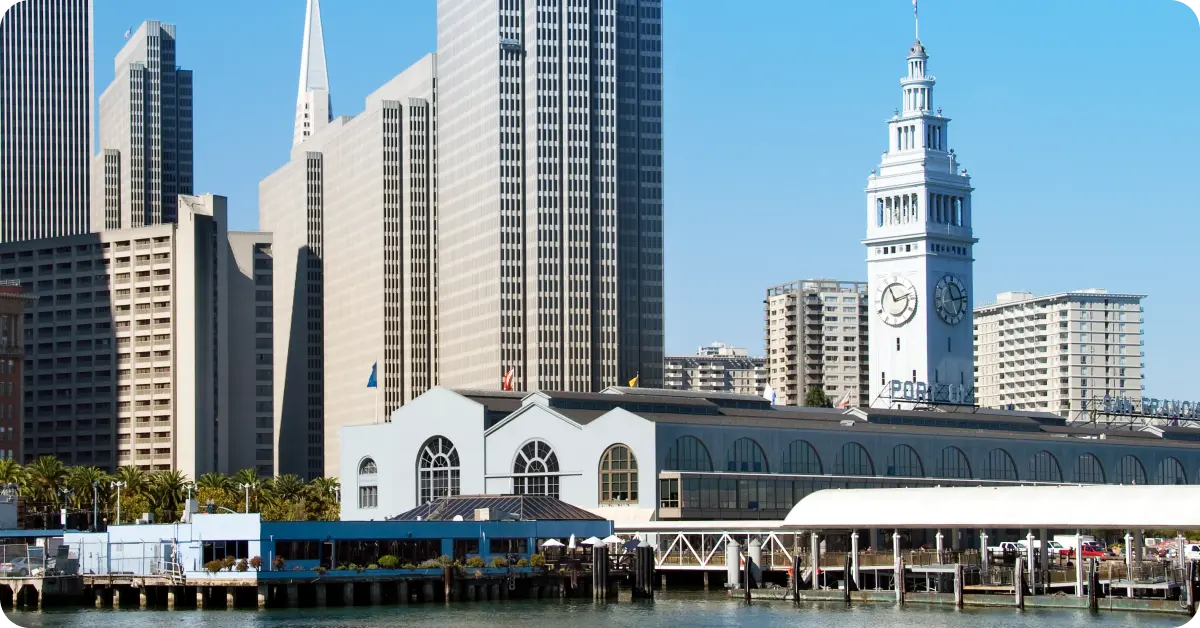
If you want to understand San Francisco through its food, start at the Ferry Building.
This former ferry terminal has become one of California’s top food destinations, filled with artisan bakeries, seafood counters, coffee roasters, cheesemakers, and local producers. It’s an easy place to sample several local specialties in one visit.
If you’re visiting on Saturday, don’t miss the farmers’ market outside. Local growers, ranchers, and producers arrive from across Northern California, and many stalls happily offer samples. With enough curiosity (and a little luck), you can easily snack your way through half the market without buying a proper meal. The Ferry Building celebrates California’s farm-to-table culture, but keep in mind that you’ll pay downtown prices.
For a more casual meal, head to the Mission District, where neighborhood taquerias serve generous burritos, tacos, and quesadillas that regularly rank among the best Mexican food in the country. Here you’ll eat for a fraction of what you’d spend along the waterfront.
Go shopping in San Francisco

San Francisco may not compete with New York’s Fifth Avenue or Los Angeles’ Rodeo Drive, but that’s not really the point. Shopping here feels more personal. Alongside familiar brands, you’ll find independent bookstores, local designers, vintage treasures, and neighborhoods where browsing is as much fun as buying.
Shop in Union Square, Valencia Street, and Hayes Valley
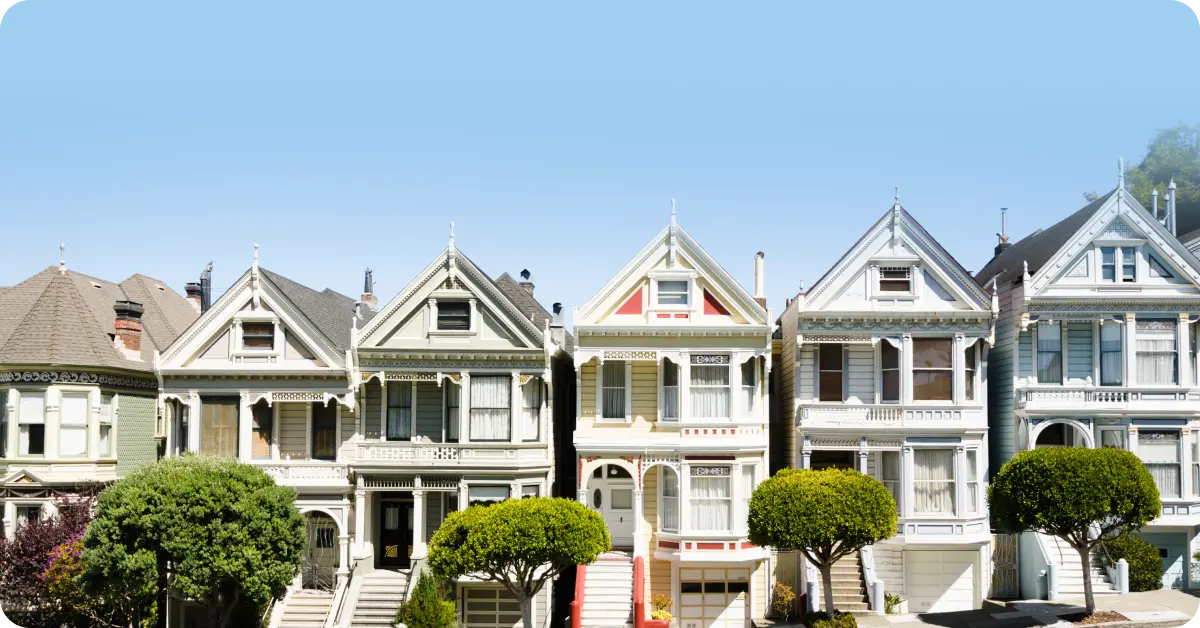
If you’re after flagship stores and luxury brands, Union Square is the obvious place to start. Major department stores, international fashion labels, and well-known retailers all sit within a few blocks, making it the city’s main shopping district. It’s especially lively during the holidays, when seasonal decorations and outdoor events bring extra energy to the neighborhood.
For an experience that is more unique to San Francisco, head back to Valencia Street in the Mission. Independent boutiques, record stores, cafés, and vintage clothing shops sit side by side, inviting you to wander at your own pace.
If secondhand shopping is more your style, Community Thrift offers one of the city’s best treasure hunts, with a constantly changing selection. Proceeds from its sales support local charities.
A short ride away, Hayes Valley offers yet another shopping experience. Once overlooked, it’s now one of San Francisco’s most stylish neighborhoods, packed with local designers, homeware stores, independent fashion labels, and inviting cafés. Even if you leave empty-handed, it’s a pleasant place to spend an afternoon.
Finally, don’t overlook Japantown, one of only three remaining Japantowns in the United States. Its shopping centers mix traditional Japanese gifts, bookstores, beauty products, anime merchandise, and specialty food stores, making it feel completely different from anywhere else in the city.
Take day trips from San Francisco
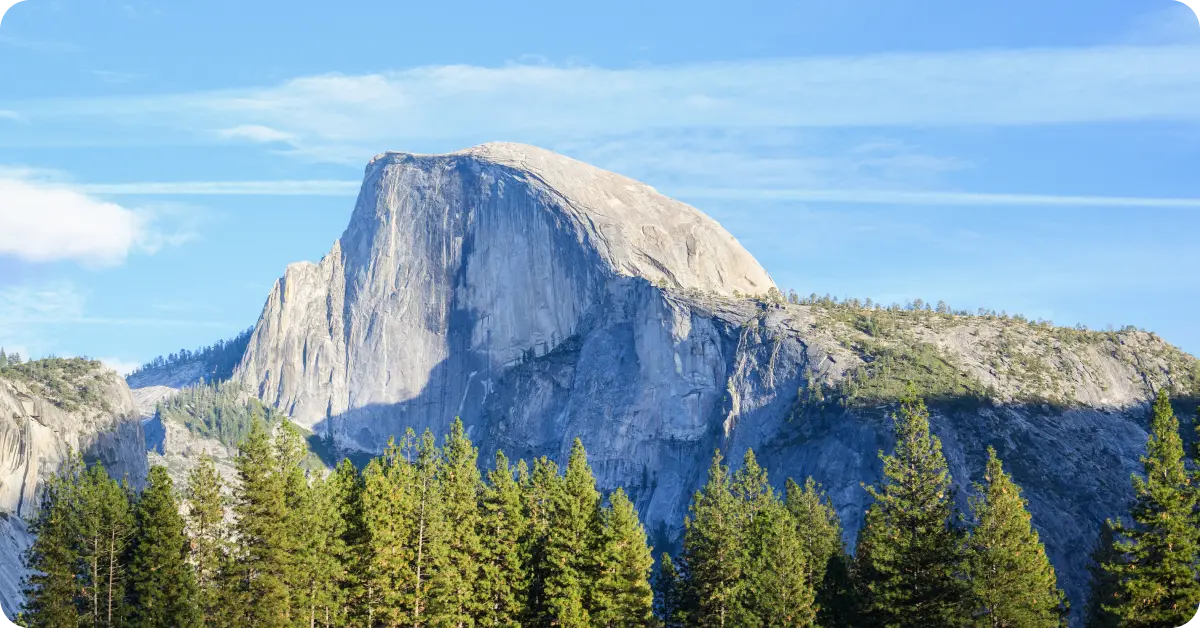
One of the best aspects about visiting San Francisco is how much you can see without traveling very far. Within an hour or two, you can swap city streets for vineyards, towering redwood forests, or dramatic coastal scenery.
Visit Napa and Sonoma
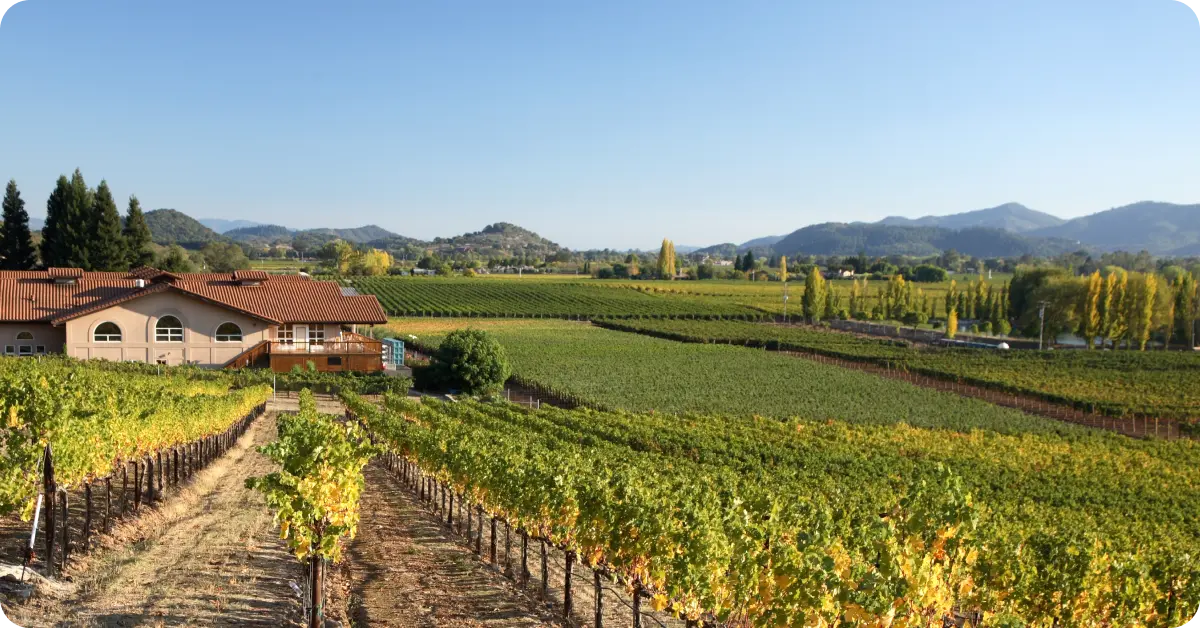
Even if you don’t know much about wine, spending a day in Napa Valley or Sonoma County is an easy recommendation. Although they’re often mentioned together, the two regions have very different personalities.
Napa is the better-known destination, famous for upscale wineries, polished tasting rooms, and luxury resorts. If you’re celebrating a special occasion or looking for a more refined experience, it’s hard to go wrong here.
Sonoma, on the other hand, moves at a slower pace. The wineries are often smaller, tastings generally cost less, and the atmosphere feels more relaxed. Many visitors find it easier to explore without feeling rushed from one appointment to the next.
Both destinations work as a long day trip from San Francisco, but if your schedule allows, slow down. A leisurely lunch overlooking the vineyards is every bit as memorable as the wine itself.
Explore Muir Woods and the Marin Headlands
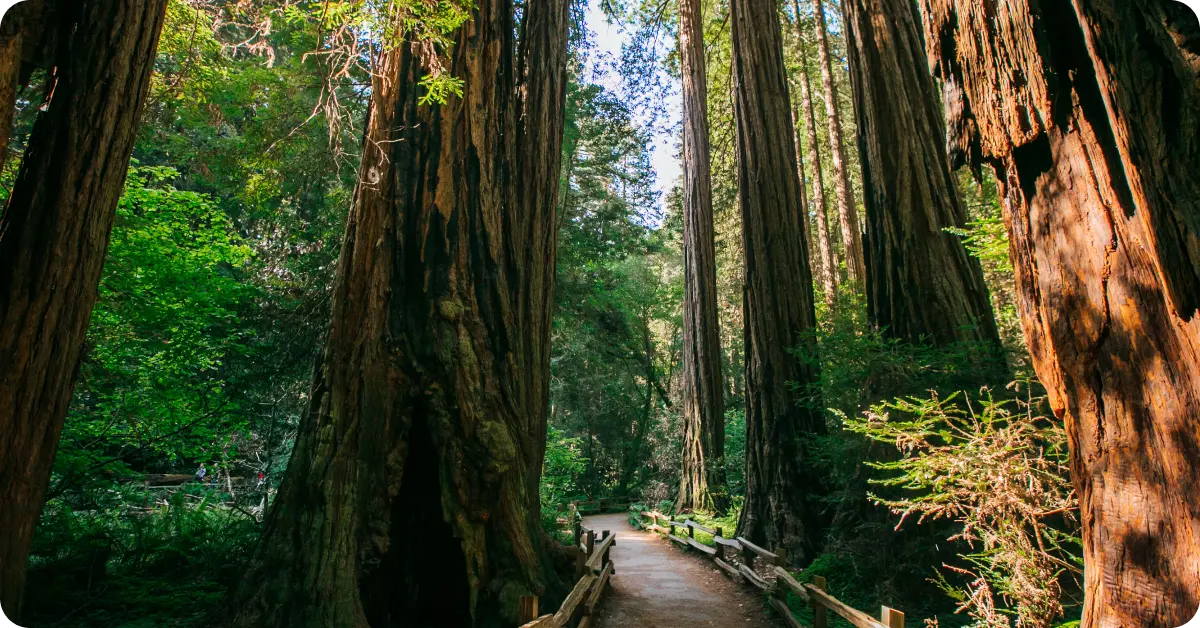
It’s hard to believe that one of California’s oldest forests is just across the Golden Gate Bridge.
Muir Woods National Monument protects an ancient grove of coastal redwoods, some more than 1,000 years old and reaching heights well over 250 feet (75 meters). Walking beneath these towering trees has a way of making you feel very small.
Before or after your visit, spend some time exploring the Marin Headlands. The winding roads lead to spectacular viewpoints overlooking the Golden Gate Bridge, San Francisco Bay, and the Pacific Ocean. They’re typically less crowded than the viewpoints on the San Francisco side, making them a great place to take in the scenery.
A little tip before you go: Muir Woods requires advance parking reservations, which often sell out on weekends and during the summer. If you don’t plan to drive, seasonal shuttle buses operate from nearby towns.
Stay connected in San Francisco with Saily
No matter what attractions you choose, reliable mobile data makes getting around San Francisco much easier.
Instead of relying on public Wi-Fi or paying for expensive roaming in the US, consider setting up an eSIM for the United States before your trip. You’ll have internet access as soon as you arrive, without visiting a mobile carrier or swapping your physical SIM card.
If your itinerary includes Canada or Mexico as well, an eSIM for North America lets you stay connected across multiple countries with a single plan.
While a prepaid SIM for the US is still an option, an eSIM is usually quicker to activate and allows you to keep your regular phone number available for calls and messages if your device supports dual SIM functionality.

1GB
7일
US$3.99
3GB
30일
US$8.99
5GB
30일
US$13.99
FAQ
Yes. Millions of people visit San Francisco every year without any issues, and most of the neighborhoods that travelers spend time in are safe to explore during the day.
Areas such as Fisherman’s Wharf, the Embarcadero, Nob Hill, the Marina District, Pacific Heights, and North Beach are well-connected, busy, and popular with visitors. You’ll also find many hotels, restaurants, and attractions within walking distance of one another.
Like any major city, it’s worth taking a few common-sense precautions. At night, stick to well-lit streets, stay aware of your surroundings, and consider using Uber or Lyft instead of walking long distances. If you’re driving, never leave luggage or valuables visible inside your car, because vehicle break-ins remain one of the city’s biggest problems.
Three days is the ideal minimum for first-time visitors in San Francisco. That gives you enough time to see the Golden Gate Bridge, Alcatraz, and Fisherman’s Wharf, ride a cable car, and explore a couple of neighborhoods without rushing. If you have five days, even better. You’ll have time to linger in Golden Gate Park, enjoy San Francisco’s food scene, browse local shops, and take a day trip to Muir Woods, Napa, or Sonoma.
However, one aspect many visitors underestimate is the terrain. San Francisco may only cover 49 square miles, but its famous hills make walking more demanding than a map might suggest. Figure in extra time between attractions (and pack comfortable shoes).
Not necessarily. San Francisco is compact, and Muni buses, streetcars, cable cars, BART trains, and rideshare services make it easy to reach most attractions.
Driving can be more hassle than it’s worth because parking is limited and expensive, traffic is often slow, and the city’s steep streets take some getting used to. A rental car is useful for day trips to places like Napa Valley, Sonoma, or Muir Woods. Otherwise, public transportation is usually the easier option.
If you do rent a car, remember that San Francisco enforces a 72-hour parking rule on public streets. Vehicles left in the same spot for more than three consecutive days may be towed.
September through November is widely considered the best time to visit San Francisco. The famous fog becomes less persistent, temperatures stay comfortably mild, and the busiest summer crowds begin to thin out. If you’re planning a broader itinerary, this period is also often considered the best time to visit the US, with pleasant weather across many parts of the country.
If saving money matters more than perfect weather, consider January through March. Flights and accommodation are often cheaper during winter, although you’ll have a higher chance of rain.
Whatever the season, pack a jacket. San Francisco’s weather can change quickly, and cool ocean breezes often arrive even on sunny afternoons.
San Francisco is one of the top cities in the US, but it also ranks among the more expensive cities in the country, particularly when it comes to hotels and dining. Depending on your travel style, daily costs can vary dramatically, so it’s worth setting a budget before your trip.
The good news is that many of the city’s most memorable experiences cost little or nothing at all. Walking across the Golden Gate Bridge, watching the sea lions at Pier 39, exploring the Presidio, hiking to Twin Peaks, or visiting the Wave Organ are all free.
Several museums also offer free admission at specific times. The de Young Museum opens free on the first Tuesday of each month, the San Francisco Botanical Garden welcomes everyone free between 7:30 and 9:00 AM daily, and Musée Mécanique never charges an entrance fee.
In other words, you don’t have to spend a fortune to enjoy the City by the Bay. A little planning goes a long way, and some of San Francisco’s best experiences don’t have a ticket price attached.