



20 best things to do in Paris: The first-timer’s guide
A city of croissants, wine, art, and romance — have no doubt, Paris will steal your heart. The key to making it happen is knowing where to go and what to look for. Your first time in Paris deserves to be unforgettable, so we’ve curated a list of 20 essential things to do in and out of the city. From iconic landmarks like the Eiffel Tower and the Louvre to hidden gems like Monet’s gardens and dancing by the Seine, discover what you shouldn’t miss on your extraordinary first trip.
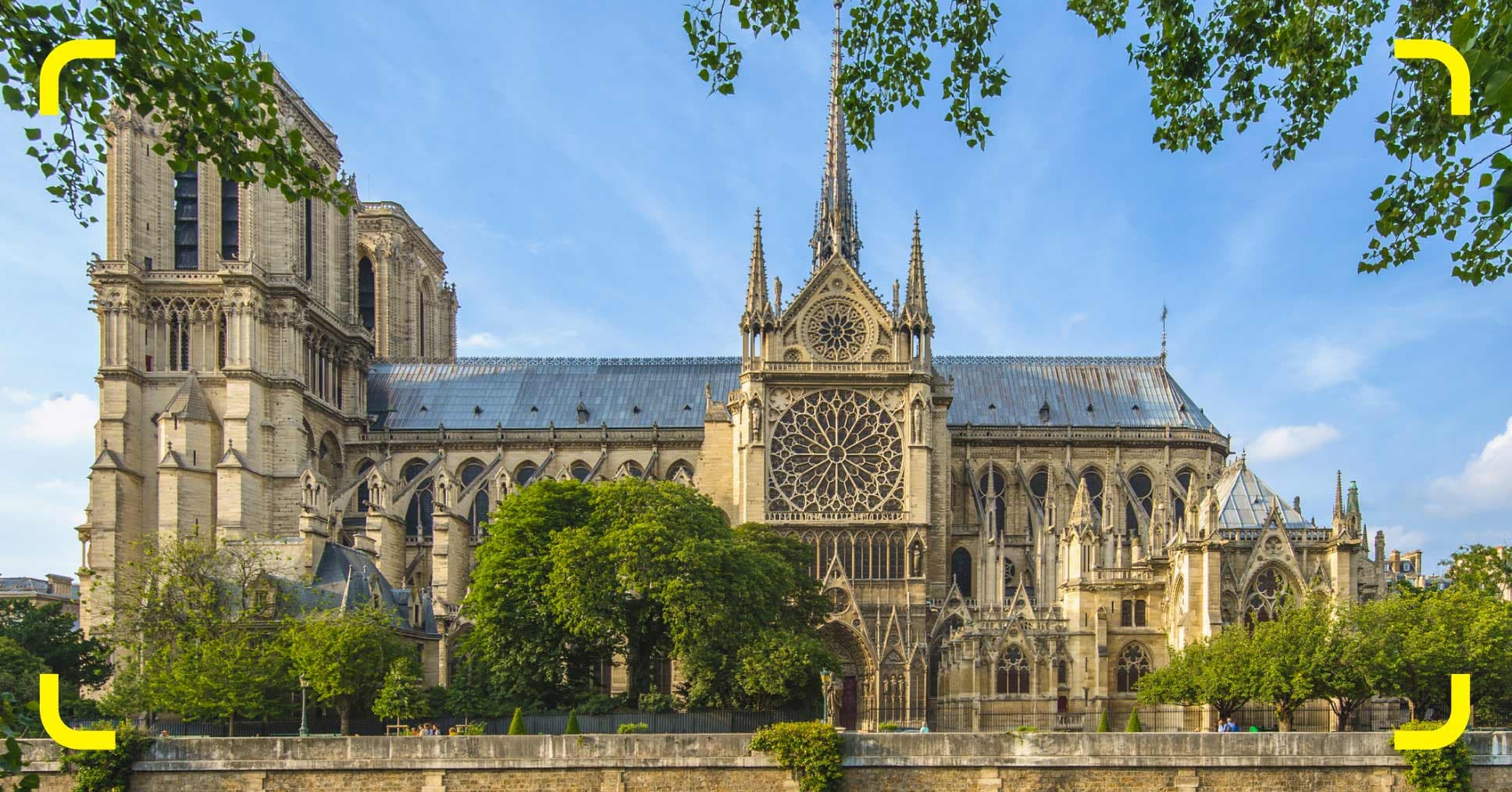
Table of Contents
- How to get around Paris
- See Paris’s iconic landmarks
- The Eiffel Tower
- The Louvre
- Notre-Dame and Sainte-Chapelle
- The Champs-Élysées and Arc de Triomphe
- Explore Paris’s best museums and art
- The Musée d'Orsay
- The Musée de l'Orangerie
- Wander Paris’s most charming neighborhoods
- Montmartre and Sacré-Cœur
- Le Marais
- The Latin Quarter and Saint-Germain-des-Prés
- Best things to do along the Seine
- Where and what to eat in Paris
- Croissants, pastries, and bakeries
- Classic bistros, brasseries, and bouillons
- Food markets
- Cheese and wine tastings
- Things to do in Paris with kids
- Disneyland Paris
- Jardin du Luxembourg and Jardin d'Acclimatation
- Cité des Sciences et de l’Industrie
- Best day trips from Paris
- Palace of Versailles
- Giverny (Monet’s garden)
- Champagne and Normandy
- Stay connected in Paris with Saily
How to get around Paris
You finally made your dream come true — you’ve got your tickets to Paris! Now it’s time to find your way around the city, which, like most European capitals, can seem like a maze at first glance. But it’s not so hard to crack it. Paris is divided into 20 districts called arrondissements, numbered one through 20 and spiraling outward clockwise from the historic center. The lower the number, the closer you are to the heart of the city.
If you’re traveling from abroad, you’re probably reaching Paris by plane. Here’s how you can get to the city center from each of its three airports:
Charles de Gaulle Airport (CDG) — board the RER B train directly from the terminal. The line runs north to south through the city and reaches the center in around 35–45 minutes.
Paris-Orly Airport (ORY) — take metro Line 14, which connects Orly to central Paris in about 25 minutes with no changes needed.
Paris-Beauvais Airport (BVA) — the official shuttle bus to the city center is your best bet here. It’s the simplest option and saves you from stitching together multiple connections.
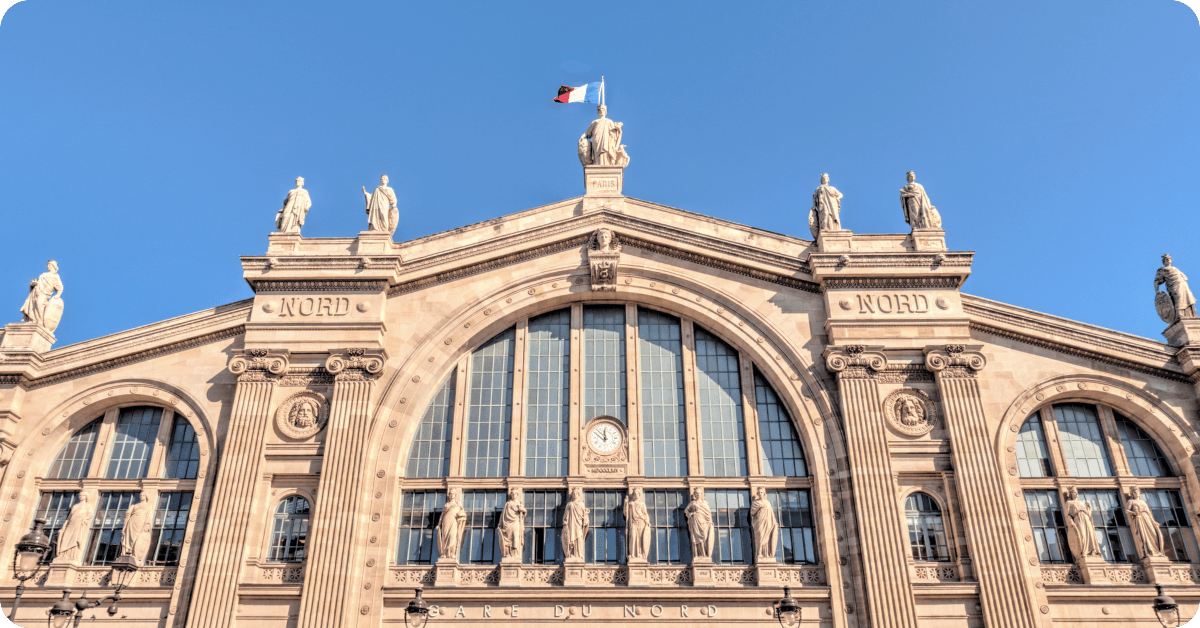
Coming from London? The Eurostar drops you directly at Gare du Nord in the heart of Paris — no airport queues, no transfers.
Once you’re in Paris, the metro is your best friend. The network is extensive and easy to navigate. You can tap a contactless card at the gate, or set up a Navigo pass on your phone. For most visitors, a combination of the metro and your own two feet covers everything. And yes — Paris is wonderfully walkable. Many of its most iconic landmarks, including the Louvre, Notre-Dame, and the Marais, are clustered in the central arrondissements and are easily reached on foot. Pack comfortable shoes — you’ll want to wander — and an eSIM for Paris to check maps and times on the go!
When to visit? April to May and September to October are the sweet spots to go to Paris — you can enjoy mild weather, blooming parks, and noticeably fewer crowds. Summer (June to August) is the busiest season and can get quite hot. If you’re visiting then, book accommodation and popular attractions well in advance. You can also check our international travel checklist to learn what the must-haves are for your upcoming trip.
See Paris’s iconic landmarks
When you picture Paris, what comes to your mind first? Chances are, it’s the romantic silhouette of the Eiffel Tower. But it’s far from the only landmark that captures the essence of Paris. Here’s what you need to know about visiting the city’s most iconic spots.
The Eiffel Tower
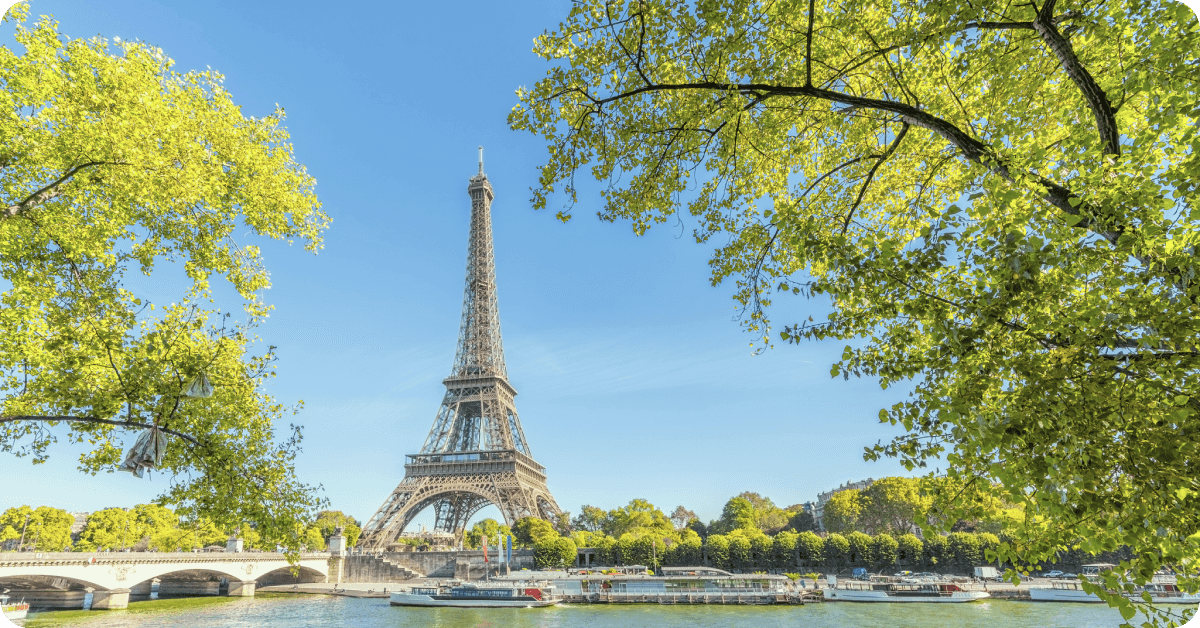
Don’t worry, you won’t miss the icon of Paris towering above the city. Though the Eiffel Tower is popular and touristy, it’s still absolutely worth your attention. Go to the Trocadéro plaza on the other side of the Seine for wonderful views of the tower, or visit the Champ de Mars, a long park stretching out from the Eiffel Tower’s base.
If you want to go up the tower, tickets range from €14.80 to €36.70 (from around US17toUS42), depending on how high you go (second floor vs. summit) and whether you take the stairs or the elevator. Make sure to book well in advance because the queues can be brutal. And honestly? A walk or a picnic on the Champ de Mars may be a better way to enjoy the view.
Important! Keep in mind that ticket prices are subject to change, so always check the official ticketing website for current prices.
The Louvre

One of the world’s most visited museums is not to be missed! Yes, it’s overwhelmingly big, but don’t let that put you off. Even spending a few focused hours in one or two wings will leave you walking out inspired. The hall housing the Mona Lisa will be packed (there’s no getting around it), and the Venus de Milo draws its fair share of crowds, too, but the Louvre has plenty of quieter corridors where you can slow down and take in the work around you.
The Louvre draws huge crowds, so it’s worth pre-booking a timed entry slot. The tickets cost €22 (around US$25) for EU residents and €32 (around (US$36) for non-EU residents. If you’re planning to hit multiple museums during your trip, a Paris Museum Pass is worthwhile — it covers entry to 50+ venues and can save you a meaningful amount.
Notre-Dame and Sainte-Chapelle
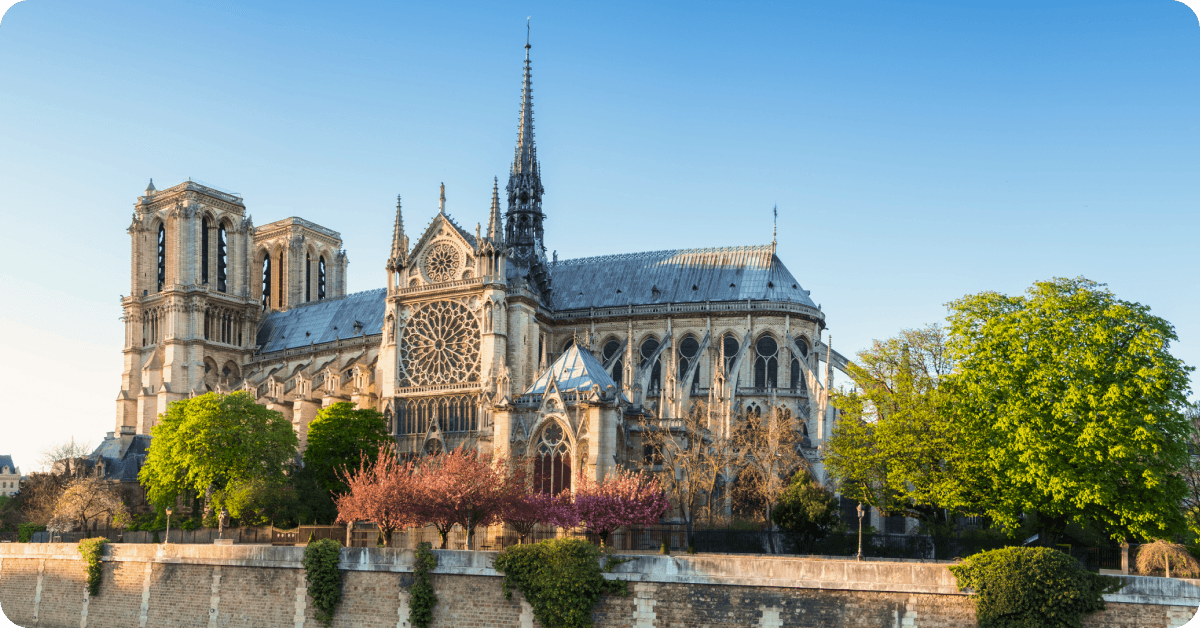
Walking along the Seine? Make a point of crossing onto Île de la Cité, one of the two natural islands of the Seine, where you’ll find Notre-Dame. Entry to the cathedral is free, but to avoid queues, you can book a time slot online a few hours before your visit.
The same island is also home to another Gothic gem — Sainte-Chapelle. The chapel is famous for its stained glass windows: 15 floor-to-ceiling panels that flood the interior with deep violet light when the sun comes through. Entry to the chapel costs €16 (around US$18) for EU residents and €22 (around US$25) for non-EU residents.
The Champs-Élysées and Arc de Triomphe
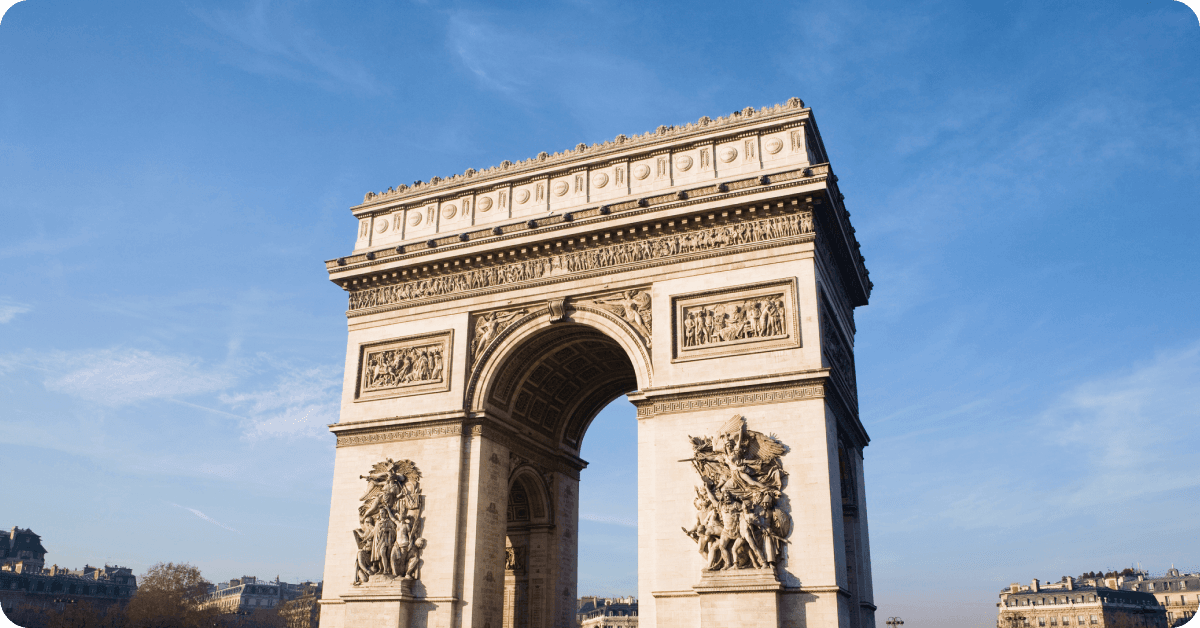
You’ve almost certainly heard of the Champs-Élysées — whether through song, cinema, or the tales of travelers who’ve been to Paris before you. The avenue stretches two kilometers (about over a mile) from the Place de la Concorde to the Arc de Triomphe, lined with luxury boutiques, flagship stores, and grand Haussmann facades. It’s impressive to walk at least once, though it’s heavily commercialized and crowded with tourists — some visitors take a short stroll before moving on to other landmarks.
The real draw at this end of the avenue is the Arc de Triomphe. If you’re a fan of panoramic views, it’s well worth the climb: 284 steps up to a 50-meter-high (164-foot) terrace with views across Paris, including a straight shot down the Champs-Élysées. The climb takes around 15 minutes, and tickets cost between €16 and €22 (from around US18toUS25), depending on the season and day of your visit.
Explore Paris’s best museums and art
Paris’s museum scene extends far beyond the Louvre. For art lovers, two museums stand out for their exceptional collections: the Musée d’Orsay and the Musée de l’Orangerie. Here’s what to expect at each.
The Musée d'Orsay
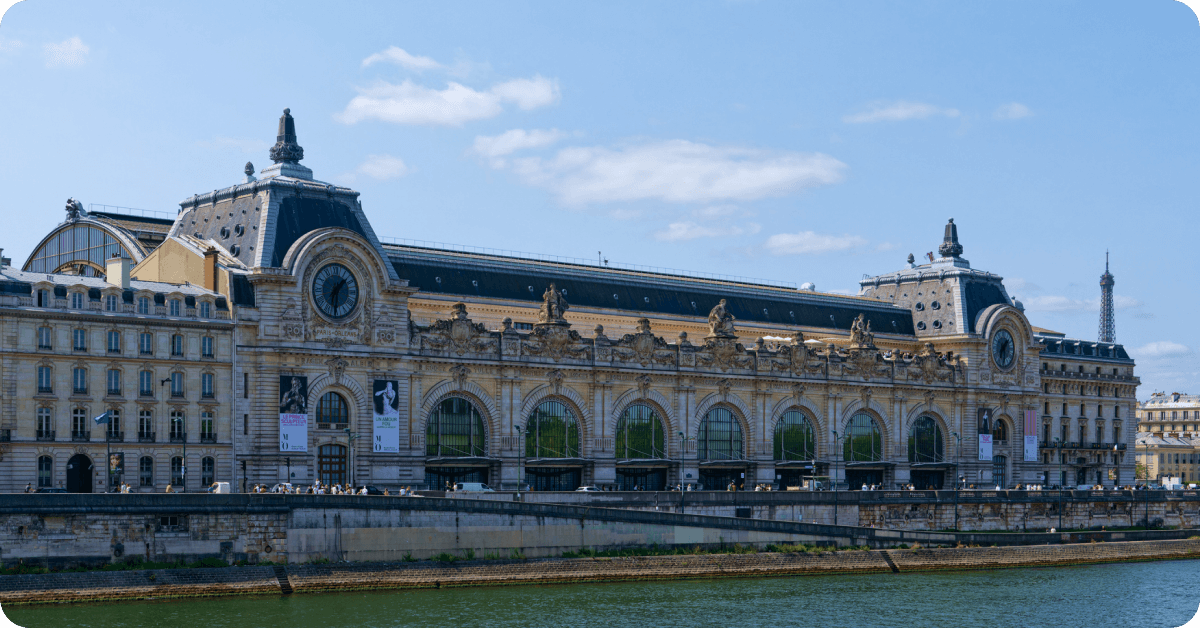
If Impressionist art speaks to you, the Musée d’Orsay should be near the top of your list. Housed in a stunning Beaux-Arts railway station built for the 1900 World’s Fair, the museum is worth visiting for the architecture alone. The grand glass ceiling and the monumental clock set into the upper facade of the main hall — the former station’s passenger concourse — are as striking as the paintings on the walls. Inside, you’ll find one of the world’s greatest collections of Impressionist and Post-Impressionist paintings, with works by Monet, Van Gogh, Renoir, Degas, and Cézanne, among many others.Tickets cost €14 (around US$16) at the door or €16 (around US$18) online — booking online is recommended if you want to avoid queuing.
The Musée de l'Orangerie
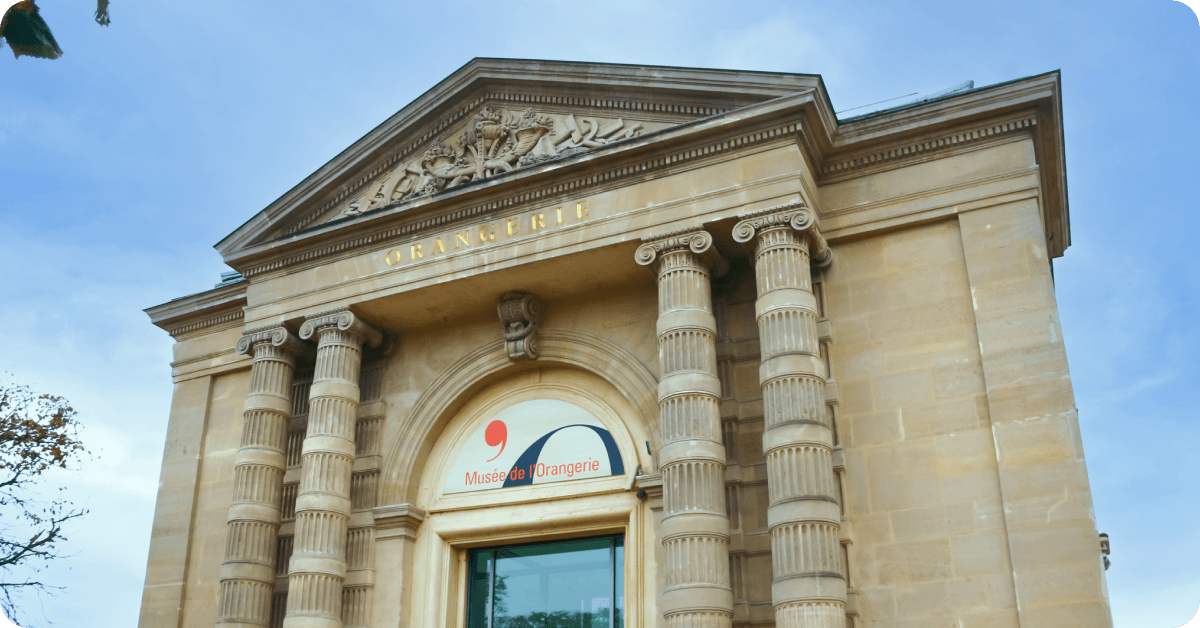
The Musée de l’Orangerie is small compared with the city’s other major museums. Still, it draws crowds, thanks to its centerpiece: Claude Monet’s Water Lilies, a mural of eight vast panels spread across two oval rooms that Monet himself helped design. Beyond the Water Lilies, the collection includes works by Renoir, Cézanne, Matisse, Picasso, Modigliani, and Rousseau.
Tickets cost €11 (around US$13) at the door and €12.50 (around US$14) online. Though online tickets are a little more expensive, they will help you avoid queuing.
Wander Paris’s most charming neighborhoods
Paris’s character lives in its neighborhoods. If you’re looking for proof, visit the bohemian hilltop village of Montmartre, the medieval streets of Le Marais, and the literary haunts of the Latin Quarter. You’ll see that each neighborhood tells a different story — so start exploring.
Montmartre and Sacré-Cœur
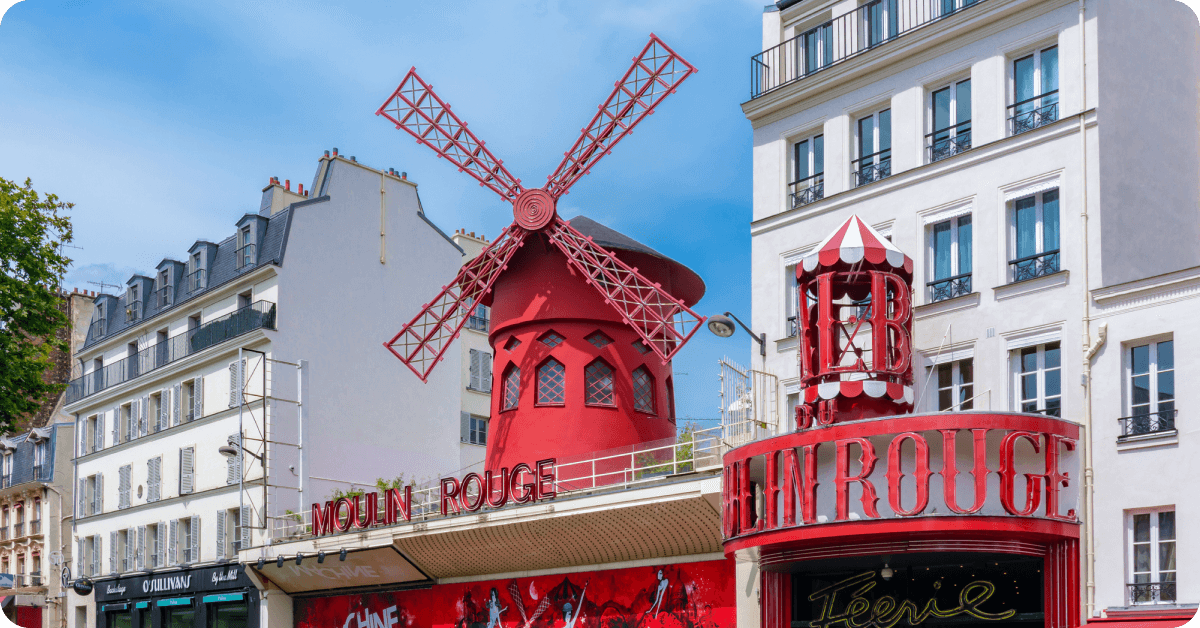
If you can sing every song from Moulin Rouge, Montmartre is non-negotiable. This hilltop village in the north of Paris is where the cabaret was born, where Picasso and Toulouse-Lautrec once roamed, and where the city’s bohemian soul still lives. Watch the artists at work in Place du Tertre, and keep an eye out for the Wall of Love (Le Mur des je t’aime) — a mosaic of “I love you” written in 250 languages.
At the top of the hill sits the Basilica of Sacré-Cœur, with panoramic views stretching across the whole of Paris from its steps. Montmartre is also the neighborhood that offers some of the best things to do in Paris at night and for couples. Think of five-to-seven (cinq à sept), the cherished after-work window when locals spill onto terrace bars for an apéritif and ease into the night. Pull up a chair at one of the bistros on the slopes of the hill, order a glass of wine, and let the evening unfold. Few Paris experiences are more effortlessly romantic.
Le Marais
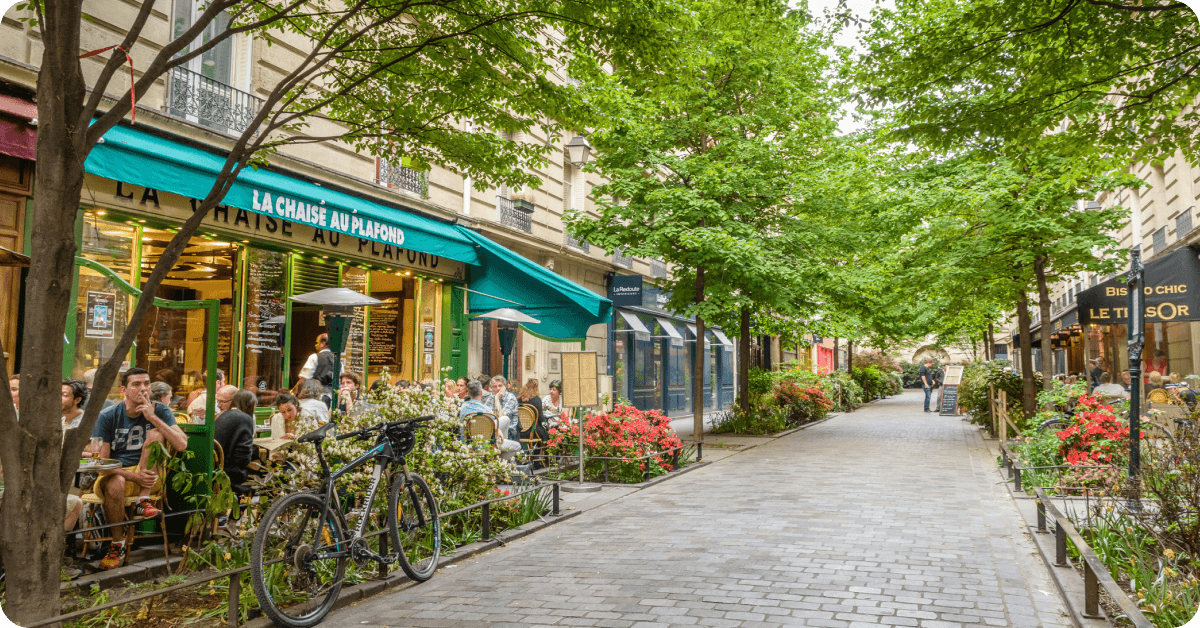
Spread across the 3rd and 4th arrondissements, Le Marais is where old Paris and new Paris sit side by side. The neighborhood escaped 19th-century redesign, so its medieval and pre-revolutionary character survives in narrow streets and timbered facades. In the historic streets you’ll find independent boutiques, art galleries, leafy squares, and plenty of restaurants and cafés.
A fan of Picasso? He spent decades of his life in Paris, and the Musée Picasso sits right here in Le Marais, housed in a stunning 17th-century mansion with one of the world’s largest collections of his work.
The Latin Quarter and Saint-Germain-des-Prés
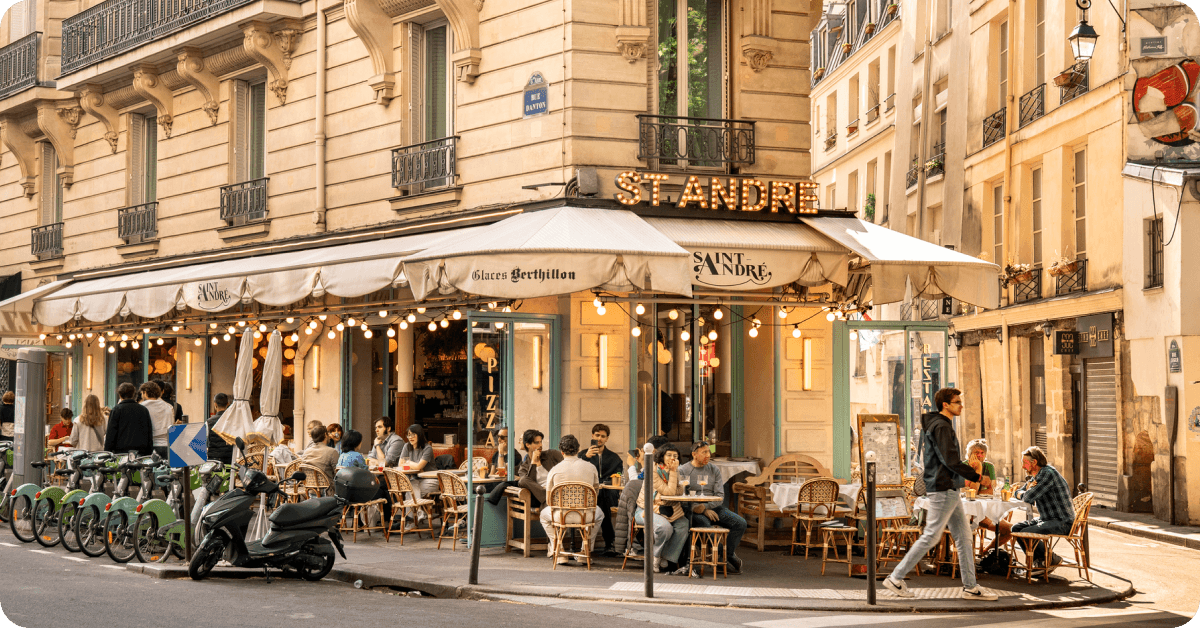
The Latin Quarter grew up around the Sorbonne and never lost its student soul. Hemingway, Joyce, and Fitzgerald were regulars in these winding streets, and the legendary Shakespeare and Company bookshop — a Lost Generation gathering point — still stands on the Seine. Nearby, the Panthéon is where France buries its greatest minds, from Voltaire to Marie Curie.
Just across the boulevard, Saint-Germain-des-Prés is home to the iconic Café de Flore and Les Deux Magots, where Sartre and de Beauvoir once wrote over morning coffee. These days it’s rather touristy and overpriced, but the street views from a terrace table are still great.
Best things to do along the Seine
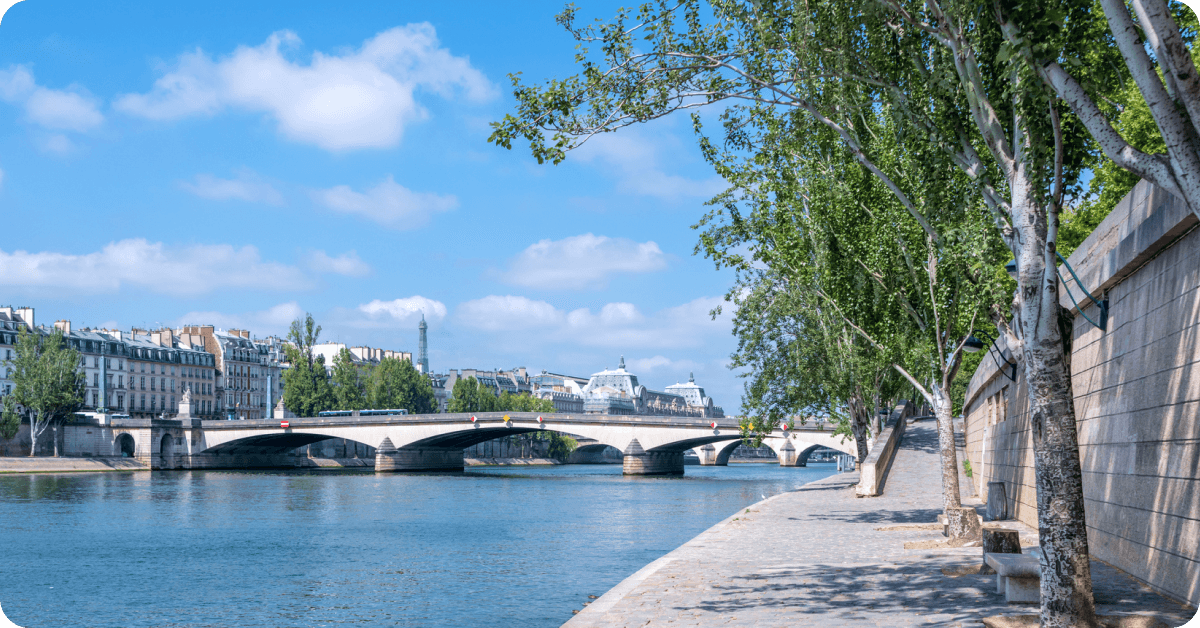
The Seine is more than a backdrop — it’s a great way to experience the city. Possibly the most charming option costs nothing: walk the riverbanks at golden hour, find a spot on the stone quays, and settle in with a bottle of wine and something from a nearby boulangerie. Few Paris moments beat it.
If you’d rather see the city from the water, the Batobus can be an affordable option. The hop-on, hop-off river boat stops at nine major landmarks, including the Eiffel Tower, the Louvre, Notre-Dame, and the Musée d’Orsay. A 24-hour pass starts from €23 (around US$26).
If you’re looking for something more unique and unusual to do in Paris, head to the Tino Rossi Gardens on a summer evening. From roughly May to September, locals gather in the riverside amphitheater for free open-air dancing — tango, salsa, swing, rock ‘n’ roll — and complete beginners are welcome, too!
Where and what to eat in Paris
French cuisine is famous around the world, and eating well in Paris doesn’t require going to expensive restaurants. From neighborhood bakeries to vibrant markets to wine tastings, discover the flavors that define Parisian culture.
Croissants, pastries, and bakeries
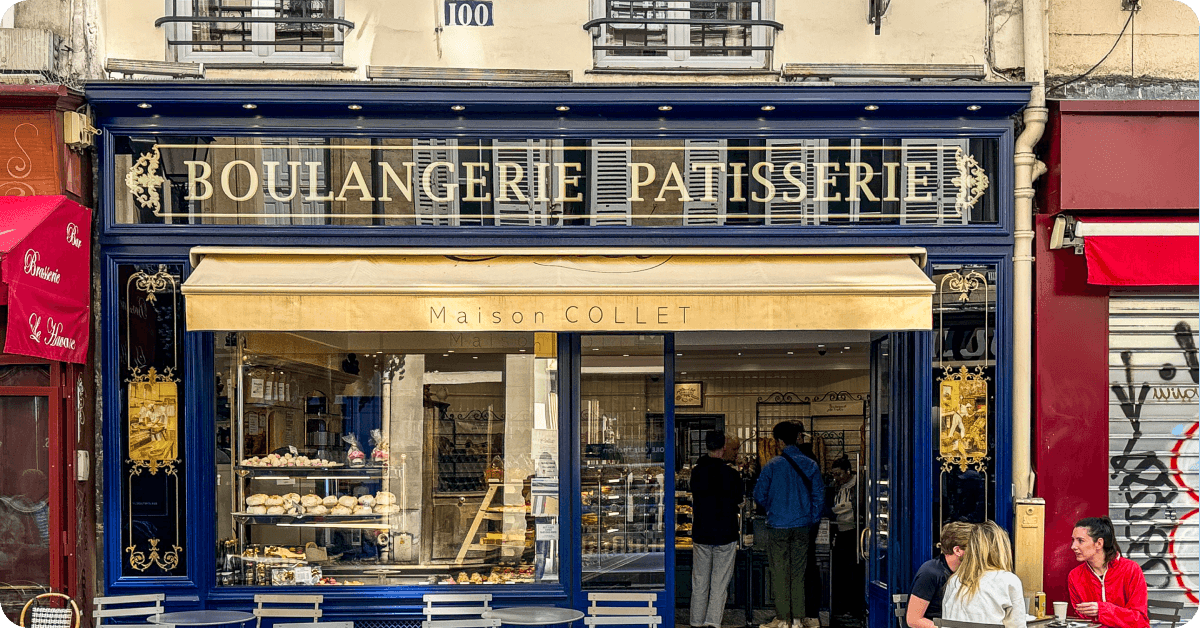
No trip to Paris is complete without surrendering to its bakeries. Almost any neighborhood boulangerie will have an excellent croissant or pain au chocolat, so don’t overthink choosing a place. Beyond the classics, try an éclair, a flaky mille-feuille (puff pastry stacked with smooth vanilla custard), a tarte au citron (lemon tart), or a kouign-amann — a caramelized, buttery pastry from Brittany that’s become a favorite among Parisians.
If you’d rather head somewhere with a reputation, Boulangerie Utopie is beloved for its sourdough breads, sesame éclairs, and seasonal sweets. For something more delicate, Bontemps Pâtisserie in Le Marais is a charming tea salon known for its buttery sablés (shortbread cookies).
Classic bistros, brasseries, and bouillons
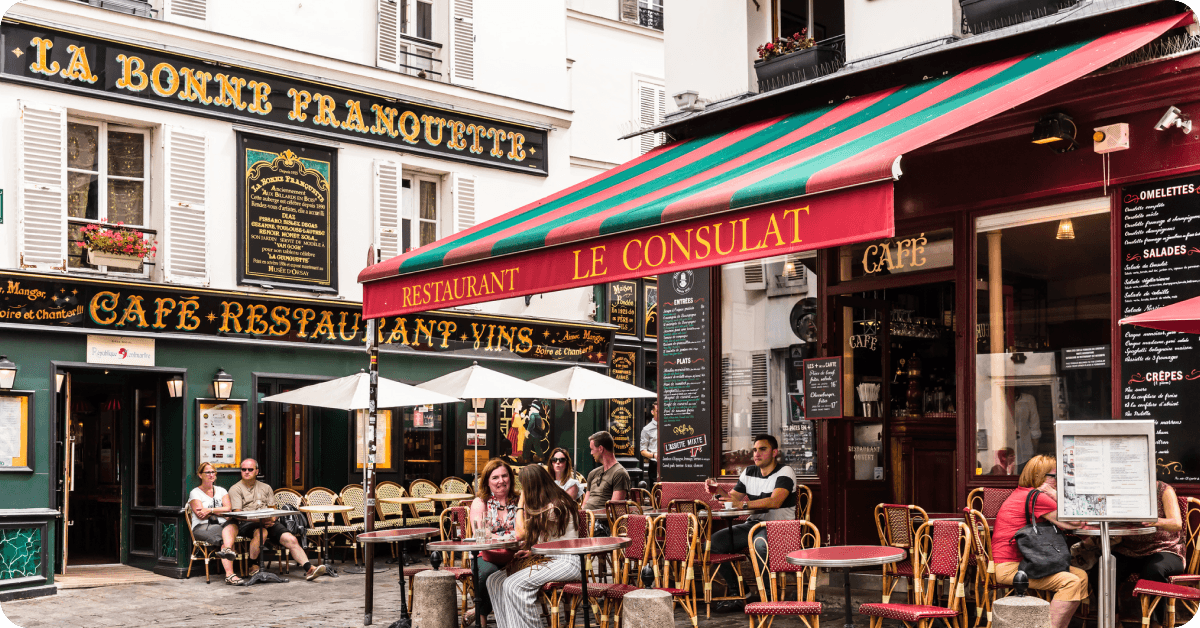
The three staples of French dining culture — the bistro, the brasserie, and the bouillon — may sound similar to a foreign ear, but they’re three distinct types of places, each with its own character and history.
A bistro is typically a small, owner-run neighborhood restaurant with a limited menu, chalkboard specials, and the kind of French home cooking — steak frites, duck confit, onion soup — that never goes out of style. A brasserie is grander and larger — an all-day restaurant with a broader menu, longer hours, and a buzzing atmosphere. A bouillon, meanwhile, is the oldest of the three — a 19th-century working-class canteen built around communal tables, a fixed traditional menu, fast service, and low prices. Bouillons are currently enjoying a well-deserved revival across Paris.
All three places are ideal for casual dining. However, if you have your eye on a well-known bistro or brasserie, it’s worth checking whether you need a reservation — the popular ones fill up fast. You can book a table using TheFork app — just first check if your phone works in France!
Food markets
Parisian food markets are scattered across the city and worth building your day around. Marché Bastille is the largest open-air market in central Paris and is popular among both locals and tourists. Parisians come here for their weekly grocery run: seasonal produce, fresh bread, and stalls run by butchers, fishmongers, and artisan cheesemongers, alongside ready-made street food if you want to eat on the spot.
A 10-minute walk away is Marché d’Aligre — part outdoor food market, part historic indoor food hall, part flea market. The indoor section is home to independent cheesemongers, butchers, and gourmet spice shops, while outside vendors sell fresh produce against a soundtrack that shifts between French, Arabic, and Creole within the same minute. It’s loud and vibrant, and reflects the rich cultural mix of the 12th arrondissement.
If organic produce is a priority, Marché Raspail runs as a fully certified-organic market every Sunday. Note that it operates as a regular neighborhood market on Tuesdays and Fridays, so Sunday is the day to go.
Cheese and wine tastings

A wine and cheese tasting is a great way to get acquainted with French food culture without leaving the city. You can explore wines from across France’s regions, paired with a rotating cast of French cheeses, guided by someone who can actually explain what you’re drinking. Keep an eye out for wines from Île-de-France — the region surrounding Paris. They’re rarely exported and mostly poured at local events, which makes them worth trying while you’re there.
Things to do in Paris with kids
Paris isn’t just for culture vultures and romance seekers. Families will find plenty to keep kids entertained, from world-famous theme parks to interactive science museums to leafy gardens where children can play while parents relax. Here’s where to go.
Disneyland Paris
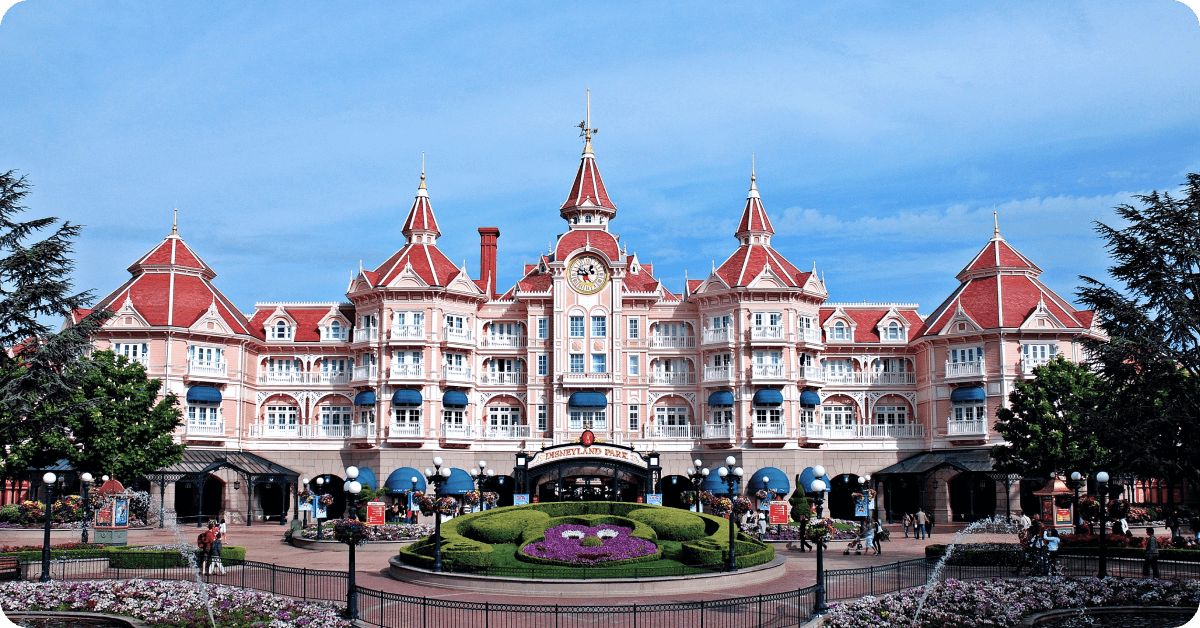
Disneyland is probably at the top of your kids’ list, and there’s a good chance you’ll enjoy it just as much. The resort has two parks: the classic Disneyland Park, with its fairytale castle, character meet-and-greets, and classic rides, and the adjacent Disney Adventure World, which brings modern blockbuster stories from Pixar, Marvel, and Disney to life.
Getting to Disneyland is easy: Hop on the RER A train from any central Paris station (Châtelet–Les Halles, Gare de Lyon, Nation, or Charles de Gaulle–Étoile) in the direction of Marne-la-Vallée / Chessy — look for the A4 code and the small castle logo on the platform displays. Get off at the last stop — the park entrance is a two-minute walk. The journey takes around 40 minutes from the city center.
Tickets for a one-day, two-park pass start at around €110 (around US$123) for a child and €115 (around US$129) for an adult, rising to €197–€209 (from around US$220 to US$234) on peak dates like New Year’s Eve. Prices vary significantly by date, so check the official Disneyland Paris website before booking — and book in advance, as popular dates sell out.
Jardin du Luxembourg and Jardin d'Acclimatation
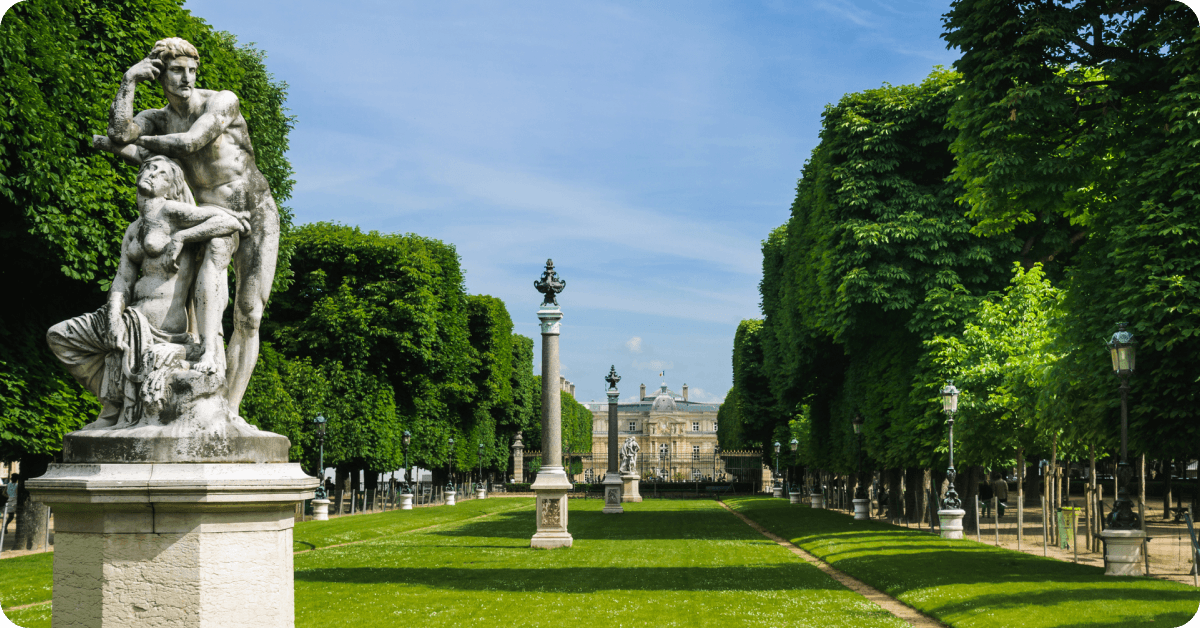
For a relaxed family morning, Jardin du Luxembourg is hard to beat. At the heart of the park sits an octagonal pond where children can rent toy sailboats and push them across the water with long sticks. There’s also Ludo Jardin, a playground tucked within the gardens, where your little ones can lose themselves on the climbing frames and slides. Note that the playground charges a small entrance fee. For parents, the park is equally rewarding: Pull up one of the iconic green chairs, find a sunny spot, and read or people-watch while the kids tire themselves out.
For a bit more excitement, go to Jardin d’Acclimatation in the Bois de Boulogne — a public park with over 40 attractions and a petting zoo. It’s a solid full-day option for families with younger children. Tickets range from €15 to €52 (from around US17toUS58) per person depending on the experience, so check the official site for current pricing before you go.
Cité des Sciences et de l’Industrie

Cité des Sciences is one of the largest science museums in Europe. Here, physics, mathematics, space, the human brain, and transportation are all explored through hands-on experiments rather than glass cases — making it as engaging for curious adults as it is for children.
Kids get their own dedicated zone split by age group, from toddlers up to 12, with water games, construction zones, and mini TV studios where learning happens through play. Tactile tours covering biodiversity, mechanics, and astronomy also do an impressive job of showing how science and mathematics connect to everyday life. Plan for at least half a day — easily a full one if your kids get absorbed. A standard adult ticket costs €15 (around US$17); reduced rates apply for children.
Best day trips from Paris
Some great experiences await just a short train ride away from Paris. Trade the city streets for the opulence of a royal palace, gorgeous gardens, or the coastlines and vineyards of the French countryside — here’s where you can go.
Palace of Versailles
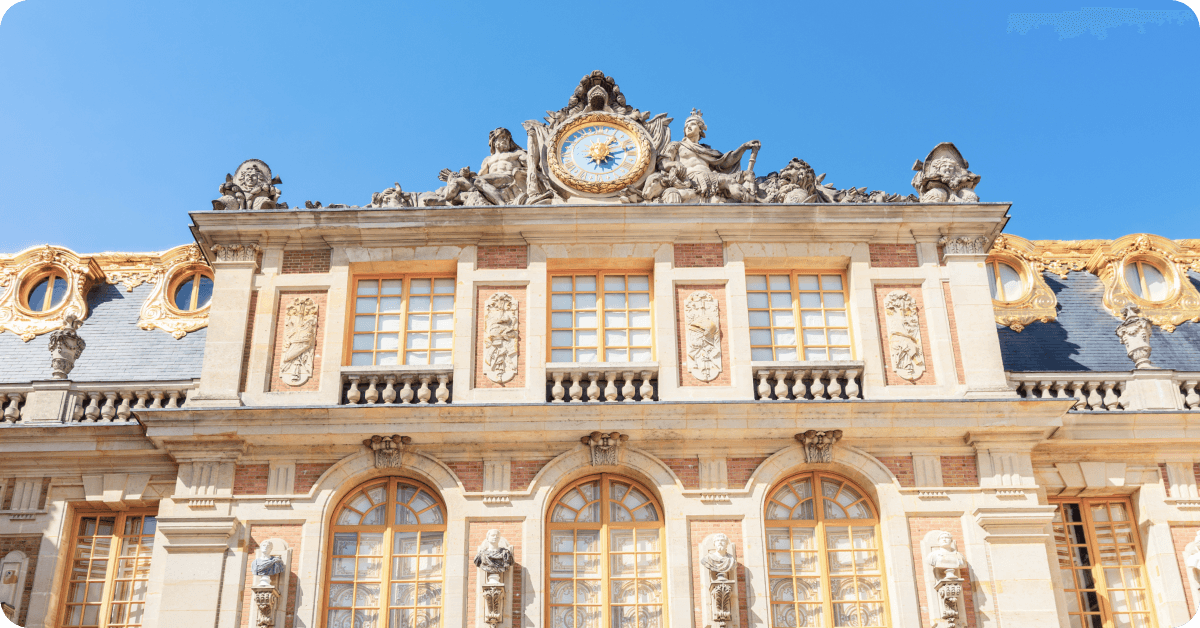
No day trip from Paris carries quite the same weight as Versailles. Until the French Revolution, this was the seat of French royal power — home to Louis XIV, Louis XVI, Marie-Antoinette, and a court of thousands of nobles, servants, and officials. And the palace makes no attempt at modesty — every surface is gilded, frescoed, or sculpted to within an inch of its life.
One of the major highlights of the Palace of Versailles is the Hall of Mirrors. Here, 357 mirrors set opposite 17 giant arched windows bounce daylight across every surface. The gardens are another gem you shouldn’t miss. They’re an excellent example of a formal French garden with symmetrical pathways, immaculately cut hedges, hidden groves, and monumental classical fountains depicting scenes from mythology.
Getting to Versailles is simple. Take the RER C from central Paris to Versailles Château Rive Gauche — the trip takes around 35–40 minutes. Tickets to the full estate cost €35 (around US$40) in the high season (1 April–31 October) and €25 (around US$28) in the low season.
Giverny (Monet’s garden)
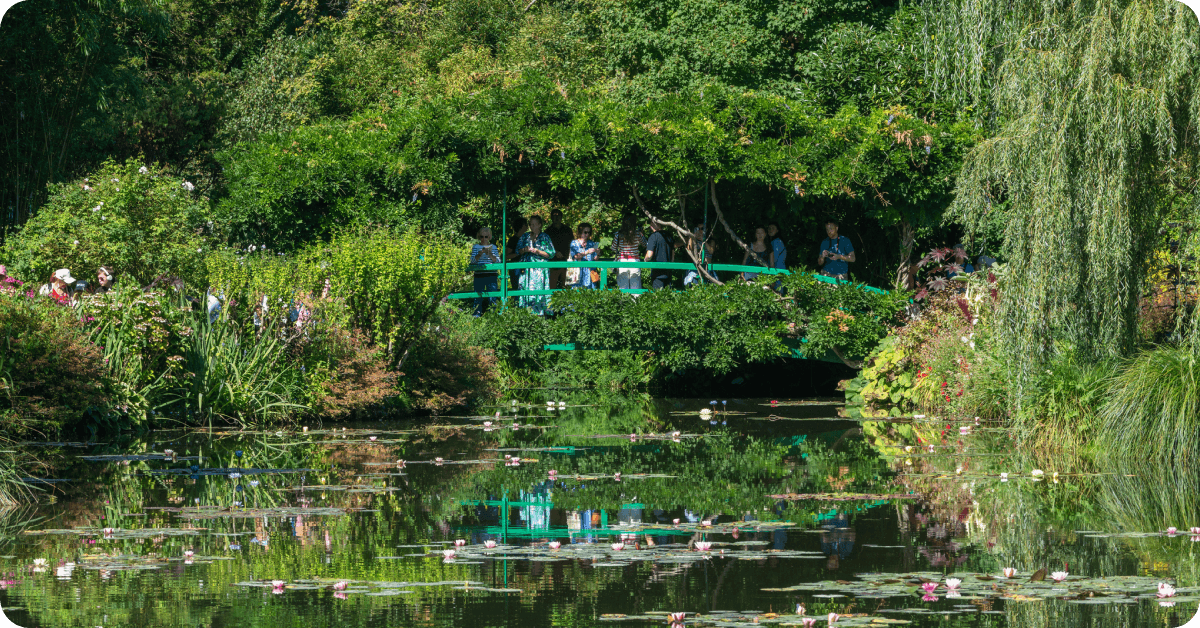
If you’ve ever wondered where Monet’s inspiration came from, Giverny is the answer. The painter spent 43 years here, designing his flower and water gardens as deliberately as any canvas. These gardens became an inspiration for his paintings — Water Lilies, The Japanese Footbridge, and The Artist’s Garden at Giverny, among many others. Walking through these gardens in bloom is as close as you can get to stepping inside one of his paintings.
The gardens are open from spring through fall, with the flowers at their peak in late spring and early summer. Entry costs €13 (around US$15), and you can get to the estate by taking a TER train from Gare Saint-Lazare to Vernon-Giverny — it takes around an hour. The train station is around five kilometers (three miles) away from Monet’s house, but a shuttle runs to the estate.
Champagne and Normandy
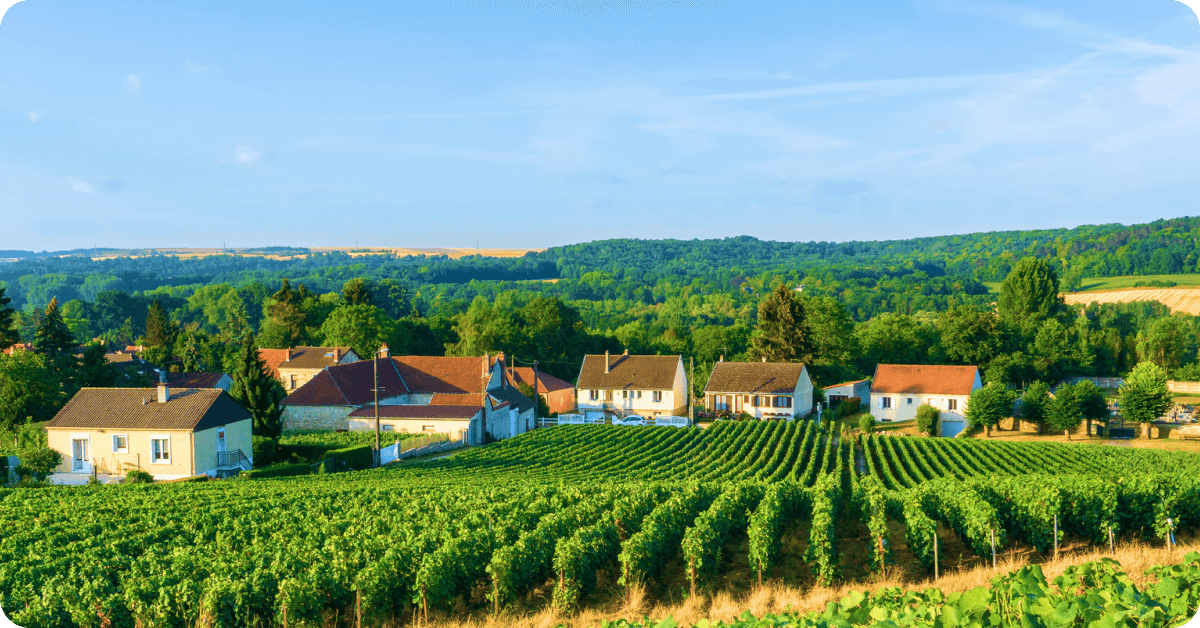
Head east from Paris and within an hour you’re in Champagne. It’s the only place in the world where true champagne can be produced, thanks to a unique combination of chalky soil and climate. Nearly every bottle relies on just three grapes grown in these vineyards.
To the northwest lies Normandy — it requires a longer trip, but one worth making. Normandy’s D-Day beaches need little introduction: This is where Allied forces landed in June 1944 and turned the course of World War II. Beyond the history, the coastline itself is stunning — dramatic alabaster cliffs that inspired the impressionists, dotted with charming fishing villages and harbors that feel completely removed from Paris.
Stay connected in Paris with Saily
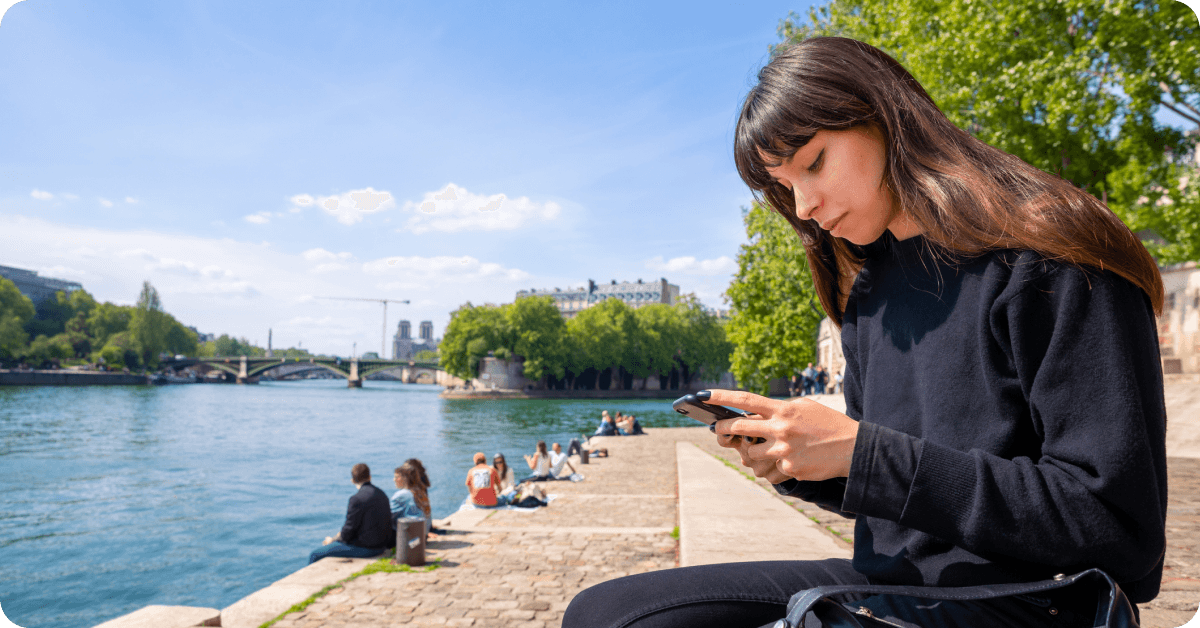
Get a Saily eSIM for France before you leave and go online the moment you land — no hunting for a SIM card kiosk, no roaming charges, no nasty roaming bill waiting at the end of the trip. Step off the plane and you can instantly check directions to your accommodation, hail a ride, or find the best spot for a late breakfast.
Just download the Saily app, pick a data plan for France, and activate your virtual SIM before departure for a smooth start.
Need data in France? Get an eSIM!

1 GB
7 days
US$3.993 GB
30 days
US$8.995 GB
30 days
US$10.99
FAQ
For many people, the landmarks that define a visit to Paris are the Eiffel Tower, the Louvre, the Notre-Dame, and Montmartre’s Sacré-Cœur basilica. Beyond the monuments, a walk by the Seine is a great way to explore the city, and at least one memorable meal is a must — whether that’s a croissant from a neighborhood bakery or a classic bistro dinner.
The top five things to do in Paris include visiting the city’s most famous landmarks. Think of visiting the Eiffel Tower, admiring works of art in the Louvre, wandering the bohemian Montmartre, strolling the Champs-Élysées to the Arc de Triomphe, and taking a day trip to the opulent Versailles.
Cinq à sept, literally “five to seven,” is the cherished after-work window when Parisians head to terrace bars for an apéritif before dinner. It’s the moment to grab a glass of wine or champagne with friends, order some small plates, and ease into the evening.
A week in Paris on US$1,000 is tight if you plan to cover accommodation, but doable if you spend on lodging separately. Meals ranging from casual bistros to street food, museum entries, public transport, and city attractions drive up costs quickly. However, there are ways to stretch your budget, like getting a Paris Museum Pass if you’re keen on visiting museums, building picnics around bakeries and markets rather than restaurants, and taking advantage of free sights like Notre-Dame, the Seine riverside, and neighborhood strolls. Also, keep in mind that roaming in Europe might be expensive, so consider packing an eSIM or getting a local SIM card if you want to save some money.
Paris is known for iconic landmarks like the Eiffel Tower, world-class museums and art collections, haute couture fashion, and its culinary heritage — from buttery croissants and artisan cheeses to fine wines. You can also read some fun facts about France to discover more quirky sides of the country Paris calls home.
Late spring (April–May) and early fall (September–October) offer the best balance of mild weather and manageable crowds. Summer is lively but comes with peak crowds and heat, while winter brings a quieter, more intimate Paris with holiday charm — though expect cold weather and less daylight.

Always connected, always on course
Connect instantly with a Saily eSIM and enjoy effortless internet access.

Related articles

18 min read