





Complete guide to 2026 World Cup host cities
The long awaited 2026 FIFA World Cup is finally upon us. For the first time in the tournament's history, a record 48 countries will participate in the tournament, taking the best players on the planet to three separate countries and 16 different host cities across the US, Mexico, and Canada. With 104 matches scheduled to take place from June 11 to July 19, let’s get to know each of the 16 World Cup venues and host cities along with the best experiences they can offer.
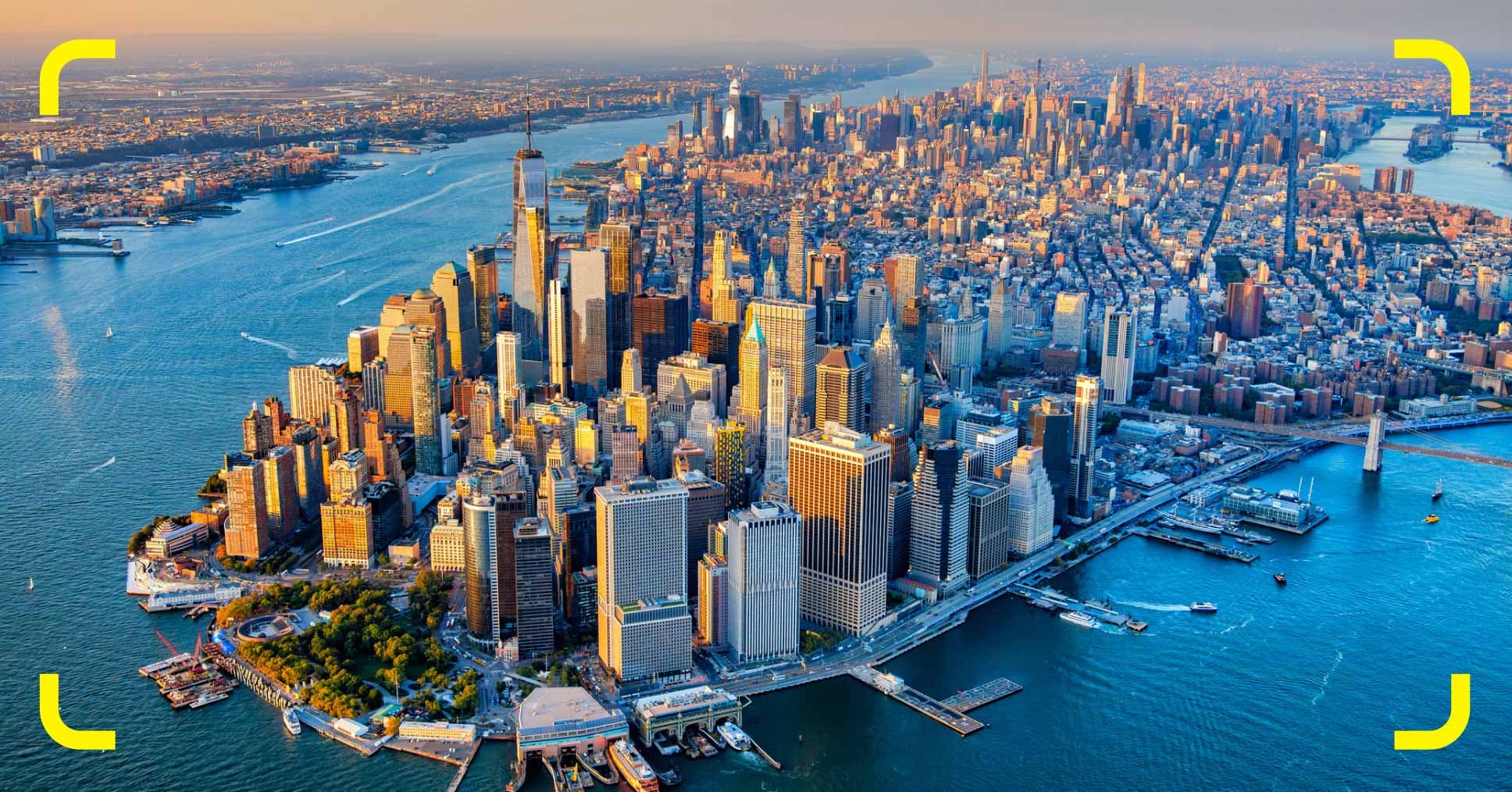
Table of Contents
- Where is the FIFA World Cup 2026 hosted?
- USA host cities (11 cities)
- New Jersey, NY
- Dallas, TX
- Atlanta, GA
- Los Angeles, CA
- San Francisco/Bay Area, CA
- Seattle, WA
- Boston, MA
- Houston, TX
- Kansas City, MO
- Miami, FL
- Philadelphia, PA
- Mexico host cities (3 cities)
- Mexico City
- Guadalajara
- Monterrey
- Canada host cities (2 cities)
- Toronto
- Vancouver
- What is worth visiting in World Cup host cities between matches?
- New York
- Los Angeles
- Houston
- San Francisco
- Miami
- Mexico City
- Toronto
- Practical travel tips for World Cup 2026
Where is the FIFA World Cup 2026 hosted?
The 2026 FIFA World Cup takes football fans to North America with the US, Canada, and Mexico hosting the competition. It’s the first time in history the biggest sporting event in the world takes place in three separate countries with 11 host cities in the US, three in Mexico, and two in Canada. The tournament will open with a match between the hosts Mexico and South Africa in Estadio Azteca in Mexico City on June 11, and close with a grand final in MetLife Stadium in New Jersey on July 19.
USA host cities (11 cities)
With 11 host cities, the USA is playing first fiddle in the 2026 FIFA World Cup. While the tournament will kick off in Mexico, the US will host the majority of matches, including the grand final in New Jersey’s MetLife Stadium on July 19. From New Jersey to Miami — below you’ll find all American WC host cities along with information on stadiums and the matches they’ll be hosting.
New Jersey, NY
Home to the biggest stadium of the 2026 FIFA WC, New Jersey will host eight games — five in group stage, two in knockout stages (one in round of 32 and round of 16 each) and the grand final. Since New Jersey is right beside New York, football fans will have plenty to see and do in between the matches.
You can choose from literally thousands of things to explore in the New York/New Jersey area. But if you’re to pick a couple, you can’t miss Central Park. It’s a great way to escape the concrete jungle and enjoy some peace in nature. The park also has tons of attractions, like Belvedere Castle, Bethesda Terrace, or the zoo, all recognizable from movies and TV shows. If you’re staying for a longer time, the Statue of Liberty, Times Square, and the Museum of Natural History are also very much worth a visit.
For an easy commute to MetLife Stadium, base yourself near Midtown or the West Side. You can use NJ Transit rail and express buses to reach the venue on match days, with additional special-event service operating from designated areas. In addition, expect heavy crowds around Penn Station and the Port Authority, pack for warm weather, and enjoy the football celebration! If you’ll be visiting other WC host cities too, Rockaway Beach or taking lunch at the Flushing neighborhood might be among the best things to do around JFK airport before flying out.
Matches scheduled for MetLife Stadium:
Brazil vs. Morocco (June 13, 6 PM EST)
France vs. Senegal (June 16, 3 PM EST)
Norway vs. Senegal (June 22, 8 PM EST)
Ecuador vs. Germany (June 25, 4 PM EST)
Panama vs. England (June 27, 5 PM EST)
Round of 32 match (June 30, 5 PM EST)
Round of 16 match (July 5, 4 PM EST)
Final (July 19, 3 PM EST)
Dallas, TX
Home of the iconic Dallas Cowboys, the AT&T Stadium will host nine World Cup matches, welcoming at least 12 different teams from around the world. Among these national squads, elite stars and legends such as Lionel Messi (Argentina), Virgil van Dijk (the Netherlands), Luka Modric (Croatia), and Harry Kane (England), which makes for an exciting group stage. Dallas stadium will also host one of the semifinals, which, knowing the history of the World Cup, will be nothing less than electrifying!
Out of all things to do in Dallas, don’t miss out on a chance to explore the city’s historical and artistic side. The JFK Museum, a day trip to Fort Worth, or a nice Tex-Mex style dinner can be a great way to wind down after an intense match day. Foodies should also make time to try out local steaks and barbecue to experience a mouth-watering Texas cuisine!
However, keep in mind that Dallas is quite spread out and its public transport isn’t very extensive. Consider using car sharing services and stay in Downtown Dallas or Fort Worth for a simpler commute. Even though the city is in the northern part of Texas, the summers here still get hot, so expect humid conditions, keep yourself well hydrated, and bring sunscreen.
Matches scheduled for AT&T Stadium:
The Netherlands vs. Japan (June 14, 4 PM EST)
England vs. Croatia (June 17, 4 PM EST)
Argentina vs. Austria (June 22, 1 PM EST)
Japan vs. Sweden (June 25, 7 PM EST)
Jordan vs. Argentina (June 27, 10 PM EST)
Round of 32 match (June 30, 1 PM EST)
Round of 32 match (July 3, 2 PM EST)
Round of 16 match (July 6, 3 PM EST)
Semifinal (July 14, 3 PM EST)
Atlanta, GA
Sitting comfortably in the downtown of Atlanta, the Mercedes-Benz Stadium is probably the most easily accessible venue of the 2026 World Cup. Football fans might want to base themselves here to see the main WC favorites — Spain — in the early stages, but that’s not the only reason to visit Atlanta. A trip to the local botanical gardens, Oakland Cemetery, or the Civil Rights Museum could be a good way to enrich your trip in between game days. Once you get hungry, experience Southern hospitality in local restaurants and treat yourself to Georgian specials like fried chicken, ribs, or hoisin-glazed oxtail.
As for commuting, MARTA rail links the airport and downtown seamlessly, making car-free trips a piece of cake. Atlanta is also pedestrian friendly, so you won’t have trouble exploring the city on foot (although you might need a lift to reach some neighborhoods).
When it comes to weather, summer heat in the South is real, so keep yourself hydrated and avoid staying in the sun for too long. Stopping in shopping malls or restaurants is a good way to manage the heat, since the AC’s are frequent in every indoor area.
Matches scheduled in Mercedes-Benz Stadium:
Spain — Cabo Verde (June 15, 12 PM EST)
Czech Republic — South Africa (June 18, 12 PM EST)
Spain — Saudi Arabia (June 21, 12 PM EST)
Morocco — Haiti (June 24, 6 PM EST)
Congo DR — Uzbekistan (June 27, 7:30 PM EST)
Round of 32 match (July 1, 12 PM EST)
Round of 16 match (July 7, 12 PM EST)
Semifinal (July 15, 3 PM EST)
Los Angeles, CA
You can’t have a World Cup in the US without LA. Home to the most successful American soccer club, the city of Los Angeles has been home to such international legends as David Beckham, Zlatan Ibrahimovic, and Marco Reus. During the 2026 World Cup, Los Angeles is set to host eight World Cup matches, including the US national team’s opening match against Paraguay, so you can expect a lot of local fans here.
Outside the SoFi Stadium, LA is a mix of beach culture, Hollywood glamor, and colorful street life. That being said, the Academy Museum of Motion Pictures is among the top attractions to experience in LA. Catching a tan at Santa Monica Beach and grabbing some food at nearby Lincoln Boulevard is also a must. And if you’re in search of the best scenery for pictures, add Griffith Observatory and Huntington Gardens to your LA checklist and thank us later.
For game day transportation, the city is debuting a dedicated stadium shuttle to ease match-day travel, complementing the existing Metro rail and bus lines. That means you won’t have to scratch your head thinking about ways to move around the city. And yet if you choose the City of Angels as your primary 2026 WC host city, consider staying near the K Line or the downtown core for better transit connections. If you’re driving, keep in mind that car traffic is intense even on weekends.
Most importantly, though, don’t forget sunscreen, sunglasses, lots of water, and something to cover your head!
Matches scheduled in SoFi Stadium:
USA — Paraguay (June 12, 9 PM EST)
Iran — New Zealand (June 15, 9 PM EST)
Switzerland — Bosnia and Herzegovina (June 18, 3 PM EST)
Belgium — Iran (June 21, 3 PM EST)
Türkiye — USA (June 25, 10 PM EST)
Round of 32 match (June 28, 3 PM EST)
Round of 32 match (July 2, 3 PM EST)
Quarterfinal (July 10, 3 PM EST)
San Francisco/Bay Area, CA
Out of all 2026 World Cup US host cities, San Francisco is probably one of the most exciting to visit due to its colorful neighborhoods and vibrant atmosphere. While Levi’s Stadium (technically located in Santa Clara) will only host six matches, you’ll find plenty of things to do in between match days.
The Bay Area is a mix of tech innovation, redwood hikes, and wine country.. While you’re in between match days, why not take a trip to Silicon Valley or check out Alcatraz? Or perhaps drive to Napa Valley to see the vineyards and try some local refreshments? Fancy a lunch, instead? Grab one at San Francisco's fabled Burmese, Chinese, Italian, or Japanese restaurants. No matter what you decide, San Francisco’s got you covered.
Since San Francisco is a relatively small city surrounded by other smaller cities (such as San Jose, Santa Clara, and Oakland), the transportation in the metropolitan area (also known as the Bay Area) can be a bit tricky. While public transportation offers at least a few options, based on your location, you might find it more comfortable to take event-day shuttles that will run from San Francisco. If you decide to stay in the eastern part of the Bay Area or South Bay, you might want to take BART or VTA light rail, respectively.
Finally, it’s worth mentioning that San Francisco and the surrounding Bay Area isn’t cheap and therefore might be challenging for sports fans on a budget. In terms of weather, layering is recommended. While temperatures might be scorching at times, the winds in the Bay Area can get chilly, so pack sunscreen and sunglasses, but add zipper hoodies and vests, too.
Matches scheduled in Levi’s Stadium:
Qatar — Switzerland (June 13, 3 PM EST)
Austria — Jordan (June 17, 12 AM EST)
Türkiye — Paraguay (June 19, 11 PM EST)
Jordan — Algeria (June 22, 11 PM EST)
Paraguay — Australia (June 25, 10 PM EST)
Round of 32 match (July 1, 8 PM EST)
Seattle, WA
Known as the Emerald City, it’s almost ironic that Seattle will host the Red Devils (nickname of the Belgian national team) and the Maroons (nickname of Qatar national team) in their football stadium. The US national team will also make a brief stop here for their match against Australia, so you can be sure the Lumen Field will be colored in stars and stripes.
Outside the stadium, Seattle is lush, green, and peaceful. With its cozy bars and coffee shops, ferries, mountain views, and a thriving music scene the city is a hidden emerald (pun intended), which locals would prefer to keep hidden! The Space Needle and the Pike Place Market are obvious tourist attractions to check out, but you can also take a ferry to Bainbridge and enjoy the breathtaking views of Puget Sound.
For match days, consider looking for lodging close to the downtown. Lumen Field is just south of downtown, adjacent to King Street Station, so you’ll have no problem reaching it by public transport. In addition, be sure to pack layers of clothes, since June and July bring milder, drier weather than in much of the US. Finally, if you plan intense exploring, book ferries or viewpoint tickets in advance, since the city is likely to be more crowded than usual.
Matches scheduled in Lumen Field:
Belgium — Egypt (June 15, 3 PM EST)
USA — Australia (June 19, 3 PM EST)
Bosnia and Herzegovina — Qatar (June 24, 3 PM EST)
Egypt — Iran (June 26, 11 PM EST)
Round of 32 match (July 1, 4 PM EST)
Round of 16 match (July 6, 8 PM EST)
Boston, MA
Home of legendary sports teams, such as the Red Sox, Celtics, and New England Patriots, Boston is a must-visit for any sports fan. With seven games scheduled in Gillette Stadium, Beantown is about to get even rowdier than usual as English and Scottish fans roll into the city. Football fans are also likely to flood Boston for the match between France and Norway, with two international megastars — Kyllian Mbappe and Erling Haaland — set to clash in an exciting bout.
In between match days, Boston offers an ocean of activities, from museums, indie cinemas, and comedy clubs to party cruises, rooftop bars, and shopping boutiques in Downtown Crossing. We particularly recommend checking out the Isabella Stewart Gardner Museum — an art museum that once suffered the largest art heist in US history! The story is well documented in the 2021 series This Is a Robbery that museum visitors recommend watching for an even more memorable experience. If you’ll be staying in Boston for knock-out games, you’re also in for an unforgettable Fourth of July celebration. Since America’s 250th birthday also happens to be a Saturday, during the weekend, Boston will be full of free concerts, barbecues, parties, and vibrant firework displays.
The downside of staying in Boston for the 2026 World Cup is that Gillette Stadium is located about 30 miles outside the city. While special-event commuter rail service will be running from South Station on big match days, renting a car might be a more convenient option (as long as you take into account potential traffic jams). Within Boston, the MBTA subway and commuter rail are more than enough to reach the landmarks with ease — we recommend basing yourself near Back Bay or the Seaport for easy transit.
Matches scheduled in Gillette Stadium:
Haiti — Scotland (June 13, 9 PM EST)
Iraq — Norway (June 16, 6 PM EST)
Scotland — Morocco (June 19, 6 PM EST)
England — Ghana (June 23, 4 PM EST)
Norway — France (June 26, 3 PM EST)
Round of 32 match (June 29, 4:30 PM EST)
Quarterfinal (July 9, 4 PM EST)
Houston, TX
Football-wise, Houston might be one of the most exciting 2026 World Cup host cities to visit. Why? Because NRG Stadium will be welcoming such European powerhouses as Portugal, Germany, and the Netherlands. It’s a great place to see Cristiano Ronaldo don Portugal’s kit for one last time or cheer on Cabo Verde and Curaçao — proud debutants of 2026 FIFA World Cup.
Outside the stadium, H-Town is a lovely mix of space history and global cuisines. While you’re visiting, make sure to try local Texas barbecue dishes and explore the Museum District. We also heartily recommend checking out Space Center Houston, where you can see iconic artifacts like the Apollo 17 Command Module and a full Saturn V rocket. It’s also a great place to hide from the scorching Texas heat.
During match days, consider using public transport for a quicker transit. NRG Stadium is located southwest of downtown near the Texas Medical Center, easily accessible by METRO Rail. The 84 Metro bus is also a solid option that will take you straight to the venue. When out and about, expect hot, humid weather — pack sunscreen, drink lots of water, and plan breaks in air-conditioned places (museums or malls).
Matches scheduled in NRG Stadium:
Germany — Curaçao (June 14, 1 PM EST)
Portugal — Congo DR (June 17, 1 PM EST)
The Netherlands — Sweden (June 20, 1 PM EST)
Portugal — Uzbekistan (June 23, 1 PM EST)
Cabo Verde — Saudi Arabia (June 26, 8 PM EST)
Round of 32 match (June 29, 1 PM EST)
Round of 16 match (July 4, 1 PM EST)
Kansas City, MO
Home to approximately 500,000 people, Kansas City is already preparing for a surplus of football fans. And why wouldn’t they, since the early estimations show that roughly 500,000-700,000 visitors will be hitting the town in the span of a month. That’s to be expected, given the fact that the defending champions — Argentina — will start their quest for the repeat at the Arrowhead Stadium.
Chaotic as it might get, KC charms with jazz history, fountains, and standout barbecue. However, our highlight here would be the Nelson Atkins Museum of Art, which has a vast collection of art from nearly every continent and culture! Whether you’re a fan of photography, Native American culture, or ancient Egypt, the museum has plenty of exhibits to keep you entertained for hours (yes, even if you’re not into art or history at all!).
For match days, staying near the Power and Light District or Crossroads will offer a good balance between dining, nightlife, and transit to the match venues. Arrowhead Stadium sits southeast of downtown in the Truman Sports Complex, so reaching it on foot can be tricky. Fortunately, event shuttles will be coursing, but make sure to plan your itinerary carefully. Since the city will have double its populace throughout the duration of the tournament, it will get crowded fast. Summer heat is common, too, so make sure to prepare accordingly.
Matches scheduled in Arrowhead Stadium:
Argentina — Algeria (June 16, 9 PM EST)
Ecuador — Curaçao (June 20, 8 PM EST)
Tunisia — The Netherlands (June 25, 7 PM EST)
Algeria — Austria (June 27, 10 PM EST)
Round of 32 match (July 3, 9:30 PM EST)
Quarterfinal (July 11, 9 PM EST)
Miami, FL
South Beach will host seven matches in the 2026 FIFA World Cup. Among notable visitors are Portugal’s, Brazil’s, and Colombia’s national teams. The debuting Cabo Verde will also play a match at Hard Rock Stadium, squaring off against Uruguay — a formidable team looking to make a deep run in the tournament.
Outside the stadium, Miami shines with its Latin energy and global cuisine. For an unforgettable experience, we recommend checking out the Wynwood neighborhood, which is a hub of colorful street art, eclectic bars, and restaurants. Little Havana is also worth a visit, particularly for its rich Cuban culture, which shines through the numerous little cafes, local food joints, and art galleries.
The sad part about watching the World Cup in Miami is that Hard Rock Stadium is located in Miami Gardens, 17 miles north of the city. The best way to reach the stadium is by taking event shuttles, rideshares, and coaches from Miami Beach and downtown, or basing yourself in Hollywood, Florida (since this town is much closer to the stadium). Throughout your stay, expect hot and humid weather — bring light clothing and tons of sunscreen.
Matches scheduled in Hard Rock Stadium:
Saudi Arabia — Uruguay (June 15, 6 PM EST)
Uruguay — Cabo Verde (June 21, 6 PM EST)
Scotland — Brazil (June 24, 6 PM EST)
Columbia — Portugal (June 27, 7:30 PM EST)
Round of 32 match (July 3, 6 PM EST)
Quarterfinal (July 11, 5 PM EST)
Third-place game (July 18, 5 PM EST)
Philadelphia, PA
Philadelphia might just have the most poetic World Cup storyline of them all. Lincoln Financial Field will host a round of 16 knockout match on July 4, 2026 — exactly 250 years to the day since the Declaration of Independence was signed just a few miles north, at Independence Hall. But the group stage is no slouch either: The Linc will welcome heavyweights Brazil, France, and Croatia, alongside Côte d'Ivoire making two appearances and World Cup debutants Haiti and Curaçao rounding out the slate. If you're looking to see international stars, the Brazil and France match days are the ones to circle on your calendar.
Outside the stadium, Philly blends deep American history with a food scene that punches above its weight. Independence Hall and the Liberty Bell are obvious musts, but we'd also steer you toward Reading Terminal Market — one of America's oldest public markets, packed with local vendors and the kind of Philly cheesesteaks worth dying for (at least the locals claim so).
Getting to games here is refreshingly simple. Lincoln Financial Field sits in the South Philadelphia Sports Complex, directly served by SEPTA's Broad Street Line. To reach the stadium, just hop on the subway and ride it to NRG Station (formerly AT&T Station) at the stadium's doorstep. It's one of the easiest venue commutes in the entire tournament. While packing for the trip, remember that summer weather in Philly is warm and potentially humid — light layers for evening kickoffs and sunscreen for the afternoon matches should do the trick.
Matches scheduled at Lincoln Financial Field:
Côte d'Ivoire — Ecuador (June 14, 7 PM ET)
Brazil — Haiti (June 19, 9 PM ET)
France — Iraq (June 22, 5 PM ET)
Curaçao — Côte d'Ivoire (June 25, 4 PM ET)
Croatia — Ghana (June 27, 5 PM ET)
Round of 16 match (July 4, 5 PM ET)
Mexico host cities (3 cities)
With three host cities, Mexico returns to the FIFA World Cup host stage with a unique achievement. The tournament's opening match between Mexico and South Africa at Mexico City's Estadio Azteca will be historic, making the venue the only stadium in the world to host games during three separate World Cups (1970, 1986, and 2026).
Given recent cartel violence in the country, it's natural to wonder whether Mexico is safe to visit. The answer for these cities is never a definitive yes. But you can have a great time and keep yourself out of trouble as long as you take some extra security precautions. The World Cup will bring a heightened police and security presence around stadiums and fan zones, and violence is unlikely, since cartels are not interested in harming tourists (it’s bad for business). Still, we recommend sticking to well-traveled areas, using registered taxis or rideshares, and watching out for pickpockets.
Here’s what to expect in the three Mexican host cities along with things to do in Mexico while you're there.
Mexico City
The opening match of the 2026 FIFA World Cup will take place at the legendary Estadio Azteca — known for the tournament as Mexico City Stadium — in the southern part of the capital. With a capacity of roughly 87,500, it's the largest venue across the three Mexican host cities and one of the most electric stadiums in world football. Beyond Mexico's opener against South Africa, the venue also hosts Colombia's group-stage clash with Uzbekistan, a quarterfinal, and a round of 32 fixture — giving visitors multiple chances to catch a game.
Outside the stadium, Mexico City will be the place to be if you’re a fan of football. For Mexicans, the World Cup is a celebration like no other, so you can expect a warm and potentially intoxicating welcome. Wherever you’ll go, bars, cafes, and restaurants will be all about the World Cup, so expect lots of passionate fans, friendly interactions, and toasts to the national football team.
If you’re looking for some calmer local highlights, stroll through the Zócalo and the National Palace and be sure to check out the Frida Kahlo Museum in Coyoacán. Once you get hungry, consider visiting the street food stalls of Roma and Condesa and try the local tacos, tamales, and tlacoyos.
For match days, the Metro and Metrobús systems are extensive and affordable. Rideshares are also affordable, but be cautious of some taxi services since they might try and rip you off. As for the weather, summers are typically cooler than most visitors expect — the city is at 7,380 feet above sea level, after all. The altitude can also sneak up on you, causing headaches and drowsiness, so take it slow to properly acclimatize, pace yourself, and drink plenty of water.
Matches scheduled at Mexico City Stadium (Estadio Azteca):
Mexico — South Africa (June 11, 3 PM EST)
Uzbekistan — Colombia (June 17, 10 PM EST)
Mexico — Czech Republic (June 24, 9 PM EST)
Round of 32 match (June 30, 9 PM EST)
Round of 16 match (July 5, 8 PM EST)
Guadalajara
Guadalajara's Estadio Akron, located in Zapopan on the city's northwest outskirts, will host four group-stage matches — including Mexico's meeting with South Korea and Spain’s clash with Uruguay to close out the group stage. It's the only Mexican venue with no knockout fixture, so for most football fans it’s likely to be just a short stop before moving on to the knockout games.
Widely considered the cultural capital of Mexico and the birthplace of mariachi, Guadalajara rewards visitors with the stunning Hospicio Cabañas, and easy day trips to tequila distilleries in the nearby Jalisco Highlands. However, make sure to take guided tours and travel in groups rather than solo, since Guadalajara can be dangerous for inexperienced travelers.
During match days, getting to the stadium means taxis or rideshare from the city center. Since the city will be crowded with football fans, make sure to keep some extra time for match day traffic. As for the weather, summers are quite warm, typically with afternoon showers, so carrying an umbrella or a rain poncho might be a wise choice.
Matches scheduled at Estadio Akron:
South Korea — Czech Republic (June 11, 10 PM EST)
Mexico — South Korea (June 18, 9 PM EST)
Colombia — Congo DR (June 23, 10 PM EST)
Uruguay — Spain (June 26, 8 PM EST)
Monterrey
Framed by the dramatic peaks of the Sierra Madre Oriental, Monterrey offers a different side of Mexico — industrial, modern, and deeply proud of its northern identity. Estadio BBVA, located east of downtown, will host three group-stage matches and a round of 32 fixture, likely with a big crowd of Korean and Japanese football fans.
When you're not at the stadium, explore the Macroplaza — one of the largest public squares in the world — and walk the scenic Santa Lucía Riverwalk to the Museum of Mexican History. If you're feeling adventurous, the surrounding mountains offer some excellent hiking, including the iconic Huasteca Canyon where you can try rock climbing and rappelling!
To get to the stadium is simple if you get a taxi or rideshare. You might also consider match day shuttles, which should be coursing non-stop during match days. While staying in Monterrey, be ready for dry, intense heat — schedule exploration for early morning and save outdoor venturing for the cooler evenings.
Matches scheduled at Estadio BBVA:
Sweden — Tunisia (June 14, 10 PM EST)
Tunisia — Japan (June 20, 12 AM EST)
South Africa — South Korea (June 24, 9 PM EST)
Round of 32 match (June 29, 9 PM EST)
Canada host cities (2 cities)
Last but not least — Canada rounds out the trio of host nations with two cities, Toronto and Vancouver. With 13 matches across group and knockout stages, both cities will host Canada's national team, giving home fans plenty of opportunities to see their team live. With strong public transit in both locations and mild summer weather compared to many U.S. host cities, Canada could be the most visitor-friendly country in the entire tournament. Here’s what to expect from Canada’s 2026 World Cup host cities.
Toronto
Canada's largest city kicks off the home nation's World Cup journey — Canada’s national team will play its opening match against Bosnia and Herzegovina at BMO Field on June 12. Beyond that, Toronto draws some serious star power: Germany, Croatia, and Ghana will all make brief stops in the city, making BMO Field one of the more stacked stadiums in the tournament.
Off the pitch, Toronto's appeal is its sheer diversity — over 200 ethnic groups call it home, and that shows up in its gastronomical life. You can eat your way from Kensington Market to Chinatown to Little Italy without repeating a cuisine. The Distillery District is also worth an afternoon visit for its galleries, cafes, and cobblestone architecture. Once there, make sure to try out some chocolate, go window shopping, and taste some local beer at Mill Street.
When going to the match, it’s best to use GO Transit, streetcars, or city buses that all serve Exhibition Place. We also recommend staying near Union Station or along the King Street corridor, since it puts you within a short ride of both the venue and the city's best nightlife spots.
Matches scheduled at Toronto stadium (BMO Field):
Canada — Bosnia and Herzegovina (June 12, 3 PM EST)
Ghana — Croatia (June 17, 7 PM EST)
Germany — Côte d'Ivoire (June 20, 4 PM EST)
Croatia — Panama (June 23, 7 PM EST)
Senegal — Iraq (June 26, 3 PM EST)
Round of 32 match (July 2, 3 PM EST)
Vancouver
If there's a World Cup host city that doubles as a screensaver, it's Vancouver. BC Place sits on the edge of downtown in False Creek, with the North Shore mountains as a backdrop — the same venue that hosted the opening and closing ceremonies of the 2010 Winter Olympics. With a tournament capacity of 54,500 and seven matches on the docket, Vancouver hosts the most games out of the two Canadian venues, including two Canada fixtures, a Belgium appearance, and both a round of 32 and a round of 16 knockout match.
Outside the stadium, the city is built for walking, cycling, and exploring. Stanley Park, the Granville Island public market, and Gastown's steam clock are easy highlights. If you choose to explore Granville Island, make sure to try local donuts and check out island breweries for some regional refreshments. Once you’re done, take a walk across English Beach to enjoy the ocean scenery and savor that local moment of bliss.
When it comes to transportation, the SkyTrain connects the airport to downtown and runs close to BC Place, making car-free match days a no-brainer. The summer in Vancouver is mild and dry, so expect comfortable temperatures in the low 20s (70-75 °F), and pack some layers for cooler evenings.
Matches scheduled at BC Place:
Australia — Türkiye (June 13, 12 AM EST)
Canada — Qatar (June 18, 6 PM EST)
New Zealand — Egypt (June 21, 9 PM EST)
Switzerland — Canada (June 24, 3 PM EST)
New Zealand — Belgium (June 26, 11 PM EST)
Round of 32 match (July 2, 11 PM EST)
Round of 16 match (July 6, 4 PM EST)
What is worth visiting in World Cup host cities between matches?
Since the World Cup is taking place in three different countries and 16 different cities, the number of sights to see can get overwhelming real quick. If you’re choosing to base yourself in the US, visiting New York, LA, or Houston can keep you busy for days, while places like Mexico City (the largest city on the planet) will have enough attractions to make you stay for weeks. Instead of listing everything we can think of, here are just a few of our personal favorites from some of the more notable World Cup host cities.
New York
Out of thousands of highlights in New York, the Metropolitan Museum of Art is one of those places where you walk in thinking you'll spend an hour and come out four hours later wondering where the time went. The largest museum in the Americas, the Met is a portal through time that takes you to hundreds of different eras, including Ancient Egypt, Middle Ages, and the Renaissance. If you need a break from museums, taking a walk across the Brooklyn Bridge around golden hour offers one of those views that looks even better in person than in photos. Crossing the Brooklyn Bridge will also land you in the Dumbo neighborhood, where you can try some of the city's best pizza and ice cream.
Los Angeles
If you’re visiting LA, not going to Griffith Observatory would be a mistake, especially since it’s free to enter. Perched on the southern slope of Mount Hollywood, the observatory gives you the kind of panoramic view (the Hollywood Sign to your right, the Pacific glinting in the distance, and downtown’s towers straight ahead) that immediately explains why people move to this city. For something completely different, spend a morning in Little Tokyo's Japanese Village Plaza, where Fugetsu-Do has been making fresh mochi by hand since 1903. It's one of the oldest Japanese-American businesses in the country and a reminder that LA's cultural depth goes far beyond Hollywood.
Houston
It’s only natural that in the city that’s most notably known for the iconic line “Houston, we have a problem,” the Johnson Space Center would be the obvious headliner. The highlights there include rolling past the actual Mission Control rooms and astronaut training pools. An afternoon here feels less like a museum visit and more like sneaking behind the scenes at NASA.
San Francisco
The best way to see the beauty of San Francisco is to rent a bike and ride across the Golden Gate Bridge to Sausalito. The full loop takes about two hours, and on a clear day there's no better way to feast your eyes upon the bridge, the bay, and the Marin Headlands all at once. If you've got a half-day to spare, drive 20 minutes north to Muir Woods to walk around the quiet redwood forest and rest your ears after a noisy World Cup match day.
Miami
While Miami is worth exploring, we’d argue that the best highlight lies outside the city. For a half-day escape that feels like a different planet, check out an Everglades airboat tour out of Shark Valley — you'll find yourself being 45 minutes from South Beach but suddenly gliding through sawgrass marshes and spotting alligators sunning themselves on the banks.
Mexico City
In the land of the Aztecs, the National Museum of Anthropology in Chapultepec Park is, without exaggeration, one of the greatest museums in the world. Just walking around the Aztec Sun Stone and the full-scale replica of Pakal's tomb from Palenque will be enough to stop you mid-step and admire the building and its massive concrete umbrella fountain, considered a masterpiece of mid-century architecture. If you only have time for one day trip, make it Teotihuacán — climb the Pyramid of the Sun and look out over the Avenue of the Dead and drink in the humbling, goosebump-inducing experience that no photo can fully capture.
Toronto
When in Toronto, Kensington Market is a must. It isn't a market in the traditional sense but a tangle of narrow streets crammed with cozy vintage shops, Jamaican patty counters, Japanese cheesecake bakeries, and hole-in-the-wall spots serving everything from Tibetan momos to Venezuelan arepas, all within a few chaotic, colorful blocks. For a more sophisticated experience, check out the Art Gallery of Ontario — a redesigned stunner where the highlight isn't just the collection (although the Group of Seven Canadian landscape paintings are magnetic) but the building itself — the sculptural glass-and-timber facade on Dundas Street is one of those architectural moments that makes you stop on the sidewalk.
Practical travel tips for World Cup 2026
Whether you’re planning a short trip or a full stay for the World Cup, it’s crucial to come prepared. Along with our international travelers’ checklist, here are some of the most practical tips that might save you money or headaches while visiting for the World Cup:
Buy tickets through official FIFA channels. For the 2026 World Cup, FIFA is utilizing a mobile-only ticket approach — no paper tickets, no emails. You will be able to buy and use your game-day tickets through the FIFA app, so make sure to buy them now.
Pre-plan transportation for getting to stadiums. In most FIFA World Cup host cities, public transportation is your friend. The organizers also recommend getting to the stadiums at least a couple of hours before kickoff, so make sure to plan your routes accordingly, arrive early, and don’t rush to leave after the final whistle if you don’t want to get stuck in crowds. For easier planning, local transportation, booking, and taxi apps are among the best travel apps to have during your trip.
Get your visas (if necessary). The US, Canada, and Mexico each have different entry requirements. Check official government sources well in advance and get your visas, if necessary. Otherwise you won’t be able to enter the country and will have to watch the World Cup through a TV screen.
Keep yourself hydrated. You can bring an empty clear plastic bottle (up to 33 oz / 1 liter) into most venues and refill it at water stations inside. This is not just a suggestion in the hotter cities — dehydration in a packed stadium is a real risk, so make sure to drink plenty of fluids.
Pack light for match days. FIFA enforces a clear bag policy at all 16 venues, and the organization means it. You'll be allowed one clear plastic, vinyl, or PVC bag no larger than 12 × 6 × 12 inches (roughly 30 × 15 × 30 cm), or a one-gallon clear freezer bag. Small clutches and wallets up to 4.5 × 6.5 inches are also permitted — they don't need to be clear. However, backpacks, large purses, camera bags, and any opaque or oversized bags will be refused at security. So buy a cheap clear bag before you travel and get used to packing light: Phone, charger, wallet, sunscreen, and maybe a small snack are all you really need inside. Umbrellas, selfie sticks, professional cameras, and outside food and drink are also prohibited.
Keep yourself safe. The World Cup is a goldmine for local scammers, pickpockets, and opportunists. While all three WC host countries are generally safe, make sure to keep your phone and wallet in front pockets in crowded areas, be cautious with strangers offering "discounted" tickets (they're almost certainly fake), and use registered taxis or rideshare apps rather than unmarked cars — especially in Mexico. In Mexican host cities, stick to well-traveled areas, avoid flashing expensive items, and travel in groups at night. For all cities, familiarize yourself with the local emergency number (911 works in all three countries), make sure you have internet while traveling, and keep a digital copy of your passport stored separately from the physical one.
Stay connected across the three countries. Fans traveling across the USA, Canada, and Mexico will face roaming charges and the hassle of swapping SIM cards. Why worry about mobile data when you can get a Saily eSIM for the World Cup? With Saily, discover the best eSIM plans for Mexico, the US, and Canada without having to worry about high roaming fees or physical SIM cards. One eSIM for your 2026 World Cup trip — with Saily, it’s that simple!

Stay connected with the Saily eSIM app
Affordable mobile data plans for every journey.