





When is the best time to visit Greece? A seasonal guide
A country of immortal myths, ancient ruins, and delicious Mediterranean food, Greece ranks as one of the greatest year-round vacation destinations. Each season brings its own personality, perks, and potential pitfalls. If you’re planning to go to Greece soon, you might be hoping for perfect beach weather or to dodge the summer crowds. This guide will help you pick the best time for your Greek adventure.
Table of Contents
Weather in Greece
Greece is well-known for its Mediterranean climate that's generally kind to visitors. However, the country's diverse geography means weather can slightly vary between regions — the mainland tends to be more continental, while the islands bask in milder, sea-influenced conditions.
If you're planning to spend most of your time at the beach, you'll get sunny days starting from June and right until September. And yes, Greece gets pretty toasty in June, with temperatures usually reaching 84-93 °F (29-34 °C) or more, especially inland and in Athens. But the real scorchers are July and August, when even a stay on the islands might feel like a visit to a very high-quality sauna.
Here's what you can expect when it comes to temperature and rainfall in some of Greece's most popular destinations around the year:
Month | Athens | Thessaloniki | Santorini | Crete – Heraklion | Rhodes | Corfu |
|---|---|---|---|---|---|---|
Jan | 55 °F (13 °C) / 57 mm | 48 °F (9 °C) / 40 mm | 59 °F (15 °C) / 71 mm | 59 °F (15 °C) / 78 mm | 59 °F (15 °C) / 150 mm | 57 °F (14 °C) / 100 mm |
Feb | 57 °F (14 °C) / 47 mm | 52 °F (11 °C) / 35 mm | 59 °F (15 °C) / 43 mm | 61 °F (16 °C) / 64 mm | 61 °F (16 °C) / 110 mm | 57 °F (14 °C) / 100 mm |
Mar | 63 °F (17 °C) / 41 mm | 57 °F (14 °C) / 40 mm | 63 °F (17 °C) / 41 mm | 63 °F (17 °C) / 46 mm | 63 °F (17 °C) / 70 mm | 61 °F (16 °C) / 90 mm |
Apr | 70 °F (21 °C) / 32 mm | 68 °F (20 °C) / 45 mm | 68 °F (20 °C) / 15 mm | 68 °F (20 °C) / 22 mm | 68 °F (20 °C) / 30 mm | 66 °F (19 °C) / 60 mm |
May | 79 °F (26 °C) / 23 mm | 77 °F (25 °C) / 50 mm | 73 °F (23 °C) / 10 mm | 75 °F (24 °C) / 11 mm | 75 °F (24 °C) / 10 mm | 75 °F (24 °C) / 40 mm |
Jun | 88 °F (31 °C) / 11 mm | 86 °F (30 °C) / 35 mm | 81 °F (27 °C) / 0 mm | 82 °F (28 °C) / 2 mm | 82 °F (28 °C) / 5 mm | 84 °F (29 °C) / 20 mm |
Jul | 93 °F (34 °C) / 6 mm | 91 °F (33 °C) / 30 mm | 84 °F (29 °C) / 0 mm | 84 °F (29 °C) / 1 mm | 86 °F (30 °C) / 2 mm | 88 °F (31 °C) / 10 mm |
Aug | 93 °F (34 °C) / 6 mm | 90 °F (32 °C) / 25 mm | 84 °F (29 °C) / 0 mm | 84 °F (29 °C) / 1 mm | 86 °F (30 °C) / 2 mm | 88 °F (31 °C) / 20 mm |
Sep | 84 °F (29 °C) / 13 mm | 81 °F (27 °C) / 35 mm | 81 °F (27 °C) / 51 mm | 81 °F (27 °C) / 11 mm | 82 °F (28 °C) / 15 mm | 82 °F (28 °C) / 100 mm |
Oct | 75 °F (24 °C) / 48 mm | 70 °F (21 °C) / 50 mm | 75 °F (24 °C) / 100 mm | 75 °F (24 °C) / 48 mm | 77 °F (25 °C) / 60 mm | 73 °F (23 °C) / 150 mm |
Nov | 66 °F (19 °C) / 58 mm | 59 °F (15 °C) / 55 mm | 68 °F (20 °C) / 200 mm | 70 °F (21 °C) / 69 mm | 70 °F (21 °C) / 110 mm | 66 °F (19 °C) / 200 mm |
Dec | 59 °F (15 °C) / 68 mm | 50 °F (10 °C) / 50 mm | 63 °F (17 °C) / 280 mm | 63 °F (17 °C) / 89 mm | 63 °F (17 °C) / 160 mm | 61 °F (16 °C) / 190 mm |
What is the best time to visit Greece?
Choosing a time to visit Greece is akin to picking a playlist for a road trip — there's no wrong choice, but some combinations can be a bit more suitable for your mood than others. Each season in Greece has its own feel, but they're all pretty spectacular in their own way, so the choice depends on your expectations, needs, and dreams.
However, late April to early June and September to mid-October are generally considered the best times to visit Greece. It’s warm enough for swimming, cool enough for exploring, and relaxed enough that you won't feel like you're constantly following one big tour group. These shoulder seasons nail the holy trinity of great weather, reasonable crowds, and not-too-scary prices.
Since Greece can offer a great experience for every type of traveler and every kind of trip, check out what each season brings to the table.
Spring in Greece
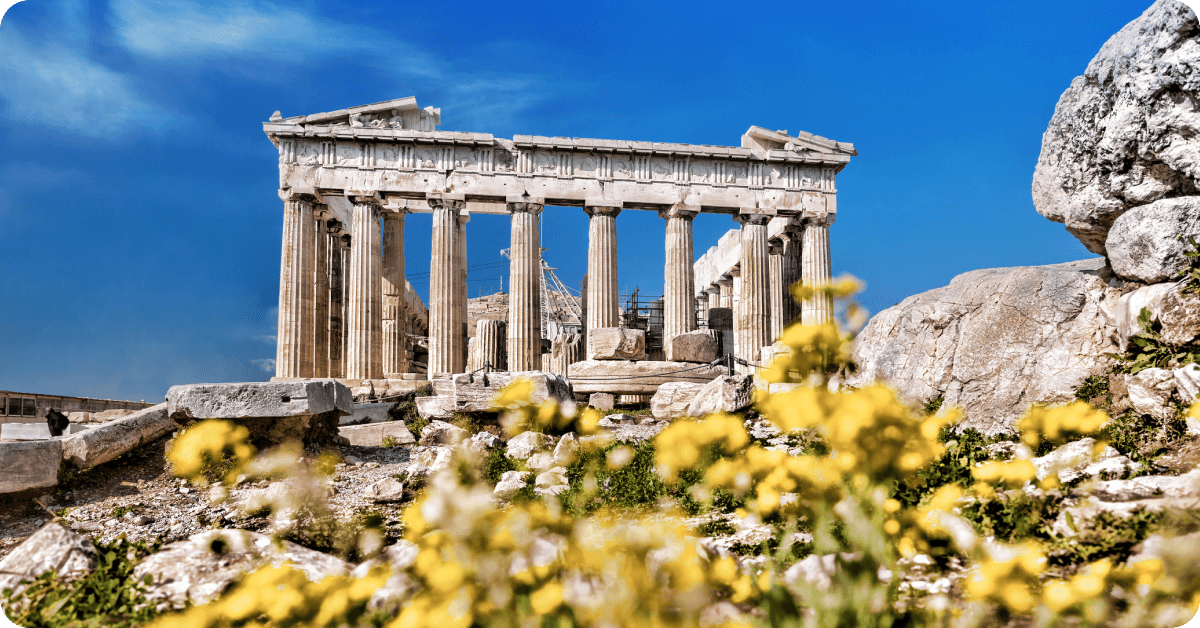
In spring, Greece is stretching, yawning, and stepping back into the sunlight after its winter sleep. Wildflowers spill across the hillsides, and olive groves shimmer with fresh green. Locals call this season the renewal — ánixi.
The weather in spring hits a perfect middle ground — cool and crisp in March, warming steadily through April, and absolutely lovely by May, when temperatures settle into the 70-81 °F (21-27 °C range. Rain hangs around a bit in March but mostly stops by April, leaving behind bright, blue skies.
This is the time when Greece is the most generous. Hotel rates are reasonable, ferries and flights are usually easier to book, and taverna owners greet you with genuine warmth instead of tourist-season exhaustion. Tourist crowds haven’t yet surged, so you can actually pause at the Acropolis without being elbowed, and watch Santorini’s sunsets while not standing in a crowd. By May, ferry schedules pick up, and so do the crowds, but it’s still nowhere near the madness you experience in summer.
Where to go? Well, Athens in spring is at its absolute best — warm enough for rooftop drinks, cool enough to spend hours wandering neighborhoods without breaking a sweat. Larger islands, like Santorini, Mykonos, and Crete, are your safest bets early in the season because smaller islands may still be in hibernation mode until May.
Summer in Greece
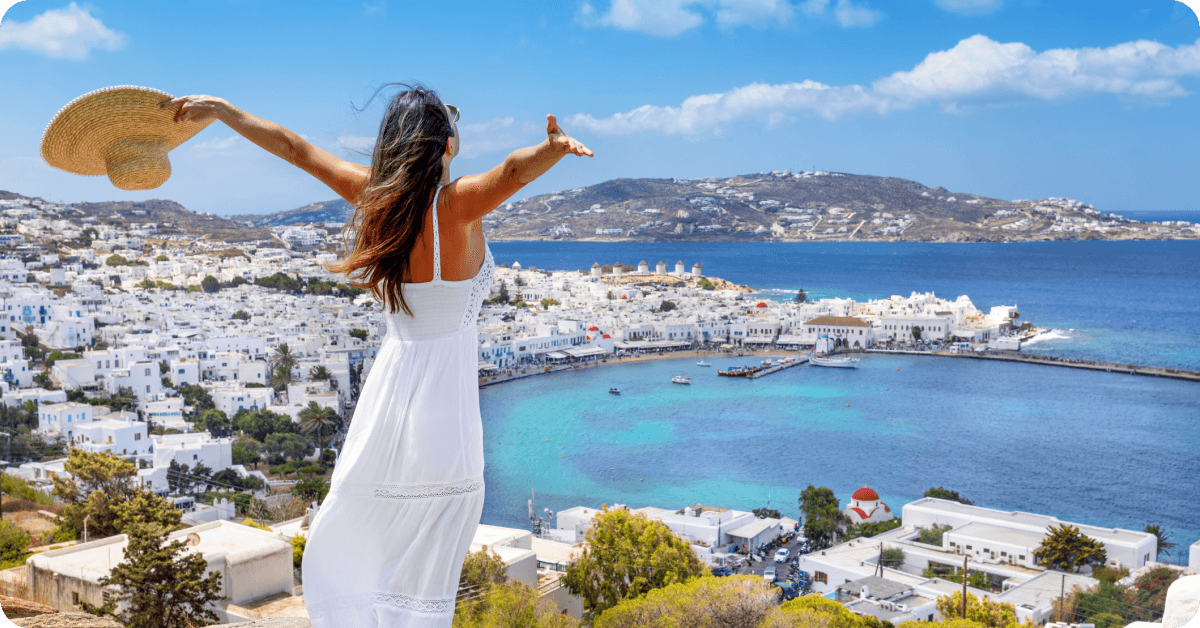
Summer in Greece is when the country turns into a dream that you've seen in Mamma Mia!. White houses shimmer under golden sunsets, turquoise waters look inviting to swim in, and every café and beach club is alive with energy. It’s the most vibrant time of year as well as the busiest — locals and travelers alike flock to the islands, making the atmosphere electric, if sometimes a little overwhelming.
The weather is exactly what you’d expect from a Mediterranean summer — hot, dry, and reliably sunny. July and August regularly push Athens into temperatures of 90-95 °F (32-35 °C) , and even on the Greek islands evenings can stay warm well past midnight. The famous meltemi winds — strong, dry northern winds that sweep through the Aegean — can make the Cyclades feel breezier, but "refreshing" is relative when it's still 85 °F (29 °C) at night. On the upside, rain is almost nonexistent, so clear skies are practically guaranteed.
Of course, with great weather comes peak demand. Hotels and ferries book out months in advance, restaurants raise their prices, and flights hit their highest fares of the year. Popular islands like Santorini and Mykonos become absolutely packed, especially when crowds spill from the ferries or sunset hour hits. And all the prime caldera bars and viewpoints? You'll be sharing them with hundreds of people. But venture beyond the most popular spots to islands like Naxos, Folegandros, or Sifnos, and you'll find equally stunning beauty with actual space to breathe.
Summer is also a season of festivals, with events happening almost every night everywhere in Greece. One of the biggest events — the Athens Epidaurus Festival — brings ancient tragedies to life in historical venues, such as the archaeological site of the Asclepion. Meanwhile, villages host their own feasts full of music, dances, and endless food and wine. On the islands, legendary full-moon beach parties last until sunrise — if you want to attend one, make sure to check the moon calendar before booking your vacation!
So, how’s summer in Greece? Chaotic? Sometimes. Expensive? Absolutely. But all things considered, summer in Greece is unforgettable. If you’re ready to embrace the energy, book well in advance, and prepare to spend slightly more money than you would during other seasons. Your summer trip will surely give you memories that’ll stay with you long after you leave the country behind.
Fall in Greece
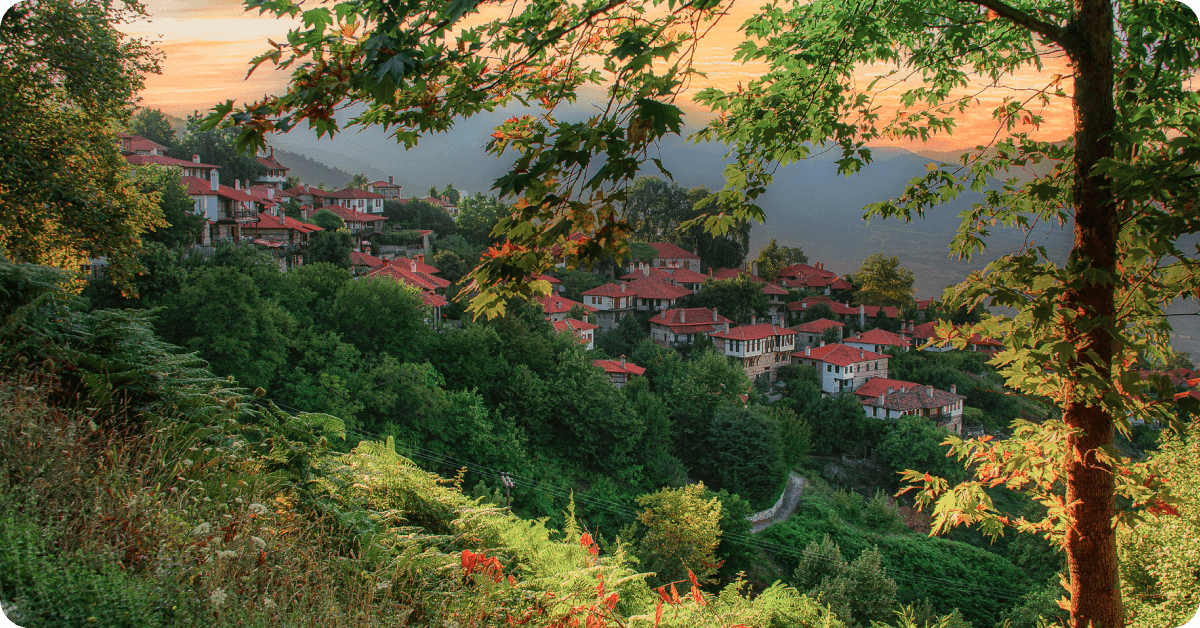
Fall might just be one of the greatest times to visit Greece. The locals know that, savvy travelers have caught on, and once you’ve experienced autumn here, you’ll understand why. September feels like a sibling to summer — the seas are warm enough to swim, still deliciously heated after the long, hot summer, but the weather is cool enough for hiking, sightseeing, and strolling through villages without getting dehydrated. By October, the air takes on a crisp freshness that makes everything feel clearer, calmer, and somehow more magical.
This is when Greece starts rewarding your patience with prices. Hotels and flights drop from their summer highs, and by November you’ll find deals that will make you wonder why people insist on traveling there in August. The atmosphere shifts, too. The European vacation exodus ends in early September, leaving behind a Greece that feels more chill.
Fall also brings its own festivities. During the harvest season villages fill with many delicious local goods that you absolutely need to try, while Athens lights up with the International Film Festival, and Thessaloniki starts its big autumn fair. It’s a season where culture takes center stage. All in all, fall in Greece is slower, richer, and somehow more soulful — as if the country was letting out a deep breath after the frenzy of summer.
Winter in Greece
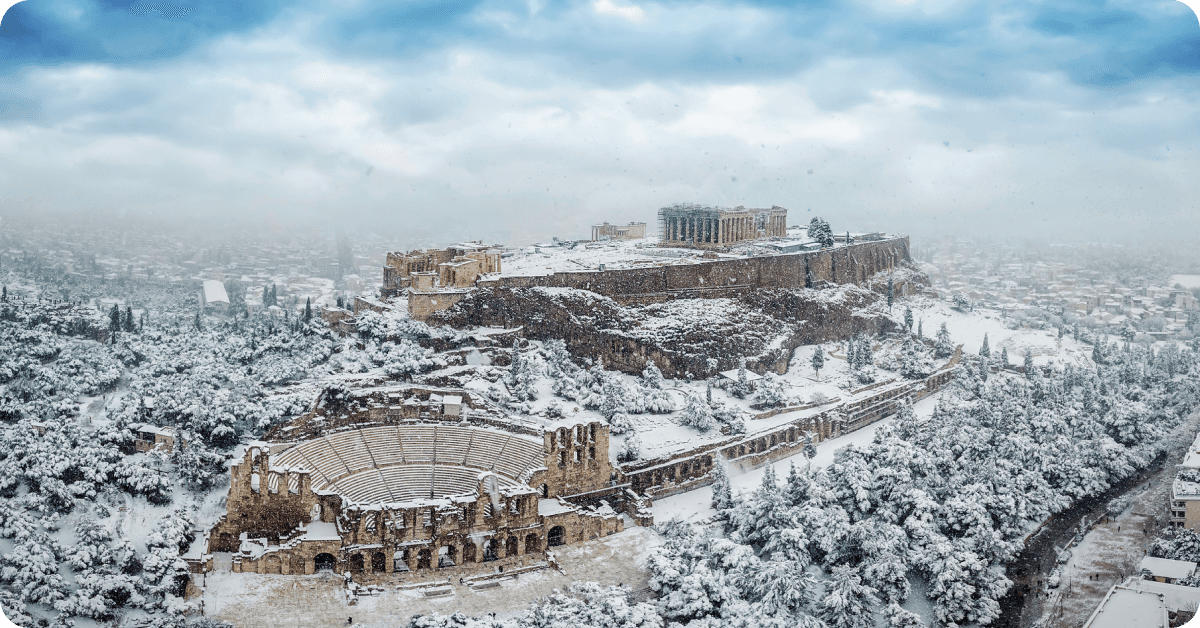
Winter is Greece’s most authentic season — raw, unfiltered, and beautiful in ways you might not expect. The weather feels mild compared to northern Europe, but don't be fooled — it's still jacket season. Athens hovers in the 50-59°F (10-15°C) range, while the mountains get covered in snow. Yes, snow! In Greece!
On the islands, winds pick up and many businesses close their doors, but the mainland stays lively, living by the local rhythm rather than tourist itineraries. Additionally, visiting Greece in winter is incredibly cheap. Flights and hotels hit the lowest prices of the year, with luxury stays that cost EUR 300 in August suddenly dropping to EUR 80 — of course, after the winter holiday season. During Christmas, Greece is expensive, just like everywhere else in Europe.
But if you come after New Year’s fireworks, you can finally splurge on experiences — a long dinner in a Michelin-starred restaurant, or maybe a private guide at an ancient site. You can forget about crowds too. Winter belongs to locals and the occasional traveler in the know, which means you’ll see Greece at its purest form.
Which part of the country to visit during winter depends completely on your mood. For example, Athens finally feels like a true European capital and offers a lovely experience if you want to immerse yourself in local life. Thessaloniki delivers incredible food and a thriving cultural scene. Up in the mountains, villages like Arachova turn into cozy alpine escapes, complete with fireplaces and even ski runs. The islands are best left for summer — unless solitude is exactly what you’re chasing, in which case you’ll find it in abundance.
Tips to make your trip to Greece even better
Your Greek vacations will be even more enjoyable with a bit of strategic planning. Here are some tips that'll make your trip smoother:
Learn a few Greek words. A simple efharistó (thank you) or kaliméra (good morning) goes a long way. Locals will appreciate the effort, even if your pronunciation isn’t perfect.
Adjust to Greek time. Meals in Greece happen later than you might expect. Lunch can stretch into the afternoon, and dinner rarely starts before 8:30–9:00 PM. Don’t fight it, and embrace the slower, social rhythm.
Have cash for the little things. Credit cards are accepted in most places, but small tavernas, beach bars, and village shops often prefer cash. Keep a stash of small bills and coins handy.
Respect the sacred sites. When visiting monasteries or churches (like Meteora or Mount Athos), dress modestly. Shoulders and knees should be covered. Otherwise, you’ll likely be asked to borrow a wrap at the entrance.
Sundays are for family. Some shops and businesses, especially those outside Athens, close on Sundays. Don’t forget to plan your errands and shopping for other days.
Get an eSIM app. Between navigating confusing alleys on the islands, finding a hidden cafe in Athens, and booking last-minute ferry tickets, having data is essential. The Saily eSIM app makes it seamless — no hunting for SIM cards, no surprise roaming bills, just instant connection wherever you go. If you’re wondering, “Will my phone work in Europe?” the good news is that it will, and with an eSIM, staying online has never been easier. Just download the eSIM app, buy a plan that suits your needs, and connect!
Island hopping? Pack patience. Ferries can run late, the weather can shift, and schedules sometimes change at the last minute. Always leave some buffer time between connections — and keep your Saily data plan active so you can check updates on the go. It’s just one of many benefits that an eSIM offers!
Visit a psarotaverna. Fish taverns near the sea are a staple of the Greek food experience. Look for spots where the catch of the day is displayed on ice. You pick your fish, they grill it, and it tastes like nothing you’ve ever had before.
Know the taverna etiquette. Remember, dishes are for sharing. Order a spread of mezze (small plates), put everything in the middle, and dig in family style.
Need data in Greece? Get an eSIM!

1 GB
7 days
US$4.49
3 GB
30 days
US$9.99
5 GB
30 days
US$13.99
TL;DR
If you want to experience Greece without the shoulder-to-shoulder crowds, the best time to visit is during the shoulder seasons (makes it easy to remember, doesn’t it?) — spring (April to early June) and fall (September to October). During these months, the weather is still wonderfully pleasant and warm enough for swimming and island-hopping, yet cool enough for long walks through ancient ruins or hikes in the countryside.
You’ll also notice a different energy — restaurant owners are more relaxed, ferry tickets are easier to get last minute, and all the famous photo spots in Santorini or Athens are far more reachable.
Best of all, you’ll skip the summer price hikes. The cheapest time period to visit Greece is from November to March, with November being the best option for your wallet. Data analyzed by Skyscanner reveals November flights can be up to 18% cheaper than the yearly average, while July costs about 16% more — that’s the most expensive month for plane tickets to Greece!
So shoulder seasons offer a balance of comfort, atmosphere, and breathing room — Greece at its most enjoyable without the chaos of high season.