


Best time to visit London: Your guide for every month and season
Planning a trip to London? You’ve come to the right place! This article covers the best times to visit and what each season has in store. We’ll look at the weather, how busy it gets, and the cheapest seasons to travel, so you can figure out the perfect time for your London adventure.


Índice
- Tourist seasons in London
- High season in London
- Shoulder season in London
- Low season in London
- Is there a rainy season in London?
- What is the best time of the year to visit London?
- London in the summer
- London in the fall
- London in winter
- London in spring
- What is the best month to visit London?
- When is the cheapest time to visit London?
- How many days are enough in London?
- Tips on how to prepare for your trip to London
- Brush up on London etiquette
- Get to know the local lingo
- Be mindful of local regulations
- Check travel requirements
- Check the weather forecast
- Get eSIM data to stay connected
- The best time to visit London: Our verdict
Tourist seasons in London
London is a popular destination all year round, but some months are definitely busier than others. Here’s when you can expect the biggest crowds – and when tourism slows down a bit, offering a more relaxed pace.
High season in London
High season in London (or the busiest time for tourism) runs from June through August. The weather is warm, the days are long, and tourists fill up the city’s top sights. You can expect higher prices and busy attractions (especially in central London), but also tons of festivals, outdoor events, and a lively summer vibe.
Shoulder season in London
Shoulder season (a travel term for when tourist crowds start to ease off) is usually spring and fall. The weather is nicer than winter, queues are shorter than in summer, and prices for hotels and flights are easier on the wallet. It’s a great time to explore the city’s parks and markets without feeling rushed or shoved around!
Low season in London
Winter is London’s low season. The weather can be chilly and wet, and the city feels quieter with fewer tourists (and more locals staying indoors). It’s a great time to visit if you’re on a budget – you’ll find better deals on hotels and flights, and enjoy popular sights without the crowds. That said, December can still get pretty busy, so if you want a quieter experience, traveling in January or February is your best bet.
Is there a rainy season in London?
London doesn’t have a rainy season, but you should always be ready for a drizzle! The city gets steady rainfall all year round, though some months are typically wetter than others. According to the Met Office (the UK's national weather service), October is usually the wettest month in London, while March and April tend to see the least rain.
It’s also worth noting that London, like the rest of the UK, experiences stormy weather, especially in winter. In 2024 and 2025, the storms named Darragh and Éowyn brought strong winds and major transport disruptions across the country, including the capital. While storms are hard to predict, they’re more common in the cooler winter months.
That said, London does get a fair share of sunshine, especially in late spring and summer. So while the weather can be unpredictable, it’s not always grey skies – just pack for all possibilities and you’ll be fine!
What is the best time of the year to visit London?
The best time of the year to visit London comes down to what you want to do, your preferred weather, and how much you want to spend. Let’s take a look at each season so you know what to expect if you visit then.
London in the summer
The summer season is officially the most popular time to visit London. It’s no surprise, really – July is the sunniest month of the year, according to the Met Office, followed by June, May and August. The city comes alive with outdoor events, alfresco dining, longer days, and festive buzz with travelers looking to capitalize on that!
The summer is the peak season for events like Wimbledon (late June to early July), BST Hyde Park concerts, and Notting Hill Carnival (late August). You’ll find countless pop-up food festivals happening all across the city, serving up delicious bites from around the world and local favorites like fish and chips. It’s the perfect time to experience London at its liveliest — not the rainy, grey version you’ve heard about in the cliches!
However, with many people choosing to visit London in the summer, these months can get busy and expensive. Accommodation rates often spike due to the demand, and they’re not cheap to begin with!
You can expect long queues at major attractions like the Tower of London, British Museum, and Buckingham Palace. Public transport can get hot and crowded, which sometimes feels a bit overwhelming. The good news is that London has eight large parks you can escape to — though you’ll still be sharing the grass with plenty of other sunseekers.
London has also seen more heatwaves in recent years, with temperatures rising to a sweltering 40 degrees Celsius! A heatwave just a few years ago brought scorching temperatures and complete chaos to the city. If you’re visiting during extremely hot weather, activities like walking tours, sightseeing, or exploring outdoor markets can be exhausting. While you can’t always predict heat waves, they are more frequent in the summer – something to be mindful of.
London in the fall
Coming to London in the fall is a great choice if you want fewer tourists but still reasonable weather. Early autumn (especially September) can still bring mild temperatures and a good amount of sunshine, making it one of the most comfortable months to explore the city on foot.
The crowds thin out compared to summer, which means shorter lines at the big attractions and a bit more breathing room on the underground. That said, peak times on public transport can still be packed with commuters, so avoid traveling during rush hours (roughly 7:30 to 9:30 am and 5 to 7 pm on weekdays). In some areas, like the busy shopping destination Oxford Street, you might just have to expect a bit of a squeeze no matter what time you go.
Events-wise, there’s still plenty going on in the fall to keep you busy. The London Film Festival and Frieze Art Fair draw culture lovers, while Halloween-themed activities bring a fun, spooky energy to the city. In early November, Brits celebrate Bonfire Night – an event that marks a failed attempt to blow up the Houses of Parliament in 1605. Today, the event is marked with bonfires and fireworks – a lively way to dive into British history and tradition.
Accommodation and flights tend to be cheaper than in summer, making it a good choice for those who want to minimize their spending. You’ll still pay the same for big attractions, but saving on where you stay can make a big difference in your overall spending.

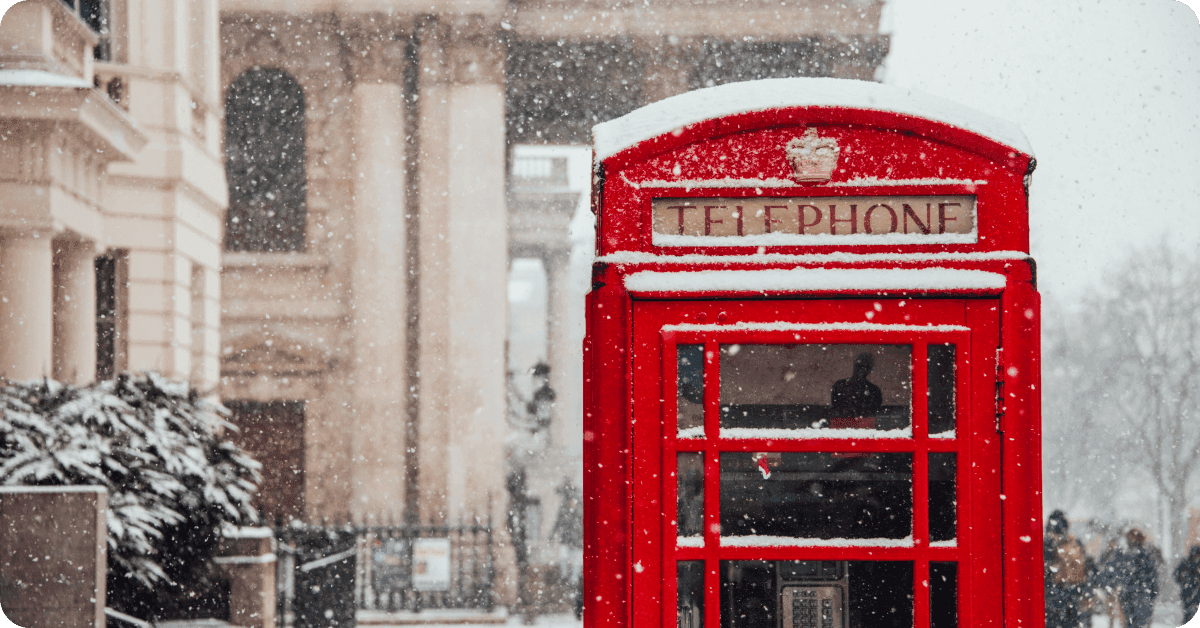
London in winter
Winter is a great time to visit London if you’re into Christmas markets, good shopping deals, and cozy festive vibes. The city gets really festive in December, with lots of winter activities for both tourists and locals. Just keep in mind that it can get busy, especially around popular spots and attractions.
One of the biggest highlights of the holiday season is Winter Wonderland in Hyde Park. It’s a massive event with everything from funfair rides and ice skating to German food stalls and seasonal drink stands. It can get really busy, especially on weekends, so it’s best to visit during the week and off-peak hours (anytime before 4 pm).
You’ll also find smaller winter markets in almost every area of London, with the Southbank Centre Winter Market and Leicester Square Christmas Market being the most popular with tourists due to their location.
Another festive attraction tourists (and locals) love is the Christmas lights. London knows how to light up for the holiday season, with dazzling displays across famous streets like Regent Street, Oxford Street, and Covent Garden. Plenty of tour companies run Christmas lights bus tours – a fun way to see the most impressive decorations on an iconic double-decker bus!
If you’re in London for New Year’s Eve, be prepared to spend a bit more. Restaurants often charge a premium for their celebration packages, so food and drinks can cost a lot more than usual. And if you want to see the famous fireworks near the London Eye, tickets for the official viewing areas can run from £100 to £200 or even higher per person!
If the festive spirit isn’t what you seek, winter is an excellent time to visit London on a leaner budget. January and February are generally quieter in terms of tourist traffic, so it’s a good time to travel, as long as you don’t mind the cold.
January is also a fantastic time to visit if you’re a bargain hunter – the shops around London launch sales right after Christmas (often on December 26, known as Boxing Day). Discounts can range from 50% to as high as 70% off, with some stores offering even bigger bargains on clearance items.
For a quintessentially British experience, you’ll want to visit stores like Harrods, Selfridges, Liberty, and John Lewis – the true icons of London shopping. While their items are often on the pricier side, January is the perfect time to pick up something special without the hefty price tag.
London in spring
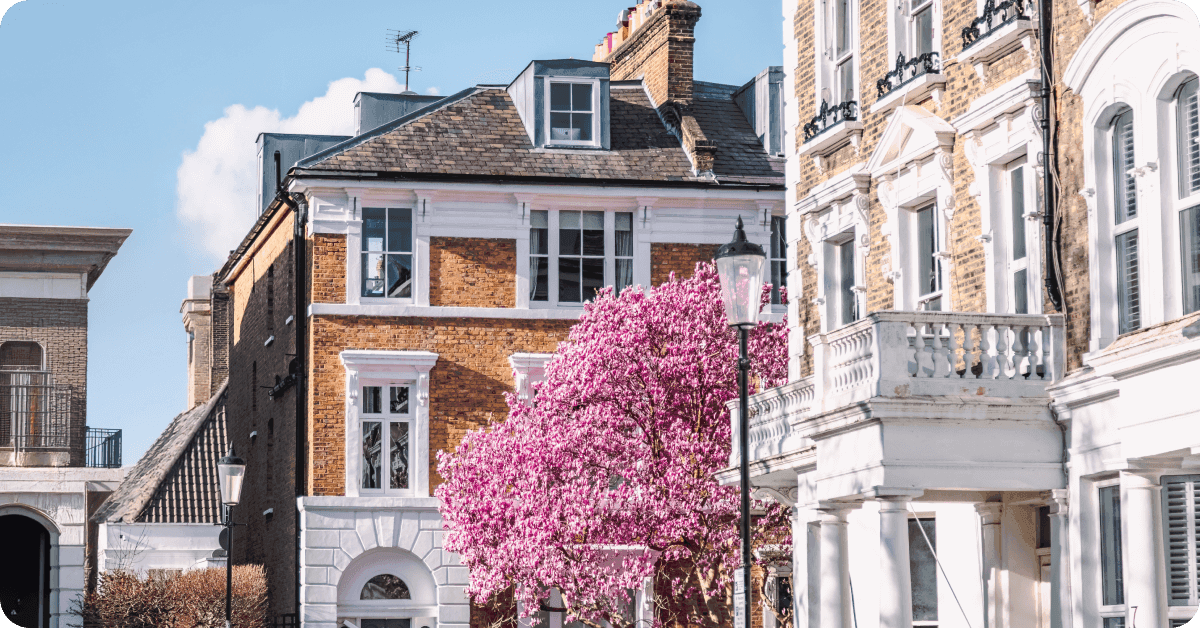
Summer might officially be the busiest season in London, but honestly, we believe spring is the absolute best time to visit. It’s when London’s nature awakens after the long winter, with picture-perfect pink blossoms everywhere, and smaller crowds than in the summer.
While March tends to be on the rainier side, going in April or May gives you a better chance of clear skies and warm weather. As always, the forecast can change quickly, but you’re likely to see some sunny days (and maybe even surprisingly warm spells!).
From mid-March to mid-April, you can catch highly Instagrammable spring blossoms at Kew Gardens, a world-famous botanical garden spanning over 300 acres. It’s one of the best spots to witness nature coming back to life, and is as popular with locals as it is with tourists. The neighbourhood itself is worth a visit – independent boutiques, cozy cafes, and charming riverside pubs make it the perfect place to grab a cream tea in the gentle spring sunshine.
One of the biggest spring season events is the Chelsea Flower Show in May, famous for its stunning garden designs and colorful flower displays. It’s been running for over a hundred years and is a must-see (though tickets always sell out quickly and can cost over £100!).
With longer days and mild temperatures, spring has the best weather for wandering along the River Thames or relaxing in one of London’s many parks. It’s also a great time to visit London’s Borough Market, where you can sample fresh artisanal foods, Portobello Road Market, famous for antiques, or Columbia Road Flower Market, known for its lively atmosphere.
What is the best month to visit London?
Picking the best month to visit London isn’t easy, but we do have some favorites. Here’s a quick overview of each month to help you decide.
January. The city is quieter after the holidays, with colder weather and occasional rain. It’s a good time for budget travelers and museum lovers looking to avoid crowds. Plus, January sales offer great deals for shoppers.
February. Still chilly but less crowded, with cozy indoor events and Valentine’s Day vibes. It’s a great time to find deals on hotels and flights, but watch out for the half-term school break, which can bring more crowds.
March. The first signs of spring start to appear, with milder weather and occasional showers. It’s a nice time to enjoy fewer tourists and fresh city energy before the busy season starts. Great for families looking for a mix of calm and fun activities.
April. Mild weather and blooming parks make April perfect for outdoor exploring. With Easter holidays, some areas get busier, but it’s a lively time filled with spring events and markets. It’s great if you enjoy fresh air and blossoming trees!
May. Warmer days and longer evenings make May ideal for sightseeing and outdoor activities. With two bank holidays and events like the Chelsea Flower Show, there’s plenty to see and do.
June. Early summer brings warm weather and long daylight hours, perfect for enjoying London’s parks, outdoor festivals, and open-air events. It’s a great time for those who love being outside and don’t mind the early summer crowds.
July. July is the height of summer in London, with warm weather and lots of tourists around. Prices are higher, but it’s great for those who want to soak up the summer buzz and don’t mind spending a bit more.
August. August keeps the summer heat and busy crowds going. It’s also festival season, featuring popular events like the Notting Hill Carnival — an amazing opportunity to experience London’s vibrant cultural scene.
September. The weather is still pleasant, and the summer crowds start to ease. It’s a great time to enjoy events like the Totally Thames Festival – a month-long celebration along the River Thames with art installations, boat races, and performances.
October. Autumn colors take over the parks, and Halloween events add a fun, spooky energy to the city. Movie fans can catch premieres at the London Film Festival. October is a great month to enjoy culture without the chaos of summer.
November. Bonfire Night is a blast, with fireworks lighting up the sky and parties everywhere! The Christmas markets start to open, giving the city a cozy, festive feel even though it’s getting colder. Winter feels just around the corner.
December. London is full of festive cheer, with Christmas lights and decorations everywhere. Winter Wonderland offers rides, food stalls, and holiday fun, but the city can get quite busy.
Month | Average temperature (°C) | Key activities | Perfect for |
|---|---|---|---|
January | 2-8 | Museums, winter walks, theater shows | Budget travelers, culture lovers |
February | 2-8 | Valentine’s Day, theater shows | Couples, theater enthusiasts |
March | 4-11 | Early spring blooms, St. Patrick’s Day | Nature lovers, travelers who prefer quieter vibes |
April | 6-13 | Easter festivities, parks in bloom, outdoor markets | Families, nature fans |
May | 9-17 | Chelsea Flower Show, garden visits, bank holiday events | Sightseers, festival goers |
June | 13-20 | Outdoor festivals, rooftop bars, outdoor cinema | Outdoor lovers, festival fans |
July | 15-23 | Summer festivals, river cruises, alfresco dining | Families, party-goers |
August | 15-24 | Street festivals, Notting Hill Carnival | Festival lovers, social travelers |
September | 13-20 | Cultural events, food festivals | Foodies, cultural explorers |
October | 10-16 | Fall foliage walks, Halloween events | Seasonal charm seekers |
November | 5-11 | Christmas lights start, indoor shows | Holiday shoppers, culture lovers |
December | 2-8 | Christmas markets, ice skating, festive events | Families, festive travelers |
When is the cheapest time to visit London?
Although London can cost a pretty penny, when you visit can make a big difference in your overall spending. The cheapest time to travel to London is typically winter, especially January and February. These months are much quieter, with fewer tourists and less demand, so you won’t be hit with the same premium prices you'd see in summer.
Because it’s the off-season, hotels and travel companies are likely to offer great deals and discounts to attract visitors. Flights tend to be cheaper too, and you’ll have a better chance of scoring a good rate on accommodations in the more popular locations. It’s a smart time to visit if you’re more focused on indoor activities, or don’t mind bundling up against the chill.
Just be mindful of the February half term, a UK school holiday which typically falls mid-February (though the exact dates change each year). Half-term often means larger crowds in museums, attractions, and family-friendly spots, and you may even see a rise in accommodation and flight prices.
How many days are enough in London?
London has so much to offer that you could stay here for a whole month and not run out of things to do! You’ll need at least five days to see the main landmarks and attractions, like the London Eye, Buckingham Palace, Tower of London, British Museum, Westminster Abbey, and St. Paul’s Cathedral. Plus, there are endless pubs, cafes, and historic neighbourhoods (like Notting Hill!) to add to the list.
And if you’ve ticked it all off, you can always hop on a train to a nearby town like Cambridge, Oxford, or Whitstable. London has great transport links, with affordable and frequent trains to many other popular day trip destinations.
Tips on how to prepare for your trip to London
If you travel often, you probably have your own tried-and-true routines before setting off. But every destination is a little different, so we’ll share some specific tips for traveling to London. Here are a few things to consider in advance to make your trip to the UK’s capital as smooth and stress-free as possible.
Brush up on London etiquette
Before traveling to any city, it’s a good idea to read up about local etiquette. In London, for example, you’re expected to always stand on the right side of escalators unless you want to annoy a swarm of rushing commuters. On the underground, keep conversations quiet and try not to make eye contact for too long – Londoners take their personal space seriously. Oh, and remember to queue politely – whether you’re waiting for a bus or ordering coffee!
Get to know the local lingo
London, like any big city, has its own slang and phrases, and picking up a few of them can save you from any awkward mix-ups. For example, no one says “underground” – everyone calls it the Tube. You might also hear “cheers” or “ta” instead of “thank you,” “mate” for a friend, or “loo” when someone needs the bathroom. “Quid” means a pound, and an umbrella is usually just a “brolly.” Learning a few of these local words is a fun way to feel more at home and make your London trip smoother.
Be mindful of local regulations
Before heading to London, take a little time to read up on the rules that may affect your trip – from transport fines to where you can smoke and drink in public. For example, feeding pigeons is banned in many parts of the city. While it isn’t illegal, you may get told off by local guards for sharing your scone with them!
Check travel requirements
Before you jet off to London, make sure to check the latest travel requirements. These can include things like visa rules, passport validity, or any health and safety measures such as vaccinations or COVID-19 guidelines. Staying up to date will help you avoid any stressful last-minute surprises at the airport and ensure a smooth start to your trip.
Check the weather forecast
Don’t pack your bags before checking the weather forecast! That said, London’s weather can change quickly – it’s not uncommon to experience all four seasons in one day. Londoners joke that you should always carry a pair of sunglasses, a light jacket, and a “brolly,” of course! Here are some ideas on what to pack for your trip.
Get eSIM data to stay connected
While Wi-Fi spots are available around London, most of them either cost money or ask for your personal data in exchange. That’s why having your own mobile data is a must, and Saily (our eSIM app) offers a simple solution.
With affordable eSIM data plans in 200+ destinations, Saily makes it easy to stay connected in London and beyond. What is an eSIM, you ask? It’s a digital SIM that lets you switch between multiple mobile plans without changing physical cards. Most modern phones support eSIMs, and setting them up takes just a few taps. There’s a reason people love it – check out the eSIM benefits and see what makes it so convenient.
So, get the Saily app, buy a UK eSIM data plan, and use the internet in London as you would back home. No need to worry about surprise roaming charges at the end of your trip or keep paying for Wi-Fi.
For more helpful tips on preparing for your trip, check out this international travel checklist — we’ve thought of everything from travel documents to downloading local apps!

The best time to visit London: Our verdict
To sum it all up, our verdict is clear – the best time to visit London is in spring or fall. From March to May, the city is full of blossoming flowers and fresh energy, while from September to November, the parks are colored in beautiful shades of autumn. While the best time to visit the UK as a whole is probably between May and September, it’s best to avoid London during the height of the summer rush.
Both seasons offer mild weather, fewer crowds (so you’ll avoid soul-crushing queues), and better deals than the busy summer months. Plus, there are plenty of fun events and shows happening to keep your trip exciting!
Whenever you choose to visit London, don’t forget to pack some mobile data. Saily’s flexible plans (1 to 20 GB) keep you connected without stress.
Traveling with the entire clan? Saily has no limits on hotspot sharing, so everyone can stay connected! Just download the Saily app, grab your eSIM, and enjoy easy internet access while exploring London. Cheers to stress-free travel data!
Need data in Reino Unido? Get an eSIM!

1 GB
7 dias
US$4,49
3 GB
30 dias
US$8,99
5 GB
30 dias
US$12,99