






Przepraszamy, ale ten artykuł nie jest jeszcze dostępny w Twoim języku.
Best time to visit the UK: Weather and travel tips
When you’re planning a trip to the UK, timing isn’t just important — it’s the make-or-break decision for your vacation. Are you going to explore the beautiful Lake District under blue, cloudless skies or search for a museum to hide in as the London rain intensifies? In this guide, we’ll cover every month in the UK, discussing the weather, prices, and local events and festivals.
Spis treści
A quick overview: When to visit the UK
The best time to visit the UK is between May and September. The UK is known for its rainy weather, but from late spring to early autumn, you don’t actually need to worry about the rain too much. The country has grown warmer and drier over the last ten years, and in summer (July and August) temperatures often rise to around 86°F (30°C) — in England, at least.
So that settles it, right? Book your trip between May and September, and you’re set for a great vacation. Well, not so fast! Every month in the UK has something unique to offer, and individual regions of this diverse island provide unique experiences depending on the season.
To make sure you choose the right time for your trip, we’ll go through a full year in the UK and see exactly what’s in store for you during each month.
Monthly overview: When to visit the UK
The UK’s four seasons are very distinct from each other. Spring in the UK begins around March and runs until early June. These months are defined by a lot of rain and wind, but also the blooming wildflowers and the bright blossoms of cherry and apple trees. The days won’t be hot, but you can usually expect a relatively comfortable 50-60°F (10-15°C) for most of the season.
Late June ushers the country into a bright, dry summer, with temperatures climbing to 86°F (30°C) or even higher across much of the country. August is when the real heatwaves tend to hit, but early September is also consistently hot. When autumn arrives in October, however, it brings crisp, cool days, high winds, and sea mists along the coast.
Finally, the UK descends into the long, dark months of winter, lasting from November until late February. While snow is less common in the UK than it used to be, you can expect freezing winds and temperatures of 32-45°F (0-7°C) through most of the season. What most visitors struggle with isn’t the cold, though — it’s the dark. Across the UK, and especially in Scotland, you might see as few as six hours of sunlight in a day.
But even in the darkest, coldest months of the year, you won’t be bored when you visit the UK. Every season has its charm — if you know what you’re looking for.
January to February in the UK
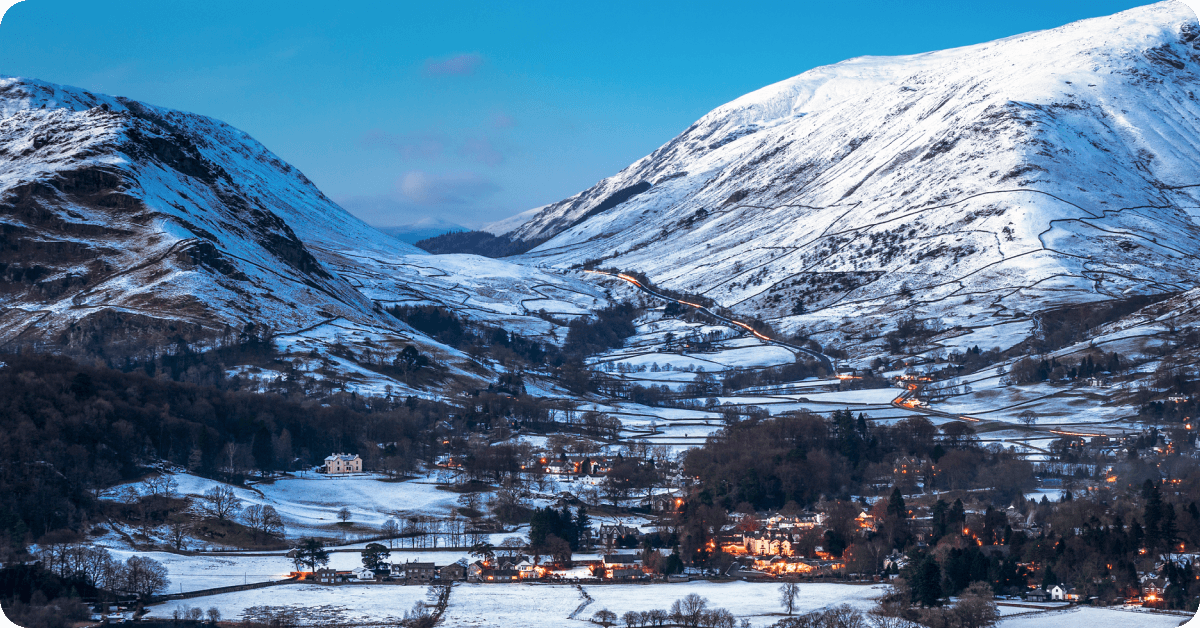
January to February is the cheapest time to travel to the UK. Flights into the country’s major airports (like Heathrow and London Gatwick) are about as cheap as they ever get. Hotels slash their prices, sometimes with discounts of up to 50% (especially in rural areas), and tourist attractions are typically much quieter than in summer. Expect shorter lines, fewer crowds, and more money in your pocket to spend on souvenirs (yes, you really do need that Big Ben fridge magnet).
Popular city attractions like Buckingham Palace, the Tate Modern, and St Paul’s Cathedral (the highlights of any London sightseeing trip) are all still open, and this is generally the case across the country. Exhibits and attractions don’t shut down during the UK’s low season, so you’ll have plenty to see, even if the weather makes countryside rambling less appealing. Visitors to the nation’s capital can also enjoy the London Short Film Festival in mid-January (a great way to stay indoors if the weather’s bad).
Leaving the south behind, January into February might be one of the best times to visit Scotland — even if we count Hogmanay, the country’s world-famous New Year’s Eve festival, as a December event. Scotland's traditional dances, known as ceilidhs, take place in bars and community halls throughout these months, with visitors warmly welcomed. On January 25, Scots and their guests gather to celebrate their national poet, Robert Burns, with ceremonial dinners, poetry readings, and boozy toasts to Scotland’s national dish, the haggis. From late January until early March, you can also witness numerous Viking boat burnings in the Shetland Isles, a tradition known as Up Helly Aa.
The days might be short and the nights brutally cold, but the UK calendar can be surprisingly busy in January and February.
March to April in the UK

From March through to the end of April, we enter the first of the UK’s shoulder seasons — periods when costs stay low and cities uncrowded, but the weather improves (by UK standards, that is — you should still expect plenty of rain). While temperatures vary a lot from day to day, March and April typically see highs of 50-60°F (10-15°C).
March is the start of the UK’s long events season. If you’re a fan of horses, racing, and dressing up like you’re in the TV show Peaky Blinders, head for Cheltenham Festival in mid-March. Aside from the horse racing, it’s an opportunity to dress up in the most stereotypical British clothing you can imagine and enjoy very generous quantities of champagne. The fashion peaks on the second day of the festival (always a Wednesday), which is known as Ladies Day, when attendees wear their most lavish and traditional British clothing — think huge hats, long dresses, and a lot of tweed.
The sporting highlights continue into April — Oxford University Boat Club races Cambridge University Boat Club along the Thames, and the Grand National takes place in Liverpool. Yes, more horse racing, but on a much larger scale than Cheltenham Festival. If racing tracks and Oxbridge boating aren't intensely English enough for you, you can stick around for April 23 — St George’s Day, the celebration of England’s patron saint.
May to June in the UK
By May, the UK shakes off the last vestiges of winter. The countryside turns green, parks fill with picnics, and the weather starts to justify all those optimistic pub gardens. It’s still technically shoulder season, so while prices are creeping up, they’re not yet at their summer peak — and you’ll enjoy some longer days. The temperatures rise to around 55-70°F (13-21°C) each day, though strong winds and sudden showers are always part of the UK deal.
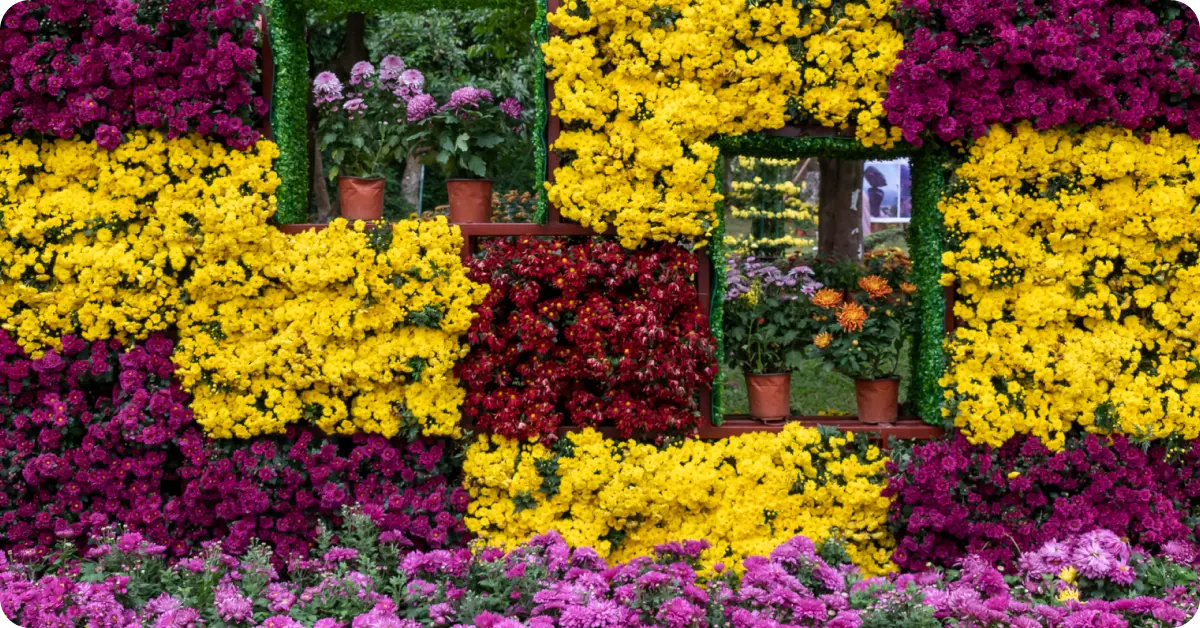
While the whole of the UK is beautiful at this time of year, late spring is the best time to visit England in particular. In London, the RHS Chelsea Flower Show takes place in late May, a dazzling display of carefully cultivated gardens, sculptures, and floral artwork. The event draws everyone from horticultural hobbyists and online influencers to the Royal Family. The rest of the country isn’t to be left behind, though, as the UK music festival season kicks off — look out for Manchester’s Parklife in early June (especially if you enjoy Britpop and guitar bands) and Glastonbury later in the month.
Early June also marks one of Britain’s great displays of pageantry — Trooping the Colour, the official celebration of the King’s birthday. It’s a day of parades and marching bands, with soldiers in full regalia lining the Mall in London. Does it matter that the king was born on November 14, and not in June? Not at all — a lot of things about the UK don’t make sense to visitors, and Trooping the Colour really does sum up the traditions and eccentricities that make British life unique.
July to August in the UK
July and August are the UK’s real summer months — the warmest, busiest, and priciest period in which you can visit the UK. Temperatures hover around 65-75°F (18-24°C), occasionally going higher during heatwaves, and daylight lasts far into the evening. Cities buzz with visitors, coastal towns overflow with families on vacation, and, unfortunately, hotel prices reflect the demand.
Wimbledon dominates early July, turning even the least sporty Londoners into tennis experts for two weeks. Elsewhere, festival season is in full swing — the genteel Henley Royal Regatta, Cornwall’s Boardmasters music festival, Glasgow’s TRNSMT, and the Reading and Leeds Festivals in August.
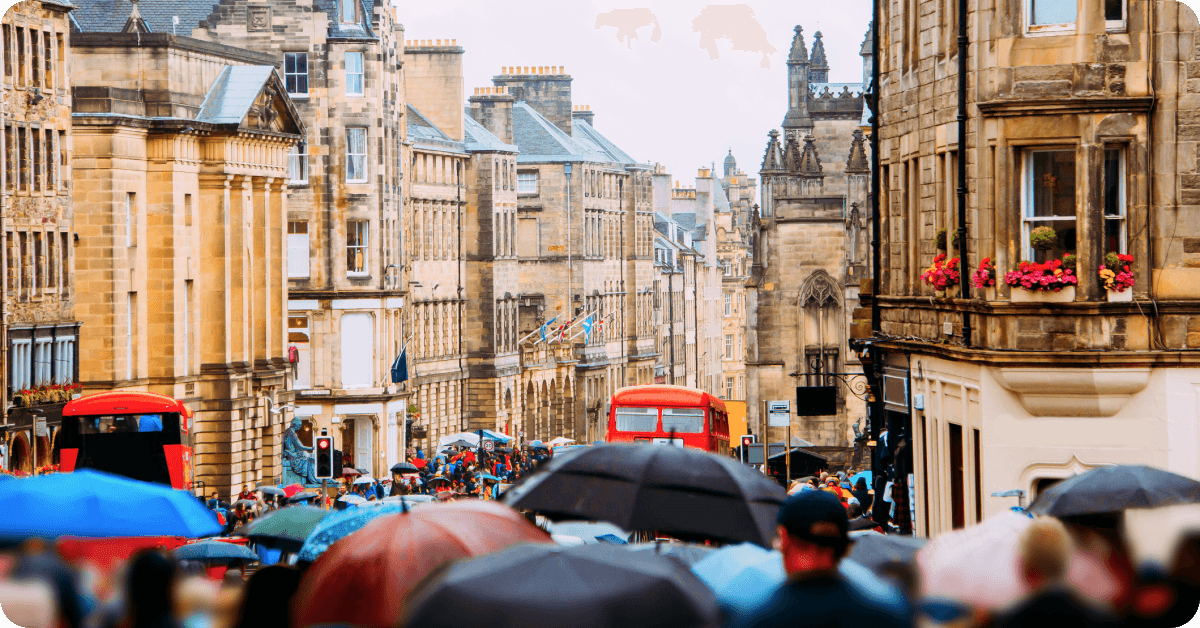
Speaking of August, the best place to be during that month is Edinburgh, Scotland’s capital. That’s because of the world-famous Edinburgh Festival — or rather, the tangle of individual festivals that take over the city all month. Of these, the Edinburgh Fringe is the main attraction and has the distinction of being the largest arts festival in the world. Alongside it, the Edinburgh International Festival, the Book Festival, and the Royal Military Tattoo all run within weeks of each other, turning the city into a frenetic celebration of art, culture, and chaos. The downside is that accommodation can be wildly expensive, so do as the festival performers do and stay in a neighboring city like Glasgow, commuting in each morning.
September to October in the UK

September brings in the UK’s second shoulder season — the country is cooler, calmer, and far less crowded after the summer rush. Temperatures sink to around 50-65°F (10-18°C), the air feels crisp, and the trees begin to turn. Accommodation prices start to fall again, and locals reclaim their favorite spots after a busy summer.
With thinning crowds and cool, dry weather, autumn is the best time to visit London. September in the capital is made special by events like the Design Festival and Open House London — a rare chance to explore private buildings, from historic mansions to ultra-modern architecture. Further north, autumn transforms the Lake District and the Scottish Highlands into gorgeous russet landscapes, as beautiful in mist and rain as they are in sunshine.
British life can feel like it was designed for long, damp autumn days, so many aspects of the culture really only shine once summer leaves. You might not get a tan, but you can warm yourself by the fire in a cozy pub, eat an oversized Sunday roast, and listen in on traditional folk music sessions in the north. Embrace the autumnal energy and wrap up warm, and you’ll have a fantastic UK trip.
November to December in the UK

By November, autumn fully settles in, and the UK enters its “off” season. Along with January and February, November is probably one of the cheapest months to visit the UK, especially in rural areas where hotel prices drop quickest. Temperatures go down almost as quickly as hotel fees, hovering around 40-50°F (5-10°C) on a good day.
Early November brings Bonfire Night (also known as Guy Fawkes Night) on the 5th. Fireworks, sparklers, and bonfires light up towns and villages as Brits remember the Gunpowder Plot of 1605. Public opinion in the UK is split over whether Fawkes was a hero or a villain, so most Brits just agree that fireworks are a lot of fun and leave it at that. As the month progresses, Christmas markets start popping up in cities like Manchester, Birmingham, and Edinburgh, filling streets with festive lights, mulled wine, and the scent of roasted chestnuts (often coated in truly terrifying quantities of sugar).
Towards the end of December, the cost of flights and accommodation spikes because New Year’s Eve is a pretty big deal in the UK. London lights up with a spectacular fireworks display along the Thames, attracting crowds from across the country. But Scotland, where December 31 is known as Hogmanay, takes things even further. Edinburgh’s Hogmanay event is one of the world’s most famous New Year’s festivals, with torchlit processions of bagpipers, city-wide street parties, and fireworks over the castle.
Month | Average hotel cost* | Average flight cost* | Events |
|---|---|---|---|
January-February | Low | Low | Burns Night, Up Helly Aa, the London Short Film Festival |
March-April | Moderate | Moderate | Cheltenham Festival, Oxford vs Cambridge Boat Race, St George’s Day |
May-June | Moderate to high | Moderate | Chelsea Flower Show, Glastonbury, Trooping the Colour |
July-August | High | High | Wimbledon, Reading and Leeds Festivals, TRNSMT, Edinburgh Festival, Féile an Phobail |
September-October | Low to moderate | Low to moderate | London Design Festival, Kernowfornia Festival, Bloomsbury Festival, Halloween celebrations |
November-December | Moderate to high | Moderate to high | Bonfire Night, Christmas markets, New Year fireworks in London, Edinburgh Hogmanay |
*Costs are relative averages based on typical trends across the UK. Expect fluctuations at a local level depending on demand.
Best time for events, festivals, and seasonal activities
The great thing about the UK is that its festivals and cultural highlights are spaced pretty evenly throughout the year. Looking for open-air musical experiences? Glastonbury, TRNSMT, and Reading Festival will keep you dancing through June, July, and August, respectively.
If you’re looking for artistic and cultural experiences, the best time to travel to the UK is August. You’ll have your choice of the Edinburgh Fringe Festival in Scotland or Belfast’s the Féile, an Phobail arts festival in Northern Ireland (which is in the UK, while the rest of the Irish landmass is not — remembering that will really help you avoid unnecessary arguments when visiting either country).
Winter has plenty of events too, of course. Christmas and New Year in London make a magical experience — especially the end-of-year countdown and fireworks on December 31. For quaint regional customs like Hogmanay, Burns Night, and Up Helly Aa, you can head to Scotland in December and January.
When to avoid visiting the UK
The worst time to visit the UK is November to February, assuming you want to avoid the bad weather. If you don’t mind a bit of rain but are worried about costs, peak season in the UK is probably the time to skip — flights and hotels get pricier in July and August, and the crowds can be pretty intense in urban areas like London, Manchester, and Edinburgh.
For hikers and hillwalkers, the worst time to visit the UK is late autumn (specifically, October to November) and spring (February to April). During these months, heavy rain makes the hills, valleys, and forests of the UK very muddy, with some trails becoming impassable.
Planning a rural UK trip — perhaps to somewhere like the Lake District, Cotswolds, or Scottish Highlands? The worst time for such an excursion is December to January because that’s the “off” season for most hotels and local hospitality businesses in the countryside. Bars and restaurants may shut down or run on limited hours, though tourist attractions like parks, castles, and stately homes typically stay open.
Tips for traveling to the UK
Once you’ve found the best time of year to visit the UK, you can start planning your trip. Whenever you go, these tips should help you make the most of your British adventure.
Pack for changeable weather. The UK weather can swing from sunshine to drizzle in minutes, so bring layers and a light, breathable waterproof jacket that can handle both humidity and rain without making you feel clammy. Bear in mind that umbrellas, though a wonderfully British accessory, are very ineffective on windy days, and can quickly be torn inside out during a gale.
Remember that the UK is four countries. This can be confusing for visitors, but the UK is both a country and a collection of four smaller countries. England is the largest of the group, but the UK also includes Scotland, Wales, and Northern Ireland (the southern part of the island of Ireland is an entirely separate country known as the Republic of Ireland). The people of the UK really care about their unique national identities, so it’s best to keep those distinctions in mind when talking with the locals.
Book transport early. If you plan to take trains around the UK, especially between cities, book in advance. Trains between London and the rest of the country are notoriously expensive if bought last minute. Use the National Rail or Trainline apps to book as early as possible — digital tickets are accepted on all UK trains. Intercity buses like the Megabus and National Express are slower but far cheaper, even when purchased on the day of travel.
Get an Oyster card or go contactless. In London, you can tap your card or phone across buses, the Tube, and most trains. Daily fare caps mean you’ll never overspend, and it saves you queuing for paper tickets. Similar systems are being implemented in other major cities, so take advantage of them if you can.
Plan around big festivals. Huge events like Edinburgh Fringe (August), Glastonbury (June), Wimbledon (July), and Notting Hill Carnival (August) bring unforgettable experiences — but also sold-out accommodation and busier streets. Book months ahead if you want to attend, and steer well clear if you don’t like crowds.
Explore beyond the capitals. The big cities are great, but the Scottish Highlands, Lake District, Cotswolds, and Cornish coast are beautiful all year round, as are Snowdonia and the Pembrokeshire Coast National Park in Wales. Local trains and buses make it pretty easy to get around these quieter spots, but renting a car will give you the most freedom.
Respect local customs. The British queue religiously, thank bus drivers when they disembark, and stand to the right on escalators. Though a friendly and forgiving bunch, they’ll appreciate it if you respect these small, cultural traditions.
Stay connected with an eSIM app. Using an eSIM for the UK keeps you online without roaming fees, local SIM cards, or sketchy public Wi-Fi. You can download and set up your data plan before you fly, so the eSIM activates as soon as you land in the UK.
The best times to explore the UK
The best weather in the UK runs from May to September, when days are long, skies are clearer, and temperatures hover comfortably between 60-75°F (15-24°C).
For lower prices and fewer crowds, travel during the shoulder seasons — March to April or September to October. During this period, you’re more likely to find cheap flights and hotels, mild weather, and quiet tourist attractions.
If you’re chasing cultural experiences, June to August is the way to go. From Glastonbury and Wimbledon to Edinburgh Fringe and Notting Hill Carnival, expect a lot of huge, open-air events.
Whenever you visit, use an eSIM app like Saily to stay online in the UK. An eSIM is one of the fastest, easiest ways to get data abroad — just pick your plan, download the app, and activate your eSIM.
Need data in Wielka Brytania? Get an eSIM!

1 GB
7 dni
US$4,49
3 GB
30 dni
US$8,99
5 GB
30 dni
US$12,99
FAQ


Artykuły pokrewne