



Best food in Greece: The top 10 traditional dishes and other popular choices
Greek food is appealing to travelers because you don’t need a special occasion to eat well. A simple lunch can be as memorable as a long dinner, and some of the most satisfying meals are also the most ordinary — a slice of pie from a bakery, a plate of grilled meat at a taverna, a salad made from local fresh ingredients. Of course, you are probably already aware of some Greek dishes — souvlaki, Greek salad, and moussaka have traveled widely. But once you are in Greece, you start to see how much more exists beyond those familiar dishes. This guide covers the most important traditional Greek foods, along with other everyday dishes worth trying if you want a broader sense of what eating in Greece is really like.

Table of Contents
- The top 10 traditional Greek foods
- 1. Moussaka
- 2. Souvlaki
- 3. Tzatziki
- 4. Spanakopita
- 5. Dolmades
- 6. Horiatiki (Greek salad)
- 7. Baklava
- 8. Fava
- 9. Keftedes
- 10. Gyros
- Other popular foods to try in Greece
- Loukoumades
- Pastitsio
- Koulouri
- Htapothi sti skhara (grilled octopus)
- Kalamarakia
- Gemista
- Fasolada
- Tiropita
- Retsina
- Halva
- What was food like in Ancient Greece?
- Is food expensive in Greece?
- The best food places in Greece
- Practical tips for eating in Greece
- Staying connected while exploring food in Greece
The top 10 traditional Greek foods
Greek cuisine is broad, but it follows a consistent pattern. Most dishes rely on a combination of vegetables, grains, meat or fish, and dairy, with flavor coming from fresh herbs. They may look straightforward at first glance, but that simplicity can be misleading. The flavors are often more layered than the ingredients suggest. The dishes below show how that plays out on the plate.
1. Moussaka
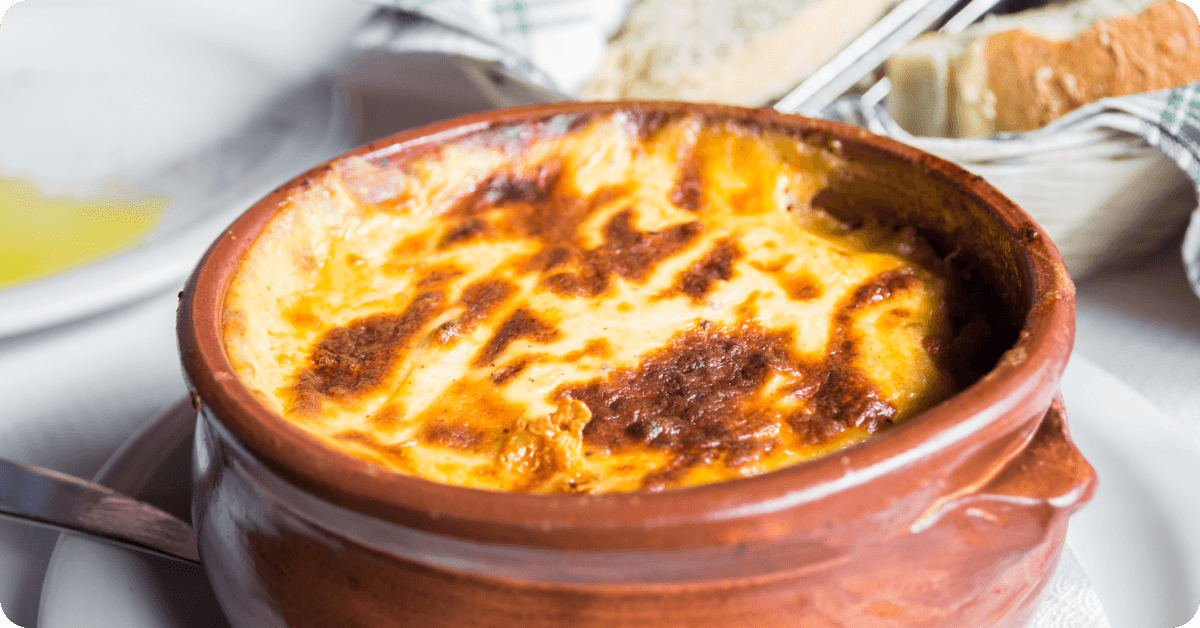
Moussaka is one of the dishes visitors tend to look for first, and with good reason. It’s a classic Greek dish, popular worldwide because of its rich, savory flavor. A standard moussaka is made from eggplant, sometimes potatoes, a layer of minced meat, usually lamb or beef, and a thick bechamel sauce on top.
What makes it work is the way each element plays a specific role. The eggplant turns soft and almost silky as it bakes. The meat is usually cooked with tomato, onion, and warm spices such as cinnamon or allspice, which give it depth. The bechamel forms a pale, creamy top that sets in the oven.
Moussaka is usually served warm rather than piping hot, which helps it firm up before consumption and the flavors come through more clearly. You will often see it paired with a simple salad to cut through the richness. The dish is filling but not too heavy. If you want to understand the slower, more home-style side of Greek food, moussaka is one of the best places to start.
2. Souvlaki
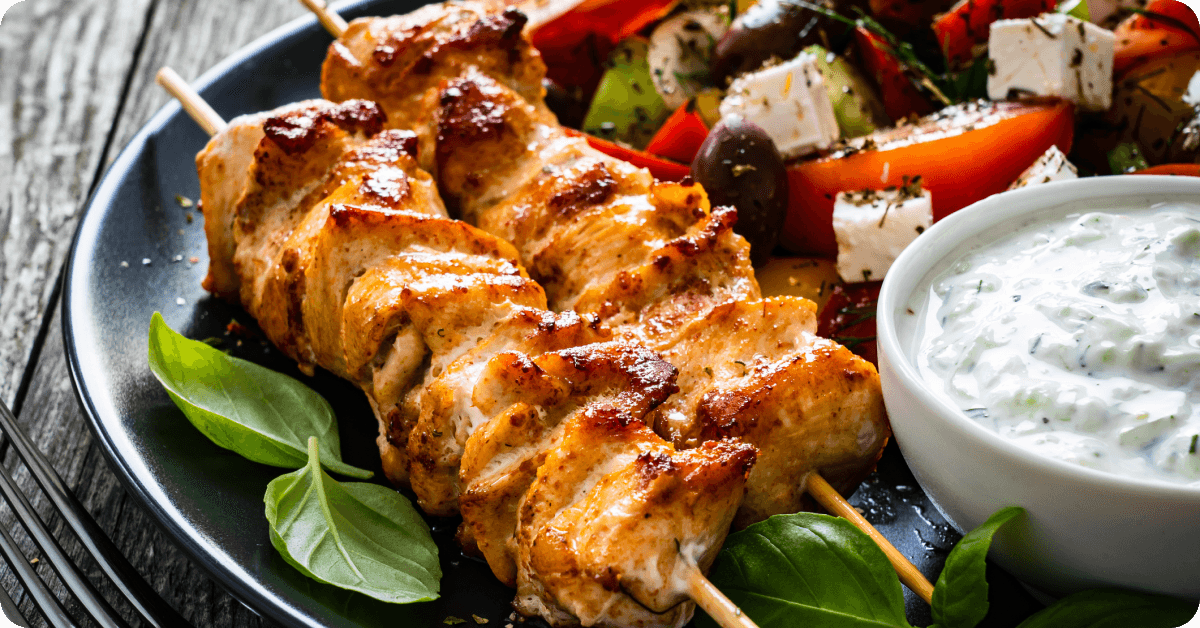
Souvlaki is small pieces of pork or chicken cooked on skewers over open heat. It’s simple, delicious, and satisfying — and it’s consistently available when you travel around Greece.
The meat is usually marinated lightly in olive oil, garlic, oregano, salt, and lemon juice. The exterior of the meat chars slightly on the grill while the center stays tender, so when you take a bite, you experience the earthiness of the char followed by the sharpness of lemon and oregano.
You can order souvlaki on a skewer, as part of a plate, or wrapped in pita bread with tomato, onion, and tzatziki. In many places, fried potatoes often go inside the wrap, which makes it heavier but also turns it into a full meal. Souvlaki is one of the most popular Greek street food examples and one of the easiest ways to understand how everyday eating in Greece works.
3. Tzatziki
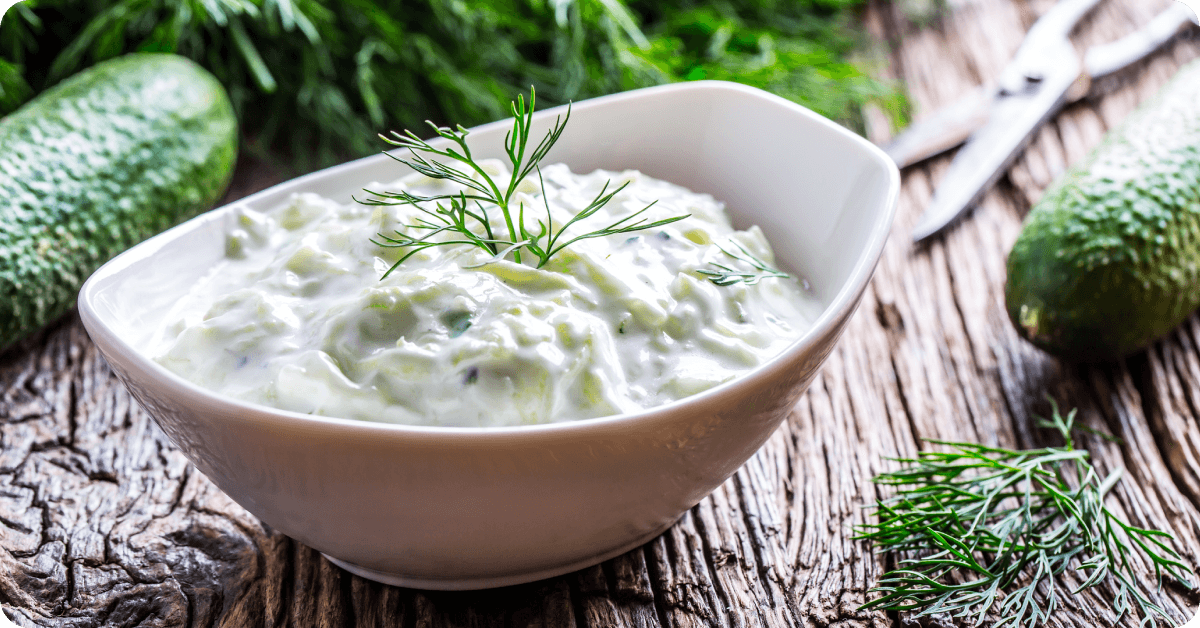
Tzatziki is a thick yogurt sauce made with strained Greek yogurt, grated cucumber, garlic, olive oil, and sometimes fresh dill or a touch of vinegar.
Tzatziki shows up on almost every table in Greece, placed on a table with bread or brought out with other small dishes at the start of a meal. In many cases, it’s not meant to be eaten on its own but used to balance stronger flavors.
The Greek yogurt creates a thick, slightly tangy base, the cucumber keeps it fresh, the garlic gives a little bite, and a squeeze of lemon or a touch of vinegar adds a bit of acidity. Tzatziki works with almost every dish on the table, and it’s the kind of side you keep reaching for.
4. Spanakopita
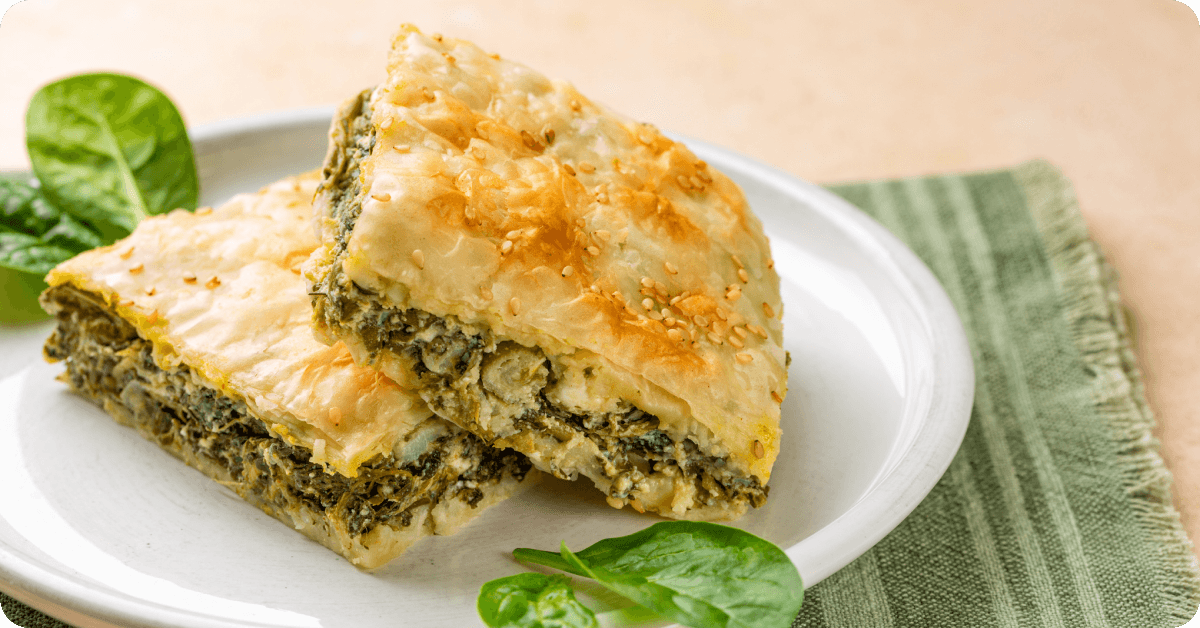
Spanakopita is a savory Greek spinach pie, which may sound boring. However, a good spanakopita is one of the most satisfying options you can choose from a bakery case in Greece. It’s made with thin layers of phyllo pastry wrapped around a filling of spinach, feta, or other local cheeses, herbs, and sometimes onion, then baked until the pastry turns crisp and golden.
The exterior is flaky and brittle, while the filling is soft, savory, and slightly salty from the cheese. Don’t worry about limp, flavorless spinach — it’s cooked so the flavor actually comes through.
Greeks eat spanakopita for breakfast, but it also works just as well as a quick snack on the go or a light meal, especially if you add a salad on the side.
5. Dolmades
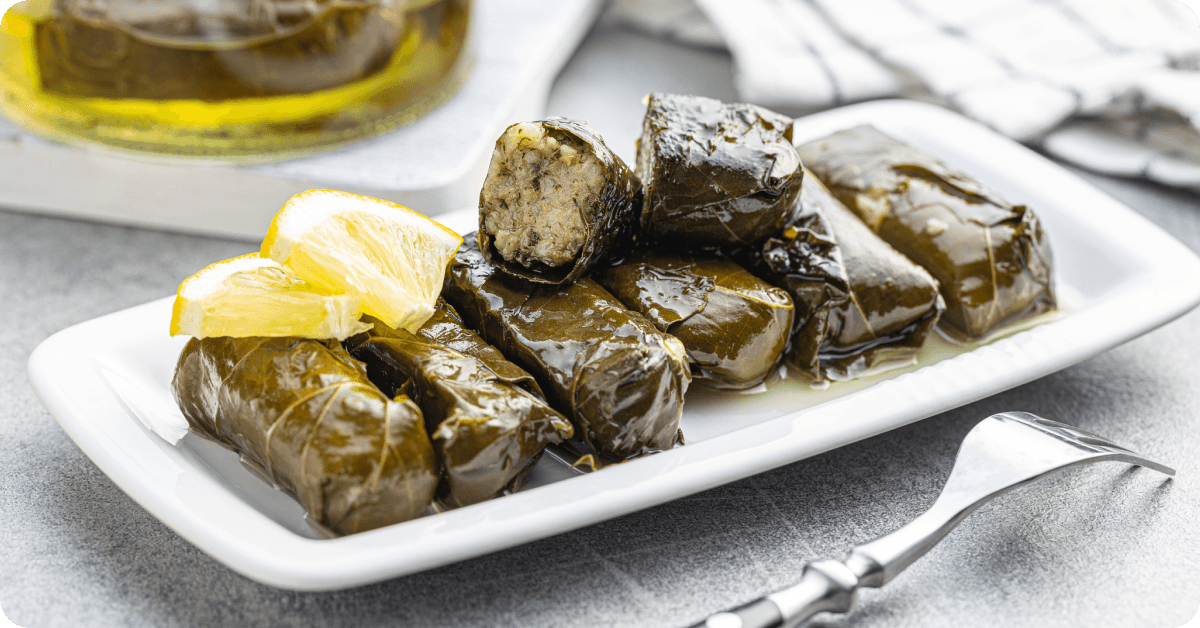
Dolmades are stuffed grape leaves, usually filled with rice, herbs, and sometimes minced meat. They are one of those dishes that reveal how much Greek cooking can do with modest ingredients.
Each dolmade is rolled into a compact parcel small enough to eat in a few bites. The slightly tangy grape leaves encase a filling that is soft and aromatic – you might notice fresh mint or dill included in the recipe.
Some versions of dolmade are meatless and served cold. Others include meat and are served warm. Both are common. Dolmades show up across the Mediterranean, but in Greece, they’re a staple. In a cuisine full of grilled and baked dishes, dolmades offer a lighter option.
6. Horiatiki (Greek salad)
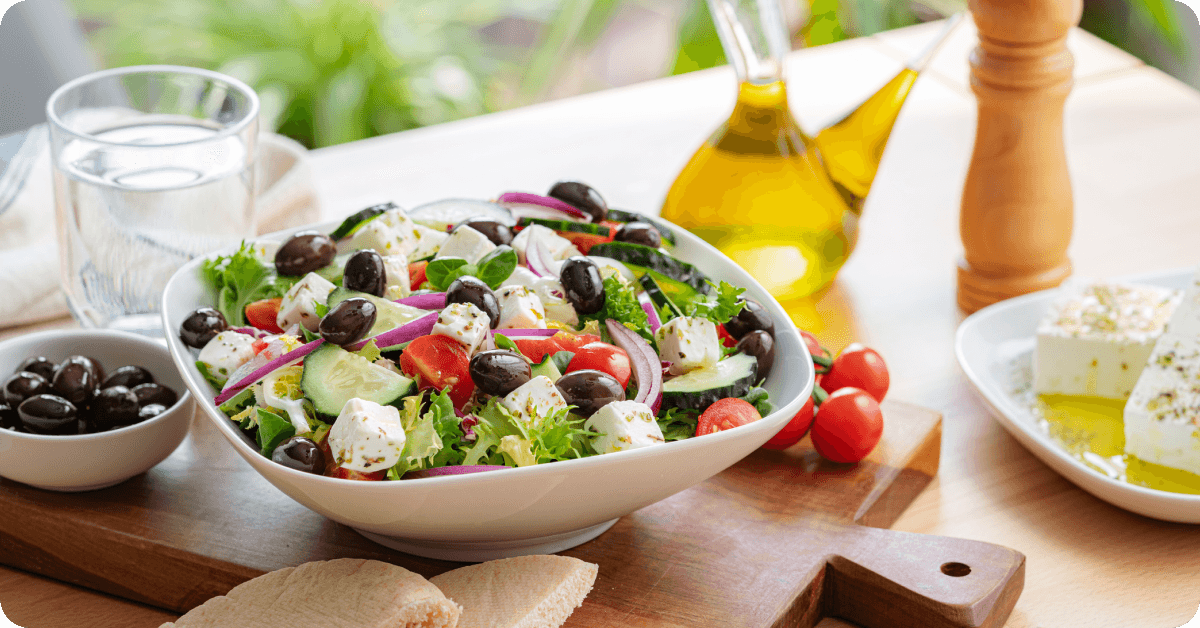
Outside Greece, Greek salad is often served as a mix of chopped vegetables with crumbled feta. In Greece, horiatiki has a lot more dignity than that. The name means “village salad,” and the dish reflects that simplicity. The vegetables are cut into larger pieces, the feta comes as a solid block on top of the salad, and the whole dish is dressed lightly with olive oil and oregano rather than salad dressing.
Because the preparation is so minimal, the quality of the ingredients becomes the priority. The tomatoes need to be ripe and flavorful. The cucumber should be crisp. The olives should be genuine Greek olives, not the canned sort from the supermarket. The feta is usually local and noticeably fresher, with a firmer texture and a more pronounced, slightly tangy flavor.
Horiatiki often appears as a side dish, especially next to grilled meat or fish, but in hot weather it can easily serve as a meal on its own with bread. It’s a simple, lighter option when you don’t want anything heavy.
7. Baklava
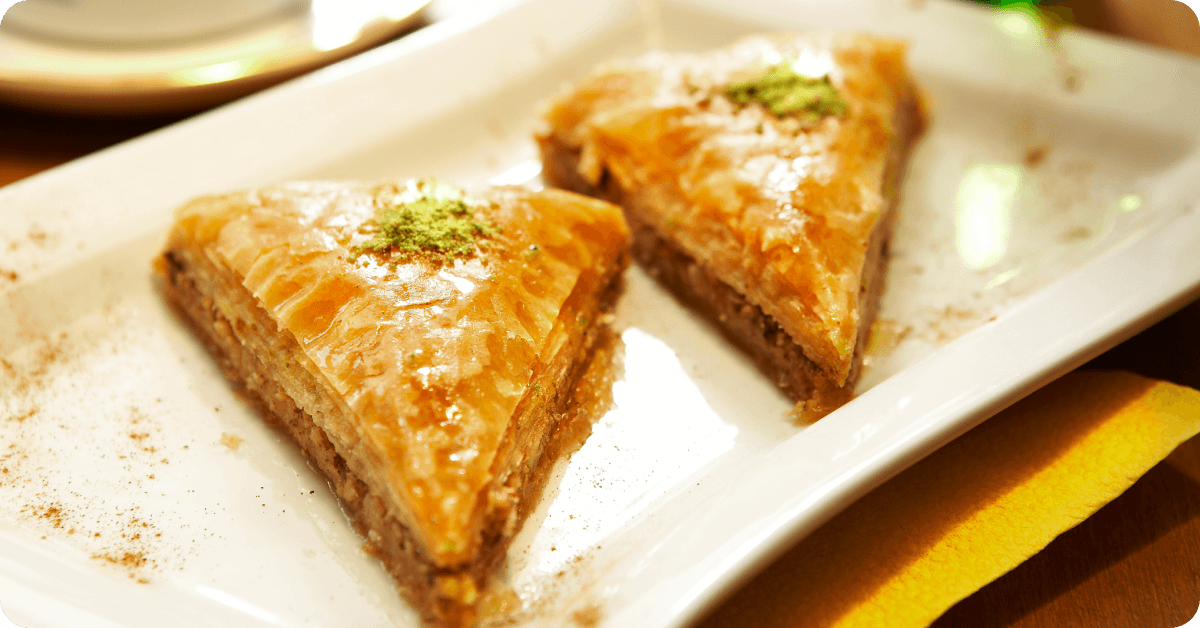
Baklava is one of the most widely known desserts in the Mediterranean, and Greece has its own version of it. It’s made from layers of phyllo filled with chopped nuts, usually walnuts or pistachios. It’s then baked and soaked in honey syrup. The result is dense, crisp, sticky, and sweet enough that even people who like dessert may find a small piece entirely sufficient.
The best baklava balances several textures at once. The top is crisp and delicate. The middle is syrupy. The nuts give it weight, bitterness, and a little crunch to cut through the sweetness. The addition of cinnamon or clove is common, and occasionally a little citrus for brightness.
8. Fava
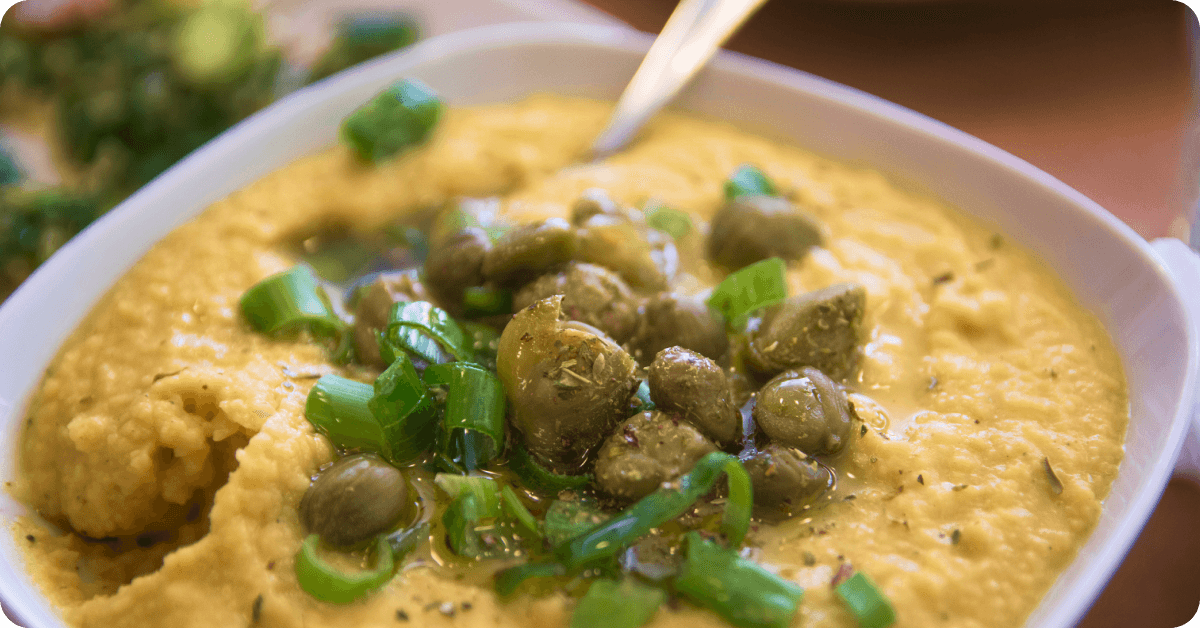
Fava is lesser known, but it’s a traditional Greek dish that tends to leave a strong impression on people who try it. It’s a smooth puree made from yellow split peas, cooked down and blended with olive oil, lemon, and onion. It’s often associated with Santorini and other Greek islands, but you’ll find it on many Greek restaurant menus.
Fava is a subtle dish, creamy and mild. But that understated quality is part of the point. Good fava has a soft, almost velvety texture and a slightly sweet, earthy flavor that becomes more interesting when topped with onions, capers, or a drizzle of oil. It’s usually served as a starter with bread, and it’s satisfying when eaten that way, slowly, in small bites.
9. Keftedes
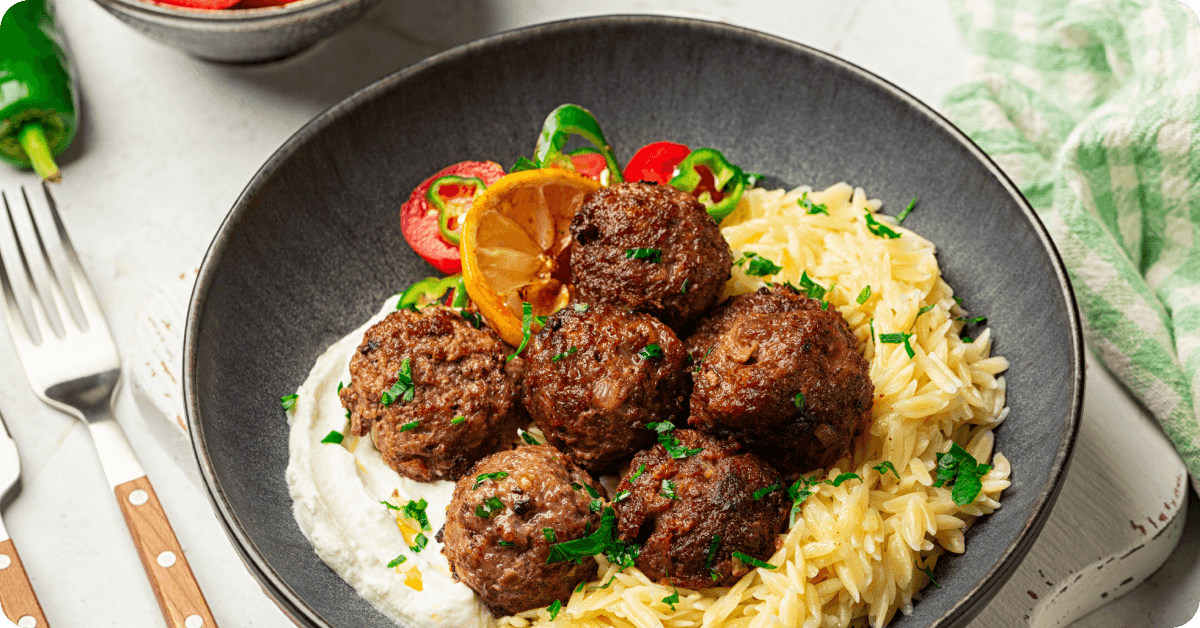
Keftedes are Greek meatballs, usually made from beef or a beef mixture, combined with garlic, herbs, and bread crumbs, then fried. They are common in tavernas and meze spreads, another example of how Greek cooking shines with its use of simple ingredients, herbs, and seasoning.
Keftedes should be crisp and browned on the outside and soft and well seasoned on the inside. Mint or parsley creates a refreshing note in many recipes, which may surprise people used to meatballs from elsewhere. Keftedes are usually served with tzatziki or tomato sauce and shared around the table.
10. Gyros
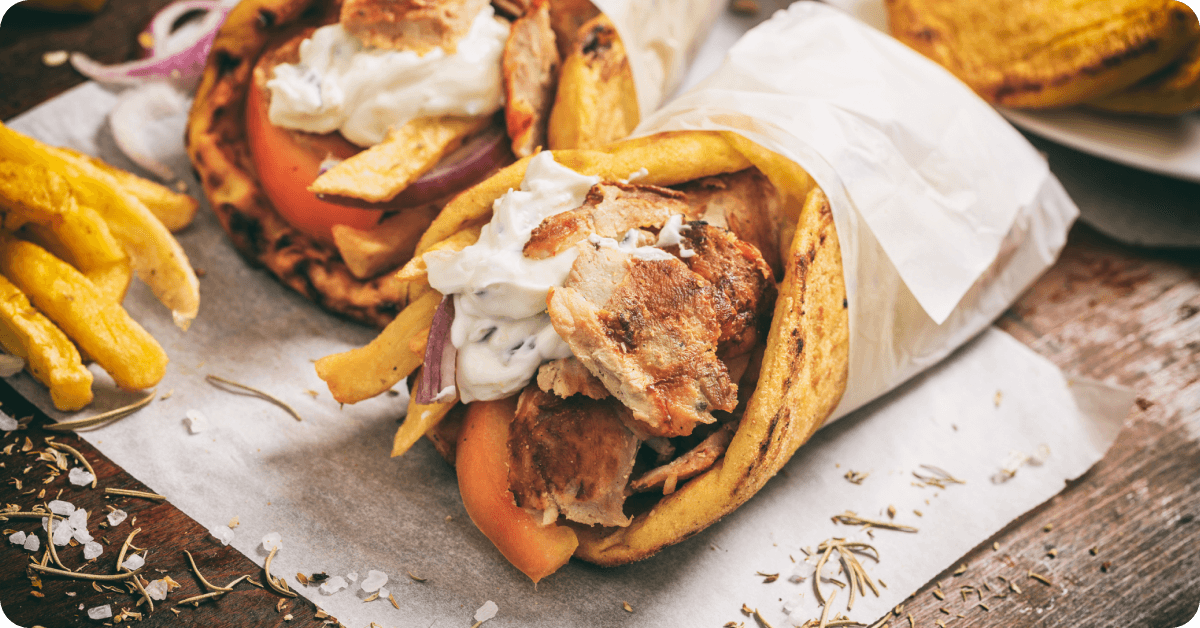
Gyros is one of the staples of Greek street food. It’s made from pork or chicken cooked on a vertical rotisserie, then sliced into thin strips as the outside crisps from the heat. Like souvlaki, it often ends up wrapped in pita bread with tomato, onion, and tzatziki, plus french fries inside more often than not.
Because the meat cooks in layers on the spit, gyros give you both crisp edges and softer inner pieces in the same bite. It’s savory, juicy, and satisfying in a way that makes it easy to understand its popularity. The seasoning is usually incredibly simple and consists only of salt, herbs, and a bit of garlic, letting the meat stay the focus.
Gyros is a quick meal, yes, but also balanced, filling, and tied closely to how people actually eat in cities and towns across the country.
Other popular foods to try in Greece
The well-known dishes only tell part of the story. Once you start paying attention to the offers at bakery counters and taverna menus, you notice a much wider range of everyday foods that are just as worth trying.
Loukoumades

Loukoumades are small fried dough balls served hot with honey and sesame seeds. They are crisp on the outside, soft and airy in the middle. You usually get a plate to share, but they rarely last long — it’s hard to stop at just a few.
Pastitsio
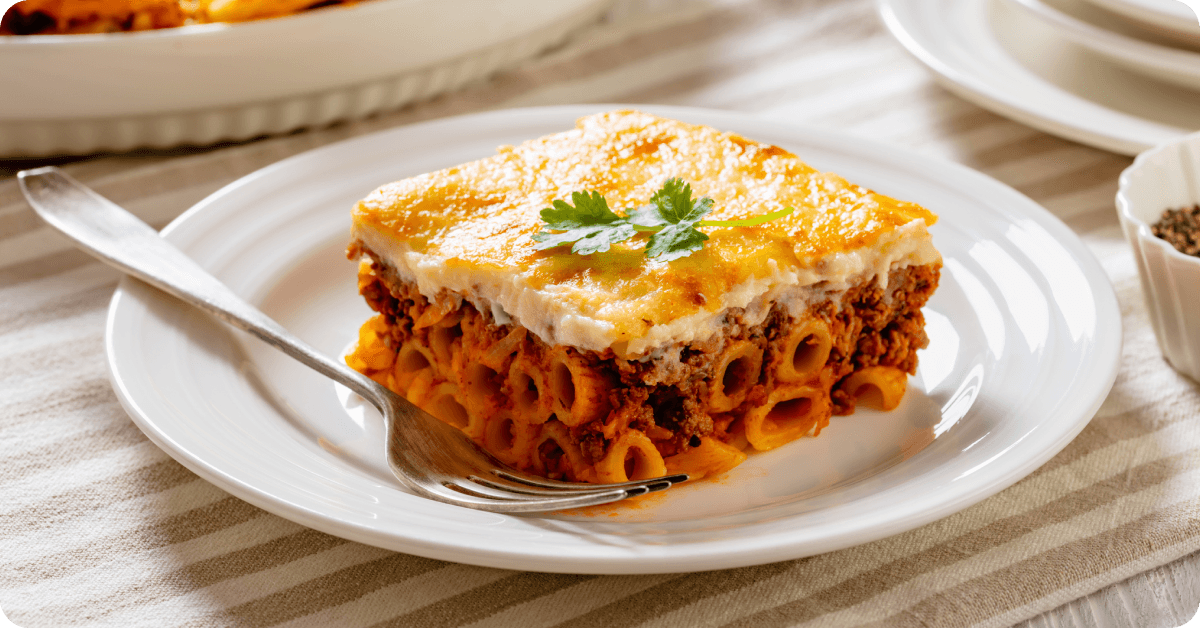
Pastitsio is often described as the Greek answer to baked pasta, though that comparison only gets you so far. It’s made with tubular pasta, a layer of rich tomato sauce, and a bechamel topping that bakes into a smooth, lightly golden cap. The texture is more structured than lasagna, and the flavor often includes warm spices that give it a distinctly Greek character.
Koulouri
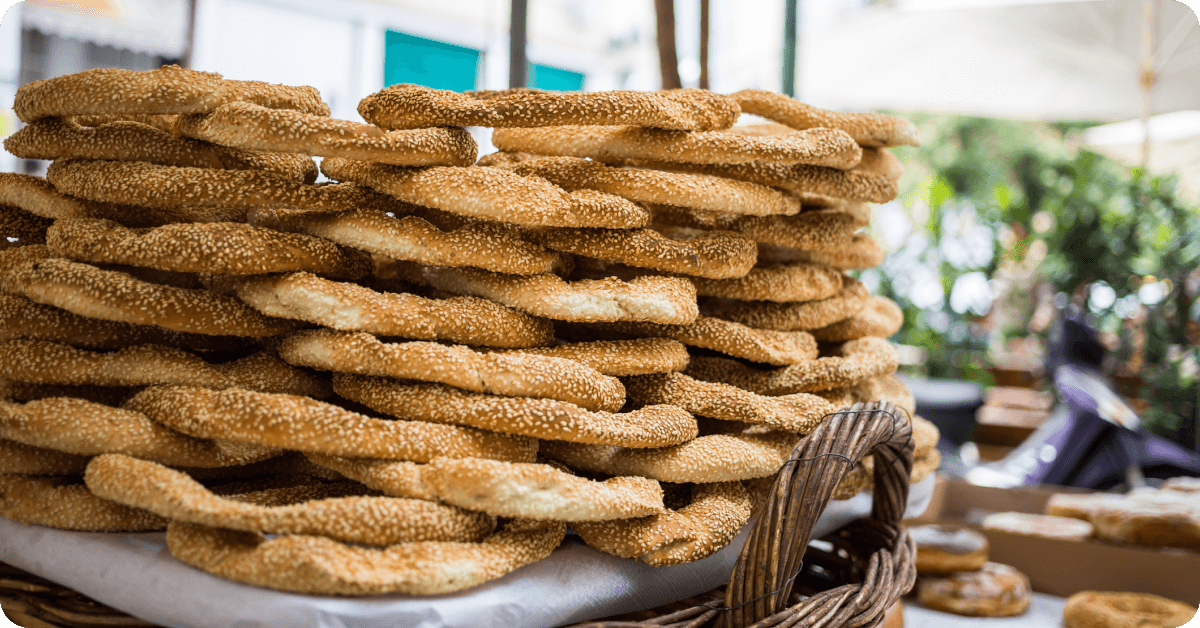
Koulouri is a round bread ring covered in sesame seeds, sold at bakeries and street stands all over Greece. It’s one of the most common quick breakfasts or mid-morning snacks, especially in cities. The outside has a slight crunch, the inside is soft, and it makes a great, quick, simple snack or breakfast on the go.
Htapothi sti skhara (grilled octopus)
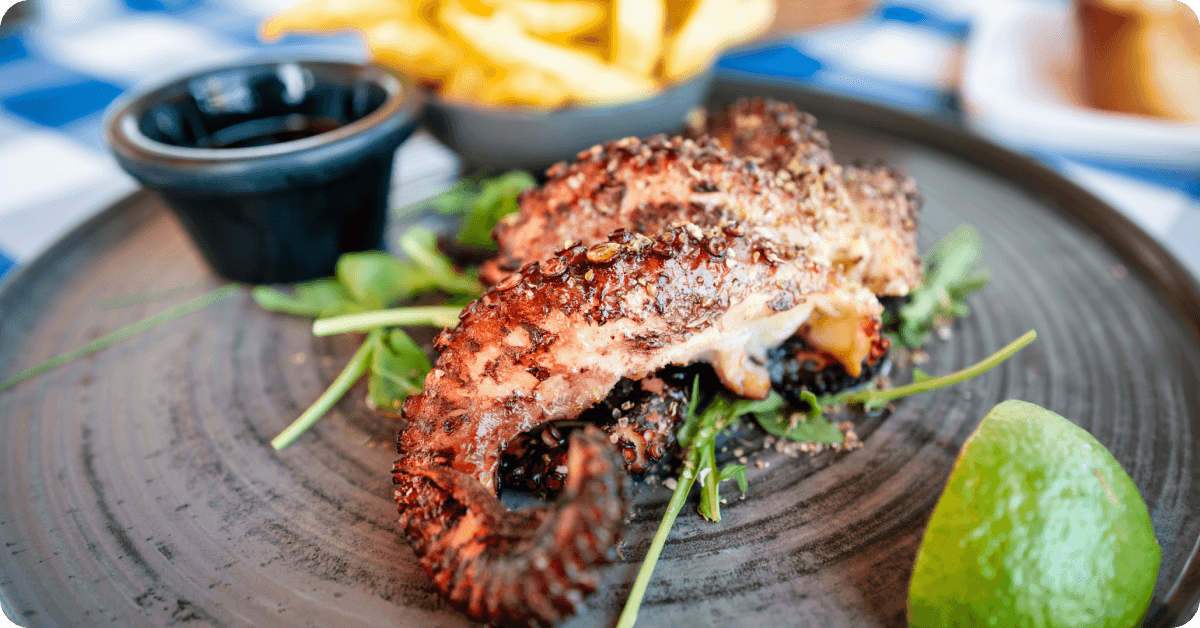
Grilled octopus is especially common in coastal areas and on the islands, where seafood plays a large role in everyday eating. The octopus is usually tenderized first, then grilled to give it a charred exterior and firmer bite. Good grilled octopus tastes clean and slightly briny and is often complemented with olive oil and lemon.
Kalamarakia
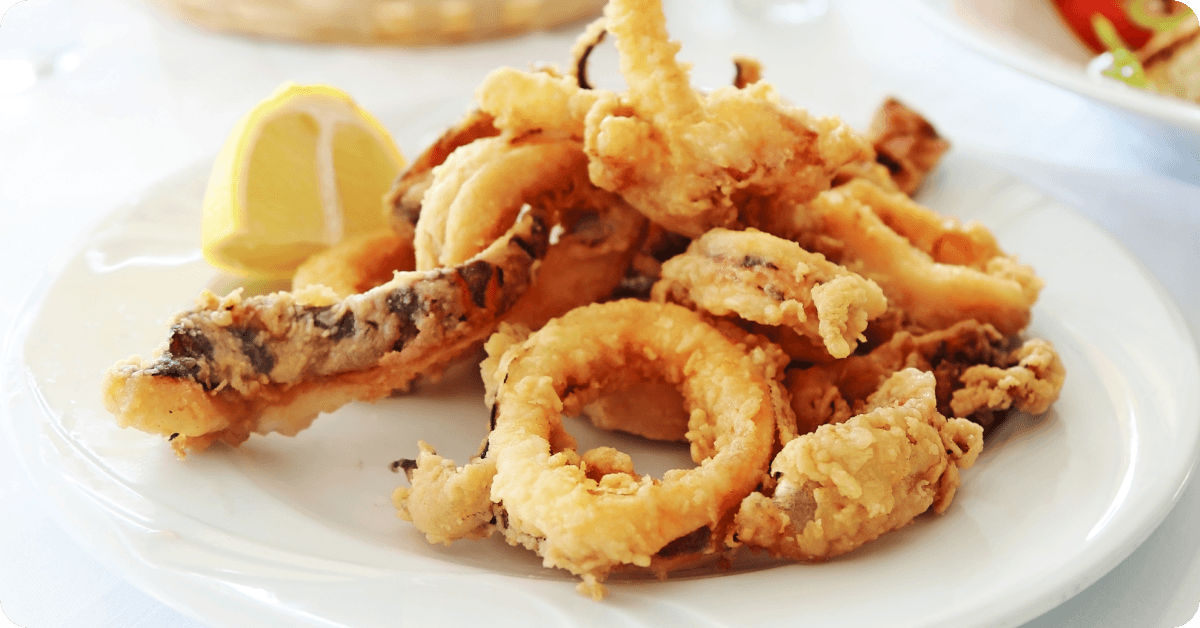
Kalamarakia are deep-fried squid rings, lightly coated with batter and cooked until the outside turns crisp and golden. When done properly, the inside remains tender and has a mild sweetness. People often give it a squeeze of lemon for zing.
Gemista
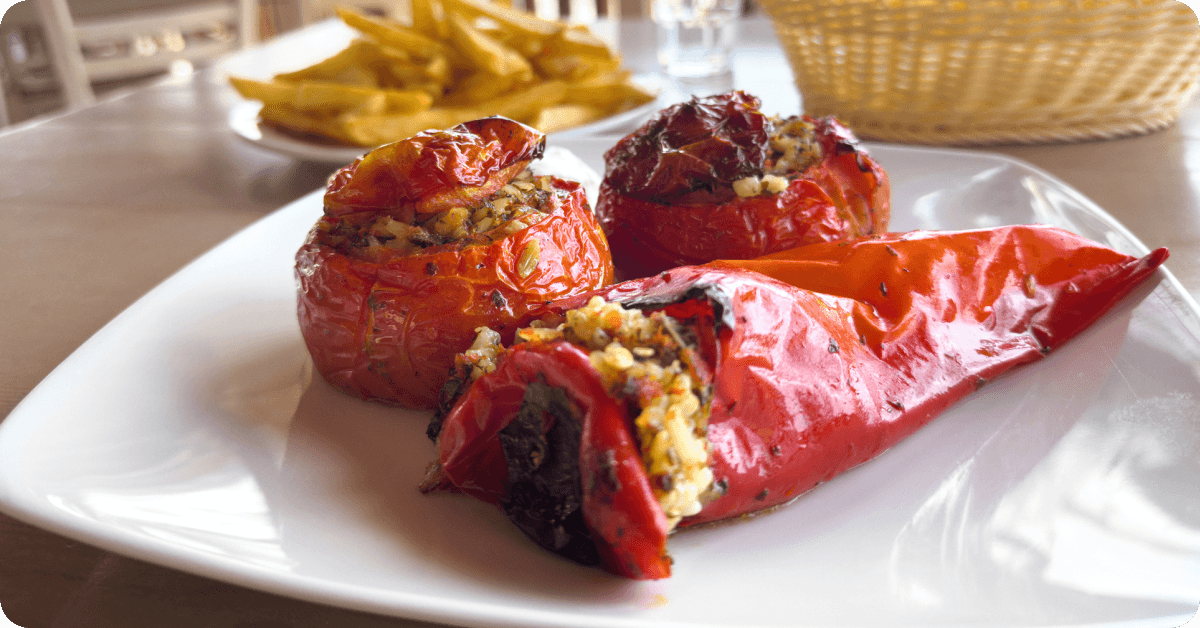
Gemista are tomatoes or bell peppers filled with rice, herbs, and sometimes minced meat, then baked until the vegetables soften and the filling absorbs their juices. It’s a modest dish that nevertheless has depth and sweetness — a result of the slow baking. It belongs firmly to the home-style side of the cuisine and is especially common in summer.
Fasolada
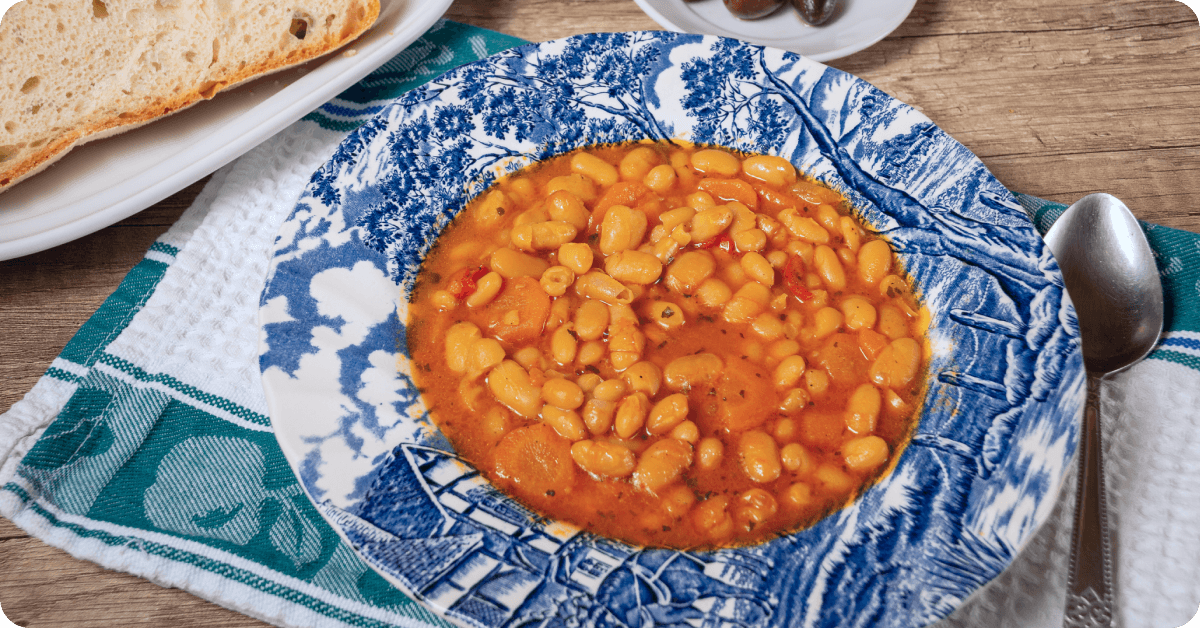
Fasolada is a thick soup made with white beans, onion, carrots, tomato, and olive oil. It’s often described as one of Greece’s most traditional everyday foods. It’s filling and deeply comforting, the kind of dish rooted in Greek daily life.
Tiropita
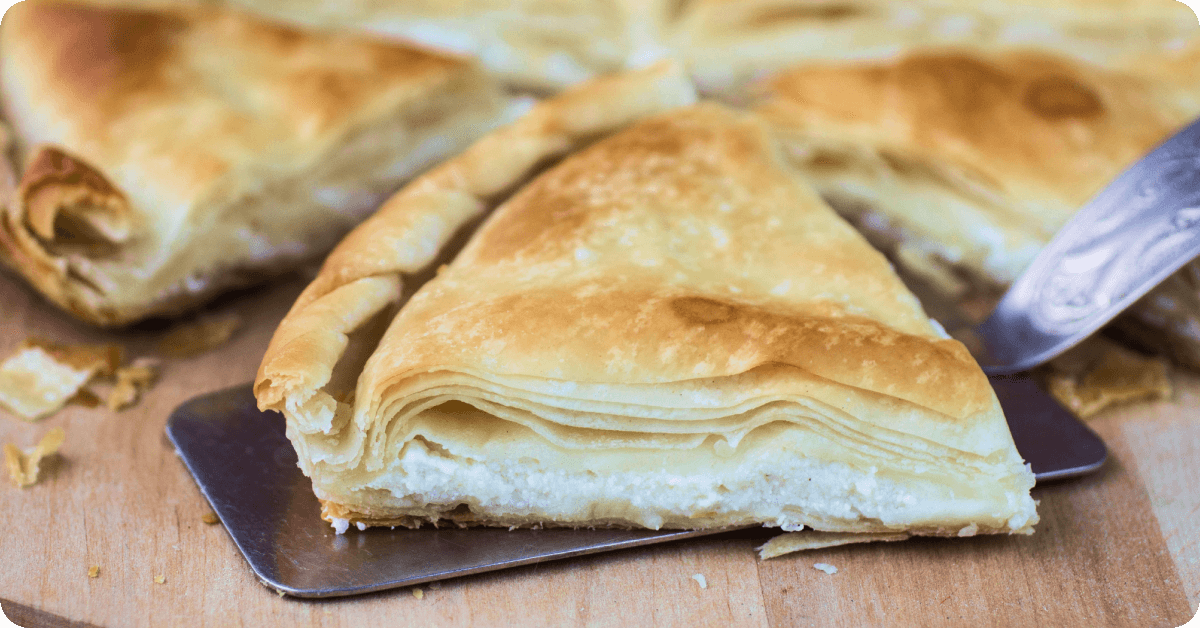
Tiropita is a cheese pie made with phyllo pastry and a filling of eggs and feta or other local cheeses, depending on the version. Like spanakopita, it’s common in bakeries and something Greeks eat throughout the day — for breakfast, with coffee, or as a quick lunch. The outside is crisp and flaky, the inside creamy and salty.
Retsina

Retsina is a traditional Greek white wine flavored with pine resin, and it’s one of the more distinctive drinks you are likely to encounter in the country. It’s dry, aromatic, and unlike most table wines visitors are used to. That said, it can make a lot more sense when drunk with salty, grilled, or meze-style foods than when evaluated on its own.
Halva
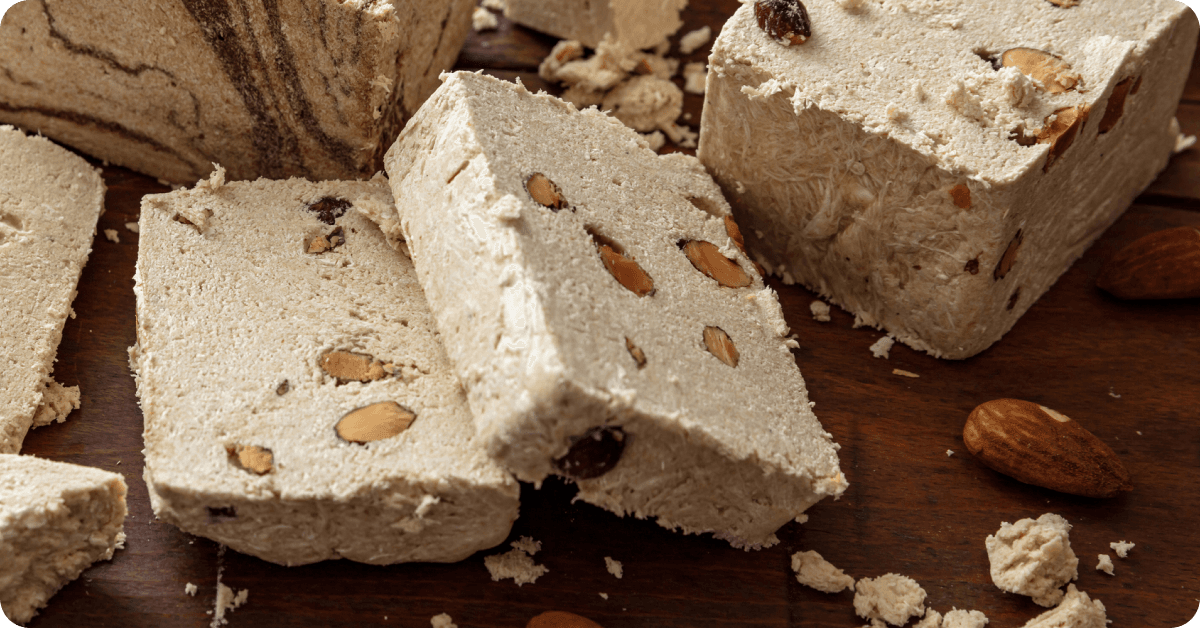
Greek semolina halva is made by cooking semolina with oil, sugar, and water, then shaping it with spices and nuts. It’s dense but soft, sweet but not sticky, and often scented with cinnamon. Unlike baklava, it doesn’t rely on syrup or crisp pastry. It’s less intense and has a more balanced flavor.
What was food like in Ancient Greece?
Food in Ancient Greece was shaped by necessity, climate, and what the land could provide. The everyday Greek diet centered on bread (usually from barley), olives, legumes like lentils and chickpeas, vegetables, and Greek wine, usually diluted with water.
Meals were generally modest, especially for poorer households. Meat was not part of the daily diet for most people and was more closely tied to religious festivals, special occasions, or wealthier households. Fish was more common in coastal areas, though it could still be expensive depending on the type and location.
If you want the shortest answer to what traditional Greek food was, it comes down to simple staples, seasonal produce, and practical cooking. Modern Greek cuisine is obviously more varied, but its foundation lies in the history and traditions of the country.
Is food expensive in Greece?
Greek food is generally affordable, especially compared to many Western European countries. You can eat well on a budget if you stick to local tavernas, bakeries, and street food.
Prices tend to be higher in popular tourist areas and on well-known islands, particularly for seafood or restaurants with prime views. However, moving a few streets away from busy spots often makes a noticeable difference. Sharing food can also help keep costs down while letting you try more Greek dishes.
Below is a quick look at what you can expect to spend on meals in Greece, depending on your budget and dining style:
Category | Type of dining | Average price (per person) |
|---|---|---|
Budget | Street food stalls, bakeries, cafés | €5–€15 |
Mid-range | Local tavernas, casual restaurants | €15–€30 |
Higher-end | Seafood restaurants, fine dining spots | €35–€70+ |
The best food places in Greece
One of the useful things about eating in Greece is that you are rarely far from a taverna, bakery, or grill place that can feed you well. The harder question isn’t whether you’ll eat well, but where to go when you’re looking for a particular dish or a more memorable meal.
Athens
Athens gives you the broadest range in food options. You can eat classic taverna food, modern Greek cooking, quick street meals, or regional specialties without leaving the city. A few places worth checking out are:
Ta Karamanlidika tou Fani. This spot is known for its cured meats, cheeses, and small plates rooted in regional Greek traditions.
Klimataria. This older-style taverna is focused on hearty, home-style Greek cooking.
Thanasis. It’s a central spot known for souvlaki and grilled meats.
Santorini
Santorini has plenty of restaurants that offer beautiful views, but the better meals are not always the ones competing with the sunset. Some spots you can visit are:
Metaxi Mas. It’s a popular local restaurant known for its Cretan-influenced dishes and generous portions.
Ammoudi Fish Tavern. It’s a great seaside spot focused on fresh seafood prepared simply.
Selene. If you’re looking for a more upscale restaurant focused on Greek cuisine, Selene is a great pick.
Mykonos
Mykonos has no shortage of expensive restaurants, but there are still places where the food matters at least as much as the scenery. A few standout spots are:
Kiki’s Tavern. This place is known for grilled meats and simple dishes without much formality.
M-eating. This restaurant serves many popular Greek dishes with a lot of attention paid to presentation.
Interni. It’s a higher-end restaurant that combines Mediterranean dishes with a lively setting.
Crete
Crete deserves special attention because its food culture is closely tied to local ingredients and long-standing traditions. These places are solid choices to start:
Peskesi. The restaurant focuses on traditional Cretan dishes made from local ingredients.
Avli. It’s a popular place serving regional dishes in a courtyard setting.
To Stachi. It’s a vegetarian restaurant based on traditional Cretan cooking.
Rhodes
Rhodes brings together fresh seafood and the classic taverna dishes found across Greece. Some popular options to eat at are:
Tamam Restaurant. This restaurant is known for a wide range of Greek dishes and generous portions.
Nireas. This restaurant is a reliable choice for seafood and traditional Greek plates.
Hatzikelis Sea Food Restaurant. This place focuses on fresh fish and simple seafood meals.
Practical tips for eating in Greece
You don’t need to overthink eating in Greece, but being aware of a few pointers can make it easier and more enjoyable:
Pay attention to the season. If food is a big part of your trip, the best time to visit Greece is late spring or early autumn, when ingredients are at their peak and restaurants are less crowded.
Understand taverna culture. Do not expect to grab a quick bite at a taverna. Meals tend to move at a slower pace in these establishments, especially in the evening.
Be open to sharing dishes. You often don’t need one dish per person. It’s common to order a few plates, known as meze (small dishes like dips, vegetables, meat, or seafood), and share them at the table.
Tipping is appreciated but not expected. Leaving around 5–10% for good service is common but not obligatory in the same way it is in some other countries.
Peak dining times are often later in the day. Lunch is usually from 1–3 pm, while dinner starts late, often after 8 pm (and even later in summer). Greeks tend to stretch meals out, treating them as social time to sit, share food, and talk.
Be careful with portion size. Many dishes are larger than they first appear, especially when bread, salads, and sides start arriving. It’s usually smarter to order your food gradually rather than many dishes all at once.
Do not be surprised by bread or water on the bill. Bread or water may be brought to the table without you asking for it and added to the bill.
Consider a food tour in larger cities. Joining a local food or wine tasting tour can help you understand Greek food culture and history.
Staying connected while exploring food in Greece
Staying connected makes food hunting in Greece a lot easier. You’ll use your phone to find places to eat, check reviews, book tables, and translate menus. It also helps you spot those tucked-away tavernas you’d otherwise miss.
One of the simplest ways to stay online is by using an eSIM for Greece. An eSIM is a digital SIM card that lets you activate mobile data without swapping your physical SIM. Just download the Saily eSIM app, pick a plan, and you’re good to go, even before you land.
Many eSIM plans cover multiple countries, making them a practical option if you’re traveling across Europe. Compared to traditional SIM cards for Europe, which often require finding a store and setting everything up in person, eSIMs are quicker, simpler, and one less thing to deal with.

Stay connected with the Saily eSIM app
Affordable mobile data plans for every journey.
FAQ


Related articles