




Best food in Italy: Famous dishes and how to experience them
The global fascination with Italian food stems from Italy’s dedication to quality, regional diversity, and simplicity. While everyday staples like pizza and pasta are ubiquitous in the United States, their massive popularity often obscures their authentic origins. When you visit Italy, you will quickly discover that familiar dishes taste radically different — and significantly more refined — in their authentic cultural context. Beyond the well-known classics, an entire ecosystem of lesser-known local specialties reveals a dynamic gastronomic heritage that continues to shape global dining even to this day.
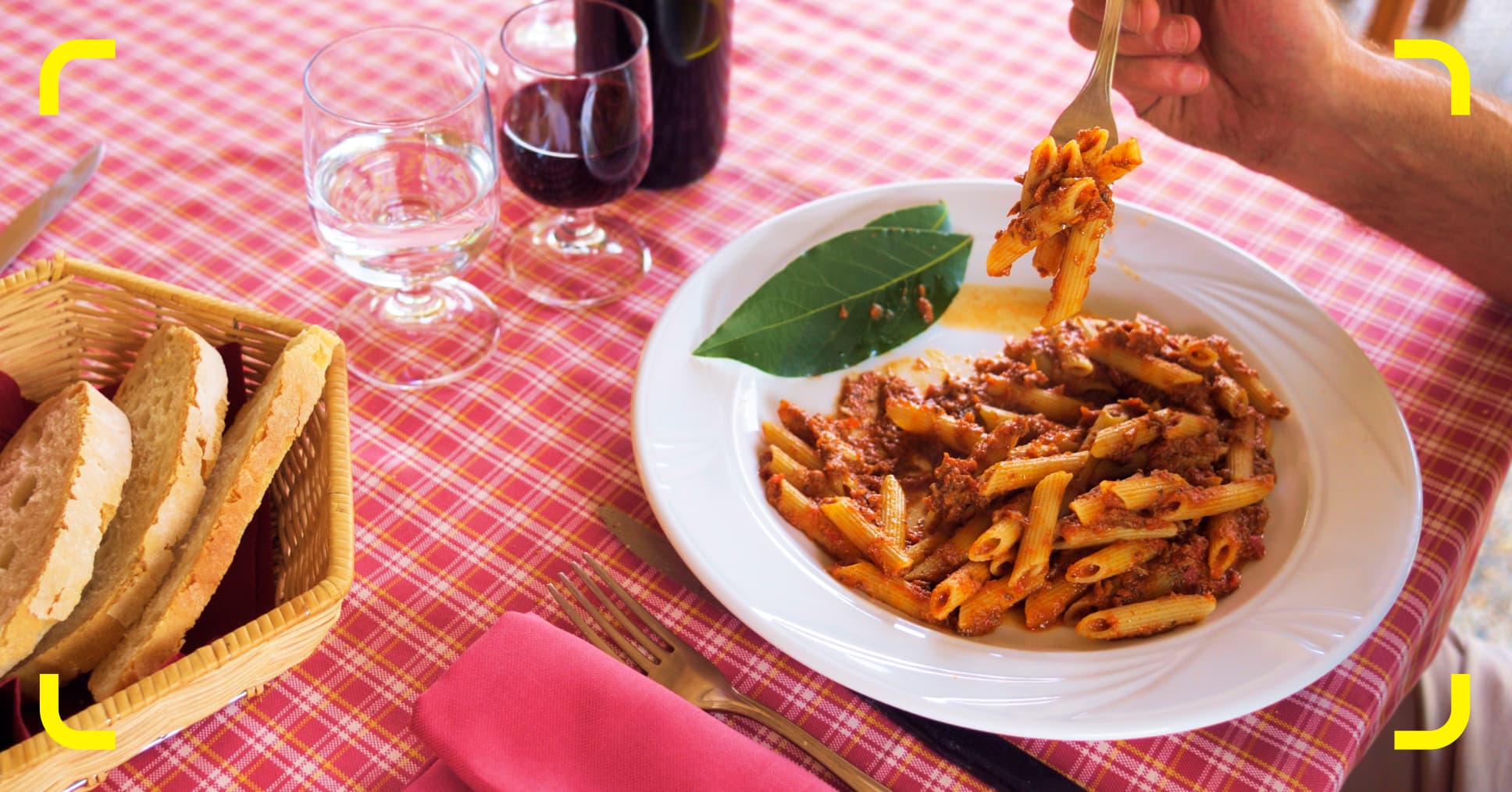
Table of Contents
- TOP 10 traditional foods Italy is famous for
- 1. Pizza
- 2. Pasta
- 3. Lasagna
- 4. Risotto
- 5. Arancini
- 6. Grilled Calamari
- 7. Gnocchi
- 8. Prosciutto
- 9. Parmigiano-Reggiano
- 10. Pesto
- Desserts Italy is famous for
- Gelato
- Tiramisu
- Panna Cotta
- Cannoli
- Sfogliatella
- Drinks Italy is famous for
- Best food cities in Italy and places to eat
- Food in Rome
- Food in Venice
- Food in Florence
- Food in Naples
- Food in Milan
- How much does food in Italy cost?
- Are food and wine tours in Italy worth it?
- Italian dining etiquette and how to enjoy meals in Italy
- Staying online while exploring Italian cuisine
TOP 10 traditional foods Italy is famous for
The prestige of Italian cuisine is the result of an evolution that began with the Etruscans and Ancient Romans. As the Roman Empire expanded, the peninsula became a nexus of global trade, with Arab conquests in the 9th century introducing foundational ingredients such as rice and almonds to the southern regions. The mass migration of Italians during the late 19th and early 20th centuries exported these culinary traditions worldwide, though the cultural exchange was not entirely unidirectional. For example, the iconic Roman dish carbonara originated during World War II as a creative synthesis of traditional Italian pasta and the thick-cut bacon lardons supplied by American troops.
The following sections explore the ten fundamental pillars of traditional Italian cuisine. Each dish reflects regional geography, historical necessity, and local agricultural practices. In the breakdowns below, we will explore the defining characteristics of each dish, their core ingredients, their typical costs, and their place in the daily rhythm of Italian life.
1. Pizza
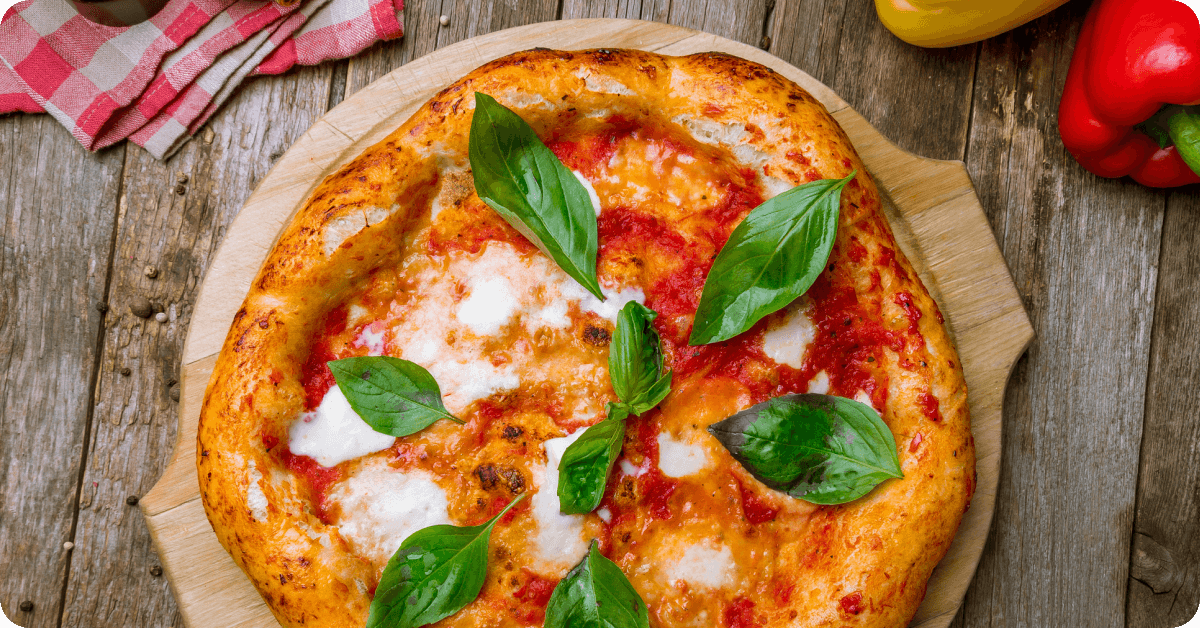
Authentic Italian pizza is a masterclass in culinary restraint, with true Neapolitan pizza relying on a highly hydrated, slow-fermented dough baked in a blistering wood-fired oven for merely 60 to 90 seconds. That extreme heat yields a distinctive pie featuring a thin, soupy center and a charred, airy outer crust known as the cornicione. The quintessential Margherita relies entirely on the quality of sweet San Marzano tomatoes, creamy mozzarella di bufala, fresh basil, and robust extra virgin olive oil. Conversely, the Roman style offers a wafer-thin, shatteringly crisp base. Across Italy, round pizza is predominantly consumed as an affordable, everyday meal strictly eaten whole by the individual rather than shared by the slice. Meanwhile, pizza by the slice (pizza al taglio) serves as a ubiquitous daytime street food. A whole authentic pizza in a traditional pizzeria typically costs around US$8–$16.
2. Pasta
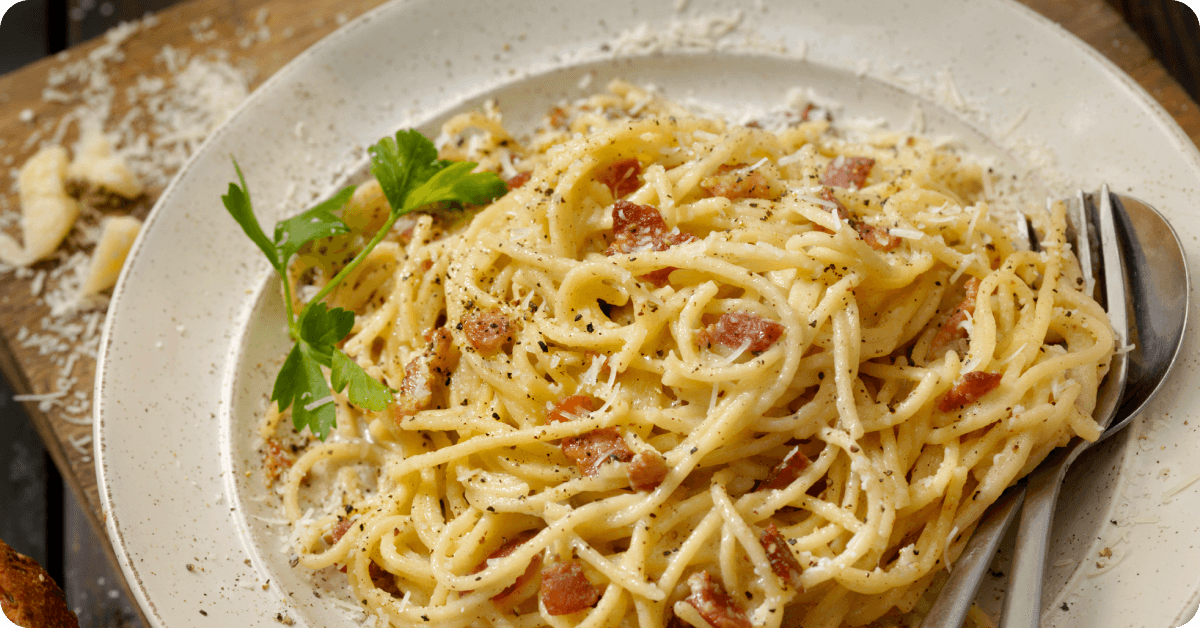
Pasta serves as the ultimate canvas for Italy’s regional culinary diversity, acting as the cornerstone of the Italian diet eaten almost daily as a primo (first course) during lunch or dinner. In the affluent, agricultural North, cooks traditionally make soft pasta with fresh eggs and refined wheat flour, yielding delicate ribbons like tagliatelle and pappardelle, while the arid South relies on hard-boiled durum wheat semolina and water to create robust dried varieties like spaghetti and orecchiette that possess a longer shelf life. The sauces paired with those regional pastas are equally dictated by geography: A rich ragu bolognese dominates the northern regions, whereas bright, spicy tomato sauces define the southern coastal experience. A traditional pasta dish in a mid-range trattoria generally ranges from US$11 to US$22.
3. Lasagna
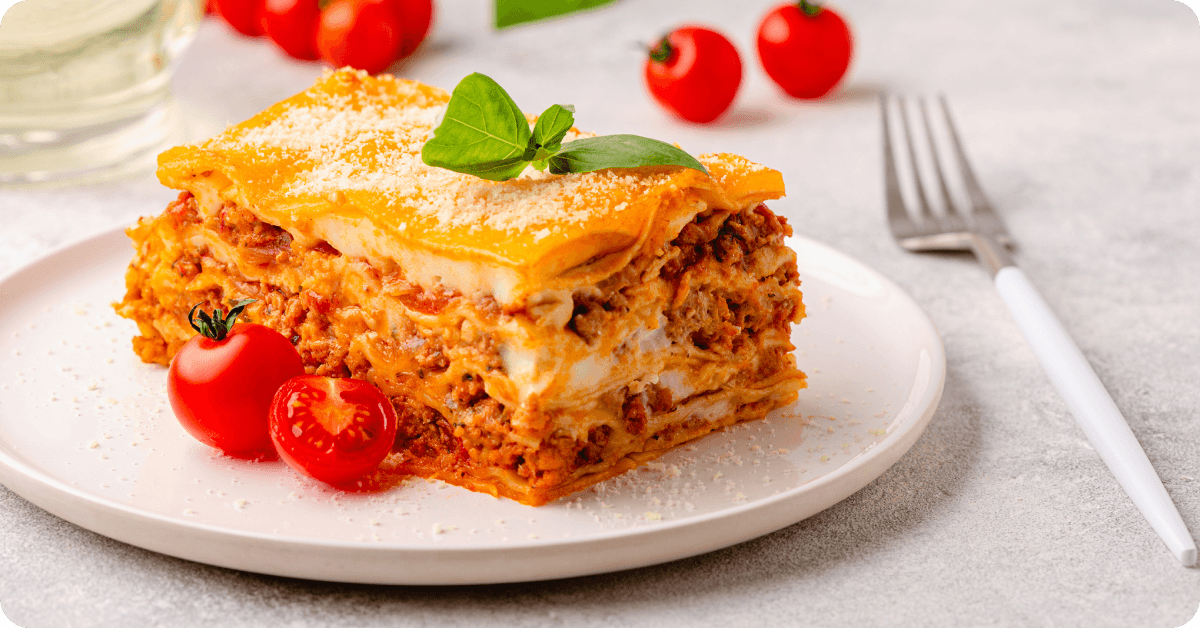
Lasagna is a rich, layered and labor-intensive baked pasta dish that stands as a testament to the luxurious culinary heights of the Italian kitchen. The famous Lasagne al Forno hails from Emilia-Romagna and meticulously layers wide sheets of spinach-tinted egg pasta with a slow-cooked beef and veal ragu, velvety bechamel sauce, and aged Parmigiano-Reggiano, notably omitting the heavy use of ricotta cheese found in southern variations. Historically considered a dish of luxury and agricultural abundance, lasagna is not standard everyday fare. Instead, cooks typically serve it as a celebratory festive dish or as the centerpiece of a decadent Sunday family meal. A generous, bubbling portion costs between US$13 and US$20 at a traditional eatery.
4. Risotto
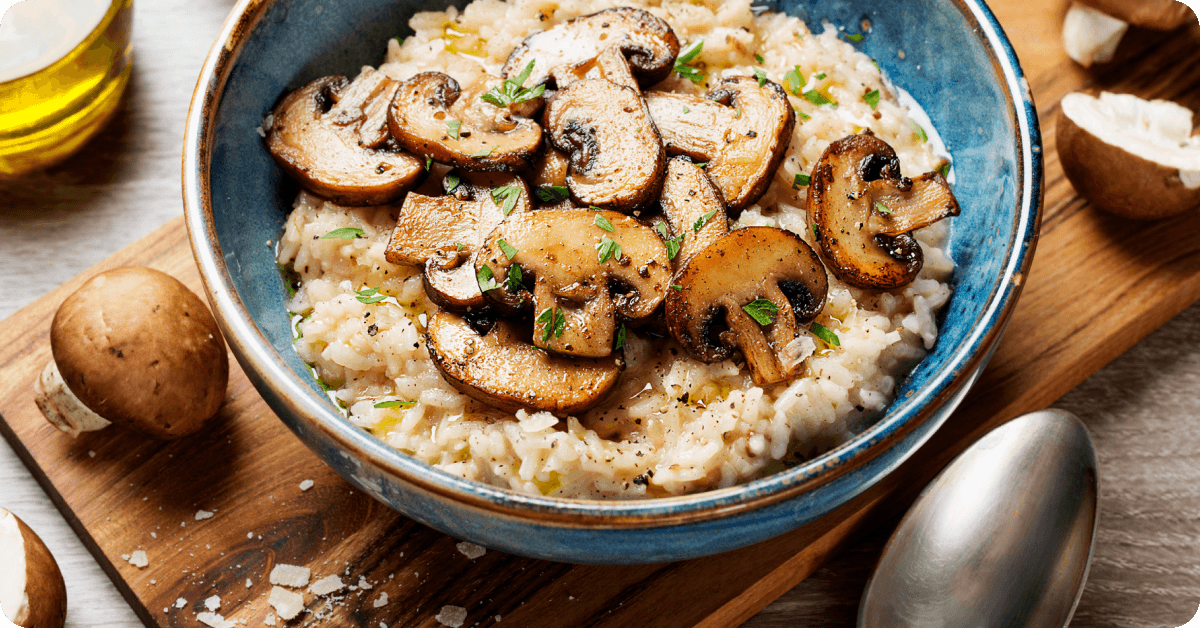
Originating in the water-logged rice paddies of Lombardy and Piedmont, risotto is an elegant, technically demanding dish that relies on high-starch rice varieties such as Arborio or Carnaroli. Chefs toast the grains in fat and slowly cook them with simmering broth to release the starches. The process culminates in a rigorous whipping of butter and cheese known as mantecatura to achieve a luxurious, wavy consistency. Iconic regional versions include the saffron-infused Risotto alla Milanese or the jet-black Risotto al Nero di Seppia in Venice. Italians consume risotto as a first course, requiring immediate consumption upon the plate leaving the stove. A high-quality serving typically costs between US$16–$28.
5. Arancini
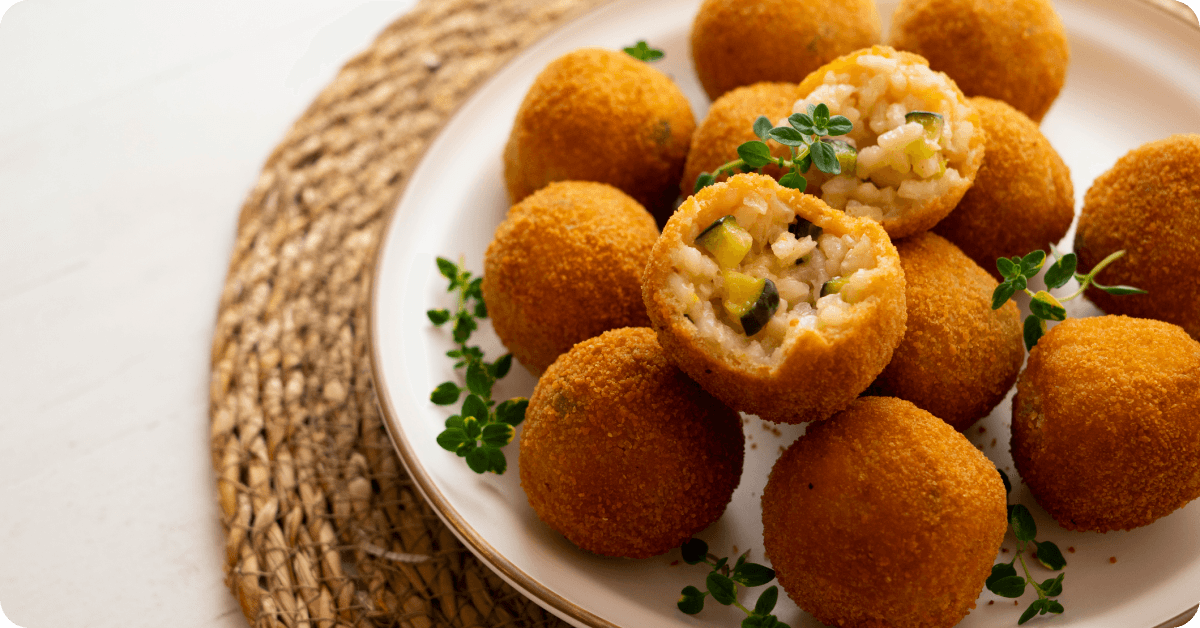
Translated literally as “little oranges,” arancini are the deep-fried rice balls that define Sicilian street food culture. The snack represents a culinary inheritance from the Arab domination of Sicily. Cooks prepare a thick, saffron-tinted risotto, form the cooled rice into balls, stuff the center with meat sauce and peas, and deep-fry the creation to a crisp golden brown. Arancini act as the quintessential on-the-go street treat. Locals consume them at all hours of the day from neighborhood cafes and dedicated fry shops (friggitorie). As a highly accessible comfort food, arancini remain incredibly affordable, typically costing between US$3 and US$7 each.
6. Grilled Calamari
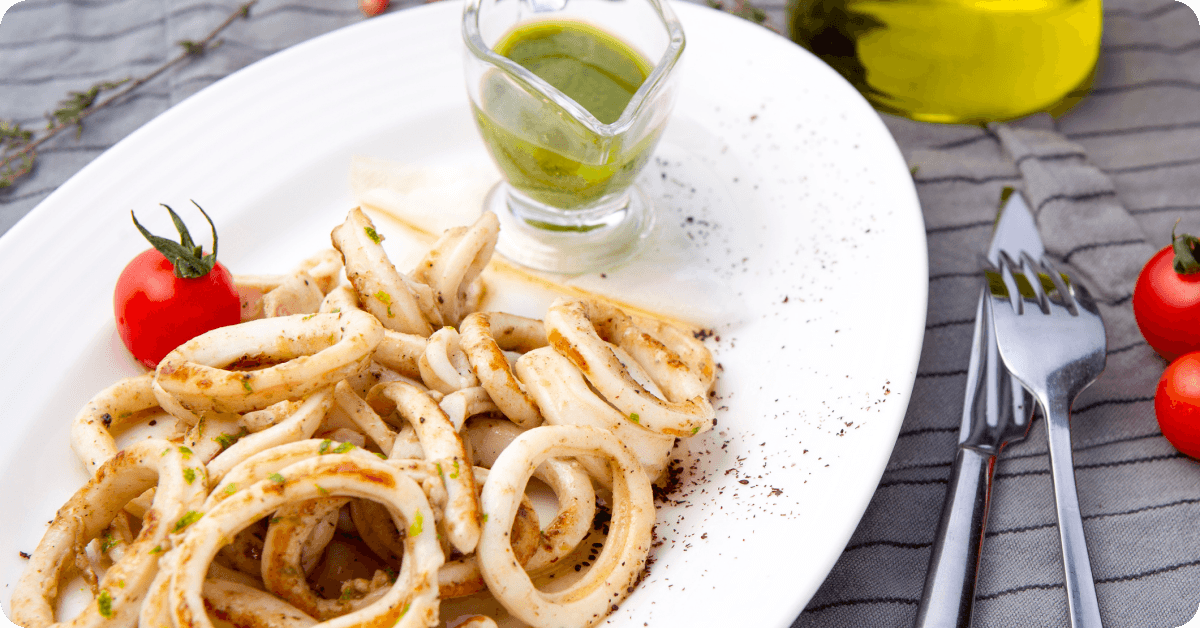
Calamari alla Griglia encapsulates the Italian philosophy of allowing fresh maritime ingredients to speak for themselves without the interference of heavy batters. Sourced directly from the Mediterranean, the squid marinates briefly in olive oil and garlic before cooks flash-grill it over hot coals for just four to six minutes. That intense heat creates a smoky, lightly charred exterior while keeping the flesh exceptionally tender inside. In southern coastal regions, chefs dress the squid with salmoriglio, a vibrant emulsion of extra virgin olive oil, fresh lemon juice, dried oregano, and parsley. Diners widely enjoy the meal as a light main course or a shared appetizer during the warm summer months. A serving of fresh grilled calamari typically costs between US$20–$29.
7. Gnocchi
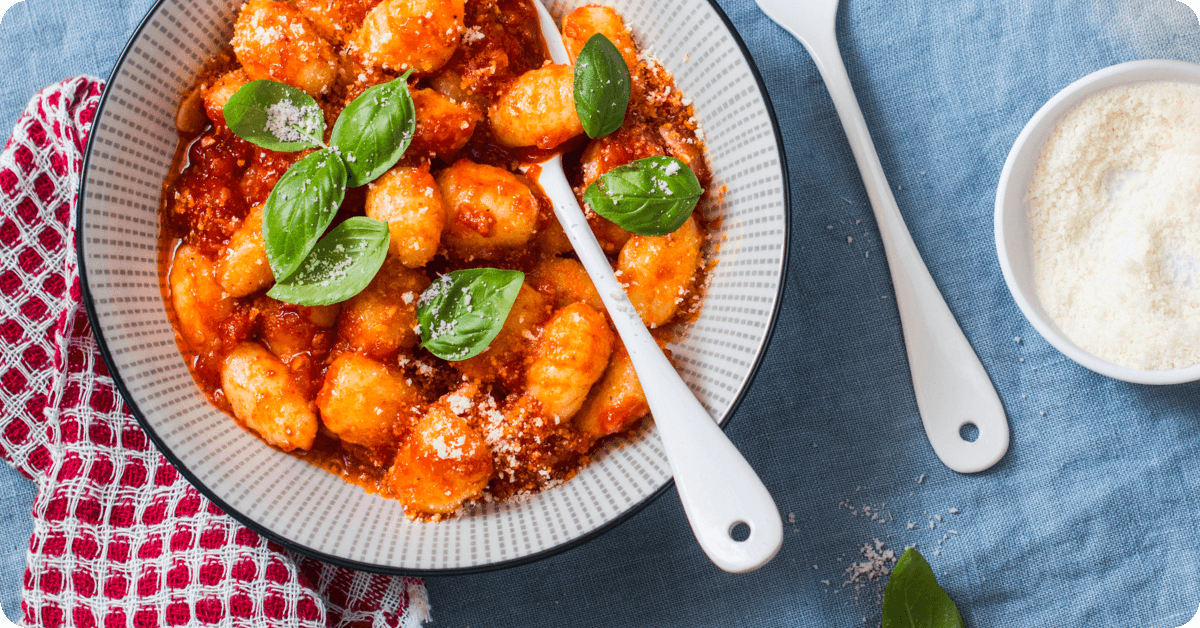
Gnocchi are dense, pillowy dumplings that represent the ultimate comfort food within the Italian culinary lexicon. The dough requires a delicate balance of riced potatoes and a minimum amount of wheat flour. Shaping these bite-sized nuggets over a textured wooden board creates the signature ridges designed specifically to grab and hold thick, rich sauces. Roman tradition strictly dictates eating the dish on Thursdays (“Giovedì Gnocchi”). That practice stems from historic Catholic customs that mandated abstaining from meat or observing a strict fast on Fridays. To prepare for a day of eating only light fish or meager portions, working-class Romans needed a calorically dense, heavy carbohydrate meal on Thursday to sustain their energy through the end of the week. Common preparations include gnocchi alla sorrentina with bubbling tomato and melted mozzarella, or a simple dressing of browned butter and sage. A hearty plate generally costs between US$11–$16.
8. Prosciutto
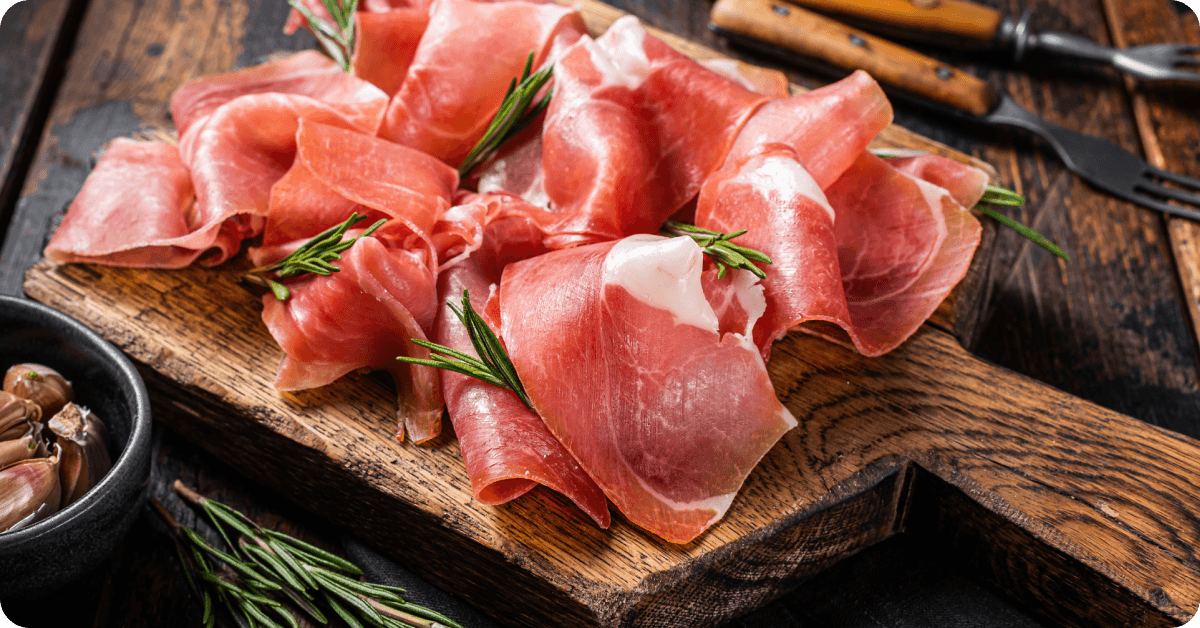
Prosciutto is a world-renowned, dry-cured ham originating from the central and northern regions of Italy. Strict agricultural laws regulate the prestigious Prosciutto di Parma, mandating an air-curing process in the Apennine hills for a minimum of 400 days to develop a sweet, nuanced flavor profile. Diners almost exclusively consume the premium ham raw (crudo) and sliced paper-thin so the rosy meat melts instantly on the palate. Locals enjoy prosciutto as a refined everyday appetizer (antipasto) or as the centerpiece of a shared charcuterie board. High-quality servings of authentic prosciutto cost between US$16–$23.
9. Parmigiano-Reggiano
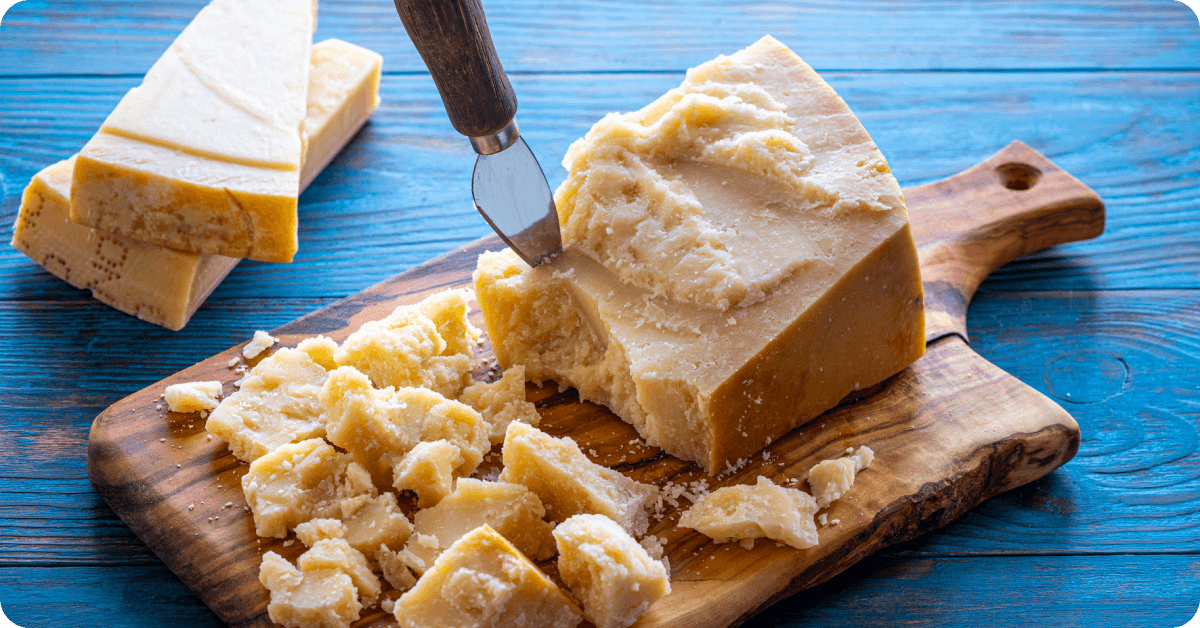
Reverently referred to as the “king of cheeses,” Parmigiano-Reggiano boasts a deeply complex, nutty, and umami-rich flavor profile. Artisans craft the massive wheels from raw cow’s milk in the Emilia-Romagna region and age them for a strict minimum of 12 months. That extensive aging process develops the signature crunchy amino acid crystals that define the cheese’s texture. Grate it over hot plates of pasta to emulsify sauces or break it into jagged chunks to eat entirely on its own with traditional balsamic vinegar. A dedicated tasting portion typically costs between US$11–$16.
10. Pesto
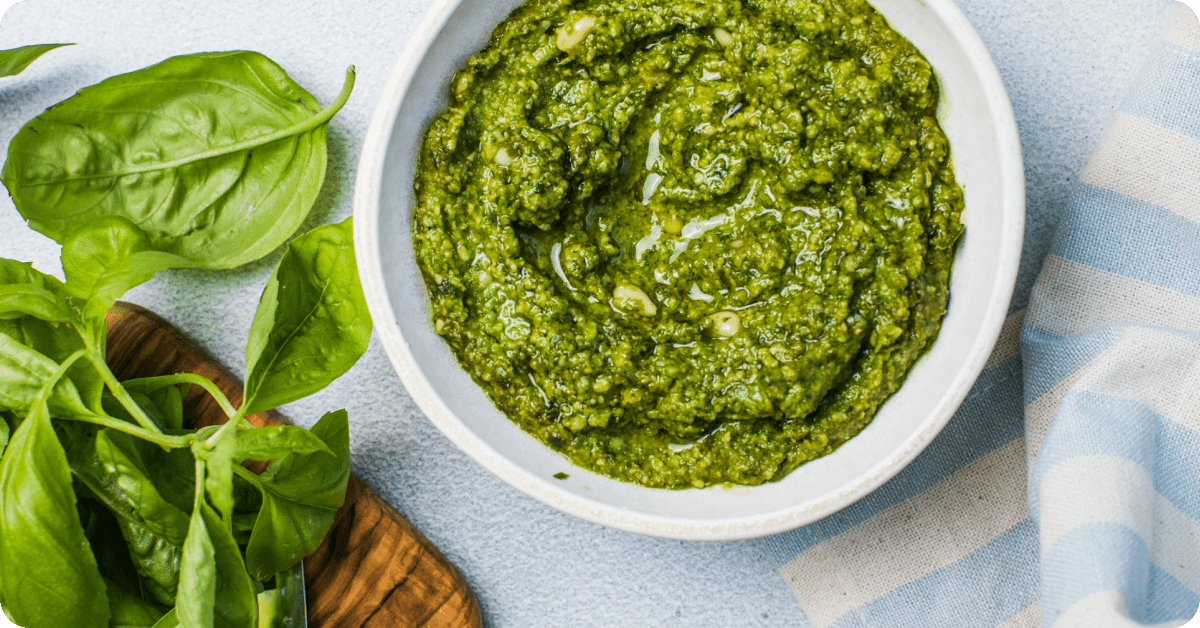
Originating in Genoa, Pesto Genovese is an intensely aromatic, raw sauce born from the Ligurian coast. The authentic recipe relies on highly specific regional ingredients, including tender Ligurian basil, European pine nuts, raw garlic, coarse sea salt, and aged cheese. Ingredients get crushed by hand in a heavy marble mortar. Pesto functions as an everyday culinary staple in Liguria. Locals most commonly fold the green sauce into distinct regional pasta shapes like twisted trofie or use it as a robust spread over fresh focaccia. A main course pasta dish featuring authentic, hand-crushed pesto generally costs between US$11–$16.
Desserts Italy is famous for
Instead of overwhelming the palate with sweetness, the country’s historic desserts rely on the pristine quality of regional dairy, seasonal fruits, and centuries-old culinary engineering. Whether grabbed as a morning street snack or savored after a long Sunday lunch, they offer a final, lingering taste of the region.
Gelato

Renaissance architect Bernardo Buontalenti supposedly invented this dense frozen treat in 16th-century Florence to impress visiting royalty. Artisans craft authentic gelato using a higher ratio of whole milk to heavy cream than standard ice cream, churning the mixture at a grueling, slow speed to lock out excess air. Gelaterias serve the everyday staple at a slightly warmer temperature to maximize the rich, silky flavors. Grabbing a classic two-scoop cone during an afternoon stroll typically costs between US$3–$6.
Tiramisu
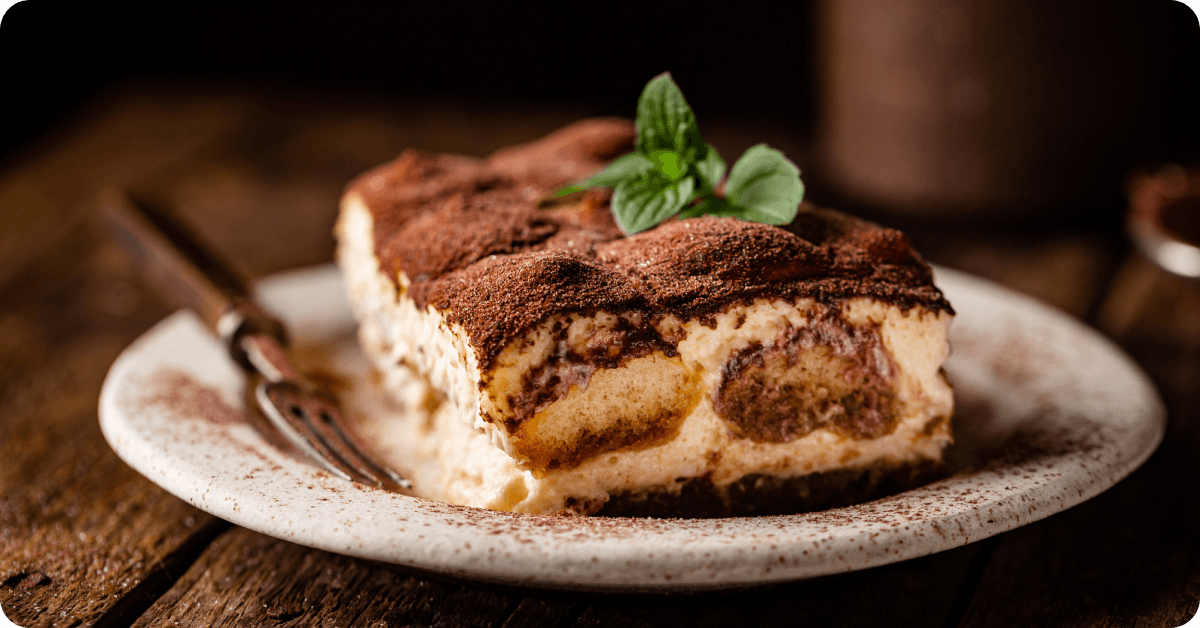
Translating literally to “pick me up,” this globally beloved dessert rapidly ascended from its 1960s Veneto origins to become an everyday luxury across Italy. The dish requires bakers to layer delicate ladyfinger biscuits — heavily soaked in espresso — with a rich, whipped emulsion of dense mascarpone cheese and fresh egg yolks. Diners universally order the cocoa-dusted treat in homes and restaurants as a decadent finale to a heavy meal. A generous portion usually costs around US$6–$9.
Panna Cotta
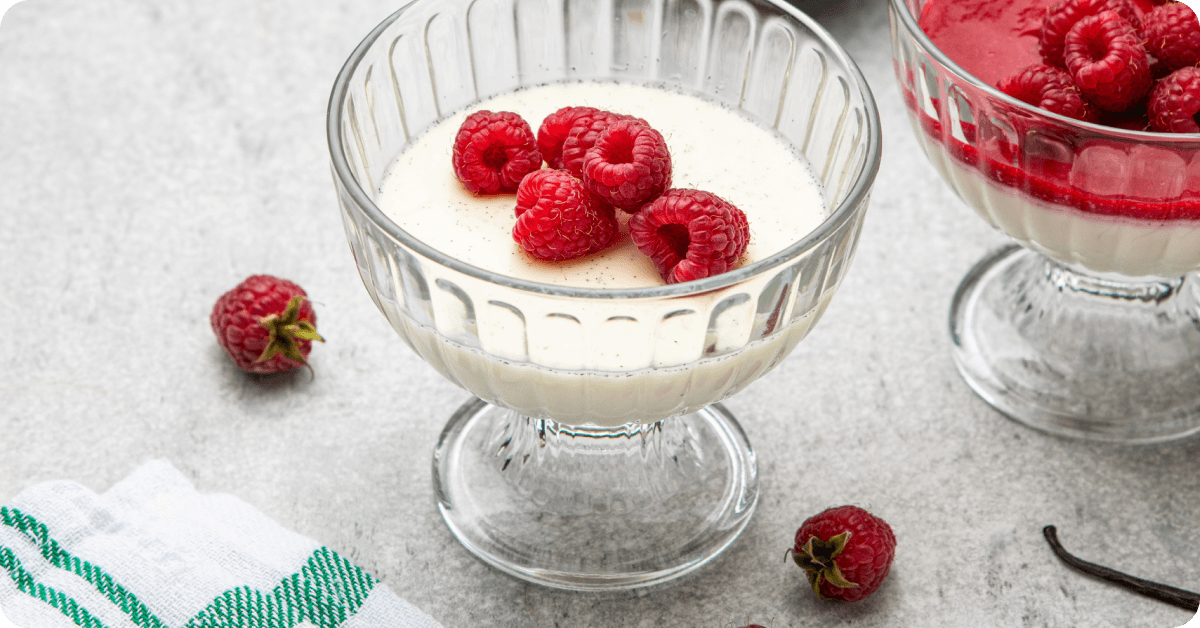
Originating from the dairy-rich northern region of Piedmont, this elegant dessert translates simply to “cooked cream.” Chefs achieve a textural balance by gently warming heavy cream, milk, and sugar, setting the mixture with just enough gelatin to create a delicate, trembling consistency. Waiters serve the chilled restaurant staple adorned with a tart mixed berry coulis or dark chocolate sauce to cut through the heavy dairy. Diners can expect to pay between US$6 and US$9 for this perfect meal ender.
Cannoli
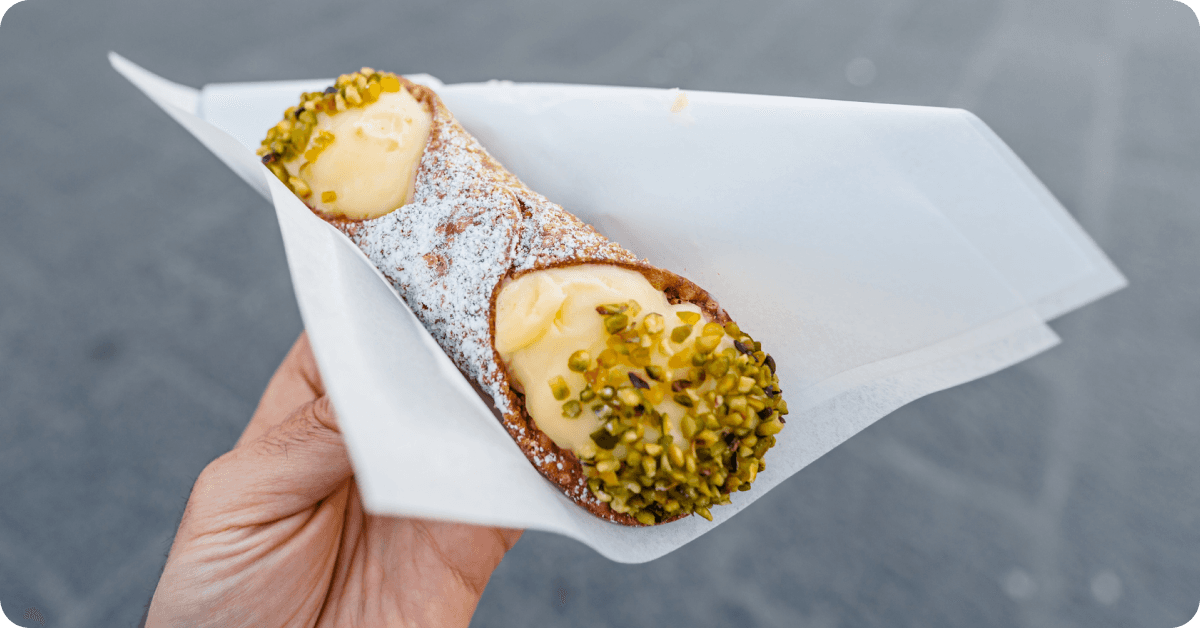
These iconic Sicilian tubes can be described as a historic, edible relic of the 9th-century Arab occupation of the island. Bakers wrap a blistered, Marsala wine-infused dough around a metal cylinder and deep-fry the vessel to create a shatteringly crispy shell. To prevent soggy disasters, they only pipe those shells to order with a sweet, velvety sheep’s milk ricotta cream. Taking a bite of this legendary street treat generally costs between US$3–$6.
Sfogliatella
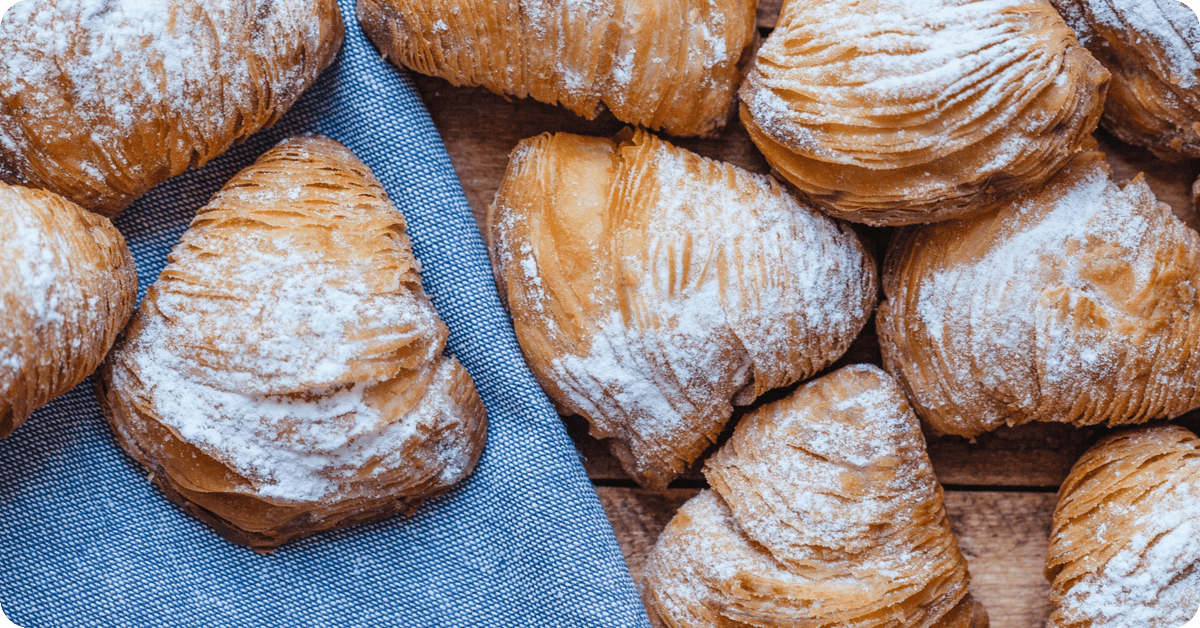
Nuns in a 17th-century Campania convent invented this Neapolitan pastry. The distinctive lobster-tail shape relies on dozens of micro-thin, lard-brushed layers of dough that encase a warm, fragrant filling of sweetened ricotta cheese and candied citrus peel. Locals usually consume this flaky, labor-intensive pastry as a frantic morning street treat alongside an espresso. Snagging one of them hot out of a Naples bakery oven typically costs between US$2–$5.
Drinks Italy is famous for
In Italy, the passage of time is measured by what you pour into your glass, following an unwritten, centuries-old schedule designed to wake the mind, elevate a plate of food, or settle the stomach. A morning requires the sharp, bitter jolt of dark espresso, acting as the daily fuel for locals. As composer Giuseppe Verdi once declared, coffee is “the balm of the heart and the spirit.” Baristas pull highly concentrated shots topped with a thick, hazelnut-colored crema, costing just US$1 to US$2 when consumed rapidly while standing at the bar. If you prefer milk, order a cappuccino, but remember the local custom: Italians consume heavy dairy strictly before 11:00 AM to aid afternoon digestion.
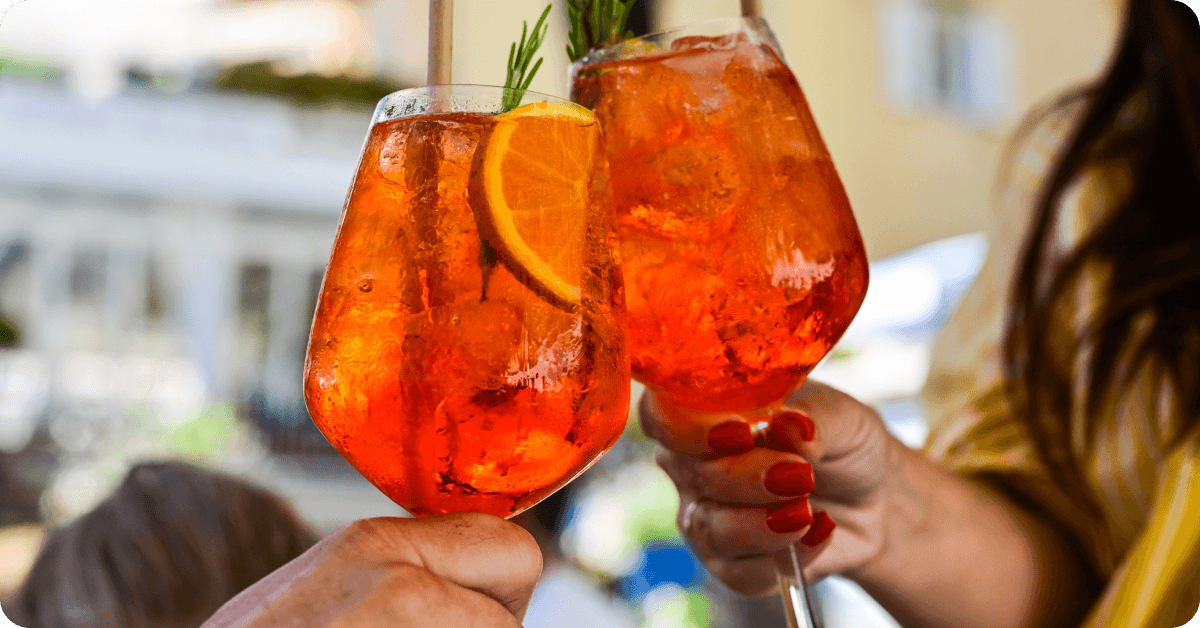
As the afternoon softens into the golden hours of early evening, the focus shifts to the aperitivo, a beloved cultural institution designed to stimulate the appetite. Bittersweet spritzes made with Campari or Aperol, alongside flutes of crisp Prosecco from the Veneto region, designed to wake the appetite. Bartenders serve these vibrant cocktails (typically US$7 to US$13) alongside complimentary snacks ranging from salty olives to pizza bites. Once diners sit down for the main meal, wine takes over. Italians take it seriously, almost exclusively consuming regional varietals — or an economical, free-flowing house wine (vino della casa) — to elevate the flavors on their plates.
These daily liquid rituals rely heavily on regional harvests and conclude with a strict focus on digestion. After a heavy evening meal, waiters clear the table to make way for the digestivo, most famously represented by Limoncello. Artisans steep the essential oil-rich zest of massive Sorrento lemons in high-proof grain alcohol and simple syrup, capturing the bright, citrusy essence of the Amalfi Coast. You can sip the yellow liqueur ice-cold, with a single glass typically costing between US$3 and US$7.
Best food cities in Italy and places to eat
Travelers constantly ask what city in Italy has the best food, but food critics and locals alike agree that a single answer remains impossible. Because the country unified relatively recently in 1861, individual city-states and provinces spent centuries fiercely protecting local flavors established over a long history of independence. Every corner of the peninsula offers incredible dining, but doing a little research before your flight reveals a handful of key gastronomic capitals that define the nation's culinary identity. Planning your itinerary around these specific regional dishes also helps you maximize the value of every meal when calculating how much a trip to Italy costs.
Food in Rome
Rome’s robust cuisine relies heavily on working-class traditions and the quinto quarto (butcher's off-cuts). The capital serves some of the most iconic dishes in the world, famously building a legendary “Pasta Quartet” upon the foundation of sharp pecorino romano cheese and, with the exception of cacio e pepe, rich cured pork jowl.
Tribuna Campitelli: A polished contemporary Roman restaurant in the historic center, close to the Ghetto and Teatro Marcello, with a cocktail bar and a refined setting inside a historic palazzo.
Trattoria Pennestri: A standout in Ostiense that keeps one foot in Roman classics and the other in more creative cooking. Michelin describes it as an authentic neighborhood trattoria whose reputation stretches well beyond the district.
Pizzeria da Baffetto: A famous old-school stop for thin, crisp Roman-style pizza near Via del Governo Vecchio. It is a classic name, though opinions on it can be a little divided, which is common for places this well known.
Da Gino al Parlamento: A classic, old-school Roman trattoria tucked near Parliament in the historic center, within walking distance of the Pantheon. It’s a strong pick for traditional Roman dishes in a lively room with vintage charm, white tablecloths, and a slightly eccentric, old-Rome feel.
Food in Venice
Venetian cuisine inextricably links to the unique lagoon environment and the city’s past dominance as a wealthy maritime trading republic. Chefs rely heavily on fresh Adriatic seafood, unique sweet-and-sour flavor profiles, and creamy, slow-cooked polenta. The defining culinary experience involves hopping between local wine bars (bacari) to consume cicchetti (small, tapas-like plates) while standing shoulder-to-shoulder with locals.
Vini da Gigio: A very solid Cannaregio pick for traditional Venetian cooking. Michelin tags it as a local favorite and notes both fish and meat dishes, which makes it a dependable recommendation.
Osteria Ai Pugni: A lively Dorsoduro bacaro-style stop for wine and small plates. Time Out magazine frames it more as a convivial neighborhood bar than a destination fine-dining spot, though.
All’Arco: A cozy wine bar near Rialto, known for strong cicchetti, good wine, and the kind of authentic atmosphere people actually come to Venice hoping to find.
Venissa: A splurge, but the one that’s worth it. Michelin lists it as a one-star restaurant on Mazzorbo, and the wider Venissa property is also known for its wine resort setting in the lagoon.
Food in Florence
Florence serves as the beating heart of Tuscan cuisine, famously defined by cucina povera — the peasant tradition of creating hearty, deeply flavorful meals out of inexpensive, seasonal ingredients. While the city attracts enough tourists to pack every major piazza, venturing just a few streets over reveals authentic spots serving unsalted bread, adventurous tripe sandwiches, and the colossal, oak-wood grilled Bistecca alla Fiorentina. The autumn harvest season often serves as the best time to visit Italy if you want to experience Florence’s menus heavily studded with fresh truffles and wild boar.
Trattoria Cammillo: A long-running Florentine institution in the Oltrarno area, run by the same family since 1945. It is a very good choice if you want a classic, deeply local restaurant with history.
Osteria Santo Spirito: This is a dependable choice in Oltarno with a warmer neighborhood feel than the center’s tourist-heavy spots. Time Out magazine highlights the piazza location, generous portions, and the famous truffle gnocchi, which still draws people across the river.
I Fratellini: A historic, tiny hole-in-the-wall sandwich shop operating since 1875 where you can get incredible local meat and truffle sandwiches.
Gelateria della Passera: An exceptional artisanal gelato shop in the Oltrarno neighborhood serving high-quality, innovative flavor combinations like mint and milk.
Food in Naples
Naples is a chaotic yet vibrant culinary powerhouse characterized by its proximity to the Mediterranean Sea and the highly fertile volcanic soil of Mount Vesuvius. The birthplace of pizza relies on incredibly sweet San Marzano tomatoes, garlic, and fragrant fresh herbs to elevate simple dough into a global masterpiece. Beyond pizza, Naples excels at deeply flavorful fried street foods (fritti) and historic bakeries mastering complex pastries stuffed with sweetened ricotta and candied fruit.
Starita: Starita is one of the best all-around pizzeria picks in Naples when you’re looking for an authentic atmosphere. The interior is cavernous and no-frills. Try the Montanara, which will give you the city’s love of fried dough and pizza on a single plate.
50 Kalò: Widely recognized as one of the best pizzerias globally, serving quintessential, highly hydrated Neapolitan pies with premium regional toppings.
Mimì alla Ferrovia: A historic, foundational restaurant near the main train station perfect for experiencing traditional, comforting Neapolitan dishes and rich, slow-simmered ragùs.
Scaturchio: A legendary pastry shop in the historic center considered an essential stop for trying authentic Neapolitan desserts like the flaky sfogliatella.
Food in Milan
Milan’s culinary landscape represents the wealthy, industrialized plains of Northern Italy. In stark contrast to the olive oil and tomato-heavy diets of the deep South, Milanese food feels rich and hearty, relying heavily on butter, cheese, and rice. The city earns global fame for its luxurious, bone-marrow enriched Risotto alla Milanese and thick, bone-in breaded veal cutlets. Navigating this sprawling northern fashion capital to track down the best modern eateries often requires live mapping, translating Italian menus on the fly, and booking reservations online. If you want to know how to keep your phone connected between neighborhoods without paying steep roaming fees, our guide explaining what an eSIM is walks you through setting up a reliable data plan before you land.
Trippa: This popular modern trattoria that updates the old-school format without flattening its character. The kitchen honors the city’s historical love for offal, serving an ever-changing seasonal menu.
Ratanà: A contemporary option that remains deeply rooted in local cooking. Set in a beautiful historic building, the restaurant serves what many consider the definitive modern version of saffron risotto with braised veal shank.
Zia Esterina Sorbillo: An inexpensive, high-reward pick for a quick lunch near the Duomo. This outpost of the famous Sorbillo family focuses on fried Neapolitan pizza, adding a strong southern counterpoint to any Milanese food day.
Pasticceria Massimo 1970: A local institution in Porta Romana. The venue operates as a high-quality neighborhood pastry shop during the day and transitions into an inventive cocktail bar later.
How much does food in Italy cost?
Food prices in Italy vary widely depending on your dining style. A simple standing breakfast of coffee and a pastry costs between US$3–$8, while casual pizza or pasta lunches range from US$11 to US$22. For a sit-down dinner at a local trattoria, expect to pay US$22–$45 per person, whereas fine dining can easily exceed US$110. Factoring in a few snacks and a glass of wine, the average cost of food in Italy per day usually falls between US$45 and US$75 for a mid-range traveler.
Italy’s culinary economy holds a fun paradox: Sometimes the cheapest meals are the most memorable. A US$3 slice of Roman street pizza eaten on a cobblestone curb often proves more satisfying than a US$50 steak served in a crowded tourist square. Geography also heavily dictates your budget, as dining in the industrialized North generally costs a third more than eating your way through the agrarian South. When you do take a seat at a restaurant, don’t be surprised by the coperto — a standard cover charge of a few dollars added to your final bill. This historic fee dates back to the Middle Ages, when innkeepers began charging travelers strictly for the use of their tables and plates to eat food brought from home.
Dining style | Estimated daily food budget | Typical costs per item or meal | Strategy and vibe |
|---|---|---|---|
Budget traveler | US$25–$40 | Espresso: US$1–$2 Pizza slice: US$3–$6 Market pasta: US$8–$12 | Focus on eating street food, drinking your morning coffee standing at the bar, and grabbing fresh produce from local outdoor markets. |
Mid-range traveler | US$45–$75 | Osteria lunch: US$13–$20 Mid-range dinner: US$22–$45 House wine (glass): US$6–$10 | Enjoy casual table service at neighborhood trattorias, balancing one major sit-down meal a day with lighter bakery fare. |
Luxury traveler | US$120–$200 | Fine dining dinner: US$90–$150+ Aged premium wine: US$25–$100+ | Experience Michelin-starred venues, extensive truffle tasting menus, and prime real estate dining overlooking famous landmarks. |
Are food and wine tours in Italy worth it?
High-quality food and wine tours in Italy are generally considered very worth it, offering an authentic and educational way to discover local cuisine. Booking the right excursion anywhere in the country helps you bypass the overpriced restaurants that crowd the main piazzas. Instead of blindly pointing at translated menus, you get an immediate, practical education in authentic Italian food. Good guides can introduce you to the mechanics of local eating, whether that means navigating a chaotic morning market or standing with commuters at a neighborhood coffee bar. A good tour can help you orient your taste buds with regional wine poured straight from the producer’s cellar, sample amazing dishes in tucked-away trattorias, and gain a baseline culinary confidence that can improve the rest of your trip.
But the touring industry is saturated, and following the wrong umbrella can lead you directly into the very tourist traps you want to avoid. It’s best to rely on personal recommendations from friends and read independent reviews carefully before booking. Skip the rushed, low-cost walks that never stray from the historic center, as those operators generally stick to the basic, famous food that requires no introduction. Look instead for small-group itineraries that last at least three hours. A truly knowledgeable guide will help you find dishes you would otherwise walk right past, translating the unwritten rules of the Italian table so you can navigate the rest of your vacation like a resident.
Italian dining etiquette and how to enjoy meals in Italy
Dining on authentic Italian food requires adapting to a completely different daily rhythm. Eating in Italy demands deliberate pacing from the moment a meal begins. A traveler deciphering a smudge-marked, handwritten menu inside a quiet Tuscan osteria faces the exact same expectation to slow down as a diner wedged into a lively Roman trattoria. Locals tend to treat lunch and dinner as lengthy, conversational events, outright rejecting the habit wolfing down a quick sandwich behind a steering wheel. The cultural emphasis on mindful eating naturally regulates satiety. The leisurely pace answers the common question of how a population consumes a daily diet of rich carbohydrates while maintaining low rates of obesity. Fully embracing the local rhythm, however, involves more than just eating slowly. Blending into a neighborhood restaurant requires memorizing a few rigid operational rules before pulling up a chair:
Respect the clock: Restaurants operate on strict schedules. Chefs usually serve lunch exclusively from 12:30 PM to 2:30 PM, and dinner service rarely begins before 7:30 PM. Hot meals at four in the afternoon are not a given.
Order strategically: Restaurants organize traditional menus into antipasti (appetizers), primi (pasta or rice), secondi (meat or fish), and contorni (side dishes). Servers do not expect diners to request all four plates. To taste a variety of popular dishes without emptying a wallet, share an appetizer with the table and choose just one main plate per person.
Skip the large tip: Waitstaff earn living wages in Italy, meaning servers do not expect a massive gratuity at the end of the night. Diners generally see a coperto (cover charge) tacked onto the final bill. The standard cultural fee covers the basket of bread and the use of the tableware. If a waiter provides truly exceptional service, leaving a few extra euros shows appreciation, but a hefty tip remains entirely unnecessary.
Following the local rhythm simply removes the friction from the evening. When you stop rushing the waiter for a check, you can order a glass of bitter amaro, lean back in a wooden chair, and enjoy the end of the night exactly as the Italians do.
Staying online while exploring Italian cuisine
Navigating the labyrinthine alleys of Rome or Venice requires a steady cellular signal. A traveler needs live GPS to bypass the neon-lit tourist traps crowding the main piazzas and locate a hidden neighborhood trattoria instead. For example, translating a handwritten menu to distinguish between a delicious wild boar ragu and a basic plate of spaghetti takes fast internet access. Securing an authentic meal of cured meats and crusty bread in a remote Tuscan village often requires mapping an unmarked dirt road on a smartphone. Reserving a table at a highly sought-after venue demands connectivity, especially since staff at the best kitchens in the country manage reservations entirely online. Travelers these days use their connection as the ultimate culinary compass.
To maintain a seamless connection between meals, you can rely on Saily. Purchasing a reliable eSIM for Italy allows you to access local networks immediately after landing in Milan or Rome. Going the digital route helps you skip the frantic airport search for a physical SIM card kiosk. You simply download the eSIM app before departure and purchase a data-only plan with the exact amount of data you require. After completing the quick installation and automatic plan activation, you walk out of the terminal fully equipped to map transit routes, translate regional ingredients, and find the absolute best dining spots the peninsula offers.
Need data in Italy? Get an eSIM!
1 GB
7 days
US$3.99
3 GB
30 days
US$8.99
5 GB
30 days
US$12.99
FAQ


Related articles
