






Is Barcelona safe in 2026? Travel advisories and safety tips
Are you dreaming of seeing Gaudí’s work but have been worried about the headlines that are screaming how unsafe Barcelona has become? Between the city’s “pickpocket capital” reputation and viral clips of anti-tourism protests, it’s easy to feel hesitant. But the reality is that violent crime is rare, even if petty theft exists. And while “tourists go home” graffiti makes news, most locals still welcome visitors — they’re just pushing for a city that’s still pleasant for locals. But if you’re still worried and want to navigate the city like a pro, we’re here to introduce you to some of the safety essentials.
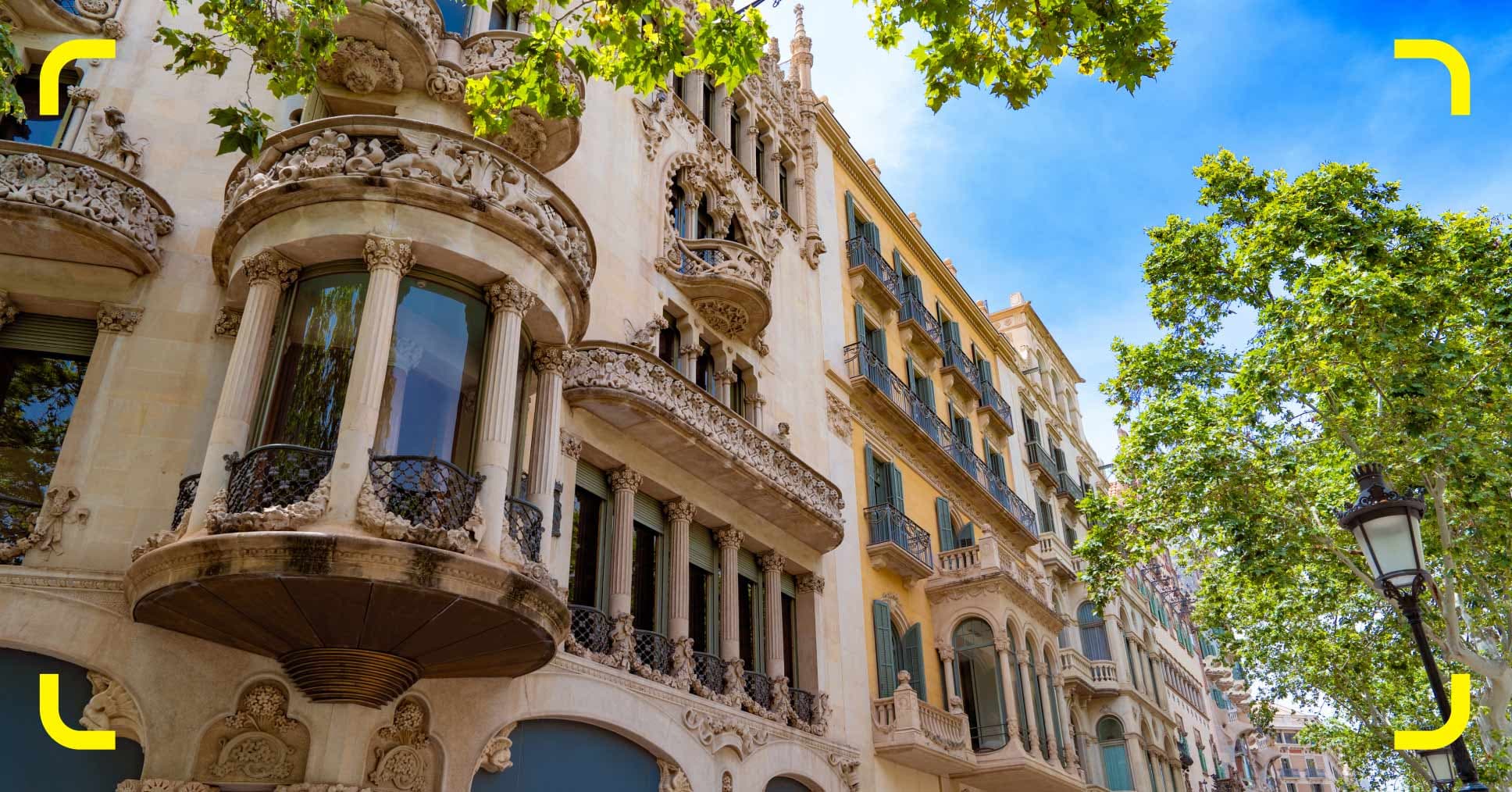
Table of Contents
Is Barcelona safe to visit?
Barcelona is widely considered one of the world’s most welcoming destinations, but it does carry a bit of a reputation. It’s often nicknamed the “pickpocket capital,” but that label is more about crafty fingers than any actual threat to your physical safety. In fact, the city is trending in a great direction — recent reports show crime fell by over 6% last year as police have ramped up their presence and focused on repeat offenders. Violent crime remains extremely rare, typically staying confined to late-night nightlife zones rather than the sun-drenched plazas where you’ll be spending your day.
If you’re checking the headlines and see Spain is on a high alert, there’s no need to panic. The country maintains a Level 4 out of 5 national terrorism alert, but it has been at this level for years. In practice, this mostly means you’ll see a more visible police presence at airports and major landmarks — think of it as proactive prevention rather than an active threat.
Even the U.S. State Department’s “Level 2: Exercise Increased Caution” advisory is fairly standard for Western Europe. It’s essentially a friendly reminder to stay vigilant in high-traffic spots like hotel lobbies, public transport, and the airport. As long as you don’t leave your phone sitting on a cafe table while you enjoy your tapas, you’re likely to have a completely trouble-free adventure.
Category | Safety level | What to know |
|---|---|---|
Overall risk | Low to moderate. | Comparable to London or Rome. |
Petty theft | Moderate to high. | Watch your phone on the Metro and La Rambla. |
Violent crime | Very low. | Rarely targets travelers, mostly late-night near clubs. |
Solo travel | Very safe. | High police presence and well-lit main avenues. |
Common safety concerns in Barcelona
While Barcelona is overwhelmingly safe, certain urban challenges — from professional pickpockets to local tensions — are worth knowing about before you arrive. Here is a breakdown of what to keep on your radar.
Pickpocketing
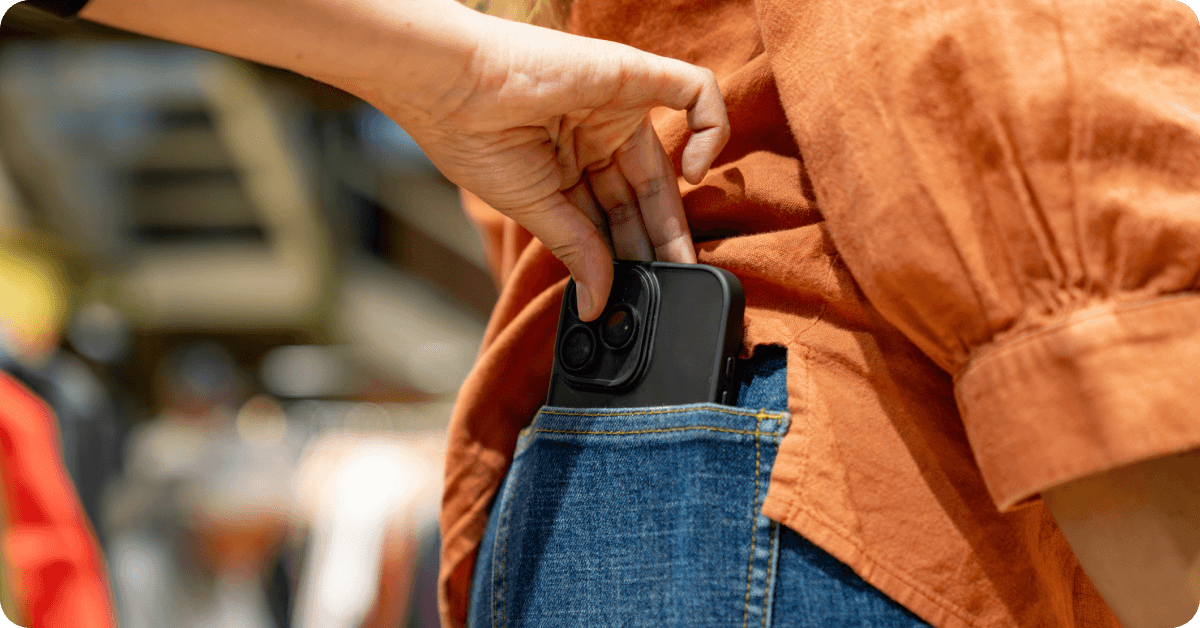
Pickpocketing is the most common crime in Barcelona, and the city remains the European epicenter for petty theft. Recent data indicate that while overall crime has dipped slightly, thousands of pickpocketing incidents are still reported monthly, primarily in the Gothic Quarter and on Metro Lines 1 and 3. These are professional operations that rely on stealth rather than force, often using distraction techniques like asking for directions or spilling a drink to grab your phone or wallet. Stay vigilant!
Anti-tourism protests and overtourism tensions

In 2026, high-profile anti-tourism protests continues to make headlines, driven by local frustration over housing costs, short-term rentals, and the overcrowding of historic plazas. While you might see “Tourists go home” graffiti or even the occasional water-gun-wielding protester in the Eixample district, travelers are not being physically targeted. Most residents still welcome visitors, but are simply pushing for a more sustainable city model. So as long as you are a respectful guest, you’ll find the hospitality as warm as ever.
Scams

Street and restaurant scams are designed to catch you off guard, ranging from the classic “friendship bracelet” (where a stranger ties a cord on your wrist and demands payment) to rigged menus in tourist traps near La Rambla. ATM skimming is also a modern concern, with scammers installing wobbly card readers to clone magnetic stripes. Always stick to ATMs located inside bank branches and double-check your bill for extra services that weren’t listed on the menu.
Nightlife safety
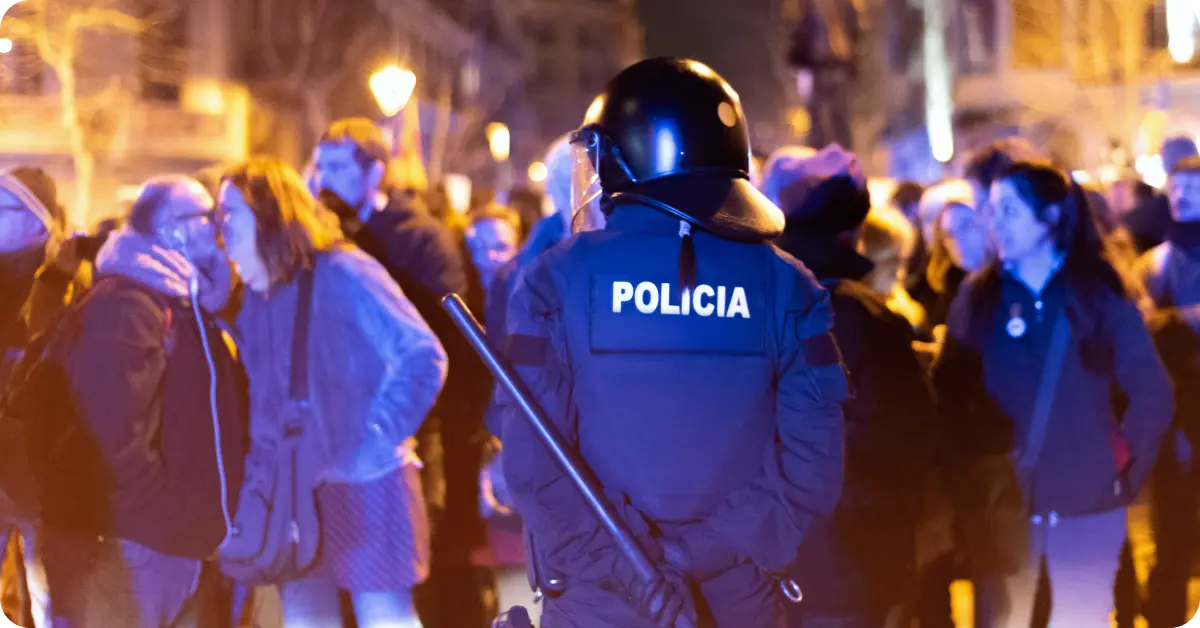
Barcelona’s nightlife is wonderful, but it comes with a few after-hours risks, like drink spiking and questionable behavior near the beach clubs of Port Olímpic. While drug activity exists in certain pockets of El Raval, the main danger is becoming an easy target for muggings between 2:00 AM and 4:00 AM when awareness is low. Stay in well-lit areas, never leave your drink unattended, and try to head home in a group or a licensed taxi.
Public transport and taxi safety
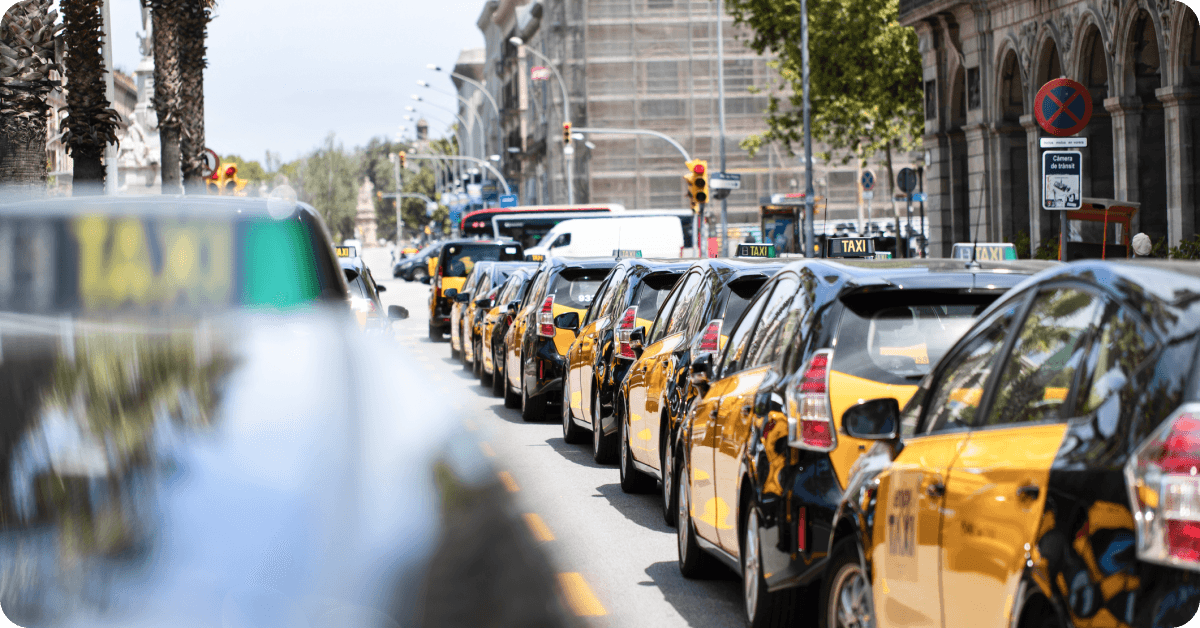
The Metro and bus systems are incredibly safe, efficient, and well-patrolled by security, though they are the primary workplace for pickpockets during rush hour. Official taxis are highly regulated and safe for solo travelers, with apps like FreeNow offering fixed-price estimates to avoid the “broken meter” scam. Generally, as long as you keep your bag in front of you on the train, public transit is your best friend for getting around.
Is it safe to visit Barcelona alone?
Navigating Barcelona as a solo traveler in 2026 is far from a survival mission. The city remains a top-tier destination for solo adventurers and digital nomads, thanks to a vibrant culture and streets that stay busy and well-lit deep into the night. It’s the kind of place where you can comfortably grab a solo dinner at a terrace or stroll through the Gothic Quarter without a second thought.
The main challenge for those traveling without a companion is simply being a more tempting target for the city’s distraction thieves. Because you don’t have a second pair of eyes to watch your back while you’re busy taking photos, it’s worth leaning on tools like phone leashes, anti-theft crossbody bags, and getting an eSIM for Barcelona from Saily so you don’t have to fumble with physical SIM cards.
By choosing a well-populated neighborhood like Eixample or Gràcia for your home base and sticking to licensed taxis or apps like Uber at night, you’ll find that exploring Barcelona solo is not just safe, but incredibly liberating.
Is it safe to visit Barcelona with kids?
Families often find Barcelona to be one of the most accommodating cities in Europe. The local culture is deeply family-oriented — it’s perfectly normal to see children playing in plazas late into the evening while parents enjoy tapas nearby. In 2026, the city’s infrastructure is more stroller-friendly than ever, with nearly all Metro stations equipped with elevators and low-floor buses making transit a breeze.
While you still need to guard your belongings against pickpockets, physical safety is rarely an issue. For a little extra peace of mind, many families choose to base themselves in quieter, residential areas like L’Eixample or Sarrià. These neighborhoods offer a calmer pace and plenty of playgrounds while staying well-connected to the main sights, ensuring your trip is as relaxed as it is memorable.
The safest neighborhoods in Barcelona
Choosing the right home base is the easiest way to ensure a stress-free trip. While the city center is where the main action is located, Barcelona’s residential districts offer a much calmer pace and significantly lower crime rates.
Sarrià-Sant Gervasi. Often cited as the safest district in the city, this upscale residential area feels worlds away from the tourist bustle. It boasts the lowest crime rate per capita in Barcelona, supported by a quiet, affluent community and a highly visible local police presence.
L’Eixample. Famous for its grand Modernista architecture and grid-like streets, this central district is incredibly secure. The avenues are wide, well-lit, and constantly busy with locals and high-end shoppers, so the district lacks the hidden corners where street crime typically thrives.
Les Corts. This is the city’s primary business and university hub, making it exceptionally orderly and safe. Recent urban safety reports highlight its low residential burglary rates and family-friendly atmosphere, particularly in the leafier streets away from the Camp Nou stadium.
Gràcia. Though it’s popular with visitors, Gràcia maintains a village-within-a-city feel that naturally deters crime. The narrow, largely pedestrianized streets and community-focused plazas create a neighborly eye effect, making it a top choice for solo travelers and families alike.
Areas to avoid in Barcelona
While there are no true no-go zones in Barcelona, certain neighborhoods carry a higher risk for petty crime, drug-related activity, or late-night tension.
El Raval (Southern Section). Frequently cited as the neighborhood with the highest crime rate, El Raval is a mix of vibrant culture and gritty reality. The area south of Carrer de Sant Pau is notorious for "narcopisos" (drug flats) and street-level dealing, which can lead to a tense atmosphere and higher rates of muggings after dark.
La Rambla and the Gothic Quarter at night. During the day, these are tourist essentials — at night, they become the city’s primary hunting ground for pickpockets and scammers. The narrow, winding alleys of the Gothic Quarter are easy to get disoriented in, and the southern end of La Rambla near the port often attracts aggressive street vendors once the sun goes down.
La Mina (Sant Adrià de Besòs). Located on the outskirts of the city, La Mina is consistently flagged by local police for social conflict and higher levels of urban crime. It lacks any major tourist attractions, so there is rarely a reason for travelers to wander into this district, where residential burglary and street-level drug issues are more prevalent.
El Besòs i el Maresme. This area has seen an uptick in reports of vandalism and public fights in 2025 and 2026, particularly around Rambla Prim. While it is undergoing regeneration, it currently maintains a higher-than-average risk for property crime and is generally avoided by visitors looking for a quiet evening stroll.
Barceloneta (after midnight). While the beach is perfectly safe for a midday swim, the promenade becomes a hotspot for “grab and run” thefts once the clubs close. Thieves often target intoxicated partygoers or travelers distracted by the scenery, making the walk back from the Port Olímpic clubs a common place for phone and wallet snatches.
Essential safety tips for your Barcelona trip
Navigating Barcelona like a pro is all about staying one step ahead of the urban artists, who thrive on distraction. By adopting a few simple habits, you can keep the focus on the architecture rather than on filing a police report. Here are some tips on travel safety:
Master the front-pack maneuver. In crowded areas like La Rambla or during a busy Metro ride on Line 3, wear your backpack on your chest. Professional pickpockets rely on your blind spots, and keeping your zippers in your line of sight effectively cancels their best moves.
The table rule for tech. Never leave your phone, wallet, or sunglasses on the table at outdoor terrace cafes — snatches are common here. Instead, keep your phone in a secure pocket and loop your bag strap around your leg or chair to prevent a quick grab-and-run.
Be skeptical of spontaneous helpers. If a stranger approaches you to point out a stain on your shirt or offers to help you navigate a broken ATM, politely decline and move on. These are classic distraction techniques designed to separate you from your valuables while your guard is down.
Know your emergency lifeline. If you do find yourself in a serious pinch, dial 112. This is the universal emergency number in Spain (and the EU), available 24/7 with English-speaking operators who can coordinate police, medical, or fire services instantly.
Ditch the paper maps. Standing on a street corner with a giant paper map is the international signal for “I’m a lost and distracted tourist.” Use digital maps instead, but keep your phone secured with a wrist lanyard to prevent drive-by snatches from passing scooters.
Stay connected. The best way to navigate safely is to stay online without hunting for risky public Wi-Fi or fumbling with local SIM cards in the middle of a crowded station. With the Saily eSIM app, you can activate your data before you arrive, ensuring you have instant access to ride-sharing apps, GPS, and emergency info the moment you get to the city. Just download the eSIM app, get an eSIM for Spain , and stay connected! Also, you won’t have to wonder if your phone will work in Spain, as long as it’s compatible with eSIM technology.
Need data in Spain? Get an eSIM!

1 GB
7 days
US$3.99
3 GB
30 days
US$6.99
5 GB
30 days
US$9.99
FAQ


Related articles
