



Is Ireland expensive to visit? A full cost breakdown for 2026
Ireland has a way of capturing your imagination long before you ever set foot there — the rugged coastlines, the warmth of a local pub, the kind of scenery that makes you pull over just to stare. But once you start planning, the big question hits — how much is a trip to Ireland actually going to cost me? Ireland’s reputation as a pricey destination isn’t entirely undeserved, though the real answer depends on your travel style. Here’s a realistic look at what you might spend on a trip to Ireland in 2026, from budget-friendly to all-out splurge.
Table of Contents
- Is Ireland expensive to visit?
- How much is a trip to Ireland?
- Major expenses for your trip to Ireland
- Flight costs to Ireland from the US
- Accommodation costs in Ireland
- Food costs in Ireland
- Transportation costs in Ireland
- Activity costs in Ireland
- Connectivity costs in Ireland
- How much does Ireland cost by city?
- Costs in Dublin
- Costs in Cork
- Costs in Galway
- Budget tips for traveling to Ireland from the USA
Is Ireland expensive to visit?
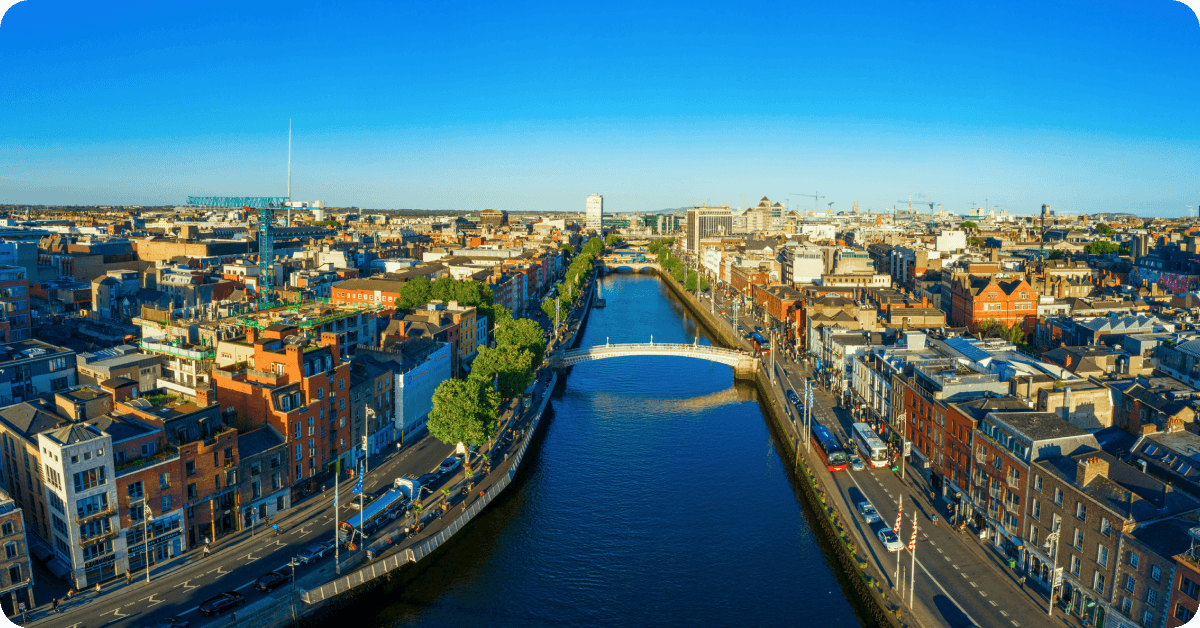
There’s no way around it — Ireland sits on the pricier end of European destinations. You’ll notice it most in Dublin, where accommodation and dining costs can add up fast.
But that doesn’t mean it’s out of reach. A week-long trip generally runs between US$1,500 and US$3,500 per person, and where you fall in that range depends entirely on how you choose to travel. Budget travelers sticking to hostels, preparing some meals themselves, and using public transport can manage on around US$100–US$150 a day. Those after a more comfortable experience — hotel rooms, restaurant dinners, a rental car — should plan for closer to US$200–US$285 per day.
When you go matters just as much as how you go. Summer (June through August) drives prices up across the board — accommodation, flights, and even some attractions. And Dublin, predictably, costs noticeably more than the smaller towns and coastal villages out west.
But Ireland rewards the travelers who plan ahead — and once you know where your money goes, it’s a lot easier to make the most of it.
How much is a trip to Ireland?

A single price tag for an Ireland trip doesn’t exist. What you’ll spend depends on your travel style — a solo backpacker and a family of four are going to look very different on a spreadsheet. The same goes for hostels versus boutique hotels, and cooking in a rental kitchen versus eating out every night.
A solo traveler who keeps their trip simple and chooses hostels, home-cooked meals, and public transport can get by on around US$900 for a full week. Upgrade to hotel stays and pub dinners, and that number moves closer to US$1,800, while a luxury trip with high-end hotels and fine dining starts at US$3,500 and up.
Traveling as a couple? You’ll catch a bit of a break. Sharing a room and splitting a rental car brings the per-person cost down noticeably. A comfortable mid-range week for two sits around US$3,000, though there’s plenty of room to go higher if you decide to include more museum visits, expensive restaurants, or other activities.
Families have more mouths to feed and beds to fill, so costs climb faster, but Ireland actually works well for family travel. Vacation rentals with a kitchen, free outdoor attractions, and kid-friendly pubs (yes, they exist!) make it realistic to enjoy a solid week for around US$2,500 on a budget. A more polished trip with hotel stays and guided experiences can push past US$10,000, but there’s a wide sweet spot in between.
Major expenses for your trip to Ireland
Planning a trip from the US to Ireland means juggling a few high costs — flights across the Atlantic, accommodation, meals, transport around the country, activities, travel insurance, staying connected, and — if you’re anything like most visitors — a souvenir or two. How much each of these ends up costing you really comes down to your travel style, timing, and personal habits. A backpacker nursing a single pint in a quiet Galway pub and a couple toasting champagne at a castle hotel are visiting the same country at very different price points. Let’s walk through each expense, so you know exactly where your money goes.
Flight costs to Ireland from the US

Getting across the Atlantic is typically your single biggest upfront cost. Round-trip flights from major US cities to Dublin generally range from US$400 to US$800 in economy, though prices swing depending on where you’re flying from, when you book, and how flexible your dates are. East Coast departures tend to be cheaper — flights from New York or Boston can dip as low as US$250–US$400 on budget-friendly carriers like Aer Lingus or Norse Atlantic, while West Coast travelers should expect to pay more. Booking several months ahead and flying in the shoulder season (spring or fall) will almost always save you money.
Accommodation costs in Ireland

Ireland offers everything from hostel dorms and traditional B&Bs to boutique hotels and actual castle stays — and the prices reflect that range. In Dublin, expect to pay more across the board. A hostel dorm bed here can run US$55–US$110 per night in summer, while the same bed outside the capital drops closer to US$35–US$55. Mid-range hotels and well-reviewed B&Bs typically sit around US$130–US$220 per night for a double room, with a home-cooked Irish breakfast often included. If sleeping in a castle is on your bucket list, that starts around US$220 and can climb well past US$650 a night.
Food costs in Ireland

Irish food is hearty, comforting, and hard to resist. Seafood chowder by the coast, a full Irish breakfast that keeps you fueled well past lunch, pub menus that somehow make even a simple stew feel like an event — it’s all wonderful! Eating out for every meal will add up, but there are plenty of ways to enjoy the food without wrecking your budget.
A proper pub dinner — Irish stew, fish and chips, a good burger — typically runs US$16–US$24. It’s worth knowing that many restaurants offer early bird menus, usually between 5PM and 7PM, with two or three courses at a reduced price. It’s one of the best-kept secrets for eating well without paying full à la carte prices. For lunch, a sandwich or wrap goes for US$5–US$9, and a coffee will cost you about US$4–US$6.50. As for a pint of Guinness, expect somewhere around US$6.50–US$10 depending on where you are. Just maybe skip Temple Bar if the budget’s tight.
If your accommodation has a kitchen, cooking some of your own meals makes a noticeable difference. Groceries in Ireland average around US$70 per person per week, so even handling breakfast and the occasional dinner yourself frees up more of your budget for the meals that really matter — like that seafood platter you’ve been eyeing since you landed.
Transportation costs in Ireland

Ireland is a small island, so distances between cities are manageable. However, the way you choose to cover them makes a real difference to your budget.
Buses are the most affordable option. Intercity routes with Bus Éireann or Citylink run around US$12–US$19 for popular trips like Dublin to Galway or Dublin to Cork. Trains cost a bit more but come with the bonus of scenic coastal views — expect US$14–US$38 depending on the route and how far ahead you book.
Within Dublin, a Leap card is the best way to go. It gets you discounted fares on buses and trams at around US$2.20 per ride, with a daily cap of about US$6. Once you head outside the city, though — especially if the Wild Atlantic Way or the Dingle Peninsula is calling — a rental car gives you far more flexibility. Economy rentals start at around US$28 per day, just be ready to drive on the left side of the road.
Activity costs in Ireland

Here’s some good news — many of Ireland’s best experiences won’t cost you anything. Killarney National Park and Connemara National Park are completely free to explore, and Dublin’s National Museum of Ireland, the National Gallery, and Cork’s Crawford Art Gallery all offer free admission. If you time your visit for the first Wednesday of the month, a number of heritage sites waive their entry fees as well.
A couple of the big-name natural attractions are worth a small note, though. The Cliffs of Moher are public land, so technically free to see, but the visitor center and parking run about US$9–US$11 per adult, and it’s the most practical way to access them. The Giant’s Causeway works similarly — you can walk to the stones for free, but the visitor experience and parking cost around US$11–US$19 per adult, depending on the season.
For paid attractions, prices are generally reasonable. The Guinness Storehouse runs about US$35, Blarney Castle is around US$26, and the Book of Kells experience at Trinity College costs roughly US$20–$22. Guided day tours — the Ring of Kerry, Wild Wicklow, the Burren — typically range from US$33 to US$80 per person. If you’re considering a multi-day guided tour, expect to pay upward of US$420, though accommodation and some meals are usually included in the price.
Connectivity costs in Ireland
Staying connected in Ireland is easier than you might think, but the costs vary depending on which route you take.
Roaming with your US carrier is the simplest approach, but also the priciest. AT&T, Verizon, and T-Mobile all offer international day passes — typically US$6–US$12 per day — which adds up fast. A 10-day trip could easily mean US$60–US$120 just for data.
Free Wi-Fi is widely available in hotels, cafes, and restaurants across Ireland, but relying on it alone means losing connection the moment you step outside. Not ideal when you're navigating a winding country road or trying to find the next restaurant.
A local prepaid SIM card is a solid middle ground. Providers like Three, Vodafone, and Eir offer tourist-friendly plans ranging from about US$11–US$33, with generous data included — Three's popular tourist SIM runs around US$22 for unlimited data. The catch is you’ll need an unlocked phone, and you’ll have to find a shop once you land.
Having an eSIM for Ireland is the most convenient option for most travelers. You can set one up before you leave home and forget about swapping physical cards or hunting for a SIM card store at the airport. Providers like Saily offer Ireland eSIM data plans starting as low as US$4 for 1 GB, with larger plans around US$8–US$26 depending on how much data you need. It’s significantly cheaper than carrier roaming and more flexible than a physical SIM.

Stay connected with the Saily eSIM app
Affordable mobile data plans for every journey.
How much does Ireland cost by city?
Where you spend your time in Ireland can shift your daily budget more than you might expect. A few nights in Dublin will cost noticeably more than the same time in Cork or Galway, especially when it comes to accommodation. Here’s how the three most popular cities compare.
Costs in Dublin
Dublin is by far the most expensive city in Ireland for travelers. Accommodation takes the biggest hit — hostel dorm beds regularly climb past US$55–US$110 per night in peak season, and a decent mid-range hotel in the city center runs US$195–US$250 per night. The upside? Many of Dublin's best attractions — including the National Museum, National Gallery, and several free walking tours — don’t cost a thing, which helps balance out the higher day-to-day spending. Overall, expect a daily budget of around US$150–US$285 per person at a mid-range level, or US$80–US$120 if you're keeping things lean.
Costs in Cork
Cork is Ireland’s second city, but it feels more affordable than Dublin in almost every category. Accommodation is the most noticeable difference — a comfortable hotel or B&B in the city center typically runs US$130–US$185 per night, and hostels sit closer to US$35–US$55. Food is a real highlight here, with the famous English Market offering fresh, local produce at reasonable prices, and pub meals averaging US$14–US$22. Cork also makes a great base for day trips to Blarney Castle, the coastal town of Cobh, and the Wild Atlantic Way, so you can spread your activity budget across the surrounding region without paying capital-city premiums. A comfortable mid-range day in Cork generally falls around US$120–US$200 per person.
Costs in Galway
Galway sits somewhere between Dublin and Cork on the cost spectrum — a little pricier than Cork, but noticeably gentler on the wallet than Dublin. Accommodation in the city center averages around US$140–US$240 per night for a well-reviewed hotel or B&B, with hostels in the US$40–US$65 range. Where Galway really shines is its free entertainment — the city is famous for its street buskers, live trad music sessions in pubs, and a lively arts scene that costs nothing to enjoy. Pub meals run about US$16–US$24, right in line with the national average. Galway is also the gateway to Connemara, the Aran Islands, and the Cliffs of Moher, so you’ll likely spend more on day trips and tours than on the city itself. Budget around US$130–US$220 per person per day for a comfortable mid-range experience.
Budget tips for traveling to Ireland from the USA
A few smart choices before and during your trip can make a real difference to your bottom line. Here are some of the easiest ways to stretch your dollars further:
Travel during the shoulder season. Visiting in September, October, or early spring means lower prices on flights, accommodation, and fewer crowds at popular attractions. You’ll still get long enough days to explore, and the weather can be surprisingly pleasant.
Take advantage of free attractions. Some of Ireland’s best experiences don't cost a cent — the Cliffs of Moher, Giant's Causeway, Connemara National Park, Dublin's National Museum, and the Crawford Art Gallery in Cork are all free. Plan your heritage site visits for a Free Wednesday to save even more.
Eat where you sleep. Many B&Bs and guesthouses include a full Irish breakfast in the room rate — take advantage of it. A big morning meal means you can get by with a lighter (and cheaper) lunch while you’re out exploring, saving the bigger spend for dinner.
Use early bird menus. Restaurants across Ireland offer discounted set menus between 5PM and 7PM, often with two or three courses at a fraction of the à la carte price. It’s one of the easiest ways to eat well without overspending.
Get a Leap card for public transport. If you’re spending time in Dublin, Cork, Galway, or Limerick, a Leap card saves you up to 30% on bus and tram fares compared to paying with cash. It costs US$5.50 for the card itself, plus whatever you top up.
Book accommodation and car rentals early. Irish hotels use dynamic pricing, so rates climb as availability drops, especially in summer. Booking well ahead (and checking if calling the hotel directly gets you a better deal) can lead to real savings.
Cook a few meals yourself. If you’re staying in a vacation rental or hostel with a kitchen, even cooking dinner a few nights a week can save you US$20–US$30 per person per day compared to eating out every night. Groceries in Ireland are reasonable — around US$70 per person per week.
Walk as much as you can. Irish cities are compact and walkable. Dublin, Galway, and Cork can all be explored mostly on foot, which saves on transport costs and lets you stumble onto things you wouldn’t find from a bus window.
Buy attraction tickets online in advance. Many popular sites like the Guinness Storehouse and Blarney Castle offer discounted rates when you book ahead online rather than paying at the door.
Save on connectivity with an eSIM. Roaming with your US carrier can cost US$6–US$12 per day, which adds up to US$60–US$120 over a week or two. An eSIM is a much cheaper way to stay connected. With Saily, you can download the eSIM app, set up an Ireland data plan before you leave home, skip the carrier fees entirely, and have data the moment you land, starting at just US$3.99.
Need data in Ireland? Get an eSIM!

1 GB
7 days
US$3.993 GB
30 days
US$7.995 GB
30 days
US$10.99
FAQ
Ireland is expensive to visit due to a combination of high demand, limited accommodation supply, significant inflation, and high taxes — including a 23% VAT rate on most goods and services. As one of Europe’s top destinations with a booming economy, prices for hotels, dining, and transport run higher than much of the continent, especially in Dublin and during peak summer months.
January and February are typically the cheapest months to visit Ireland, with the lowest flight prices and accommodation rates across the board. The shoulder months of September and October offer a better balance — you’ll still find reduced prices compared to summer, but with milder weather, longer daylight hours, and fewer seasonal closures.
A one-week trip to Ireland from Canada generally costs between CA$2,000 and CA$5,000 per person, depending on your travel style. Round-trip flights from Toronto or Montreal to Dublin typically range from CA$600 to CA$1,200 in economy, with the best deals available in the off-season or when booked well in advance. Once you’re there, daily costs are roughly the same as for US travelers.
A 7-day golf trip to Ireland typically costs between US$3,000 and US$7,000 per person, depending on the courses you play and the level of accommodation you choose. Budget-friendly packages with lesser-known courses start around US$2,500, while premium itineraries featuring iconic links like Royal County Down, Royal Portrush, or Ballybunion can push well past US$6,000 — especially if you’re adding luxury hotels and private transfers.

Explore more
Travel smarter with a Saily eSIM — secure, reliable, and ready wherever you go.

Related articles