
このページのコンテンツはご希望の言語で利用できません。
Is Mexico safe to visit in 2026? Travel safety guide and tips
Mexico is a massively popular tourist destination for travelers around the world, and especially those coming from the US. But is Mexico safe to visit in 2026? In this Mexico safety guide, we’ll cover all the country’s major safety concerns, from kidnapping to petty crime, and offer practical tips for protecting yourself and your belongings while traveling in Mexico.
目次
- Mexico safety overview
- Common safety concerns in Mexico
- Theft and scams
- Violent crimes
- Roads and transportation safety
- Natural hazards
- Kidnapping
- Health and hygiene
- Local laws and cultural differences
- Is Mexico safe to visit right now?
- Mexico’s areas by safety level
- Tips to travel safely in Mexico
- Monitor travel advisories
- Get travel insurance
- Use official transportation
- Do not travel between cities after dark
- Avoid remote areas
- Never walk alone at night
- Respect locals and cultural differences
- Be aware of food and water safety
- Always stay connected in Mexico
- Sources
Mexico safety overview
It’s perfectly possible to have a safe trip to Mexico in 2026. Nearly 80 million people visited the country last year, and most of them did so without incident.1 Many North Americans have chosen to move to Mexico since 2020. In fact, 70% of the country’s 1.2 million foreign residents are US citizens, and more foreigners are moving to Mexico every year.2 That said, a vacation in Mexico does involve some risks that you should be aware of.
According to the US Department of State, tourists in Mexico should be alert to the possibility of “homicide, kidnapping, carjacking, and robbery.”3 Now, that sounds a little terrifying, but a nuanced approach is necessary here. The US government gives Mexico as a whole a Level 2 travel warning (“Exercise increased caution”), but also notes that you can find areas within the country ranging from Level 1 status (“Exercise normal precautions”) to Level 4 (“Do not travel”).
This is the key takeaway here — it’s all about where you go in Mexico. You should try to research the specific part of the country you’ll be staying in. Is Cancún safe? What about Riviera Maya? For many states and cities, the answer is a resounding yes! As you read on, we’ll help you figure out exactly how to assess the security of the places you plan to visit.
Common safety concerns in Mexico
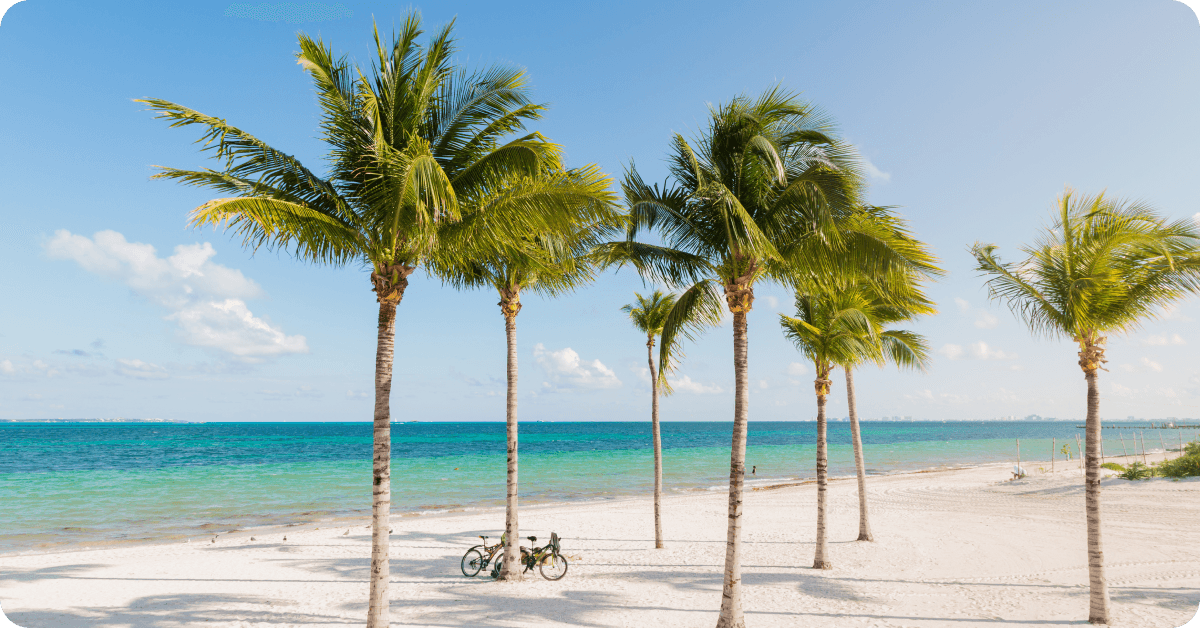
Let’s go through the biggest safety concerns for tourists visiting Mexico, from theft and violent crimes to simply running afoul of local laws and cultural customs.
Theft and scams
The crimes you’re most likely to encounter are pickpocketing, purse snatching, and other forms of petty theft. Even in popular tourist areas, the risks are high, so keep your valuables in sealed, inaccessible parts of your coat or bag. The UK government urges its citizens to “avoid wearing expensive-looking clothing, jewelry or watches” while in Mexico, and that is great advice, wherever you’re traveling from. The less ostentatious your clothing and accessories, the better your chances of avoiding trouble.
Violent crimes
Violent crime, including homicide and armed robbery, remains a major problem in Mexico, and is one of the reasons most governments give the country an elevated risk status on their travel advice pages. However, recent data from the Mexican government shows that violent crime is trending down.
Throughout 2025, Mexico's national murder rate was 17.5 per 100,000 people.4 That’s still high (for context, in the US the homicide rate is around 4 per 100,000), but it’s Mexico’s lowest rate since 2015, and represents a drop of nearly 40% in the daily average since the current administration took office in late 2024.5 You should also remember that these numbers are massively inflated by violence between gangs — incidents that very rarely involve tourists.6
Roads and transportation safety
Driving in a new country can be stressful, but you won’t have too much to worry about behind the wheel in Mexico. Across many recent studies (since 2022), Mexico’s road fatalities have been trending down and, per capita, are usually lower than those of the US. Just make sure to stick to busy highways and official toll roads and avoid night travel on rural routes, where criminal groups have been known to set up fake checkpoints to waylay travelers. With plenty of buses, taxis, and car rental options, transportation in Mexico should be relatively straightforward for most tourists. Also, you can use the Mexico City Metro or Mexico City Airport transportation as well.
Natural hazards
Mexico can be struck by earthquakes, hurricanes, and tropical storms, depending on the season and region. Before your trip and while you’re there, pay close attention to weather forecasts, especially during hurricane season on both the Pacific and Caribbean coasts. Flights and hotels are often cheaper during the months when weather conditions worsen, but if you’re traveling outside of Mexico’s peak season, be alert to potential environmental risks.
Kidnapping
Kidnapping, including the abduction of tourists and other foreigners, is specifically mentioned in most official advisories — you’ll find warnings on this subject on the sites of the US, Canadian, and British governments. The easiest way to lower the risk of kidnapping is to stick to the safest and more tourist-friendly areas and avoid traveling alone. If you’re staying in a resort or in one of the country’s bustling hotel districts, the risks of kidnapping are fairly low, but you should stay alert and keep friends and family aware of your movements. As a rule, it’s a good idea to make sure you have internet in Mexico, so you can keep your contacts back home updated.
Health and hygiene
Mexico’s healthcare infrastructure can be excellent in its bustling cities, and less reliable as you move further into rural territory. Generally speaking, though, you’ll be in safe hands if any medical emergencies occur. As a tourist, you won’t be able to access free medical assistance, of course. Though Mexican healthcare tends to be cheaper than equivalent services in the US, you should always buy health insurance (usually included within standard travel insurance) before entering the country.
Local laws and cultural differences
Staying on the right side of local laws in Mexico isn’t too hard, as long as you avoid illegal substance use (all forms of narcotics are illegal in Mexico) and engage with locals in a respectful manner. Make sure to research the laws for the specific state you’re visiting, as these can differ across Mexico’s federal regions. One note of caution — according to government travel advice from the UK, US, and others, tourists should avoid political protests and large demonstrations. These events aren’t uncommon in Mexico (especially in bigger cities) and can sometimes end with police forcefully dispersing the crowds and making arrests.
Is Mexico safe to visit right now?
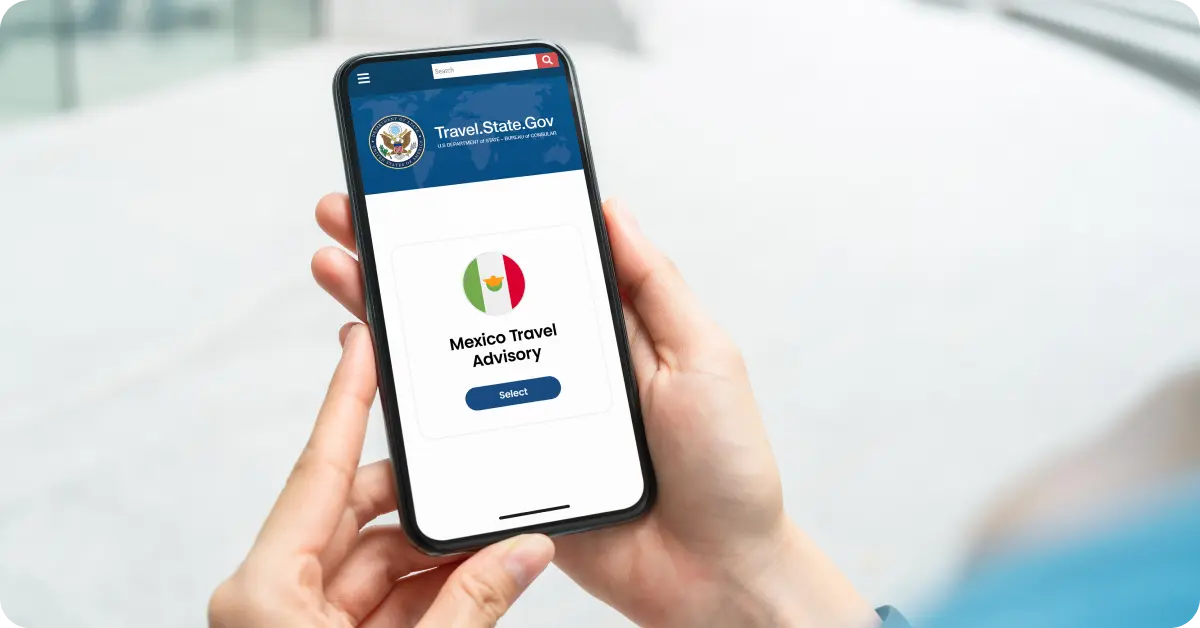
Yes, Mexico is safe to visit in 2026, as long as you stay aware of your surroundings and stick to well-known, tourist-friendly destinations. Violent crime rates are dropping at the moment, though the central areas in Mexico’s cities were already quite safe for outsiders. Places like Cancún, Playa del Carmen, Los Cabos, and Mérida continue to welcome millions of visitors every year — visitors who enjoy perfectly safe vacation experiences.
Your trip’s safety largely comes down to where you go within Mexico. If you avoid high-risk states like Colima and Zacatecas and keep an eye out for pickpockets and street scammers, you’re unlikely to encounter major problems.7
Another way to increase your safety in Mexico is to maintain a reliable internet connection while you’re there. Since the data roaming options offered by most service providers are extremely expensive, your best bet is usually to buy a local SIM card or to use an eSIM service like Saily. But what is an eSIM?
An eSIM is a digital SIM profile you can download onto your device in a few seconds, getting your device online without the need to buy and swap physical plastic cards. Being online means you can tell friends and family what’s going on, while keeping an eye on safety alerts from home and local authorities.
Mexico’s areas by safety level
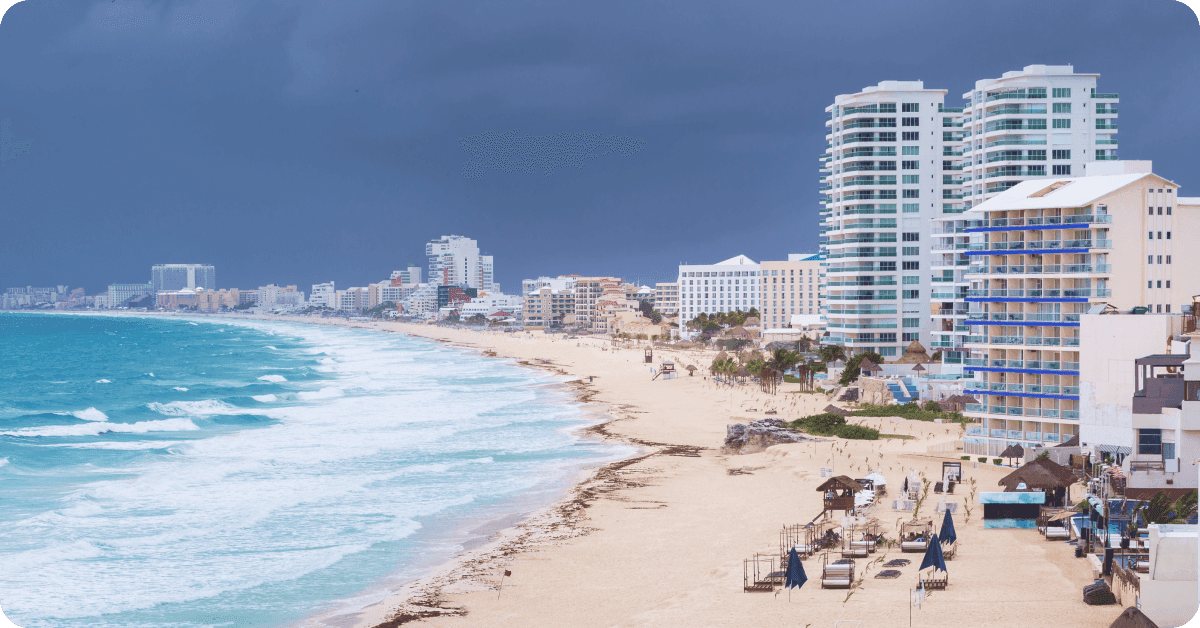
We’ve mentioned the risk levels that the US government applies to other countries. While Mexico is at Level 2, as previously discussed, specific areas within the country have their own status, which you can find through the US Department of State website. But what do these categories actually mean?
Level 1 (Exercise normal precautions): These are lower-risk regions, requiring standard travel vigilance.
Level 2 (Exercise increased caution): Most of Mexico falls into this category, with a slightly elevated risk of theft and kidnapping.
Level 3 (Reconsider travel): Areas with Level 3 status have higher rates of organized crime and violence — you shouldn’t really be traveling in these regions unless it’s essential.
Level 4 (Do not travel): Travelers in these areas face severe risks of violence and kidnapping. Tourists are strongly advised against visiting any area with Level 4 status.
Risks vary across Mexico’s 32 federal entities (31 states and Mexico City). In the table below, you can see the US government’s safety classifications and advice for all parts of Mexico.
Safety Level | Advice | Federal entities |
|---|---|---|
Level 1 | Exercise normal precautions | Yucatán, Campeche |
Level 2 | Exercise increased caution | Aguascalientes, Baja California Sur, Coahuila, Durango, Hidalgo, Mexico City, Mexico State, Nayarit, Nuevo León, Oaxaca, Puebla, Querétaro, Quintana Roo, San Luis Potosí, Tabasco, Tlaxcala, Veracruz |
Level 3 | Reconsider travel | Baja California, Chiapas, Chihuahua, Guanajuato, Jalisco, Morelos, Sonora |
Level 4 | Do not travel | Colima, Guerrero, Michoacán, Sinaloa, Tamaulipas, Zacatecas |
The information above reflects US government advisory levels on February 16, 2026. Conditions can change quickly. Always check updated maps and guidance before travel.

Tips to travel safely in Mexico
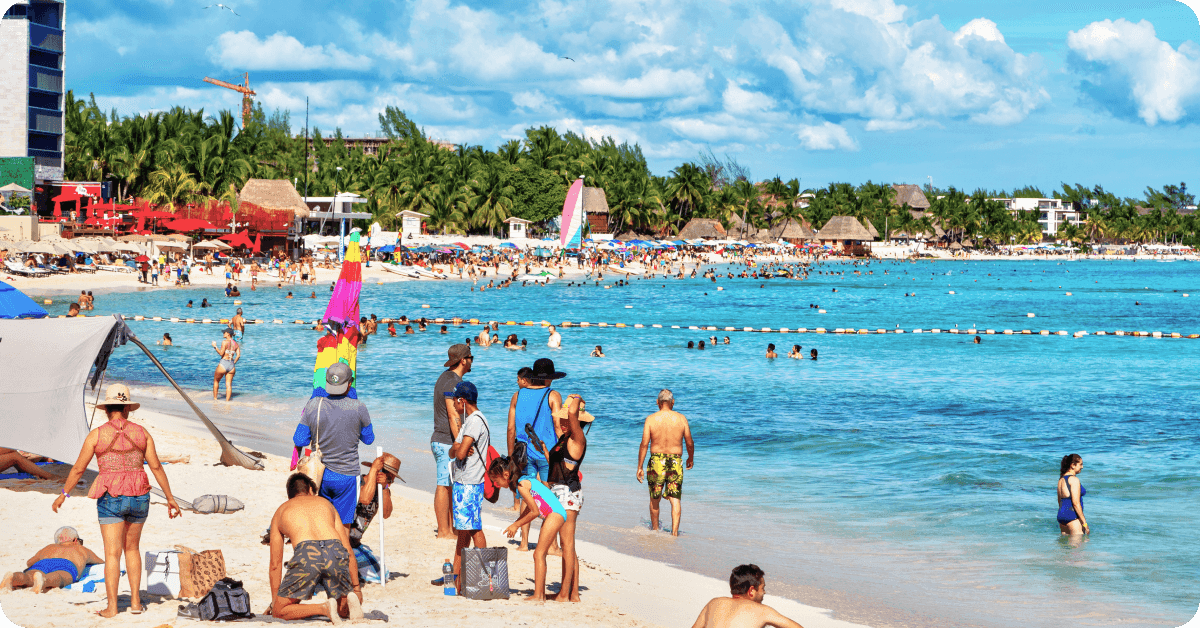
Traveling in Mexico is generally safe if you take a few practical precautions and stay aware of your surroundings. Simple habits like planning your routes in advance, keeping your belongings secure, and maintaining reliable internet access can prevent the most common problems. Here are the essential tips to make your Mexico trip safer.
Monitor travel advisories
Before you travel to Mexico, review official travel advice issued by your government for the specific states you’re going to visit. Continue to check for updates during your trip, as situations can change very quickly, especially in Mexico’s hurricane season (from June to November).
Get travel insurance
Purchase comprehensive travel insurance that explicitly covers theft, medical emergencies, trip cancellations, and emergency evacuation. If you’re already in Mexico and forgot to get your insurance arranged in advance, you can still find providers willing to cover you — look for “post-departure” plans. Just be mindful of the fact that these last-minute policies usually have a window of 48 hours between purchase and the start of your coverage.
Use official transportation
For intercity travel in Mexico, stick to well-known bus companies like Grupo ADO (a group that includes the companies ADO, ADO GL, OCC, and Estrella de Oro), ETN Turistar, and Primera Plus. Registered taxis and licensed rideshare apps (like DiDi or Uber) are safer than unmarked street taxis, especially at night. One of the reasons that maintaining a reliable internet connection is so important is the ability it gives you to order taxis from trusted services.
Do not travel between cities after dark
If possible, don’t travel between urban centers at night. Traveling after dark on rural or poorly lit roads increases the risk of accidents, highway banditry, or encountering unmarked checkpoints. Plan your intercity trips to arrive before sunset whenever possible. Using daytime travel also allows better access to emergency services if something goes wrong.
Avoid remote areas
In Mexico, remote regions usually carry more risks. In areas like the Sierra Madre Occidental mountains and on isolated stretches of rural Guerrero or Zacatecas, you’ll have limited access to medical facilities and law enforcement. Stick to main roads, toll highways, and well‑traveled routes between cities and popular destinations where services are more reliable. If you really need to go to one of Mexico’s quieter, more rural areas, try to travel with a tour group — don’t go alone.
Never walk alone at night
Even in populous, touristy cities, you shouldn’t walk alone after dark. Doing so increases vulnerability to petty theft, scams, or other street crimes, wherever you happen to be. Whenever possible, walk in groups or take a licensed taxi or a rideshare service. If, for some reason, you absolutely can’t avoid a nighttime solo walk, avoid poorly lit streets, parks, and isolated neighborhoods.
Respect locals and cultural differences
While in Mexico, try to use polite greetings (“Hola!” or “Buenos días!”) whenever possible. Even if your Spanish isn’t great, an attempt to speak the language will be taken as a sign of respect. When visiting churches or traditional communities, it’s best to dress modestly, covering your shoulders and knees. Mexican hospitality is famously warm and welcoming, and that will be all the more evident if you behave considerately.
Be aware of food and water safety
Drink bottled or treated water, and order your drinks without ice, since ice machines can often be breeding grounds for bacteria. When you’re eating out, choose busy, well-reviewed restaurants or street vendors where food turnover seems high, reducing the risk of foodborne illness. If it looks like hot food has been sitting on a stand or counter for several hours, steer clear.
Always stay connected in Mexico
Having mobile data throughout your trip keeps you linked to maps, emergency contacts, and live weather updates. One of the simplest and easiest ways to stay online while you’re traveling is to get a Mexico eSIM plan through Saily.
The Saily app comes packed with extra security features, making your online activity safer too. As well as reducing trackers and allowing for virtual location switching, the app blocks ads. Ad blocking reduces your data usage and makes each eSIM plan go a little further.
If you’re in any doubt about what plan to get, you can use Saily’s data usage calculator to work out which data deal works best for you. Then, once you’ve purchased your plan, you can download the eSIM app and connect to local Mexican mobile networks as soon as you land.

Enjoy safer browsing with the Saily eSIM app
Saily is the only eSIM app with built-in online security features.
Sources
1. ‘International visitation is up over 13% this year’ (Mexico News Daily): https://mexiconewsdaily.com/travel/international-visitation-up-13-2025/
2. ‘Americans, the migrants with the largest presence in Mexico’ (El País): https://english.elpais.com/international/2025-03-02/americans-the-migrants-with-the-largest-presence-in-mexico.html
3. Mexico Travel Advisory (US Department of State): https://travel.state.gov/en/international-travel/travel-advisories/mexico.html
4. Mexico's daily murder rate fell 40% under Sheinbaum, officials say (Reuters): https://www.reuters.com/world/americas/mexico-murder-rate-down-40-under-sheinbaum-president-says-2026-01-08/
5. ‘Crime trends in US cities: Year-end 2025 update’ (Council on Criminal Justice): https://counciloncj.org/crime-trends-in-u-s-cities-year-end-2025-update/
6. ‘Number of organized-crime related homicides in Mexico from 2009 to 2020’ (Statista): https://www.statista.com/statistics/267224/drug-related-murders-in-mexico/?srsltid=AfmBOopJau1H0SBiQSB5JddX8D-BdZMe0t7fyFZFCUKlVg1piU1-Plz1
7. ‘Foreign travel advice Mexico’ (UK Government): https://www.gov.uk/foreign-travel-advice/mexico/regional-risks
FAQ


関連記事