



23 min lectura mínima
Recomendar a un amigo/a
Comparte Saily con tus amigos y gana recompensas.
Ventajas de viaje
Reserva ventajas para tu viaje con los puntos Saily.
Descuento para estudiantes
Ahorra más con los precios especiales para estudiantes.
Saily para organizaciones sin ánimo de lucro
Aplicar para obtener planes de datos eSIM con descuento para organizaciones sin ánimo de lucro.
Have no doubts — La Dolce Vita will start once you set foot in Italy. You’ll see historical sites whose grandeur will take your breath away, mountain peaks and rolling hills whose slopes are waiting for your steps, and impossibly delicious food that will leave you begging for more. There may be many versions of the itinerary for a trip to Italy — after all, we’re all different in our tastes and preferences. But in this article you’ll find some of the most beloved spots that many travelers choose to visit time and time again. And in case you’re not a keen planner, we did the job for you — you’ll find day-by-day itineraries for the most popular destinations in Italy.
Tabla de contenidos
One of the best ways to experience Italy for the first time is to visit its three iconic cities — Rome, Florence, and Venice. From ancient ruins to relaxing strolls around the city, this guide works for all seasons and all types of travelers — whether you’re exploring alone, with family, or with a group of friends. That being said, getting lost in Italy is more fun when it’s intentional. So before your trip, make sure to pack your most reliable companion — the Saily eSIM app.
Day 1: Arriving in Rome — explore the piazzas
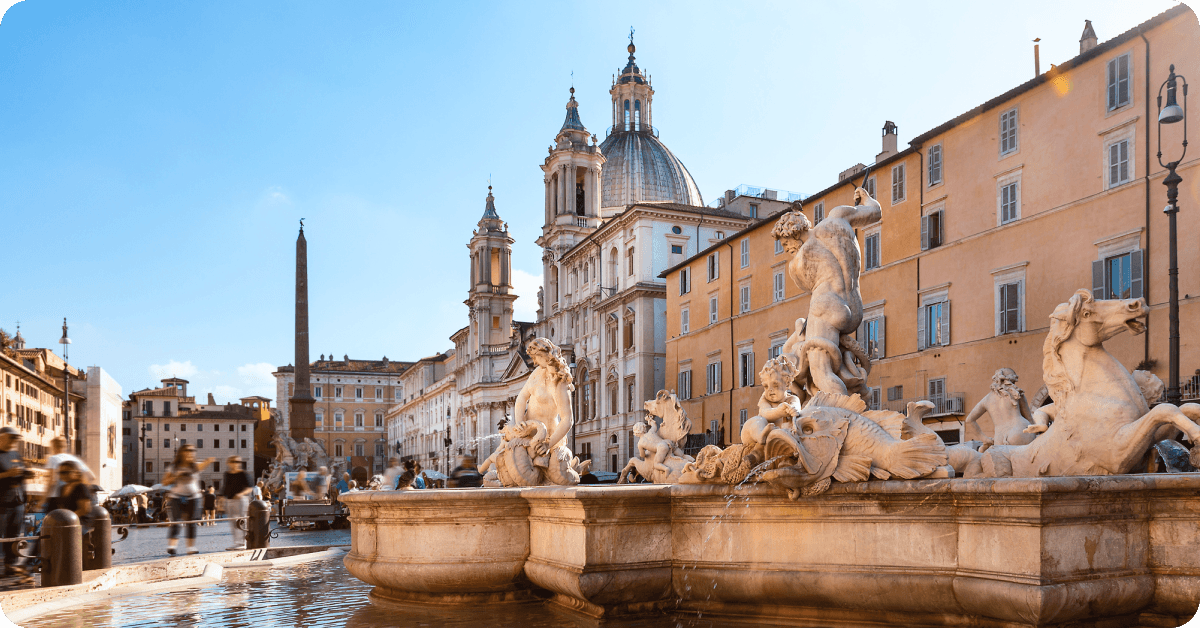
Dedicate your first day in Rome to getting lost and falling in love with it. Rome is a very walkable city, and a good place to start your pedestrian adventure is any of its piazzas (squares). If you find yourself north of the center, take time to visit Piazza del Popolo. Here you’ll find an ancient Egyptian obelisk, Santa Maria del Popolo basilica where you can find works of Caravaggio and Raphael, and “twin” Baroque churches that define the trident of the three streets branching out into the historic center.
If you’re a fan of movies, head to the Spanish Steps where Audrey Hepburn started her Roman Holiday and climb the famous stairs in Piazza di Spagna yourself! And even if you’re not allowed to do a midnight dip in the Trevi fountain as they did in La Dolce Vita, the majestic sculptures of Oceanus and its sea creatures will still make you gasp.
Make Pantheon, an ancient Roman temple, your next stop and admire its round body and imposing columns. Then turn to Piazza Navona — its shape traces the outline of an ancient racetrack that once stood there. It’s also surrounded by Baroque masterpieces like the Fountain of the Four Rivers and Sant’Agnese in Agone.
Whatever you plan to do on your first day, and wherever you go, don’t forget to grab a gelato and thoroughly enjoy yourself.
Day 2: Vatican City
Your trip to Rome should also include a visit to Vatican City. Here you can see a collection of some of the most important pieces of art gathered by the Catholic Church over the centuries. The best thing you can do to not get too overwhelmed is to take your time and spend the whole day in this smallest independent country in the world.
Once you’re in the Vatican, pay a visit to the Sistine Chapel. It’s an absolute must to see Michelangelo’s ceiling frescoes and The Last Judgment altarpiece. There’s also Saint Peter’s Basilica — the world’s largest church housing masterpieces of Michelangelo and Bernini.
And no art lover can miss the Vatican Museum. Here you can visit the Gallery of Maps, a 120-meter-long corridor that’s decorated with 40 geographical maps of the different regions of Italy. And of course, the whole Pinacoteca is waiting for you — an 18-room art gallery that houses masterpieces by the likes of Giotto, Leonardo da Vinci, Raphael, Perugino, and Caravaggio.
Day 3: Ancient Rome — Roman Forum
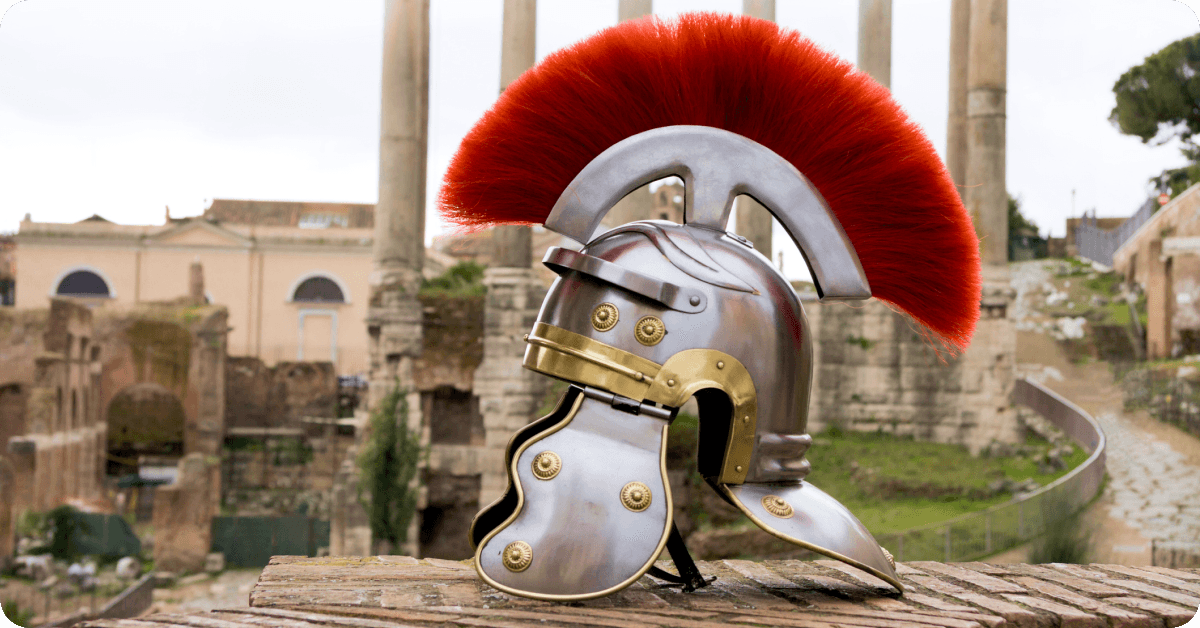
Dedicate one of the days in Rome to exploring its ancient history. Stretching from the Palatine to the Capitoline hills is the Roman Forum, a vast outdoor archeological site containing layers of remains from different historical periods.
Walking around the Forum, stop by the Colosseum, best known as the former site of gladiator fights. Then pass by the Arch of Titus, the oldest surviving triumphal arch in Rome, and find your way to the sculpture of the Capitoline Wolf — a legendary she-wolf suckling the mythical twin founders of Rome, Romulus and Remus.
Your eyes won’t be able to miss the Monument to Victor Emmanuel II and the Capitoline Museums, palaces designed by Michelangelo that house classical Roman, Greek, and Egyptian sculptures.
After a huge portion of history, you might want to spend the rest of the day relaxing at the Villa Borghese, a large historic park formed in the 17th century. Just don’t forget to pass by the Largo di Torre Argentina — a place where Julius Caesar was stabbed 23 times!
Day 4: Arriving and a first glance at Florence
Days of traveling are always a little tiring, even if you’re a sworn fan of road trips. But whether it’s an early train or a car ride you took from Rome to Florence, it’s hard to imagine you’ll want to stay inside after your first glimpse of the city.
For a first relaxing day, walk around the city and explore its magnificent public spaces. Pass by Piazza della Repubblica, which marks the ancient historic center of the city and houses famous literary cafes, then go to Piazza della Signoria with its Palazzo Vecchio, a massive 13th-century fortress-palace which served as the seat of the rulers of the Florentine Republic.
Don’t miss out on visiting Basilica di Santa Croce, where you can marvel at Giotto’s frescoes and visit the tombs of Michelangelo and Galileo. Finally, head to Piazzale Michelangelo with a perfect panoramic view of Florence. But come earlier if you want to catch the sunset there — the place usually attracts crowds!
Day 5: Basilica di Santa Maria del Fiore and Mercato Centrale
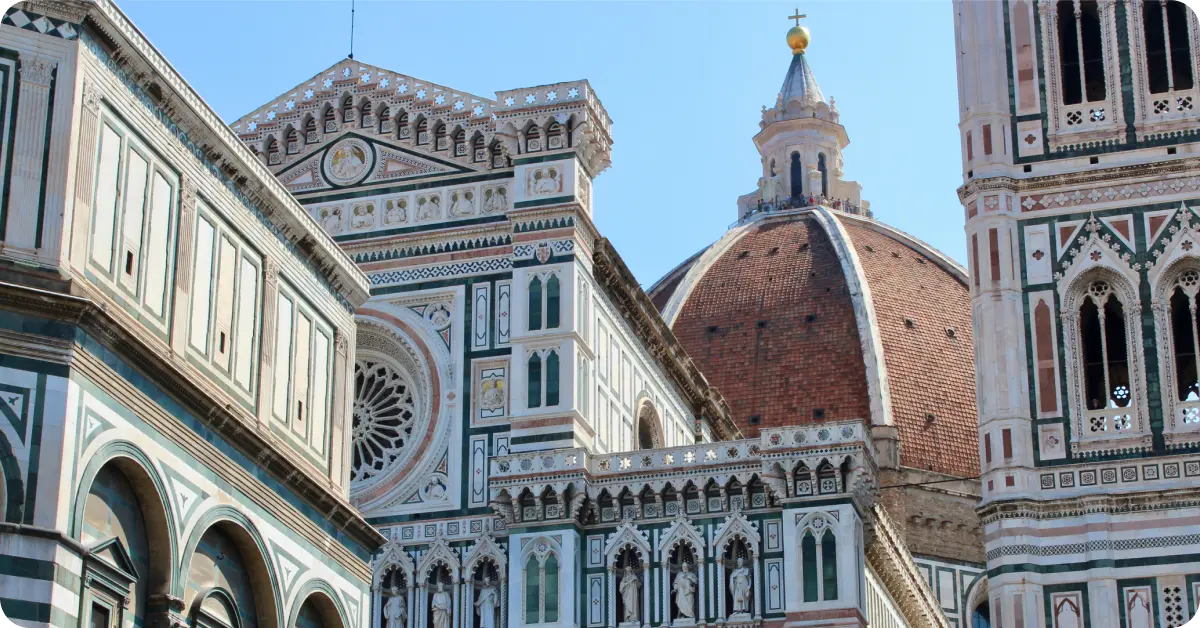
Seeing the Duomo, a monument to the power and wealth of the old city, is an absolute must. A line to visit this architectural treasure might take a few hours, but if you don’t have patience, just spend your time exploring the basilica from the outside.
Tilt your head back to see the world-famous Brunelleschi’s dome. Then marvel at Giotto’s Gothic bell tower with impressive marble work. You’ll soon notice that the Basilica is covered in pink, green, and white marble panels that resemble the colors of the Baptistery nearby.
After days of sightseeing, unwind with some good food at the Mercato Centrale. Here you’ll find both traditional and contemporary food options, and taste all sorts of Italian delicacies. Besides, it’s located in an impressive 19th-century cast-iron and glass building.
Day 6: Uffizi Galleries, Vasari Corridor, and Boboli Gardens
If you haven’t heard of the Uffizi Galleries, it’s high time to hear about them now — and book your ticket right away! It’s an art museum containing the finest pieces of Italian Renaissance art. Expect to spend quite a while exploring the many galleries and admiring the works of Botticelli (and his Birth of Venus), Leonardo da Vinci, Michelangelo, Raphael, and Caravaggio.
Once your head is filled with art, end your day with the Vasari Corridor. It was originally built for the Medici family to have a secure passage isolated from the muddy streets of Florence. Visitors can enter the Vasari Corridor from the Uffizi Galleries and go straight to the Palazzo Pitti and repose after an intense day of art in the gorgeous Boboli Gardens.
Day 7: Ponte Vecchio
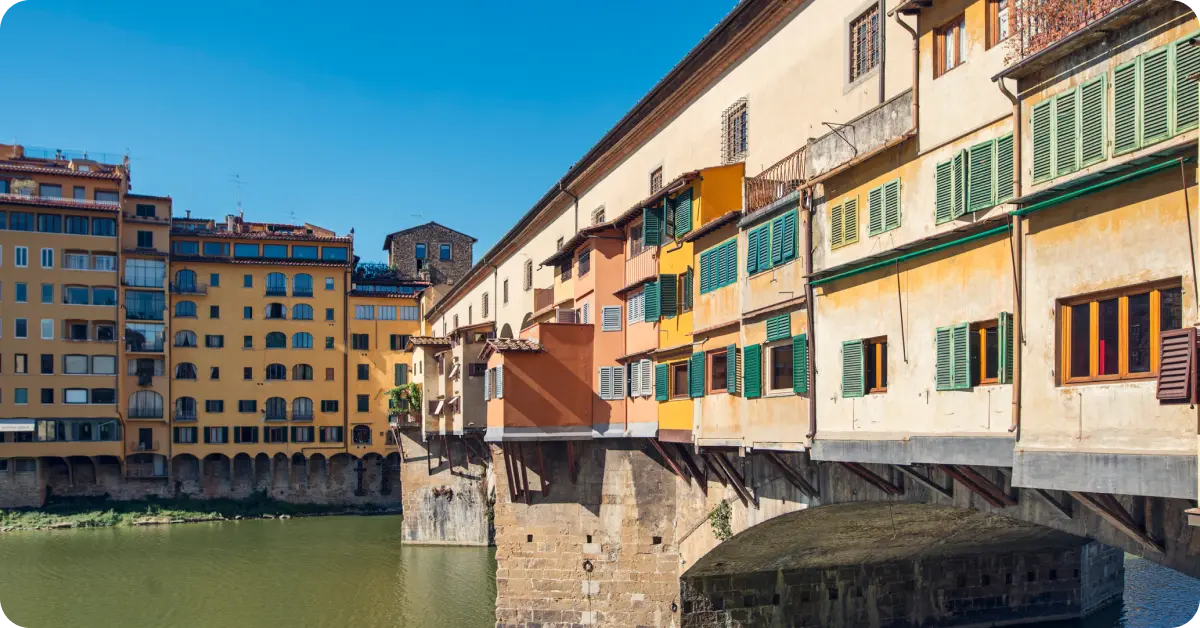
Your last day in Florence deserves some idling around and visiting one more important landmark — Ponte Vecchio. It’s a medieval bridge with houses and shops built directly onto it. It’s also the only bridge that was spared from the bombing carried out by the retreating German troops after World War II.
If you’re still craving more art, pay a visit to the Accademia, where you can see Michelangelo’s David, or head to the Museum of San Marco to admire the works of Fra Angelico.
Day 8: Arriving and exploring Venice on foot
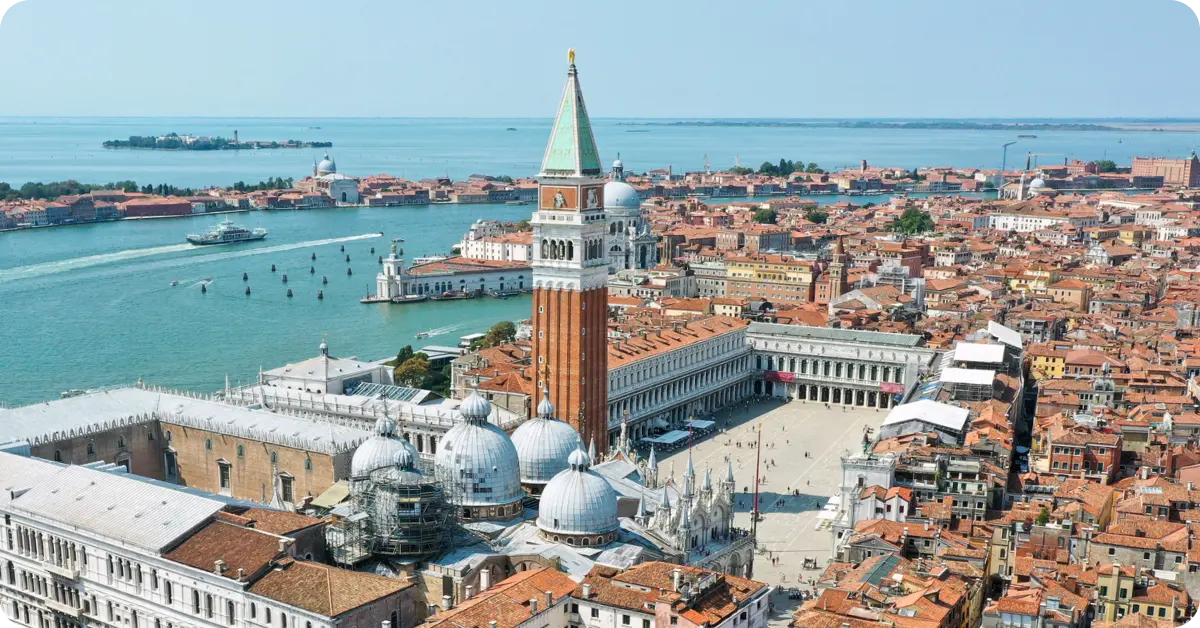
The true beauty of Venice unravels when you give yourself time to discover its tiny streets and get lost in its maze of canals. A good spot to start is Piazza San Marco. The famous square houses Palazzo Ducale, a masterpiece of Venetian Gothic architecture, and Basilica San Marco, known as a church of gold — glittering gold glass mosaics cover its interior walls and domes.
While you stroll around Venice, don’t forget to visit Ponte dei Sospiri, a bridge that connects Palazzo Ducale with a former prison. It’s said that as convicts crossed the bridge on their way to prison, they sighed at their last glimpse of the outside world.
Day 9: Burano and Murano
Fancy a trip with a vaporetto (ferry)? Spend a day visiting islands in the Venetian Lagoon — namely Burano and Murano. Burano is famous for its rich history of lace manufacturing and is attracting tourists with its rows of brightly colored homes. Murano is known for the long tradition of glassmaking, and is still home to about 30 active glass factories today.
It can take anywhere from 10 to 30 minutes to go from Venice to Murano. If you’re heading to Burano first, keep in mind it takes around 45 minutes to go to the island from Venice. Meanwhile, a vaporetto from Murano to Burano takes around 30 minutes.
Prepare to spend the whole day jumping between the islands, looking around, taking pictures, and enjoying Italian food!
Day 10: Peggy Guggenheim Collection
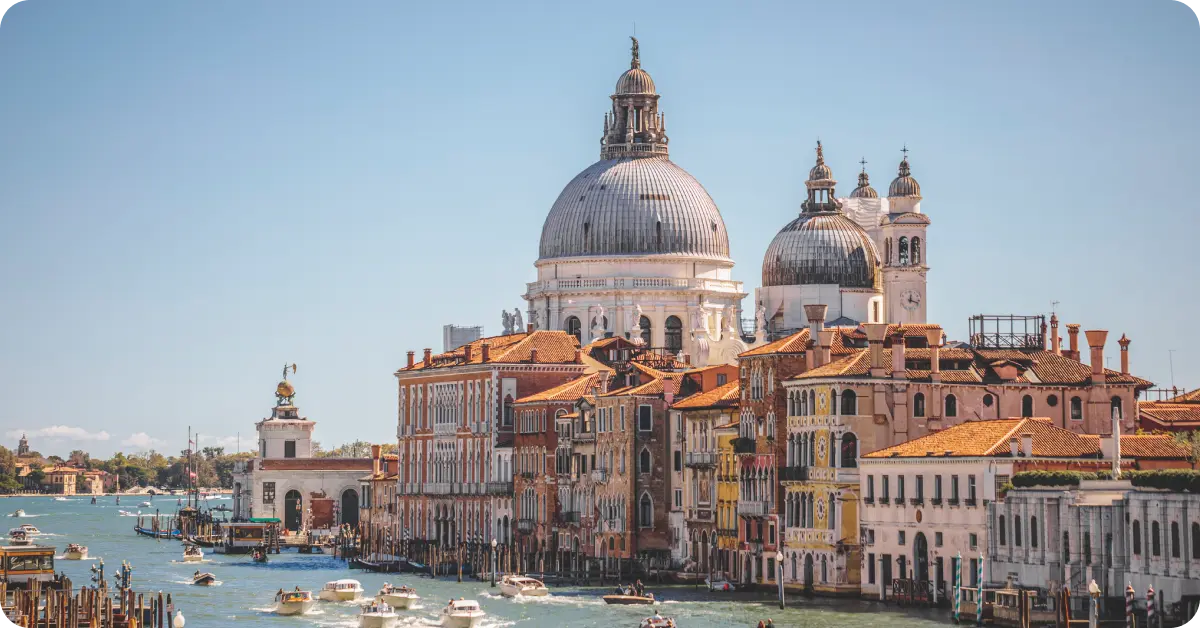
If you still have time for exploring Venice on the last day of your trip, pay a visit to the former home of Peggy Guggenheim in the Palazzo Venier dei Leoni on the Grand Canal. Now it’s a museum housing 20th-century modernist and surrealist paintings from Europe and the US.
Tired of museums? Spend your last day strolling around Venice, passing by the gorgeous Ponte Rialto if you’ve missed it before, or take one last gondola ride through the canals.
Have you traveled to the Big Three before? Fear not — there’s still so much left for you to discover in Italy! Here you’ll find additional guides for the two famously distinct parts of Italy — the north and the south. Choose the one that’s closer to your heart and buon viaggio!
This itinerary is meant for anyone who’s looking for a balance between cities and nature. So prepare for a getaway to the Italian Alps and the three urban hubs in the north — Turin, Milan, and Bergamo.
Day 1: Duomo, Palatine Gate, and Porta Palazzo
Start at Duomo di Torino and climb the cathedral tower for a panoramic view over the city. Walk to the Palatine Gate, one of the best-preserved Roman gateways in the world. Head to Porta Palazzo Market — an enormous open-air market — for lunch and a taste of the city’s street food scene.
Day 2: Mole Antonelliana and the Royal Gardens
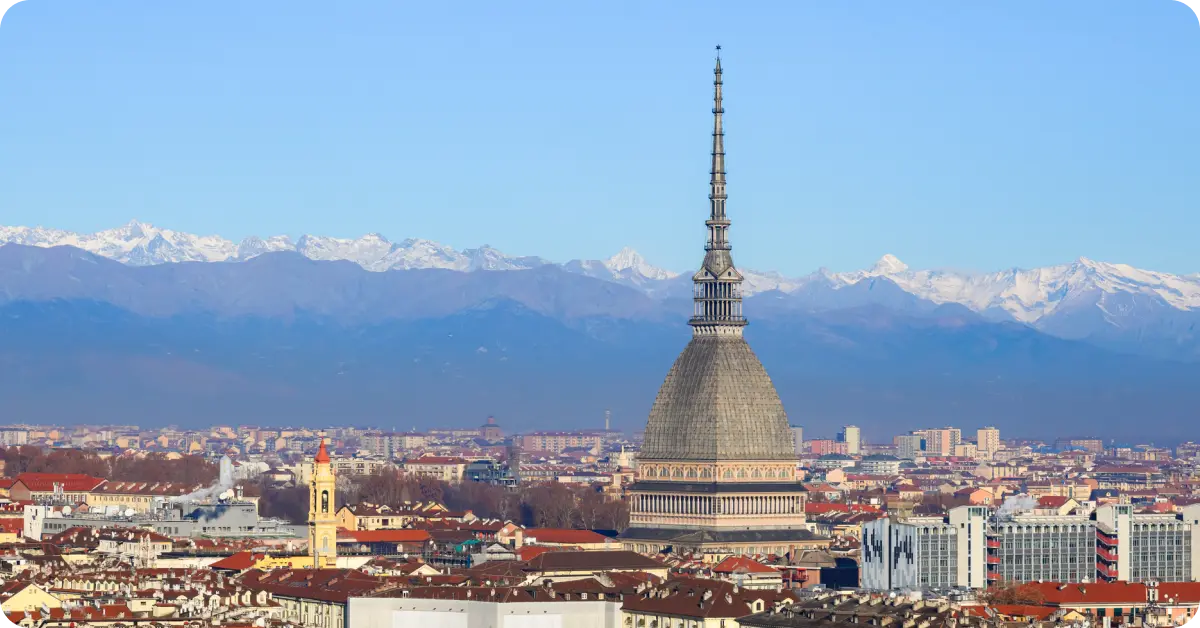
Visit Mole Antonelliana, Turin’s defining architectural landmark, and go inside if you’re a fan of movies — it houses the National Museum of Cinema. Spend the afternoon strolling through the Giardini Reali, the manicured royal gardens surrounding Turin’s lavish Royal Palace.
Day 3: Parco del Valentino and Gran Madre di Dio
Spend the morning in Parco del Valentino along the Po river, visiting the quirky Borgo Medievale — a recreation of a 15th-century Piedmontese village built for an exhibition. Cross the river to the Gran Madre di Dio church for views back over the city, then wind down in the evening in San Salvario, a vibrant neighborhood with restaurants and wine bars.
Day 4: Duomo, Galleria Vittorio Emanuele II, and Brera
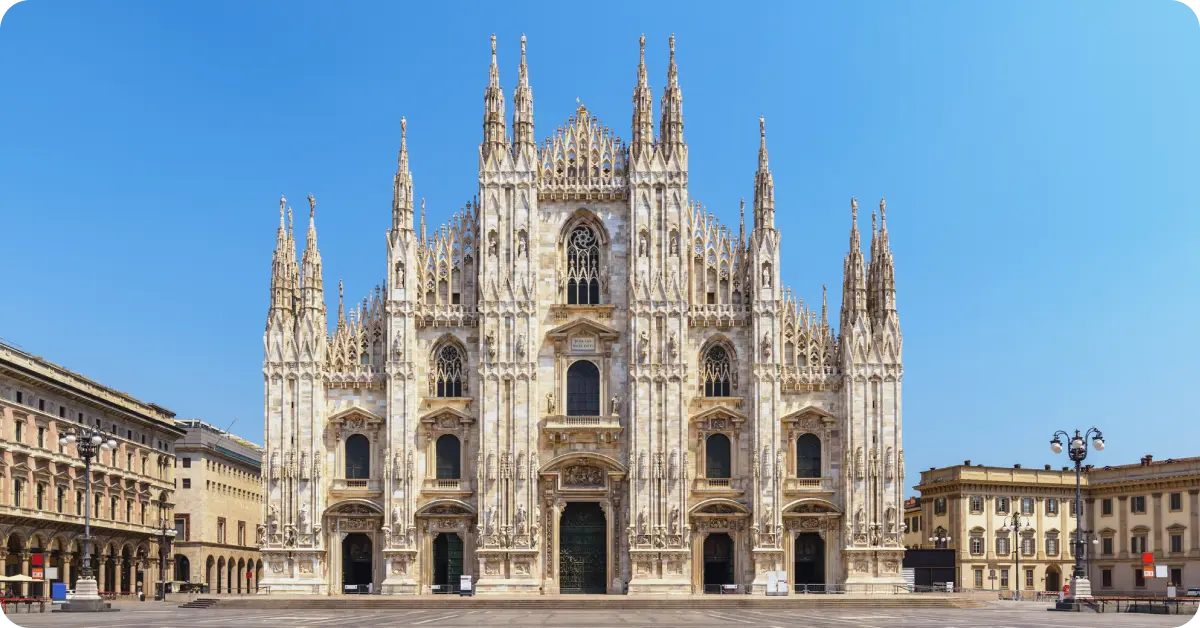
Climb the rooftop terraces of Duomo di Milano for the views over the city. Step next door into the Galleria Vittorio Emanuele II, one of the world’s oldest shopping arcades. Spend the afternoon wandering the Brera district, Milan’s artsy, bohemian neighborhood full of independent galleries and boutiques, with plenty of restaurants for dinner.
Day 5: Castello Sforzesco, the Last Supper, and Navigli
See a less touristy side of Milan by walking from Castello Sforzesco through Parco Sempione toward the Arco della Pace. Head to Santa Maria delle Grazie to see Leonardo da Vinci’s Last Supper — booking well in advance is essential. End the trip in the Navigli district, Milan’s canal quarter, for aperitivo and dinner along the waterfront.
Alternatively, if you want to escape the city, you can take a half-hour fast train from Milan to Lake Como and spend your day exploring Como’s old town, taking a ferry across the lake, and just relaxing by the water.
Day 6: Città Alta, Piazza Vecchia, and Venetian Walls
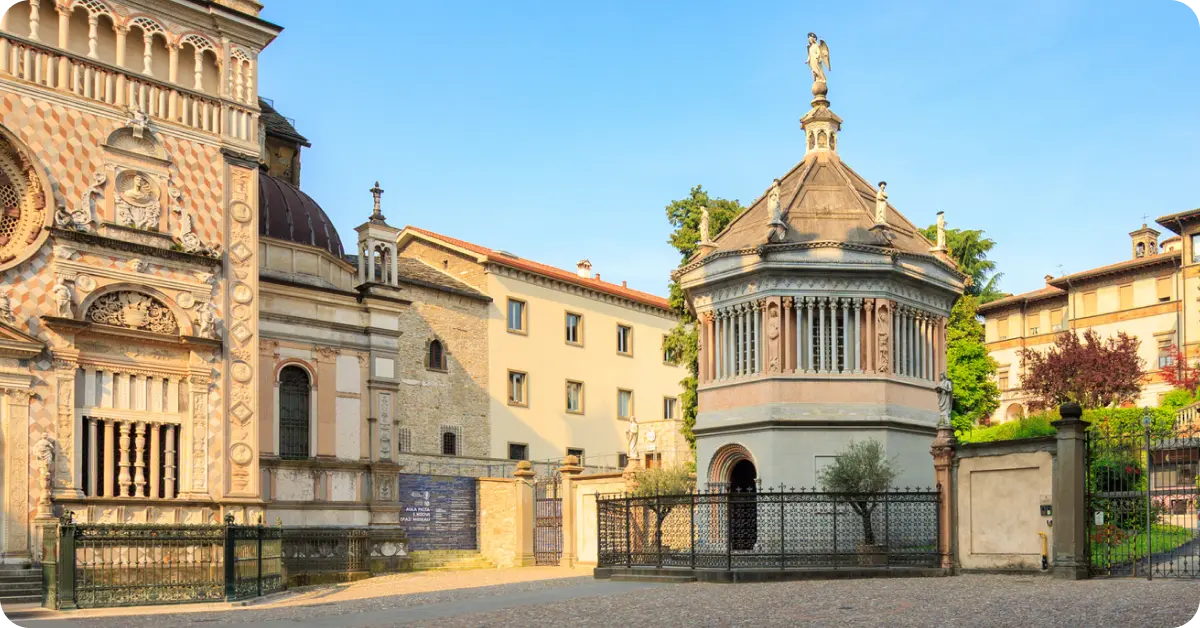
Walk up or take the funicular to the Città Alta, Bergamo’s medieval upper town perched above the modern city. Explore Piazza Vecchia and step inside the ornate Duomo di Bergamo. Grab a scoop of stracciatella gelato, a flavor born in Bergamo, and walk the Venetian Walls that encircle the old town.
Day 7: Città Bassa, Accademia Carrara and Via XX Settembre
Descend to the Città Bassa, Bergamo’s lower town, and spend the morning at the Accademia Carrara — an art gallery housing works by Botticelli, Bellini, Raphael, and Titian. Head to Parco Caprotti for a picnic with some local cheese and polenta (thick cornmeal porridge) — two things Bergamo takes pride in. Round off the afternoon with a leisurely walk along Via XX Settembre and the Sentierone for shopping, café-sitting, and people-watching.
Day 8: Explore the village
Take a leisurely walk through the alpine village center. Head to Campo Carlo Magno, where the Brenta Dolomites come into full view. In the evening, have dinner at one of the cozy mountain restaurants in the village and try local Trentino dishes like strangolapreti (spinach dumplings) or canederli (bread dumplings in broth).
Day 9: Brenta Dolomites
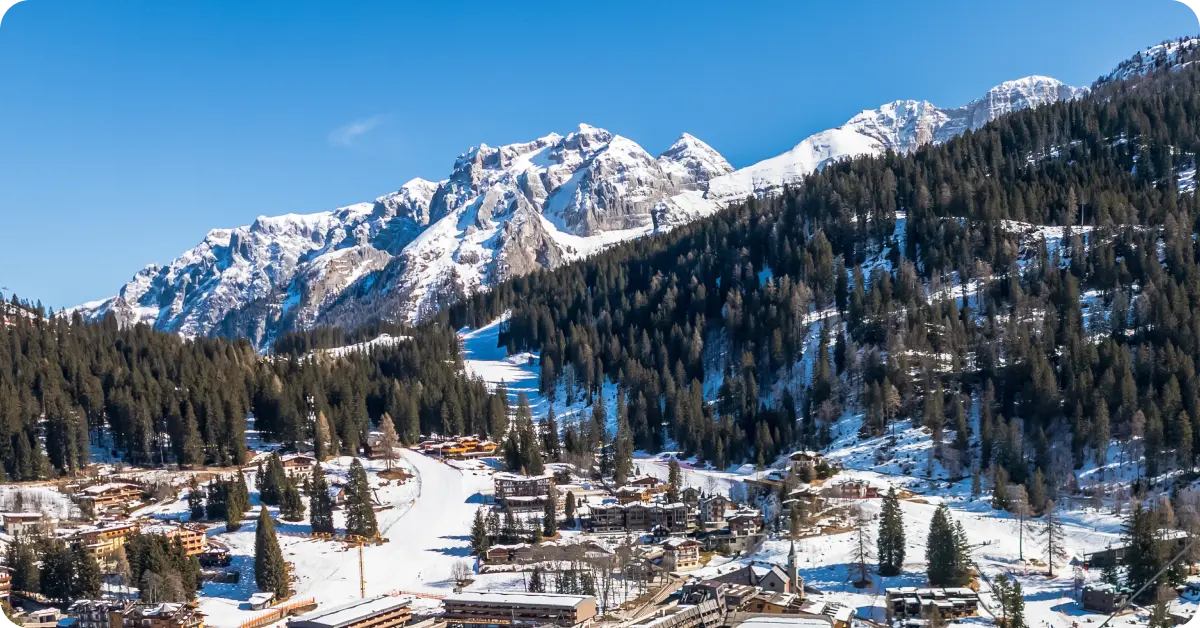
Take the Grosté cable car up to the Brenta Dolomites. At the top, you can walk along marked trails with views of the rocky peaks. You can also tackle a section of the famous Via delle Bocchette, a via ferrata route across the Brenta massif. Return to the village in the afternoon and unwind with a Spritz or local Trentino wine at one of the terrace bars.
Day 10: Lake Nambino
Start the morning with a peaceful hike to Lago Nambino, a scenic alpine lake surrounded by pine forest and mountain peaks, about an hour’s walk from town. Grab lunch back in the village before heading out.
Can’t imagine the world without Neapolitan pizza? You don’t have to — travel to the part of Italy known for its food, spirited culture, and sun-soaked beaches.
Day 1: Historic center, Spanish Quarters, Vomero
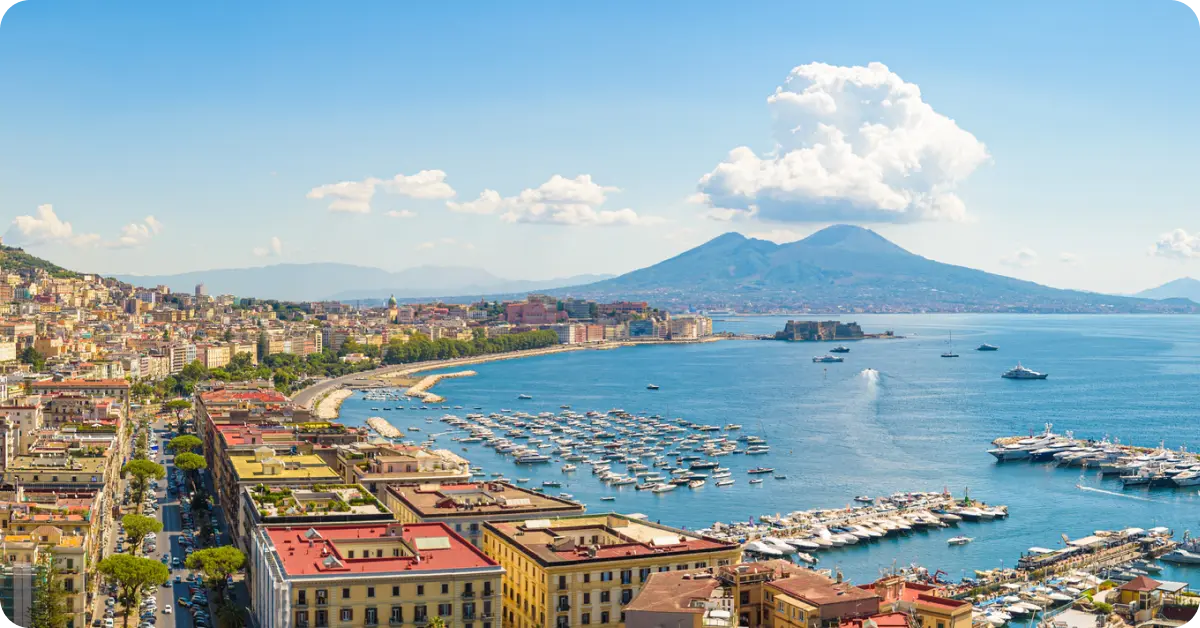
Start exploring Naples from its historic center. Pass through Via dei Tribunali, a street that’s lined with centuries-old churches and famous pizzerias. Duck into some of the most beautiful churches in Naples — peek into Gesù Nuovo, famous for its Renaissance facade and Neapolitan Baroque art inside, and don’t forget to pay a visit to the Sansevero Chapel. Here is the famous Cristo Velato (the Veiled Christ) sculpture! If you still have energy left for some more exploring, roam the streets of the Spanish Quarters and take a funicular to Castel Sant’Elmo to take in the city’s panorama.
Day 2: Pompeii and Mount Vesuvius
Take a train to Pompeii for a morning among the remarkably preserved ruins of the city buried by Vesuvius. In the afternoon, hike up Mount Vesuvius for a look into the crater and sweeping views over the Bay of Naples.
Day 3: Day trip to Ischia
Take the ferry to the volcanic island of Ischia, about an hour offshore. Soak in the Negombo thermal park or relax at the Spiaggia dei Maronti — one of the most spectacular beaches on the island. Explore the Aragonese Castle perched on its rocky islet, and have a seafood lunch in the charming port of Ischia Ponte. Return to Naples in the evening.
Day 4: Trip to Sorrento
Jump back on the train and go to Sorrento, the clifftop town draped over the Bay of Naples. Wander the old town center, browse inlaid wood shops along Via San Cesareo, and find a spot on the terrace at Piazza Tasso for coffee with a view. In the afternoon, take a local bus or boat down to the small beach coves below the cliffs.
Day 5: Positano and Amalfi
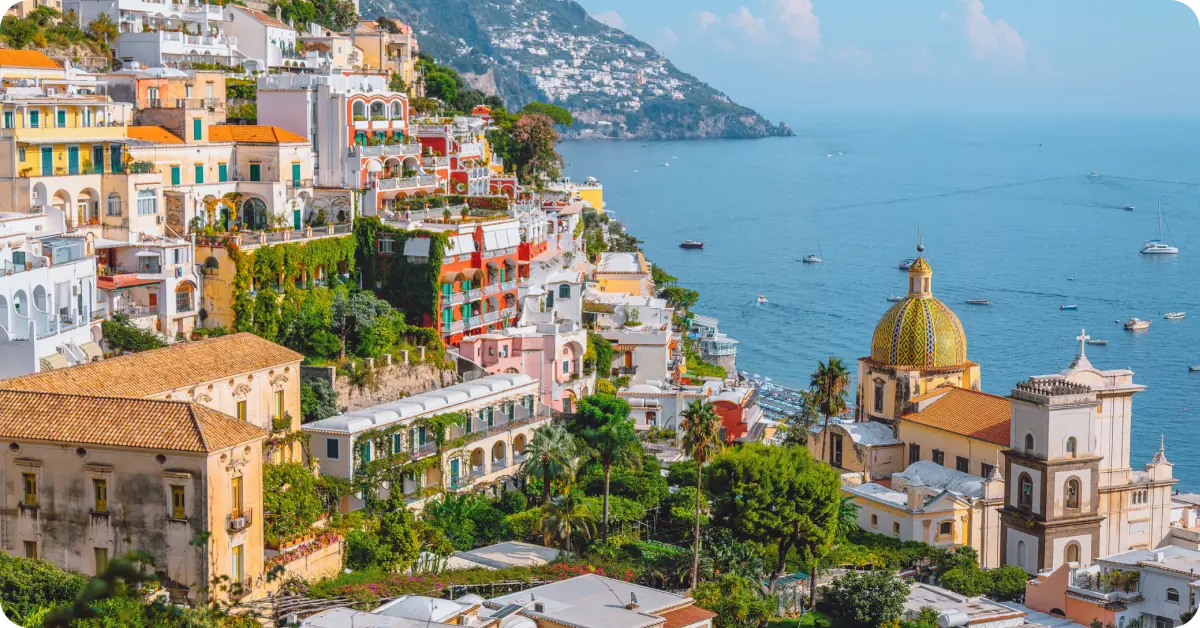
Take the ferry or a bus from Sorrento along the coast to Positano — a village cascading down the cliffside in pastel colors. Browse the boutiques and have lunch overlooking the beach. Continue along the coast to Amalfi town, explore Duomo di Amalfi and its monumental staircase, and stay the night here.
Day 6: Ravello and the Path of the Gods
Drive or take the bus up to Ravello, a hilltop town above the coast. Visit the gardens at Villa Rufolo and Villa Cimbrone for sweeping views of the Amalfi Coast and the Gulf of Salerno from the terraces. In the afternoon, tackle a section of the Sentiero degli Dei (the Path of the Gods), a clifftop hiking trail with views over the Tyrrhenian Sea. Wind down with dinner back on the coast.
Day 7: Baroque Center and Mount Etna

Explore Catania’s Baroque city center — rebuilt in lava stone after the 1693 earthquake — anchored by the grand Piazza del Duomo and its elephant fountain. In the afternoon, head up Mount Etna, Europe’s most active volcano, and take in the landscape of craters and lava fields. Return to Catania for dinner at the buzzing Pescheria fish market area.
Day 8: Ortigia and Noto
Take the short drive or bus to Siracusa and spend the morning on the island of Ortigia. Walk through its ancient historic center with the narrow streets, visit the Duomo di Siracusa, which is built inside a Greek temple, and have a granita (famous semi-frozen dessert) and brioche (egg-and-butter bread roll) at a waterfront café. In the afternoon, continue to Noto, one of the most beautiful Baroque towns in Sicily, with a golden-stone main street that glows in the late afternoon sun.
Day 9: Markets, palaces, and street food
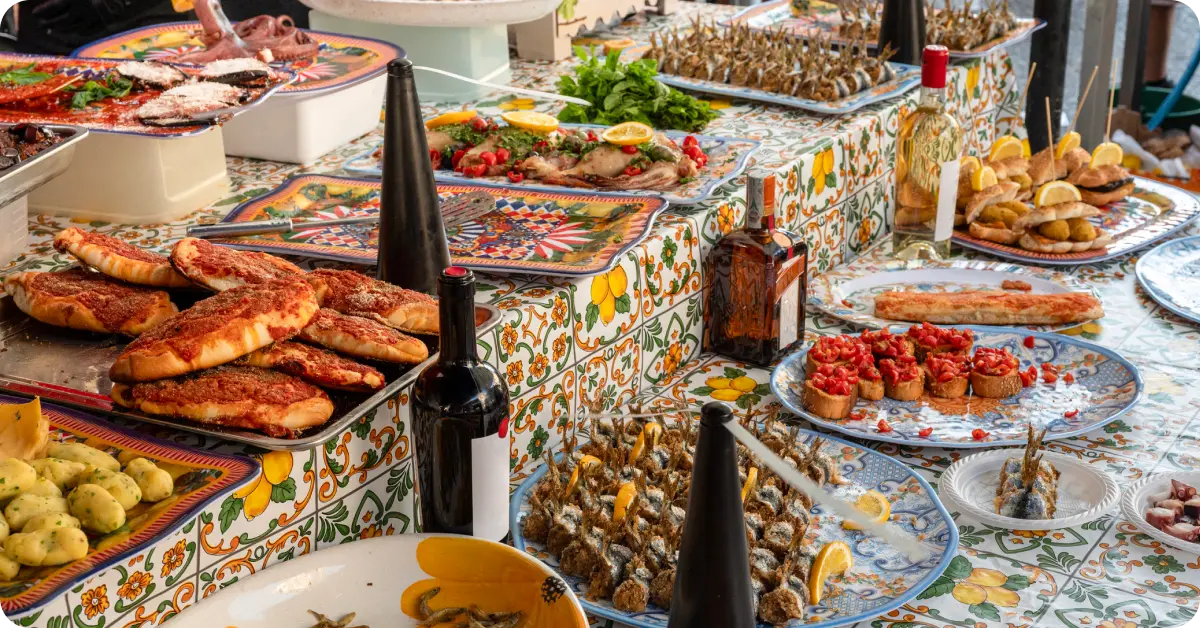
Arrive in Palermo and head straight to the Ballarò Market — the city’s oldest street market. Here, try arancini (stuffed deep-fried rice balls), panelle (chickpea fritters), and sfincione (Sicilian pizza). Visit Palazzo dei Normanni and its dazzling Cappella Palatina, known for its elaborate golden Byzantine mosaics and paintings. Stroll through the Kalsa neighborhood in the evening for dinner.
Day 10: Monreale and Mondello
Take the short bus ride up to Monreale to see Cattedrale di Monreale — its interior is covered in over 6,000 square meters of Byzantine gold mosaics. Return to Palermo and spend the afternoon at Mondello, the city’s sandy beach resort tucked between two headlands. Then go for a final Sicilian dinner in the city center.
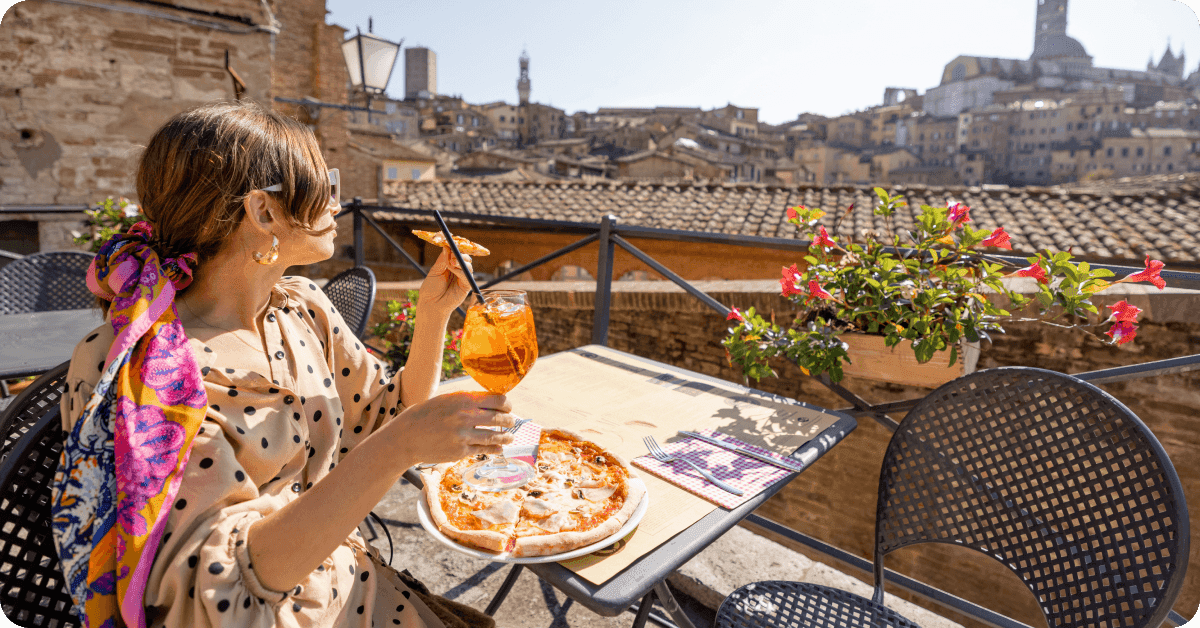
The best time to visit Italy is the shoulder season — April to June and September to October. During this period, the weather is warm and mild, and crowds of tourists are generally smaller. That being said, Italy is still an extremely popular destination, so book your trip in advance.

The best way to get around Italy depends on your travel itinerary and your preferred mode of moving around. Italy has a well-established network of high-speed and regional trains, connecting both urban hubs and smaller towns. You can book tickets from the two main train operators — Trenitalia and Italo. Buses are another convenient way to travel around cities using public transport.
If you prefer not to be tied to timetables and make improvised stops, a car is a good option. Car rentals are available throughout Italy, spanning from well-known car rental companies to local ones. Just keep in mind that driving culture may differ from region to region — or from what you’re used to back home.

Food in Italy deserves a guide of its own — the country is known for its marvelous cuisine, so prepare to eat a lot while you’re there! In the north, try out risotto alla Milanese, polenta, and tagliatelle al ragù. The central part of Italy is known for pastas like cacio e pepe and carbonara, saltimbocca (veal cutlets layered with prosciutto and sage), and the legendary cold cuts of Umbria and Tuscany. And if you travel to the south, you must have a slice of true Neapolitan pizza and arancini. Have a sweet tooth? Add tiramisu, cannoli, and panna cotta to your order!

Getting a Saily eSIM for Italy means you’ll be able to navigate the streets like a local, post the best moments of your trip the moment they happen, and find the best places to eat without falling into tourist traps.
Not familiar with what an eSIM is? It’s a digital SIM that provides mobile data abroad. The main difference between getting a local Italian SIM card and an eSIM is that a service like Saily will connect you online the moment you land, and you won’t need to wait in line for a physical SIM or deal with swapping SIM cards.
If you’re looking for affordable data for your trip to Italy, Saily offers competitive prices with a number of benefits, like advanced security features, 24/7 support, and flexible data plans. Just download the Saily eSIM app, install the eSIM, and activate it before you board the plane — you’ll be connected before your seatbelt sign goes off.
Need data in USA? Get an eSIM!

1 GB
7 días
3,99 US$
3 GB
30 días
8,99 US$
5 GB
30 días
12,99 US$
If it’s your first time visiting Italy, 10 to 14 days is an optimal choice to see some of the highlights, like Rome, Florence, and Venice, without rushing through them. During the two weeks, you can also add southern Italian spots like Naples, the Amalfi Coast, or Sicily to your itinerary if you prefer a faster pace of travel.
The perfect trip to Italy for many means experiencing the iconic regions without a rush, with plenty of time to explore historical sites, art galleries, and breathtaking nature spots, and to enjoy the pleasures of modern-day cities. But what will really make your trip special is trying as many Italian dishes as possible! The country’s cuisine is famous worldwide for a reason.
Yes, US$5,000 is typically enough to cover the cost of a trip to Italy that lasts around 10 days. However, it really depends on your travel style and itinerary. The sum is sufficient for comfortable travel throughout the regions, covering mid-range accommodations, transport, food, and main tourist attractions. You may also spend less or more depending on the regions you choose to visit and your activities.
Yes, US$1,000 may be enough to cover the main expenses while you’re in Italy, such as transportation, food, and sightseeing. However, this sum may not cover flights and accommodation, unless you’re a savvy budget traveler who doesn’t mind staying in hostels or other shared rentals. In the end, it really depends on your traveling style and the level of comfort you want on your trip.

Siempre conectados, siempre en marcha
Conéctate al instante con una eSIM de Saily y disfruta de un fácil acceso a internet.

Artículos relacionados
23 min lectura mínima
30 min lectura mínima