


Transportation in Germany: 2026 guide on the best ways to get around the country
With over 137,000 square miles to cover, Germany is an ideal European travel destination for travelers with different interests — from the Baltic Sea coastal towns in the north to the stunning Bavarian mountain forests in the south. Despite its reputation as a car-heavy country, Germany has an intricate public transportation network that lets you easily get from one city to another, covering every nook and cranny you want to explore. But standing at the German ticket machine for the first time and trying to figure out what ticket you need for your journey can be confusing. To make your journey easier, let’s look at different public transportation methods in Germany and how you can tell them apart in different cities.



Spis treści
- Modes of public transportation in Germany
- S-Bahn (suburban trains)
- U-Bahn (subway)
- Straßenbahn (trams)
- Buses
- Railway
- Ferries
- Stadtbahn (city trains)
- Tickets and prices for public transportation in Germany
- Other types of transportation in Germany
- Taxis
- Rental cars
- Ride-hailing apps
- Bicycles
- Scooters/e-scooters
- Tips for getting around in Germany
- Make transportation in Germany easier with a Saily eSIM
- References
Modes of public transportation in Germany
Germany offers ample public transportation options to let you easily get from point A to point B, even going beyond the country’s borders. Major hubs like Berlin, Hamburg, Munich, and Cologne have their own inner transportation systems that let tourists and citizens forego cars in favor of a quicker, more convenient way to commute. By rail, road, or river, you can figure out how to best explore your destination.
S-Bahn (suburban trains)
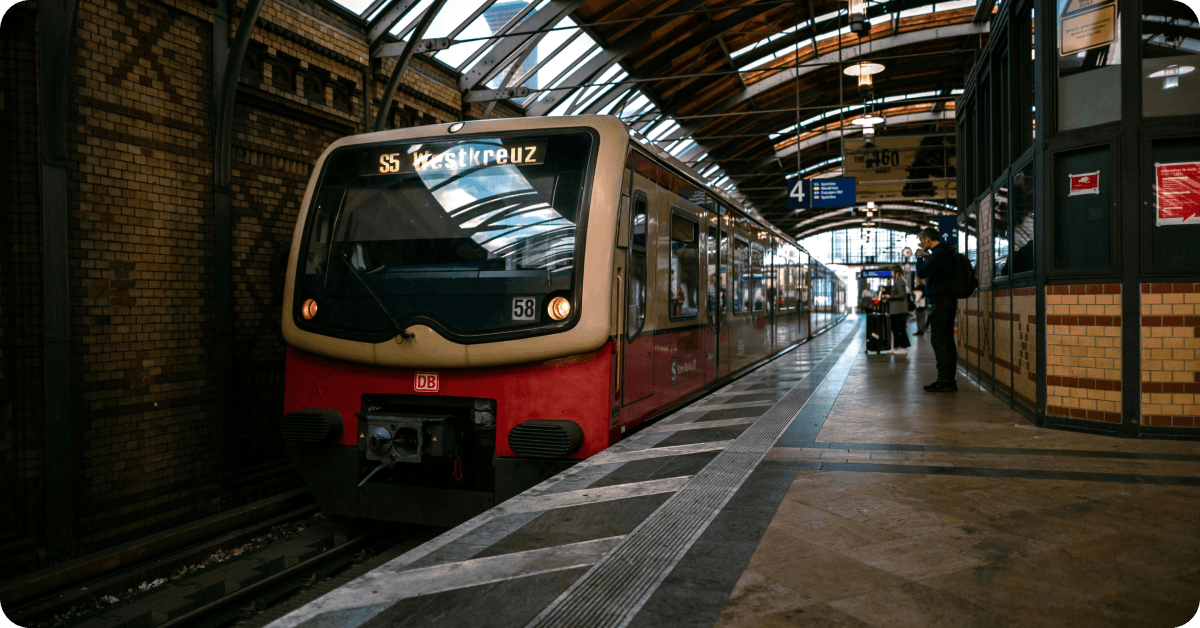
The S-Bahn, short for Schnellbahn (literally meaning “fast rail”), is a popular public transportation method in several German cities that overlaps with the country’s main railway. The S-Bahn trains usually connect the downtown areas with the suburbs, making them a popular commuter option for local workers. Some parts of the S-Bahn route can run underground, but they don’t share the tracks with the actual underground trains (the U-Bahn).
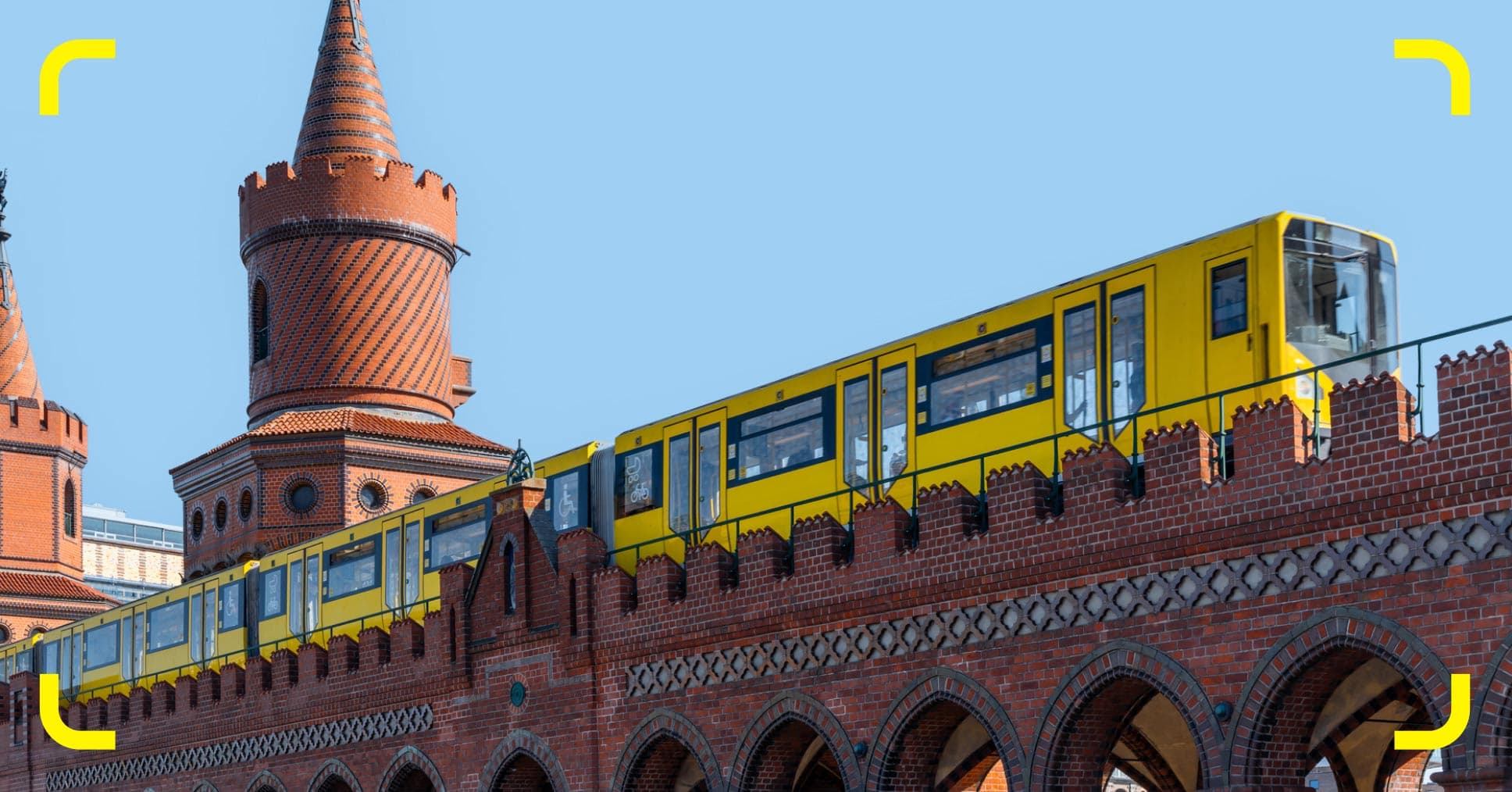
Berlin’s S-Bahn network’s yellow-and-red trains have become one of the city’s most recognizable symbols. They let travelers easily find their way from the Berlin Brandenburg airport to the famed Alexanderplatz square. The Ringlinie runs in a circle, connecting the four main suburban stations (the Ostkreuz, Westkreuz, Südkreuz, and Gesundbrunnen). Going outside the capital, you’ll spot S-Bahn high-speed trains in cities like Cologne, Dresden, and Stuttgart.
U-Bahn (subway)
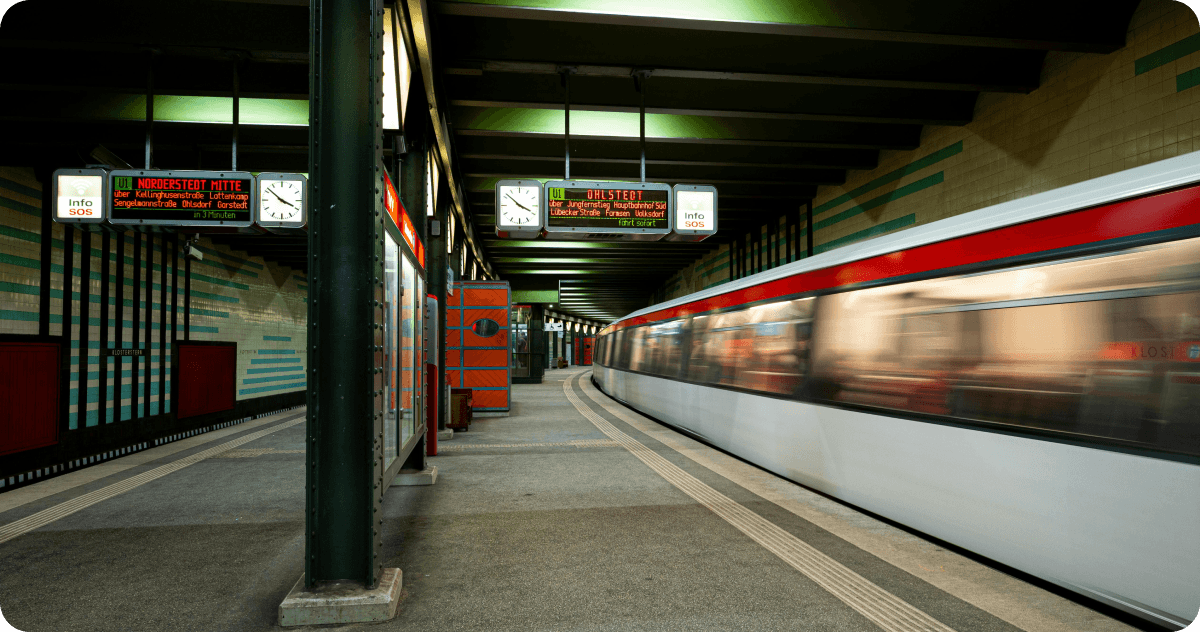
The U-Bahn (short for Untergrundbahn), or underground rail, is another popular public transport method in metropolitan Germany. These are your usual subway trains, like the ones you can find in New York, Stockholm, or Tokyo. They let you dodge surface traffic jams and traverse the city from below. Unlike the hybrid S-Bahn trains, which are more similar to classic high-speed trains, the U-Bahn runs almost fully underground in its own interconnected web. They’re also strictly available within the city’s borders.
Some cities with an U-Bahn network have pretty good underground data coverage. If you want to check your route, DM a friend, or simply play a mobile game, you can do so on your subway train with minimal interruptions — that includes using an eSIM for Germany.
Straßenbahn (trams)
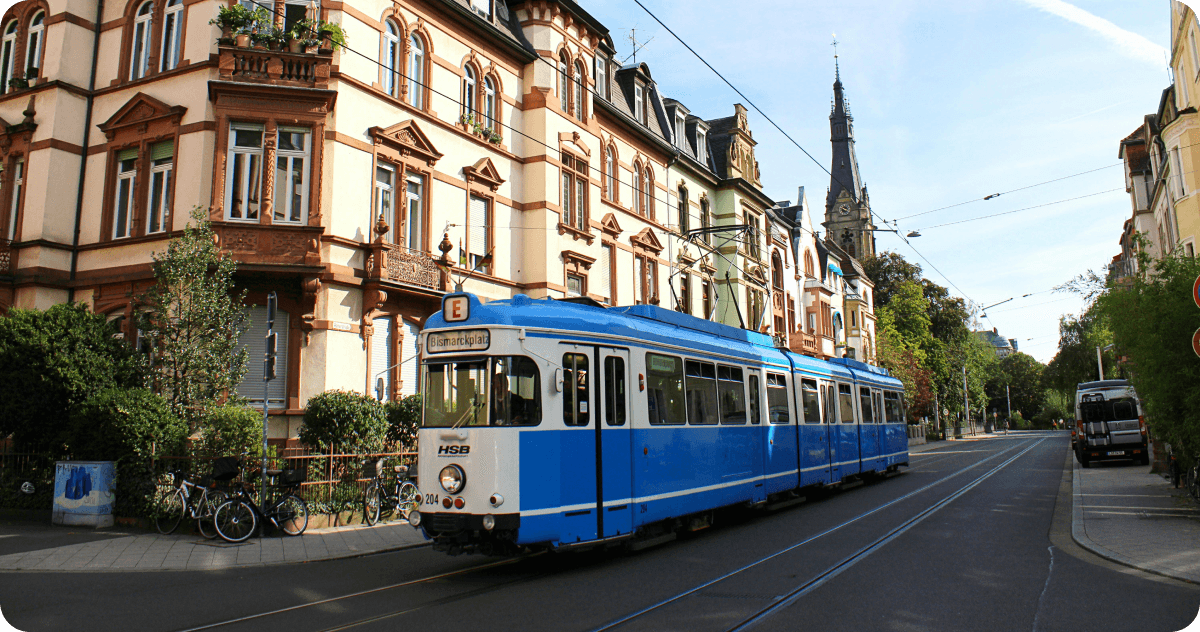
While wandering the streets, you’ll often spot light rail tram lines running across the cities. These lines run parallel to the roads and offer an easy way to get around the key city points without worrying about traffic. The first trams started running at the end of the 19th century, making them some of the oldest public transportation systems in Germany.
Cologne, Berlin, and Leipzig stand out as cities with some of the longest tram networks in the world. Some smaller cities with low-emission zones, like Freiburg am Breisgau, use trams as the main transportation method, while private cars are restricted to selected zones. Unlike the S-Bahn, the Straßenbahn runs mainly in the city centers. The tram lines usually run in the middle of the street and are surrounded by car traffic, and practically all tram stops are outdoors and overground.
Buses
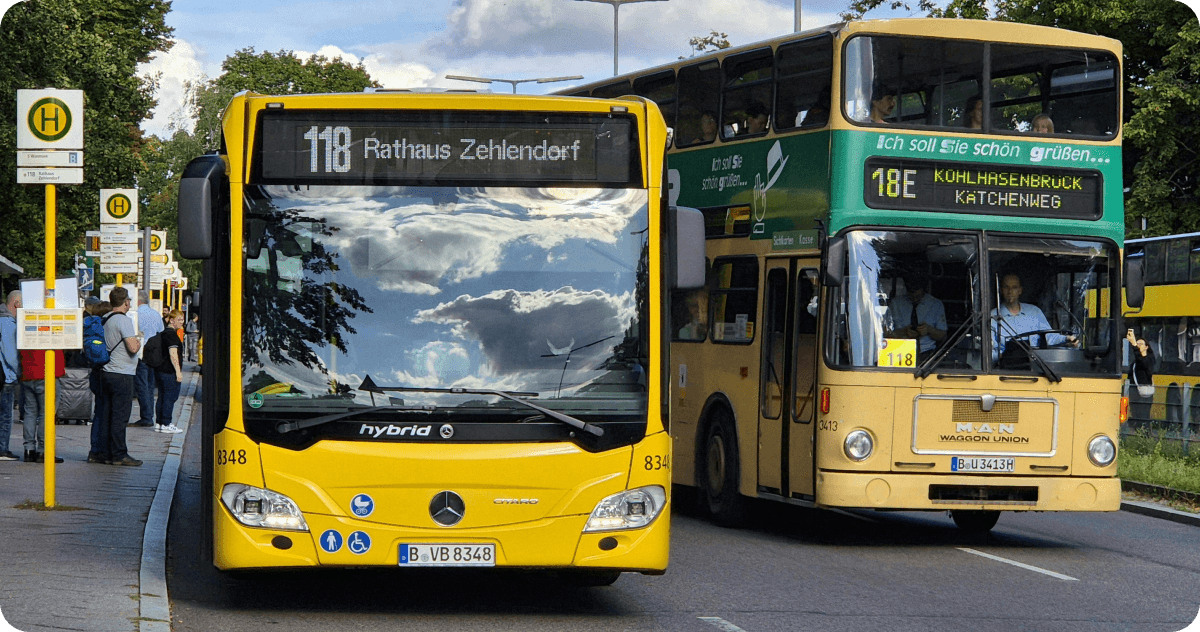
What’s a German city without its bus service? Like the S-Bahn, buses connect the suburbs and the rural areas with the city centers and are one of the most reliable ways to commute. Many places have dedicated busways (Busspuren) that ensure the public transport in Germany runs smoothly and isn’t impacted by rush hour traffic jams. Bus stations are scattered throughout the cities, and a night bus service is often available.
💡 Pro tip: Many German cities offer all-in-one public transportation tickets that cover the S-Bahn, U-Bahn, trams, and city buses for a cheaper and easier commute.
Railway
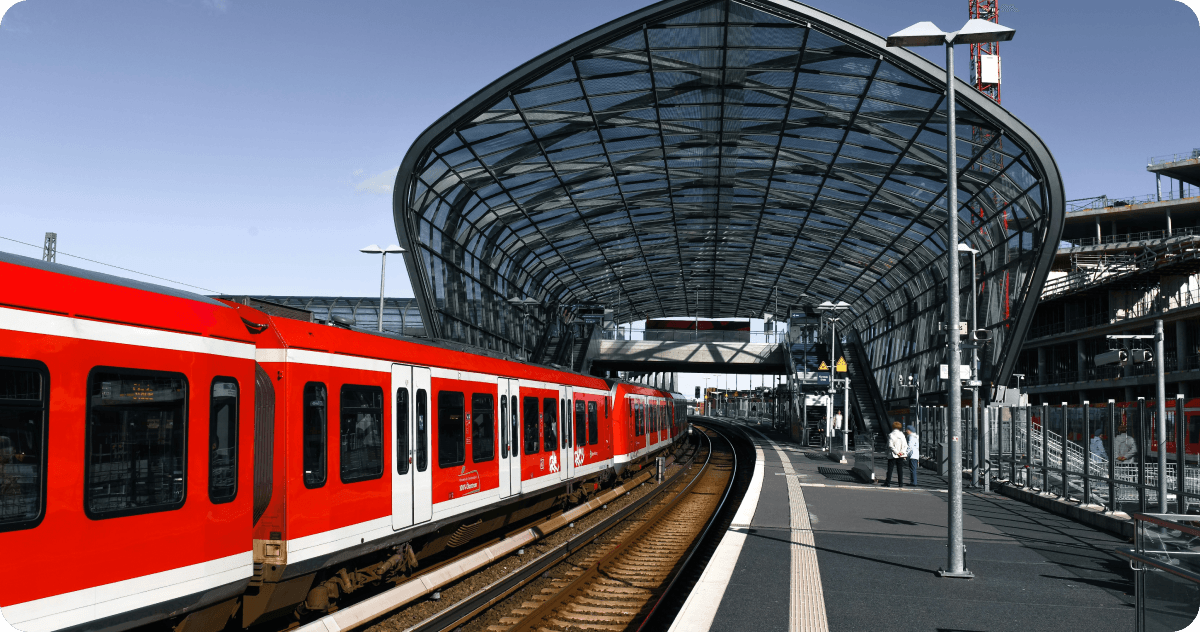
Germany has a widespread railway network connecting all 16 federal states. The country has a high-speed rail network, with trains connecting it to Austria, France, the Netherlands, and other neighboring countries. Deutsche Bahn, Germany’s main railway company, also provides short-distance trains for regional travel. The national ICE trains cover long-distance travel within the country.
Despite the plentiful “Zug fällt aus” (German for “The train has been canceled”) memes caused by frequent cancellations and reschedules, railway travel is one of the most efficient ways to cover long distances, with trains running at 190 mph. Frankfurt Airport, one of the busiest travel hubs in Europe, has two railway networks, so international travelers can easily get to their destination without searching far and wide.
Ferries
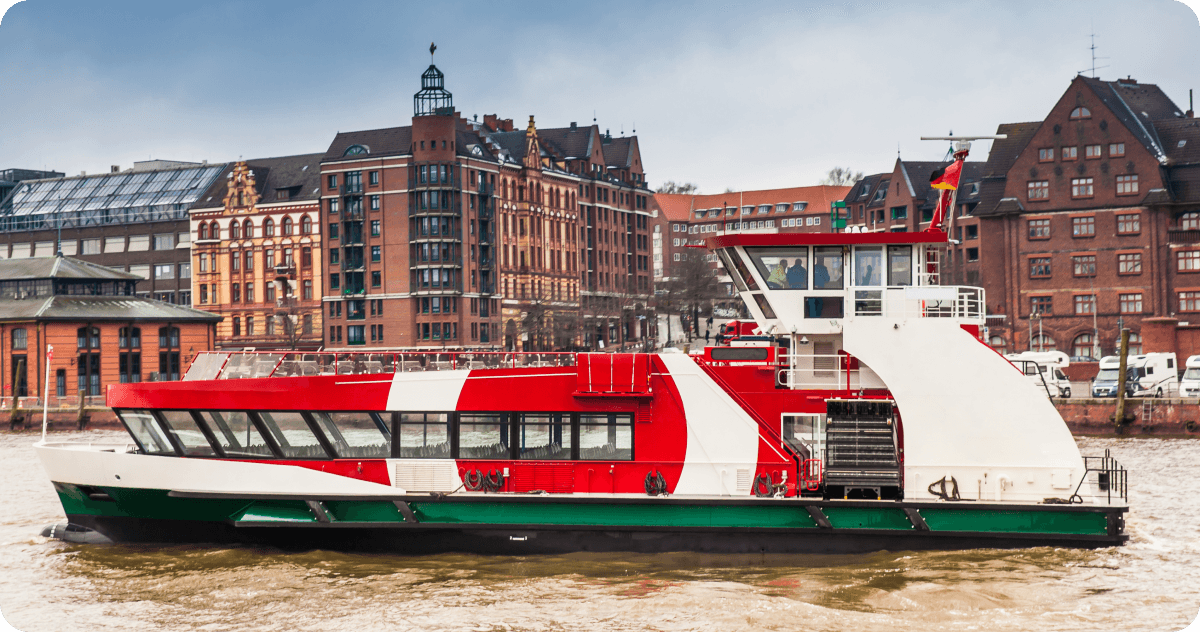
Water transportation is also an option in some German cities. The country’s coastal areas near the Baltic and the North Seas have regional and international ferries. In cities where the three major German rivers — the Elbe, the Rhine, and the Danube — run, ferries also offer an alternative public transport option. Ferries are popular among tourists exploring the scenic riversides as well as among residents who rely on this transport to commute to work.
Stadtbahn (city trains)
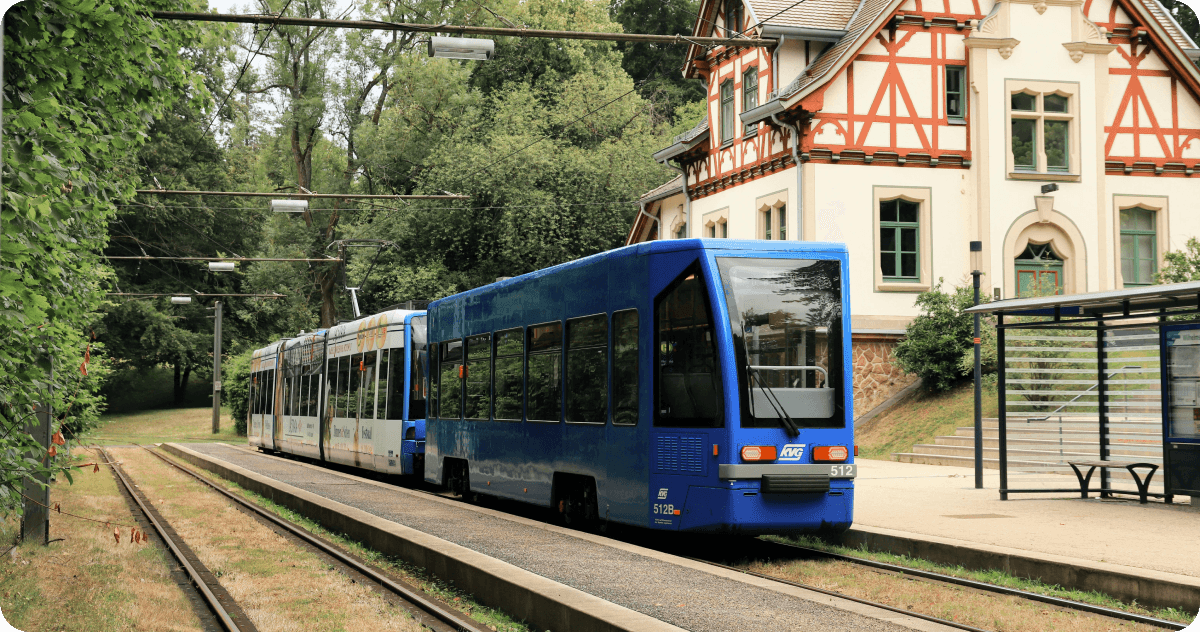
Stadtbahn (literally meaning city trains) are a relic of the past. In the last century, Stadtbahn lines were built in Germany and Austria as inner-city rail routes. In the decades since, most Stadbahn stations and tracks have been upgraded to suit the current S-Bahn and U-Bahn trains. But if you go to Stuttgart, Saarbrücken, or Cologne, you might still catch sight of Stadbahn stations. You’ll usually recognize them by the logo — the letter “U” with the word “Stadbahn” sliced into the middle.
Tickets and prices for public transportation in Germany
If you plan to stick around in one city or town, you should look up the public transport prices and where you can get tickets. The information usually applies to the whole federal state. So if you plan to stay in, say, Frankfurt, you should look up public transport tickets in Hesse. With special offers on last-minute train tickets and discount options, using public transport is a good way to save money when it comes to managing the cost of living in Germany.
💡 Pro tip: Although you can use mobile apps to buy e-tickets in some cities, make sure you have some cash on hand in case you need to buy one from a ticket machine or the bus driver.
If you plan to broaden your horizons, you can take the more flexible route. In 2023, Germany introduced the Deutschlandticket (German ticket)1 that lets you travel around the country using any local transport and regional trains for €63. If you plan to live in Germany as an international student, you can get a special discounted ticket called the Deutschlandsemesterticket.2 Just remember that this ticket doesn’t cover national railway services.
Although the prices will vary in different German regions, let’s see how they work in the five major cities:
Berlin3 | Hamburg4 | Munich7 | Cologne9 | Frankfurt am Main10 | |
|---|---|---|---|---|---|
One-way | From €2.40 | From €4.10 | From €2.10 | From €2.50 | From €2.35 |
Multiple rides | From €7.80 | N/A | From €18.70 | From €10 | N/A |
24-hour | From €11.20 | From €8.205 | From €7 | From €7 | From €7.75 |
Monthly | €113 | €83 | From €59.50 | From 33.10 | From €115.70 |
Tourist | From €28.50 (Berlin WelcomeCard) From €23.80 (Berlin CityTourCard) | €11.90 (Hamburg Card6) | From €16.90 Munich Card8) From €18.50 (Munich CityTourCard) | From €9 ( per 24 hours, KölnCard)* | From €13.00 (per 24 hours, Frankfurt Card)** |
Bicycle | From €2.70 | €3.50 | From €3.70 | €3.50 | Free |
*KölnCard is available as a 24-hour or a 48-hour ticket.
**Frankfurt Card is available as a 24-hour or a 48-hour ticket.
Disclaimer: The information regarding ticket types and prices was last verified on May 11, 2026, and is subject to change.
Other types of transportation in Germany
Public transport is a convenient way to get around cities, but it can sometimes lock you in place. You need to know where the right stops are, remember when the day buses stop and the night transport kicks in, and you might even have to deal with pesky train cancellations. To avoid the hassle of using public transport in large cities, some travelers choose alternative, more flexible options.
Taxis
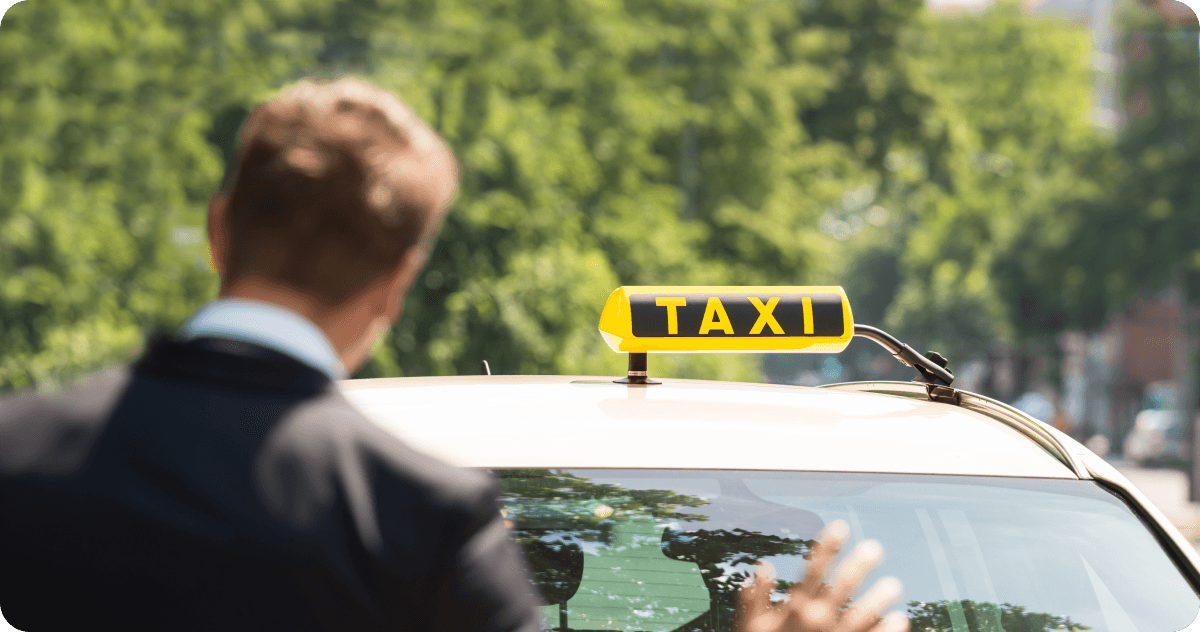
Good old-fashioned taxis are readily available in Germany. You can book some of them on mobile apps, but usually calling the taxi number is enough. If you decide to call a cab, keep some cash in your wallet — the driver might not have a card reader on hand.
Rental cars
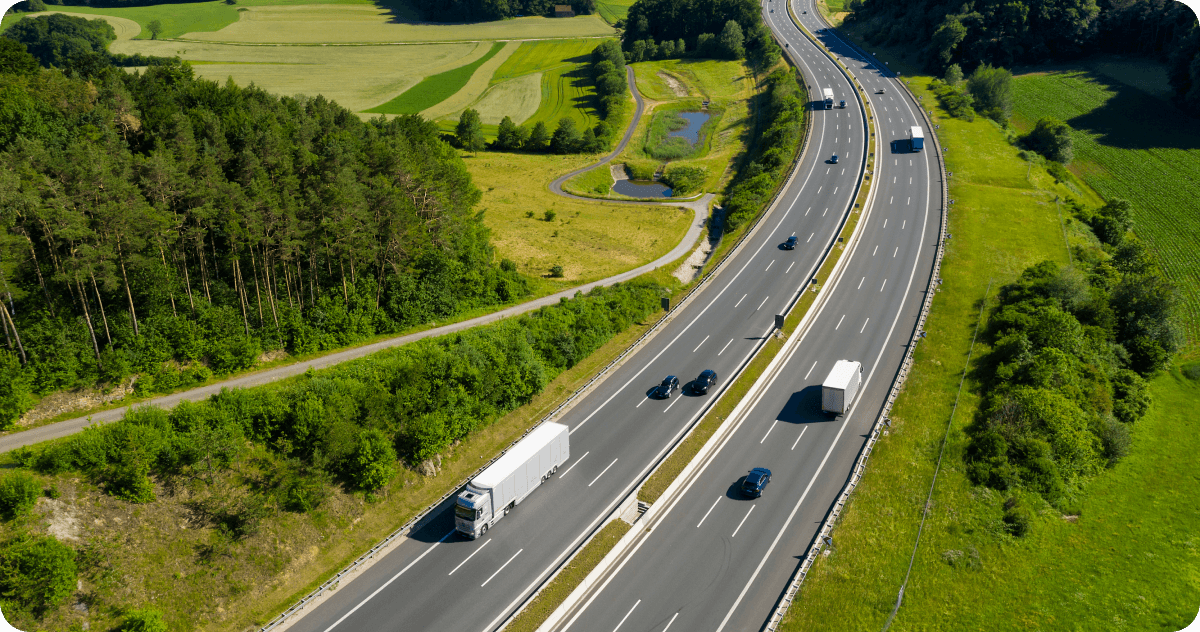
As one of the world leaders in car manufacturing, Germany is perfectly designed for car travel. You can choose one of the many car rental options and traverse the Autobahn yourself.
Ride-hailing apps
If you can’t find any public transport stations nearby, or if you’re traveling late at night and the night bus doesn’t go where you need to go, you can download and use one of the ride-hailing apps available in Germany. And if you download the Saily eSIM app, you can get an Uber voucher to use when you need to catch a ride.
Bicycles

Germany is stunning in the warm seasons, so if you’re traveling in the spring or summer, you might want to join the locals in exploring the breathtaking landscapes, forests, and mountains on a bike. Cities have bike-friendly infrastructure, and you can usually easily find both used and new bicycles to buy or rent.
Scooters/e-scooters
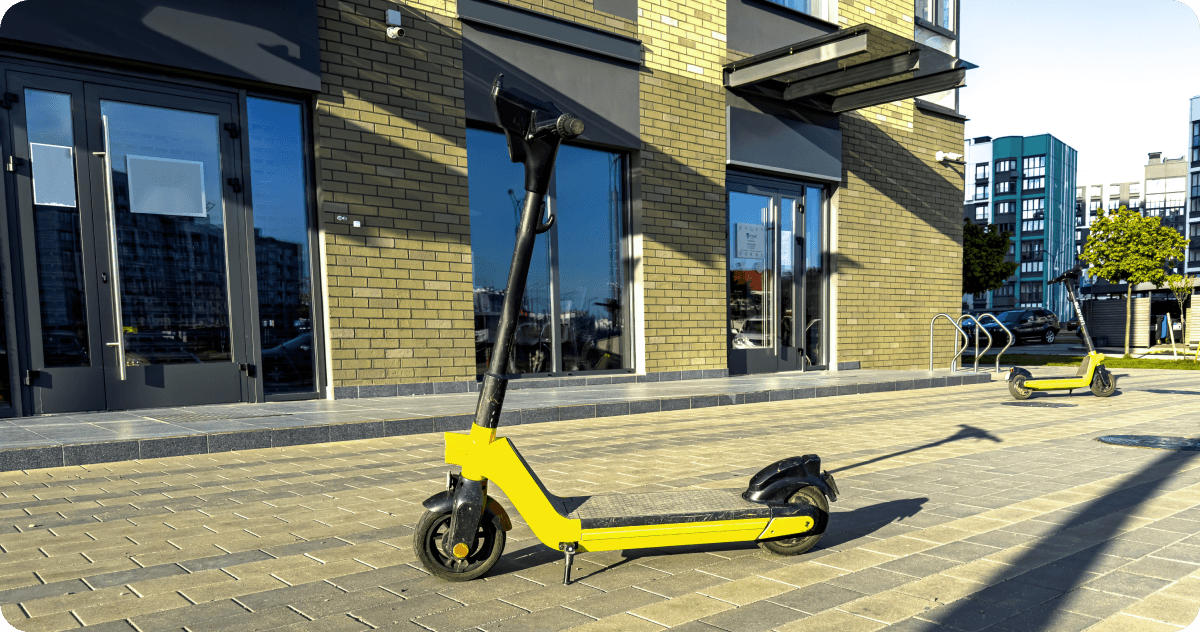
Scooters are becoming a popular way to get around cities quickly. You can usually rent one using the vendor’s mobile app and pay for the distance you ride. Check for the nearest parking zone and don’t leave your scooter in a random spot on the street, or you might get fined.
Tips for getting around in Germany
Germany is vast, and public transport rules might vary a bit from one federal state to another. To get around the country without any big hiccups, you can follow a few useful tips:
Buy the right ticket. When you stand at the ticket machine, you might get hit by tens of ticket options to choose from on the screen. Luckily, it usually lets you switch to English so you understand what you’re looking at. Don’t accidentally buy a ticket with the wrong discount because you might get fined.
Validate before you board. You usually need to validate your transport ticket before you step on board. You can do this using a little ticket validation box next to the ticket machine or inside some buses and trains. If you don’t, ticket control will fine you for fare evasion.
Check your travel zone. Cities like Berlin have zone tickets for the downtown and the suburbs. If you need to travel further away, see if your ticket zone covers your destination.
Use an app, but keep cash on hand. Public transport apps are an easy alternative to get tickets and plan routes for your journey. But in case you run into technical difficulties, you can buy a ticket from the driver or ticket machine using cash.
Plan your route ahead of time. Check for repair works, planned closures, and live incidents that could disrupt your journey, and have a backup route in mind.
Be polite. And not just to the staff — heed silent zones and keep your conversations low. Germans famously love being orderly, so respect your fellow commuters.
Know emergency numbers. In case you run into any emergencies, you can call 110 for police assistance and 112 for fire and medical services.
Think about connection. It’s easy to stay connected in Germany thanks to broad network coverage. To keep your travels simple and stay in contact with your friends back home, you can get an eSIM and not worry about swapping out SIM cards in Germany. If you’re an EU resident, you’ll have no issues thanks to EU roaming.
Make transportation in Germany easier with a Saily eSIM
Hiking boots, wallet, Deutschlandticket, and a stomach ready for copious amounts of bratwurst, beer, and pretzels: The German part of your European packing list is sorted. With bustling cities and ancient forests, Germany will have all your exploration cravings covered.
Speaking of coverage, you can keep your data in check with the Saily eSIM app. Saily lets you easily set up an eSIM for your German adventure and top it up in a few clicks if you run out of data — or get the Unlimited plan from the start and don’t worry about reaching 0 MB in the middle of the Autobahn. Buy public transport tickets, find places to visit on maps, and look up fun facts about majestic castles while you travel easily with mobile data on the go.
Need data in Germany? Get an eSIM!

1 GB
7 dni
4,49 US$
3 GB
30 dni
8,99 US$
5 GB
30 dni
10,99 US$
FAQ
To use public transportation in Germany, you first need to buy and validate your ticket. Then, locate the type of transport you need. S-Bahn, U-Bahn, bus, and tram stops have unique identifiers and signs that let you know where the nearest stopover is to change from one public transportation type to another.
If you buy a public transport ticket from a ticket machine or a ticket desk at the station, you can use cash or card payments. Keep in mind that some ticket machines may not accept all cards, so check what the available payment options are. You can’t use contactless payment as an alternative to a ticket.
You can also use public transport apps like the official Deutsche Bahn Navigator app to buy digital tickets and pay using your card details, PayPal, Apple Pay, or Google Pay.
No, public transportation in Germany isn’t free, but it offers special discounts for workers, students, the elderly, and people with disabilities. You can also get a subsidized subscription-based Deutschland ticket that covers all local and regional transportation.
Traveling without a valid ticket in Germany is considered fare evasion. First-time offenders are fined. Repeat offenders can face criminal charges and up to one year in prison.11 If you have a valid subsidized ticket, i.e., a student ticket, but can’t prove you’re eligible for the discount, you may also be fined.
The best choice of transportation in Germany for students will depend on which city you study in. Students are usually eligible for discounted combined public transport tickets which cover all available options, like the bus, S-Bahn, U-Bahn, and tram. Many students also choose to rent or buy a bicycle. Most public transport vehicles have space for bike storage if you purchase a special bicycle ticket.12
References
1Deutsche Bahn — https://int.bahn.de/en/offers/regional/deutschland-ticket
2Verkehsverbund Rhein-Ruhr — https://www.vrr.de/en/tickets-fares/germany-semester-ticket/
3Berliner Verkehrsbetriebe — https://www.bvg.de/en/subscriptions-and-tickets
4Hamburger Verkehrsverbund — https://www.hvv.de/en/tickets/onlineshop
5Hamburger Verkehrsverbund — https://www.hvv.de/en/tickets/weekly-monthly-tickets/24-7-season-tickets-site
6Hamburg Marketing — https://www.hamburg.com/visitors/useful-information/hamburg-card-22612
7Münchner Verkehrs- und Tarifverbund — https://www.mvg.de/abos-tickets.htm
8Münchner Verkehrs- und Tarifverbund — https://www.mvg.de/services/touristen.html?lang=en
9Kölner Verkehrs-Betriebe — https://www.kvb.koeln/en/tickets_prices/prices.html
10Rhein-Main-Verkehrsverbund — https://www.rmv.de/c/en/tickets/your-ticket/tickets-overview
11Thurau, J. (April 9, 2026) Germany: Fare evasion is a crime that can send you to prison. — https://www.dw.com/en/germany-fare-evasion-is-a-crime-that-can-send-you-to-prison/a-76711403
12Deutsche Bahn — https://int.bahn.de/en/offers/additional-services/bicycle-tickets

Pozostań zawsze na łączach
Połącz się natychmiast z kartą eSIM Saily i ciesz się łatwym dostępem do Internetu.