Turkey travel packing list essentials
No matter when you visit Turkey, some essentials belong in your luggage. Think of these items as the basics that’ll help you stay comfortable, organized, and connected throughout your trip.
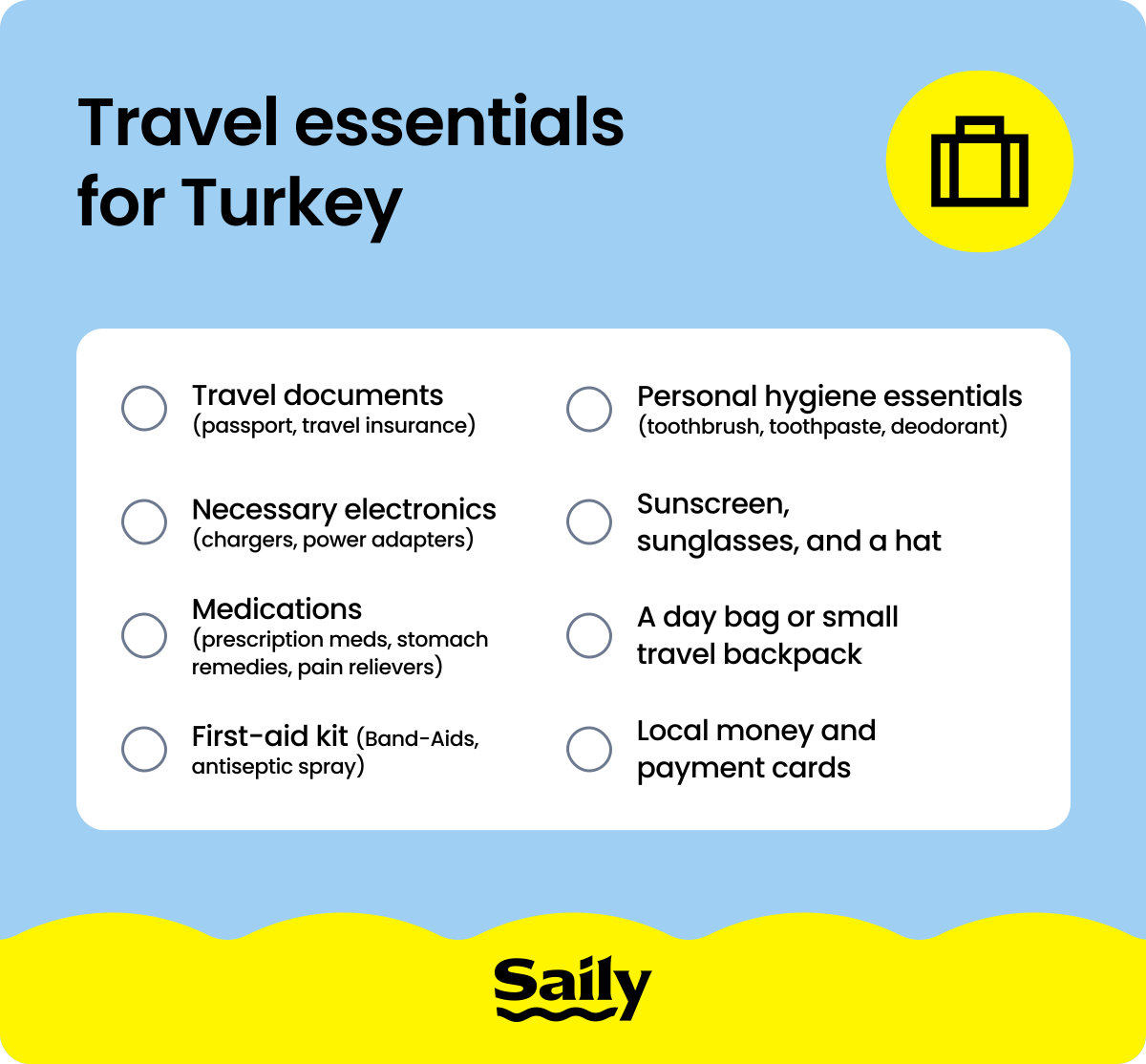
Pack these essentials before you travel:
Travel documents. Pack your valid passport, travel insurance documents, and flight and accommodation confirmations in an easy-to-reach folder. For a broader pre-trip prep list, check our international travel checklist before you start packing.
Necessary electronics. Pack your phone, charger, power bank, headphones, travel adapter, and other devices you use every day. For more details, see the Tech and connectivity section.
Medications and a basic first-aid kit. Pack your regular prescriptions, pain relievers, adhesive bandages, and stomach remedies.
Personal hygiene essentials. Turkish stores stock many international brands, but packing your usual toiletries can save time. Bring your toothbrush, toothpaste, deodorant, and preferred skincare products.
Sun protection. Bring sunscreen, sunglasses, and a hat, especially if you’ll spend time on the coast, visit open-air attractions, or travel during the warmer months.
A day bag or a small backpack. Use it for daily sightseeing, water, snacks, souvenirs, and documents you need during the day.
Local money and payment cards. Bring a payment card that works internationally and some Turkish lira for smaller shops, markets, tips, and places that don’t accept cards.
Pro tip💡You’ll need reliable internet in Turkey so you can check maps, use translation apps, and pull up booking confirmations on the go. An eSIM for Turkey can help you get online without buying a local SIM card after arrival. Install and activate your eSIM before you enter Turkey because access to some eSIM websites and apps is restricted inside the country.
These basics cover you whether you’re packing for a weekend trip or a longer stay. Before choosing what to pack for Turkey in each season, it helps to understand local dress customs. Dress expectations vary by region, setting, and activity, so a little planning can help you travel respectfully and feel more comfortable.
What should you wear in Turkey?
Turkey is a secular, predominantly Muslim country. Turkish women and men wear a wide range of styles, from Western-style clothing, such as crop tops and short dresses, to modest attire, such as loose trousers and long-sleeved tops. In most situations, tourists can wear their usual clothes, but dressing with cultural sensitivity is always appreciated.
What’s appropriate depends on where you are. Istanbul and major tourist areas are usually relaxed, so shorts, sundresses, T-shirts, and casual summer clothes are common in warm weather. Smaller towns and eastern regions tend to be more conservative, so clothes that cover the knees and shoulders can help you stand out less as a tourist.
Beach resorts have the most relaxed dress codes. You can wear the casual clothing you’d expect in other parts of Europe, including swimwear at the beach, pool, or boat deck. Avoid wearing swimwear in town centers, restaurants, and religious spaces.
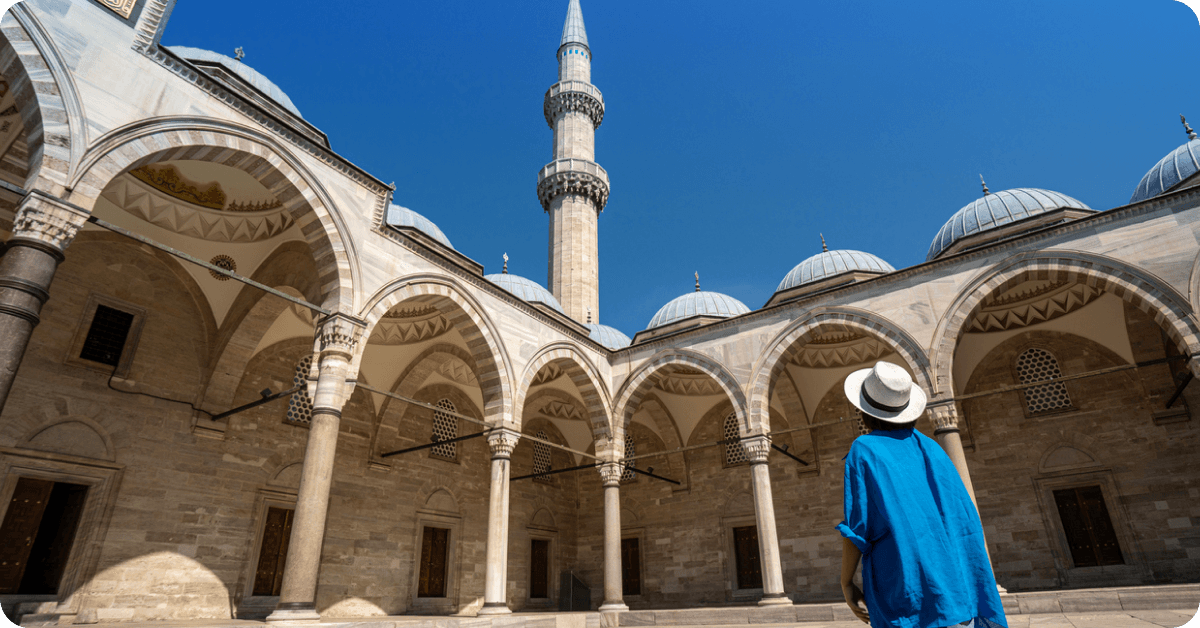
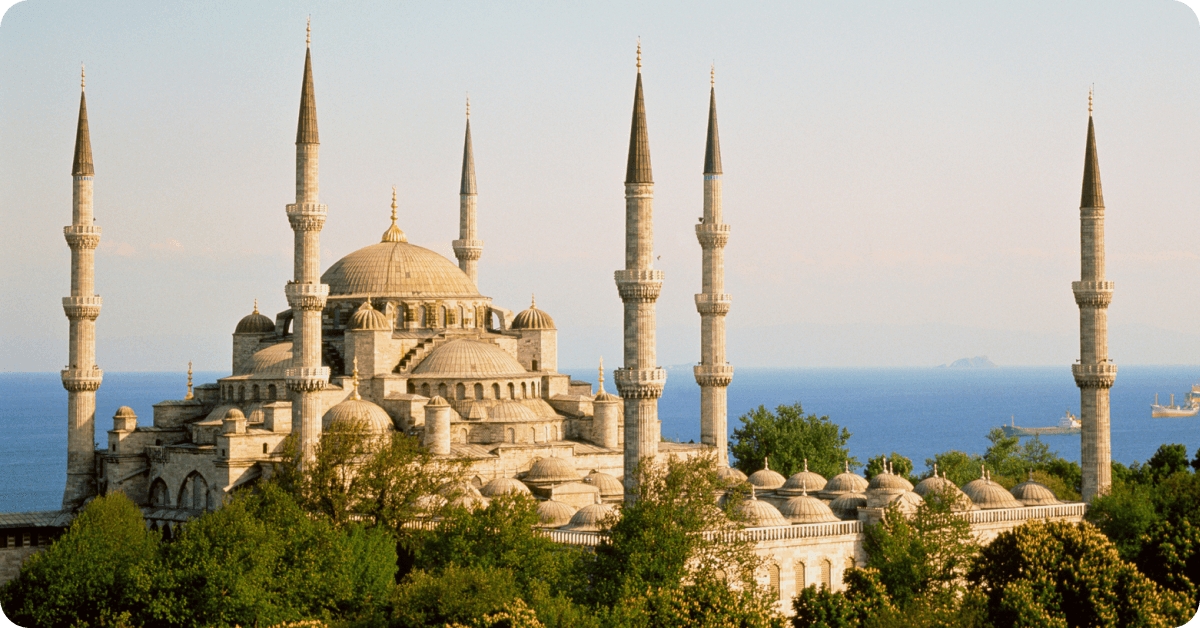
At mosques and other religious sites, women should cover their hair, shoulders, and knees, while men should wear long pants and shirts with sleeves. Slip-on shoes are the practical choice for footwear because you’ll need to remove them before entering mosques.
Pro tip💡If you’re still planning your route, check if it’s safe to travel to Turkey before you book transport, tours, or longer stays.
Turkey packing lists by season
Turkey’s climate varies significantly by region, so packing challenges change depending on where you’re headed. Coastal areas along the Mediterranean and Aegean seas experience hot, dry summers and mild, rainy winters, while the interior Anatolian plateau has a continental climate with hot summers and cold winters.
Your packing strategy needs to account for these regional variations, plus seasonal temperature swings that can range from freezing winters in places like Cappadocia to scorching 104 °F (40 °C) summers in southern regions.
Spring (March-May) packing list for Turkey
Spring in Turkey can be wildly unpredictable. One day you’re enjoying mild 59 °F (15 °C) sunshine, the next you’re caught in an unexpected downpour with temperatures dropping to single digits Celsius (around 32 °F).
In spring, expect significant regional variations across Turkey.
Region (key destinations)📍 | March 🌦️ | April ⛅ | May ☀️ |
|---|
Western Turkey (Istanbul, Troy) | 48-59 °F (9-15 °C), moderate rainfall with frequent overcast days | 52-64 °F (11-18 °C), moderate rainfall with more sunshine | 59-75 °F (15-24 °C), decreasing rainfall, longer sunny days |
|---|
Central Turkey (Cappadocia, Ankara) | 32-55 °F (0-13 °C), cold nights with possible frost, light snow or rain | 41-63 °F (5-17 °C), dry conditions with large day-night temperature swings | 50-72 °F (10-22 °C), warm days with cool nights, minimal precipitation |
|---|
Mediterranean coast (Antalya, Fethiye, Kas, Marmaris) | 54-66 °F (12-19 °C), mild and humid | 59-72 °F (15-22 °C), warm temperatures with occasional showers | 64-77 °F (18-25 °C), consistently warm with low rainfall |
|---|
Aegean coast (Bodrum, Pamukkale, Ephesus/Selçuk area) | 46-61 °F (8-16 °C), frequent showers, windy conditions | 54-66 °F (12-19 °C), mild temperatures with intermittent rainfall | 61-73 °F (16-23 °C), warm and increasingly dry |
|---|
Black Sea coast (Trabzon, Samsun) | 47-48 °F (8-9 °C), wettest month with substantial rainfall and overcast conditions | 45-61 °F (7-16 °C), cool and wet with frequent showers and cloudy skies | 50-65 °F (10-18 °C), still cool and wet with persistent cloud cover |
|---|
Eastern Turkey (Erzurum, Van, Kars) | 19-43 °F (-7 to 6 °C), very cold with overcast skies, snow common | 28-52 °F (-2 to 11 °C), cold and breezy conditions with possible snow | 39-62 °F (4-17 °C), refreshing temperatures but still cool nights |
|---|
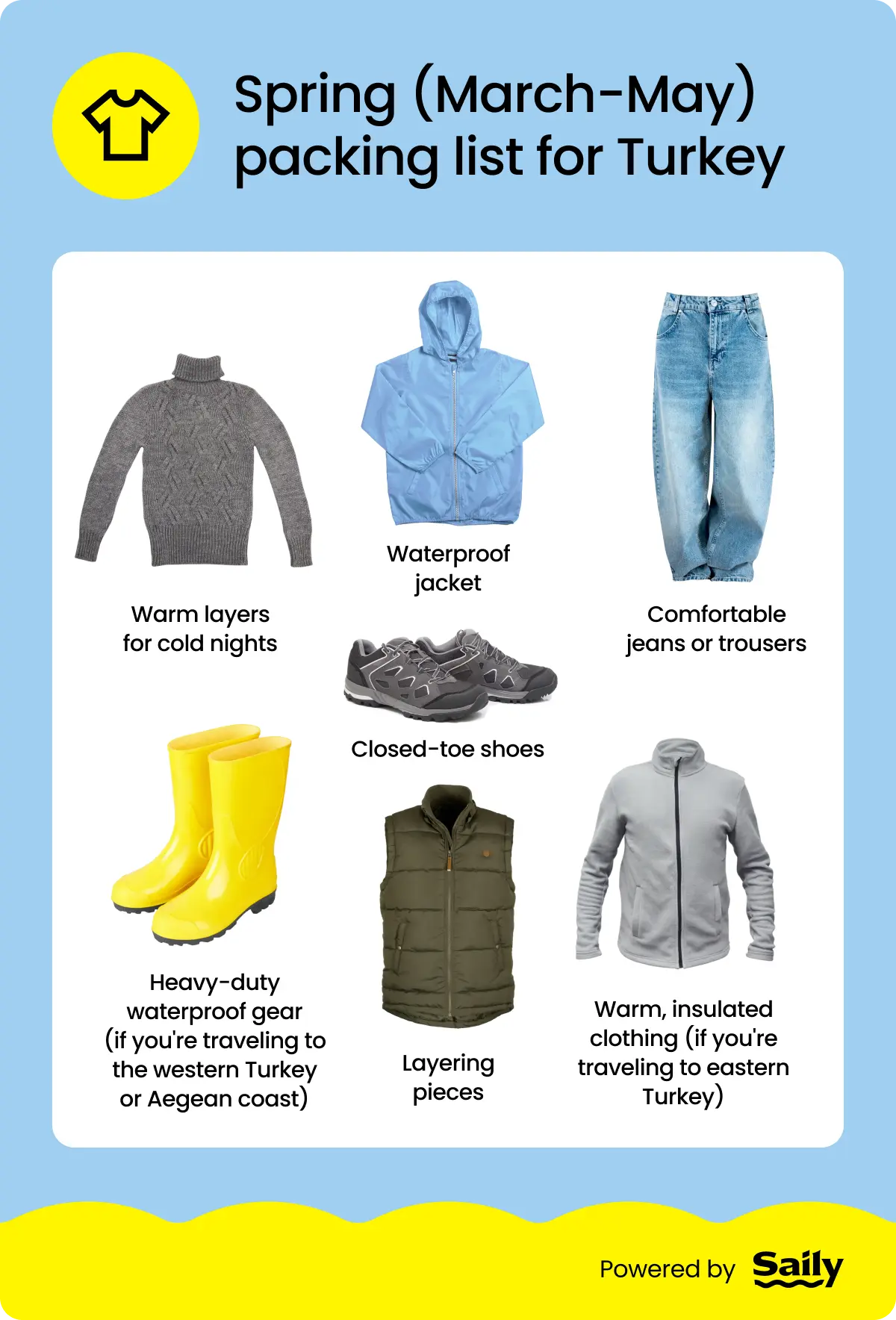
If you’re traveling to Turkey in spring, make sure to pack these must-haves:
Layers. Bring light sweaters, cardigans, and long-sleeve shirts you can easily add or remove throughout the day.
A waterproof jacket. Pack a lightweight rain jacket for March and April showers.
Comfortable jeans or trousers. Choose stretch fabrics and avoid heavy denim that takes a long time to dry.
Closed-toe shoes. Waterproof walking shoes or boots can handle wet cobblestones and uneven paths through ancient ruins.
Warm layers for central Turkey. Pack a fleece or thick sweater because March nights can drop to freezing, especially in Cappadocia.
Insulated clothing for eastern Turkey. Pack a heavy jacket, warm boots, and cold-weather accessories because snow can still occur in spring, especially at higher elevations.
Summer (June-August) packing list for Turkey
Summer in Turkey is hot and sunny. In many areas, temperatures reach the high 80s to low 90s °F (around 30-35 °C), and the sun can be intense.
In summer, expect hot, dry conditions across much of Turkey, with regional differences in humidity and nighttime temperatures.
Region (key destinations)📍 | June ☀️ | July 🌡️ | August ☀️ |
|---|
Western Turkey (Istanbul, Troy) | 63-79 °F (17-26 °C), long sunny days with minimal rainfall | 68-86 °F (20-30 °C), hot and dry conditions, intense sun | 70-88 °F (21-31 °C), hottest month with very low humidity |
|---|
Central Turkey (Cappadocia, Ankara) | 59-81 °F (15-27 °C), warm days with cooler evenings, dry conditions | 64-88 °F (18-31 °C), hot days with significant day-night temperature differences | 66-90 °F (19-32 °C), peak heat with cool nights, minimal precipitation |
|---|
Mediterranean coast (Antalya, Fethiye, Kas, Marmaris) | 80-90 °F (27-32 °C), possible heatwaves | 82-95 °F (28-35 °C), intense heat and humidity, high water temperatures | 81-93 °F (27-34 °C), driest month with scorching temperatures |
|---|
Aegean coast (Bodrum, Pamukkale, Ephesus/Selçuk area) | 75-85 °F (24-29 °C), hot and dry | 79-90 °F (26-32 °C), peak tourist season with intense heat | 78-88 °F (26-31 °C), consistently hot with minimal rainfall |
|---|
Black Sea coast (Trabzon, Samsun) | 63-73 °F (17-23 °C), warm temperatures with high humidity and occasional rainfall | 68-77 °F (20-25 °C), warmest period with muggy conditions | 70-83 °F (21-28 °C), high humidity |
|---|
Eastern Turkey (Erzurum, Van, Kars) | 48-70 °F (9-21 °C), pleasant days but cool nights, dry conditions | 54-75 °F (12-24 °C), warm days with cool evenings | 55-83 °F (13-28 °C), warmest month with average highs but cool nights |
|---|
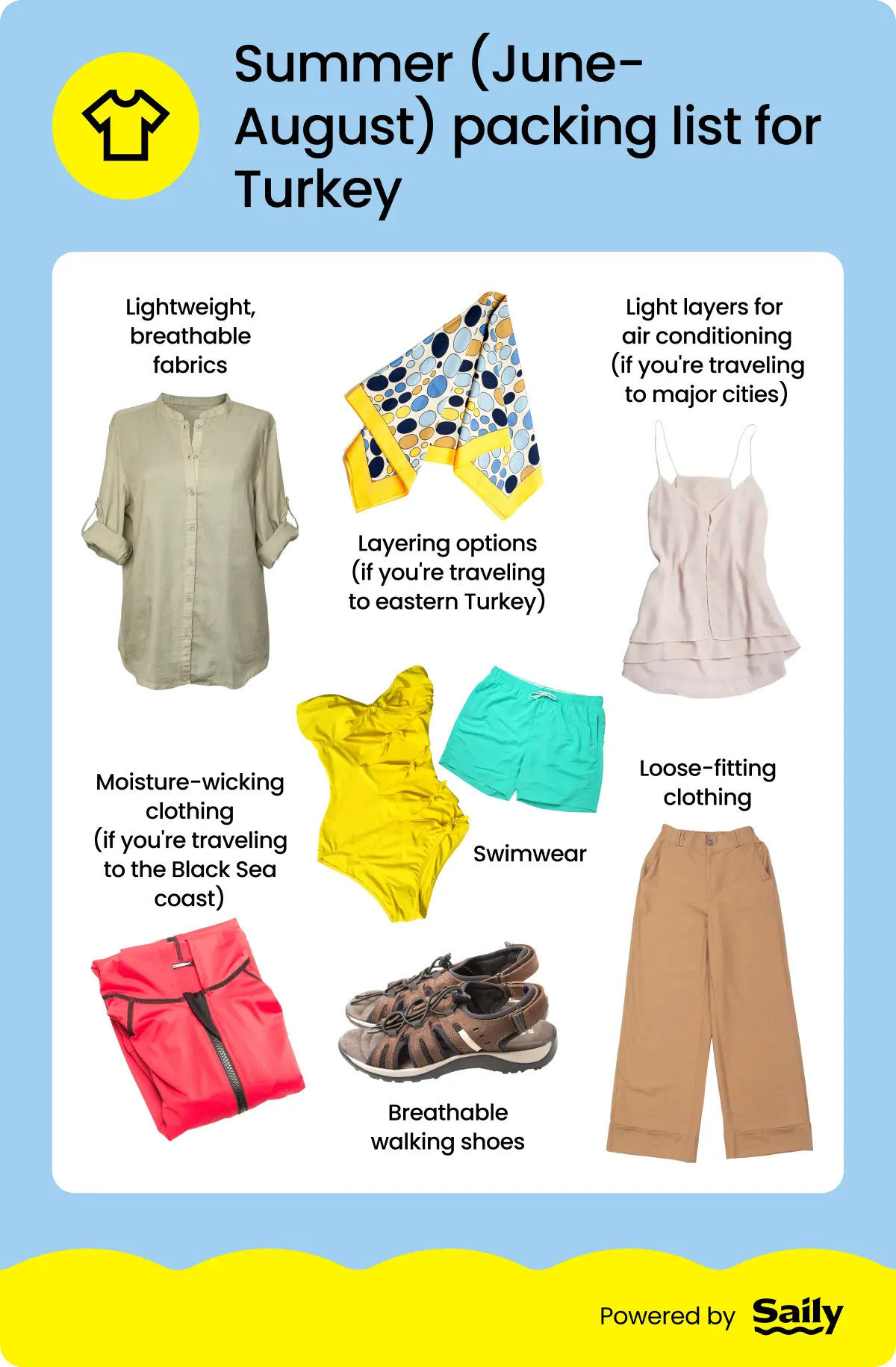
Your Turkey packing list for summer should include:
Lightweight, breathable fabrics. Cotton and linen keep you cooler than most synthetics in intense heat.
Loose-fitting clothing. Flowy dresses, loose linen shirts, and relaxed trousers can feel more comfortable than tight clothes that trap heat.
Breathable footwear. Comfortable sandals or walking shoes with good support work well for hot pavement, city walks, and ancient ruins.
Swimwear. Pack at least two sets for coastal trips, so one can dry while you wear the other. Sea temperatures can range from 77-86 °F (25-30 °C), with the Mediterranean coast usually warmer than the Aegean.
Light layers for major cities. Indoor spaces can be heavily air-conditioned, so a long-sleeved shirt or cardigan can soften sharp temperature changes.
Moisture-wicking clothing if you’re traveling to the Black Sea coast. Pack quick-drying fabrics and extra clothes for humid conditions.
Light layers if you’re traveling to eastern Turkey. Even in summer, nights can be cool, with temperatures dropping to the 50s °F (10-15 °C) in some areas. Pack a light sweater or jacket.
Fall (September-November) packing list for Turkey
Fall might be the best time to visit Turkey. The crushing summer heat fades, tourist crowds thin out, and you get that perfect mix of warm days and crisp evenings. Fall weather still changes fast, so plan for both.
In fall, expect pleasant temperatures with more rainfall as the season progresses.
Region (key destinations)📍 | September 🍂 | October 🌦️ | November ❄️ |
|---|
Western Turkey (Istanbul, Troy) | 70-80 °F (21-27 °C), warm and sunny with minimal rainfall | 57-70 °F (14-21 °C), cooler temperatures with increased rainfall averages | 45-57 °F (7-14 °C), cool weather with frequent rain |
|---|
Central Turkey (Cappadocia, Ankara) | 60-77 °F (16-25 °C), pleasant days with cooler evenings, dry conditions | 45-72 °F (7-22 °C), cool but pleasant weather | 35-55 °F (2-13 °C), cold mornings and evenings, occasional frost |
|---|
Mediterranean coast (Antalya, Fethiye, Kas, Marmaris) | 75-85 °F (24-29 °C), still warm with pleasant, mild weather | 66-77 °F (19-25 °C), pleasantly warm temperatures, decreasing rainfall | 55-68 °F (13-20 °C), mild temperatures with moderate rainfall |
|---|
Aegean coast (Bodrum, Pamukkale, Ephesus/Selçuk area) | 72-82 °F (22-28 °C), warm, sunny conditions with little rainfall | 63-75 °F (17-24 °C), pleasant temperatures with occasional showers | 52-64 °F (11-18 °C), cooler with increased precipitation |
|---|
Black Sea coast (Trabzon, Samsun) | 64-75 °F (18-24 °C), warm but with increasing clouds and frequent rain | 57-68 °F (14-20 °C), pleasant but wet conditions with heavy rainfall | 45-59 °F (7-15 °C), cool and very wet with substantial rainfall |
|---|
Eastern Turkey (Erzurum, Van, Kars) | 55-76 °F (13-24 °C), warm days but cooler nights | 32-65 °F (0-18 °C), mild days but cold nights on the plateau | 23-45 °F (-5 to 7 °C), significantly colder with temperatures dropping near freezing |
|---|
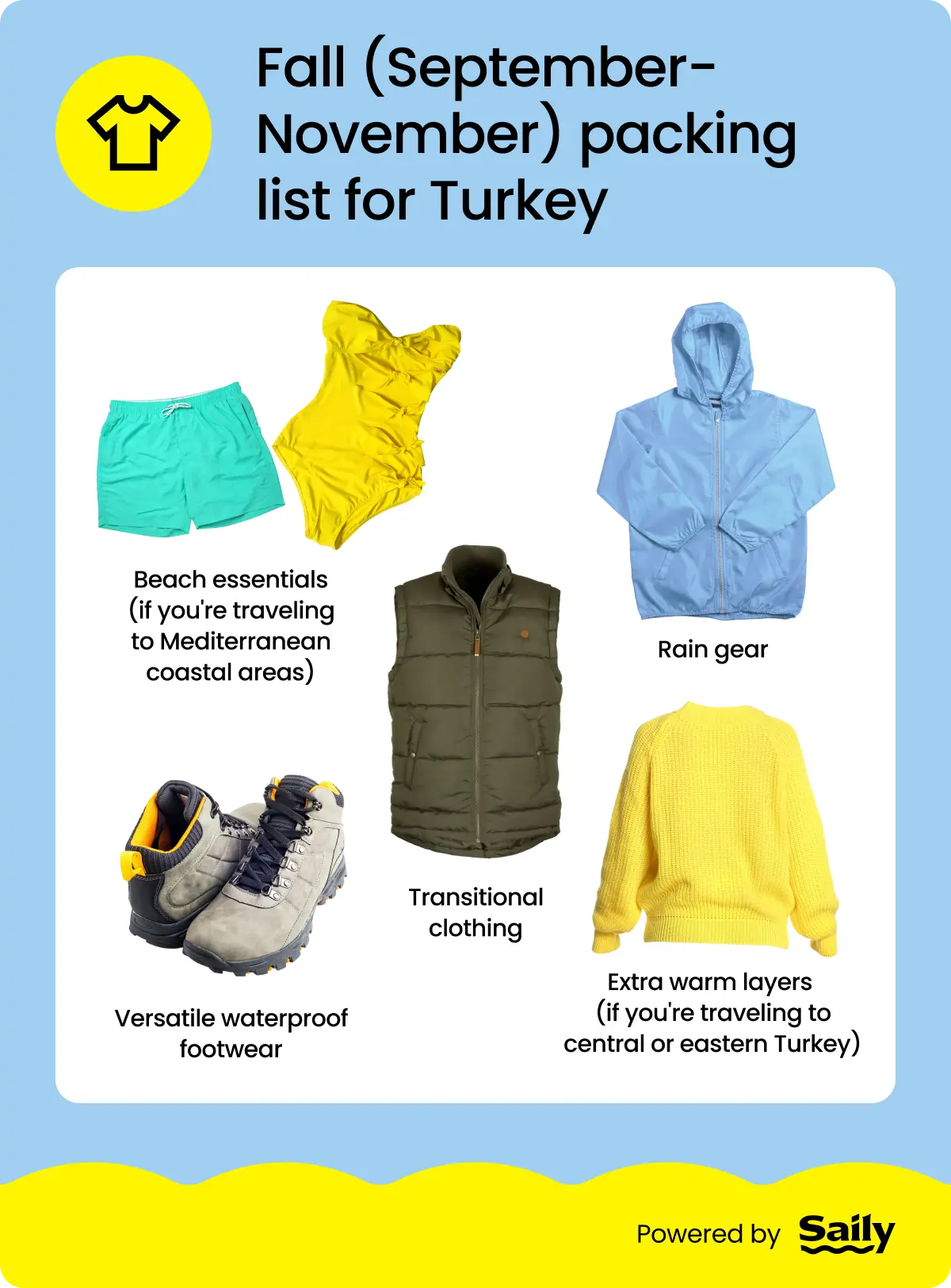
Your Turkey packing list for September, October, and November should include:
Transitional clothing. Pack clothes that work for warm afternoons and cool mornings.
Rain protection. October and November can bring frequent showers, so pack a waterproof jacket or compact umbrella.
Waterproof footwear. Choose shoes that can handle wet streets, rural paths, and uneven surfaces.
Extra warm layers if you’re traveling to central or eastern Turkey. In Cappadocia, November nights can drop to about 35 °F (2 °C). Eastern regions like Erzurum can see lows around 23 °F (−5 °C), so pack fleece or wool layers.
Beach items if you’re traveling to Mediterranean coastal areas. September and early October can still bring beach weather, so pack swimwear, sandals, sunglasses, and sunscreen.
Winter (December-February) packing list for Turkey
Winter in Turkey varies by region. Istanbul gets cold and wet, Cappadocia can see snow, and the eastern regions turn into winter wonderlands.
In winter, expect cold temperatures with more rain, snow, or both, depending on the region.
Region (key destinations)📍 | December ❄️ | January 🌨️ | February 🌦️ |
|---|
Western Turkey (Istanbul, Troy) | 42-51 °F (5-11 °C), cool and damp with occasional snowfall | 39-48 °F (4-9 °C), coldest month with frequent rain and possible snow | 38-50 °F (3-10 °C), cloudy, wet conditions |
|---|
Central Turkey (Cappadocia, Ankara) | 23-39 °F (-5 to 4 °C), freezing temperatures, snow-dusted valleys | 23-39 °F (-5 to 4 °C), coldest and wettest month | 25-41 °F (-4 to 5 °C), snow and frost are common |
|---|
Mediterranean coast (Antalya, Fethiye, Kas, Marmaris) | 45-57 °F (7-14 °C), mild compared to other regions but still cool and wet | 41-54 °F (5-12 °C), cool temperatures with increased rainfall | 43-57 °F (6-14 °C), milder conditions returning with moderate precipitation |
|---|
Aegean coast (Bodrum, Pamukkale, Ephesus/Selçuk area) | 43-55 °F (6-13 °C), cool with frequent rainfall and occasional frost | 39-52 °F (4-11 °C), cold with wet conditions | 41-55 °F (5-13 °C), cool temperatures with continuing precipitation |
|---|
Black Sea coast (Trabzon, Samsun) | 41-52 °F (5-11 °C), cool and wet with moderate precipitation and cloudy conditions | 36-46 °F (2-8 °C), coolest month with high humidity and frequent rain | 36-50 °F (2-10 °C), cold temperatures with moderate monthly precipitation |
|---|
Eastern Turkey (Erzurum, Van, Kars) | 13-32 °F (-10 to 0 °C), freezing cold and breezy conditions | 13-33 °F (-10 to 0 °C), coldest month | 15-35 °F (-9 to 2 °C), severe cold with snow, ice, and freezing winds |
|---|
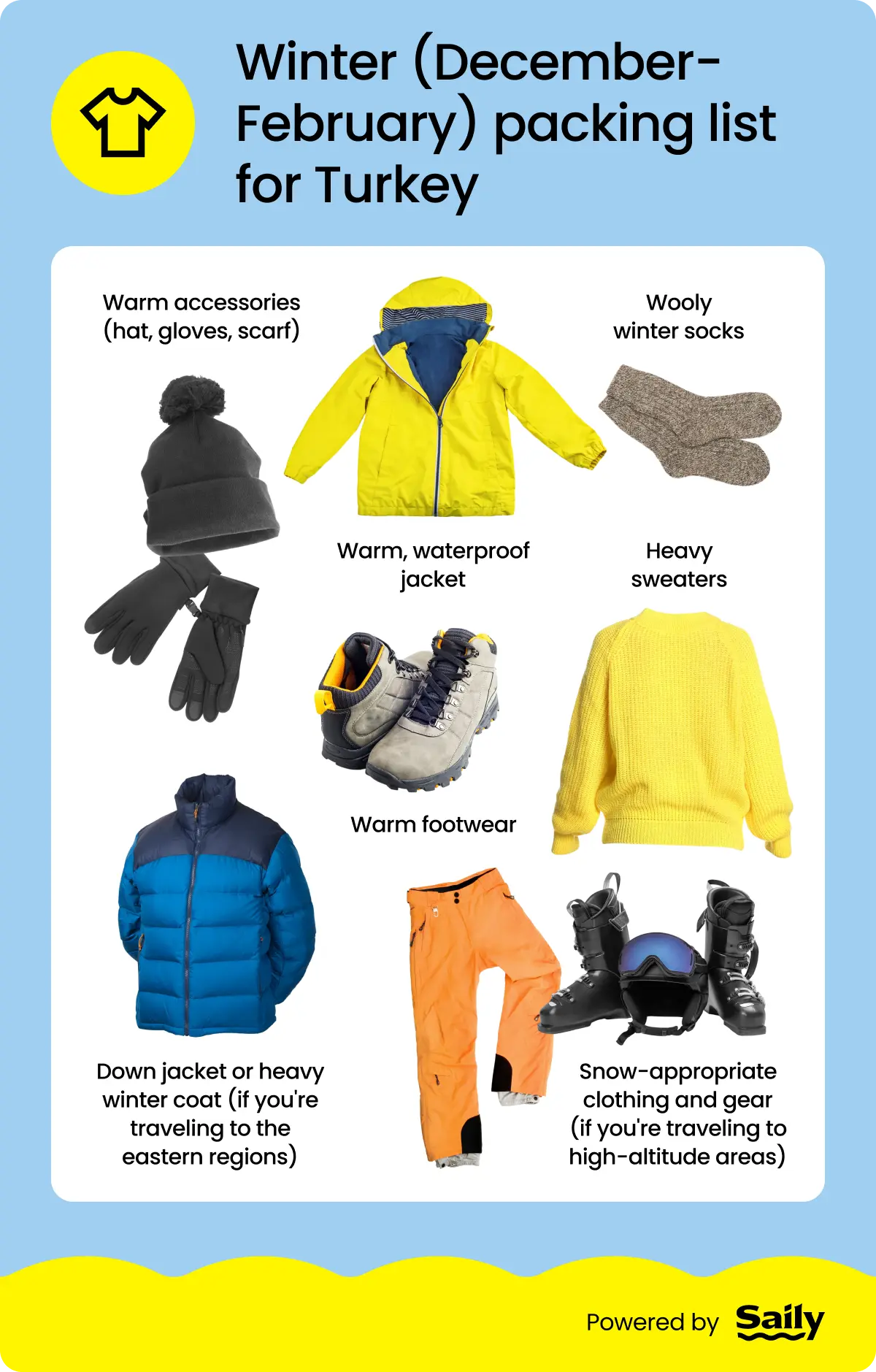
If you’re traveling to Turkey in winter, make sure to pack these essentials:
A warm, waterproof jacket. Choose one for rain, snow, and chilly coastal gusts.
Waterproof boots. Good traction helps you keep your footing on wet streets, icy patches, and snowy paths.
Warm accessories. Bring a hat, gloves, and a scarf to cover exposed skin.
Heavy sweaters. Pack warm sweaters you can layer under your coat.
Warm socks and extra layers. Pack multiple pairs of warm socks and backup clothing because winter conditions can be harsh, and laundry takes longer to dry.
A heavy winter coat for eastern Turkey. Cities like Erzurum and Kars can get very cold, so pack a well-insulated, windproof coat.
Snow-ready clothing for high-altitude areas. Pack snow boots, thermal underwear, and waterproof outer layers if you’ll visit Van, Kars, Erzurum, or nearby mountain areas.
Turkey packing tips based on trip length
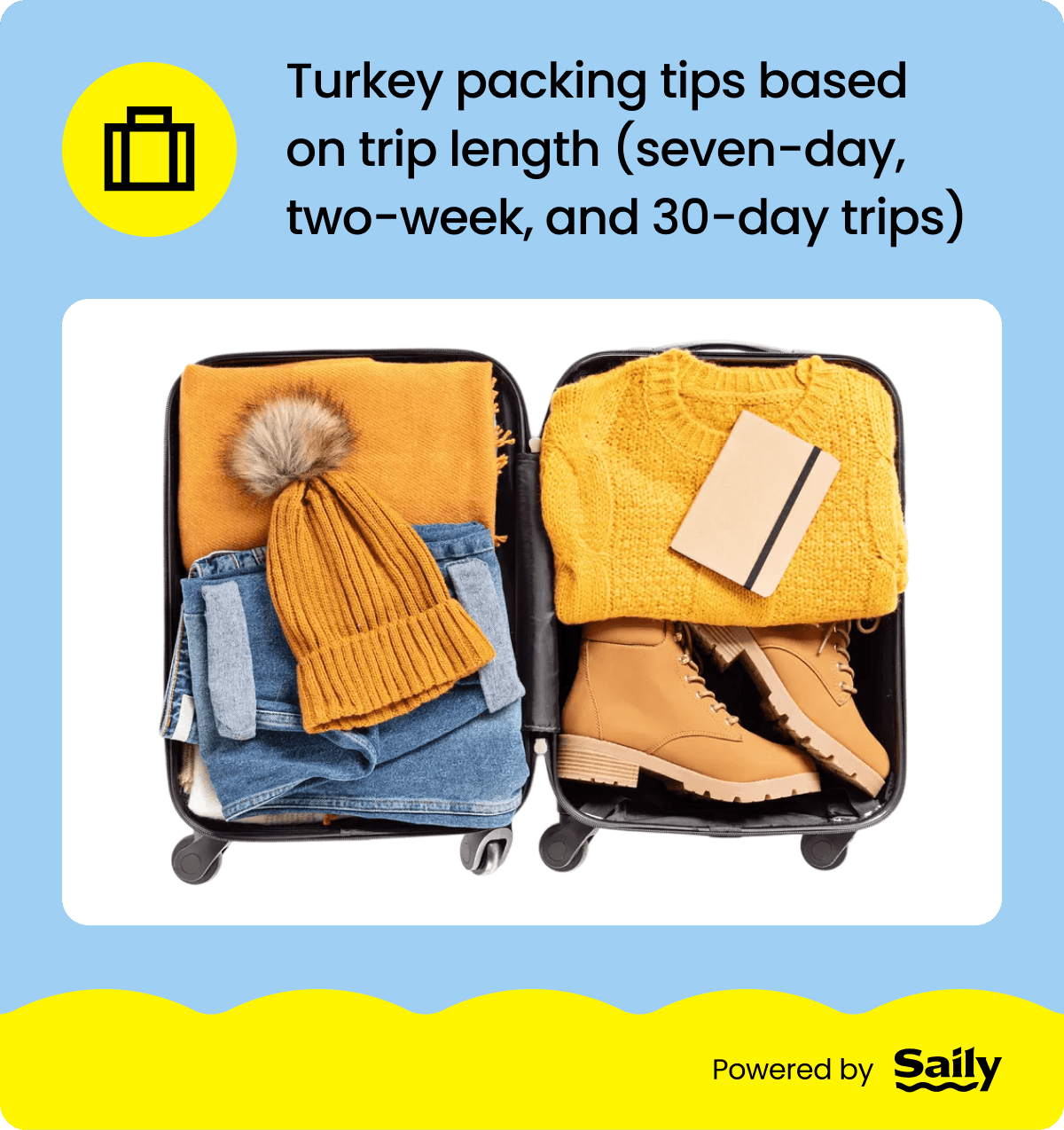
The length of your Turkey adventure affects your packing strategy. Use these tips to adjust your luggage for different trip lengths.
How to pack for a seven-day trip to Turkey
For a seven-day trip to Turkey, pack clothes and travel items you’ll use more than once. Choose pieces that work for different plans, and leave suitcase space for snacks, souvenirs, or that scarf you didn’t plan to buy.
Packing tips for a seven-day trip:
Pack 7-8 pieces to mix and match. Bring enough clothes to create outfits for each day, plus one or two extras in case of rain, spills, or a messy kebab lunch. Choose pieces that work for different plans, such as trousers you can wear for sightseeing and dinner, or tops that layer well.
Include one or two dressy outfits. A modest dress, a neat shirt, or tailored trousers can work for both religious sites and nicer dinners.
Choose multi-purpose items. A scarf can serve to provide warmth, a coverup for mosque visits, and variety to outfit changes. A lightweight cardigan can keep you comfortable on chilly flights and provide coverage at religious sites.
Pack only the toiletries you’ll use. Full-sized shampoo, conditioner, or face cream can take up space, add weight, and leak in your bag. Use travel-sized containers, even if you’re checking luggage.
Pro tip💡Use packing cubes or compression bags to keep your clothes organized and save space. They also make it easier for you to find what you need without turning your suitcase into a laundry pile.
How to pack for a two-week trip to Turkey
A two-week trip to Turkey calls for more planning than a short getaway. You’ll likely cover more regions, weather, and activities, so bring clothes you can rewear, layer, and wash on the go.
Packing tips for a two-week trip:
Plan a laundry stop around the halfway mark if you can. Doing so will allow you to pack about one week’s worth of clothes, plus one extra outfit.
Pack 10-12 versatile core pieces. Build a small capsule wardrobe that works for your planned activities and the regions you’ll visit. Choose tops, bottoms, and layers that work in different combinations.
Prioritize layers. Turkey’s temperatures can swing dramatically from morning to night and between regions. Pack cardigans, light jackets, and long-sleeved shirts that you can add or remove throughout the day.
Pack a few comfort items for longer travel days. Bring a book for long bus rides, a travel pillow for flights, quality headphones, or an extra portable charger. You’ll likely have checked luggage, so you can spare a little space for comfort.
Bring basic laundry supplies. Pack travel-sized detergent and a waterproof dry sack so you can rinse out clothes in your hotel room between washes.
Pro tip💡Many Turkish hotels, hostels, and Airbnbs have washing machines available for guests, either free of charge or for a small fee. Ask about laundry facilities when you check in to avoid expensive hotel laundry services.
How to pack for a 30-day trip to Turkey
A month in Turkey means you’re staying long enough to live like a local rather than a tourist, so focus on essentials and plan to shop locally for the rest.
Packing tips for a 30-day trip:
Pack for one week, then add weather-specific extras. Bring seven core outfits for daily activities. Add warm layers for Cappadocia’s cool nights, lightweight pieces for Mediterranean beaches, and rain protection for the Black Sea coast.
Prioritize hard-to-replace personal items. Pack enough underwear and socks to last between laundry days. Bring hard-to-replace items, such as well-fitting bras, prescription glasses, or footwear you’ve already broken in.
Choose durable, versatile fabrics. Pick wrinkle-resistant and quick-drying fabrics that can handle frequent washing. Merino wool, lightweight cotton, and synthetic blends can work well for longer trips.
Pack only essential toiletries and medications. Bring the prescription medications and the toiletries you use every day. Turkish pharmacies stock many common products, but specific brands may not be available.
Reserve space for local finds. Leave room in your luggage for leather goods, clothing, jewelry, ceramics, or small tech accessories you may buy during your trip.
Don’t pack bulky items you can buy or rent locally. For a month-long stay, you can buy basic clothing and toiletries in Turkish shops. If you’re planning activities like diving, skiing, or hiking, renting gear may be easier than carrying it between cities.
Pro tip💡For longer stays, look for local laundromats, known as çamaşırhane. They often cost less than hotel laundry services. If you plan to shop during your trip, leave extra suitcase space or ship larger purchases home before departure.
Activity-specific packing tips
No two Turkey trips look the same. One day, you’re up before sunrise for a hot air balloon ride. The next, you’re walking through ancient ruins, swimming off a boat deck, or hiking a coastal trail. Every one of those days calls for different gear, so pack accordingly.
Pro tip💡Before you go, you may also want to read up on interesting facts about Turkey to better understand the culture, food, and places you’ll see.
Packing for a hot air balloon ride in Cappadocia
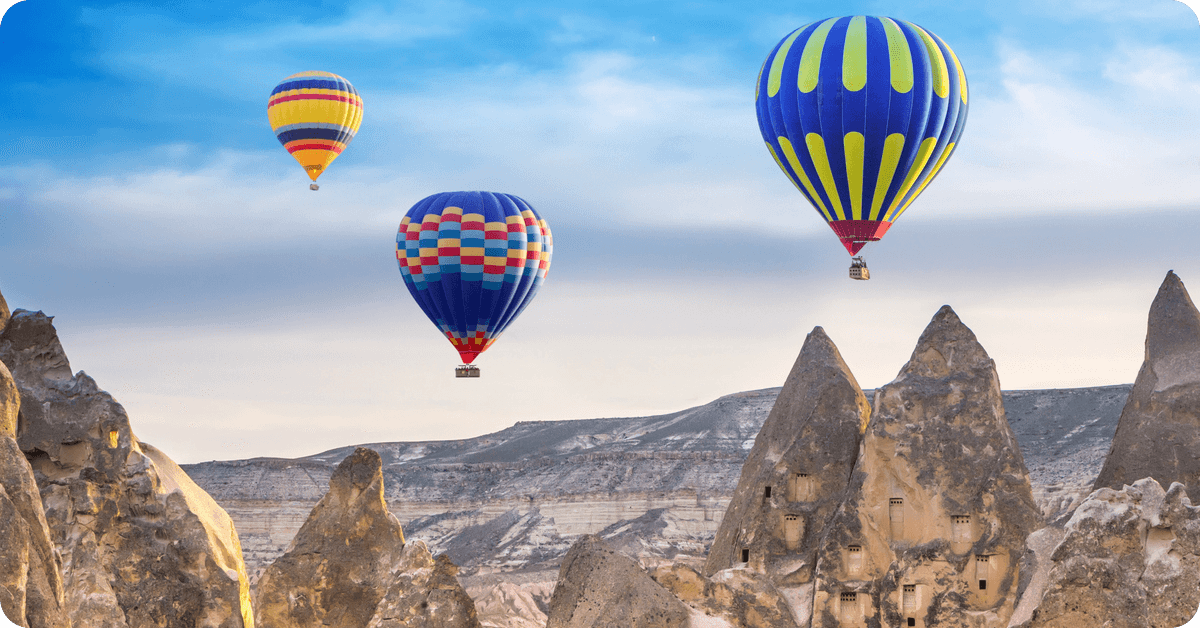
Hot air balloon rides over Cappadocia usually start before sunrise, and it can feel colder once you’re up in the air. Don’t dress for the afternoon forecast. Pack warm layers and keep your bag small because the basket space is limited.
Warm layers for dawn departures. Bring a fleece jacket and warm trousers because pre-dawn temperatures can be cold, even in summer.
A secure camera strap. Attach your phone or camera so you don’t drop it over the fairy chimneys.
A small crossbody bag. Keep your essentials close because balloon baskets have limited storage space.
Packing for visiting historical sites and ancient ruins in Turkey
Turkey is packed with historical sites, from the ancient city of Ephesus to the Hagia Sophia and the Mevlana Museum. Many involve long walks, uneven surfaces, limited shade, or a dress code, so pack with comfort and respect in mind.
Comfortable walking shoes with arch support. You may spend hours walking on marble floors or cobblestone paving.
Modest clothing for visiting religious sites. For specific tips, return to the What should you wear in Turkey? section.
Sun protection. Bring a wide-brimmed hat and sunglasses because many ruins offer little shade.
Packing for beach and coastal activities
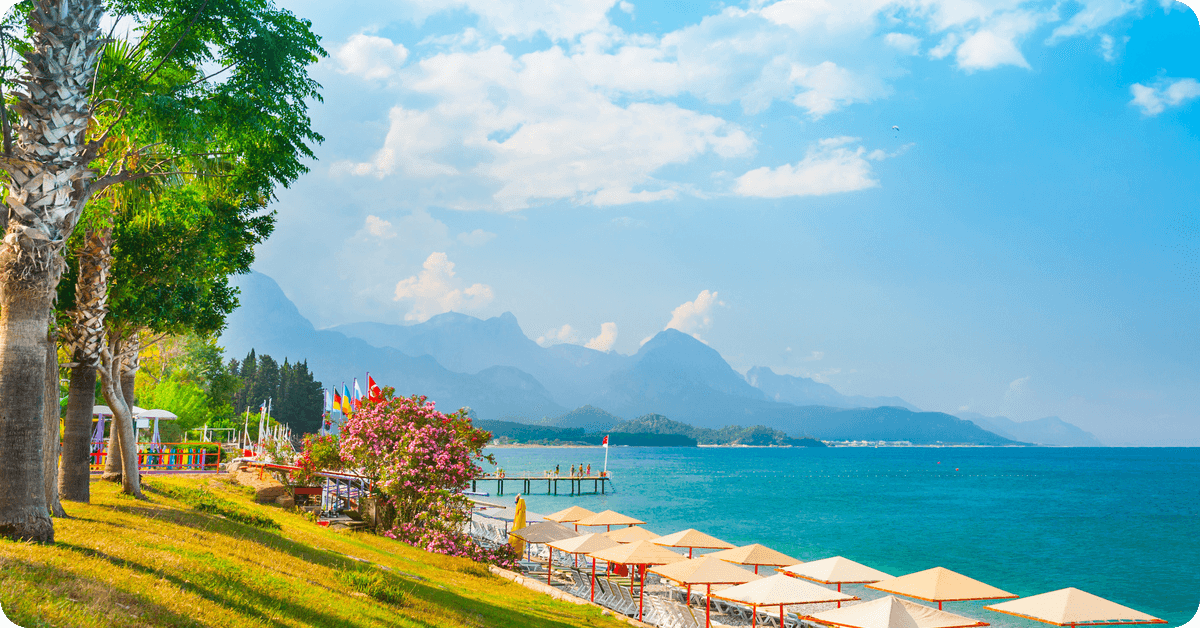
Turkey’s Mediterranean and Aegean coasts suit beach days, boat trips, swimming, and water sports. Pack for sun, salt water, and beaches that may be sandy, pebbly, or rocky. Make sure to include:
Swimwear and a lightweight cover-up. Pack at least two swimsuits so you have a dry option for longer beach stays. Choose a cover-up you can wear at the beach and for casual seaside meals.
Water shoes for rocky beaches. Many beaches in Turkey are pebbly or rocky, so water shoes can make swimming and walking along the shore more comfortable.
A waterproof phone case. Use one to protect your phone during boat trips, beach days, and water sports along the Mediterranean and Aegean coasts.
Packing for sports and outdoor activities
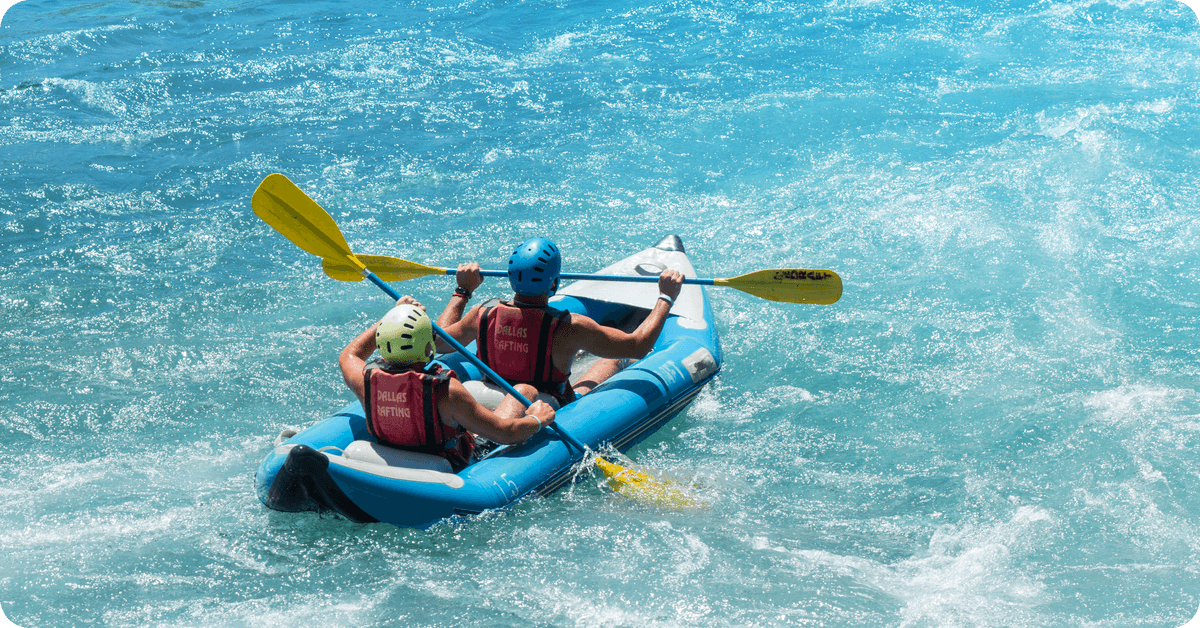
Turkey is a great place for outdoor activities, especially from May to October. Your trip might include paragliding, hiking, diving, or water sports, depending on the region and season. If you’re planning active days, pack light, practical gear.
Sturdy hiking boots. Supportive footwear is essential for Cappadocia’s valley trails and coastal routes, such as the Lycian Way.
Quick-dry activewear. Choose lightweight fabrics that dry faster than cotton after hikes, boat days, or water sports.
A hydration pack or a large water bottle. Hot weather and physical activity dehydrate you fast, so keep water within reach.
Pro tip💡You may also need activity-specific equipment. Rent bulky gear on-site when possible, such as diving equipment, helmets, or hiking poles, to keep your luggage manageable.
Packing for a Turkish bath experience
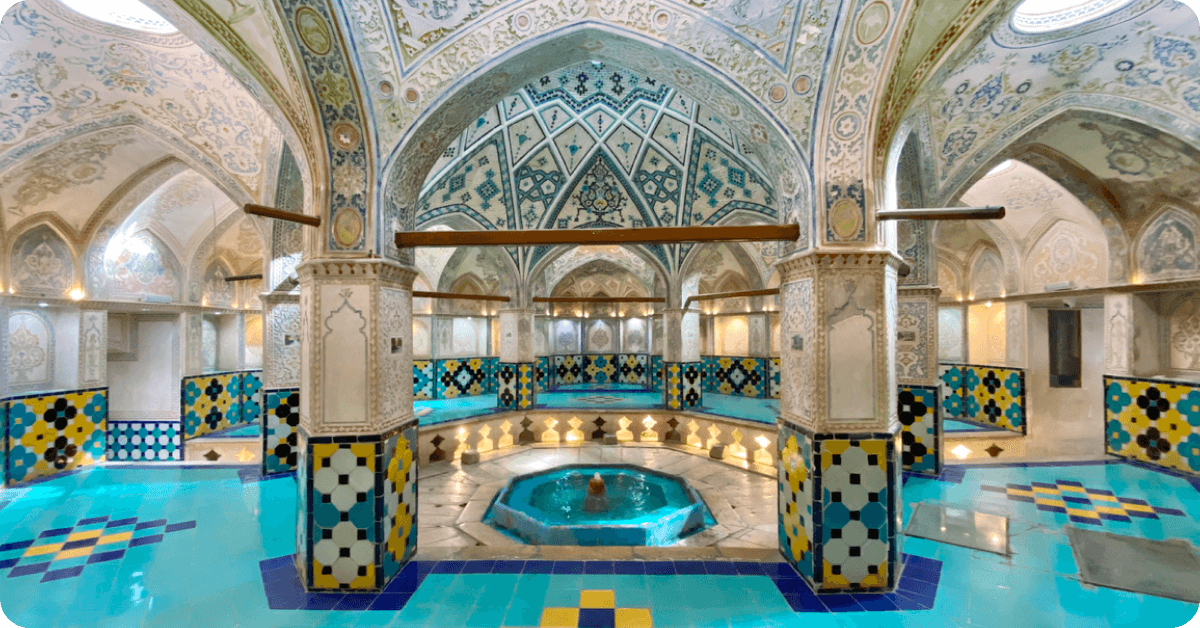
A traditional Turkish bath, or hammam, can be a memorable part of a Turkey trip. If you’re planning to visit one, your Turkey packing list should include:
Durable swimwear. Choose swimwear that can handle hammam scrubbing, a traditional deep-cleansing treatment with a rough mitt. Delicate fabrics won’t survive it.
Flip-flops or waterproof sandals. You’ll need footwear for wet floors.
Hair ties and minimal jewelry. Tie back long hair and keep jewelry to a minimum because you’ll need to take it off anyway.
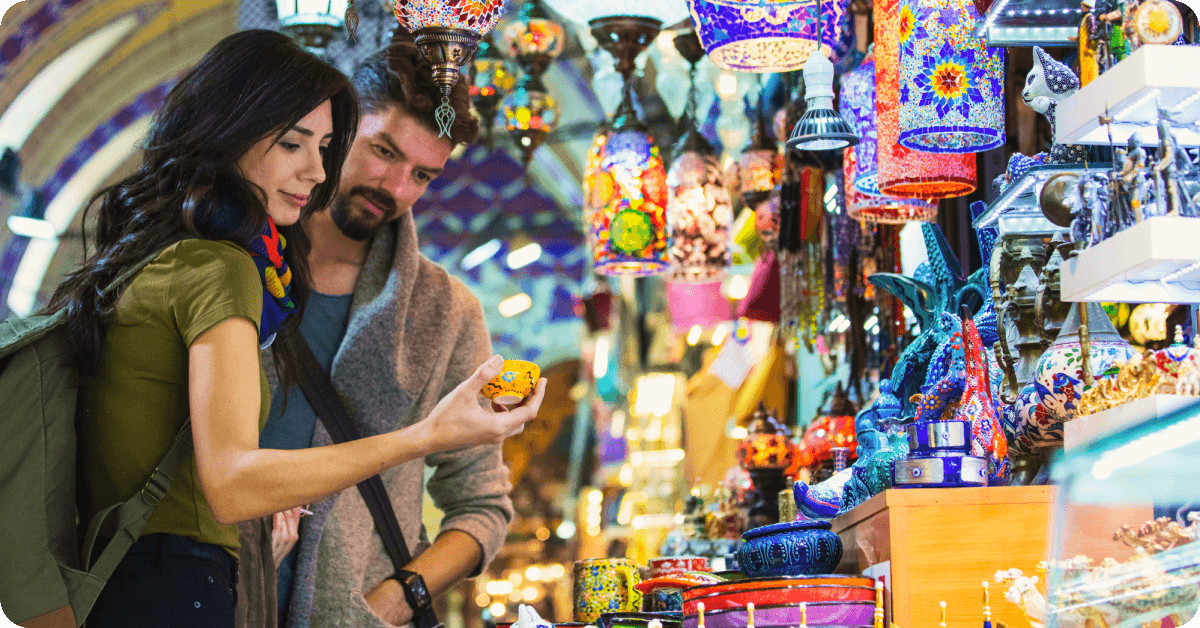
Cities like Istanbul offer world-class shopping at places like the Grand Bazaar. If you’re after some urban exploration and shopping, your Turkey holiday packing list should include:
A secure crossbody bag. Keep your valuables close in crowded markets, public transport, and tourist areas.
A portable phone charger. You’ll use your phone for maps, translation, photos, tickets, and payments, so don’t let it die halfway through the day.
An extra foldable bag. Pack a lightweight tote for market finds, souvenirs, and spices you’ll want to bring home.
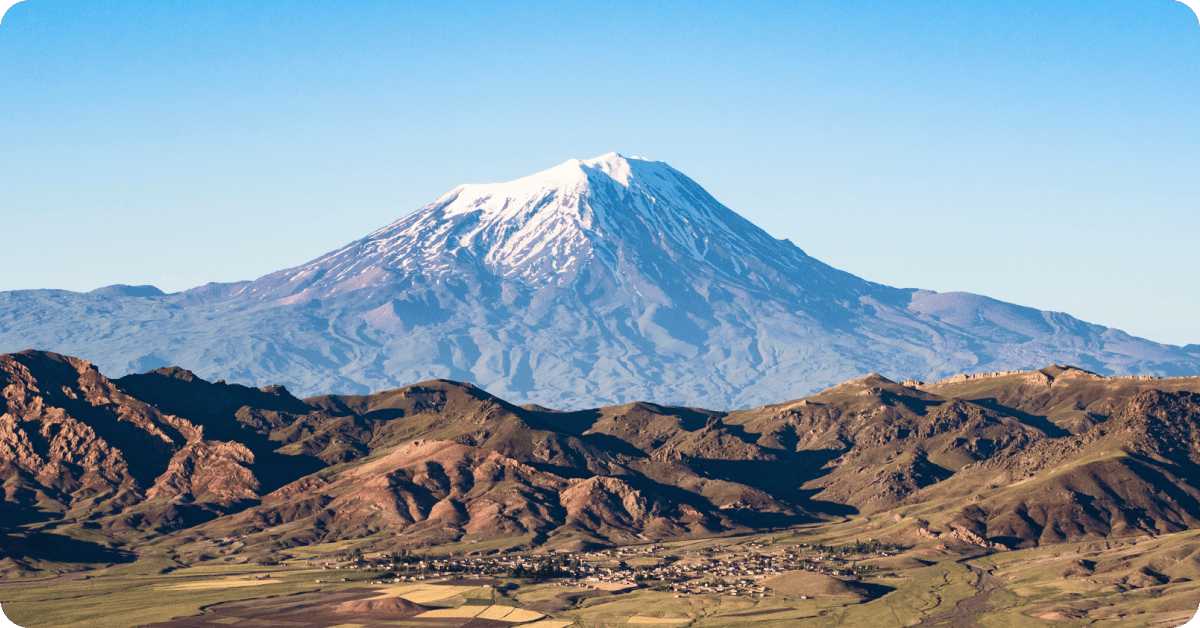
Packing for climbing Mount Ararat and other mountaineering opportunities
High-altitude climbs such as Mount Ararat need more planning than a regular hike. Flying with mountaineering gear can also get tricky, especially if you’re carrying sharp or bulky equipment.
Ice axes have to go in checked luggage, sheathed or securely wrapped. Crampons are also safer checked, since airline policies vary and some treat them as sharp objects. Harnesses and carabiners are usually fine either way. Turkish airports apply standard international rules for sharp items, but your airline has the final say, so confirm before you fly.
Renting gear locally can save luggage space and reduce airport hassle. Mount Ararat tour operators and rental companies in Doğubayazıt may offer equipment such as crampons, tents, boots, and technical clothing. Ask your operator what’s included before you pack or rent gear separately.
Safety note💡Mount Ararat is a serious high-altitude climb, not a casual day hike. You may need permits, a licensed guide, a plan for specific weather conditions, and proper acclimatization measures. Speak with experienced local operators and use dedicated mountaineering resources before attempting the climb. This Turkey packing guide covers general travel gear only, not full mountaineering planning.
Packing for hair transplantation surgery in Turkey
Turkey, especially Istanbul, is a popular destination for hair transplant procedures. If you searched Reddit for a Turkey hair transplant packing list and found conflicting advice, start with the basics — protect the grafts, stay comfortable, and follow your clinic’s instructions. Grafts are the newly transplanted hair follicles, so early aftercare matters.
Pack these hair transplant travel essentials:
Button-up or zip-up tops. Avoid pullovers because they can rub against the treated area when you dress or undress.
A neck pillow. A travel pillow can allow you to sleep with your head elevated and reduce pressure on your scalp after surgery.
Loose, comfortable clothing. Choose soft trousers, relaxed tops, and shoes you can put on without bending too much. After surgery, comfortable clothing helps you avoid unnecessary movement, pressure, and friction while you rest or travel back to your hotel.
Sunglasses and a loose hat, if your clinic allows them. Avoid tight caps and any headwear that touches the grafts until your clinic says it's safe.
Basic aftercare-friendly toiletries. You won’t need styling gels, hair sprays, harsh shampoos, or tight headwear for the early recovery period, and in fact, you’ll have to avoid them.
Pro tip💡Your clinic’s instructions matter most, so follow its aftercare plan over travel forum advice. Reddit is fine for hotel tips. Leave the scalp care rules to your surgeon.
Packing for a cruise in Turkey
A Turkey cruise packing list needs to work for time on board and shore excursions. Stops may include Istanbul, Kuşadası for Ephesus, Bodrum, Antalya, or smaller coastal towns.
Your cruise packing list for Turkey should include:
Comfortable walking shoes. Shore excursions can include cobblestone streets, ruins, stairs, and long guided walks.
A small day bag. Carry your cruise card, passport or passport copy, phone, sunscreen, water, and daytime medications for when you’re on land.
Sun protection. Pack sunscreen, sunglasses, and a hat because many ports and ruins offer limited shade.
Swimwear and a cover-up. Bring these for beach stops, hotel pools, gulet trips, or coastal excursions.
One smart-casual outfit. Most cruise lines have their own evening dress code, so check your ship’s rules before packing formalwear.
Tech and connectivity Turkey checklist
Your phone, chargers, and other travel tech can make Turkey easier to navigate. With the right phone setup and a charged power bank, you can pull up maps, translate signs, book rides, and show confirmations without your battery dying by lunchtime.
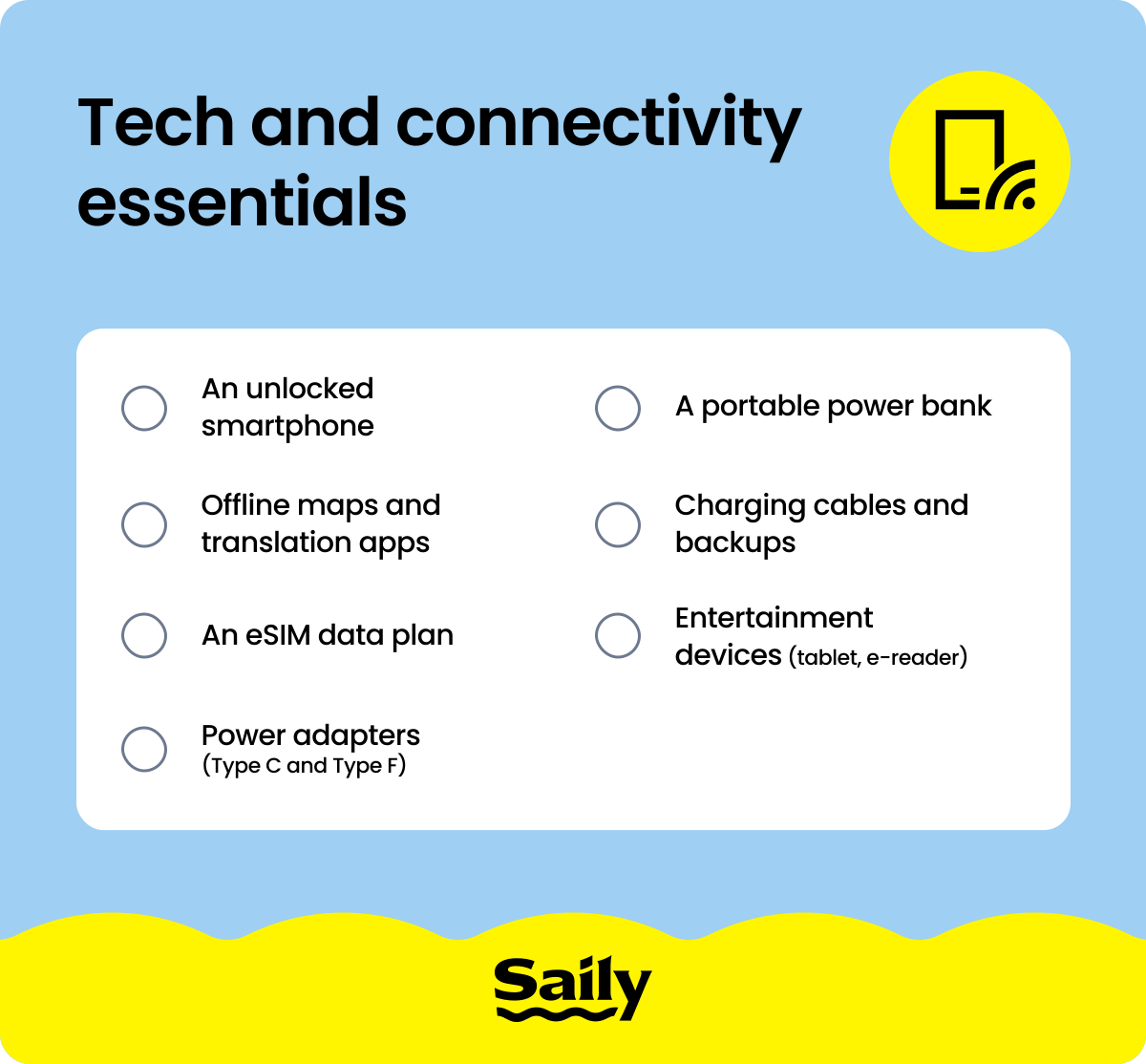
Tech travel essentials for Turkey include:
An unlocked smartphone. Make sure your phone works with SIM cards for Turkey or eSIM plans so you can choose the best connectivity option.
Offline maps and translation apps. Download Google Maps for offline use and Google Translate before traveling. Turkish can be challenging, and not all locals speak English. Also download essential travel apps like Istanbul’s public transport app (İBB Mobil) and a currency converter.
A power adapter. Turkey uses Type C and Type F outlets with 230 V power, so bring an adapter for European-style round pins.
A portable power bank. Pack a backup battery for long sightseeing days, boat trips, and bus rides.
Charging cables and backups. Bring spare USB-C, Lightning, or other charging cables you rely on.
Entertainment for long journeys. Load your phone, tablet, or e-reader with books, playlists, podcasts, or films before long bus rides between cities. Pack headphones, too.
An eSIM data plan. Set up an eSIM before your trip to avoid searching for mobile stores after landing.
A backup connectivity plan. If you can’t use an eSIM, consider a local SIM card, international roaming, hotel and café Wi-Fi, or pocket Wi-Fi for Turkey. Local SIM cards usually require passport registration. If you’re staying for more than 120 days and using a foreign phone on a Turkish mobile network, you may need to register the device and pay an IMEI fee.
Pro tip💡Buy, install, and activate your eSIM plan before arrival because the Turkey eSIM ban restricts access to several international eSIM providers’ websites and apps, including Saily. eSIM technology itself isn’t banned, but in-country purchases, app downloads, and top-ups may not work.
For a deeper look at mobile data, SIM cards, and fees, read our guide to roaming in Turkey.
What can’t you bring to Turkey?
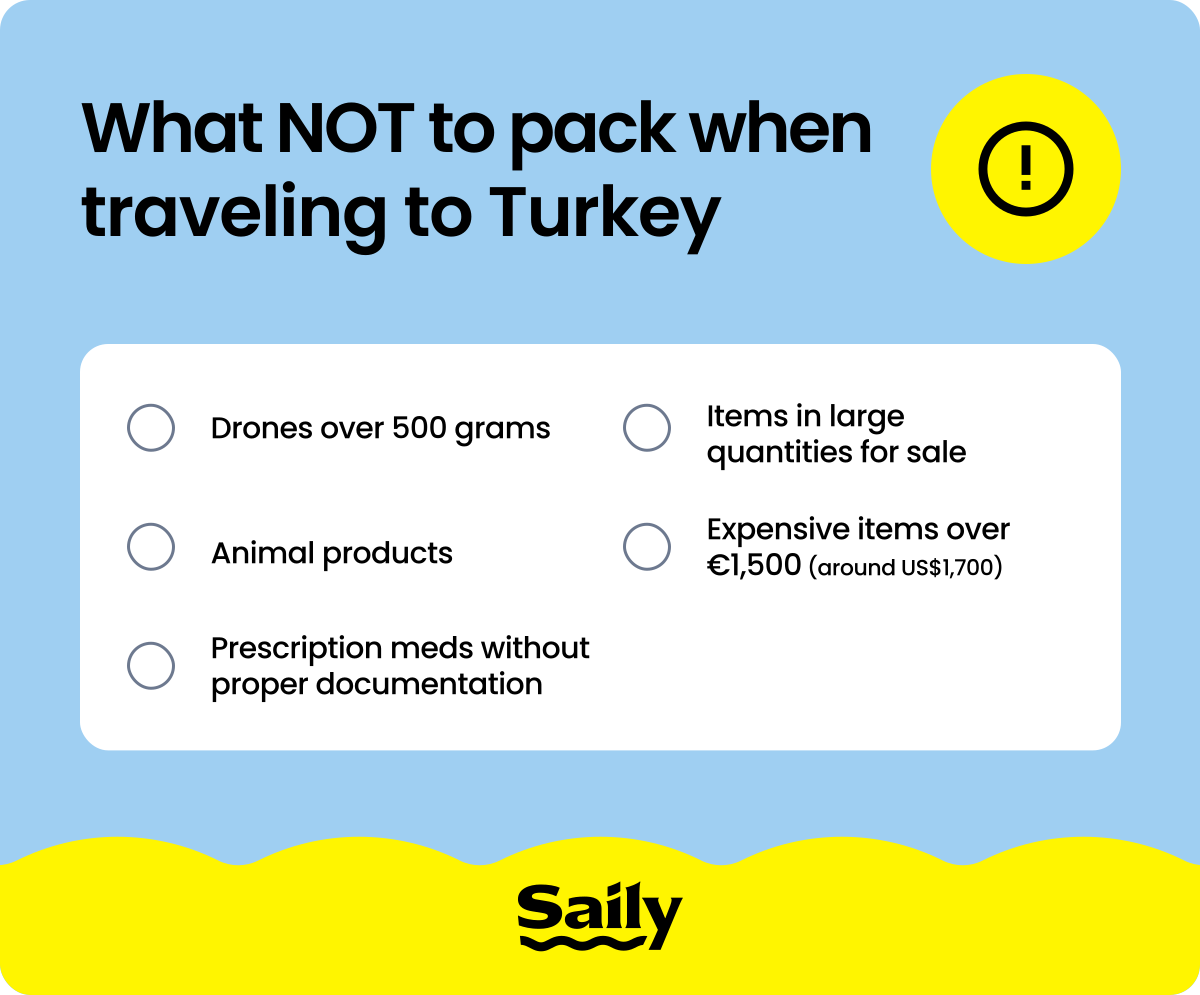
Turkey has customs rules that can affect your packing list. Drones, food, certain medications, expensive purchases, and anything that looks like resale stock can all raise questions at the border. Check the latest rules before you travel because customs policies can change.
Smart packing means knowing what to leave at home, what to declare, and what needs paperwork. Watch out for these restricted items:
Drones weighing 500 g (1.1 lb) or more. If your drone hits that weight, you may need to register it and get approval before flying it in Turkey.
Animal products and some food items. Turkey doesn’t allow animal-origin products through passenger or cargo entry. Plant-based food products also have limits, so keep snacks small and simple.
Prescription medications without proper documentation. Keep medication in its original packaging and bring a prescription or doctor’s note. Controlled medication needs extra care.
Large quantities of identical items. Several sealed phones, bulk beauty products, or stacks of identical clothing can look like resale stock — pack for personal use, not a pop-up shop.
High-value goods over €1,500 (around US$1,740). Valuable goods can trigger extra customs checks or duties, so declare them when required.
Weapons and self-defense items. Leave pepper spray, stun guns, and similar items at home unless you have legal approval.
Illegal drugs and controlled substances. Don’t bring recreational drugs or controlled substances without proper medical documentation.