


Vancouver 3-day itinerary travel guide for 2026: Top attractions and things to do
Vancouver is one of the most beautiful cities in Canada. From breathtaking natural beauty to vibrant neighborhoods, Vancouver, BC, has a lot to offer, so where do you even begin? This Vancouver travel guide will provide an overview of the city’s top attractions, practical tips for tourists, and a three-day itinerary for a weekend getaway. If you’re looking to discover what makes Vancouver so special, read on!
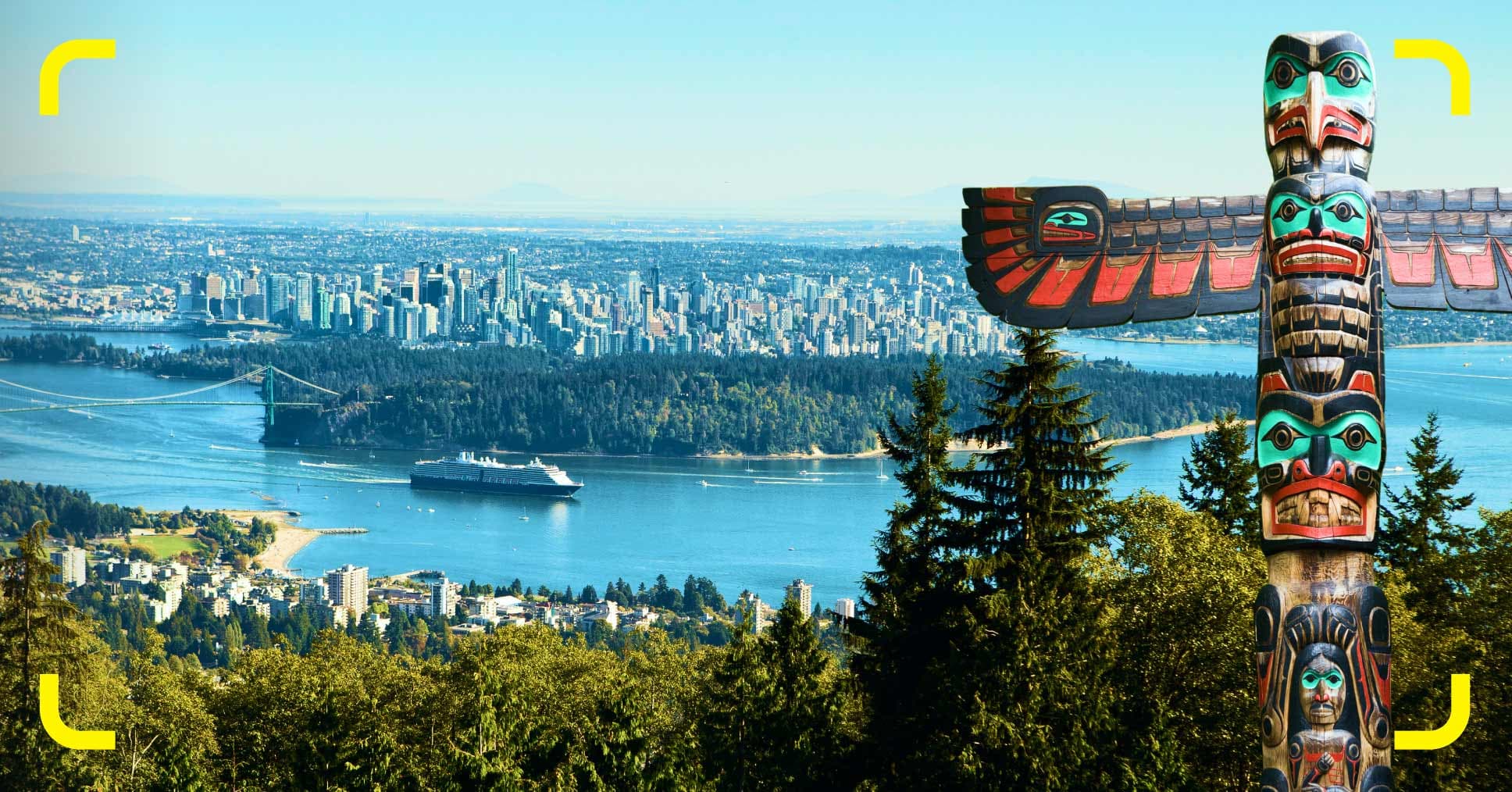
Table of Contents
- Top 10 attractions and things to do in Vancouver
- 1. Stanley Park
- 2. Granville Island
- 3. Gastown
- 4. Capilano Suspension Bridge
- 5. Grouse Mountain
- 6. Science World
- 7. Queen Elizabeth Park
- 8. English Bay Beach
- 9. Vancouver Seawall
- 10. Vancouver Art Gallery
- 3-day itinerary for your trip to Vancouver
- Day 1: Stanley Park
- Day 2: Downtown
- Day 3: Bird’s eye views
- Vancouver’s map
- What is the best month to visit Vancouver, Canada?
- Where to eat and drink in Vancouver
- Where to stay in Vancouver
- Additional travel tips for Vancouver
- Transportation and getting around in Vancouver
- Local customs and etiquette in Vancouver
- Budget planning in Vancouver
- Safety in Vancouver
- Other practical tips for traveling in Vancouver
- Staying connected in Canada with Saily
Top 10 attractions and things to do in Vancouver
Vancouver offers a wide variety of attractions, including parks, museums, and beaches. Discover our list of must-visit places in the city.
1. Stanley Park
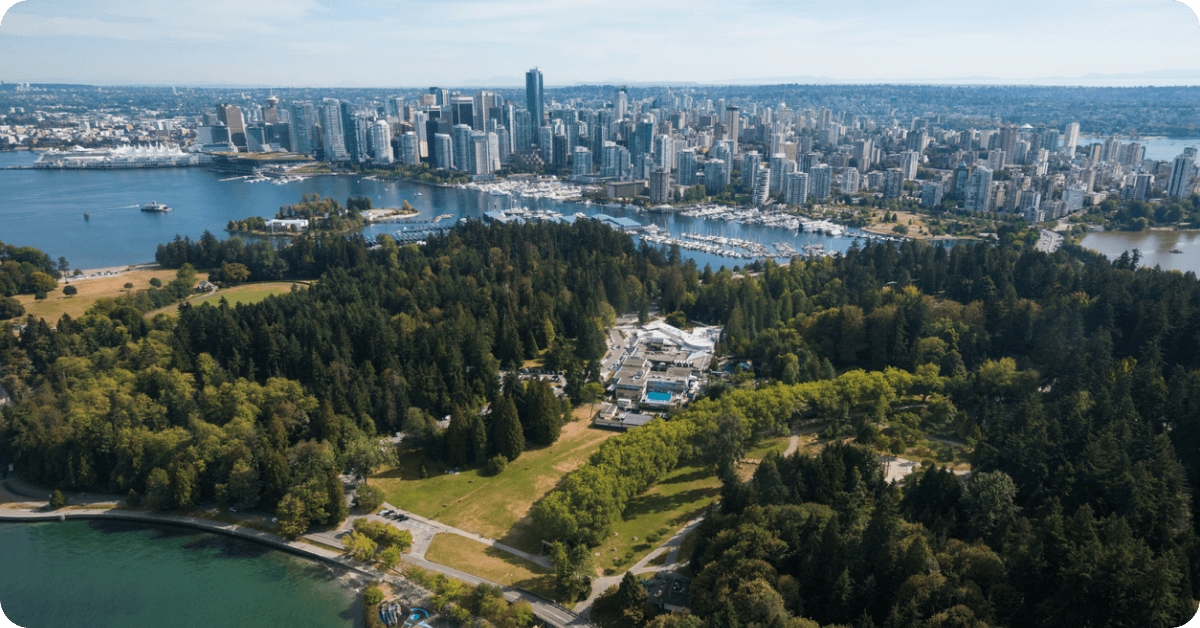
Stanley Park is a lush wildlife habitat spanning over 1,000 acres. Known for its awe-inspiring trees, abundant hiking trails, and pristine beaches, Stanley Park is home to Vancouver landmarks like the Lost Lagoon, Prospect Point, Beaver Lake, the Hollow Tree, Siwash Rock, and the Seawall (which is so iconic that it has its own section on this list). The Rose Garden is the perfect place for a relaxing stroll, and if you love marine life, be sure to stop by the Vancouver Aquarium, which is also on the park’s grounds.
2. Granville Island
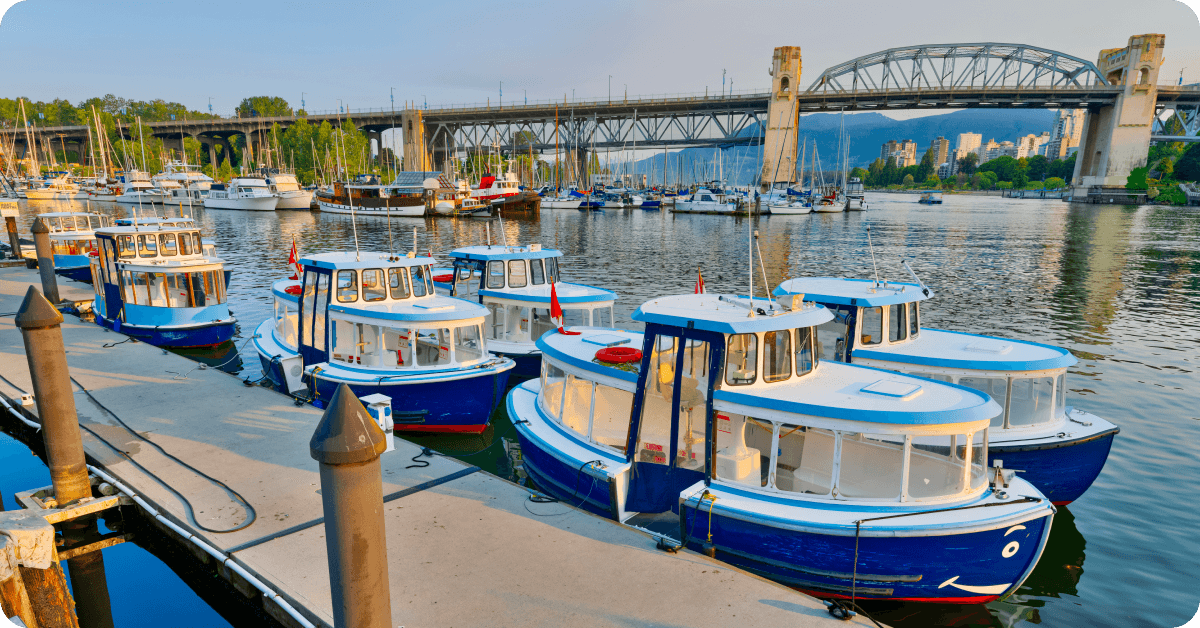
Despite its name, Granville Island is not technically an island. It’s a peninsula filled with tasty eateries, street performers, and adorable boutiques. If you’re a foodie, you have to stop by the Granville Island Public Market. The street vendors have some of the best food in the city. Try Bon Macaron for sweet French pastries, Celine’s for traditional fish and chips, and Oyama Sausage Co. for creative charcuterie. After a picnic lunch by the waterfront, stroll the island to check out its art galleries and boutiques.
3. Gastown
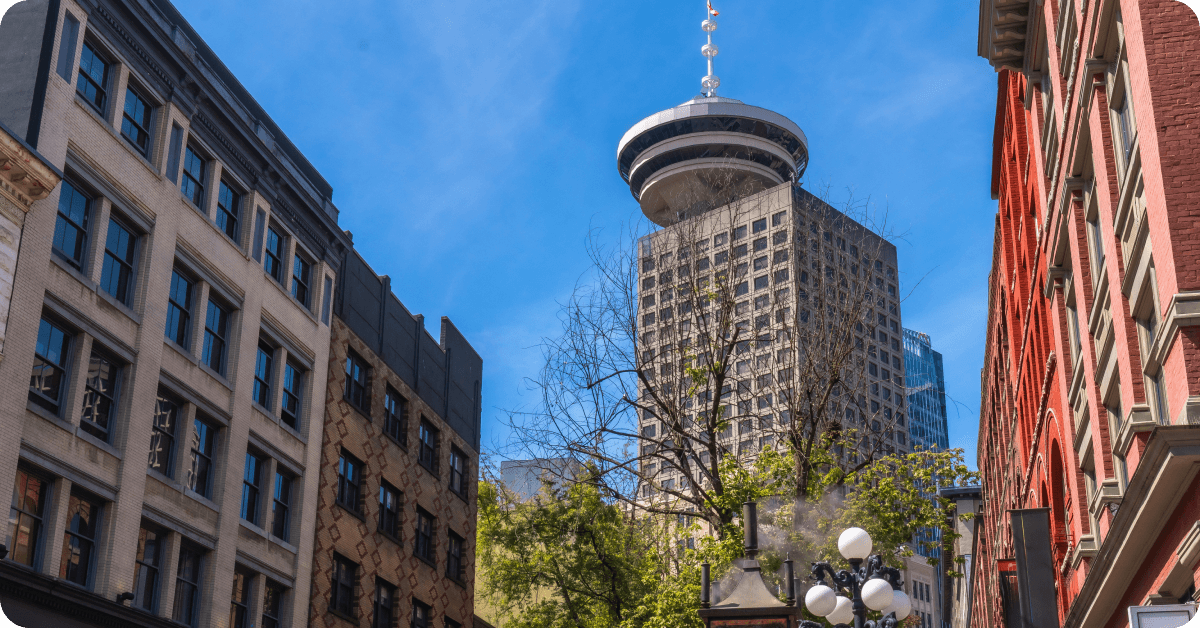
Gastown is Vancouver’s historic district, with cobblestone streets winding through Victorian buildings. While Gastown may be the city’s oldest neighborhood, it’s anything but old-fashioned. In fact, it’s considered Vancouver’s trendiest area. In between browsing the shops and restaurants, stop by 305 Water Street to see the famous steam clock! You can also head to the Coastal Peoples Fine Art Gallery or the Inuit Gallery of Vancouver to view one-of-a-kind pieces from First Nations artists.
4. Capilano Suspension Bridge
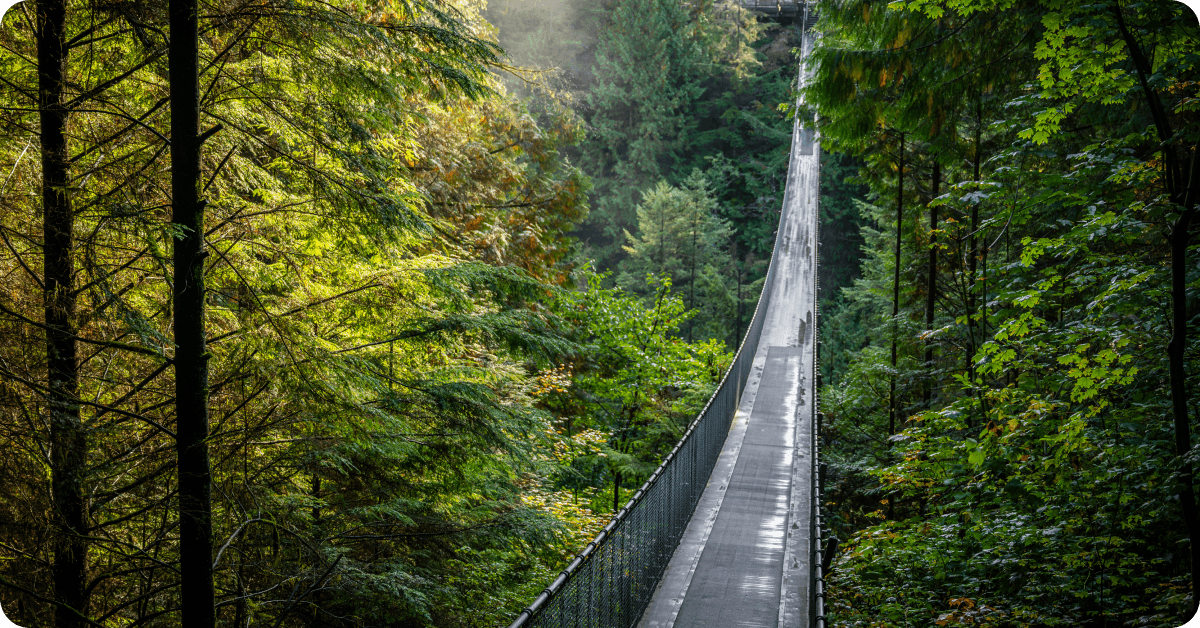
The Capilano Suspension Bridge is a 450-foot-long bridge that stretches 230 feet above the Capilano River, offering stunning views of the lush green forest and rolling rapids below. After crossing the bridge — which takes about 5-15 minutes — you can explore Capilano Suspension Bridge Park, including the Treetops Adventure canopy walk and Cliffwalk. History buffs will also enjoy the Kia’palano indigenous culture exhibit and the Story Centre history museum. While the suspension bridge crossing is quick, plan 2-3 hours to fully experience what the park has to offer.
5. Grouse Mountain
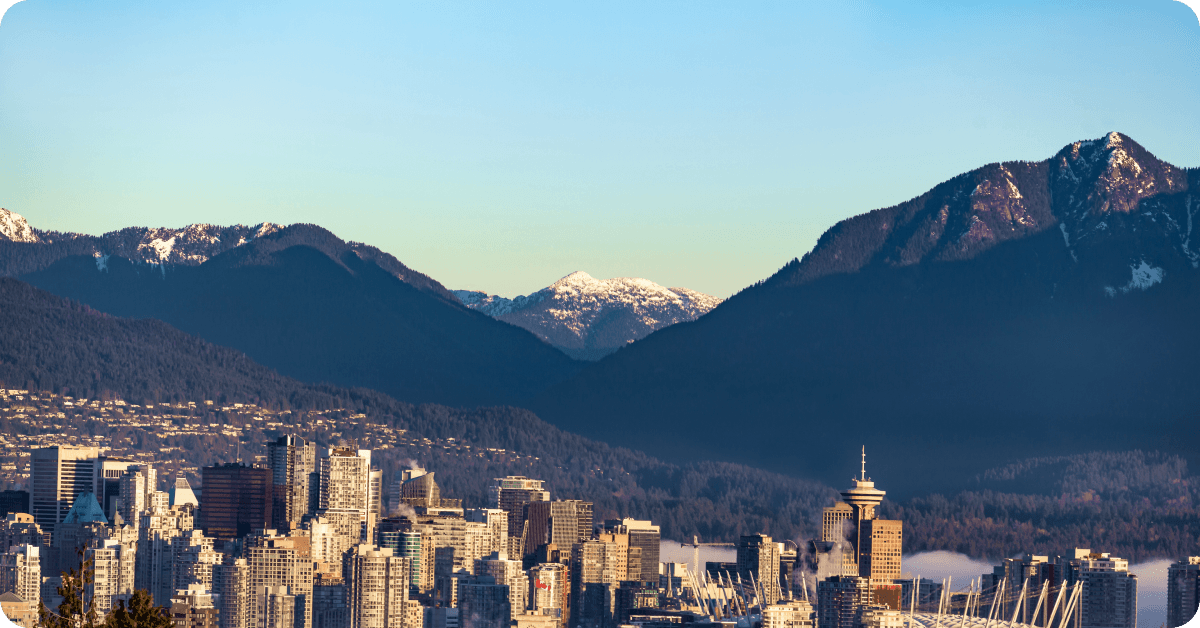
Accessible via gondola, Grouse Mountain gives you a chance to explore the city from above. At the top, you can experience the Grouse Gravity Coaster, Mountain Ropes Adventure Course, and zipline tours. Just be sure to meet the resident grizzly bears, Grinder and Coola! In winter, you can also enjoy skiing, snowboarding, and snowshoeing.
Grouse Mountain admission for non-Canadian residents costs CA$89 (US$65) for adults, CA$69 (US$50) for teens, CA$49 (US$36) for children aged 5-12, and CA$5 (US$4) for children aged 3-4. Infants (0-2) enter for free, and seniors (65+) pay CA$79 (US$58). Families can also save with a special family ticket for CA$229 (US$167), which includes admission for two adults and two children.
6. Science World
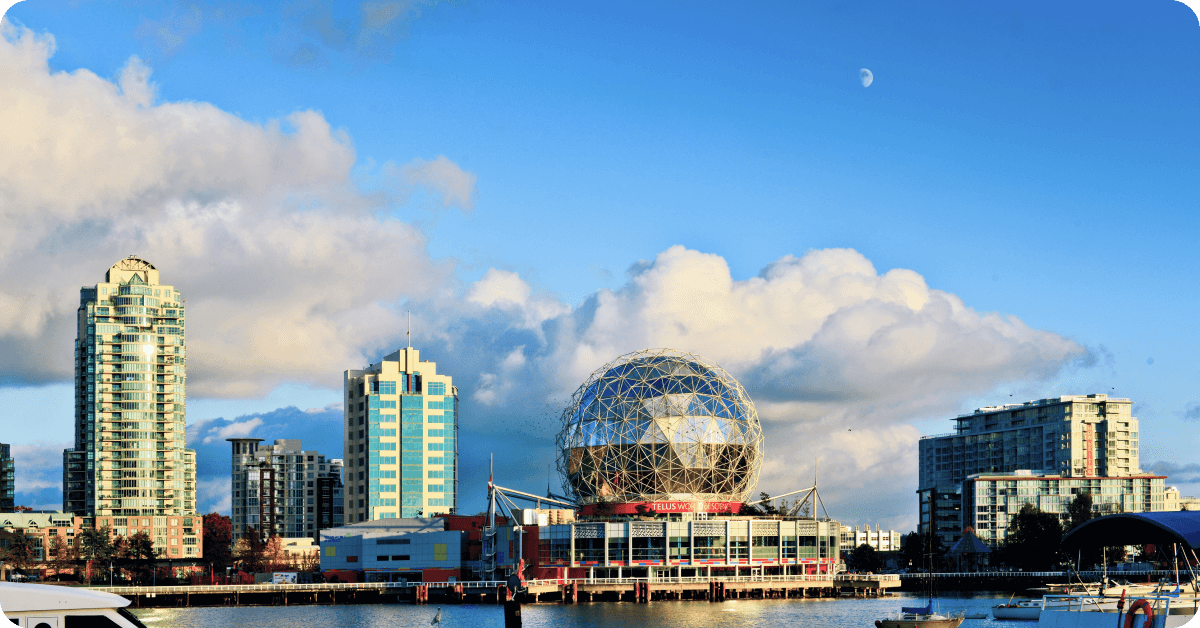
Science World is a science museum that prides itself on interactive and engaging exhibits. Once you step into the geodesic dome, you’ll discover a whole world of STEAM (science, technology, engineering, art and design, and math). Standout exhibits include BodyWorks, the Eureka! Gallery, and the open-air Ken Spencer Science Park. Adult visitors can take advantage of special Science After Dark programs, which each have their own unique themes, from magic to video games.
Science World is open Monday-Sunday from 10 am to 5 pm. Tickets cost CA$25.50 (US$19) for children aged 3-12, CA$30.50 (US$22) for youths aged 13-18, CA$37.50 (US$27) for adults, and CA$30.50 (US$22) for seniors.
7. Queen Elizabeth Park
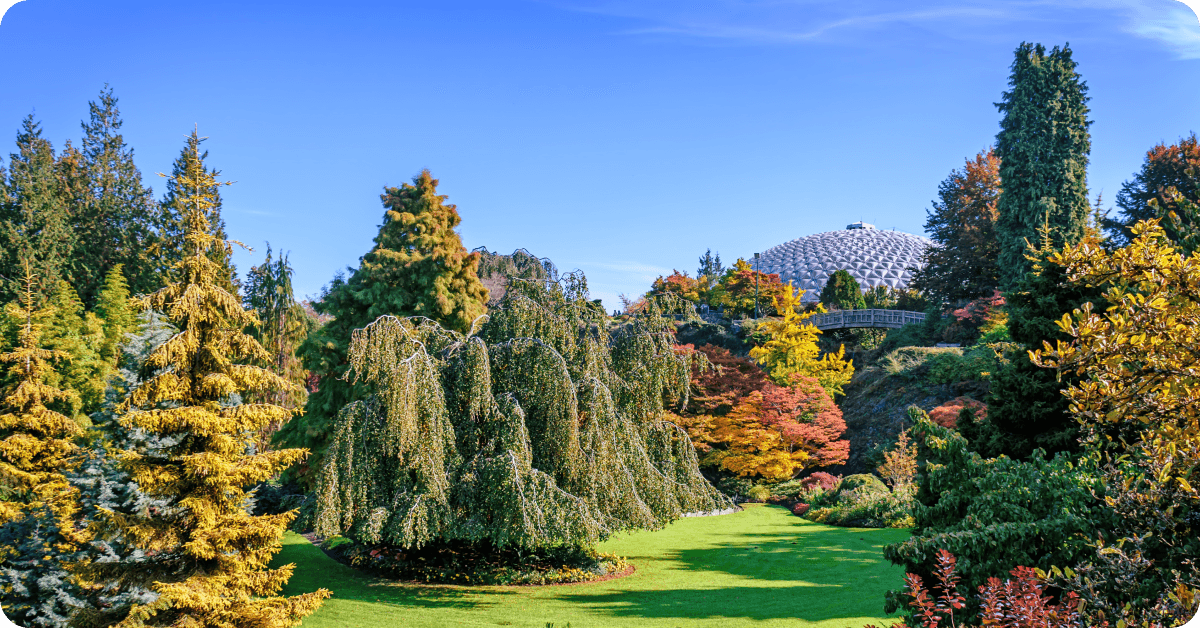
Queen Elizabeth Park is the highest point in Vancouver (410 feet above sea level), so it offers panoramic views of the city. This 130-acre park is home to numerous sculptures, the Bloedel Conservatory, and Canada’s first civic arboretum, which has 1,500 different trees from all around the world. Queen Elizabeth Park also offers a variety of activities, including lawn bowling, tennis courts, pitch and putt golf, roller hockey, basketball, and disc golf. The park is open seven days a week from 6 am to 10 pm.
8. English Bay Beach
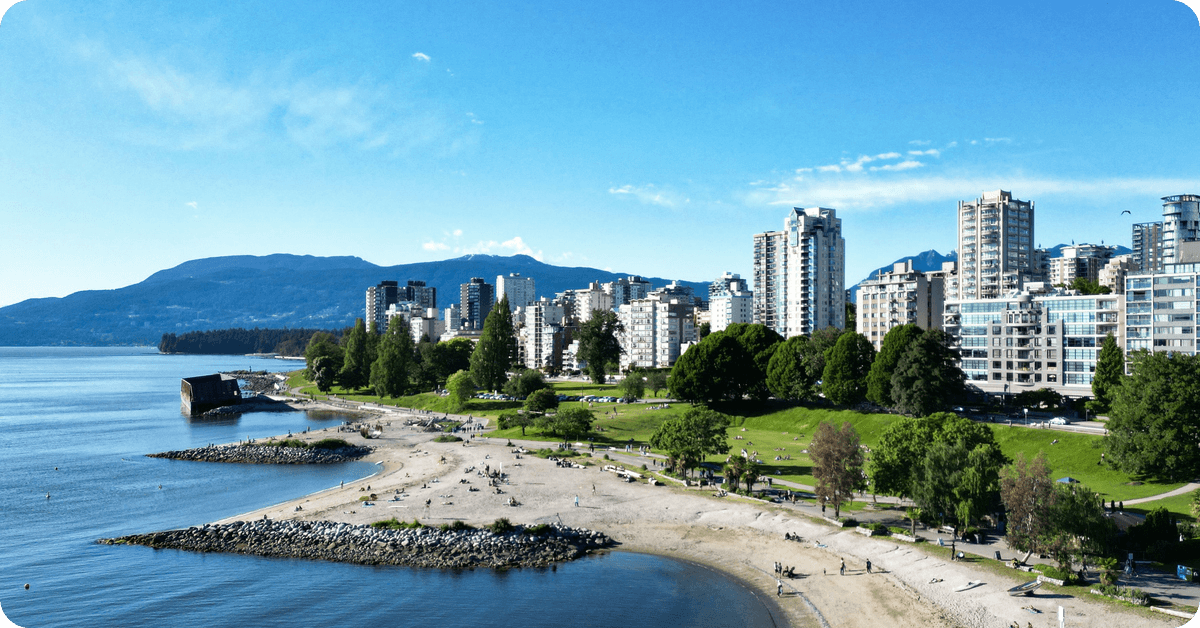
English Bay Beach, also called First Beach, is Vancouver’s number one beach. Located between Gilford and Bidwell Streets, it’s the perfect place for swimming, tanning, or simply taking in a sunset. English Bay Beach has a long history of helping Vancouver residents beat the heat, as evidenced by the historic Art Deco bathhouses. The Seawall runs along the beach to the east, making it easy to cool off in the Pacific Ocean during your bike ride or walk.
9. Vancouver Seawall
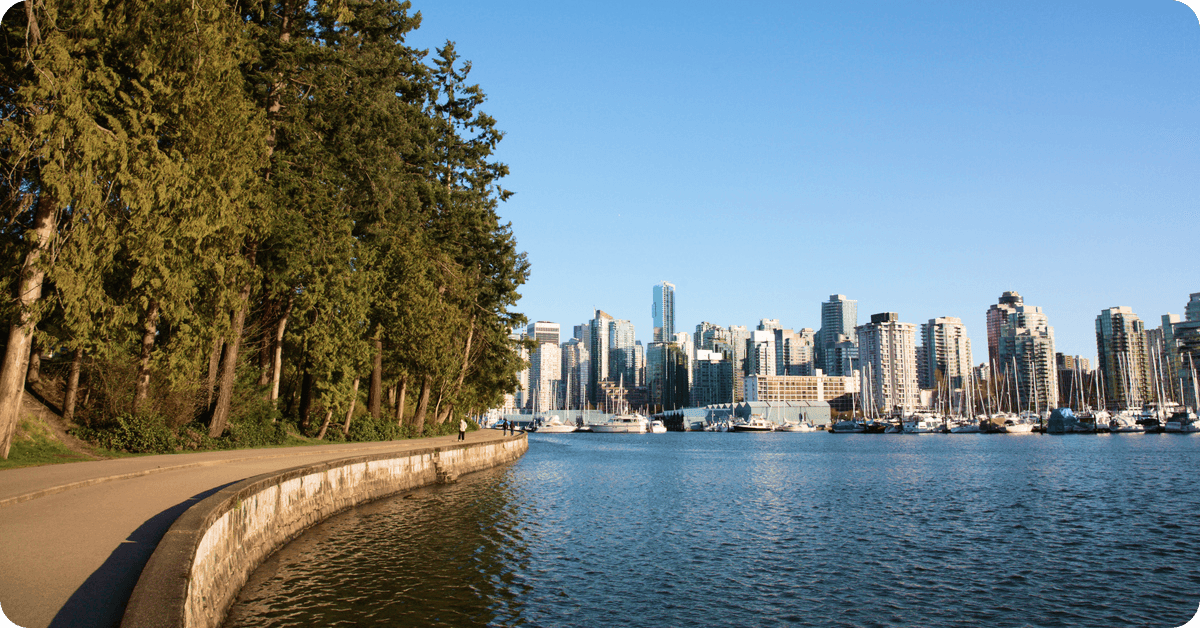
The Vancouver Seawall is part of the world’s longest uninterrupted waterfront path, stretching over 17 miles. The Seawall is the perfect place to enjoy a morning run, afternoon bike ride, or relaxing evening walk. Because it’s such a unique spot, the Vancouver Seawall often draws large crowds, so be prepared for extra people on sunny summer afternoons and weekends.
10. Vancouver Art Gallery
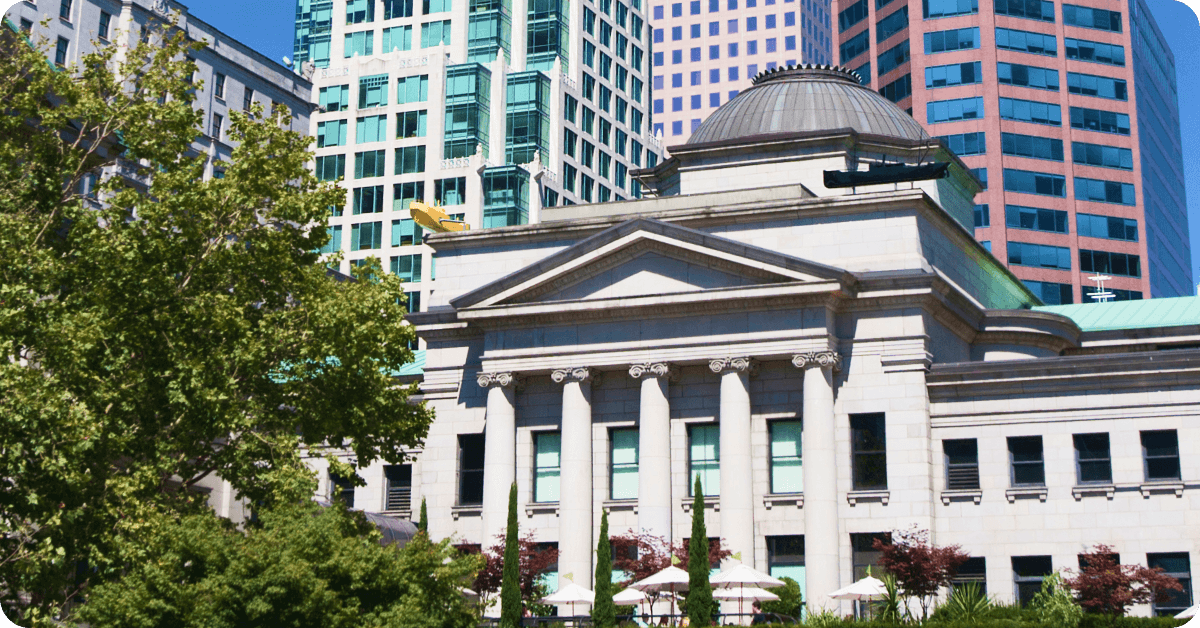
Vancouver Art Gallery is an innovative art museum that explores how art can make an impact on society through initiatives like the Art of Wellbeing Lab. It showcases renowned Canadian artists such as Emily Carr, alongside Indigenous and Asia Pacific artists. Kids can enjoy hands-on classes in a variety of mediums, including painting, collage, and sculpture.
The museum is open Wednesday-Monday from 10 am to 5 pm, with extended evening hours until 8 pm on Fridays. Admission is free for children 18 and under, and adult admission for non-British Columbia residents is CA$35 (US$26).
3-day itinerary for your trip to Vancouver
It’s possible to visit all of Vancouver’s top attractions over a long weekend. Check out our Vancouver three-day itinerary travel guide to help you make the most of your visit to Lotusland.
Day 1: Stanley Park
Stanley Park has many of Vancouver’s best attractions, so it’s worth a full day. Start your day hiking some of the park’s famous trails. Then, explore the Vancouver Aquarium to see ocean life up close before your walk or bike ride on the Seawall. Finish the day by watching the sun set over English Bay Beach. When you get hungry, grab a snack from one of Stanley Park’s many food carts or consider a meal at restaurants like Prospect Point Cafe, the Stanley Park Brewpub, or The Teahouse.
Day 2: Downtown
Now that you’ve gotten to experience Vancouver’s natural beauty, it’s time to spend a day downtown. Head to the Vancouver Art Gallery right at 10 am when it opens. After you’ve explored the museum, take a stroll through Gastown. Stop by the Steam Clock, pick up a souvenir, and maybe have lunch on your way to our next destination — Science World. When you feel thoroughly STEAMed, hop on the Aquabus or False Creek Ferry to explore Granville Island and grab a bite at the Public Market.
Day 3: Bird’s eye views
We’ll spend our last day in Vancouver getting some bird’s-eye views of the city. Start the morning by taking a gondola up to Grouse Mountain. From there, you can take the 232 or 236 bus to Capilano Suspension Bridge Park. Once you’ve explored its trails, head back downtown. There, you can grab an Uber or hop on the Canada Line to finish the day at Queen Elizabeth Park. If you still have some time, you can visit a nearby VanDusen Botanical Garden, which is beautifully manicured and only 15 minutes away on foot. Even after you leave the city, you’ll still have the panoramic skyline views in your memory!
Vancouver’s map
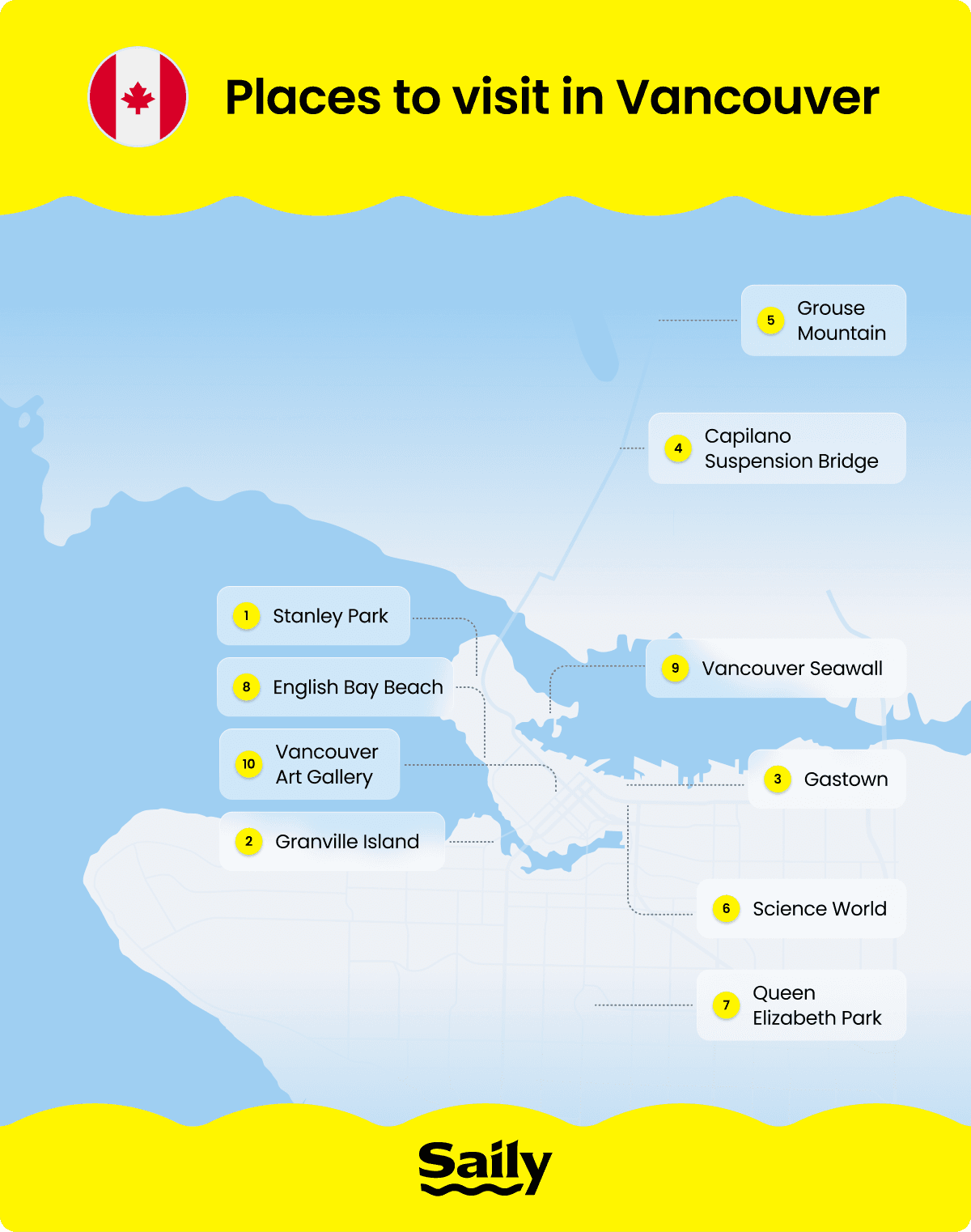
Vancouver is a compact, easy-to-navigate city where urban neighborhoods, waterfront attractions, and mountain views are all within a short distance of one another. Most of the city’s top sights are clustered around downtown, making it simple to explore several highlights in a single day.
Use the map below to see where Vancouver’s most popular attractions are located and to plan the most efficient route for your three-day itinerary.
What is the best month to visit Vancouver, Canada?
The best month to visit Vancouver, Canada, is June or July. The weather is mild (60-70ºF), a lot of events happen, and you’ll minimize your chances of encountering the infamously heavy rain that gave the city its “Raincouver” nickname. However, if you fear crowds more than you do a thunderstorm, spring (April-May) and fall (September-October) can be a great time for a more relaxed visit. If you want to ski on Grouse Mountain, a winter visit is ideal.
Month | Average temperature | Average days with precipitation |
|---|---|---|
January | 39ºF | 16 |
February | 41ºF | 13 |
March | 44ºF | 15 |
April | 49ºF | 11 |
May | 55ºF | 9 |
June | 60ºF | 7 |
July | 64ºF | 5 |
August | 64ºF | 4 |
September | 58ºF | 7 |
October | 51ºF | 13 |
November | 44ºF | 17 |
December | 39ºF | 17 |
Where to eat and drink in Vancouver
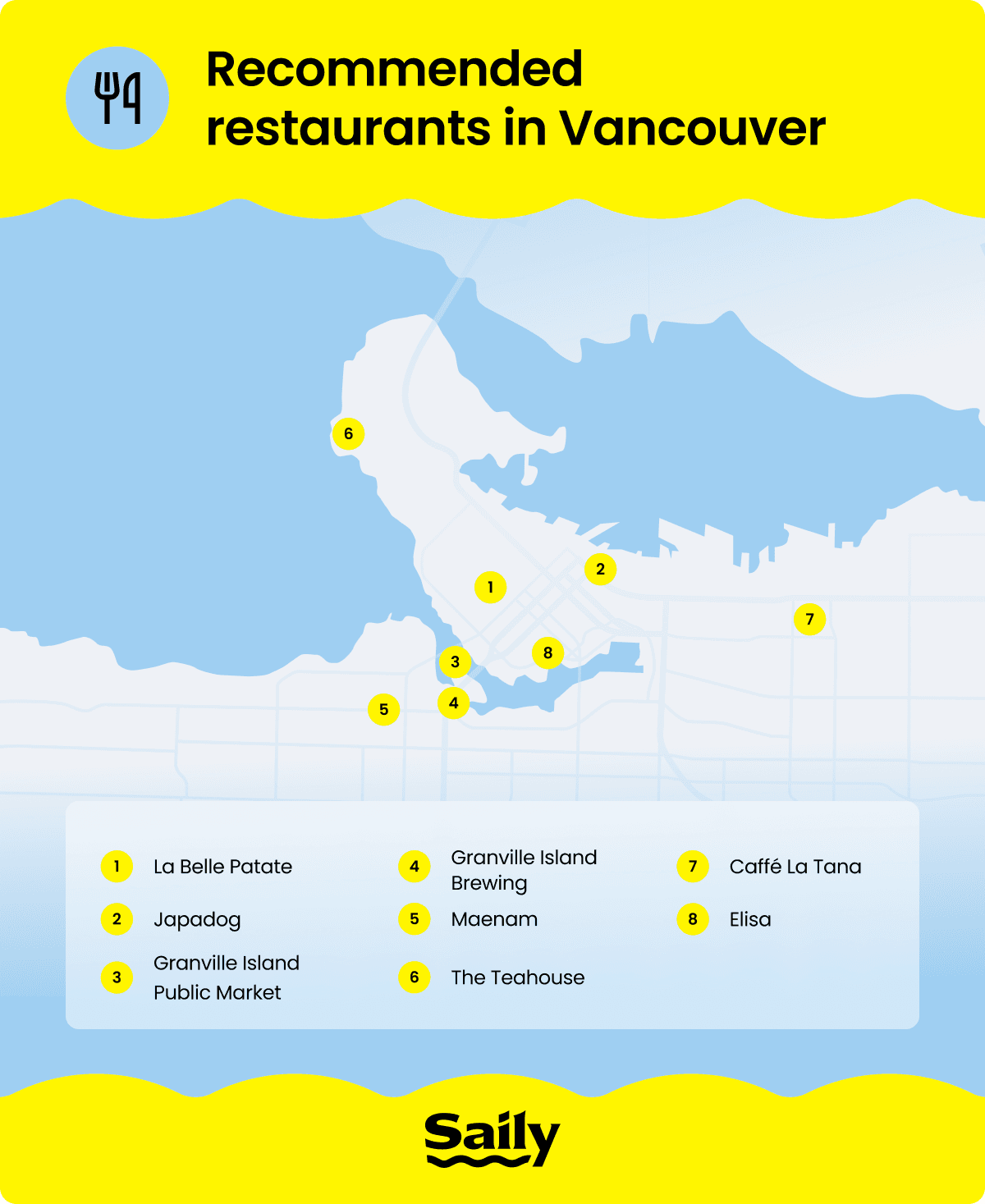
Vancouver has a vibrant food scene with multiple Michelin-recommended restaurants. Whether you’re looking for street food or fine dining, you can enjoy some top spots to eat and drink in Vancouver:
La Belle Patate. For a quick bite, La Belle Patate has the crown jewel of Canadian fast food — poutine. La Belle Patate offers the best, authentic Québécois poutine as well as “steamies” (hot dogs) and smoked meat sandwiches.
Japadog. Japadog is a local fast food favorite. With both a brick-and-mortar store and a food cart, it’s easy to find these unique, Japanese-inspired hot dogs and other street food favorites like Takoyaki, fries, and ice cream.
Granville Island Public Market. If you’re traveling with a big group, everyone will find something they love at Granville Island Public Market. Standouts include the pierogi at Kaisereck Delicatessen and the pot pies at A la Mode, but you can also find amazing Mexican food, desserts, and seafood.
Granville Island Brewing. Granville Island Brewing is a microbrewery with a wide selection of locally crafted beers. Its taproom also offers classic pub fare, like wings, burgers, and pizzas, in a hip, relaxed atmosphere.
Maenam. Maenam is a Michelin-recommended Asian bistro serving up modern twists on Thai classics. Offering both sit-down meals and take-out, Maenam strikes a balance between fast casual accessibility and fine dining quality.
The Teahouse. The Teahouse in Stanley Park is a Vancouver classic. This upscale restaurant offers stunning views of the park. It has brunch, lunch, and dinner menus, plus a Wine Hour with flights and charcuterie boards on weekday afternoons.
Caffé La Tana. Caffé La Tana brings old-world Italian cuisine to Vancouver. Its homemade pasta and extensive wine list have earned it a top spot on Vancouver Magazine’s list of Best Italian Restaurants.
Elisa. Elisa is one of Vancouver’s premier fine dining experiences, earning a Michelin recommendation in 2023. This farm-to-table steakhouse offers classic Canadian fare, including fresh, local seafood.
💡 Pro-tip: If you go to a sit-down restaurant in Vancouver, you’ll be expected to tip. 18-20% is pretty customary, but more is always welcome if you have excellent service!
Where to stay in Vancouver
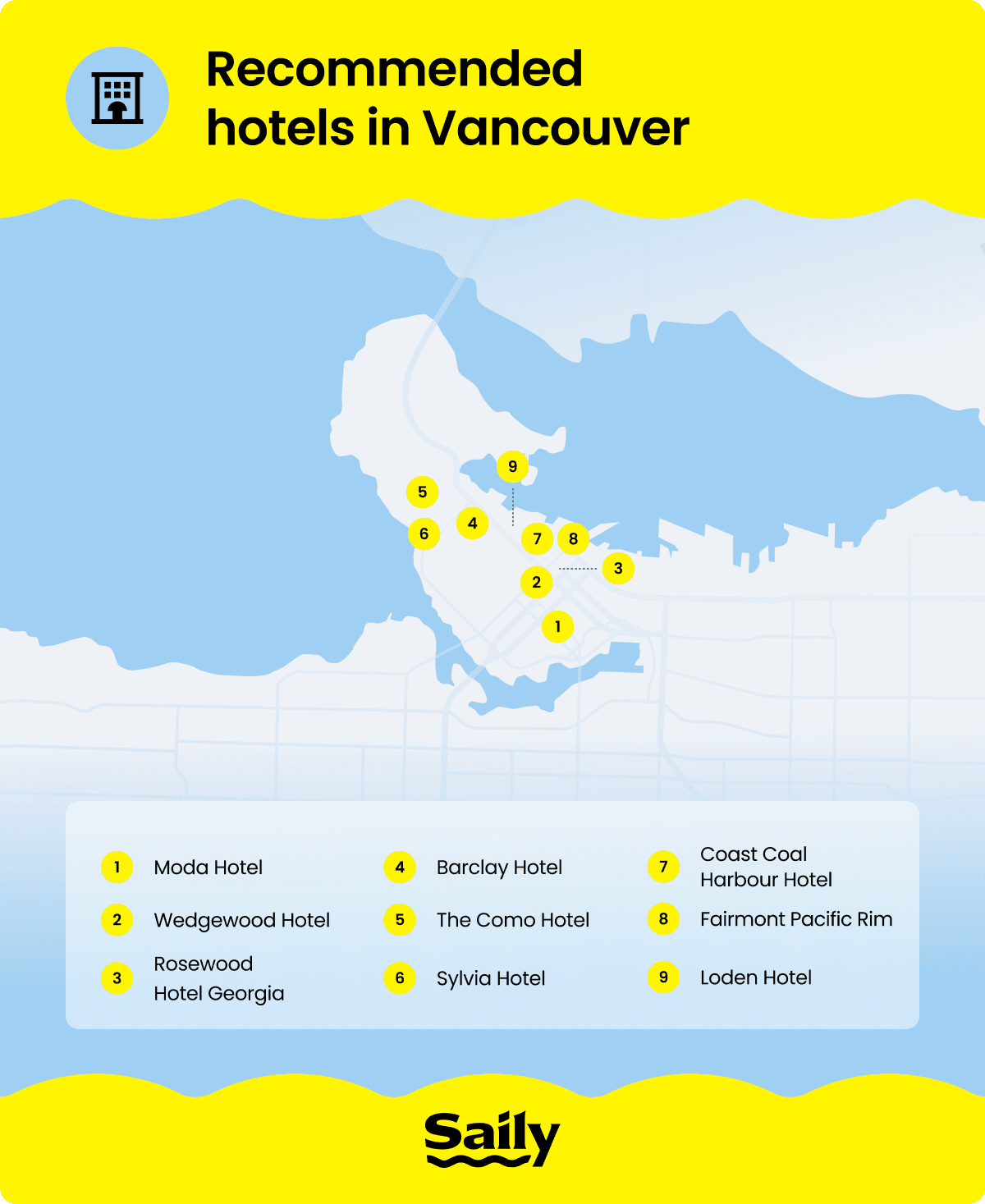
Vancouver has a wide variety of places to stay, from luxury hotels to affordable vacation rentals, that can accommodate every taste and budget. For tourists, the downtown neighborhoods are going to be the best area to stay because they give you easy access to top attractions like Stanley Park, Gastown, and Granville Island.
The recommended accommodation includes:
Downtown Vancouver — Moda Hotel, Wedgewood Hotel, Rosewood Hotel Georgia.
West End — Barclay Hotel, The Como Hotel, Sylvia Hotel.
Coal Harbour — Coast Coal Harbour Hotel, Fairmont Pacific Rim, Loden Hotel.
If you’re willing to take public transportation, you can find plenty of quieter (and often cheaper) hotels outside the downtown area that still give you easy access to the Vancouver attractions on the SkyTrain or SeaBus.
Additional travel tips for Vancouver
Learn more tips to help your trip to Vancouver go smoothly, including how to get around the city, local customs, and how much money to budget.
Transportation and getting around in Vancouver
Vancouver is a relatively small city, and it’s very easy to get around. Within downtown neighborhoods like Gastown, walking is going to be your easiest option. For slightly longer distances or exploring the parks, you can rent a bike through the Mobi public bike share.
Vancouver also has a safe public transportation system to help you travel longer distances to attractions like the Capilano Suspension Bridge Park, including:
The Skytrain — a rapid light rail system with three lines.
More than 230 local TransLink bus routes.
The Seabus — a ferry that carries passengers to North Vancouver.
If you want the most direct route, rideshares like Uber and Lyft are available. You won’t need to rent a car unless you plan on day trips outside the city.
Local customs and etiquette in Vancouver
Vancouver is a laid-back, eco-friendly city that prioritizes protecting nature. Sports and environmentalism are central to Vancouver’s culture, and fashion is generally more casual. It’s not unusual to see locals dressed in athleisure or t-shirts and jeans, so you don’t need to dress up to head to a museum or even a restaurant.
Although Vancouver is relaxed, it’s also very polite and welcoming. Don’t be surprised if a stranger strikes up a conversation! If you take public transit, you’ll be expected to line up like you would at the supermarket instead of just hopping on as soon as the doors open. Vancouver’s impressive diversity makes it a very inclusive location, and you’ll notice a strong influence from Asian immigrants and members of the First Nations.
Budget planning in Vancouver
In terms of cost, Vancouver is about as expensive as the nearby Pacific Northwest city of Seattle. A mid-range budget for a trip to Vancouver, including accommodation, is approximately CA$350 (US$255) per person per day.
Common estimated costs include:
Casual dining — CA$25 (US$18) per meal.
Sit-down dinner for two — CA$120 (US$88).
Public transit day pass — CA$12 (US$9).
Mid-range hotel room — CA$300 (US$219) per night.
Attractions — CA$30-85 (US$22-62) per admission.
Souvenirs — CA$15-40 (US$11-29) per item.
Also, British Columbia, including Vancouver, has a 12% sales tax that is added to most purchases at the register, so don’t forget to factor that into the price before checkout! Basic groceries, prescription medications, and children’s clothing are exempt.
Safety in Vancouver
Vancouver is a safe city with low levels of violent crime. It’s still a densely populated area, so petty theft is possible. Keep your valuables close to you and avoid flashing money, jewelry, or other valuables.
Vancouver also has a sizable unhoused population. It typically doesn’t pose a safety threat, but you may encounter some panhandling. If you decide to give some money to a panhandler, it’s best to have cash already in hand instead of advertising the location of your wallet to pickpockets in the area.
Other practical tips for traveling in Vancouver
To help your trip to Vancouver go as smoothly as possible, below you can find a few additional practical tips on practicalities, like currency, payment methods, weather, and mobile connectivity.
Currency. Prices in Vancouver are listed in dollars, but remember: Canadian dollars are different from US dollars.
Payment. Cash, card, and contactless payment are all widely used in Vancouver. Checks are not generally accepted.
Rain. Vancouver is a notoriously rainy city, so it’s a good idea to keep an umbrella, raincoat, or poncho on hand, even if you’re traveling during the relatively dryer summer months.
Air conditioning. Vancouver’s climate is generally mild, even during the summer, so most homes don’t have air conditioning. If you’re staying in a vacation rental during a heat wave, be prepared to go without AC. However, hotels will usually provide climate control.
Mobile internet. Vancouver has fast mobile internet speeds and strong 5G coverage, which means most phones will work in Canada.
Getting data abroad. You’ll need mobile data in Vancouver to make dinner reservations, purchase tickets, and call rideshares. If you’re visiting Vancouver from outside of Canada, decide whether you want to use international roaming, a prepaid SIM card for Canada, or an eSIM to get data on the go.
For more tips to prepare for your Vancouver trip, use our international travel checklist.
Staying connected in Canada with Saily
To make the most out of your Vancouver vacation, consider using an eSIM for Canada. With an eSIM, you can stay on top of even the tightest three-day itinerary, navigate public transit, and track down the best food in the city.
An eSIM is a virtual alternative to a traditional SIM card that lets your phone connect to foreign mobile carriers. The benefits of an eSIM include:
Reliable high-speed coverage, even in Vancouver’s sprawling parks.
Plans that are cheaper than data roaming.
No extra hassle with carrying and charging another device (unlike pocket Wi-Fi for Canada).
Automatic activation as soon as you arrive.
No risk of lost, stolen, or damaged SIMs.
When you buy an eSIM from Saily, you don’t just get the best coverage and flexible data plans — you also get advanced security features like an ad blocker, a virtual location changer, and web protection.
Download an eSIM app to start your Vancouver adventure!
Need data in USA? Get an eSIM!
1 GB
7 days
US$5.293 GB
30 days
US$12.995 GB
30 days
US$17.99
FAQ
While Vancouver has a lot of attractions, if you plan carefully, you only need to spend 3 days (a long weekend) in the city to see most of the highlights. If you want a more relaxed vacation, a week is plenty of time.
Vancouver is sometimes called “No fun city” or “Nofuncouver” because — compared to other major cities — it doesn’t have much nightlife. You can still have plenty of fun in Vancouver, though. The attractions are just more focused on nature, shopping, and fine dining.
Vancouver is generally a safe city. However, Vancouver’s Downtown Eastside neighborhood has higher levels of petty crime, drug addiction, and homelessness, so tourists are advised to avoid the area.
November is the rainiest month in Vancouver, with an average of 17 rainy days per month. It generally rains heavily in the city throughout fall and winter (October-March), earning Vancouver the nickname “Raincouver.”
Vancouver International Airport welcomes planes from all over the world, and Pacific Central Station serves trains and buses from both Canada and the United States. You can even travel to Vancouver via cruise ships, which dock right on the Vancouver waterfront.

Always connected, always on course
Connect instantly with a Saily eSIM and enjoy effortless internet access.

Related articles