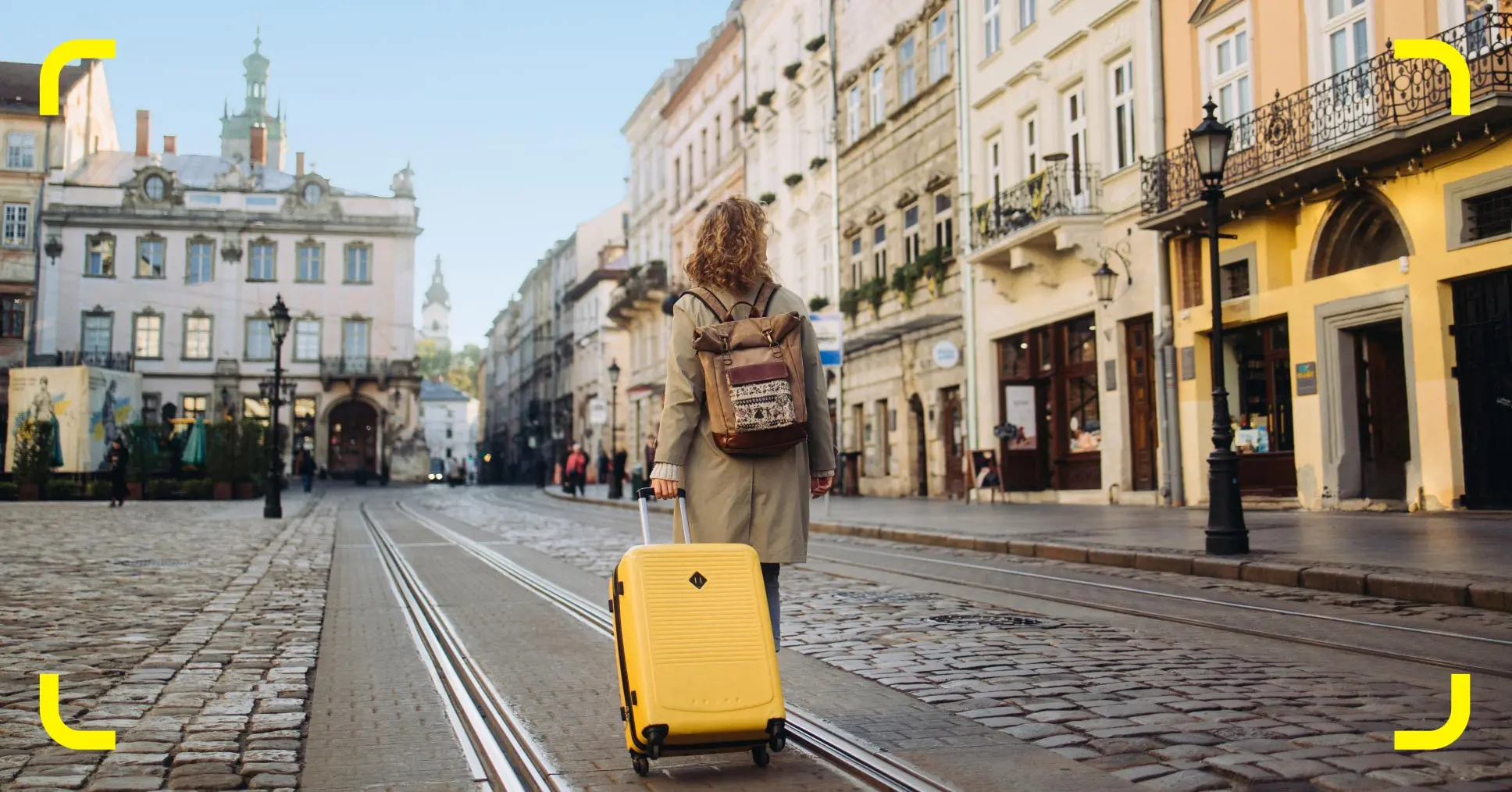






Hawaii packing list: What to bring for every season and situation
You’ve finally booked your dream vacation in Hawaii, and now comes the big question — what should you pack? Many travelers worry about overpacking or forgetting something essential. With this guide, we hope to lighten your stress — we will help you pack light, smart, and easy.
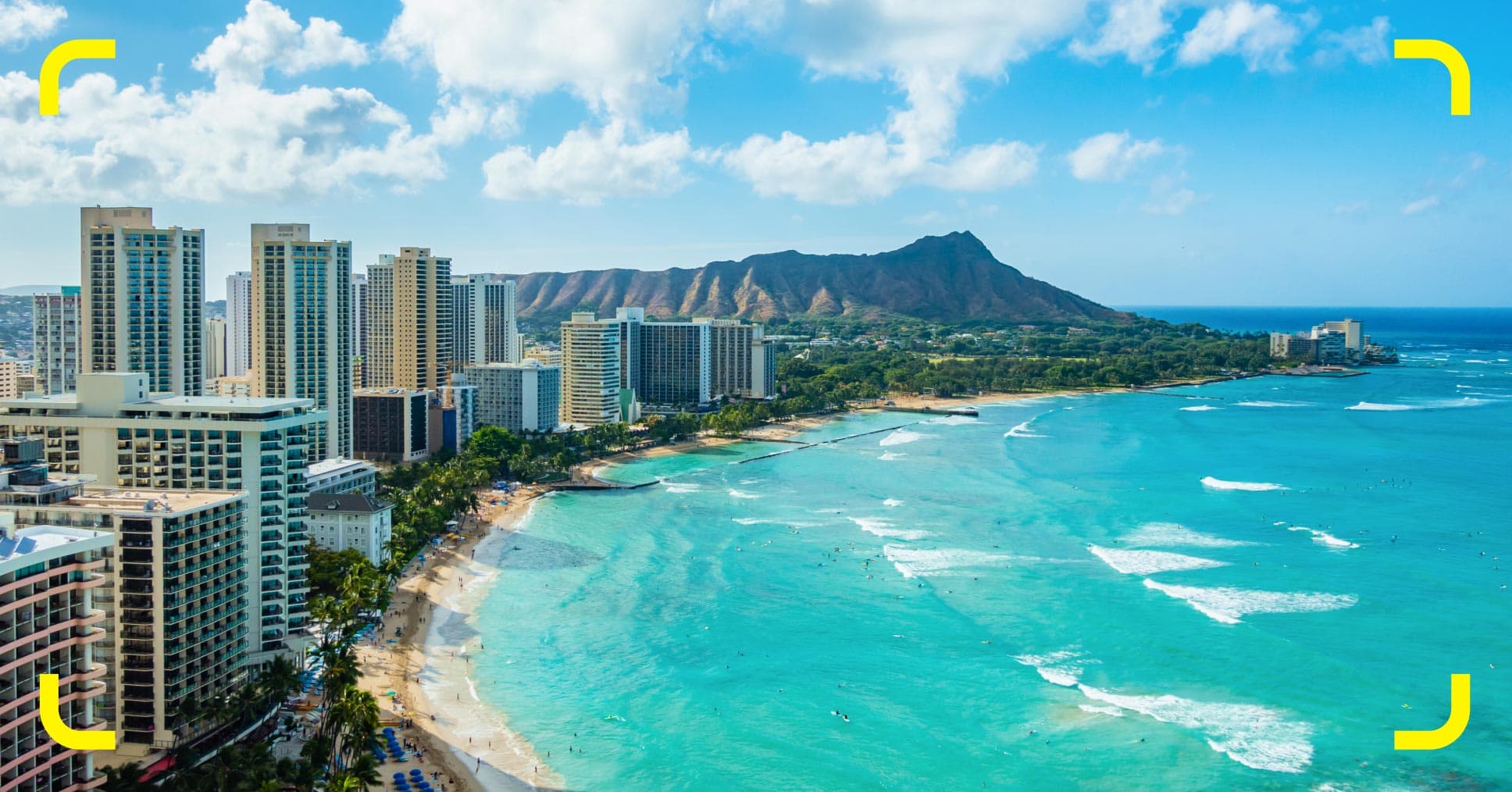
Table of Contents
Understanding Hawaii's unique packing challenges
Packing for Hawaii isn’t as simple as packing for a typical beach vacation. Although the islands are famous for year-round sunshine and warm temperatures, they also contain 11 distinct climate zones. It means you can encounter everything from tropical humidity to volcanic desert conditions during one single trip. Temperatures generally sit at around 75-85°F (24-29°C) throughout the year, yet they shift quickly depending on where you are — it’s warm on the beaches, cooler in the uplands, and genuinely cold at high elevations.
Another detail many travelers overlook is the difference between Hawaii’s windward and leeward coasts. Windward sides tend to be much wetter, with sudden showers, while leeward regions are known for drier, sunnier conditions. This duality makes flexible, quick-dry clothing and a light rain jacket essential, no matter when you visit.
Your activities will also influence what you bring. Because no two islands are the same, it helps to plan with each destination in mind: Oahu blends urban energy with beach life, Maui’s Road to Hana calls for sturdy gear and water-friendly wear, the Big Island’s volcanoes require warm layers, and Kauai’s reputation as the rainiest island makes weatherproof essentials non-negotiable.
In short, Hawaii isn't one destination — it’s many microclimates packed into a single trip. The key to packing well is preparing for variety.
Essential travel items for any trip to Hawaii
Before you pack for the season or your specific itinerary, make sure you have the universal essentials every Hawaii traveler needs. These items will help you stay comfortable and prepared no matter which island you visit:
Travel documents. Bring your passport or ID, travel insurance details, and booking confirmations so you can move easily through the airport and check into hotels without delays or last-minute scrambling.
Waterproof phone case and dry bag. These are incredibly useful for beach days, boat tours, and waterfall hikes, where your belongings are almost guaranteed to get splashed or soaked.
Light rain jacket. Hawaii’s microclimates can shift quickly, turning sunshine into sudden showers, so a lightweight waterproof layer keeps you comfortable without adding bulk.
Hiking shoes with good grip. Sturdy shoes are essential for navigating volcanic rock, muddy trails, and slippery waterfall paths, all of which are common across the islands.
Reusable water bottle. Staying hydrated is key in the warm climate, and a refillable bottle helps you do that conveniently while avoiding unnecessary plastic waste.
Day backpack or beach bag. A roomy yet lightweight bag makes it easy to carry sunscreen, towels, water, snacks, and other essentials wherever you go.
Medications and a mini first-aid kit. Items like pain relievers, blister patches, antihistamines, and basic bandages are helpful to have on hand — especially if you’re hiking or spending active days outdoors.
Travel-size toiletries. Since most products are easily found on the islands, bringing only small essentials saves space and keeps your luggage light.
Reef-safe sunscreen. Required by Hawaiian law, reef-safe formulas protect the ocean’s delicate coral ecosystems. Plus, they’ll save you from buying expensive resort-priced options at the last minute.
Sun hat and sunglasses. With Hawaii’s strong year-round UV index, even on overcast days, proper sun protection is essential for comfort and safety.
Flip-flops or sandals. Easy to slip on and perfect for the beach, casual strolls, or quick outings, they’re the footwear you’ll likely wear most during your trip.
What to wear in Hawaii by season
Hawaii’s weather is warm year round, but seasonal shifts — along with microclimates — can change what you’ll actually want to wear. Here’s a quick breakdown of clothing must-haves for each season.
Spring packing list for Hawaii
Spring in Hawaii brings warm, pleasant days mixed with occasional showers, so packing light, breathable layers with a bit of rain protection will keep you comfortable from sunrise hikes to relaxed beach afternoons. Here’s what to bring for an easy trip:
Breathable tops and shorts. In spring, humidity stays moderate, but the temperatures can climb up during the day, so airy fabrics help you stay cool whether you're exploring towns or lounging by the water.
Light rain jacket. Quick, passing showers are typical this time of year — especially on the wetter windward sides of the islands — so a compact, waterproof jacket ensures you stay dry without weighing down your bag.
Waterproof sandals. These are ideal for spring’s waterfall hikes, muddy paths, and sudden bursts of rain, giving you both comfort and practicality in changing conditions.
Swimsuits and a cover-up. Warm afternoons make swimming irresistible, and a light cover-up is perfect for moving between the beach, your hotel, and casual seaside cafés.
Light sweater. Mornings and evenings can feel breezy during spring, so a soft layer helps you stay warm without needing anything heavy.
Summer packing list for Hawaii
Summer in Hawaii is hot, bright, and ideal for full days outdoors, so your packing should focus on staying cool, protected, and comfortable. Lightweight fabrics, reliable sun protection, and water-friendly gear will make all the difference as you move between beaches, hikes, and evening events.
Airy, breathable clothing. Summer is the warmest and most humid season, so choosing light materials like linen or cotton helps keep you comfortable whether you're exploring coastal towns or spending hours by the ocean.
Extra swimsuits. Expect to swim almost daily, and since swimsuits dry slowly in Hawaii’s humidity, having a few extras ensures you always have a dry one ready for the next adventure.
Wide-brim sun hat. UV levels peak during the summer months, and a broad-brimmed hat offers essential protection for your face, neck, and shoulders during long days in the sun.
Water shoes. These are especially helpful on beaches with rocks or coral, giving you better footing and protecting your feet while snorkeling, wading, or exploring tide pools.
Smart-casual outfit. Many luaus and beachfront restaurants lean toward a polished but relaxed vibe, so pack one versatile outfit that feels a bit nicer without being overly formal.
Fall packing list for Hawaii
Fall is one of Hawaii’s most consistent and comfortable seasons, offering warm days, lighter crowds, and the start of early-winter ocean swells. Packing a few versatile layers and weather-ready pieces will keep you prepared for everything from leisurely beach days to breezy evenings and scenic coastal drives.
Light layers. Temperatures can swing from hot, sunny afternoons to cooler nights, so packing a couple of breathable layers ensures you stay comfortable no matter the time of day.
Rain jacket. As fall moves into October and November, rainfall becomes more frequent, especially on islands like Kauai. A lightweight rain jacket keeps you dry without taking up much space.
Moisture-wicking clothing. Humidity begins to rise again during fall, making quick-drying, sweat-resistant fabrics especially helpful for hikes, waterfall walks, and outdoor excursions.
Comfortable sandals or sneakers. Whether you’re exploring small towns, checking out scenic viewpoints, or walking along coastal paths, supportive footwear will keep you comfortable throughout your day.
Winter packing list for Hawaii
Winter in Hawaii brings cooler evenings and increased rainfall, particularly on the northern and windward coasts. Packing with both warmth and versatility in mind ensures you’re ready for all the seasonal festivities without being caught off guard by sudden weather changes.
Light long sleeves and a jacket. Evenings and early mornings can feel chilly, especially near the coast, so breathable long sleeves paired with a lightweight jacket help you stay comfortable throughout the day.
Warmer layers for summits. If you plan to visit volcanic peaks or Haleakalā for sunrise, temperatures can drop to freezing. Bring real cold-weather gear — like a heavy jacket, gloves, and a warm hat — to enjoy the views safely.
Closed-toe shoes. Winter trails are wetter and more slippery, so sturdy shoes are a better choice than sandals for hiking, exploring waterfalls, or venturing into forested areas.
Modest, festive outfits. During the holiday season, locals tend to dress nicely while keeping it casual. Packing a few smart-casual pieces ensures you’re ready for all the evening outings.
Packing tips based on the length of the trip
For a seven-day trip to Hawaii, focus on a streamlined capsule wardrobe — around three tops, three bottoms, a light outer layer, and two swimsuits that can be mixed and matched. The warm climate makes carry-on-only travel feasible, and selecting versatile pieces, like a beach dress that doubles as a dinner outfit or swim trunks that can pass as casual shorts, helps keep your luggage light and manageable.
For a two-week stay, plan on doing one laundry load to avoid overpacking. With more time on the islands, you’ll likely explore additional hiking trails and outdoor adventures, so include appropriate activewear. It’s also wise to pack one slightly dressier outfit for special dinners or a luau.
If your trip lasts 30 days or longer, center your wardrobe around ten core outfits, rotating them with lightweight layers to accommodate varying weather across the islands. Most vacation rentals provide laundry facilities every 7-10 days, so you can pack efficiently without excess. Limit yourself to three pairs of shoes — sandals, hiking shoes, and optional water shoes. And remember that island formalwear is simple — a shirt and khakis are perfectly suitable for most evening occasions.
Tech and connectivity checklist
Staying powered, prepared, and connected throughout your Hawaii trip makes navigating the islands, capturing memories, and planning activities much easier. These tech essentials ensure you’re ready for anything:
Unlocked smartphone. A carrier-unlocked phone is necessary for activating an eSIM or local SIM and allows you to use your device freely without being limited by your home carrier’s restrictions.
eSIM or local SIM. Setting up your eSIM or local SIM before you travel ensures instant access to maps, messaging, ride-share apps, and mobile data upon arrival. For example, download the Saily eSIM app — its Hawaii eSIM provides reliable coverage across all islands without roaming fees, so you can stay connected seamlessly throughout your trip.
Plug adapter. Hawaii uses standard US type A/B outlets, so international travelers should bring the correct adapter to safely charge phones, cameras, and other devices.
Power bank. A portable charger will keep your devices powered during long hikes, scenic drives, or days at the beach where outlets may be scarce.
Offline maps and apps. Download navigation tools, hiking guides, restaurant apps, and reservation platforms to stay prepared even in areas with limited or no cell service.
Noise-canceling headphones. Perfect for long flights, busy airports, or hotel rooms. It’ll help you relax, focus, or enjoy entertainment without distractions.
Need data in United States? Get an eSIM!

1 GB
7 days
US$3.99
3 GB
30 days
US$8.99
5 GB
30 days
US$13.99
What NOT to pack when traveling to Hawaii
Packing for Hawaii is all about keeping things light, practical, and compliant with local regulations. Many travelers overpack — or bring items they aren’t even allowed to bring.
Start by skipping anything you can easily get once you arrive, like full-size toiletries. Most hotels and rentals provide essentials like towels, blow dryers, and even irons, though Hawaii’s relaxed atmosphere makes it easy to embrace a slightly wrinkled linen look. Also, laundry facilities are widely available in hotels and vacation rentals, so you don’t need to pack excessive clothing.
While not unique to Hawaii, typical airline restrictions also apply — you can’t bring combustible fuels, firearms without proper permits, self-defense sprays like mace, certain sharp or hazardous devices, and other dangerous goods. Always check TSA rules for your airline before packing.
Finally, be mindful of Hawaii’s strict agricultural rules. Fresh fruits, vegetables, plants, seeds, and soil are prohibited and will be inspected upon arrival. Leaving these items behind protects the islands’ delicate ecosystem and helps you avoid delays at customs.
Final packing tip — prepare for paradise
Packing for Hawaii doesn’t have to be complicated — focus on bringing what keeps you comfortable, protected, and ready for the island adventure. By using the seasonal guides, activity-specific lists, and trip-length tips in this article, you can tailor your packing to match your exact itinerary without overpacking.
Keep your checklist nearby as you prepare, and update it as your plans evolve. A smart, streamlined packing list means less stress, lighter luggage, and more room for souvenirs — or just peace of mind.
If you want more tips that would help to plan your trip, explore our international travel checklist and a list of top travel apps.

Stay connected with the Saily eSIM app
Affordable mobile data plans for every journey.