




International travel checklist with a free printable PDF
Finally booked that international trip? Now comes the less glamorous part — actually preparing for it. An international travel checklist can help you stay on top of all your prep — from pre-trip tasks to packing essentials — so you can spend less time stressing and more time looking forward to going. The free printable PDF is at the end if you want it all in one place.

Table of Contents
- International travel checklist essentials
- International travel documents checklist
- Medications and personal health checklist
- Financial checklist before international travel
- International travel luggage checklist
- International travel carry-on bag checklist
- International travel checked baggage checklist
- Extra pre-trip checklist for international travel
- What NOT to pack for international travel
- Other important tips for international travelers
- Staying connected throughout your international trip
- Download your printable international travel checklist (PDF)
International travel checklist essentials
What you pack and do before a trip depends on your destination and travel style — backpacking and family travel call for different prep. Still, a few tasks and items belong on every traveler’s list. Travel documents, prescription medications, and chargers are always a must, whether you’re building a cruise packing list or getting ready for a city break. A handful of pre-trip steps can also cut down on last-minute stress once you’re on your way.
This section covers what to pack and do before you go abroad:
Travel documents
Medications and personal health
Financial preparations
Use each section as a starting point, then add or skip items to match your own trip.
International travel documents checklist
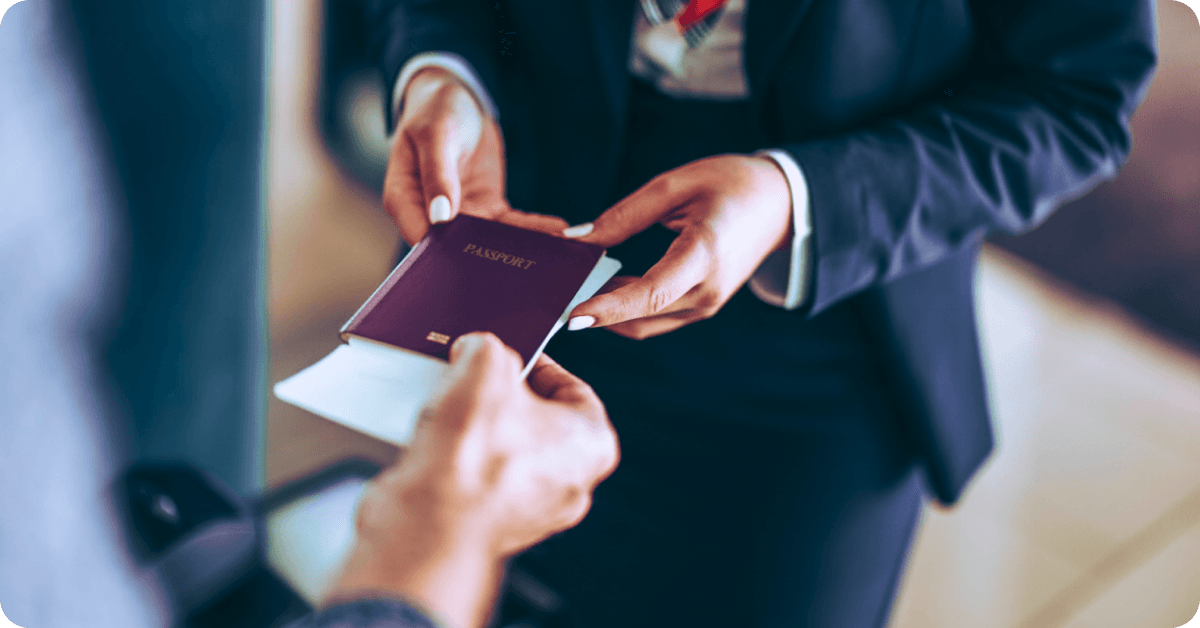
Travel documents are the most important items on any international travel checklist. You might need a visa or proof of vaccinations depending on where you’re going, but some documents — like a valid passport or travel tickets — are non-negotiable. Without them, your trip could hit a roadblock before it even starts. The main documents required for international travel include:
Passport or ID. You can’t travel internationally without one. Some countries accept an ID, but most require a passport. Double-check whether your passport needs to be valid for at least six months after your trip — it’s a common requirement that, if not met, could leave you stuck at the airport.
Travel tickets. Whether they’re for a flight, train, or bus, you’ll need tickets to get where you’re going. Keep them handy, either digitally or printed (ideally both) — you don’t want the stress of fumbling for a ticket while everyone waits in line behind you.
Pro tip 💡 If it’s your first time flying, check out some tips for first-time flyers.
Travel insurance policy. It’s your safety net for unexpected mishaps, like canceled flights, lost luggage, or medical emergencies. You hope you won’t need it, but you’ll be glad to have it when the unexpected happens.
Visa. Depending on your destination, you may need a travel visa for entry. Requirements vary, so find out what’s needed well in advance. Some visas take weeks to process, so don’t leave the application to the last minute.
International driving permit (IDP). If you plan to drive abroad, some countries require an IDP alongside your regular driver’s license. Check the rules for your destination and apply for an IDP in advance.
Proof of vaccination. Some countries require proof of yellow fever vaccination or other necessary vaccinations for all arriving travelers, while others only ask for it if you’re coming from a region with a risk of exposure. Check the entry requirements for your destination and have your vaccination records on hand.
Medical documents. Bring important health records, especially if you have a chronic condition or take medication regularly. Some countries may ask for proof of medical supervision for certain medications, so carry a doctor’s note explaining what you take and why.
Customs documents. You may need to declare pets or items such as gifts, electronics, or cash. Check the rules for your destination and have the necessary paperwork ready to avoid delays at the border.
Custody documents. If you’re traveling with your child but without their other parent or guardian, border officials may ask for proof of custody or a signed letter of consent from the absent parent or guardian.
Pro tip 💡 Make copies or take photos of your passport, visa, and insurance policy. Backups will speed up the replacement process for lost or stolen documents.
Medications and personal health checklist
Packing the right health items, such as prescription medications, can save you a lot of trouble abroad, especially where specific products are hard to find. Cover these health necessities before you travel internationally:
Prescription medications. Pack enough to last the entire trip and keep medications in their original packaging. Carry a prescription from your doctor to avoid customs or security issues.
Over-the-counter medications. Basic remedies like pain relievers, antihistamines, antidiarrheal tablets, and motion sickness medication are worth packing, especially if you’ll be trying new foods or dealing with long journeys.
Portable first aid kit. A small kit with adhesive bandages, an antiseptic, and pain relievers covers most minor injuries or illnesses on the go.
Travel health insurance. Check whether your existing health insurance covers you abroad. If it doesn’t, get travel health insurance that includes emergency care and medical evacuation before you leave.
Medical devices. If you rely on inhalers, EpiPens, or diabetes supplies, pack extras so you don’t run out mid-trip.
Vaccinations. Check which vaccines are recommended or required for your destination. Some need multiple doses or time to take effect, so leave enough time before your departure date.
Feminine hygiene products. Pack enough for your trip, especially if you’re heading somewhere where they may be difficult to find. Reusable options like menstrual cups or washable pads save space and reduce waste.
Financial checklist before international travel
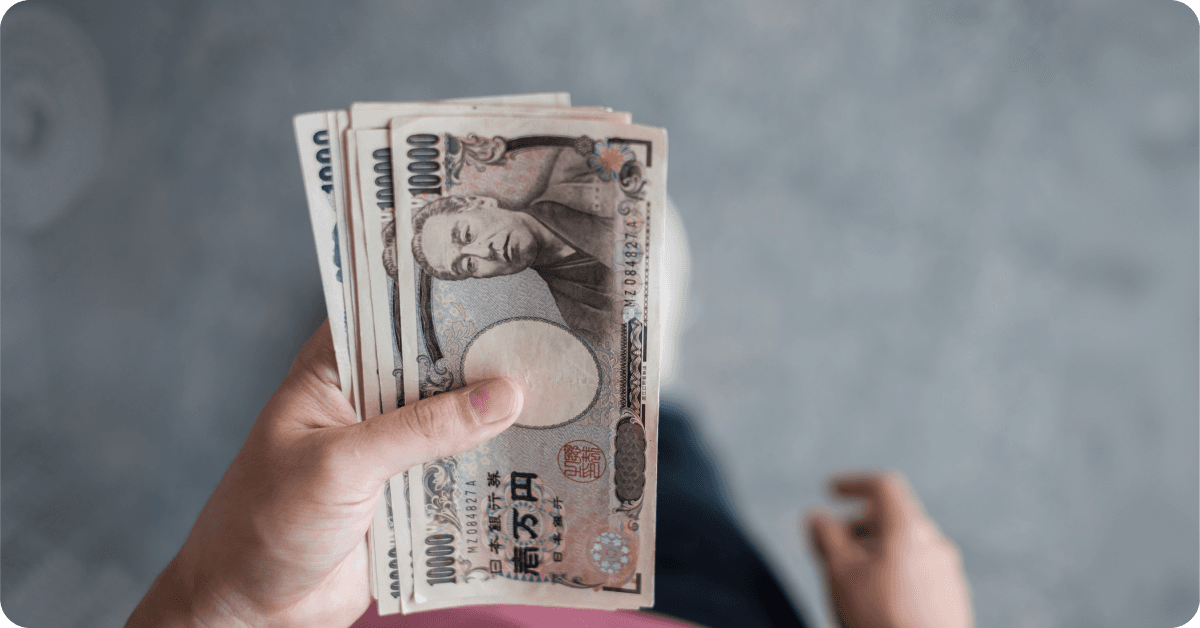
Sorting out your financial preparations, such as exchanging currency, before you leave is one of the most practical steps you can take. Cover these financial steps before your international trip:
Notify your bank. A quick heads-up through your bank’s mobile app, website, or customer service line can stop your bank from blocking your card when you use it abroad.
Get backup payment cards. Bring at least one or two backup cards, ideally stored in a secure digital wallet like Apple Pay or Google Wallet. Cards from apps like Revolut, Wise, or PayPal help avoid high transaction fees and handle currency conversion.
Exchange currency. Some local shops don’t accept cards, so exchange a small amount of local currency before you leave to cover expenses when you arrive. Don’t exchange everything at home — you may find better rates at your destination.
Set aside emergency cash. Keep a small amount of cash or credit reserved strictly for emergencies, separate from your everyday wallet. A digital wallet app is a good option too.
Check ATM fees. Look into your bank’s fees for international withdrawals and whether they partner with global networks to reduce or waive charges. Also, look up your destination’s ATM requirements before you leave — some countries only accept four-digit PINs.
Settle outstanding bills. Pay off outstanding bills before you leave to avoid late fees or missed payments while you’re abroad.
Pause or cancel subscriptions. Temporarily suspend or fully cancel food deliveries, cleaning services, or other subscriptions you won’t use while traveling.
International travel luggage checklist
What you pack — and how you pack it — matters. The sections below cover what to include in your carry-on, how to handle checked baggage, and the rules worth knowing before you zip everything up.
International travel carry-on bag checklist

Whether you’re traveling light or checking a bag, pack your carry-on with everything you can’t do without. Pack the following carry-on essentials for international travel:
Travel documents. Keep your passport or ID, visa, flight tickets, hotel reservations, and other documents in your carry-on. Store copies in a separate, secure compartment — ideally a hidden one, if your bag has it.
Wallet. Pack your backup cards and the local currency you exchanged earlier. Keep these secure but easy to reach, such as in a zippered inner pocket.
Medications and personal health items. Pack all prescription medications along with a basic first aid kit.
Just enough clothes. Pack only what you need, and wear layers to maximize space and flexibility. If space is tight, consider what you can buy at your destination. Pack an extra pair of shoes if space allows.
Pro tip 💡 Building a weekend trip packing list? Stick to three to four outfits and plan to mix and match.
Electronics. Pack your device chargers and a universal travel adapter. Also pack a portable power bank for long flights or layovers, when outlets are hard to find.
Any valuables. Keep jewelry, expensive electronics, your laptop, phone, and camera in your carry-on — not your checked bag. Note that spare lithium batteries and power banks must go in your carry-on, even if the device they power is checked.
Toiletries. Pack travel-sized versions of your essential toiletries — shampoo, conditioner, body wash, toothbrush, toothpaste, deodorant, hand sanitizer, and a hairbrush. If you wear contact lenses, include your case, solution, and a spare pair.
Pro tip 💡 Liquid rules for carry-on bags vary by country and airline. In the US, the TSA’s 3-1-1 rule limits each container to 3.4 oz (100 ml) and requires all containers to fit in one clear, resealable bag. Check your departure country’s rules before you fly.
Snacks. Non-perishable options like granola bars, nuts, dried fruit, trail mix, or protein bars work well for long flights. Crackers and rice cakes also travel well.
Headphones. Whether you want to block out noise, watch a film, or listen to music, headphones make long journeys more bearable.
A source of entertainment. Pack a book or magazine, or download films and shows in advance.
Travel pillow. Many airlines don’t count a neck pillow as part of your carry-on allowance, so you can often bring it along without losing packing space.
Pro tip 💡 Packing for a long-haul trip or multiple flights? Face masks and eye masks take up minimal space and add a bit of extra comfort.

Make your trips smoother with Saily Ultra
Go through security in the blink of an eye with fast-track services and relax in airport lounges with the Saily Ultra plan's travel perks.
International travel checked baggage checklist
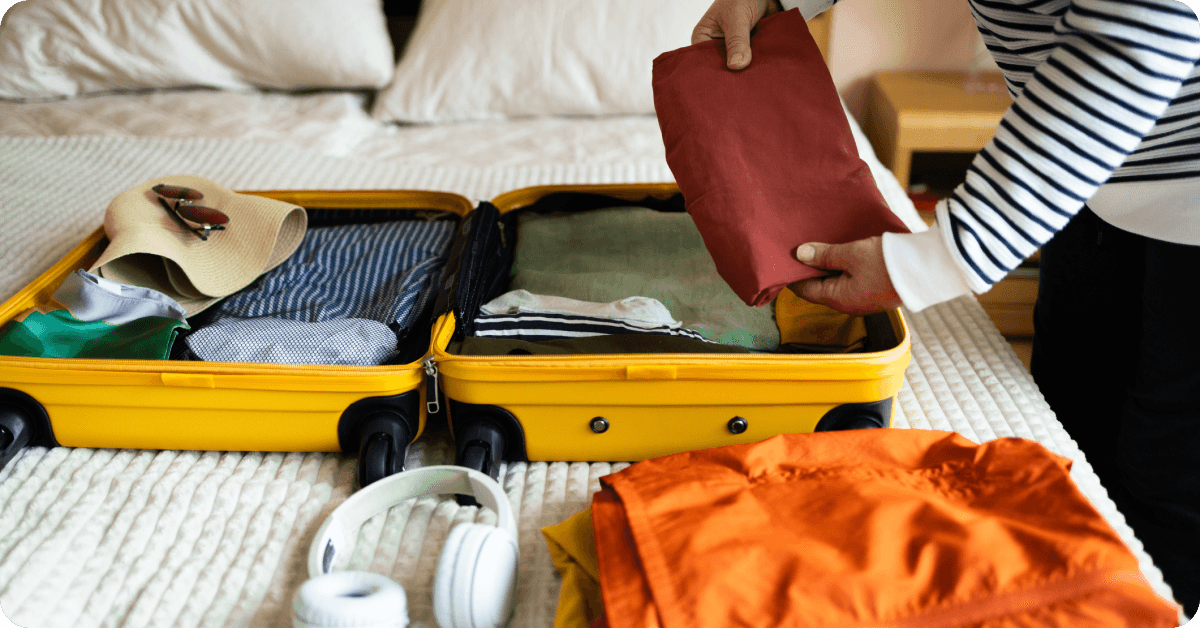
You don’t need a checked bag for every international trip, but it can be useful for longer trips, family travel, or when you need to bring bulky items like sports equipment or gifts. An extra bag also gives you room for items like shoes, clothes, or a hair dryer that might cost more to buy at your destination. Packing cubes can help keep everything organized and make the most of the space you have.
Checked bags come with specific guidelines worth knowing:
Double-check the weight. Confirm your bag meets the size and weight limits set by your airline, cruise line, or train service. Weigh your luggage at home to avoid surprises at check-in.
Use baggage locks. If you’re traveling to, from, or through the US — including on a layover flight — use a TSA-approved lock. Security officers can open it without damaging it. For other trips, use a sturdy lock or cable ties for extra security.
Make your luggage easy to spot. Add a bright ribbon, bold luggage tag, or colorful cover to make it stand out on the carousel and less likely to be taken by mistake.
Pack sharp objects properly. Small scissors, tweezers, and nail clippers are usually fine in carry-on bags, but pack razor blades and larger scissors in your checked bag. Wrap or sheath them securely to avoid injuring baggage handlers.
Pro tip 💡 Some sharp objects — like certain knives or tools — may be prohibited altogether. Check your airline’s rules before packing.
Protect against spills. Place liquids and spill-prone items in resealable plastic bags to save your suitcase from a messy leak.
Check sports equipment rules. Items like bats, golf clubs, and hockey sticks are generally not allowed in the cabin and must go in checked luggage. Policies on ships and trains vary, so check with your operator in advance.
Extra pre-trip checklist for international travel

Before you head off — whether you’re visiting the most beautiful places in the US or making your way across Europe — a handful of extra pre-trip tasks can save you trouble once you’re there. Cover these steps before your international trip, from home prep to emergency planning and destination research:
Find a reliable house or pet sitter. Arrange for someone you trust to care for your pets, water your plants, or collect your mail. Whether it’s a neighbor, family member, or professional sitter, make sure they’re clear on what needs to happen while you’re away.
Notify your home security service. Let your security provider know your travel dates so it can increase monitoring while you’re gone. Some services offer a vacation mode with enhanced coverage.
Download travel apps. Install apps that’ll make your trip smoother — translation tools, currency converters, local transportation apps, and activity booking platforms.
Pro tip 💡 Need help deciding which ones are worth downloading? Check out our article on the best travel apps.
Prepare your home. For longer trips, turn off water and gas, set timers on lights to make your home look occupied, and arrange to have packages held or redirected.
Research your destination. Look up the climate, local customs, tipping practices, and dress codes. Check transportation options, local laws, and common tourist scams before you arrive.
Pro tip 💡 If food is your thing, research local dishes and authentic spots before you go. Saily’s guide on what to eat in Rio de Janeiro is a good example of the kind of destination research that makes deciding where to eat much easier.
Prepare for lost or stolen cards and devices. Familiarize yourself with the steps to take if a card or phone goes missing. Use your bank’s app or website to block cards, and contact your carrier to lock your device. You can also use Find My (on iPhone) or Find My Device (on Android) to locate your phone or erase its data remotely.
Pick and purchase travel insurance. Choose a policy that covers health, accidents, cancellations, and lost property. Keep your policy number somewhere accessible, and learn how to file a claim before you need to.
Keep emergency contacts handy. Before you leave, save your country’s embassy, local emergency services, your bank’s international hotline, and your travel insurance contact. If you lose your passport, need medical help, or have to freeze a stolen card, you’ll have every contact you need on hand.
What NOT to pack for international travel
Now that you know what to pack, it’s worth knowing what to leave at home. Several items can cause problems when traveling overseas — some are obvious, but others, like drones, might surprise you. Avoid packing the following:
Hazardous and explosive items. Flammable liquids, fireworks, certain lithium batteries, and aerosol sprays are prohibited in carry-on and checked baggage. Check your airline’s website for a full list of prohibited items before you pack.
Sharp items. Knives, box cutters, and scissors over 4 inches are generally not allowed in carry-on luggage and must go in your checked bag.
Valuable or irreplaceable items. Jewelry, expensive electronic devices, and passports should always go in your carry-on. Only pack the valuables you’re prepared to lose and keep irreplaceable items like your passport or jewelry in your carry-on.
Weapons or self-defense items. Firearms, pepper spray, and stun guns are prohibited in carry-on luggage and heavily regulated in checked bags. Know the rules before you pack.
Illegal items. Never pack illegal drugs, unlicensed weapons, or medications that require a prescription you don’t have. Even if an item is legal in your home country, it may be illegal at your destination — always check in advance.
Large amounts of cash. Carrying large sums of cash draws attention and can make you a target for theft. You may also be required to declare the amount at customs.
Other prohibited or restricted items. Every country has its own rules — for example, Australia strictly restricts food and agricultural products to prevent the spread of pests and diseases, while Egypt heavily restricts drones and requires special permits.
Other important tips for international travelers

A few more tasks can smooth out the final stretch before departure. These tasks are worth taking care of in the week before — or on the day of — your trip:
Check the weather forecast. Make sure your travel outfit is comfortable for the journey and appropriate for the weather at your destination.
Charge your devices. Fully charge your phone, earphones, and any gadgets you’ll need on the trip. Don’t forget your portable power bank — it’s invaluable when you’re on the move and can’t find an outlet.
Keep liquids and electronics within easy reach. If you’re doing any last-minute repacking, make sure your liquids, electronics, and anything you’ll need to remove at security are easy to access.
Confirm your travel details. Double-check your departure time and any updates on your terminal, platform, gate, or bus meeting spot — these can change at short notice.
Arrive early. Aim to reach the airport at least 3 hours before an international flight, or 1 to 1.5 hours ahead for trains and buses. For cruises, arrive at least 2 hours before departure. Give yourself enough time to check in, clear security, and handle unexpected delays.
Familiarize yourself with customs forms. Research the required customs forms for your destination in advance. If you complete them before you arrive, you’ll clear the border faster and avoid holding up the line.
Learn a few words in the local language. A handful of greetings and polite phrases — such as “hello,” “please,” and “thank you” — go a long way toward making a good impression and connecting with locals.
Prepare for medical emergencies. One tip for solo travelers: If you have a medical condition, carry a note in the local language explaining your condition and the care you need in an emergency.
Decide how you’ll stay online. Will you rely on public Wi-Fi, hoping every place you visit has a hotspot? Plan ahead — once you arrive, you may need internet access right away to book a cab or find your way to your accommodation.
Staying connected throughout your international trip
You have four options to stay online throughout your international trip:
Wi-Fi hotspots
International roaming
A local prepaid SIM card
An eSIM
While public Wi-Fi can be convenient, it’s not always available when you need it. Plus, unless you use a VPN, public Wi-Fi can expose you to security risks. International roaming might seem like an easy option, but it’s often the priciest. Unless you’re willing to splurge, it’s best to skip it. You could also buy a local SIM card upon arrival, but finding a reliable vendor may take time and effort.
Consider getting an eSIM instead. With an eSIM, you skip the hassle of traditional SIM cards — no need to search for a store, show your passport, or swap out physical SIMs. It’s more dependable than Wi-Fi hotspots and much cheaper than international roaming.
You can order your eSIM online before your trip. Saily, for example, offers Global eSIM plans that cover multiple destinations, so you don’t need a separate SIM for each country you visit. Download the eSIM app, follow a few easy steps, and your eSIM will be ready in less than two minutes.
Many eSIMs require manual activation, so make sure to activate yours before you leave. With Saily, however, your eSIM activates automatically when you arrive at your destination, so you can stay connected without extra steps.

Stay connected with the Saily eSIM app
Affordable mobile data plans for every journey.
Download your printable international travel checklist (PDF)
We’ve put together a printable international travel checklist you can download and use before your next trip abroad. It covers all the categories from this guide — documents, health, finances, luggage, and pre-trip tasks — in one clean, checkbox format.
Download the full checklistFAQ
The must-have items for an international trip are a valid passport, required visas, prescription medications, a travel adapter, and a portable power bank — everything else can usually be replaced or improvised.
Toothbrushes, phone chargers, and power adapters top the list of most forgotten travel items. Chargers are especially easy to leave behind because travelers often unplug them from the wall at the last minute and set them down without repacking. A travel adapter is just as important — without one, you won’t be able to charge your devices abroad.
A last-minute international travel checklist covers three areas. First, confirm that your passport, visa, and travel insurance are packed. Second, make sure your devices and power bank are charged. Third, have local currency or a card ready for when you arrive.
Disclaimer: The trademarks referenced or displayed are for illustrative purposes only. Saily is not affiliated with, sponsored by, or endorsed by the owners of those trademarks.

Mobile data without borders
Saily — your secure and reliable eSIM companion for every journey.