






Thailand packing list: What to bring for every season and situation
Ever tried packing for a country where you might visit ancient temples in the morning, hike through lush jungles in the afternoon, and hit vibrant night markets in the evening? Welcome to Thailand — a place where your packing list needs to be as versatile as your itinerary. In this ultimate Thailand packing list, you'll discover exactly what to pack for every season, activity, and situation — so you can focus on making memories instead of worrying about what you forgot.
Table of Contents
- Travel essentials for Thailand
- What to wear in Thailand by season
- The cool and dry season (November-February)
- The hot season (March-May)
- The rainy season (May-October)
- Packing tips based on trip length
- How to pack for a seven-day trip to Thailand
- How to pack for a two-week trip to Thailand
- How to pack for a 30-day trip to Thailand
- Activity-specific packing for Thailand
- Beach and island hopping
- Hiking and jungle exploration
- Urban sightseeing and city exploration
- The Full Moon Party
- Temple visits and cultural sites
- Floating markets and canal tours
- Muay Thai training
- Bamboo rafting adventures
- Meditation retreats and spiritual experiences
- Backpacking tips
- Tech and connectivity checklist
- What NOT to pack when traveling to Thailand
- Ready to start packing?
Travel essentials for Thailand
Before we dig into seasonal specifics, let's cover the non-negotiables. These items should make it into your luggage (or backpack) regardless of when you visit or what you plan to do.
Travel documents and local money. Pack your passport (with at least 6 months remaining validity), travel insurance documents, flight confirmations, and accommodation bookings in an easily accessible folder. Also bring local cash (Thai baht [THB]) and payment cards that work internationally.
⚠ Important Thailand travel information:
|
|---|
Medications and a basic first-aid kit. For peace of mind, pack your personal medications in their original packaging (for more details, see the what NOT to pack when traveling to Thailand section), plus pain relievers, Band-Aids, and an antiseptic cream. Anti-diarrhea medication like Imodium is absolutely essential, and consider bringing Pepto Bismol or similar stomach medication as a backup measure. Your digestive system will encounter new bacteria and spices that can cause stomach upset even from safe food — sometimes it's your gut adjusting to different ingredients, but it could also be food poisoning from contaminated food or water.
Necessary electronics. Pack your essential devices and charging equipment. (For more details, see the tech and connectivity section.)
A toiletry bag with your essentials. Thai stores stock international brands, but packing products from familiar brands like a toothbrush, deodorant, toothpaste, and skincare items saves time and ensures you have products that work for you.
Pro tip💡If you’re traveling with a carry-on, keep in mind that liquids cannot exceed 100 ml each, for a total of 1 L of liquid or gel items (the standard limit at most airport security checkpoints).
A day bag or small travel backpack. You'll need one for daily sightseeing and carrying water, snacks, and souvenirs throughout your adventures.
Sun protection. UV protection is crucial regardless of season, so bring high SPF sunscreen (reef-safe formula for marine parks), sunglasses, and a hat. Many backpackers complain that local sunscreen is of terrible quality, and good international brands are expensive in Thailand. (Find more backpacking insights in the backpacking tips section.)
Underwear and socks. If you're packing for a weekend trip or a vacation short enough where you won’t do laundry, pack a pair of underwear per day, plus a couple of extras. If you'll be in Thailand for a while and are planning on doing laundry, 7-9 pairs should work. For socks, pack fewer pairs since you'll likely mostly wear sandals and flip-flops for the sake of convenience.
Pajamas/sleepwear. Pack lightweight sleepwear for Thailand's heat. Even if you prefer sleeping without clothes at home, you'll need pajamas if you're staying in shared accommodations like hostel dorms.
Slip-on shoes and quick-dry sandals. Removing shoes is a common practice in Thailand and shows respect when entering temples, homes, small shops, and some restaurants. You'll need to remove shoes frequently, so avoid footwear with laces that can slow you down.
Modest clothing pieces. For more details, see the temple visits and cultural sites section.
A reusable water bottle. Staying hydrated is crucial in Thailand's heat and humidity. Tap water isn't safe to drink, but you can refill your bottle with filtered water at hotels, restaurants, and many shops. Bringing your own reusable water bottle saves money and reduces plastic waste.
Strong mosquito repellent with DEET. Thailand's mosquitoes carry serious diseases, including dengue fever and Japanese encephalitis. DEET-based insect repellent (20-30% concentration) offers the most effective protection. Apply it frequently, especially during dawn and dusk when mosquitoes are most active.
Hepatitis A and B vaccinations. These vaccinations are non-negotiable for Thailand travel. Hepatitis A spreads through contaminated food and water, while hepatitis B is transmitted through bodily fluids. Both can cause severe liver damage. Get vaccinated at least 2-4 weeks before your departure date to allow your immune system time to build full protection.
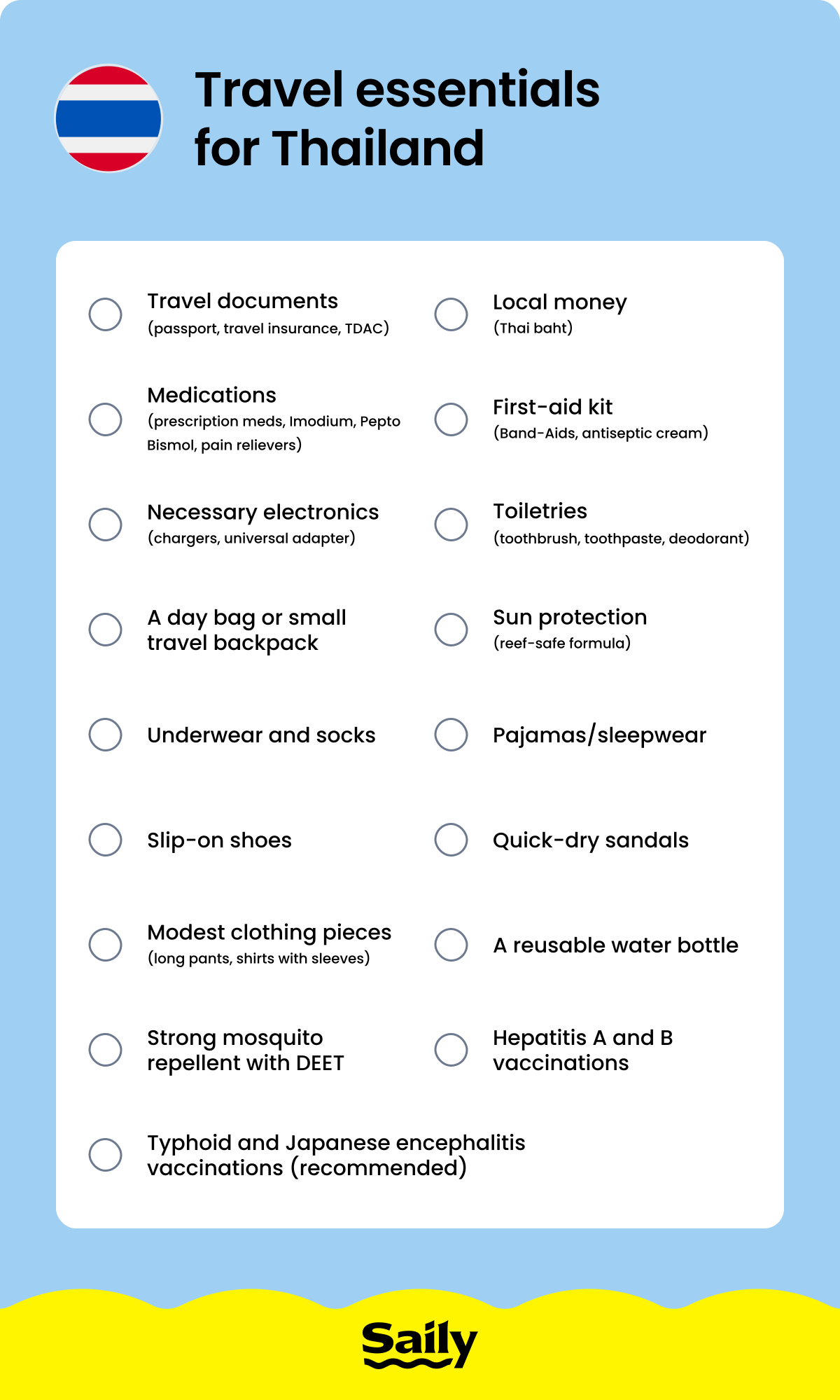
Health tips❤🩹 In addition to hepatitis A and B, consider vaccinations for typhoid and Japanese encephalitis.
Next, we’ll walk you through what to expect and what to wear in Thailand during each season.
What to wear in Thailand by season
Thailand experiences the three distinct seasons typical of Southeast Asia. Understanding these patterns can help you pack smart and stay comfortable throughout your trip.
The cool and dry season (November-February)
November through February is Thailand's peak tourist season — the weather is absolutely perfect for outdoor activities, sightseeing, and beach activities. Temperatures range from 75°F to 82°F (24°C to 28°C) with minimal humidity and almost no rain.
This comfortable weather during this season is ideal for temple hopping and outdoor markets, but expect bigger crowds and higher prices since most travelers want to visit during these blissful months.
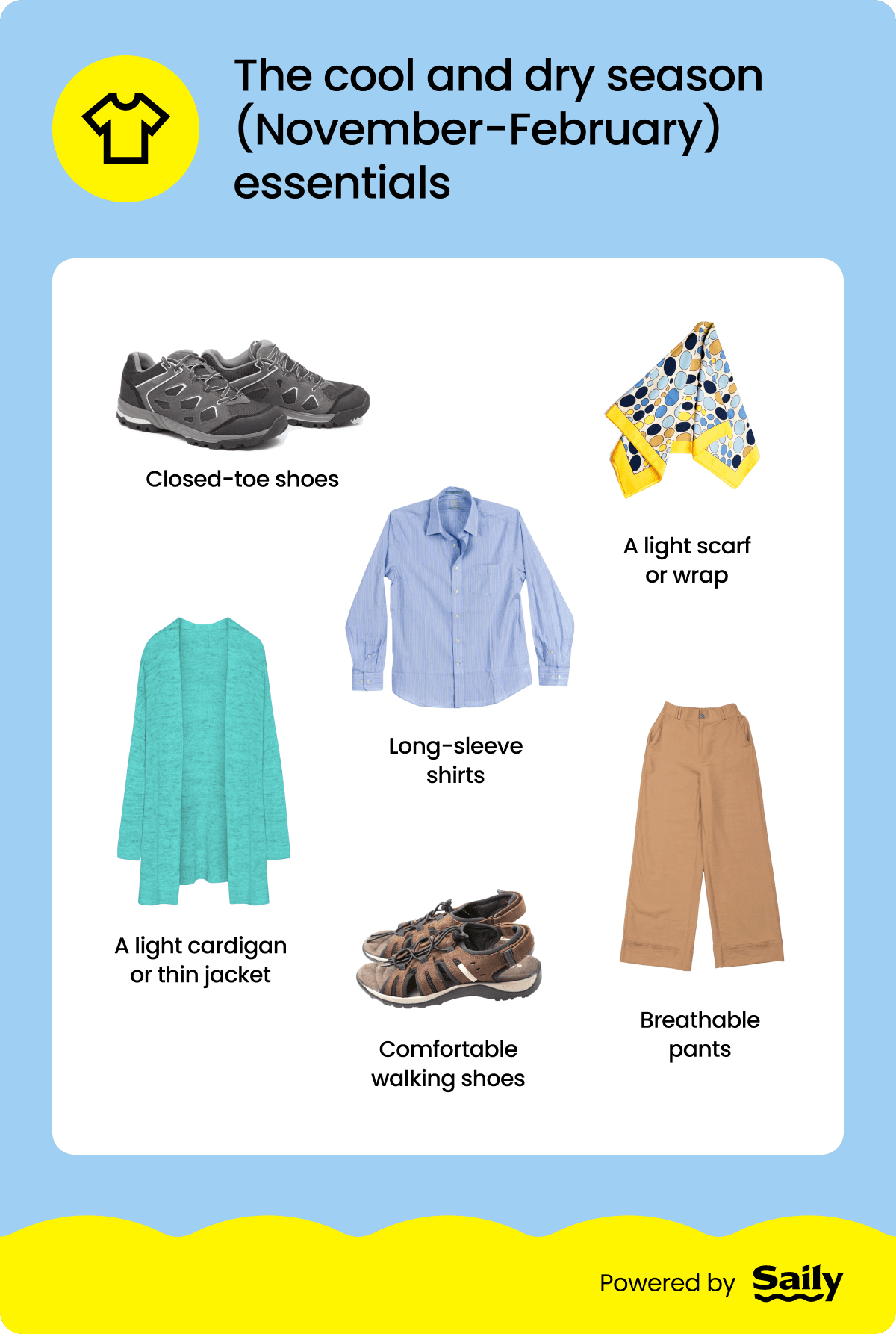
🧳If you’re traveling to Thailand in the cool and dry season, make sure to pack these essentials:
Light layers for cooler mornings and evenings (it actually gets chilly).
Long-sleeve shirts for sun protection during midday heat.
Comfortable walking shoes for extensive sightseeing without sweating through them.
A light cardigan or thin jacket for air-conditioned spaces.
Breathable pants for temple visits and comfortable evening strolls.
A light scarf or wrap for extra warmth during early morning temple visits.
Closed-toe shoes for hiking if you're exploring national parks.
Pro tips💡Northern Thailand gets surprisingly cool during December and January, especially in mountainous areas like Pai or Chiang Rai — pack a proper jacket for these regions. Also, book accommodations well in advance and consider visiting popular attractions early in the morning to beat the crowds.
The hot season (March-May)
Thailand's hot season, which extends from March through May, brings intense heat nationwide. Temperatures soar from 75-100°F (24-38°C), with April being the year's hottest month — thermometers regularly climb above 95°F (35°C). Inland areas like Bangkok and Chiang Mai often hit 100°F.
This blazing heat keeps crowds away, which means you'll find empty temples and bargain hotel rates as well as be able to enjoy authentic local experiences without bookings or lines. Just prepare for that midday sun — it's genuinely intense.
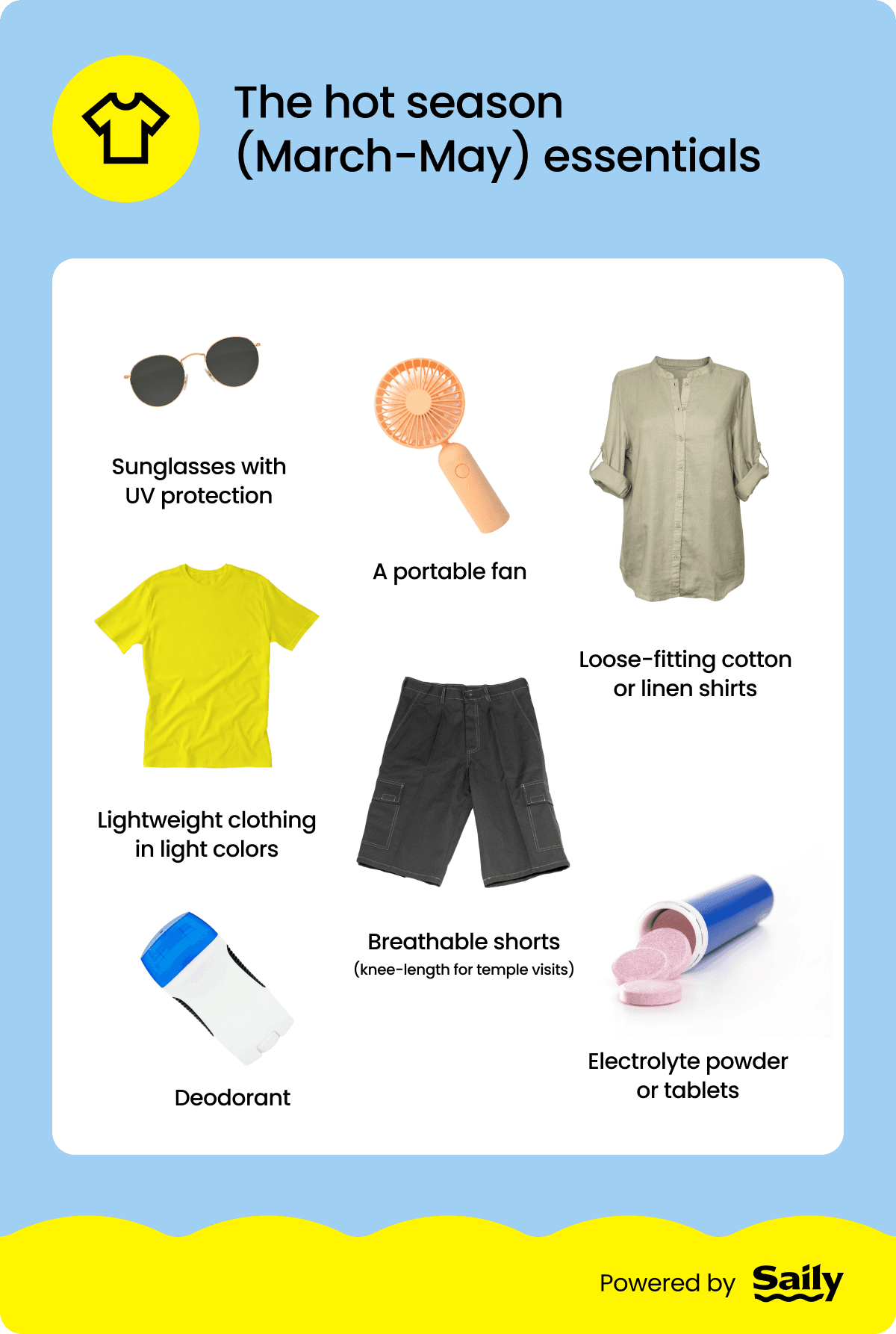
🧳Your hot season packing list for Thailand should include:
Ultra-lightweight clothing in light colors (they reflect heat better than dark fabrics).
High-quality sunglasses with UV protection.
Loose-fitting cotton or linen shirts that allow airflow.
Breathable shorts (knee-length for temple visits).
Electrolyte powder or tablets to combat dehydration.
A portable fan or battery-operated personal cooling device.
Deodorant to carry around (you'll sweat more than expected).
Pro tips💡Pack a small bottle of cooling powder like Snake Brand Prickly Heat, available at any 7-Eleven. Locals swear by it for staying comfortable in extreme heat. Also, consider scheduling indoor activities during the hottest part of the day (11 AM to 3 PM).
The rainy season (May-October)
Don't let "rainy season" scare you off — it rarely means all-day downpours. Instead, expect short, intense afternoon or evening showers that actually provide welcome relief from the heat. Most days, you'll still get plenty of sunshine, just with dramatic thunderstorms that roll in, dump rain for 30-60 minutes, then disappear.
The temperatures stay warm at 77-88°F (25-31°C), but humidity cranks up significantly. This season transforms Thailand into a lush, green paradise while keeping crowds thin and prices low.
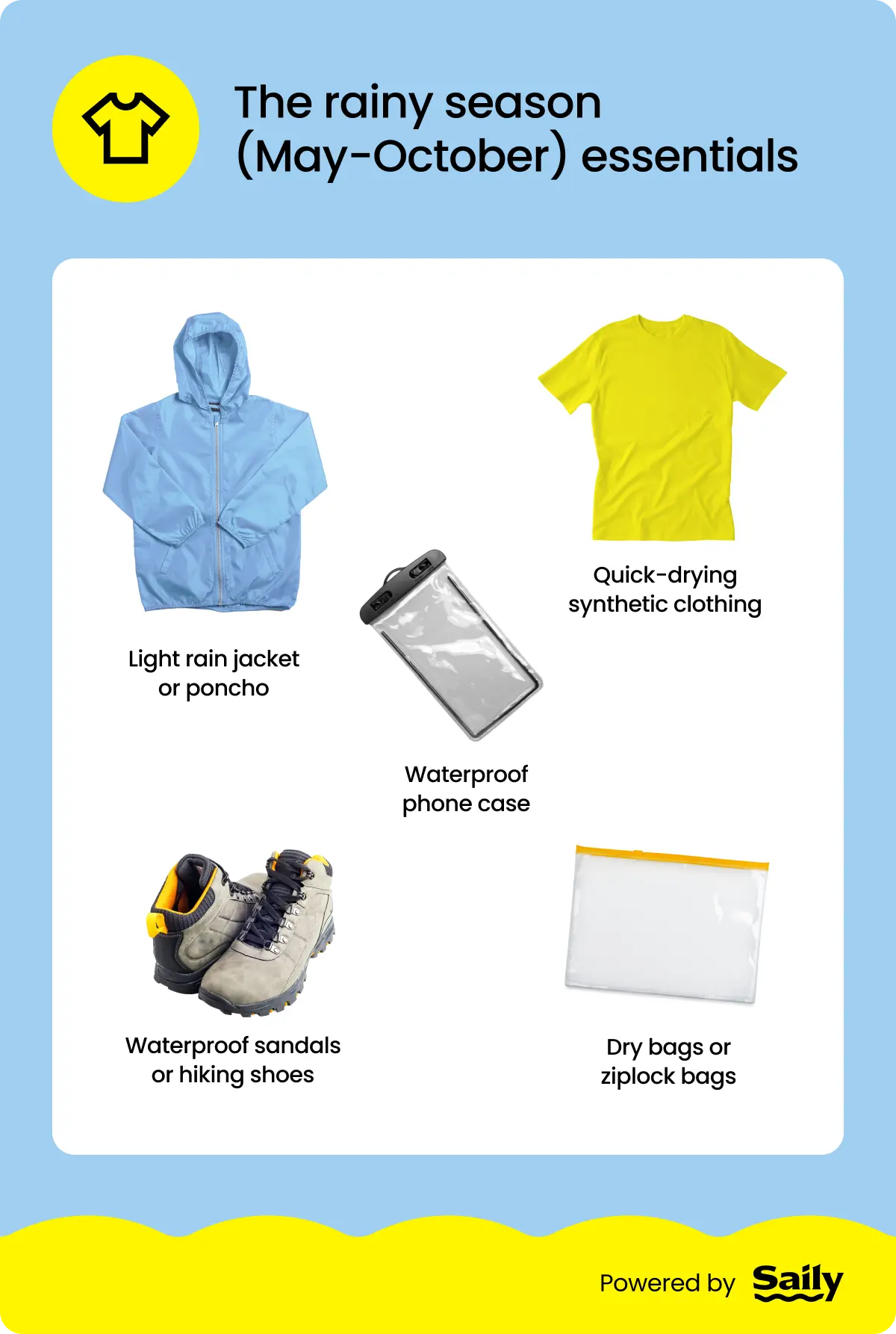
🧳Here’s what to bring to Thailand in the wet season:
Quick-drying synthetic clothing (cotton stays wet forever in this humidity).
Light rain jacket or poncho that also doubles as a backpack rain cover.
Waterproof sandals or hiking shoes with excellent grip for slippery surfaces.
Dry bags or multiple ziplock bags to protect electronics from sudden downpours.
Waterproof phone case.
Pro tip💡 Choose your coast wisely. The western coast (Phuket, Krabi) gets heavy rains from May to October, while the eastern coast (Koh Samui, Koh Phangan) has different wet periods, with peak rains in October to November.
Packing tips based on trip length
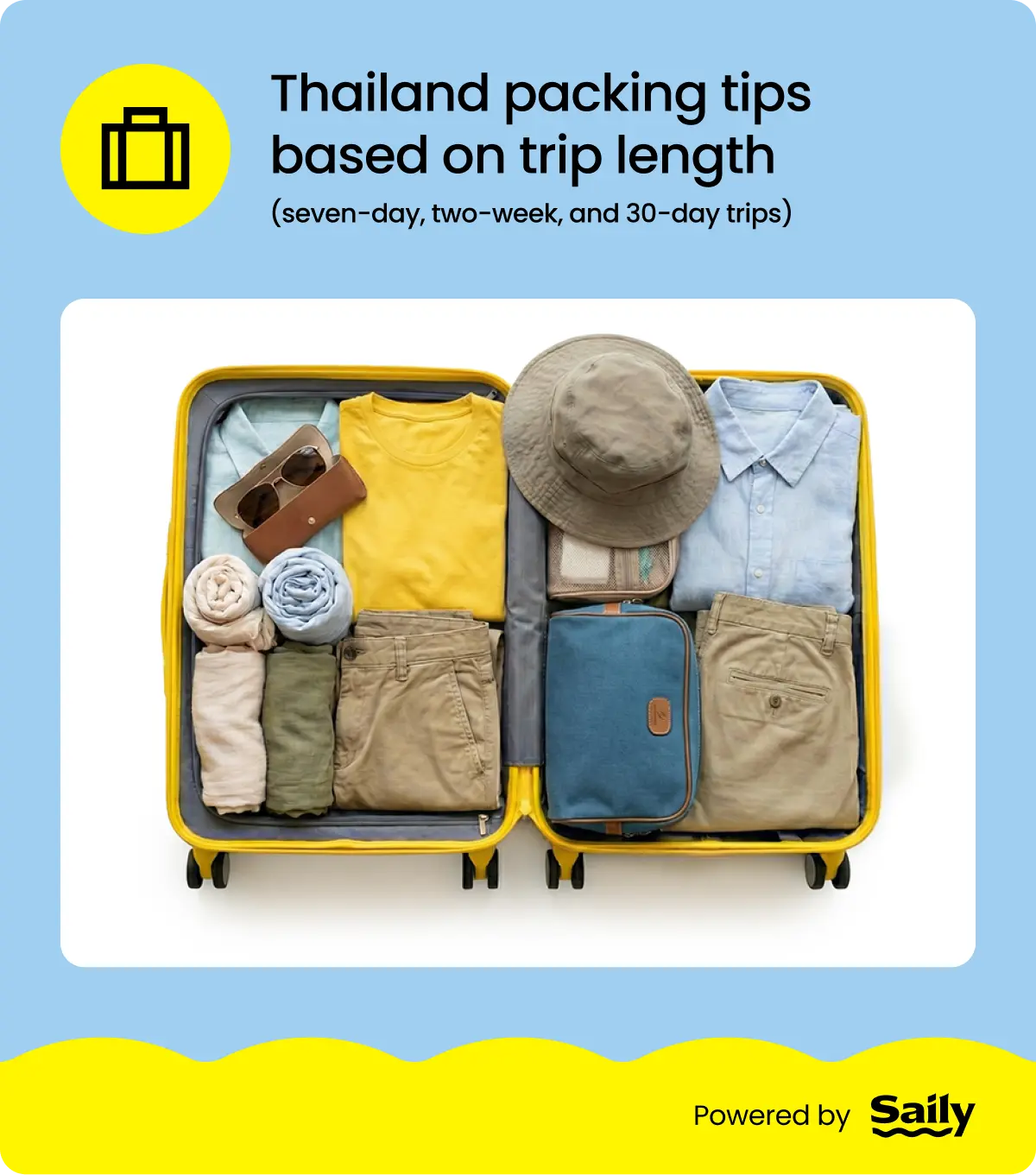
The length of your Thai adventure affects your packing strategy. Packing for a week requires almost surgical precision, while a month-long journey gives you room for "just in case" items. Let’s figure out how to pack for Thailand based on your trip length.
How to pack for a seven-day trip to Thailand
A week in Thailand moves fast, and you want to pack efficiently. Every item needs to earn its place in your suitcase.
Thailand packing list tips for a seven-day trip:
Pack 5-7 versatile pieces to mix and match. Focus on lightweight, quick-dry, breathable fabrics that work across multiple situations. Choose lightweight clothes that transition from temple visits to beach days to nice dinners.
Plan your outfits in advance. Map out your daily activities and choose pieces that work together in different combinations.
Pack just enough toiletries — no more, no less. It's only a seven-day trip, so you probably don't need an entire bottle of shampoo or a full tub of face cream. Use travel-sized containers even if you’re checking bags.
Focus on essentials. Prioritize the must-have items from our travel essentials for Thailand section above — these non-negotiables should form the foundation of your seven-day packing list before adding extras.
Pro tip💡Use packing cubes and compression bags for organization. These will keep your clothes organized and help you fit more items into your bags efficiently, making it easier to find what you need while maximizing your luggage space.
How to pack for a two-week trip to Thailand
Two weeks in Thailand lets you see different parts of the country. You can visit Bangkok's temples, explore northern mountains, and relax on southern beaches. With all these different places and activities, you need to pack smart.
How to pack for Thailand if you’re staying there for two weeks:
Pack 8-10 versatile core pieces. Build a capsule wardrobe that will work for Thailand's heat, sudden rain showers, diverse activities, and cultural dress codes. Choose neutral colors that hide sweat stains and can be paired easily.
Plan for laundry around day 7-8. Pack for one week plus 2-3 extra days' worth of clothes, then plan a laundry day mid-trip. Thailand's humidity means clothes take longer to dry, so factor in extra drying time.
Bring laundry essentials for emergencies. Travel-sized detergent sheets and a quick-dry towel are essential for hotel-room washing between laundry days when your favorite shirt gets doused in Pad Thai sauce.
Include activity-specific items. During a two-week trip, you'll likely visit floating markets, hike jungle trails in national parks, and relax on southern islands. Pack one specialized item for each activity. (For more details, see the activity-specific packing tips section.)
Pro tip💡Most Thai accommodations offer laundry services for THB 40-100 per kilogram, with same-day or next-day return. Avoid expensive hotel services and look for local laundromats or ask your guesthouse about its washing facilities — it's usually much cheaper.
How to pack for a 30-day trip to Thailand
A month in Thailand means you're staying long enough to live like a local rather than a tourist, so focus on essentials and plan to shop locally for the rest.
Packing tips for a 30-day trip to Thailand:
Pack for one week plus weather-specific extras. Bring seven core outfits for daily activities, then add weather-specific extras. Pack lightweight layers for air-conditioned spaces, waterproof options for the rainy season, and extra sun protection for the hot season.
Choose durable, versatile fabrics. Select quick-dry materials like synthetic and linen-cotton blends that can withstand frequent washing. Avoid pure cotton, which stays wet and takes forever to dry in tropical humidity. Focus on breathable, wrinkle-resistant pieces that work across multiple situations.
Pack comfort items for longer stays. In a month-long stay, you'll likely spend a lot of time on buses, sleeper trains, and boats. Bring good headphones for noisy buses and a travel pillow for train beds.
Pack minimal toiletries and skip items you can buy locally. Every 7-Eleven stocks basic toiletries, and Thailand has familiar Western brands throughout the country. Skip bulky items like extra shoes, heavy towels, and extensive toiletries — Thai markets and shopping centers offer quality alternatives at a fraction of home prices.
Pro travel tip💡Embrace Thailand's famous "elephant pants" — they're loose-fitting, breathable, and designed for tropical heat. You'll see why locals and long-term travelers swear by them.
Activity-specific packing for Thailand
Thailand offers incredibly diverse activities and experiences. Your itinerary might include island hopping, jungle trekking, temple visits, and urban exploration. Each activity requires specific gear to help you enjoy it and stay safe.
Beach and island hopping
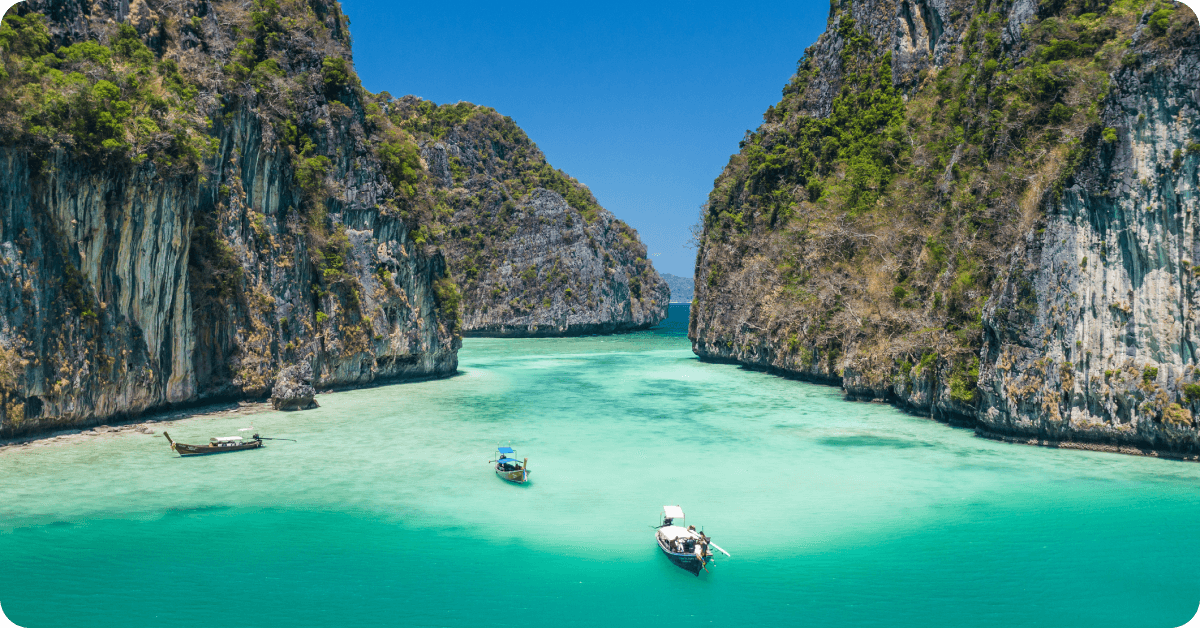
Thailand's islands offer incredible beauty, but you need specific gear to enjoy them fully.
These items should make it to your packing list:
Multiple swimsuits since one's always wet, sandy, or drying.
Snorkeling gear (mask and fins) if you plan multiple reef visits.
A dry bag with a shoulder strap for boat transfers between islands.
Waterproof sandals with back straps that won't slip off during boat boarding.
A mesh laundry bag to keep sandy, wet clothes separate from clean items.
Pro tip💡Bring seasickness medication for boat transfers — Thai seas can get choppy.
Hiking and jungle exploration
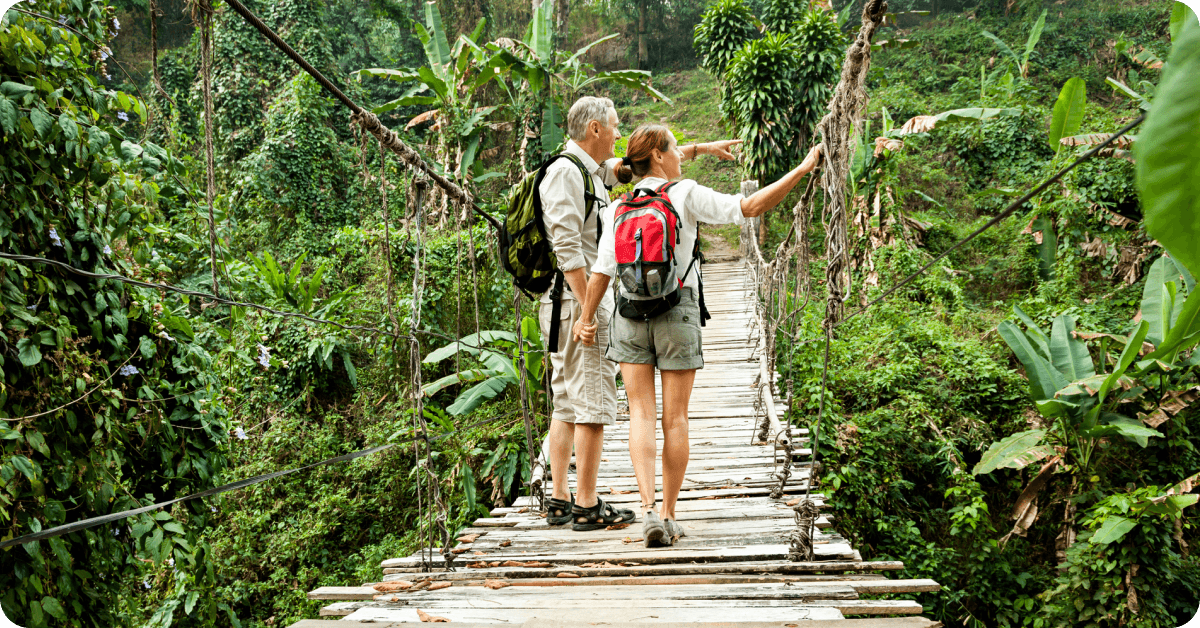
Northern Thailand's national parks and jungle areas offer incredible hiking opportunities, but they come with unique health challenges that require preparation.
Your hiking and jungle survival kit should contain:
Leech socks or gaiters for jungle floor protection since leeches are common in wet areas.
A headlamp with red-light setting for early morning starts.
Water purification tablets for refilling from natural sources during long hikes.
Compression bandages for sprains on uneven terrain.
An emergency whistle attached to your pack for safety.
Trekking poles for steep, muddy trails during the rainy season.
Pro tips💡Jungle areas have higher concentrations of disease-carrying mosquitoes. Long pants and sleeves aren't just comfort items — they're health essentials. Make sure to bring your DEET-based repellent for these adventures.
Urban sightseeing and city exploration
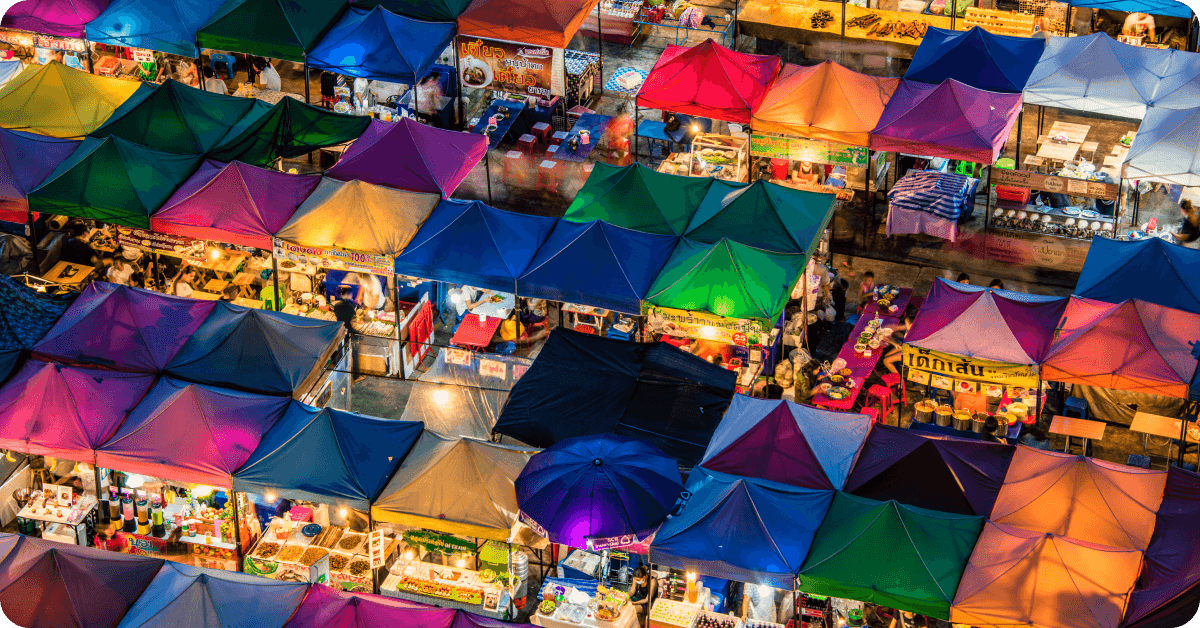
Exploring Bangkok, Chiang Mai, and other Thai cities involves lots of walking in hot, humid weather, plus navigating crowded buses and trains.
Don't forget these city essentials:
Tissues since many public restrooms run out of toilet paper frequently and aren't restocked regularly.
Hand sanitizer for after touching public surfaces and before eating street food.
Cash in small denominations since some vendors don't accept cards or large bills.
A portable fan for sweltering afternoons when temperatures soar.
Pro safety tip💡Watch where you're walking, especially at night. Thai sidewalks are notorious for loose grates, ankle-breaking holes, and random sharp objects.
The Full Moon Party
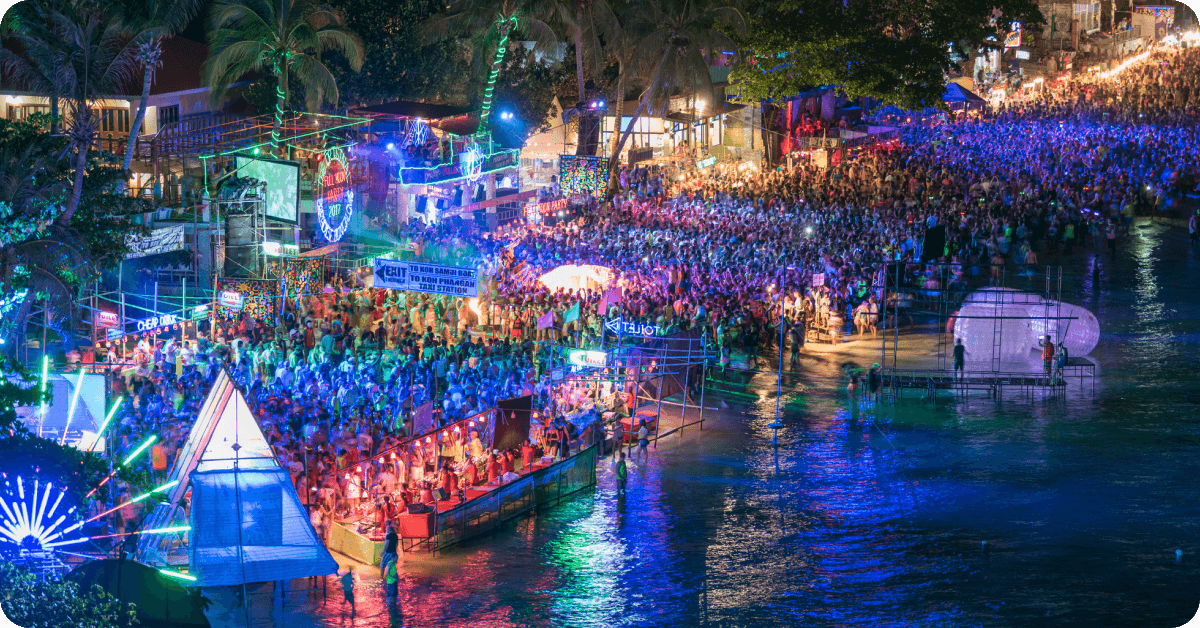
Koh Phangan's legendary Full Moon Party is one of Thailand's wildest experiences, but the crowded beach celebration requires strategic packing for safety.
Essential Full Moon Party packing list:
A waterproof bum bag or neck pouch for valuables worn close to your body.
Minimal cash (THB 100-200 for entry plus party expenses) — leave credit cards behind.
Passport copy, not your actual passport — keep the real one locked in your hotel safe.
A backup phone. If you don’t have one, keep your main device extremely secure.
Sturdy, closed-toe shoes — broken glass may cover the beach, so flip-flops are dangerous.
A small flashlight or headlamp for navigating dark beach areas safely.
Pro tips💡 Full Moon Parties are notorious for drink spiking, theft, and pickpocketing. Never leave drinks unattended, avoid alcohol buckets, travel in groups, and book accommodation with proper safes. Most hostels report frequent theft during party nights, so prioritize safety.
Temple visits and cultural sites
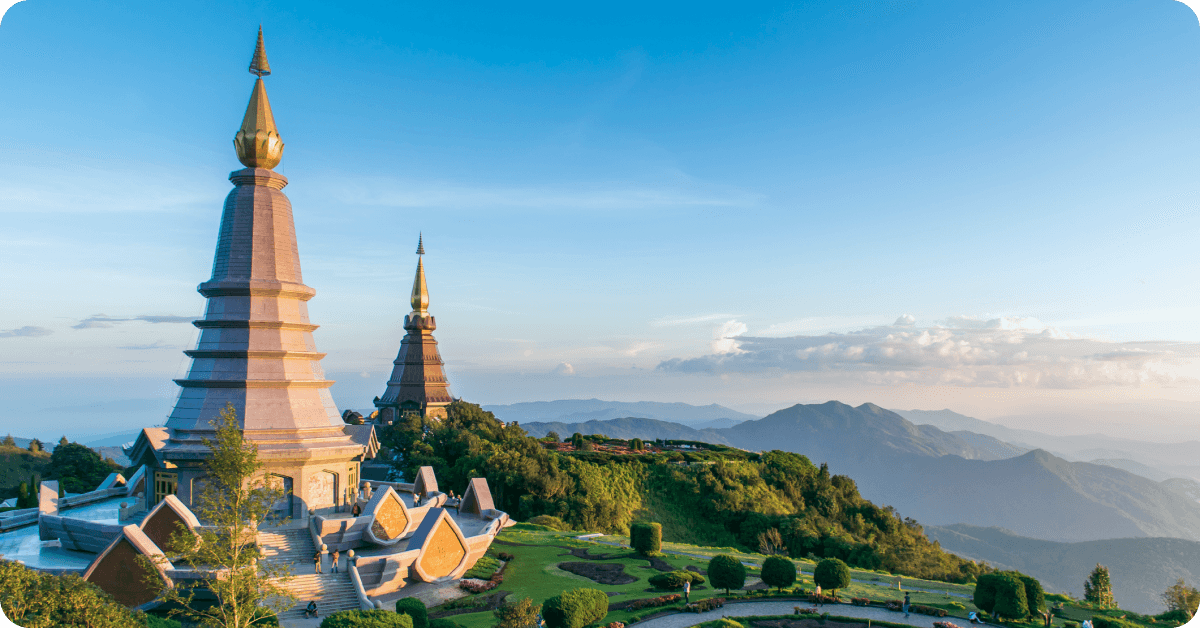
Thailand has over 40,000 temples, and they all enforce a strict dress code. Dressing properly prevents embarrassing situations and expensive last-minute purchases.
Clothes to wear in Thailand when visiting temples and cultural sites:
Long pants or a maxi dress since shorts are never acceptable for women.
Shirts with sleeves since tank tops and spaghetti straps are prohibited.
Slip-on shoes that come off easily at entrances.
A lightweight scarf or sarong for extra coverage if needed.
Temple staff strictly enforce this dress code — they're religious requirements, not suggestions. Temple guards will turn you away at the entrance if you're inappropriately dressed.
Etiquette tip💡Remove your hat when entering temple grounds and maintain a quiet, respectful demeanor during your visit. Donations are appreciated but not mandatory — always use the designated donation boxes or follow local suggestions for offerings.
Floating markets and canal tours
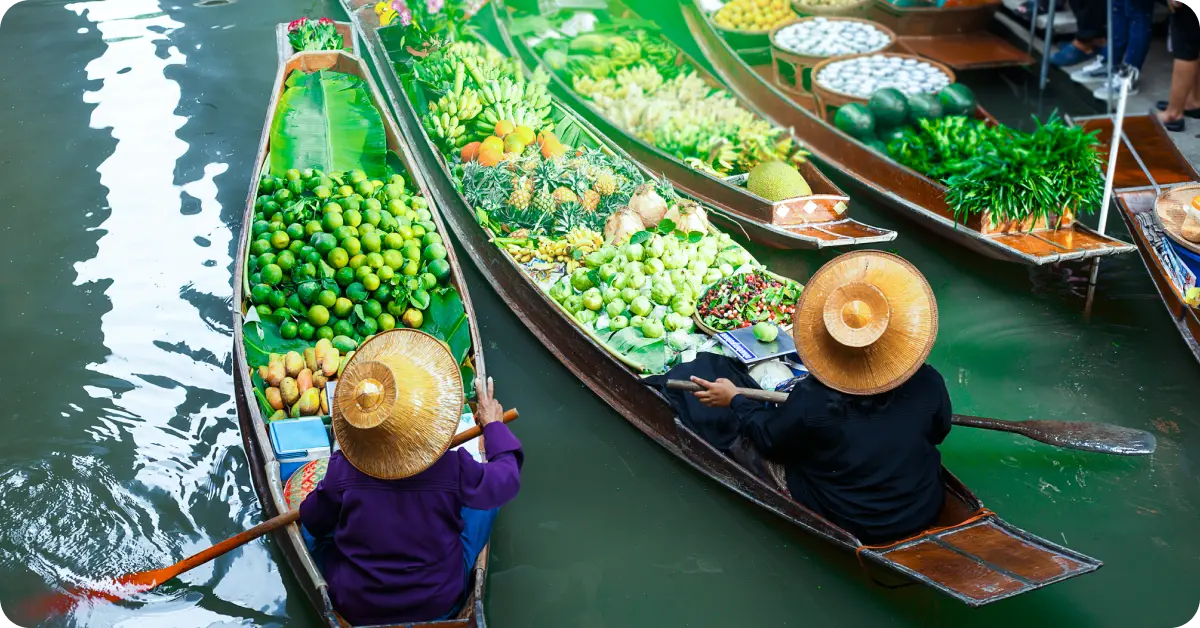
Thailand's floating markets like Damnoen Saduak and Amphawa offer unique cultural experiences that require specific preparation.
If floating markets and canals tour make it to your itinerary, you'll need these items for your next Thailand trip:
A waterproof phone case for boat rides through narrow canals.
A small waterproof bag for cash and essentials during market shopping.
A hat with a chin strap to prevent losing it during boat rides.
Comfortable sandals that can get wet and dry quickly.
Muay Thai training
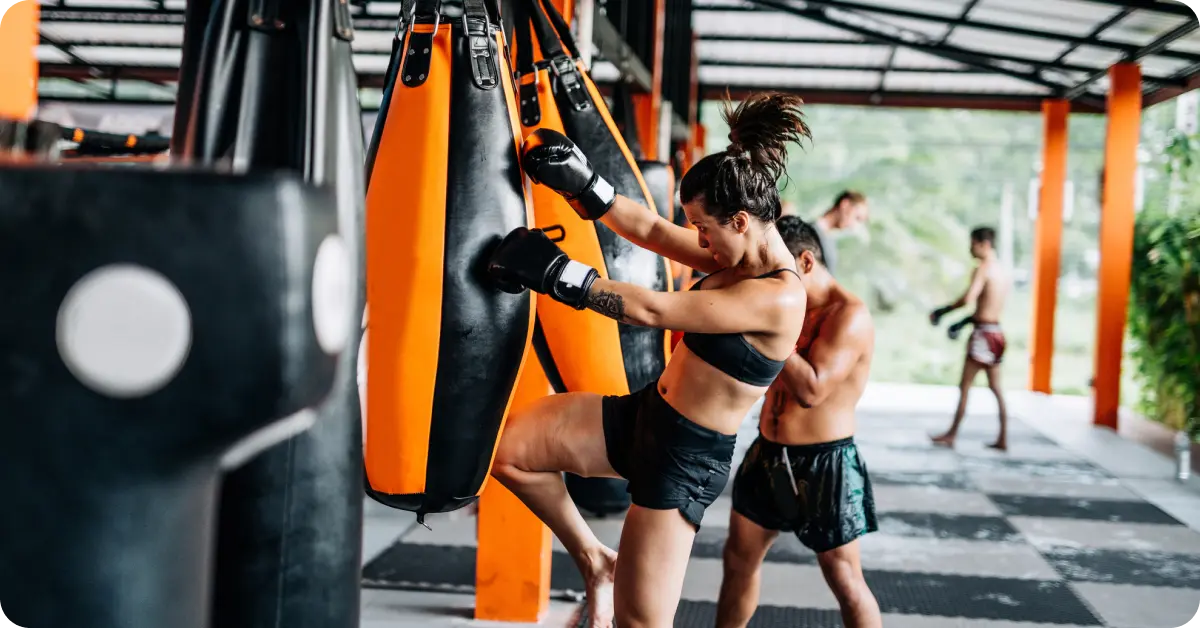
Training in Thailand's national sport requires specific gear to keep you safe and comfortable during intense workouts.
Don't forget to bring:
Athletic shorts that aren't too loose.
Moisture-wicking tank tops for intense workouts.
Hand wraps (though most gyms provide them).
A mouthguard for sparring sessions.
An extra towel for intense sweat sessions.
A water bottle to stay hydrated.
Bamboo rafting adventures
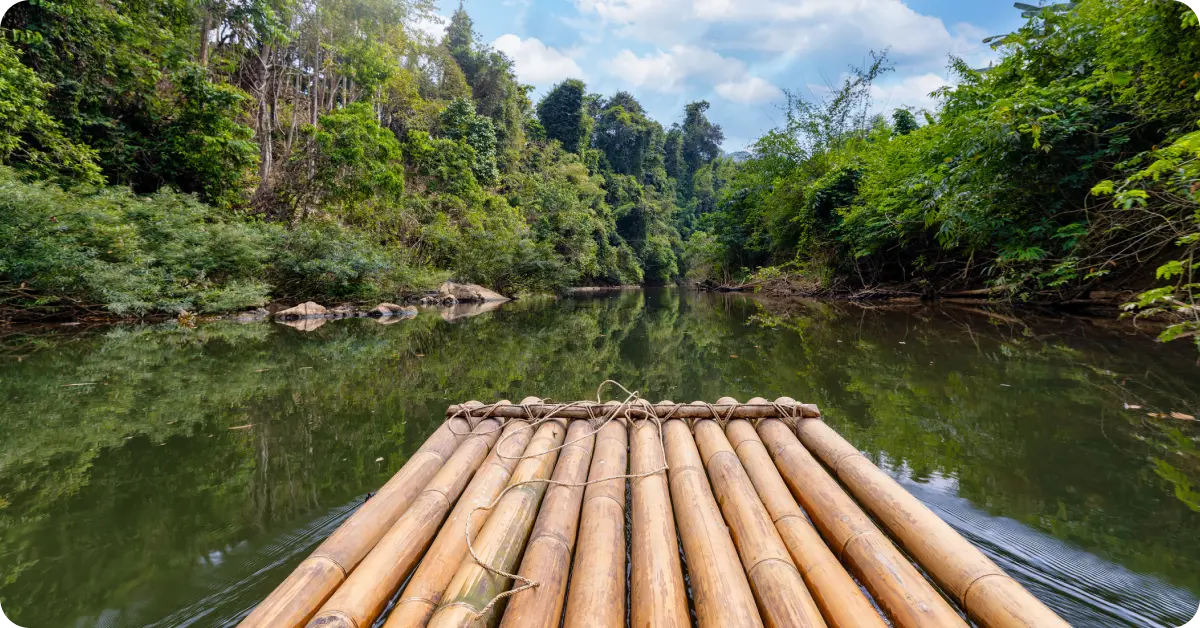
Northern Thailand offers bamboo rafting trips that usually include visits to elephant sanctuaries and waterfalls in the same day tour.
Pack:
Water shoes with good grip for wet bamboo surfaces.
Quick-dry clothing that you don't mind getting soaked.
A waterproof bag for your phone and other electronic devices.
A change of clothes in a dry bag for after the activity.
Meditation retreats and spiritual experiences

Thailand offers numerous wellness retreats and spiritual experiences, from Buddhist meditation centers in quiet mountain temples to yoga retreats on peaceful islands.
Pack these retreat essentials:
A comfortable meditation cushion for long sitting sessions.
A travel-sized yoga mat that fits in your luggage.
A journal and pen for daily reflection.
Backpacking tips
Every backpacker has their own strategy for Thailand, but these tips can help you avoid common mistakes and pack more efficiently. If you're planning on backpacking in Thailand, you need to be extremely selective about what you bring due to limited space and weight restrictions.
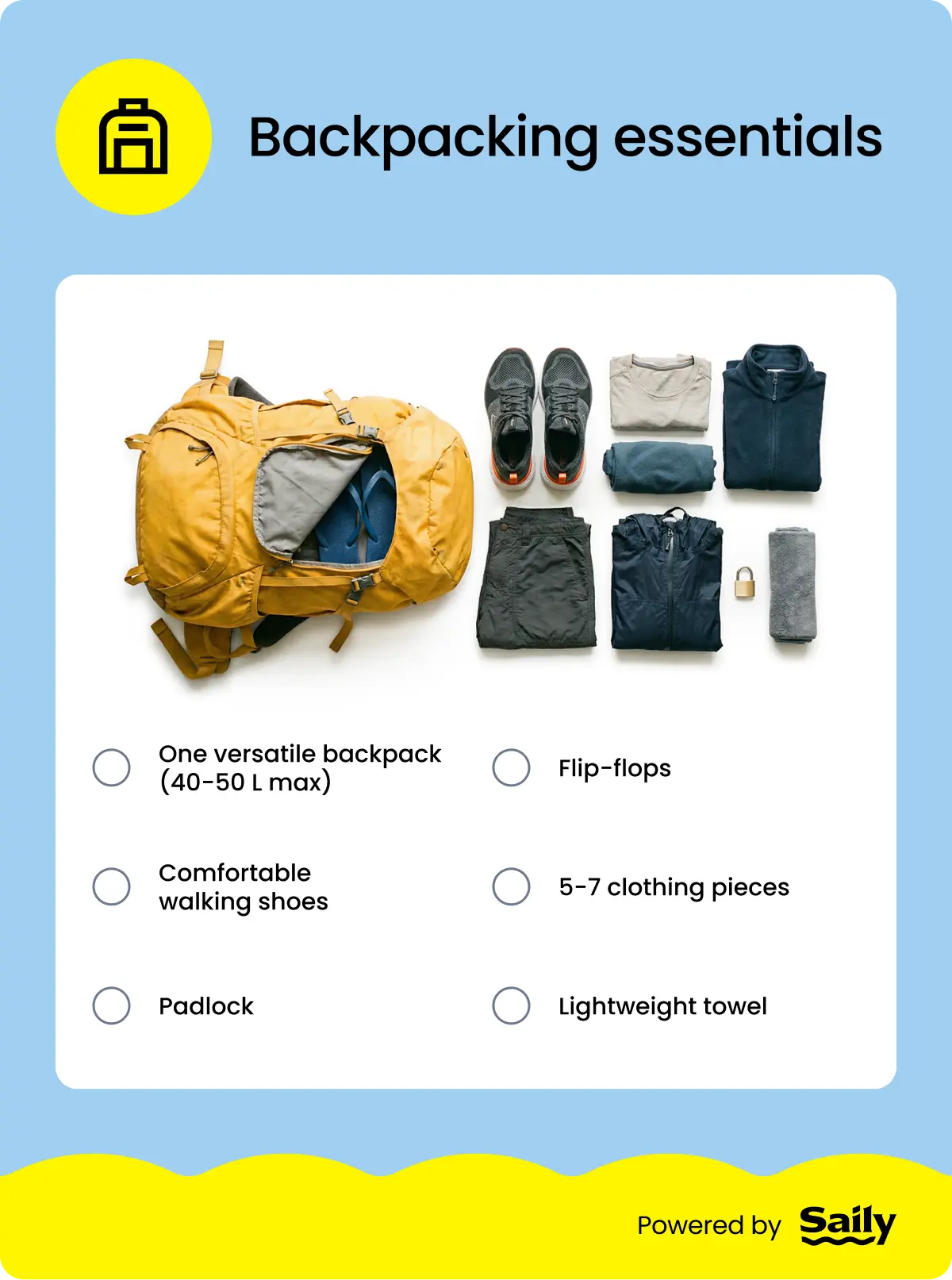
Your Thailand packing list must focus on absolute essentials only:
One versatile backpack (40-50 L maximum). Choose a backpack with good ventilation since you'll carry it in intense heat. Anything larger becomes unwieldy on crowded buses and boats.
Quick-dry everything. Pack only synthetic fabrics and moisture-wicking materials since you'll wash clothes frequently and need them dry within hours, not days.
Minimal shoe selection. Stick to flip-flops and one pair of comfortable walking shoes or hiking sandals. Open-style hiking sandals or Birkenstocks are ideal for Thailand's heat and uneven sidewalks.
5-7 total clothing pieces maximum. Each item must work for multiple situations — temples, beaches, and nights out. One experienced backpacker survived 17 days with just shorts, four t-shirts, and one pair of sandals!
Padlock for hostel lockers. Buying one locally costs THB 200-300.
Lightweight travel towel. Hostels charge THB 50-100 for towel rental, and your quick-dry towel pays for itself quickly.
Backpacker pro tip💡 Plan to buy most items locally and then donate them to other backpackers or leave them at your hostel once your trip ends.
Tech and connectivity checklist
Your phone, chargers, and other tech gear are essential tools for navigating Thailand. Having the right setup helps you stay connected, find your way around, and capture memories.
Tech travel essentials for Thailand include:
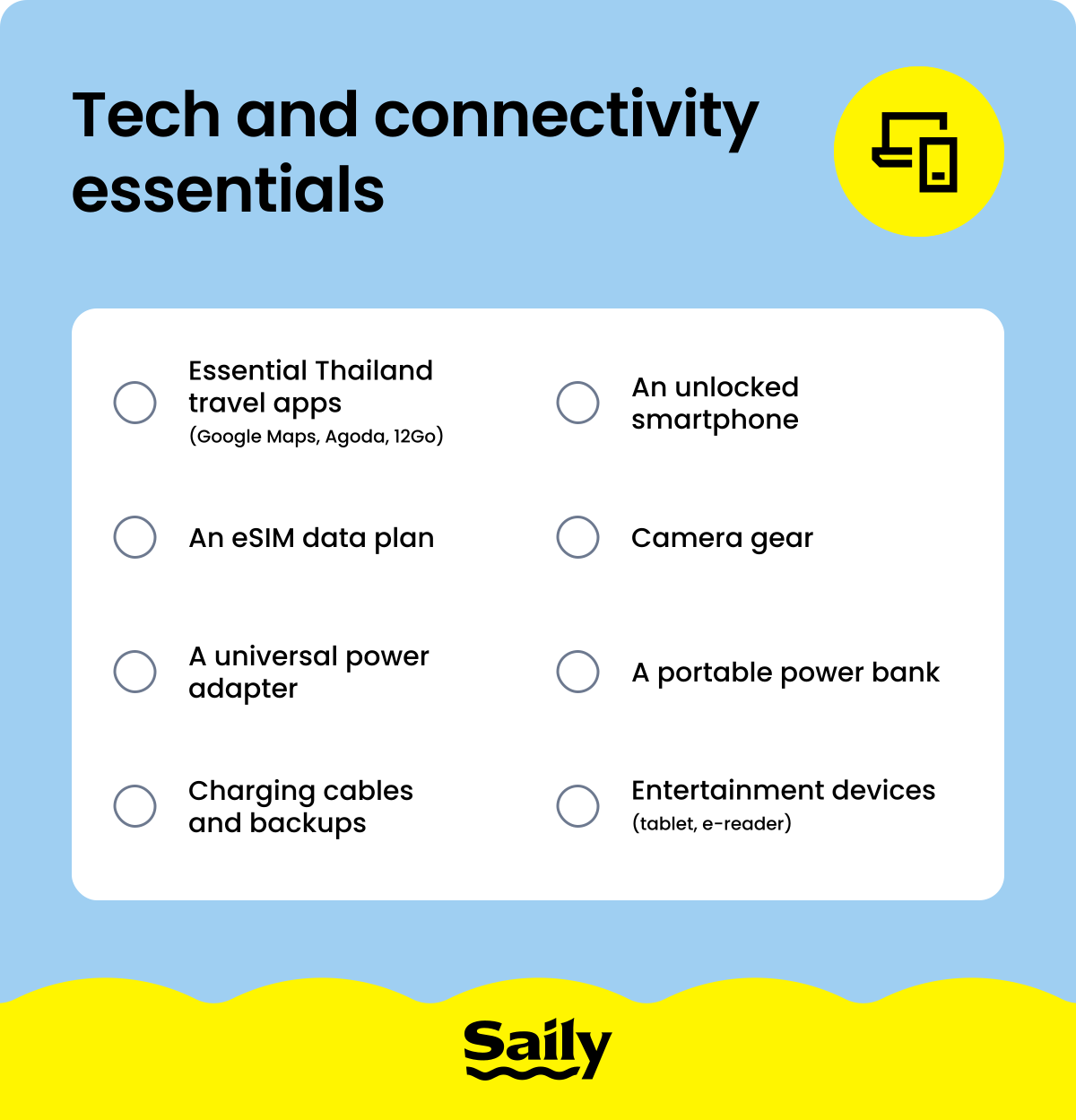
An unlocked smartphone. Make sure your phone works with eSIMs or SIM cards for Thailand so you can choose the best connectivity option. The country has excellent coverage, and having mobile internet in Thailand makes everything from navigation to translation much easier.
An eSIM data plan. Set up an eSIM for Thailand to avoid unnecessary hassle with local SIM cards. Thailand's eSIM plans start at US$2.99 for 1GB for 7 days. Set one up at home and activate it when you arrive. If you're planning to explore multiple countries in the region, consider an eSIM for Asia, which covers Thailand and neighboring destinations.
Essential Thailand travel apps. Before traveling, download Google Maps for offline use and Google Translate with the Thai language pack. While English is spoken in tourist areas, having translation support enables you to enjoy authentic local experiences and helps with reading menus or signs. Also, download top travel apps like Agoda for accommodation bookings, Bolt for cheaper rides, Grab for food delivery and backup transportation, 12Go for booking buses and trains between cities, and InDrive as another affordable ride-hailing option.
Camera gear. If your phone camera isn't enough for the photography you plan to do, bring a lightweight camera. Pack extra memory cards since you'll fill them up quickly.
A universal power adapter. Thailand uses five different socket types, including A, B, C, F, and O, so you need a universal adapter. The standard voltage is 220-230V at 50Hz, which differs from countries using 110-120V systems. While most modern electronics are dual-voltage, always double-check your device specifications to avoid damage.
A portable power bank. Pack a backup battery for long sightseeing days when power outlets aren't available.
Charging cables and backups. Bring backup USB and Lightning cables since they tend to break when you need them most, and finding replacements while traveling can be frustrating.
Entertainment devices. Thailand involves lengthy bus rides between cities, boat transfers to islands, and occasional delays. Load a tablet or e-reader with downloaded movies, books, and podcasts.
Need data in Thailand? Get an eSIM!
1 GB
7 days
US$2.99
3 GB
30 days
US$5.99
5 GB
30 days
US$7.99
What NOT to pack when traveling to Thailand
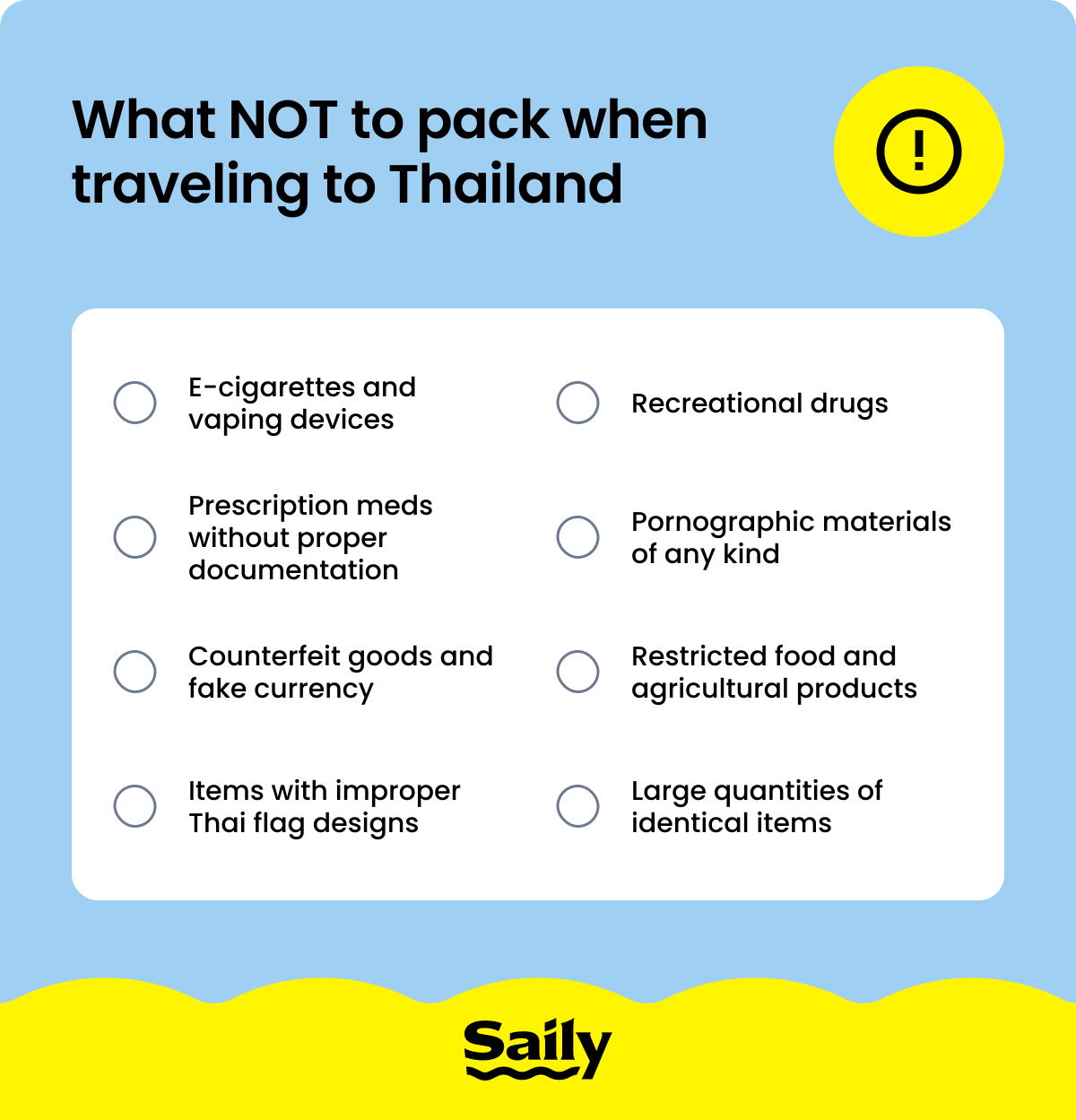
Sometimes knowing what to leave behind is just as important as knowing what to bring. Avoid bringing the following items on your trip to Thailand.
E-cigarettes and vaping devices. Thailand completely prohibits all vaping products, including e-cigarettes, vape pens, e-liquids, and related accessories. The ban has been in effect since 2014-2015 and is strictly enforced. Penalties are severe and can include substantial fines and even imprisonment.
Recreational drugs, including marijuana. Thailand maintains strict drug laws with severe penalties for possession, use, or trafficking of recreational drugs. Even small amounts can result in a lengthy prison sentence and hefty fines.
Prescription medications without proper documentation. Keep all medications in their original packaging with pharmacy labels and bring your doctor's prescription letter or note. You can generally bring up to a 30-day supply for personal use (90 days for longer stays), but regulations vary by medication type. Always check current Thailand FDA regulations for your specific medications before traveling because some controlled substances may require special permits or may be prohibited entirely.
Pornographic materials of any kind. Thailand strictly prohibits all pornographic content, including magazines, DVDs, and digital materials. Customs officials can search electronic devices and impose penalties for violations of these regulations.
Counterfeit goods and fake currency. Thailand prohibits counterfeit trademark goods and fake currency or bonds. Even items purchased legally elsewhere can be confiscated at Thai customs if deemed counterfeit, regardless of where you bought them.
Restricted food and agricultural products. Thailand imposes strict import restrictions on fresh fruits, vegetables, and meat products. Cannabis-based or hemp-based foods are specifically not allowed for importation.
Items with improper Thai flag designs. Products featuring inappropriate representations of the Thai flag are prohibited, showing Thailand's respect for national symbols and requiring travelers to be mindful of souvenirs and clothing designs.
Large quantities of identical items. Customs officials flag multiple identical products that appear intended for resale rather than personal use.
Ready to start packing?
Packing for Thailand doesn't have to be overwhelming once you understand the country's tropical climate patterns, cultural expectations, and practical realities. The key is preparing for heat, humidity, and sudden weather changes while respecting local customs and traveling efficiently.
Remember that Thailand has excellent shopping opportunities, so you can find items you forgot or need along the way when you’re there. The goal is to pack smart, not pack everything.
Most importantly, don't stress about having the perfect item for every possible scenario. Thailand is incredibly accommodating to travelers, and part of the adventure is figuring things out as you go.
Ready to dive deeper into Thailand travel planning? Check out our guide on the worst times to visit Thailand to help you choose the perfect season for your trip or explore our comprehensive international travel checklist for more travel preparation tips.

Stay connected with the Saily eSIM app
Affordable mobile data plans for every journey.


Related articles