






Best time to visit Europe: Weather and travel tips
All those TikToks about "European summer" are surely tempting! But figuring out the best time to visit Europe isn't as simple as following social media trends. Is summer really the ideal time to go? And when can you explore all the charming cobblestone streets and still have some money left afterwards? In this article, we'll break down Europe's weather, crowds, and costs each season, so you can plan a trip that matches your travel style without going bankrupt.
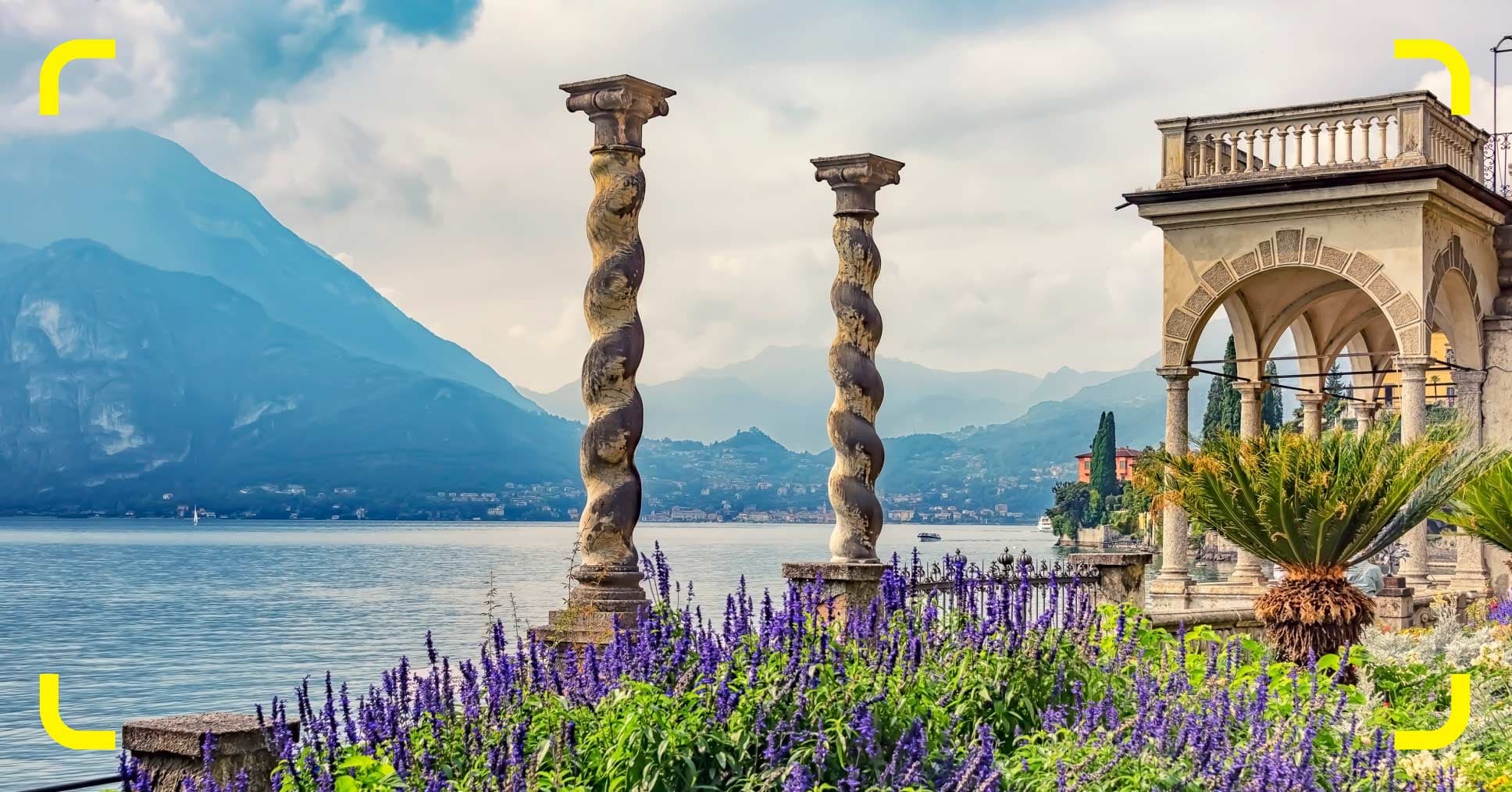
Table of Contents
What is the best time of the year to visit Europe?
Europe isn’t just a handful of countries — it’s a big continent that stretches from the Arctic Circle to the Mediterranean. That means the weather can be wildly different depending on where you’re headed. You wouldn’t pack the same clothes for a January trip to Florida as you would for Alaska, right?
And sure, Europe has four seasons, but it’s a little more complicated than “winter is cold and summer is hot.” The southern countries stay warm for most of the year, while the north often deals with winter for half of the year. The eastern part of the continent swings between hot summers and freezing winters, and the west coasts along with milder, more stable weather thanks to the Atlantic.
That’s why it helps to know the regional climate before booking your trip to Europe. You don’t want to melt your way through Rome in July or freeze in Stockholm because you’ve only packed short-sleeve t-shirts! A little planning goes a long way when your suitcase is your only wardrobe.
Europe in winter

Europe really shows its range during winter — snow-dusted forests up north, moody coastlines in the south, and plenty of wonderful stops in between.
So if you're up for the cold, head to the far north — Norway, Sweden, Finland, Iceland, or the Baltics. Temperatures can dip as low as -10°F (-23°C), but it’s not just the minuses you’ll encounter during this time — subzero temperatures come with northern lights, skiing and snowboarding, as well as some of the best Christmas markets in Europe where you can warm up with mulled wine.
Spending winter in the north also means you can live out your childhood dreams and meet Santa Claus — his official hometown is Rovaniemi in the Finnish Lapland. You can actually go to his village, meet the man himself, and hand him your Christmas letter so it won’t get lost in the mail. It's also famous for dog sledding adventures — there's nothing quite like gliding across pristine wilderness behind a team of eager huskies, their excitement as palpable as the crisp winter air around you.
Prefer a gentler kind of cold? Then you should pack up and go to Central Europe! Countries like Germany, Austria, Switzerland, and Slovenia hit that wonderful optimal weather with the temperature between 30°F and 45°F (-1°C to 7°C). For an even milder experience, choose cities like Prague, Warsaw, and Budapest, which sit between 20°F and 35°F (-7°C to 2°C). The Balkans — Serbia, Croatia, and Romania — offer crisp air and scenic views, usually in the 25°F to 40°F range (-4°C to 4°C).
But if you're chasing the sun even during winter, Southern Europe is the place to be. Spain, Italy, Greece, Portugal, Malta, and Cyprus will keep you cozy at 45°F to 60°F (7°C to 15°C). Days are shorter and you’ll get the occasional drizzle, but you’ll also find fewer crowds, lower prices, and a much more relaxed pace.
Europe in spring

Spring is when Europe slowly shakes off its winter coat, and just like any stylish European, it doesn’t rush the process. Some regions take their time, while others quickly burst into bloom.
Up north, Scandinavia begins to thaw. Temperatures climb from a frosty 25°F to around 55°F (-4°C to 13°C), and by May, the famous endless daylight hours begin to return. The snow gives way to green landscapes, and the bright evenings become very inviting for outdoor adventures.
A bit further south, cities like Prague, Budapest, and Warsaw start to warm up too, moving from 35°F to 65°F (2°C to 18°C). Parks bloom, riverside cafés reopen, and crowds are still thin enough to let you enjoy the sights without elbowing your way through it all. It’s the kind of weather that makes you want to wander without a plan.
In Central Europe, spring is in full-on bloom mode. Germany, Austria, and Switzerland enjoy that sweet spot between 40°F and 70°F (4°C to 21°C). Beer gardens come alive, alpine trails start to clear, and everything from city streets to countryside meadows bursts into colour. It’s jacket weather at its finest — sunny, fresh, and ideal for just about any outdoor activity.
Over in the west, you'll find mild, pleasant conditions from 45°F to 65°F (7°C to 18°C), though rain remains a faithful companion, so don’t forget your umbrella! And sure, a drizzle might not be ideal for your shoes, but it’s what keeps the landscapes looking as beautiful as they are during springtime — lush green hills in Ireland, blooming parks in Paris, and colourful tulips lining Amsterdam’s canals wouldn’t be there for you without a little bit of water.
But Southern Europe is where spring is the most comfortable. Temperatures settle between 60°F and 75°F (15°C to 24°C), giving you those perfect days where sightseeing doesn’t come with a side of sunstroke. Valencia’s orange trees are in bloom, Greece is covered in wildflowers, and, no matter how cliché that sounds, Italy’s hills start to look like they came straight out of a painting, making late spring one of the best times to visit Italy. It’s one of the best times to explore archaeological sites — warm enough to wander for hours, cool enough to actually enjoy it. Sure, the sea might still be too chilly for swimming, but if you’re going to the South of Europe because of its history, spring is the perfect time to come.
Overall, spring in Europe really offers just the right mix of sunshine, scenery, and space — fewer crowds, better prices, and all the beauty of a continent waking back up.
Europe in summer
During summer, Europe puts on a full show and, unfortunately, it charges for front-row seats too. This is the peak season for a reason, because the sun's out and everything from beach towns to outdoor bars is in full swing. But traveling in Europe during summer is akin to walking the fine line between summer bliss and becoming one with your sunscreen, so it’s good to know where to go and which countries appear better during other seasons.
In the north, summer feels like a reward for surviving an incredibly long and cold winter.
Temperatures climb to a lovely 50°F to 75°F (10°C to 24°C), and it’s the time for experiencing the legendary Nordic white nights, when the sun barely sets. You can hike Norwegian fjords, island hop in Sweden, or explore Finnish forests under an endless twilight sky.
Moving south through Eastern Europe, you'll find fantastic weather from 60°F to 80°F (15°C to 27°C). Cities like Prague and Budapest become incredibly popular, and for a good reason — this is ideal exploring weather. It’s warm enough for outdoor dining but cool enough that you can actually walk for hours without needing a shower and change of clothes after each little hill. Summer evenings in these cities have an irresistible energy, with locals and visitors alike lingering in squares and gardens well into the night.
Central regions get warm at 55°F to 80°F (13°C to 27°C), making it perfect for exploring without weather constraints — that’s when Austrian lakes become warm enough for refreshing afternoon swims, and Swiss alpine trails offer breathtaking views. Just remember that popular destinations like Munich and Vienna get absolutely packed — you can expect 20-minute waits to snap a photo of famous landmarks and restaurants turning away anyone without reservations.
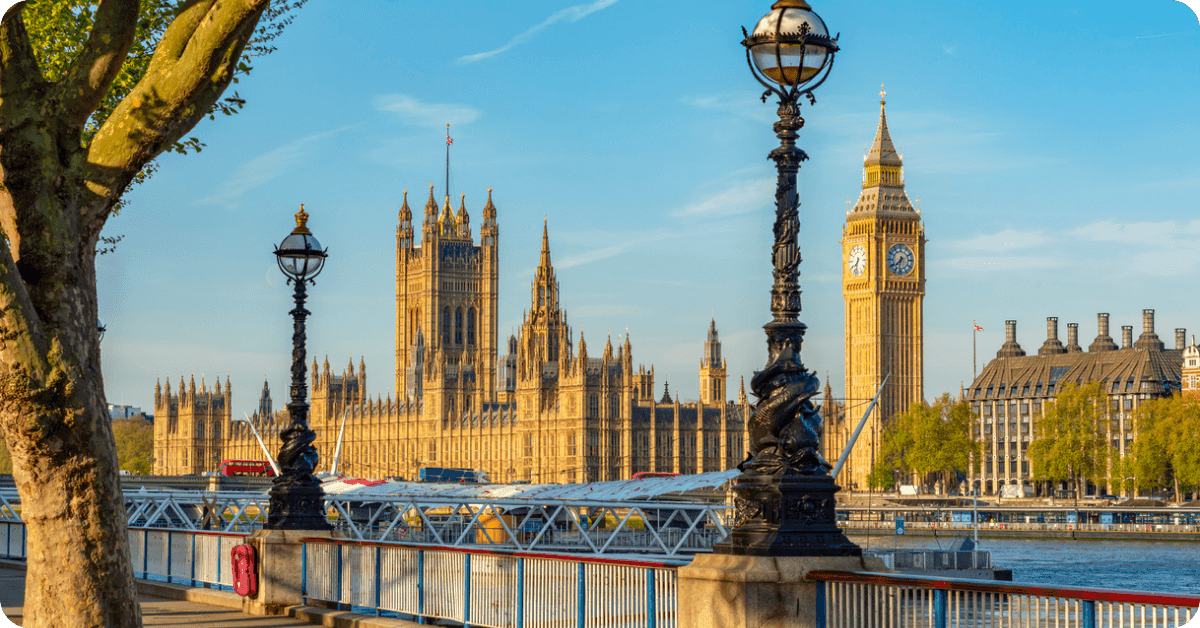
Western Europe has long been cherished for its mild summer climate — a refreshing alternative to the Mediterranean heat — though climate change is rapidly rewriting this story. Traditionally enjoying moderate temperatures between 55°F and 75°F (13°C to 24°C), the UK, France, and the Netherlands have historically offered perfect summer conditions. But recent years tell a different tale, with unprecedented heatwaves occasionally pushing temperatures above 90°F (32°C) even in previously cool London and Amsterdam. The best time to travel to the UK is probably still May to September, but August in particular can be unpleasantly hot and humid.
French beaches fill with vacationing Europeans, and London transforms into a surprisingly delightful summer destination — parks overflow with picnickers and outdoor markets buzz with energy. But pack with flexibility in mind and watch forecasts carefully. The same week might deliver both perfect 70°F (21°C) days and sweltering heat. Climate unpredictability is the new normal, with 2022 and 2023 seeing record-breaking temperatures across regions once prized for their mild summers.
Southern Europe is where summer becomes a mixed blessing — temperatures crank up to a sweltering 70°F to 95°F (21°C to 35°C) and sometimes even hotter. Coastal areas offer some relief with sea breezes and beach access, but inland cities like Madrid, Rome, and Athens can become unbearably hot. We're talking about temperatures that can actually be dangerous. The locals know better — they disappear for afternoon breaks and only emerge once the sun's intensity has faded, which should tell you everything you need to know.
Generally, summer in Europe means peak crowds, peak prices, but also the longest days and (usually) the most reliable weather for sightseeing. Just choose your destination wisely — while everyone flocks south to bake in the Mediterranean heat, the real summer go-to place might be in other European regions, where you get that perfect balance of warmth, culture, and a weather that’s suitable for exploring.
Europe in the fall
Europe trades the heat for golden leaves, rain, and gloomy skies in the fall. And just like any thoughtful host, it offers something special for every visitor, because some regions cool down quickly, while others hold onto warmth well into October.
Up north, Scandinavia begins its slide toward winter. September still holds onto the last traces of summer, with temperatures drifting from 60°F down to around 40°F (15°C to 4°C) — a gentle farewell that makes the season feel more romantic than harsh. It’s also prime foraging season, with forests full of mushrooms and berries. Just be sure to go with a guide or stick to marked trails — the locals know what’s safe, and guessing wrong might be dangerous. By October, the landscape turns softer and slower. Mist rises over still lakes, fjords grow quiet, and cafés glow like lanterns against the grey. Come November, the hush deepens — daylight fades, snow begins to fall, and the region tucks itself in, waiting for winter’s arrival.
As you move south, Eastern Europe eases into autumn with temperatures around 45°F to 65°F (7°C to 18°C). September is ideal for exploring cities like Prague or Budapest — fewer crowds, mild weather, and plenty of cultural events. You’ll finally have space to wander without advance bookings or elbowing through crowds. By October, the air turns crisp, rain becomes more frequent, and evenings call for café stops and warm layers. While the late fall colors might be subtler here than in the west, what you get instead is world-class opera, theater, concerts, and art shows — often at a fraction of the price.
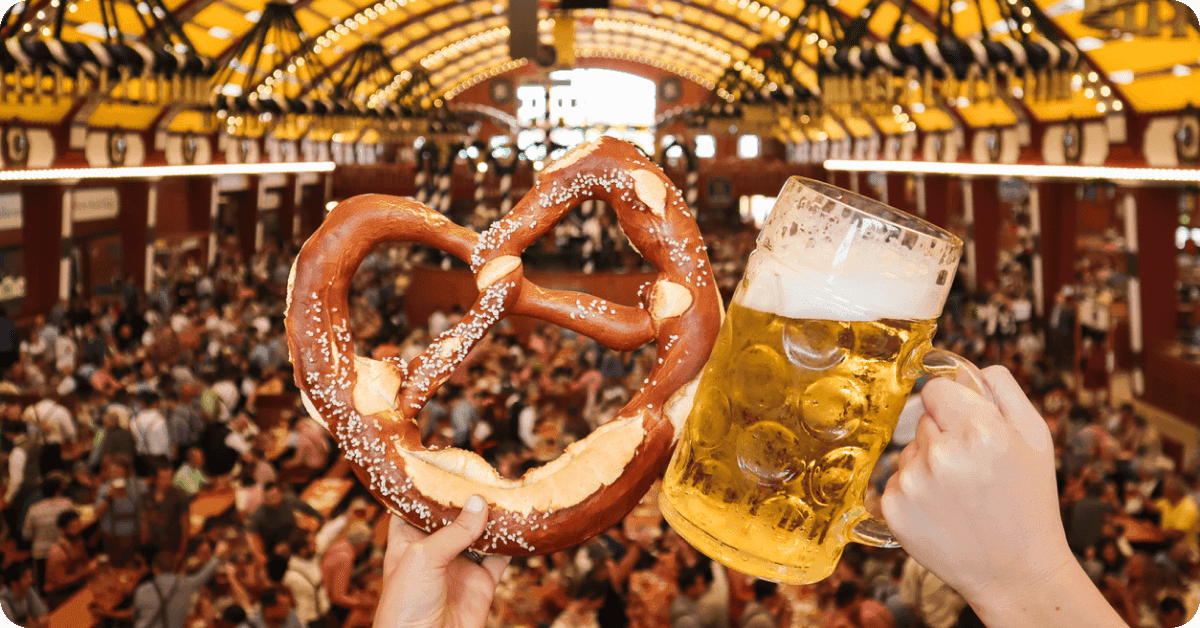
However, Central Europe truly comes into its own during September and October, with temperatures ranging from 45°F to 70°F (7°C to 21°C). Mornings arrive with refreshing crispness, while afternoons warm up just enough for outdoor dining. Germany's Oktoberfest wasn't scheduled randomly — the beginning of October is precisely when Bavaria offers the most pleasant outdoor conditions, perfect for spending hours in beer tents without overheating or shivering. Just bring layers if you're heading out for the entire day — the temperature swings between morning and afternoon and you don’t want to get sick.
Down south, you'll discover what locals call a "second summer", and it might be better than the first one. Temperatures range from 60°F to 80°F (15°C to 27°C), so it’s not too hot, the Mediterranean Sea stays warm enough for swimming, but without the crowds claiming every inch of sand. That brutal summer heat finally breaks, and you can actually explore Rome's ancient sites without feeling like you're walking through a furnace. Greek islands transform from overcrowded hotspots to peaceful havens where you can snag waterfront tables without reservations and have entire beaches nearly to yourself.
Western Europe settles into mild, pleasant weather from 45°F to 65°F (7°C to 18°C), though rain becomes more frequent as winter approaches. But even the rain has its charm — it creates the perfect excuse to duck into those cozy London pubs where centuries of conversations have happened over pints or linger in Parisian cafés watching the world go by through rain-streaked windows, coffee in hand and nowhere urgent to be.
The real beauty of fall travel? You get the perfect combination of fewer crowds, reasonable prices, and often pretty decent weather. Suddenly, you're not just seeing landmarks — you're experiencing places where people actually live, eating where locals eat, and discovering a more authentic version of each destination that summer visitors rarely encounter.
💡 Did you know? 64% of US students do their study abroad programs in Europe. Find out which European countries top the list in our article on the best places to study abroad.
The cheapest time to visit Europe

If your budget matters more than perfect weather, the cheapest time to visit Europe is the off-season, which starts in November and continues until March — excluding the Christmas and New Year holiday spike, of course. If you’ll be in Europe in December and want to keep costs down, see our guide to the best places to travel in December on a budget. Easter week also creates massive crowds and inflated prices across Catholic Europe, especially in Rome and Spain. Locals travel during these holidays too, creating double the usual congestion.
However, during the off-season, you'll find flight prices slashed by 30-50% compared to summer peaks, with January and February offering the absolute rock-bottom deals. Hotel prices follow suit. In February, you might score 4-star stays in major cities for under EUR 100 — rooms that easily top EUR 250 in July. Of course, there are tradeoffs — shorter days, colder weather, and occasional seasonal closures, especially in coastal areas and smaller towns.
Weather can be less reliable in winter — a budget flight might coincide with snow or a stretch of rain. But if you’re flexible, the rewards are worth it. Major museums, galleries, and landmarks stay open year-round, and with fewer tourists around, you’ll skip the crowds and get a more local feel of Europe.
Tips on how to prepare for your trip to Europe

Regardless of when you decide to visit Europe, a few practical strategies can make your trip smoother, more enjoyable, and less expensive. These tips apply across the continent, though their importance might vary depending on your specific destinations and travel style:
Research local holidays. Major holidays like Easter, Christmas, and national holidays can shut down entire cities or create massive crowds. August sees many Europeans taking vacation, so some local businesses close while tourist attractions get packed.
Master public transport. Europe's cities boast some of the world's best public transportation systems, making rental cars unnecessary and often problematic in historic centers. Download the local transport app before arriving (like Citymapper for London or RATP for Paris), and consider multi-day passes if you'll be making several journeys. In many cities, contactless credit cards now work directly on buses and metro systems, so you won’t need to figure out ticket machines.
Get an eSIM. Stay connected without risking to pay for roaming charges that can cost more than your entire holiday. While some travelers still rely on roaming in the EU through their carrier, an easier option is the Saily eSIM app and its data plan for Europe — it works across 30+ European countries, so you won't need separate plans as you cross borders. You can set everything up before your trip and activate it the moment you arrive, so you'll have maps, translation, and communication tools as soon as you step on European soil, and you won't need to be asking, "Does T-Mobile work in Europe?" .
Learn a few local phrases. Even in countries where people speak excellent English, making an effort to speak a few local words shows respect and often results in warmer interactions. Focus on the basics — hello, please, thank you, excuse me, and perhaps how to order a coffee. Europeans don't expect fluency, but they do appreciate the effort, even if you immediately switch to English afterward.
Bring both cash and cards. While a lot of European countries have embraced nearly cashless systems, parts of the continent still operate heavily on cash, particularly for smaller purchases, local markets, and rural areas. Always have some local currency on hand, but use credit cards for larger purchases to avoid carrying excessive cash.
Pack strategically for the season. Europe's weather varies dramatically by region and season. Always bring a power adapter (Type C for most of Europe, Type G for the UK), comfortable walking shoes, and layers for unpredictable conditions. Summer visitors to Southern Europe need serious sun protection, while winter travelers to Northern Europe should pack thermal layers. A packable rain jacket makes sense year-round for most destinations.
Get comprehensive travel insurance. This isn't just for major emergencies — it covers everything from flight cancellations to lost luggage and even unexpected doctor visits if you get sick or sustain an injury. European healthcare can be expensive for non-EU citizens without insurance, and activities like hiking, skiing, or driving rental cars come with their own risks that good insurance will cover.
The best time to visit Europe: Our verdict
If you’re chasing the most reliable weather, the best time to visit Europe is May through September, with late spring (May-June) offering that perfect balance of warm, sunny days without summer's intense heat or peak tourist crowds. You'll enjoy long daylight hours perfect for unhurried exploration and evening strolls through historic centers.
However, if the deciding factor is your budget, January through March delivers dramatic savings on both flights and accommodation, often cutting peak-season prices by almost a half. November presents another excellent value window with generally acceptable weather, particularly in Southern Europe where temperatures remain mild enough for sightseeing.
But while you're comparing flights and accommodations, don't forget to sort out your connectivity! Saily is an eSIM service for international travels, and its data plan for Europe eliminates the stress of buying local SIM cards or worrying about roaming fees. Just activate it the moment you arrive and enjoy seamless coverage from Portugal to Poland without worrying about data limits or trying to find SIM cards for Europe.

Stay connected with the Saily eSIM app
Affordable mobile data plans for every journey.
FAQ


Related articles
