





When is the best time to visit Turkey? A seasonal guide
Planning a vacation isn’t just about booking flights and packing a suitcase — choosing the best time to take your time off also plays a big role in shaping your experience. Whether you’re dreaming of lazy days on the Mediterranean coast or snowy adventures in Cappadocia, the season you travel in can completely transform your journey. In this article, we’ll cover the best time to visit Turkey, explore what the weather is like in each month, highlight some of the most famous events, and share some insider tips.
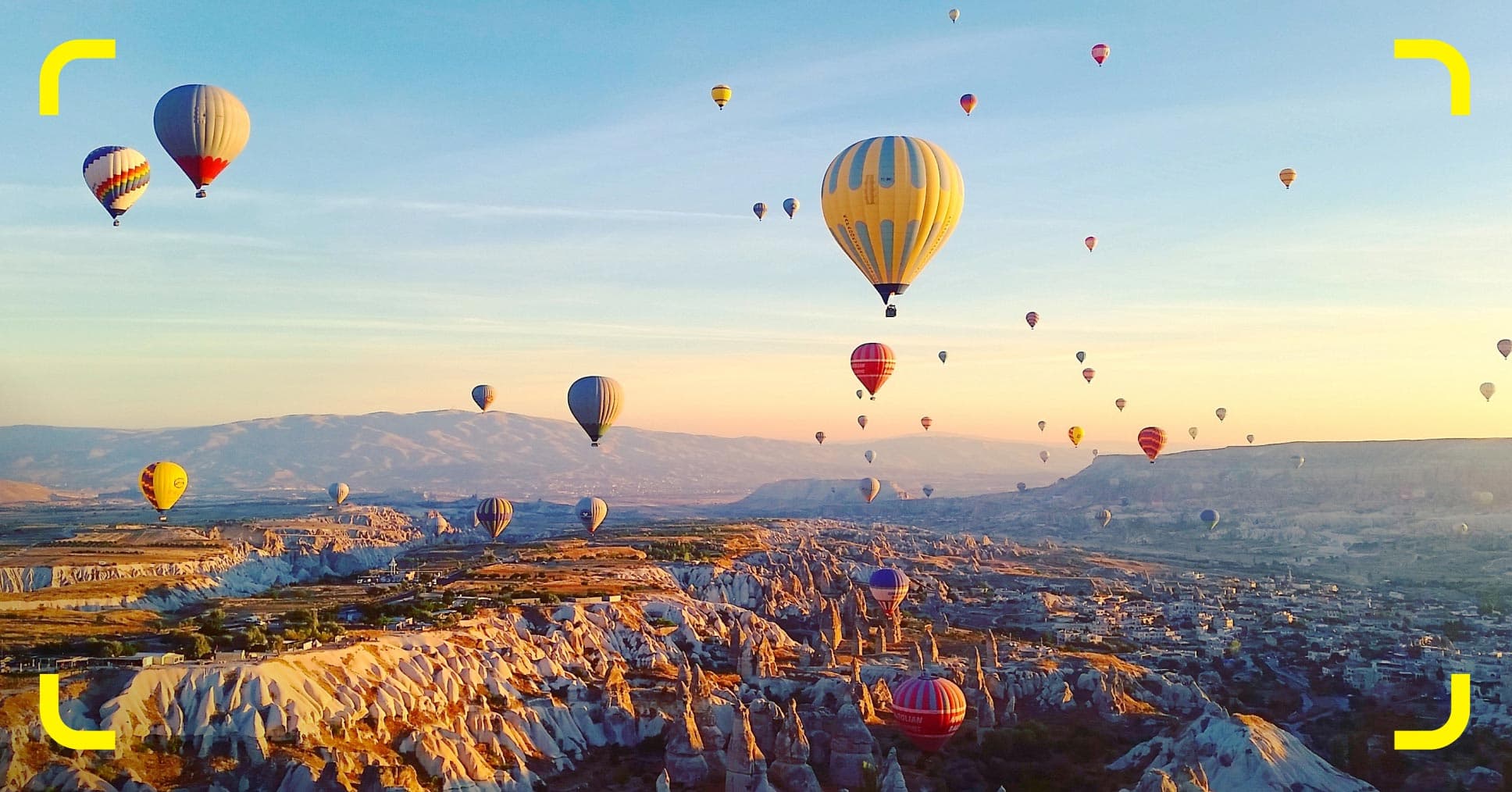
Table of Contents
A seasonal travel guide for Turkey
Turkey’s diverse geography means the country’s climate changes depending on where you are. However, the entire country still experiences four distinct seasons, each offering different advantages for travelers. And while coastal areas enjoy milder winters and hot summers, inland regions face more extreme temperature swings and continental weather patterns.
Here’s a monthly temperature overview in some of the most popular locations in Turkey:
Month | Istanbul | Cappadocia | Antalya | Bodrum |
|---|---|---|---|---|
January | 48°F / 9°C | 34°F / 1°C | 54°F / 12°C | 54°F / 12°C |
February | 49°F / 9°C | 37°F / 3°C | 55°F / 13°C | 55°F / 13°C |
March | 54°F / 12°C | 45°F / 7°C | 59°F / 15°C | 59°F / 15°C |
April | 60°F / 16°C | 52°F / 11°C | 64°F / 18°C | 64°F / 18°C |
May | 68°F / 20°C | 61°F / 16°C | 72°F / 22°C | 72°F / 22°C |
June | 75°F / 24°C | 70°F / 21°C | 81°F / 27°C | 81°F / 27°C |
July | 79°F / 26°C | 75°F / 24°C | 85°F / 29°C | 85°F / 29°C |
August | 80°F / 27°C | 74°F / 23°C | 86°F / 30°C | 86°F / 30°C |
September | 73°F / 23°C | 66°F / 19°C | 82°F / 28°C | 82°F / 28°C |
October | 64°F / 18°C | 55°F / 13°C | 73°F / 23°C | 73°F / 23°C |
November | 56°F / 13°C | 44°F / 7°C | 64°F / 18°C | 64°F / 18°C |
December | 49°F / 9°C | 36°F / 2°C | 56°F / 13°C | 56°F / 13°C |
Winter in Turkey
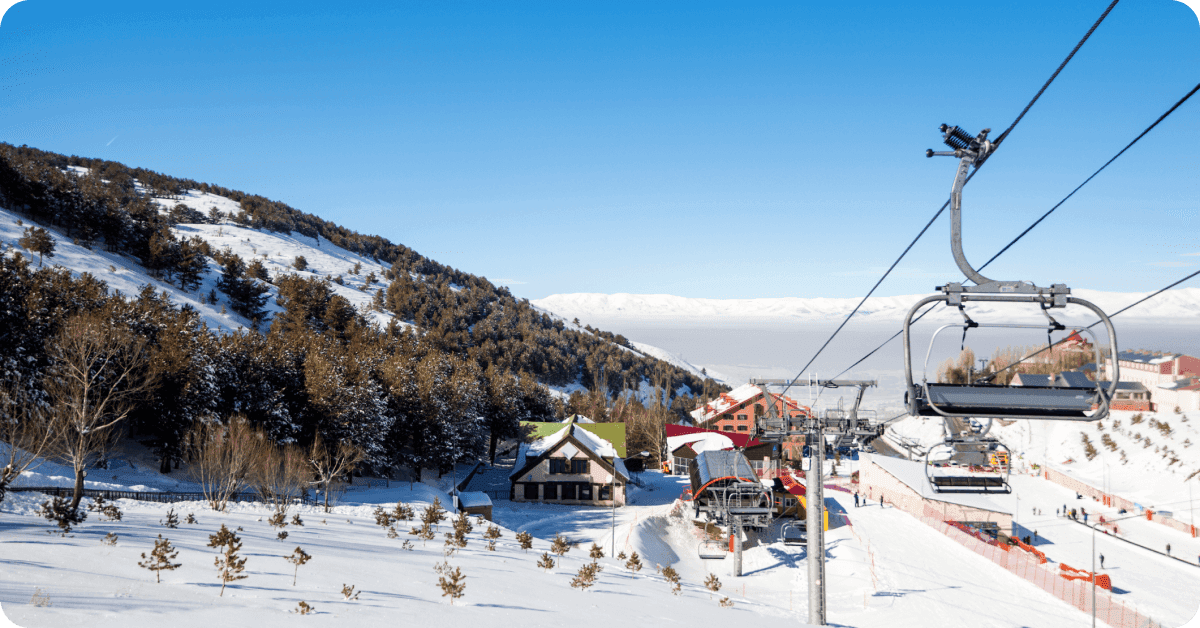
Winter transforms Turkey into a quieter, more affordable destination. It’s the perfect time if you’re the type of traveler who doesn’t mind trading beach days for peaceful sightseeing. In winter, the temperature in coastal areas like Antalya and Istanbul hovers around 45-60°F (7-15°C), while central regions including Cappadocia can experience freezing temperatures with occasional snow.
And yes, you read it right — it does snow in Turkey! Eastern Anatolia regions like Erzurum and Kars experience heavy snowfall that can stick around for most of the winter. In some parts of Eastern and Southeastern Anatolia, snow covers the ground from November until the very end of winter.
Throughout the country, you can generally expect overcast skies and shorter daylight hours, plus plenty of rain along the coasts. Istanbul averages 15-20 rainy days per month, so definitely pack an umbrella — and check our Turkey packing list to avoid all of the issues that come with stuffing your luggage with clothes.
But here’s where winter gets interesting for budget travelers — during this time of the year, tourist numbers hit the bottom and make iconic spots like Hagia Sophia and Topkapi Palace blissfully peaceful. Flight costs can drop 40-60% below peak season rates, and accommodation prices also plummet. Many coastal hotels offer their best deals during this period, though some might close entirely.
However, as usual, the winter holiday period is an exception. The end of December, right until Orthodox Christmas observances on January 7, can definitely bring higher prices and a lot more tourists than usual in winter.
Spring in Turkey

In spring, Turkey comes back to life with a perfect combination of steadily rising temperature and the sweet spot between good weather and reasonable prices that savvy travelers love.
Temperatures gradually go from the mid-50s to mid-70s degrees Fahrenheit (13-24°C) across most regions. The weather is especially nice at the coastal areas, where it’s finally comfortable for long walking tours. Meanwhile, inland areas finally shed their winter chill. Sunshine hours increase significantly, but you’ll still get occasional spring showers, especially in April. And in central regions, the snow finally melts, reviving the lush green landscapes which make Turkey’s countryside absolutely gorgeous.
Spring is when the tourist numbers in Turkey start climbing but still stay manageable. It’s no surprise — this season is considered one of the prime times to visit Turkey while avoiding the summer crowds. Popular sites get busier, particularly during Easter holidays, but you can still enjoy major attractions without feeling like you’re in a sardine can. Flight and accommodation costs begin rising from the winter lows but remain reasonable compared to summer’s sticker shock. Early spring offers the best value before prices start their climb in May.
Another reason to visit Turkey in spring is the lively Hıdırellez festival on May 5-6, with music, dance performances, and traditional celebrations that mark the awakening of nature. You’ll also see an influx of European visitors around Easter, and thousands of Australians and New Zealanders visit Gallipoli for Anzac Day commemorations on April 25.
Summer in Turkey

Summer delivers Turkey’s peak tourist season with hot, sunny weather that’s absolutely perfect for outdoor adventures and relaxing on the beaches. You’ll get the best weather Turkey has to offer, but prepare for the highest prices and biggest crowds of the year.
Coastal regions regularly hit the mid-80s to mid-90s degrees Fahrenheit (29-35°C), though 2024 proved just how hot Turkey can get — the country recorded a scorching 118°F (47.8°C) in Ceylanpınar in June, the hottest temperature of the year. June 2024 was particularly brutal, with average temperatures hitting 77.7°F (25.4°C), 5.5°F above normal. Inland areas like Cappadocia regularly reach those same sweltering temperatures during the day, though the early morning balloon rides are still magical before the heat kicks in.
But there’s the catch with summer’s perfect beach weather: Tourist numbers absolutely peak, especially in July and August. In July 2024, Turkey welcomed approximately 7.33 million visitors, making beaches super crowded and popular destinations like Istanbul, Cappadocia, and coastal resorts completely overwhelmed. To avoid the risk of being shut out, you’ll need to book accommodations and tours well in advance. Additionally, flight costs and hotel prices reach their highest points, often making summer the most expensive time to visit.
In summer, you can also visit the famous Cappadocia Balloon Festival in early August, plus music and arts festivals throughout the country. Eid al-Fitr and Eid al-Adha (the two main islamic festivals) may also fall during summer months, which can affect local schedules. And here’s a fun summer treat — you can actually eat Turkish ice cream (maraş dondurma) with a knife and fork. It’s perfect for the scorching hot days when regular ice cream would melt instantly!
Fall in Turkey
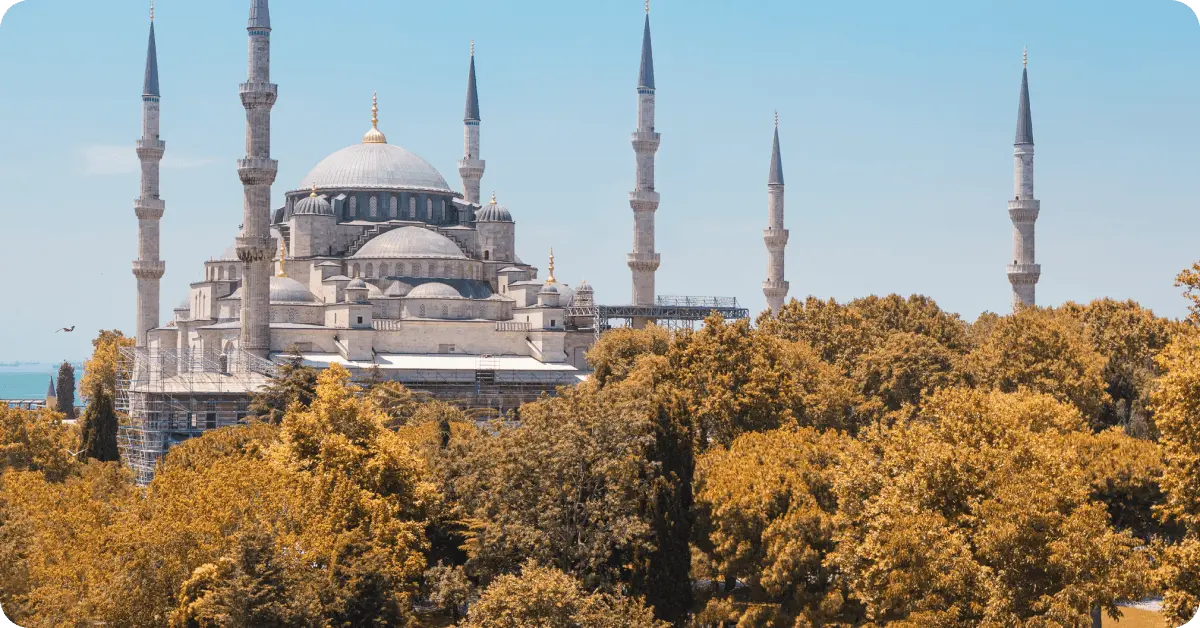
Fall presents what many consider Turkey’s golden season — comfortable temperatures, fewer crowds, and those beautiful autumn colors that make every Instagram shot look professional. You also get excellent weather without summer’s intensity or chaos.
Temperatures cool to a comfortable range, with September and October hitting that sweet spot of 68-86°F (20-30°C). Istanbul sees daily highs drop from around 80°F (26.7°C) in September to 54°F (12.2°C) by late fall, while places like Cappadocia offer pleasant days ranging from 59-72°F (15-22°C) in October. September still feels like extended summer and stays relatively dry, while November brings crisp weather that’s absolutely perfect for exploring and sightseeing. Rain gradually returns, particularly in November, when Istanbul averages about 9 rainy days, and you might catch some autumn storms along coastal areas, though they are usually brief.
Tourist numbers drop significantly after August, making popular attractions actually enjoyable again. October offers particularly good crowd-to-weather ratios at most destinations — probably the best balance you’ll find all year, with what can only be described as optimal weather conditions.
Here’s where fall gets really attractive for budget travelers — hotel room rates drop 30% in September compared to peak season, with reductions reaching up to 50% in October and November. Luxury hotel rates plummet significantly during November, and many hotels extend their operating seasons to capture fall travelers, though some Mediterranean coastal hotels typically close by mid-October.
In fall, Turkey invites everyone to celebrate its most significant holidays. Republic Day on October 29 is huge and it’s not just a one-day celebration. The festivities actually last 35 hours, beginning at 1pm on October 28, and feature parades, fireworks, concerts, and cultural events. This year, the celebrations will mark the 102nd anniversary of the Republic of Turkey’s founding in 1923. You’ll also find harvest festivals celebrating grape and olive seasons, an increased number of cultural events as the arts season kicks off, and if you’re in Istanbul in November, you might catch the famous Istanbul Marathon.
The cheapest time to visit Turkey
Want to visit Turkey without making your wallet sob? The absolute cheapest time to go is during the low season from November through March, with November being your best friend for budget travel. We’re talking serious savings here — 20-40% off what you’d pay during those crazy expensive summer months.
Here’s the real deal on what you’ll pay:
Months | Average hotel cost | Average flight cost | Notes |
|---|---|---|---|
November-March | US$50-143 | US$300-500 | Cheapest season overall, with some exceptions during the winter holiday season. |
April-May | US$120-200 | US$450-650 | Shoulder season, decent crowds. |
June-August | US$200-329 | US$600-900 | Peak summer pricing. |
September-October | US$140-180 | US$400-600 | Fall shoulder season, still good weather. |
As you can see, the prices change big time depending on when you go. So always keep in mind that most of the numbers can jump significantly when summer hits and everyone wants a piece of Turkey’s sunshine.
Tips to make your trip to Turkey even better
Your Turkish adventure will be way more enjoyable with a little insider knowledge. Here are a few practical tips that’ll help you navigate Turkey.
Learn a few Turkish phrases. A simple “teşekkür ederim” (thank you) or “merhaba” (hello) makes locals light up. Even if you butcher the pronunciation, Turks appreciate the effort and it can open the doors — sometimes literally.
Master the art of Turkish timing. Breakfast happens around 8-10 AM and is usually light, lunch runs from 12-2 PM, but dinner can start quite late. Don’t rush the social rhythm — meals are meant to be savored, not scarfed down.
Cash is still king, especially outside big cities. Turkey isn’t fully tap-and-go yet. While Istanbul and Ankara accept cards everywhere, smaller towns and local spots still run on Turkish lira. Keep small bills handy — many places won’t accept large notes.
Respect mosque etiquette without stress. Everyone has to remove their shoes before entering, and women should cover hair, shoulders, and knees. Don’t worry if you forget a scarf — most mosques provide them at the entrance. Just avoid visiting during prayer times out of respect.
Wait for the eldest to start eating. This is big in Turkish culture. Don’t dig in until the oldest person at the table has been served and begins eating. When everyone’s ready, say “Afiyet olsun” (may it be good for you) — it’s like Turkish bon appétit.
Get the Saily eSIM app before you go. Between navigating Istanbul’s winding bazaars, finding that hidden rooftop restaurant in Cappadocia, and checking ferry schedules along the coast, having reliable data is essential. Saily makes it easy and having an eSIM in Turkey means no more hunting for local SIM cards, no surprise roaming bills, just instant connection wherever you go.
Embrace the handshake culture. Greetings typically involve a reasonably firm handshake with direct eye contact. Among close friends, expect hugs or gentle pats on the back. It’s warmer and more personal than in many Western cultures.
Learn to bargain (but know when not to). If you’re planning to visit traditional markets and bazaars, expect haggling — it’s part of the fun. But in regular shops and restaurants, prices are fixed. When handling money, use both hands to pass or receive notes as a sign of respect.
Need data in Turkey? Get an eSIM!

1 GB
7 days
US$3.99
3 GB
30 days
US$6.99
5 GB
30 days
US$9.99
TL;DR
For ideal weather, hit the shoulder seasons. April, May, September, and October deliver that sweet spot with temperatures of 68-86°F (20-30°C). Spring brings blooming flowers and mild weather perfect for sightseeing, while fall offers warm temperatures without summer’s brutal heat. You get pleasant weather with manageable crowds — basically Turkey’s goldilocks zone.
For lower prices, embrace winter. January and February offer the biggest savings, with discounted hotels, cheaper flights, and practically zero crowds. You’ll trade beach days for serious budget relief. The shoulder seasons give you moderate pricing with much better weather if you want decent value without winter’s trade-offs.
For cultural experiences, spring and fall win. Spring (March-May) is fantastic, as the country comes alive with comfortable temperatures for exploring. Autumn brings rich cultural events and seasonal festivals, from spring flower shows to harvest celebrations.
All in all, those shoulder seasons of April-May and September-October hit all the right notes. You get great weather, reasonable prices, and prime cultural experiences rolled into one. Summer works if beaches are your priority and crowds don’t bother you, while winter is unbeatable for serious budget travelers.

Stay connected with the Saily eSIM app
Affordable mobile data plans for every journey.