





European food: What is European food culture like? 10 must-try dishes
You can design a whole European vacation around food. Whether you want to try Italian pasta classics like cacio e pepe, nibble French pastries in the streets of Paris, or sample hearty Baltic dumplings, you’re going to find something to love in this diverse and richly cultured continent. In our article, we’ll tell you everything you need to know about European food and cover the ten dishes you simply cannot miss while you’re there.
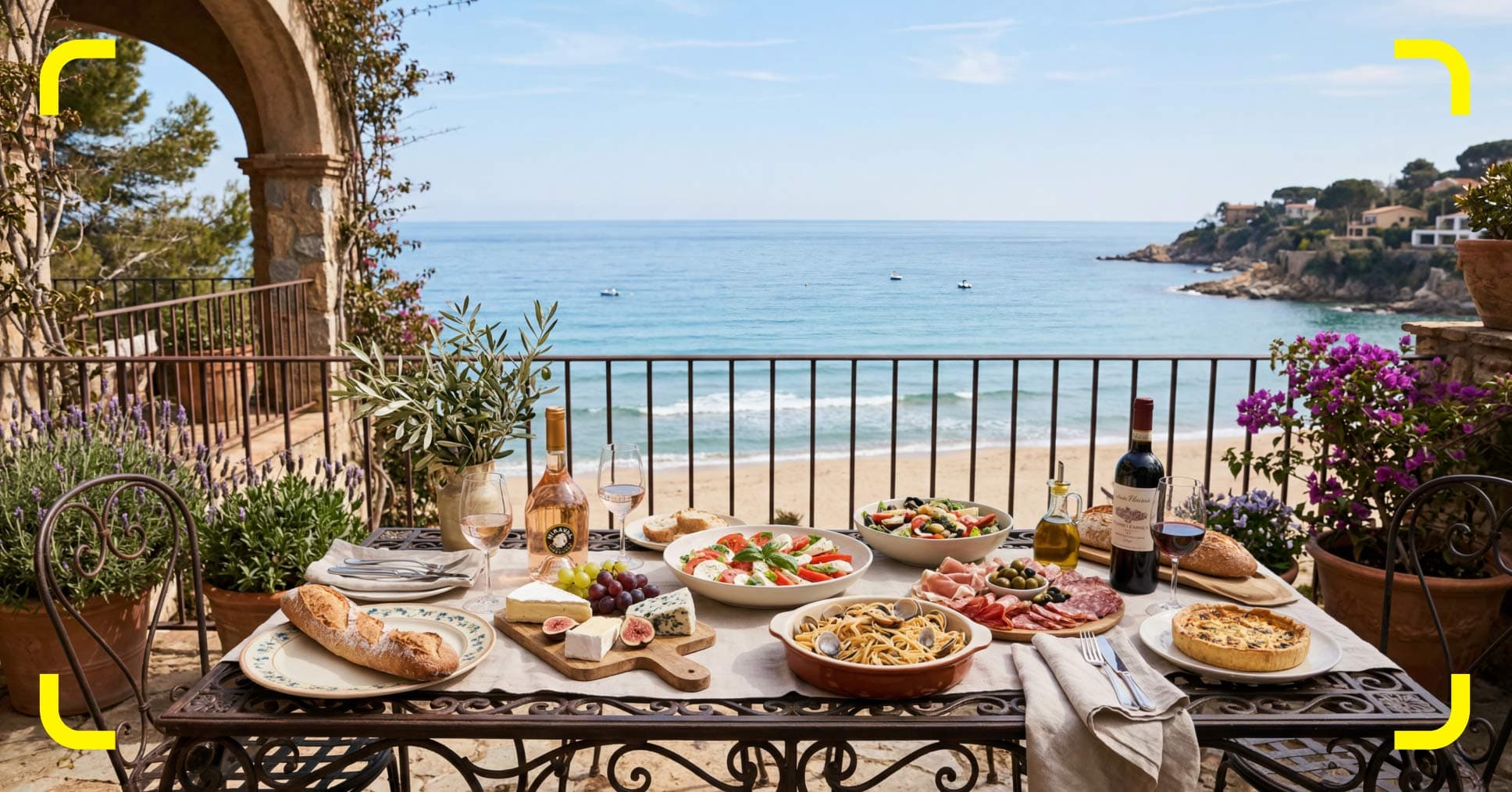
Table of Contents
- What is traditional European food like?
- Top 10 European dishes you must try
- 1. Paella in Spain
- 2. Pizza in Italy
- 3. Croissant in France
- 4. Pierogi in Poland
- 5. Risotto in Italy
- 6. Sauerbraten in Germany
- 7. Moussaka in Greece
- 8. Fish and chips in the United Kingdom
- 9. Goulash in Hungary
- 10. Köttbullar in Sweden
- Other iconic regional dishes in Europe
- Northern European food
- Eastern European food
- Southern European cuisine
- Western European cuisine
- European food: Key takeaways
- Staying connected while exploring European food
What is traditional European food like?
To understand what European food is like, you have to understand Europe. We’re talking about a continent containing more than 40 countries, each with its unique history, culture, and cuisine. Travel a few miles over the border from southern France into Spain, and you’re going to find very different items on the menus.
So, what are the main types of European cuisine? Though each country has its own culinary traditions, we can group the various regions of the continent into a few (very loose) categories:
Northern European food can be found across Scandinavia and in the northern Baltic States, like Estonia and Lithuania. When you visit this area, expect plenty of pickled and smoked fish (especially herring and salmon), as well as dense rye bread and potatoes. It’s hearty food, shaped by a cold climate and access to the North and Baltic Seas.
Eastern European food shares a lot of DNA with northern cuisine, while also dialing down the presence of seafood. Cabbage, beets, and root vegetables are central to many dishes you’ll find in countries like Poland, Ukraine, and the Balkans (not to be confused with the Baltics!). Alongside many fermented foods (like pickles and sauerkraut), dishes in Eastern Europe often feature dumplings, stuffed pastas, and warming soups like borscht and goulash.
Southern European food is defined by the traditions of Greece, Italy, Portugal, and other Mediterranean countries. Here, seafood is back on the menu in a big way, but it shares the spotlight with pasta and pizza, cured meats, and a lot (seriously, a lot) of olive oil. With an emphasis on fragrant green herbs like rosemary and oregano, food in Europe’s southern regions usually feels light and bright. While the scorching summer months might not be the best time to visit Europe, food around the Mediterranean is very palatable in high temperatures.
Western European food is possibly the least clearly defined culinary group on the continent, because it draws so heavily from the other three on this list. The fine French dining of Paris falls into this category, but so does a German bratwurst and a gravy-swamped Sunday roast in the UK. In the west of Europe, you can enjoy a lot of red meat and chicken, often roasted slowly or stewed, and usually involving no small amount of butter.
If you’re reading this as an American, you’ll probably recognize a lot of these dishes and flavors. The US draws from almost every part of Europe’s culinary culture, then rolls those old-world influences in with cooking styles from Mexico and East Asia to create entirely new foodie genres. Coming from the US, a trip to Europe is a trip to the source of the modern cuisines that you love back home.
Speaking of Europe, let’s take a look at the ten dishes on the continent you absolutely have to try.
Top 10 European dishes you must try
On your next trip to Europe, try as many of these dishes as possible. Realistically, you won’t be able to get to all of them — Europe is around 4,000 miles across — but wherever you are on the continent, you’ll be able to find at least a few of these amazing culinary creations. Covering that kind of ground takes some planning, so our best travel tips for Europe are worth a look before you set off.
1. Paella in Spain
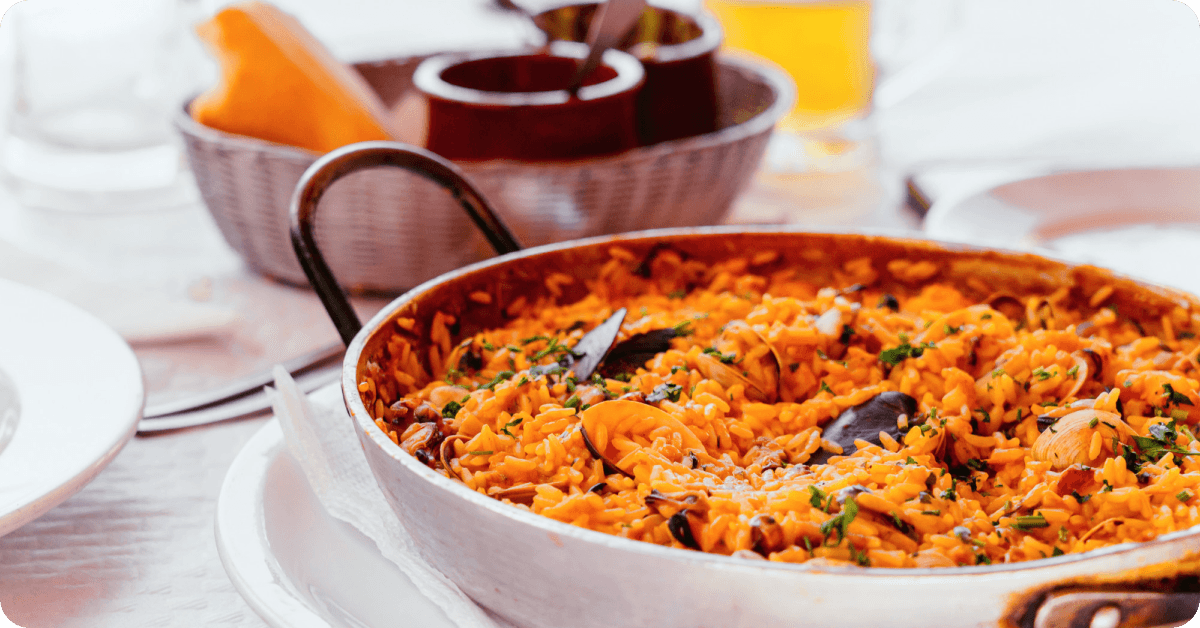
Paella is a hearty rice dish that originated around Valencia, in Spain. Starting off as farmworkers’ food, it’s served with a caramelized layer of rice at the bottom (called a socarrat), topped with whatever protein and veg is on hand, and cooked slowly in a wide pan. You can get paella loaded with rabbit, chicken, mushrooms, and seafood, but the key to the dish is always that rice base.
2. Pizza in Italy
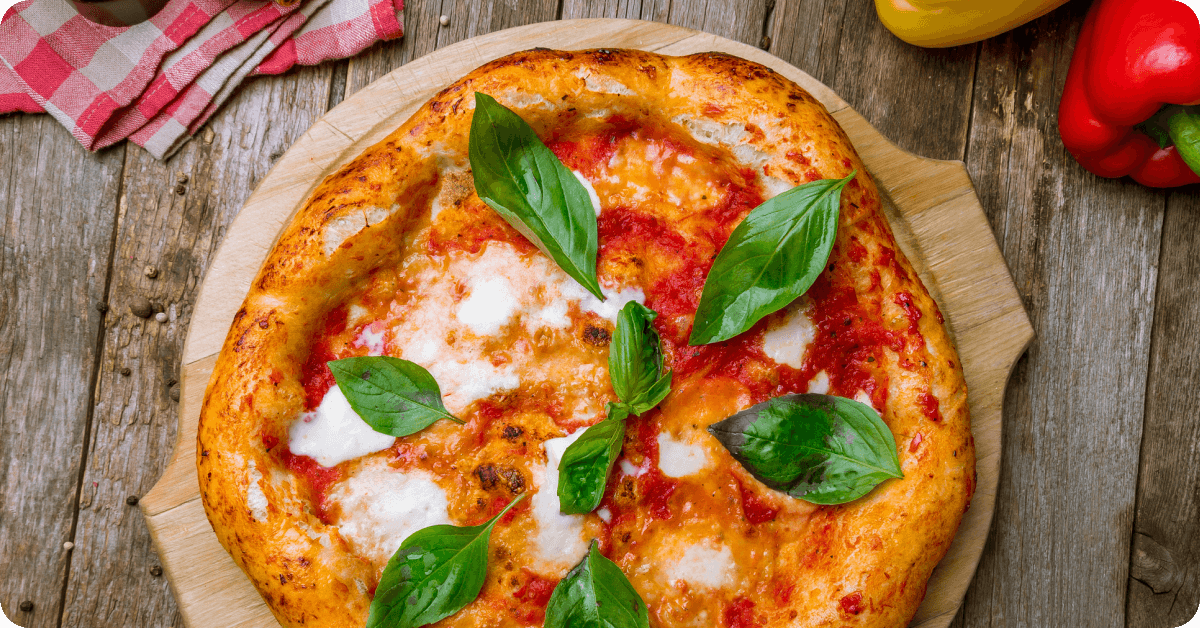
The pizza we know today probably started in Naples, and it hasn’t changed too much since then. Tomatoes, mozzarella, and basil are baked on a bed of dough, ideally in a traditional stone oven, and the result is the iconic Margherita. Like a lot of food in Italy, pizza’s simplicity is what makes the magic. You can get all kinds of complicated pizza variants outside of Italy, but the real deal is relaxed, unpretentious, and affordable. It’s served all over the peninsula, but if you’re in Rome, make sure to try the city’s signature pizza al taglio, sold in square slices with a base that’s crispy and juicy at the same time.
3. Croissant in France

The croissant isn’t actually French — it started as an Austrian pastry, but then went west and, let’s be honest, was perfected in France. Unlike croissants elsewhere in the world, the French version isn’t bready and thick. Instead, expect something flaky and crisp, but never dry. It’s hard for anything to be dry when it’s mostly butter. You don’t need to put toppings and spreads on a good croissant either. Pair it with an espresso, and that’s all the flavor you need to start your day.
4. Pierogi in Poland
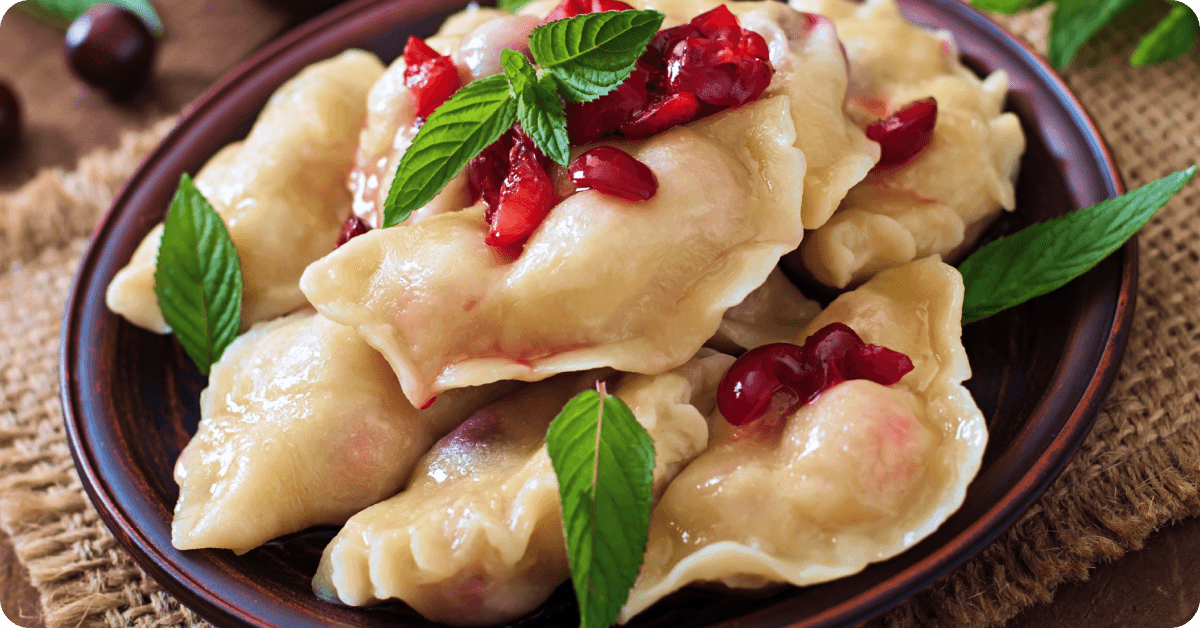
Comfort food of the highest order, these little stuffed dumplings are a Polish classic. The concept of a dumpling has always been to stretch simple ingredients like potatoes, cheese, and cabbage into something filling, even when the cupboard is a little bare. A Polish pierogi is boiled and then, if you have a savory filling like meat or sauerkraut, pan-fried with butter and onions. They can also come with sweet fruit fillings, so you can absolutely have pierogi for dinner and dessert.
5. Risotto in Italy
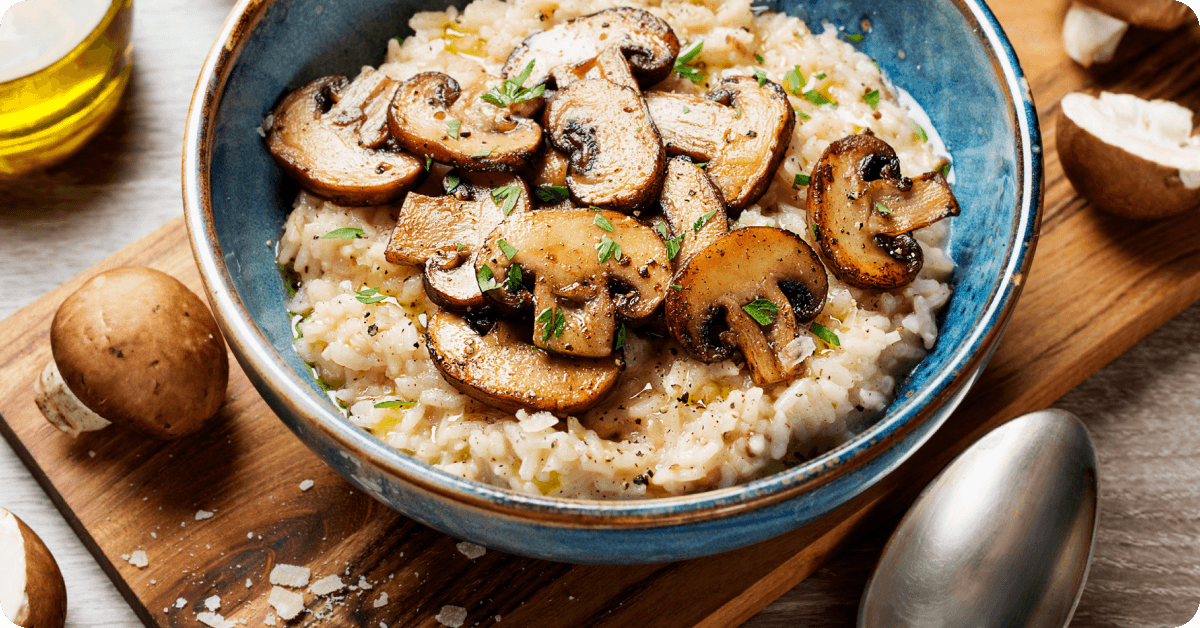
Risotto is a northern Italian staple, and is especially linked with Lombardy, where rice is grown prominently instead of the wheat you find further south. To make the dish, locals simmer short-grain rice in savory broth with a dash of dry white wine, resulting in a soft, comforting hug of a meal. You’ll find variations in every area, with coastal communities topping risotto with squid and other seafood, and seasonal ingredients like truffles popping up when available.
6. Sauerbraten in Germany
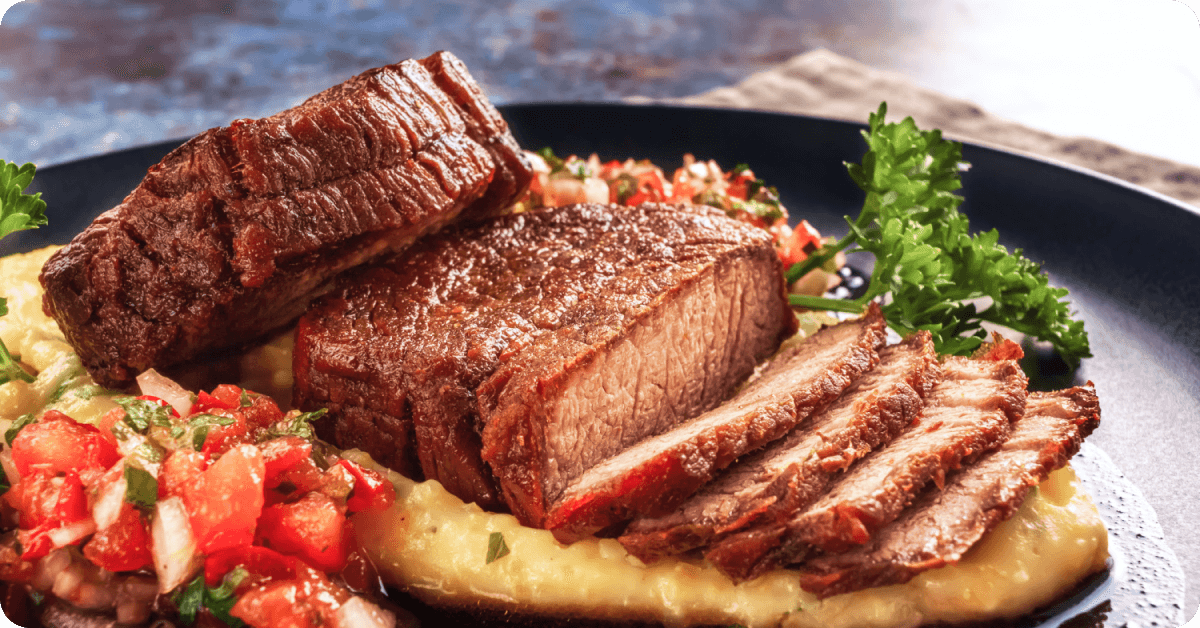
In Germany, sauerbraten is a pot roast with marinated, slow-cooked meat (usually beef). The name translates into English (roughly) as “sour roast,” because the marinating process gives the stew an unusual tang. Like most good food, it has humble roots, originating as a way to preserve and then soften tougher cuts of meat. It’s always a good choice, but in winter, sauerbraten really shines as a way to keep the cold out.
7. Moussaka in Greece
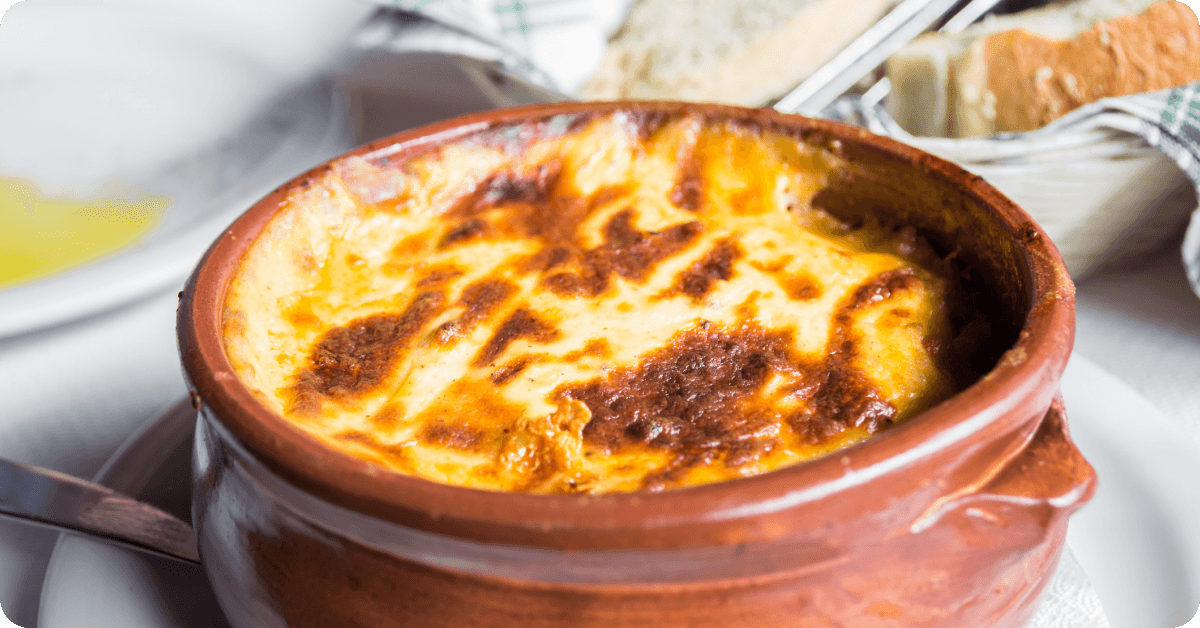
Moussaka is Greece’s answer to lasagna. Layers of eggplant, ground meat with plenty of seasoning, and a creamy béchamel sauce are all baked until golden, crispy on top, and bubbling around the edges. Good news, too — if you’re someone who thinks they don’t like eggplant, you’ll probably still enjoy moussaka. The controversial vegetables take on a beautiful, smoky flavor and absorb a lot of the surrounding fat, setting them apart from the rubbery, undercooked eggplants many of us are used to.
8. Fish and chips in the United Kingdom
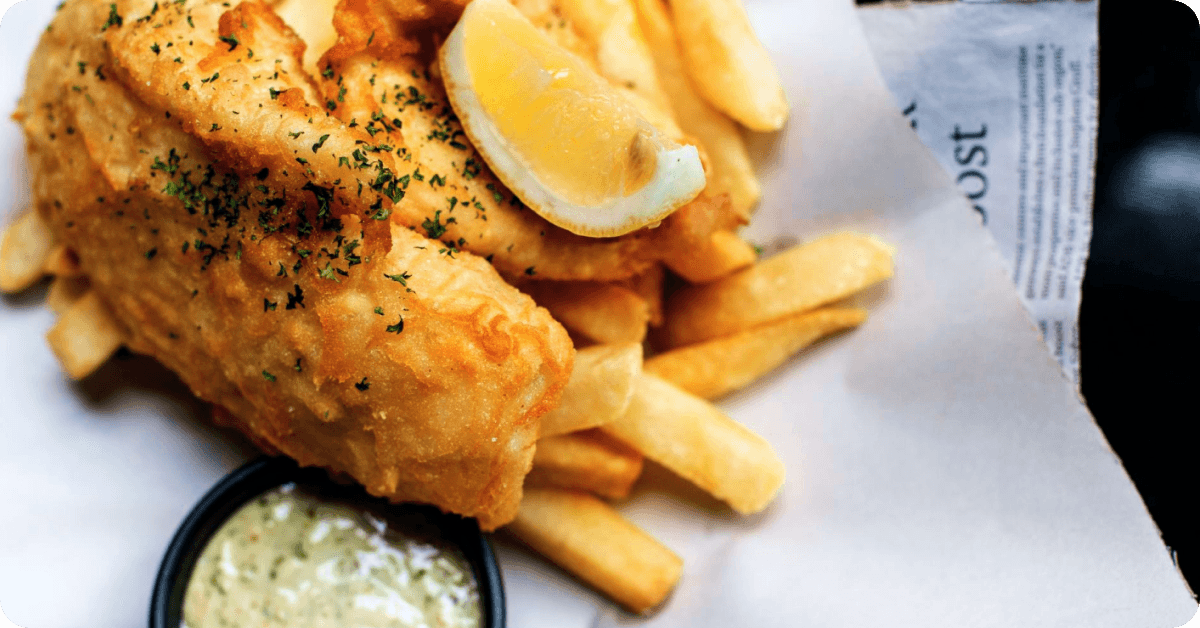
British cuisine might not have the best reputation in the world, but fish and chips earns its place as a European culinary classic. When done right, you get a beautiful slab of white fish (cod or haddock, mostly), coated with golden batter or crunchy breadcrumbs. The fish arrives alongside a pile of thick-cut potatoes (British chips!), seasoned with salt and malt vinegar. For dips? Creamy tartar sauce and mushy peas. Sure, cowards and fools will say you can skip the mushy peas, but you know better.
9. Goulash in Hungary
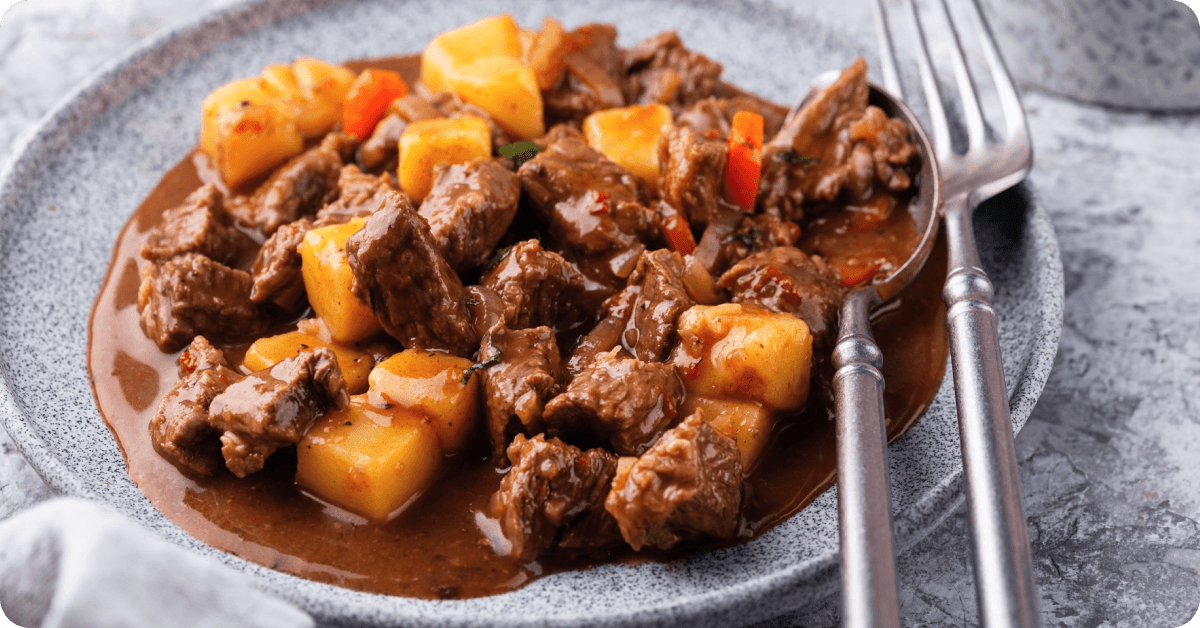
Goulash started as a simple stew prepared by Hungarian shepherds over campfires and seasoned heavily with paprika (the spice Hungary is famous for). Slow-cooked beef, onions, and vegetables make for a savory, smoky stew that will keep you hale and hearty through the coldest Hungarian winters.
10. Köttbullar in Sweden
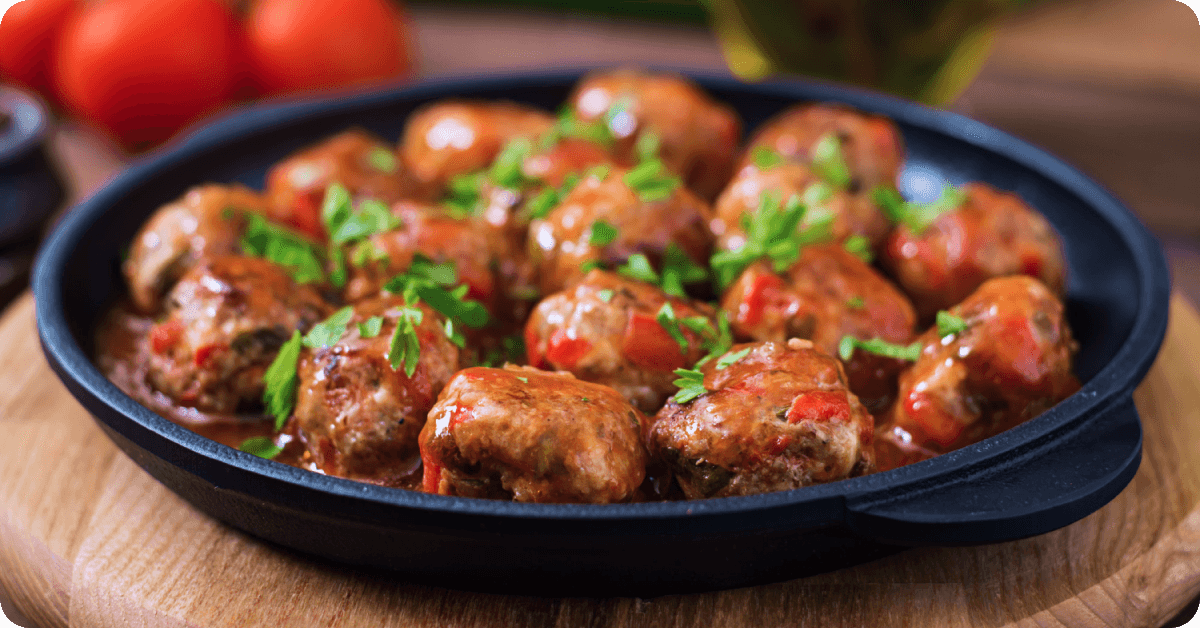
Yes, these are the Swedish meatballs you ate at a flat-pack furniture store last week, but stay with us here. Köttbullar have roots in Turkish cuisine, but they were brought back to Sweden by King Charles XII in the early 1700s and adapted into a national staple ever since. These meatballs are made with a mix of beef and pork, seasoned with allspice and onion, and served with a big dollop of tart lingonberry jam.
Other iconic regional dishes in Europe
The dishes you need to look out for will really be decided by the countries you visit in Europe. Italian risotto is incredible, but knowing that won’t do you much good while you’re exploring Norway. Let’s highlight a few of the top dishes in our four regional categories around Europe.
Northern European food
In northern Europe, it’s always worth trying salmon, whether smoked, cured as gravlax, or grilled. The closer to the sea you can find it, the better. Don’t skip Danish smørrebrød — it’s an open-faced rye sandwich stacked with toppings like pickled herring or roast beef. Rye bread and reindeer dishes, popular in Finland, are also well worth a taste.
Eastern European food
In Romania and beyond, sarmale — cabbage rolls stuffed with meat and rice — are a hearty classic. Russian and Ukrainian borscht, a beet-based soup often served with sour cream, is the perfect antidote to a cold day. Czech svíčková, a creamy sauce served over sliced beef with bread dumplings, is a comforting classic worth seeking out in Prague.
Southern European cuisine
Headed for the Med? Bacalhau — salt cod prepared dozens of different ways — is a Portuguese staple worth hunting down. Spanish tapas, small plates like patatas bravas or jamón ibérico, are best enjoyed slowly with a glass of local wine. For food in Greece, choose souvlaki (grilled skewers of meat wrapped in warm pita) which makes for the perfect street-food lunch.
Western European cuisine
France’s coq au vin (that’s chicken braised slowly in red wine) is a classic bistro dish. Belgium does mussels really well, traditionally cooked in a pot with white wine and garlic and served with fries. Head over to Germany for pretzels and bratwurst — ideally eaten in a very loud beer hall.
European food: Key takeaways
Europe’s food scene rewards planning. Must-tries like paella, pizza, croissants, and pierogi each come from a specific place and tradition, while regional dishes like Scandinavian salmon, Hungarian goulash, or Greek souvlaki are tied closely to where you’re actually standing on the map. Knowing the difference between northern, eastern, southern, and western European food — and what’s actually native to each — means you won’t waste a meal looking for risotto in Norway or fish and chips in Budapest.
Tracking down the right spot for any of these dishes, whether it’s a milk bar in Kraków or a seaside taverna in Greece, usually means relying on maps and reviews on the go. Having reliable mobile data to hand makes that a lot easier, which is where an eSIM like Saily comes in. What is an eSIM, you ask? It’s like a SIM card that you download — no physical pieces of plastic needed — letting you get online overseas.
Staying connected while exploring European food
To make the most of your trip to Europe, get an internet connection you can actually rely on. Finding that hidden gem restaurant, checking reviews from local foodies, staring at your map while you navigate tangled medieval streets — it’s all easier with mobile data.
With a Saily eSIM on your phone, you can connect to the internet as soon as you land. Just download the app before you travel, and top up whenever you need more data. Saily offers a regional eSIM for Europe, as well as deals for individual locations, starting from as little as US$1.99 (1 GB for seven days in Bulgaria). Also, if you’re traveling with a group, Saily’s new expense-sharing feature lets you split shared bills right in the app.
Forget about sky-high EU roaming fees, overpriced local SIM cards, and patchy free Wi-Fi — just turn on your Saily eSIM and start eating!

1 GB
7 days
US$4.99
3 GB
30 days
US$12.49
5 GB
30 days
US$19.49
FAQ
Most everyday meals lean on regional basics — bread, potatoes, and dairy in the north, rice and pasta in the south, and root vegetables or dumplings in the east. Meals also tend to be built around fresh, local ingredients and shared at the table rather than eaten on the go. That said, the continent includes more than 40 countries, so one of the best travel tips for Europe is to research the specific area you’re visiting, rather than the landmass as a whole.
Comfort food varies by region but usually means something hearty, slow-cooked, and built to warm you up — think Hungarian goulash, German sauerbraten, or Swedish köttbullar with gravy and potatoes. These dishes are typically simple, affordable, and tied to family traditions passed down for generations.
Pizza and pasta from Italy are arguably Europe’s most globally recognized exports, but popularity really depends on where you are. Locally, dishes like paella in Spain, fish and chips in the UK, and pierogi in Poland are just as beloved within their own countries.
Cities like Rome, Paris, Barcelona, and Budapest consistently top food-and-culture lists, each offering a mix of iconic dishes, historic markets, and centuries-old culinary traditions. Lesser-known spots like Lisbon, Kraków, and Thessaloniki are also worth a visit for travelers wanting incredible food without the crowds.

Always connected, always on course
Connect instantly with a Saily eSIM and enjoy effortless internet access.

Related articles
