



17 min di lettura
Numero di telefono
Chiama, invia SMS e ricevi chiamate con un numero di telefono statunitense.
Piano Ultra
Il piano di viaggio per chi non si accontenta.
eSIM per aziende
Tutti i piani dati del team in un’unica dashboard.
Funzionalità di sicurezza
Mantieni la privacy e la sicurezza dei tuoi dati.
Invita un amico
Invita i tuoi amici su Saily e ricevi fantastiche ricompense!
Vantaggi di viaggio
Prenota i vantaggi per il tuo viaggio con i crediti Saily.
Sconto studenti
Risparmia con i prezzi speciali riservati agli studenti.
Saily per le organizzazioni non profit
Richiedi i piani dati eSIM scontati per le realtà non profit.
So you know what sushi is, and maybe you love tucking into a warm, comforting bowl of ramen noodles. But how much do you know about Japanese food beyond those well-known staples? The truth is, Japanese cuisine has a lot more to offer than many people realize. From sizzling street food and hearty comfort dishes to delicate seasonal specialties, Japan’s culinary scene is incredibly diverse. The country’s food culture is deeply rooted in tradition yet constantly evolving, and it’s no surprise that Japanese cuisine has become one of the world’s most influential and beloved culinary traditions. Whether you’re planning a trip to Japan or simply curious about its incredible food scene, this guide will introduce you to traditional Japanese cuisine and 30 of the country’s most popular dishes. So pick up your chopsticks and let’s dig in.

Indice
One of the things that makes food in Japan so memorable is that it offers incredible variety but also a strong sense of balance. Japanese cuisine is all about letting high-quality ingredients shine rather than masking them with rich sauces or overpowering spices. You’ll find plenty of savory umami flavors, subtle sweetness, gentle saltiness, and a focus on fresh, seasonal ingredients. And let’s not forget the beautiful presentation — sometimes the plates look so artistic it’s almost a shame to eat them!
Common ingredients in Japanese food include seafood, vegetables, tofu, seaweed, noodles, and pickled foods. Depending on what you’re eating, they may be grilled over charcoal, simmered in a tasty broth, steamed, deep-fried, or even served raw. While seafood plays a major role in traditional Japanese cuisine, you’ll also come across plenty of dishes featuring chicken, pork, and wagyu beef.
A typical Japanese meal consists of several smaller dishes rather than one large plate, usually including rice, soup, a main protein dish, two smaller vegetable sides, and pickles. The Japanese have a term for this style of meal: ichiju sansai, which literally means “one soup, three dishes” (rice and pickles aren’t counted in the three dishes because they’re considered staples). Sure, more washing up might be required, but you also get a more balanced meal with a variety of nutrients and flavors.
Japanese cuisine has evolved over centuries, influenced by neighboring countries while developing its own distinct identity. Today, it’s often considered one of the world’s healthiest food cultures thanks to its focus on fresh ingredients, vegetables, seafood, and mindful eating. One concept you’ll often hear about is hara hachi u (腹八分目), which encourages people to stop eating when they’re about 80% full. It’s a simple philosophy that reflects Japan’s approach to food.
These days, Japanese food is hugely popular around the world — particularly across Asia, Europe, Australia, and the United States. Even if you’ve never been to Japan, you’ve probably tasted some iconic dishes like sushi, ramen, tempura, or teriyaki. Other globally recognized favorites include udon noodles, yakitori, katsu curry, gyoza, and matcha-flavored desserts.
Of course, these famous foods are only the beginning. Japan’s food culture is incredibly diverse, with many mouthwatering dishes waiting to be discovered. If you're planning a trip, be sure to check out our Japan travel tips guide for practical advice before you go. In the meantime, here are 30 of the most popular Japanese dishes to try on your next food adventure.
While you may recognize some of the foods on this list, the authentic versions often taste quite different from those served overseas. That makes them all the more worth trying on your next visit to Japan.
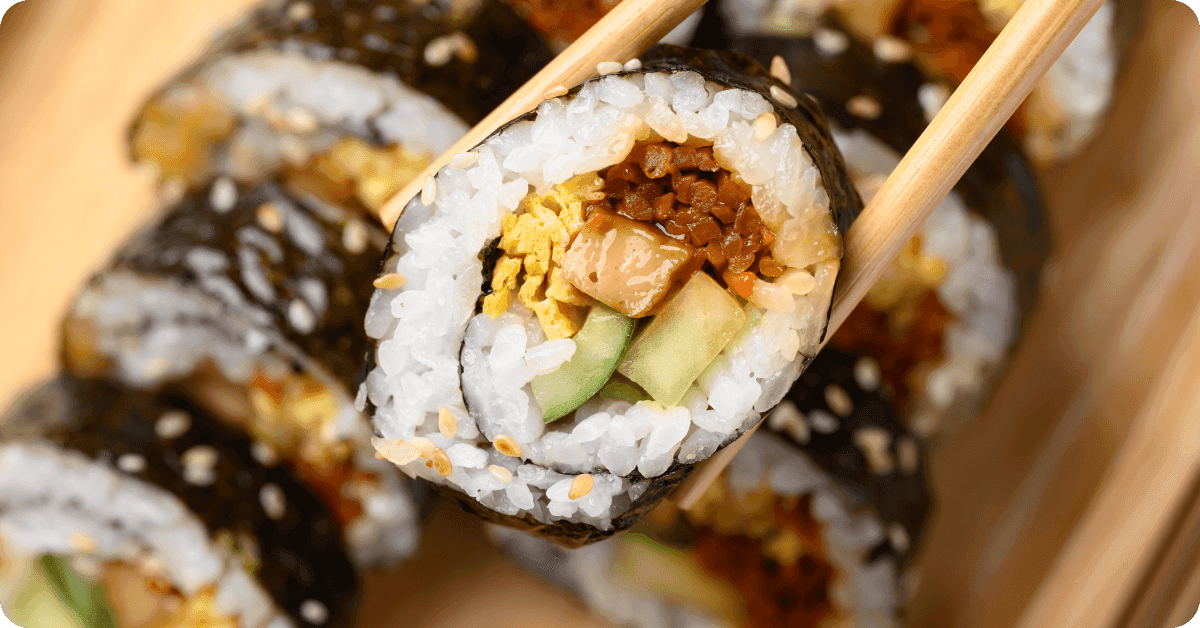
Sushi is quite possibly the most popular food in Japan, and it’s also the most famous. It’s made with vinegared rice (which is actually the defining ingredient), paired with things like raw fish, seafood, egg, or vegetables.
While sushi has spread around the world, the versions you’ll find in Japan are often fresher, more seasonal, and surprisingly simple, whether you’re eating at a conveyor-belt restaurant, a train station, or a high-end sushi counter.
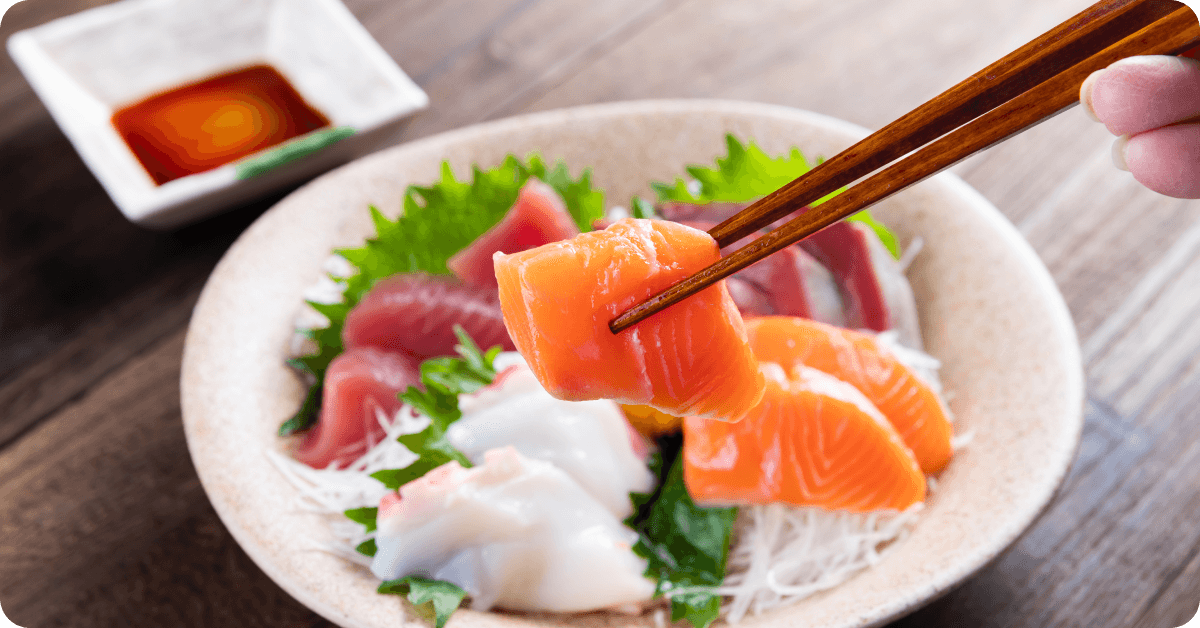
Unlike sushi, sashimi skips the rice and focuses purely on thinly sliced raw fish or seafood. Common varieties include tuna, salmon, yellowtail, and squid, served with soy sauce, wasabi, and pickled ginger. This traditional food in Japan is often seen as one of the purest expressions of Japanese cuisine and is typically eaten in restaurants rather than as street food.
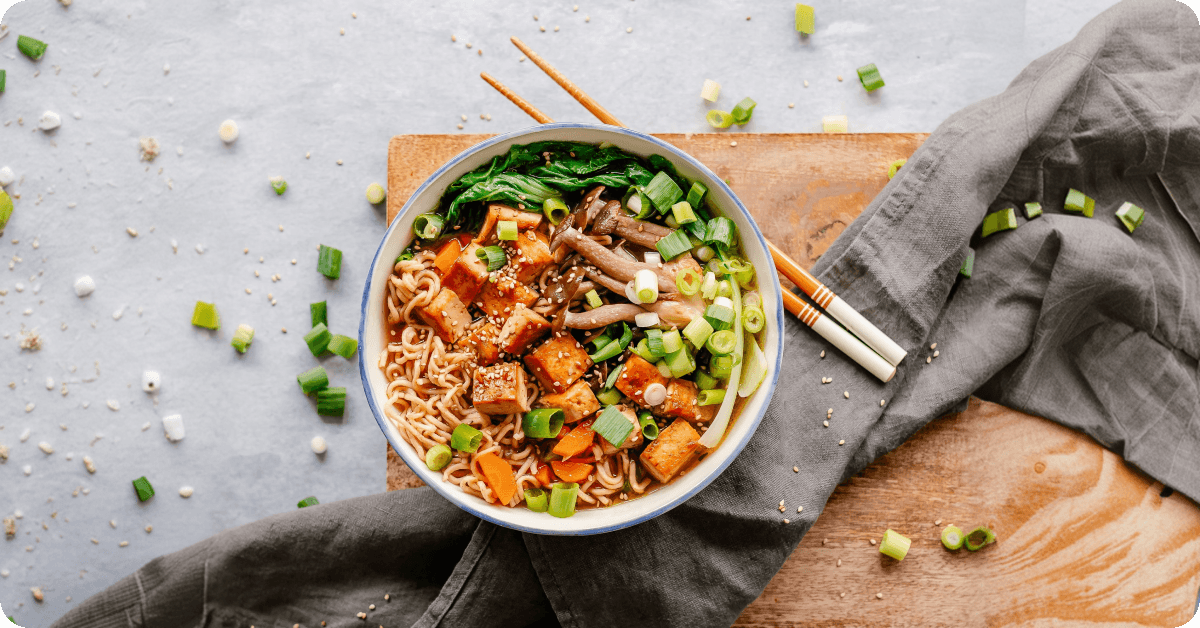
Few foods are more comforting than a steaming bowl of ramen. This hugely popular dish features wheat noodles served in a rich, tasty broth, with toppings like sliced pork, soft-boiled eggs, seaweed, and green onions taking it to the next level. Although ramen originated from Chinese noodle dishes, it has evolved into a Japanese staple and remains one of the top foods to try in Japan, with many regional variations found across the country.
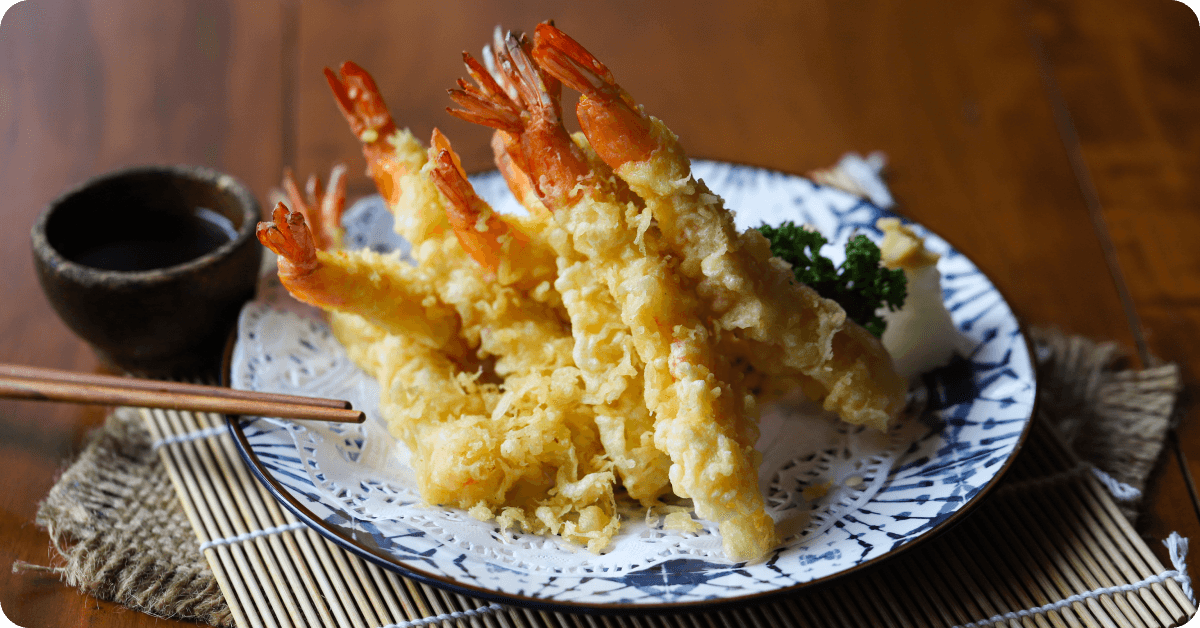
Everything tastes better deep-fried, a fact the Portuguese worked out centuries ago. It was Portuguese Jesuits who introduced batter-frying techniques to Japan in the 16th century, and tempura has since become one of the country’s most beloved dishes.
Japanese tempura consists of seafood, vegetables, or both, coated in a light batter and deep-fried until crisp and golden. You can find it in specialist restaurants, noodle shops, and casual eateries around the country.
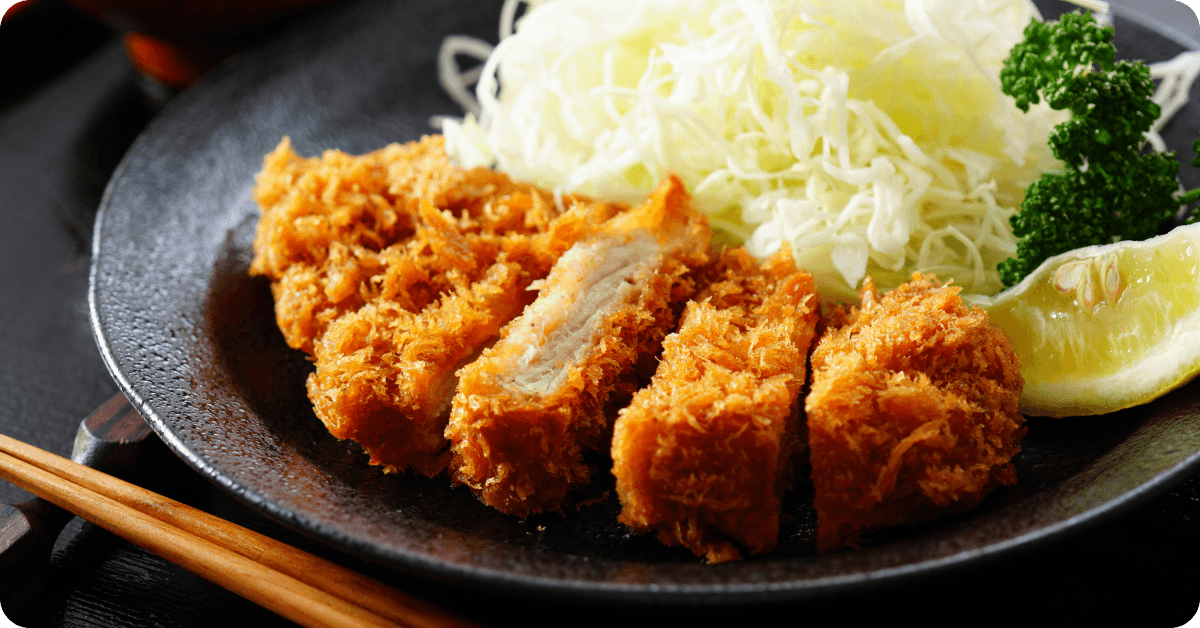
Tonkatsu is a breaded and deep-fried pork cutlet that’s crispy on the outside and juicy on the inside. And yes, it is as delicious as it sounds. It’s usually served sliced into strips alongside shredded cabbage, rice, miso soup, and a sweet-savory tonkatsu sauce. While it’s a relatively modern dish inspired by Western cuisine, tonkatsu has become a Japanese comfort food favorite that’s popular for both lunch and dinner.
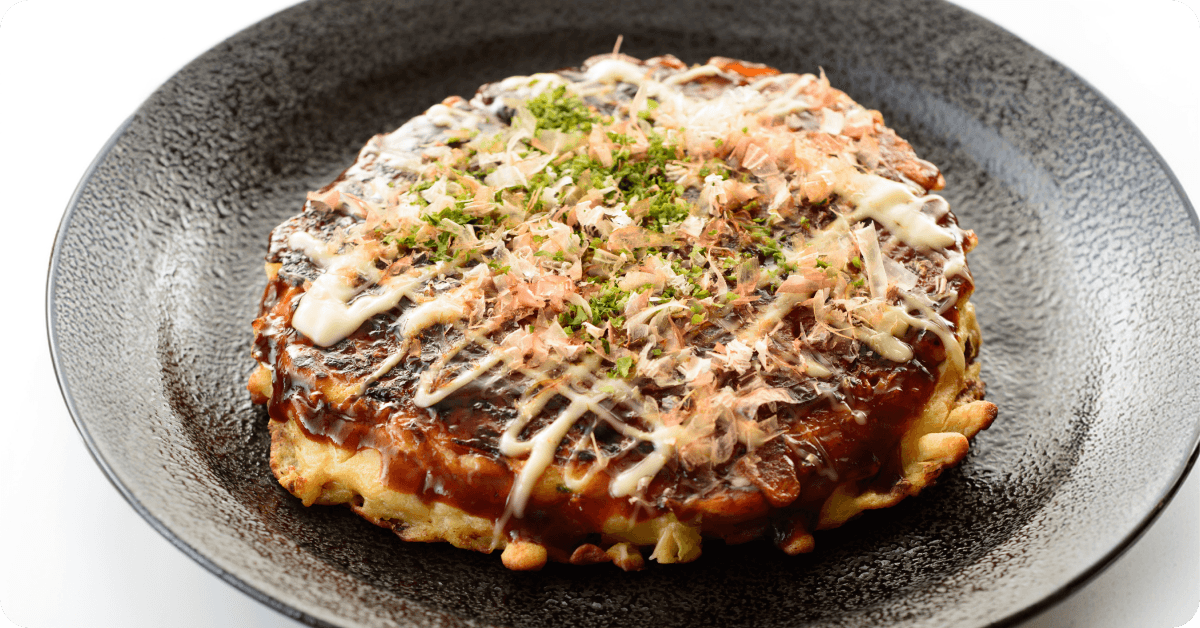
Okonomiyaki is a Japanese savory pancake made from a wheat-based batter and usually shredded cabbage or other vegetables. Beyond that base are no hard-and-fast rules — it’s the kind of dish where you throw in whatever you like, which is fitting given that okonomiyaki essentially means “cook it how you like it.”
Particularly popular in Osaka and Hiroshima (each with their own variations), it’s typically cooked on a hot griddle and topped with a sweet-savory sauce, mayonnaise, seaweed flakes, and bonito flakes.
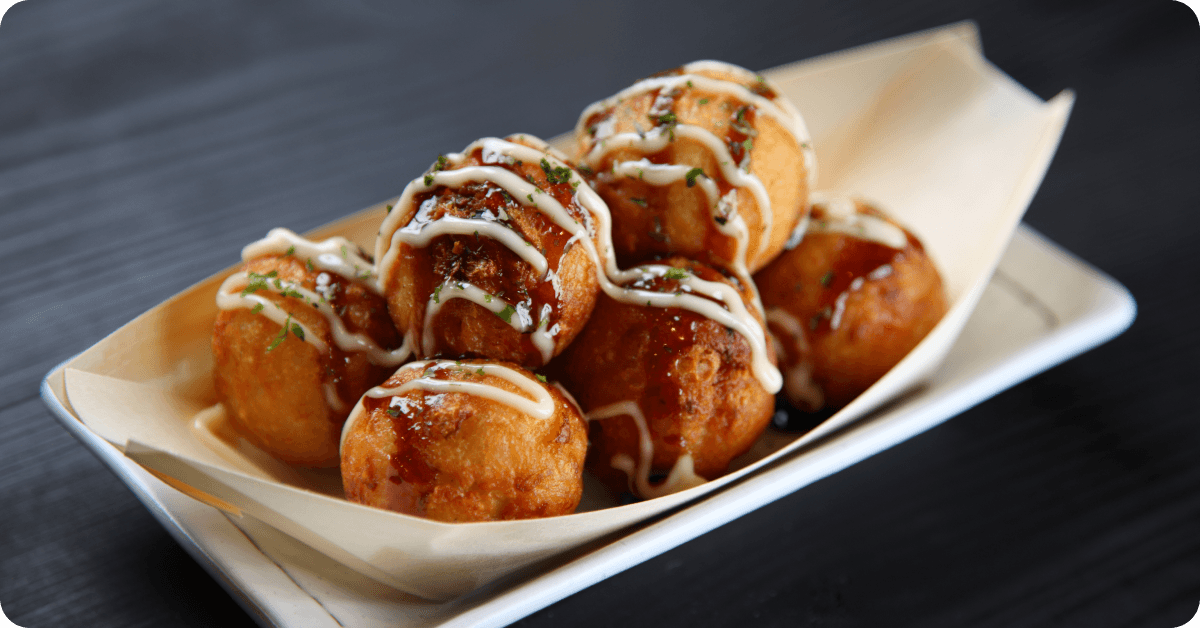
If you ever wander through a Japanese street market and spot people lining up for little golden-brown balls of batter, there’s a good chance they’re buying takoyaki. This popular street food from Osaka is made with a savory batter filled with pieces of octopus then topped with sauce, mayonnaise, seaweed flakes, and “dancing” bonito flakes – the sway of the dried fish flakes is caused by the heat rising from the takoyaki. This snack is crispy on the outside, soft in the middle, and dangerously easy to keep eating.
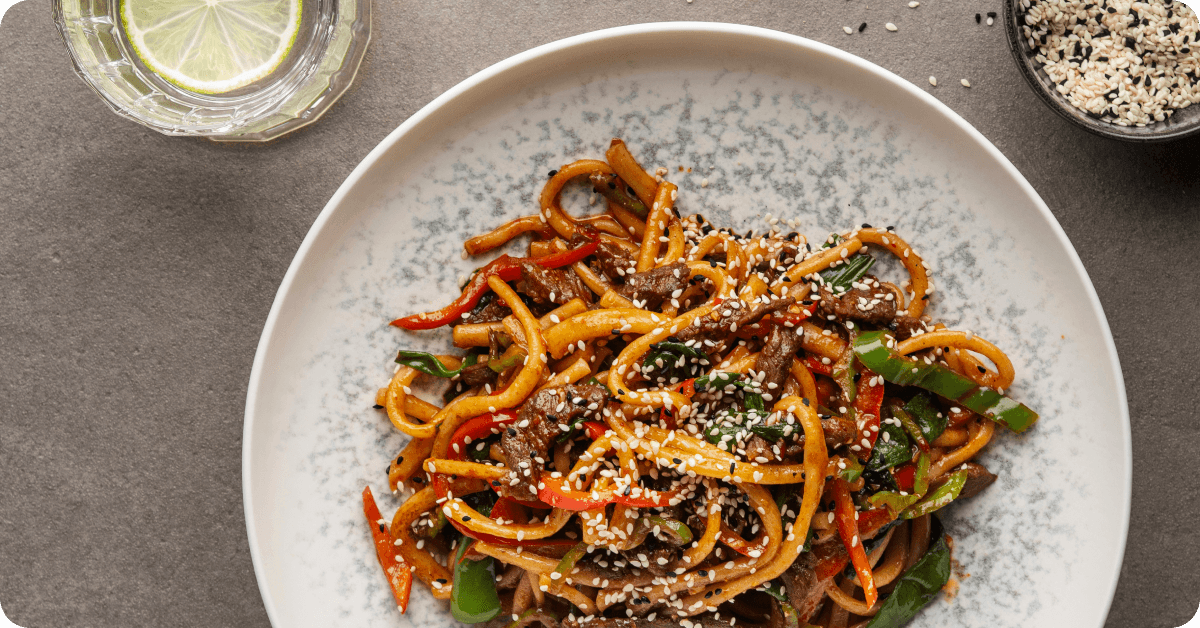
Udon is a thick, chewy noodle made from wheat flour and served either hot or cold depending on the season. You’ll find it everywhere from tiny noodle shops and train stations to casual family restaurants, where it’s a go-to quick and affordable lunch. Simple toppings like green onions, tempura, tofu, or raw egg let the flavor of the noodles and broth shine.
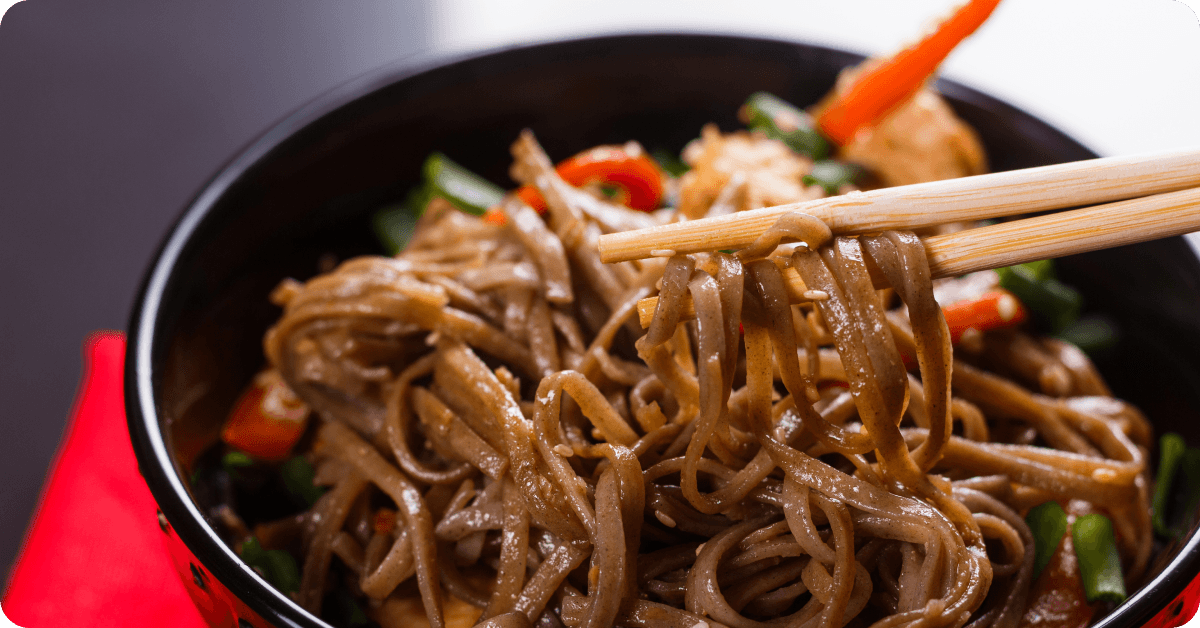
Soba noodles are made from buckwheat flour, which gives them a slightly nutty flavor. They’re served hot in broth during colder months or chilled with a dipping sauce in summer, making them one of Japan’s most versatile noodle dishes. Soba is equally at home in a humble neighborhood noodle shop as it is in an upscale restaurant.
A bonus fun fact about Japan: Many people eat toshikoshi soba on New Year’s Eve, with the long noodles symbolizing a wish for a long life and a fresh start in the year ahead.
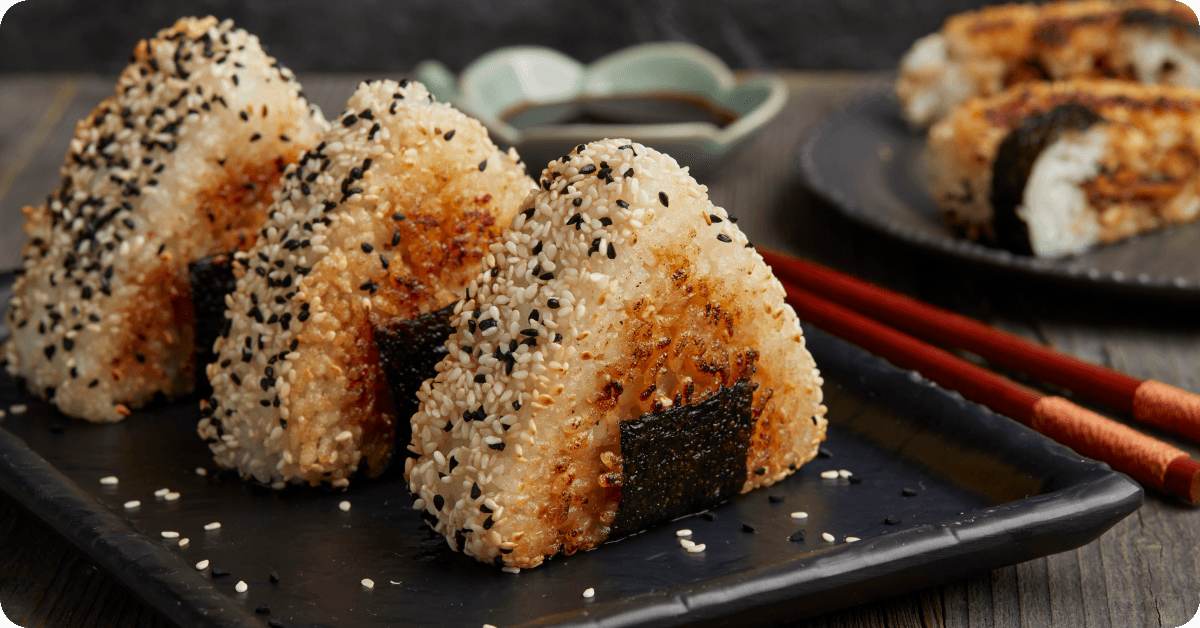
Onigiri are rice balls often wrapped in nori seaweed and filled with ingredients like salmon, tuna mayonnaise, or pickled plum. They’re a staple of everyday Japanese life and can be found everywhere from convenience stores to train stations. If you’re looking for a cheap snack while sightseeing, onigiri are hard to beat.
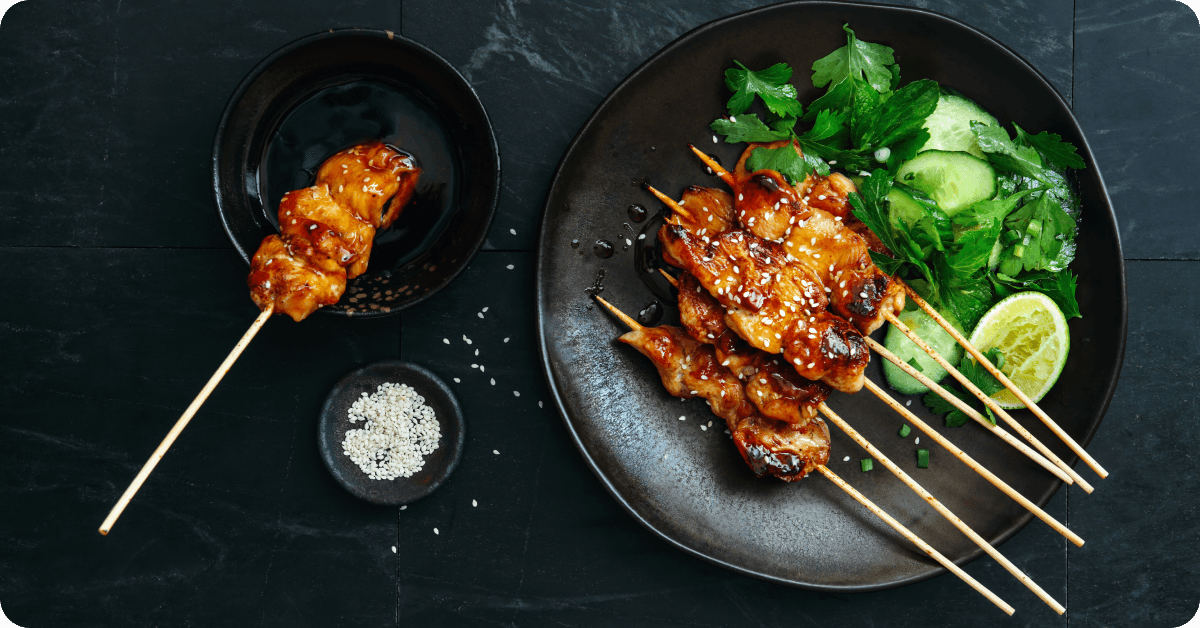
Sometimes the simplest foods are the best. Yakitori consists of bite-sized pieces of chicken threaded onto skewers and grilled over charcoal, giving them a delicious smoky flavor. You’ll find yakitori everywhere from street stalls to lively izakayas, where it’s often enjoyed alongside a cold beer. Different skewers use different cuts of chicken, from juicy thigh meat and crispy skin to meatballs and even liver for the more adventurous.
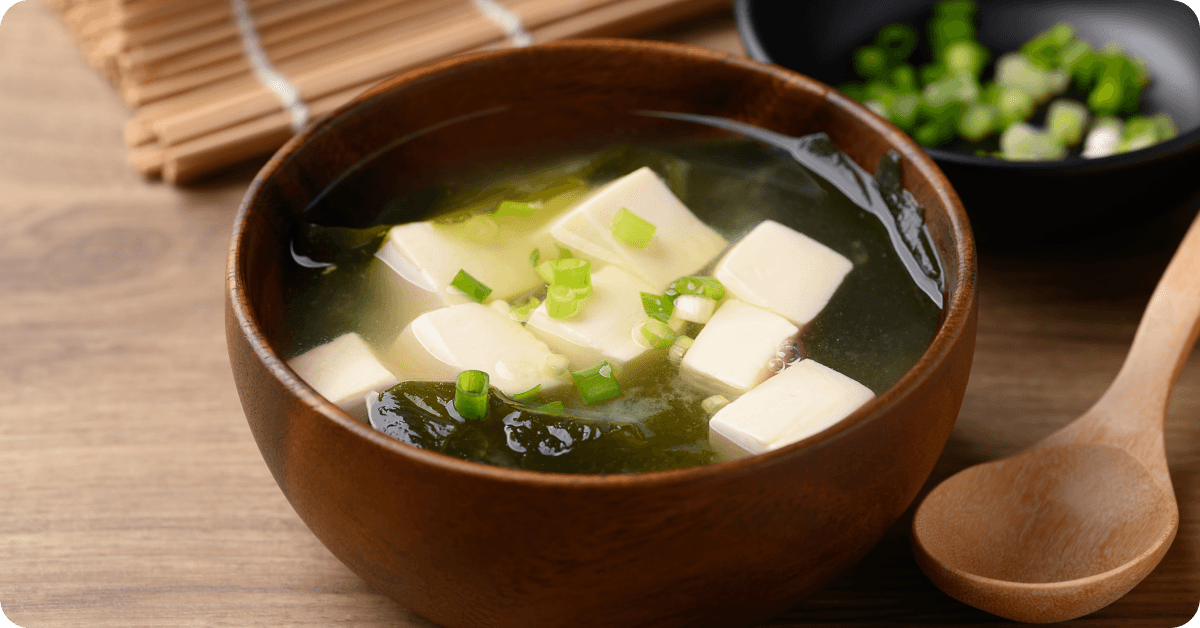
Miso soup might seem humble, but it’s one of the foundations of Japanese food culture. The soup starts with miso, a fermented soybean paste, blended into dashi broth and paired with ingredients such as tofu, seaweed, green onions, or mushrooms. You’ll encounter it at breakfast, lunch, and dinner, usually served as part of a larger meal rather than on its own.
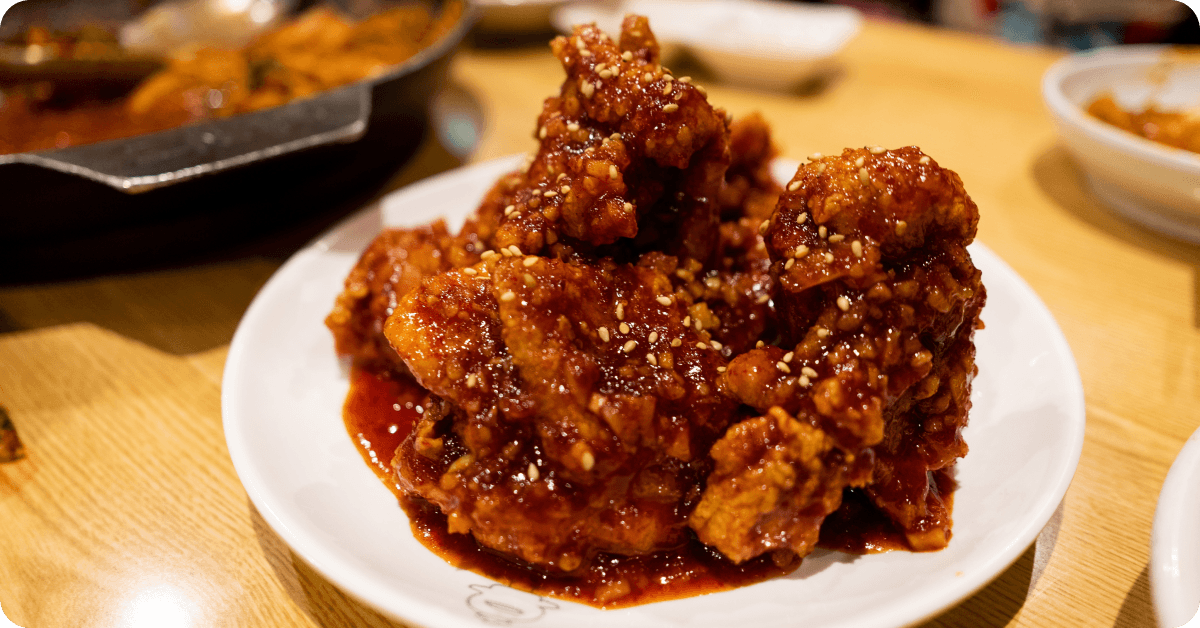
Think of karaage as Japan’s answer to fried chicken, although many locals would argue it’s even better. Chicken pieces are marinated in soy sauce, ginger, and garlic before being coated and fried until deliciously crisp. Locals eat karaage as a snack, lunch-time favorite, or izakaya dish. It’s the kind of food that edges into once-you-pop-you-can’t-stop territory (you have been warned).
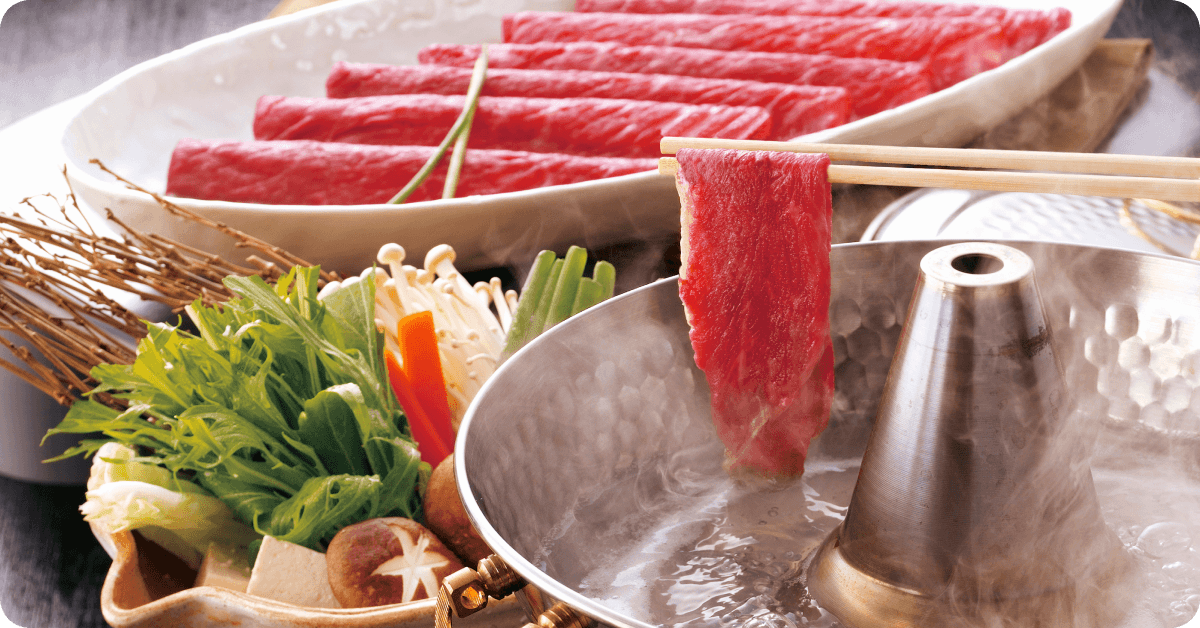
Named after the swishing sound made when ingredients are stirred through hot broth, shabu-shabu is one of Japan’s most enjoyable communal meals. Diners cook thin slices of beef, pork, seafood, vegetables, and tofu themselves at the table before dipping them into flavorful sauces. It’s often considered among the best foods in Japan for sharing with family and friends, particularly when it’s chilly outside.
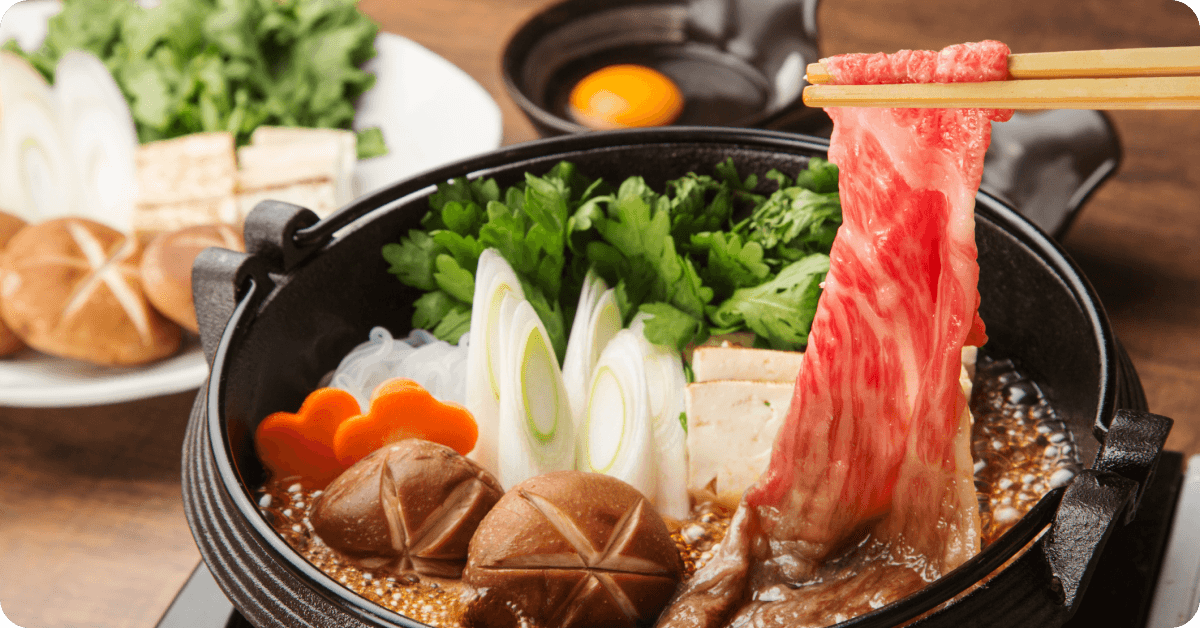
Sukiyaki is one of Japan’s classic comfort foods, particularly popular during the colder months. Thinly sliced beef is simmered at the table alongside vegetables, tofu, mushrooms, and noodles in a sweet-savory broth made with soy sauce, sugar, and mirin. Like shabu-shabu, it’s a social meal that’s best shared with family or friends.
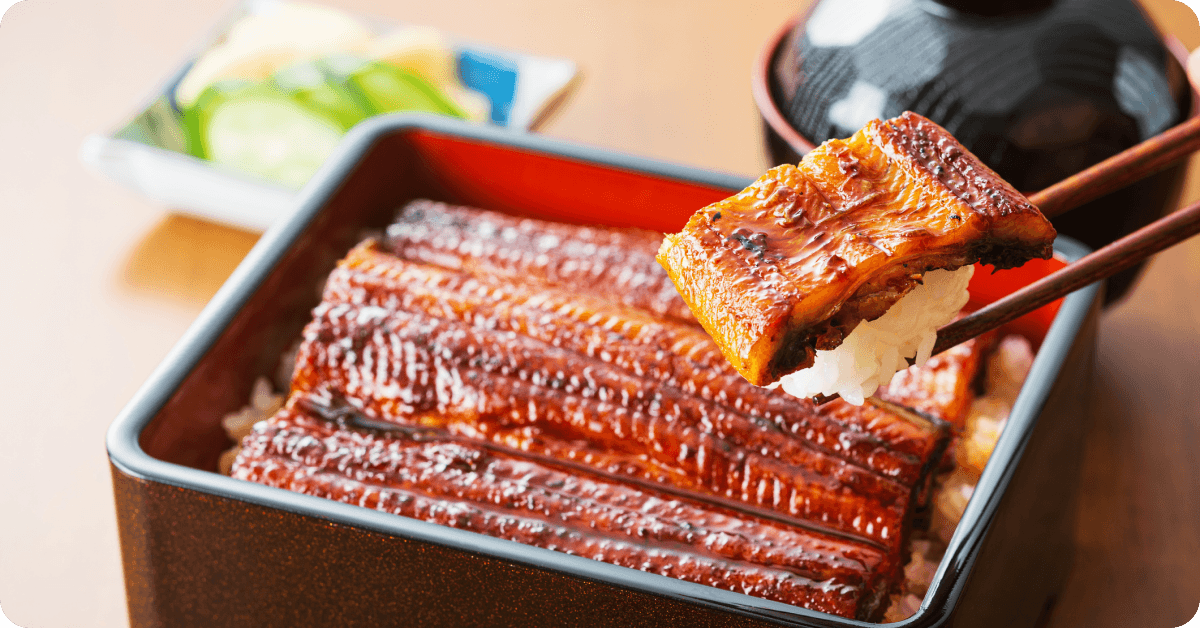
If you’ve never eaten freshwater eel before, unagi will make you wonder why. Fillets are grilled over charcoal and lacquered repeatedly with a sweet, deeply savory tare sauce until the outside caramelizes and the flesh turns meltingly tender. It’s most often served over rice as unadon or unaju, and eating it is considered a summer ritual in Japan — locals swear it fights off fatigue in the sweltering heat.
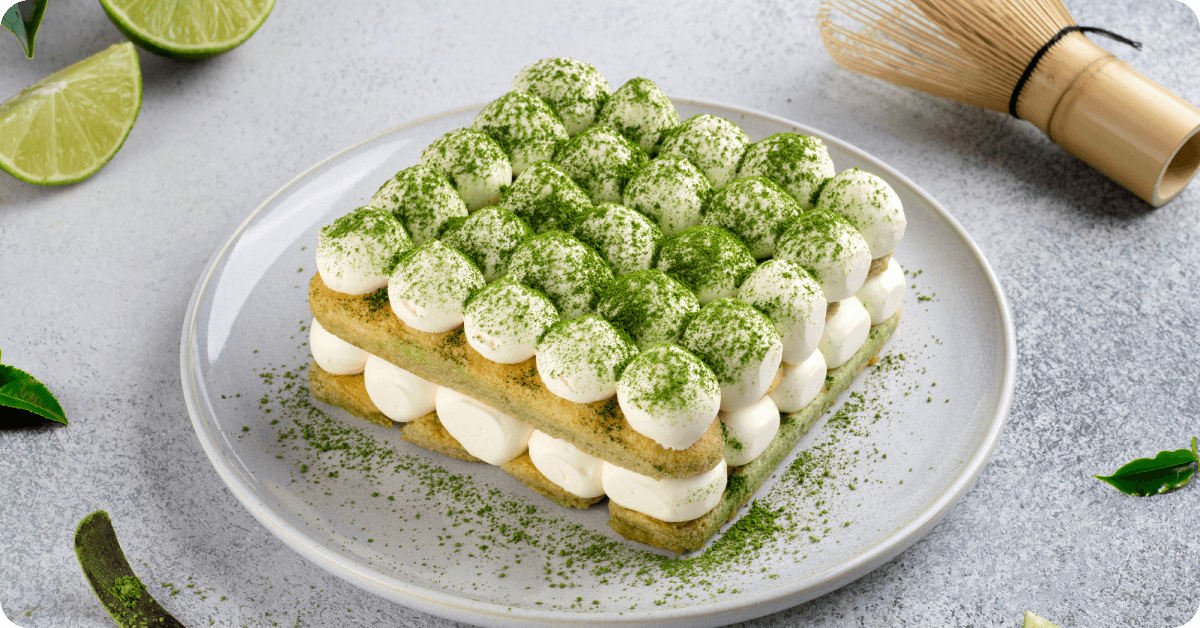
Matcha is a viral superstar for a reason — it’s packed with antioxidants and lights up social feeds with its vibrant green color. Made from finely ground, shade-grown tea leaves, matcha shows up across an entire universe of Japanese sweets, including soft-serve ice cream, layered cakes, mochi, cheesecake, and tiramisu. They’re a staple of modern Japanese café culture and a highlight on many Japanese food tours. Just one caveat — once you’ve had the real deal, the neon-green imposters back home will never quite cut it again.
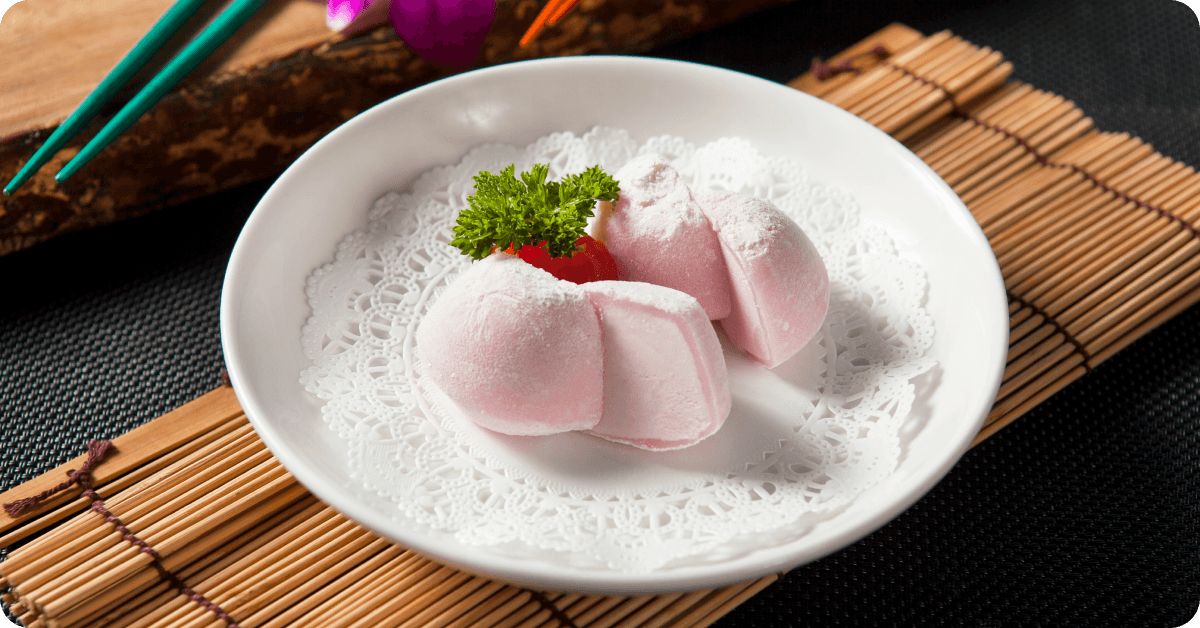
These soft, chewy rice cakes are made from pounded glutinous rice and come filled with everything from sweet red bean paste to ice cream. Mochi has deep roots in Japanese ritual and celebration (it’s central to New Year traditions), but today you’ll find it in convenience stores, specialist shops, and high-end patisseries alike.
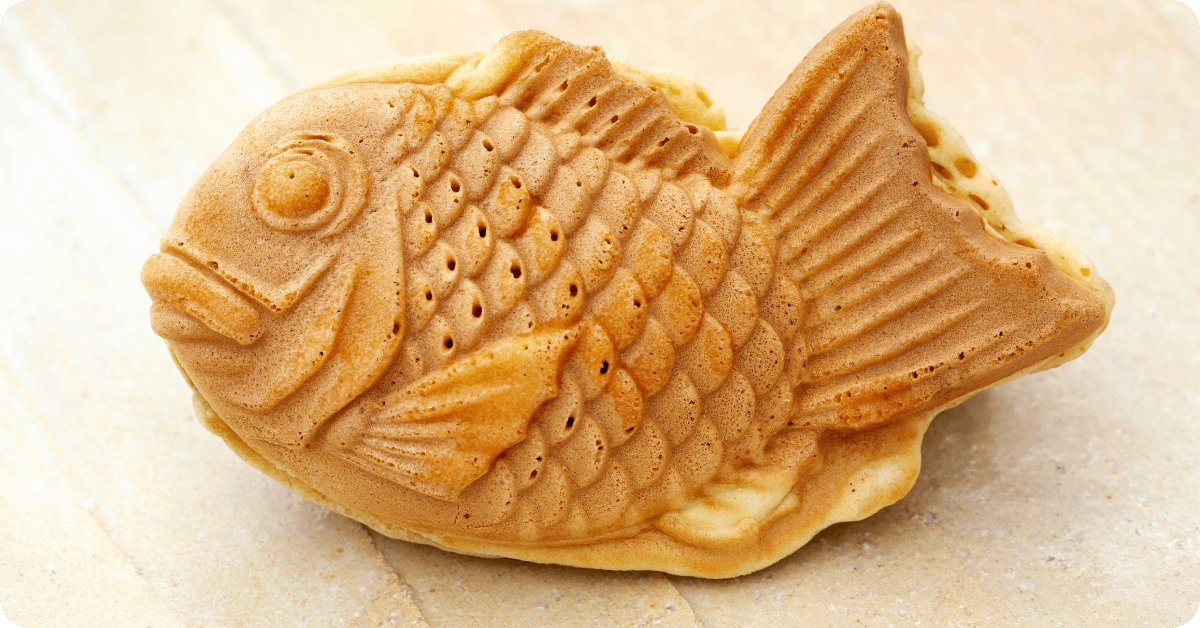
Taiyaki is a fish-shaped cake that’s become one of the most recognizable street snacks in Japan. Traditionally filled with sweet red bean paste, modern versions may contain custard, chocolate, sweet potato, or even savory fillings. Follow your nose through a busy food street in Japan, and there’s a good chance you’ll spot a taiyaki stall with a queue of hungry customers waiting nearby.
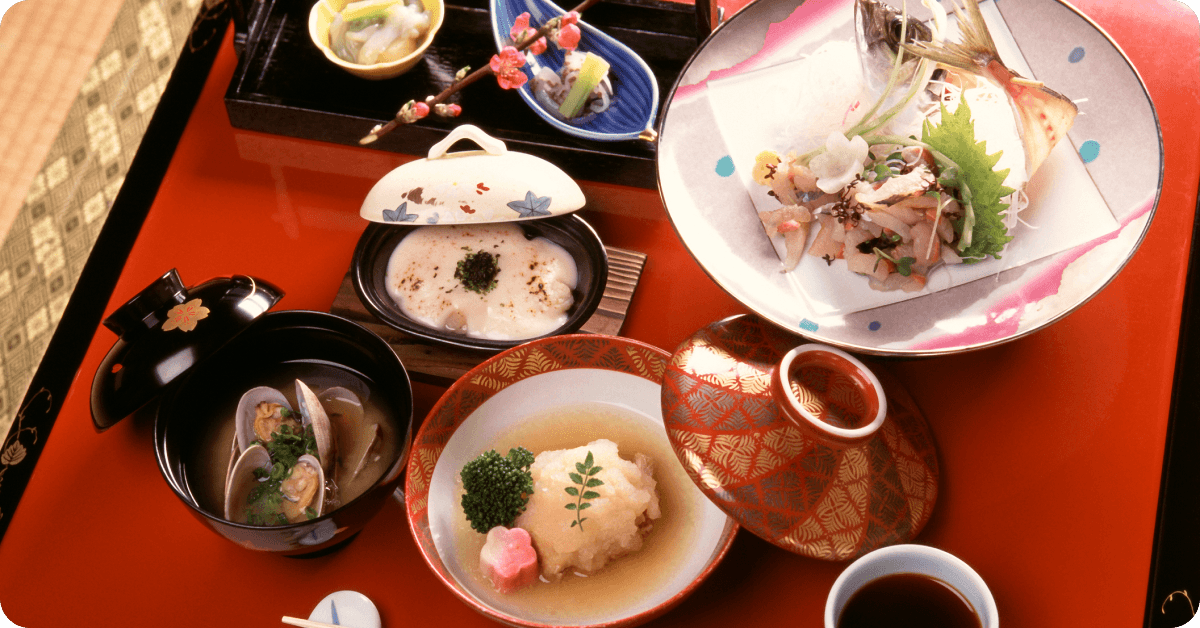
If washoku (traditional Japanese cuisine) has a pinnacle, kaiseki is it. This multi-course dining tradition traces its roots to the tea ceremony and is built around seasonal ingredients, precise technique, and extraordinary presentation. Each dish is small, intentional, and delicious. It’s a restaurant experience as much as a meal, and one of the most refined things you can do with an evening in Japan.
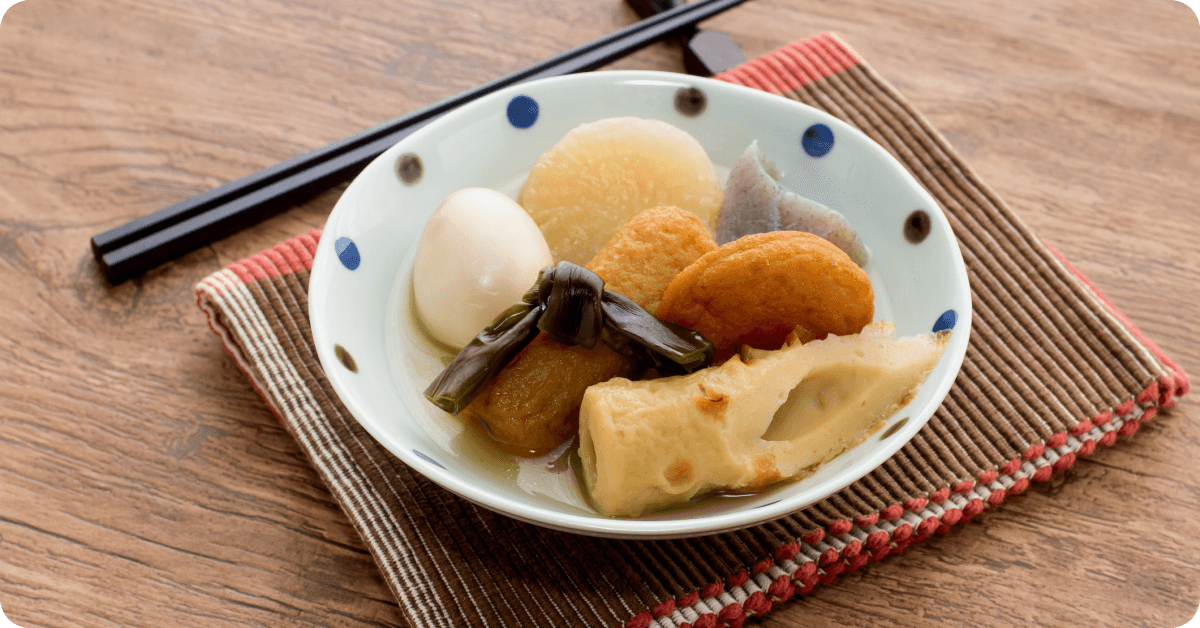
If you’re visiting Japan in winter, keep an eye out for oden. This comforting one-pot dish consists of ingredients like boiled eggs, daikon radish, tofu, fish cakes, and konjac simmered for hours in a light dashi broth. It’s a common sight in convenience stores and food stalls during the colder months.
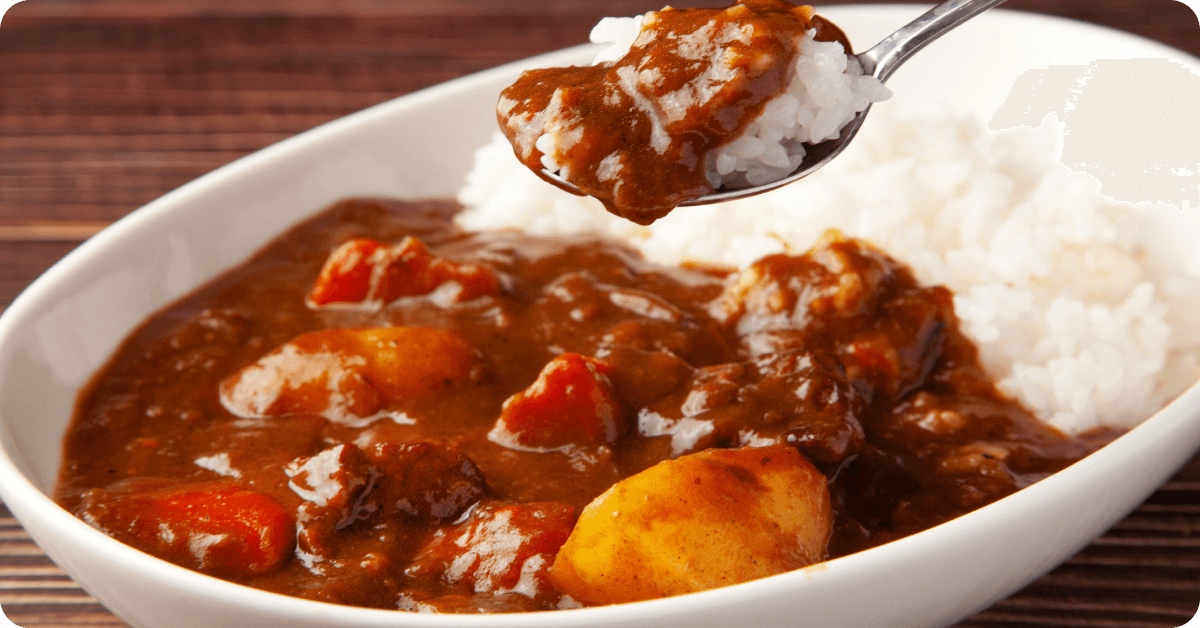
Japan took the curry introduced by the British during the Meiji era, made it milder, sweeter, and thicker, and turned it into one of the country’s favorite comfort foods. Served over steamed rice with tonkatsu, chicken, beef, or vegetables, it’s a weeknight staple in Japanese homes and a fixture on the menus of casual restaurants across the country. If you’ve only had Indian or Thai curry, the flavor here will surely surprise you.
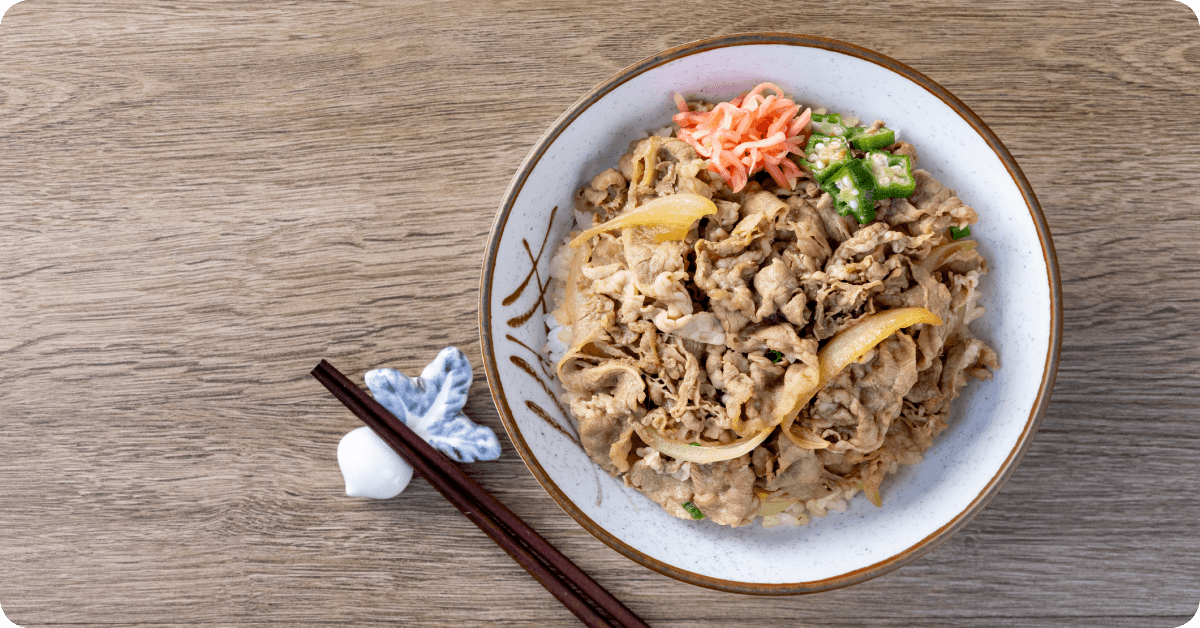
Gyudon consists of thinly sliced beef and onions simmered in a sweet soy and mirin broth, served over a bowl of steamed rice. It’s Japan’s great everyday meal — fast, filling, affordable, and deeply satisfying. Chain restaurants like Yoshinoya and Sukiya have made it a round-the-clock institution, but the dish’s appeal cuts across every demographic. Sometimes the simplest things are the best things.
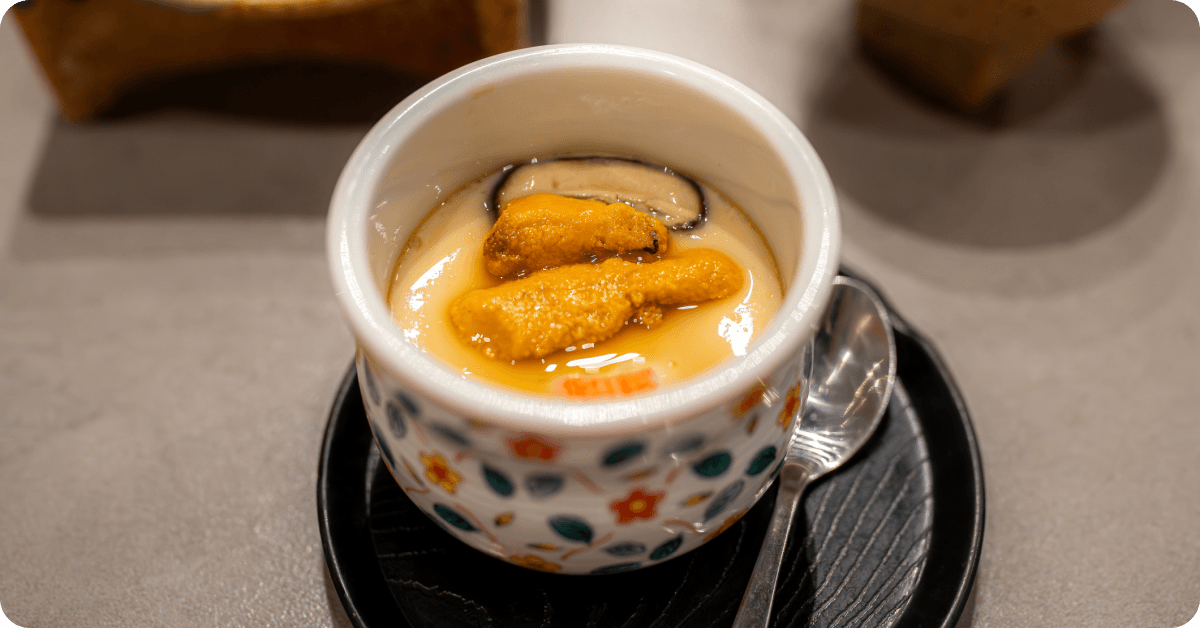
If you think custard is only for dessert, think again. Chawanmushi is a savory egg custard seasoned with soy sauce, dashi, and mirin, and studded with ingredients like shrimp, mushrooms, ginkgo nuts, and fish cake. The texture is extraordinarily delicate, somewhere between tofu and a soft-boiled egg. It’s often served as a starter in traditional restaurants and kaiseki meals.
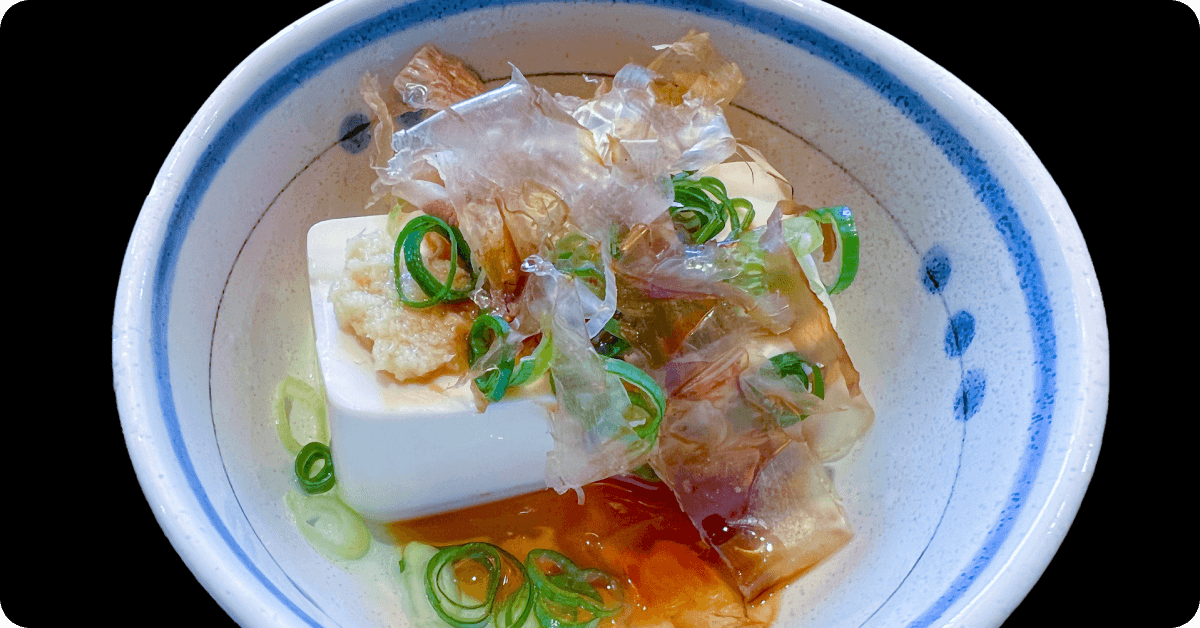
Take a block of cold silken tofu, top it with grated ginger, spring onion, bonito flakes, and a splash of soy sauce, and serve. Hiyayakko is simplicity elevated, and it’s a regular fixture on izakaya menus during the warmer months. It’s also one of Japan’s better arguments that healthy food and delicious food are not mutually exclusive.
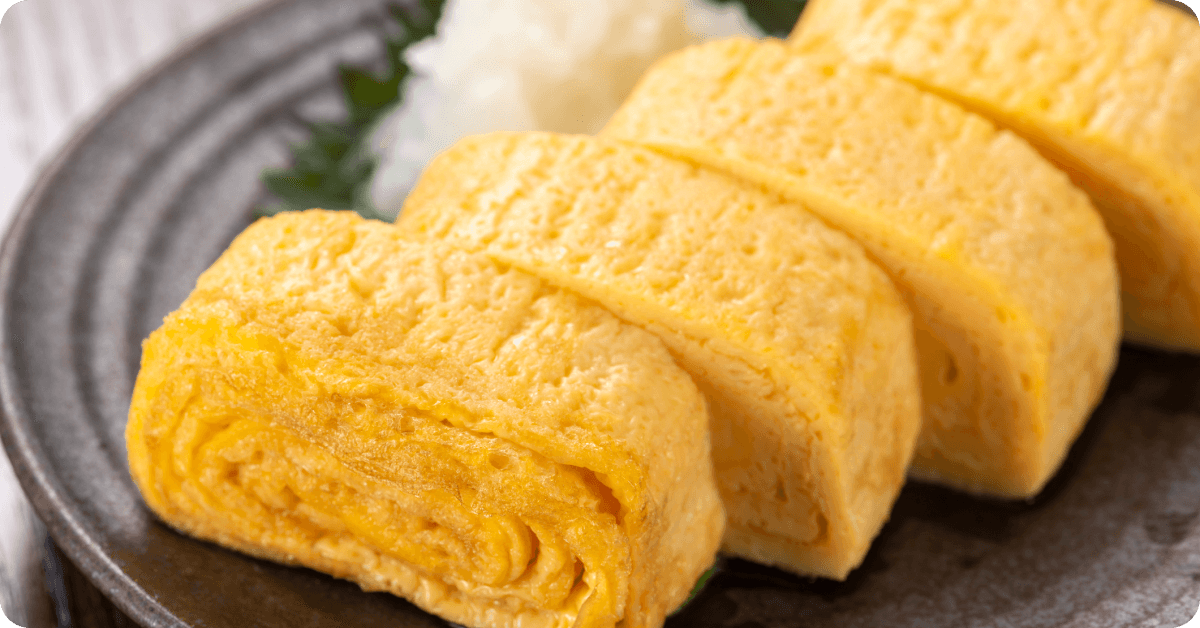
At first glance, tamagoyaki might look like an ordinary omelet, but there’s a little more going on here. It’s made by rolling together multiple thin layers of egg, lightly seasoned with ingredients like dashi, soy sauce, sugar, or mirin, creating a delicate balance of sweet and savory flavors. You’ll spot tamagoyaki in sushi restaurants, bento boxes, and even at breakfast tables across Japan.

Anpan is a soft bread roll filled with sweet red bean paste, and it’s been satisfying Japanese sweet cravings since the late 19th century. A product of Japan’s fascination with Western-style baking, it’s a popular snack found in bakeries, convenience stores, and cafés across the country. Grab one (or more) to enjoy alongside a cup of tea or coffee.
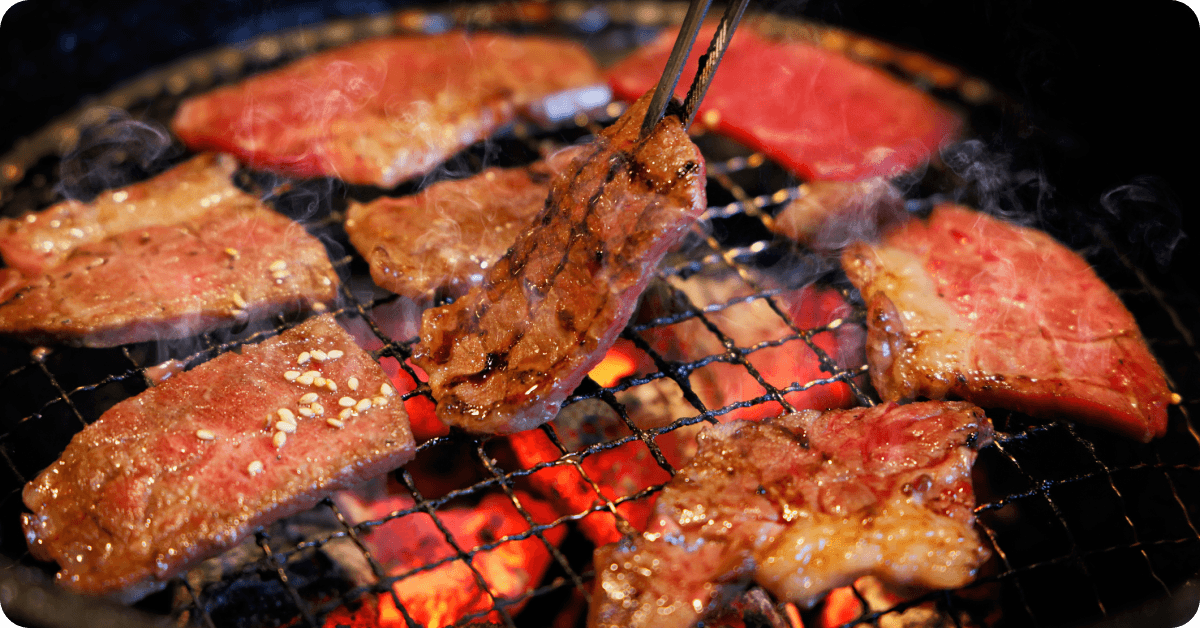
Yakiniku is Japan’s answer to a barbecue feast. Diners grill bite-sized cuts of beef, pork, chicken, or vegetables themselves at a tabletop grill, then dip them into tasty sauces. The interactive experience is half the fun, making yakiniku a great choice if you’re planning a group dinner or night out with friends.
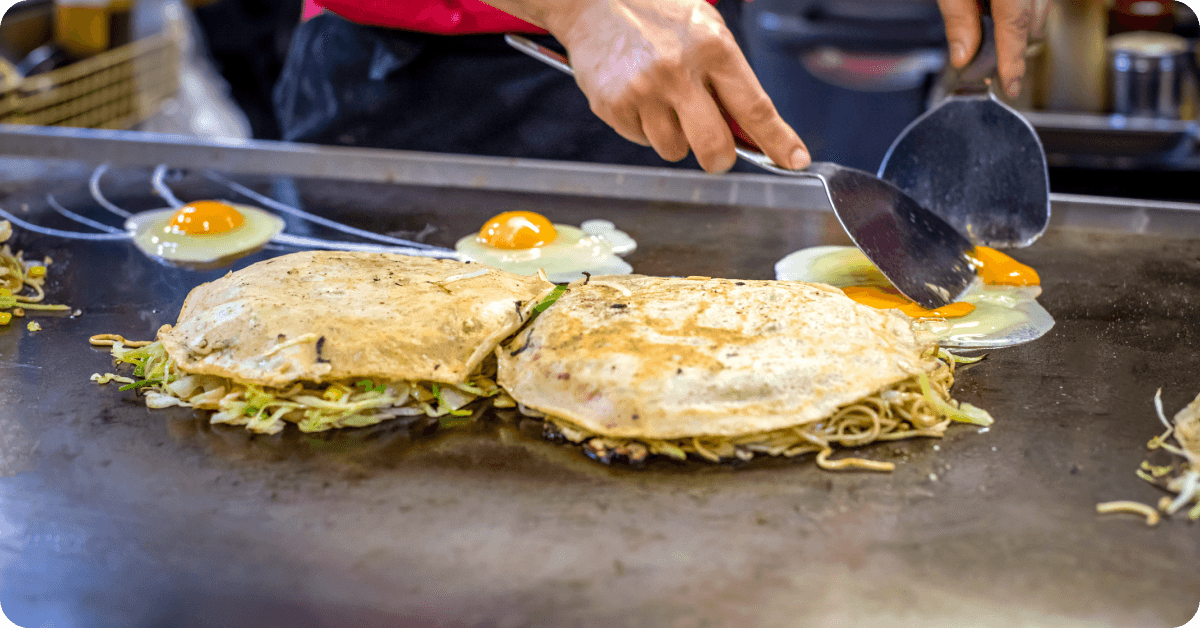
While Osaka-style okonomiyaki mixes the ingredients together in the batter, Hiroshima’s version takes a layered approach. Cabbage, batter, pork, noodles, and egg are stacked one on top of another before being cooked on a hot griddle. Visitors shouldn’t miss Okonomimura, a famous food hall dedicated almost entirely to okonomiyaki. If you’re planning a food tour of Japan, Hiroshima is well worth adding to the itinerary for this dish alone.
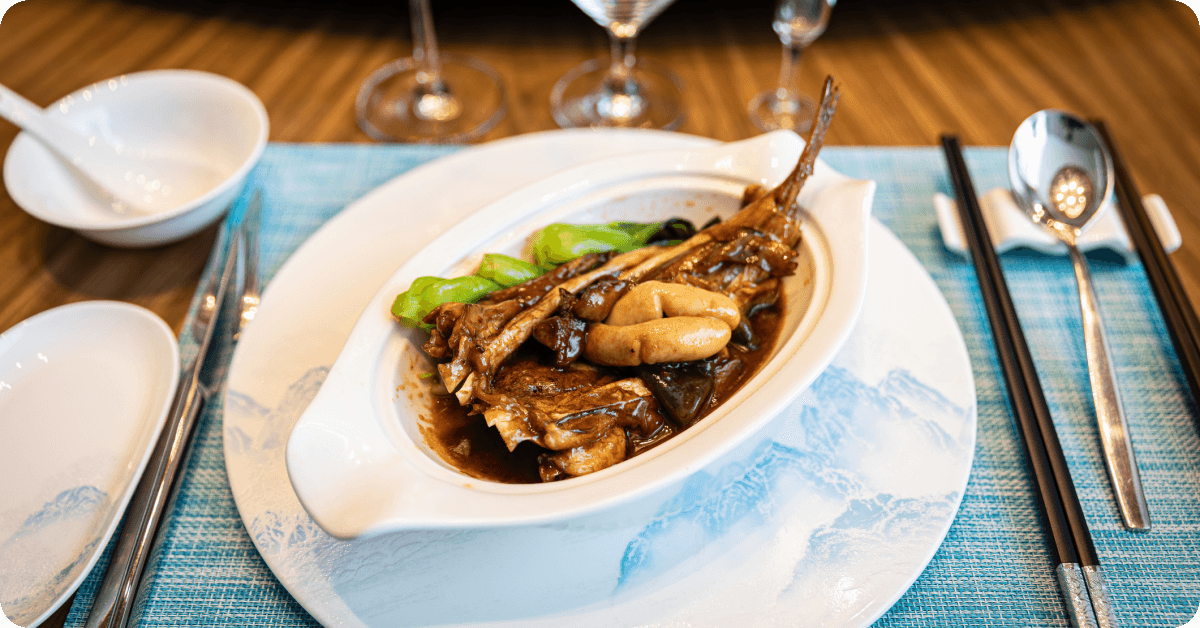
Fugu, or pufferfish, is one of Japan’s most famous delicacies — largely because it contains a potentially deadly toxin if prepared incorrectly! Thankfully, only specially licensed chefs are allowed to serve it, so diners can focus on the experience rather than the risk. The flesh itself is surprisingly mild and delicate, and the thrill of eating it is most definitely part of the attraction.
Japan’s approach to festive eating is refreshingly its own. Christmas, widely celebrated despite being a secular occasion, has become synonymous with KFC — a marketing campaign from the 1970s took hold so completely that families now pre-order their Christmas chicken weeks in advance.
New Year (Oshogatsu) is the more culturally significant celebration, centered on osechi-ryōri — elaborately prepared lacquerware boxes filled with symbolic foods like black soybeans (for good health), herring roe (for fertility and prosperity), and fish cakes. Ozoni, a regional mochi soup, is the traditional New Year’s morning dish.
One of the best things about eating in Japan is that great food can be found at almost every price point. Budget meals such as ramen, gyudon, curry rice, and udon typically cost around ¥500-1,200, while convenience stores offer surprisingly good food for even less.
Most travelers can expect to spend around ¥2,500-5,000 (US$17-35) per day on food if sticking more to budget options like street food and convenience stores, or ¥6,000-12,000 (US$40-80) if dining at nicer restaurants. Premium wagyu, omakase sushi, and kaiseki experiences can exceed ¥15,000-30,000+ (US$100-200+) per person. When planning your overall budget for Japan, remember that food can be as affordable or as indulgent as you want it to be.
Planning ahead is great, but a big part of your food discovery journey will inevitably happen when you’re on the ground. You’ll be reaching for your phone every time you need to navigate to a food spot, check opening hours, make a reservation, translate the menus, or check reviews. Having reliable mobile data also makes it easier to order food, pay digitally, and share those enviable food photos with everyone back home.
One of the easiest ways to stay connected is with an eSIM, which lets you activate mobile data without swapping physical SIM cards. If you’re new to the technology, check out our guide explaining what an eSIM is. Travelers can purchase an eSIM for Japan before departure and activate it through the Saily app, making it easy to get online as soon as you land. Simply download the eSIM app, choose a plan, and you’ll be ready to start navigating Japan’s incredible food scene.
Need data in Japan? Get an eSIM!

1 GB
7 giorni
3,99 US$
3 GB
30 giorni
7,99 US$
5 GB
30 giorni
10,99 US$
Rice is widely considered Japan’s most commonly eaten food and forms the foundation of many traditional meals. Other everyday staples include noodles, miso soup, fish, and a variety of vegetable dishes.
Japan doesn’t have an officially designated national dish, but sushi is often regarded as the country’s national food due to its global popularity and cultural significance. Other dishes frequently associated with Japan include ramen and Japanese curry, both of which are hugely popular across the country.
Japan’s culinary tradition is renowned around the world for its attention to detail, fresh ingredients, and rich umami flavors. Five of the most popular and iconic foods in Japan are sushi, ramen, tempura, sashimi, and udon. Together, these dishes showcase the diversity of Japanese cuisine.
The 80 eating rule, known as hara hachi bu (腹八分目), is a Confucian-inspired teaching that encourages people to stop eating when they feel about 80% full. The practice is associated with mindful eating and is particularly well known in Okinawa.
A traditional Japanese breakfast often includes rice, miso soup, grilled fish, pickles, and vegetables. Eggs, seaweed, and fermented soybeans (natto) are also common breakfast foods.
Traditional Japanese meals are often served as several smaller dishes rather than one large plate. A classic example is ichiju sansai (“one soup, three dishes”), which combines rice, soup, a main dish, and side dishes for a balanced meal.

Liberi di navigare
Connettiti subito con l'eSIM di Saily e naviga su internet senza problemi.

Articoli correlati