


Japan travel guide: 15 best Japan travel and planning tips for first-time travelers
Booked your first trip to Japan? Well, congratulations, because you’re in for a great time! Whether it's crazy amounts of vending machines on every corner, overwhelming crowds, or maid cafes, Japan offers a dizzying experience. While there are dozens of pointers that first-time travelers could use when going to Japan, you only truly need to remember just a few. Here are the best practical travel tips to make your first-time Japan trip unforgettable.



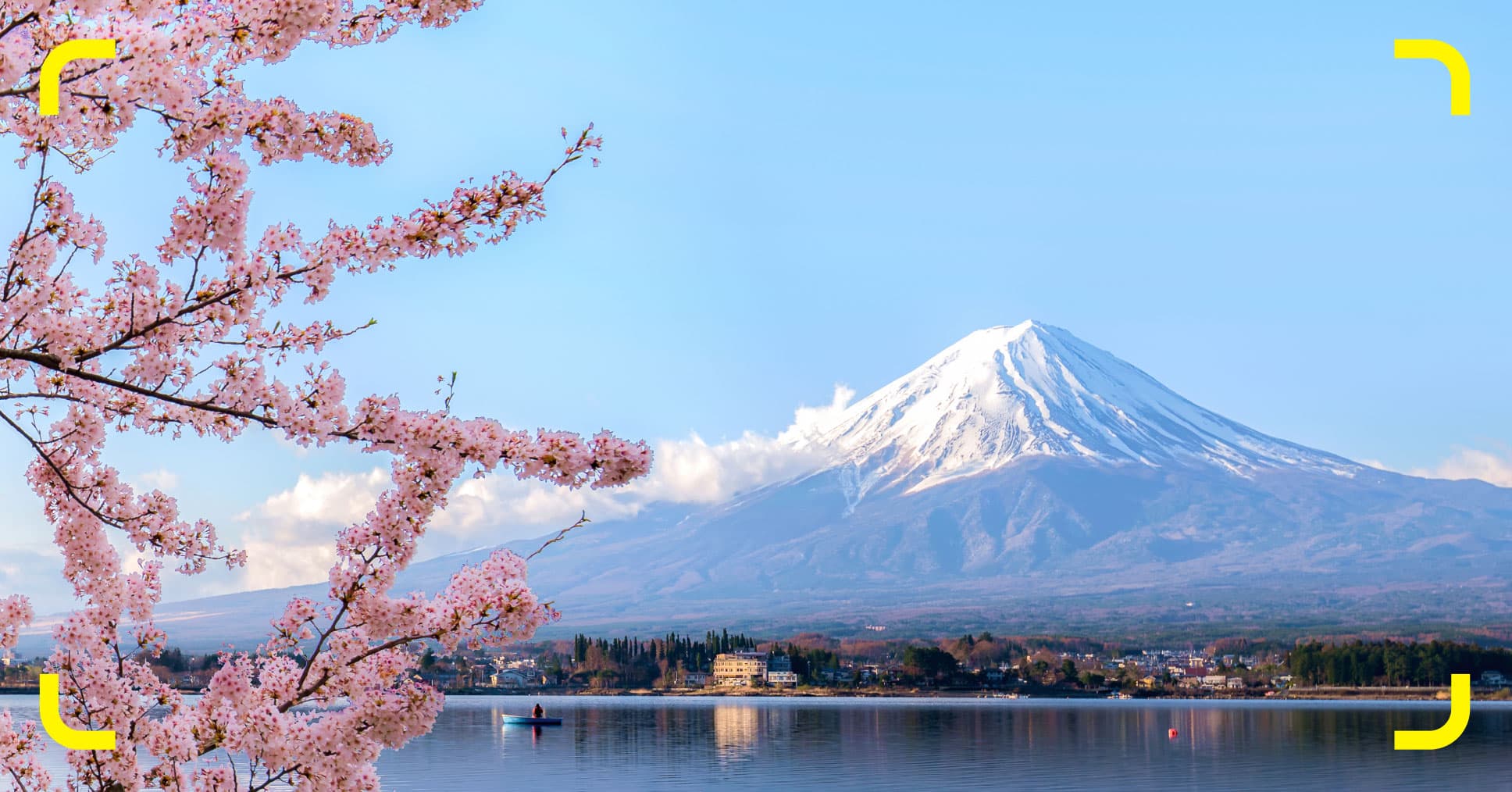
Tabla de contenidos
- What should you know before traveling to Japan?
- 15 best Japan travel tips for first-timers
- 1. Check the visa requirements and fill out the mandatory forms
- 2. Master the art of
- 3. Prepare for public transportation and get a Welcome Suica/Pasmo card
- 4. Carry some cash
- 5. Respect local etiquette and customs
- 6. Use pocket Wi-Fi or an eSIM
- 7. Download the must-have apps
- 8. Have at least two pairs of easy-to-remove shoes
- 9. Learn to use chopsticks
- 10. Pack light for the season
- 11. Take advantage of convenience stores
- 12. Try local specialty foods
- 13. Explore Japan vertically
- 14. Carry a litter bag
- 15. Explore rural Japan
- Japan budget travel tips for first-timers
- Japan safety travel tips for first-timers
- How Saily can make your first trip to Japan easier
What should you know before traveling to Japan?
Before traveling to Japan, you should know that the Japanese are welcoming, but often quite introverted people. If you’re to approach a local, try to greet them in Japanese first, since some people don’t feel comfortable starting conversations in English. Also, keep in mind that in Japanese culture, being mindful of yourself and those around you is extremely important, so make sure to be quiet in places like public transport, keep to one side (usually the right) when using an escalator, and don’t jump the line when standing in queues.
Before traveling to Japan, you need to take care of a few things:
A visa (you can look up whether you need one here).
A passport that is valid throughout your whole trip (90 days is the maximum granted stay time for tourists in Japan).
Immigration and customs declarations (you can file them on arrival, but it’s more convenient to take care of that before the trip).
An eSIM or pocket Wi-Fi to keep you online (you’ll be using your mobile phone in Japan a lot).
These are but a few things that you should put into your Japan packing list. Along with the essentials, there are plenty of other things related to culture, food, money, and transportation in Japan that are good to know before your trip. We cover them below among the best tips for first-time Japan travelers.
15 best Japan travel tips for first-timers
The amount of tips for first-timers when traveling to Japan is overwhelming. Luckily, you don’t need to know them all. Take a look at the best Japan travel tips below.
1. Check the visa requirements and fill out the mandatory forms
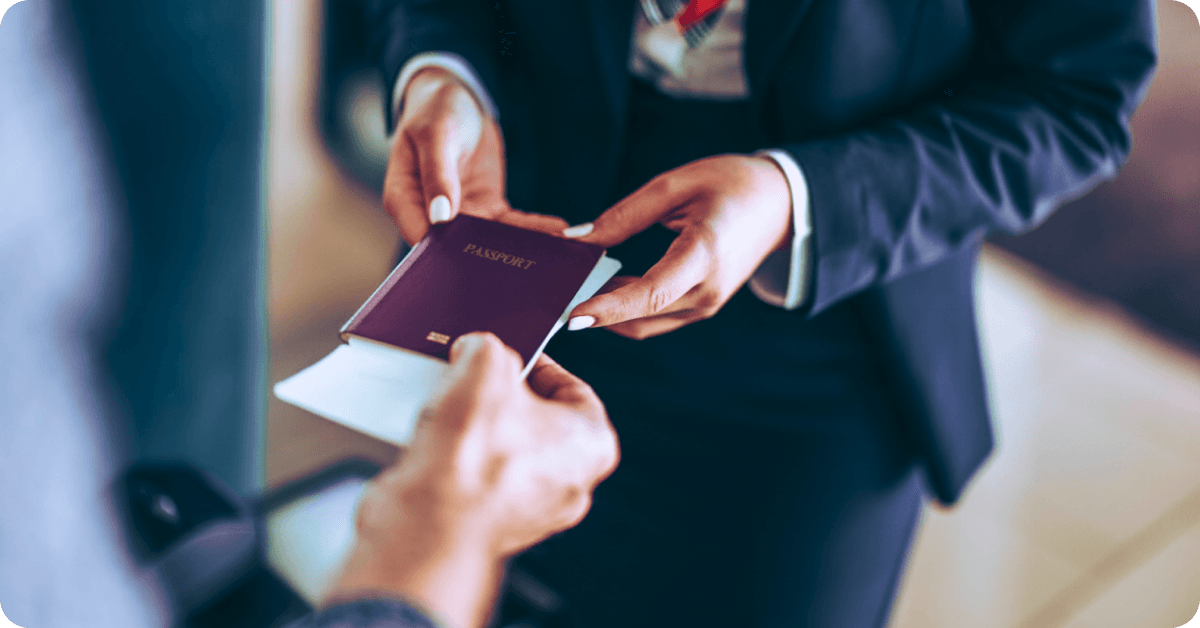
In general, Japan is a visa-friendly country with 74 countries and regions around the world exempt from visa requirements. Still, it’s important you double-check that information before going on your trip. You can find whether you’re required to have a visa on the Ministry of Foreign Affairs of Japan website. For most countries, the period of stay granted upon landing permission is 90 days (15 days for Indonesia and Thailand, 30 days for Brunei and Qatar). If you need a visa, you can apply for it via the JAPAN eVISA website or your country’s Embassy of Japan (or Consulate).
Also, before your trip, make sure to fill in the mandatory immigration and customs forms. You can do so on the flight (the flight attendants hand out the customs forms during the flight), but it’s much quicker and simpler to do it online. Just go to Visit Japan Web a day before your flight, register, fill in the documents, and save the QR code the website generates for you. Upon arrival, show it to the customs officers along with your passport (there’s typically a separate line for tourists with QR codes), and you’re good to go.
If you arrive without filling out these forms, you’ll have to do it at the airport, which means standing in line and wasting time signing paper documents.
2. Master the art of sumimasen and learn some local phrases
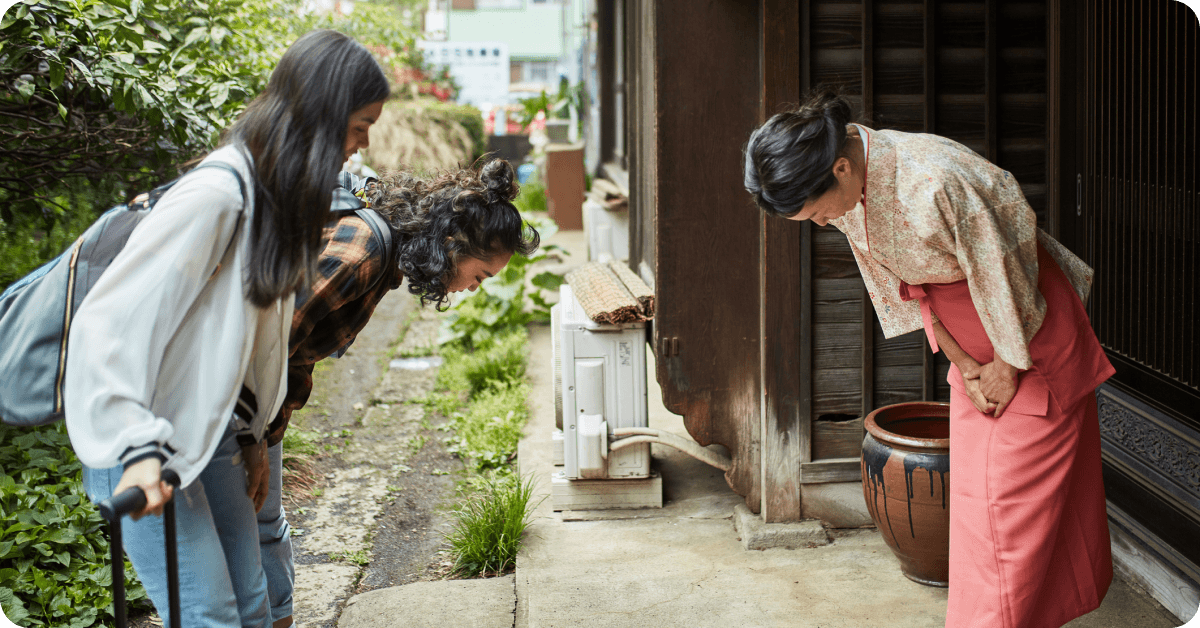
Sumimasen means “excuse me,” “I’m sorry,” or even “thank you,” depending on the context. This is the word that you’ll be using the most when in Japan (whether you want to squeeze through in crowded public transport or when trying to catch the attention of a restaurant waiter), so make sure to remember it. Learning other basic phrases like “thank you” (arigatō), “hello” (konnichiwa), and “please” (kudasai) will also score you some points from the locals.
A friendly word of advice, though — if you’re learning Japanese and a local asks you about your fluency, avoid even saying “a little bit” since they’ll assume you’re fluent and switch to full Japanese!
Some other Japanese phrases that you can learn:
“Good morning” — ohayō gozaimasu (formal)
“Good evening” — konbanwa (formal)
“Goodbye” — sayōnara (formal, usually indicates you’re not going to be seeing the person anytime soon), jaa ne (very casual, used for close friends, akin to “See you later, alligator!”)
“Yes” — Hai
“No” — Iie
“Please” (when asking for something) — Onegai shimasu (formal)
“I’m alone” — Hitori desu (formal, used in restaurants)
“There are two of us” — Futari desu (formal, used in restaurants).
“It was delicious/thank you for the meal” — Gochisosama deshita (formal, perfect to use when leaving a restaurant)
“Here you go/please” — dōzo (used when handing something to someone)
“Where is [...] ?” — [...] wa doko desu ka?
3. Prepare for public transportation and get a Welcome Suica/Pasmo card
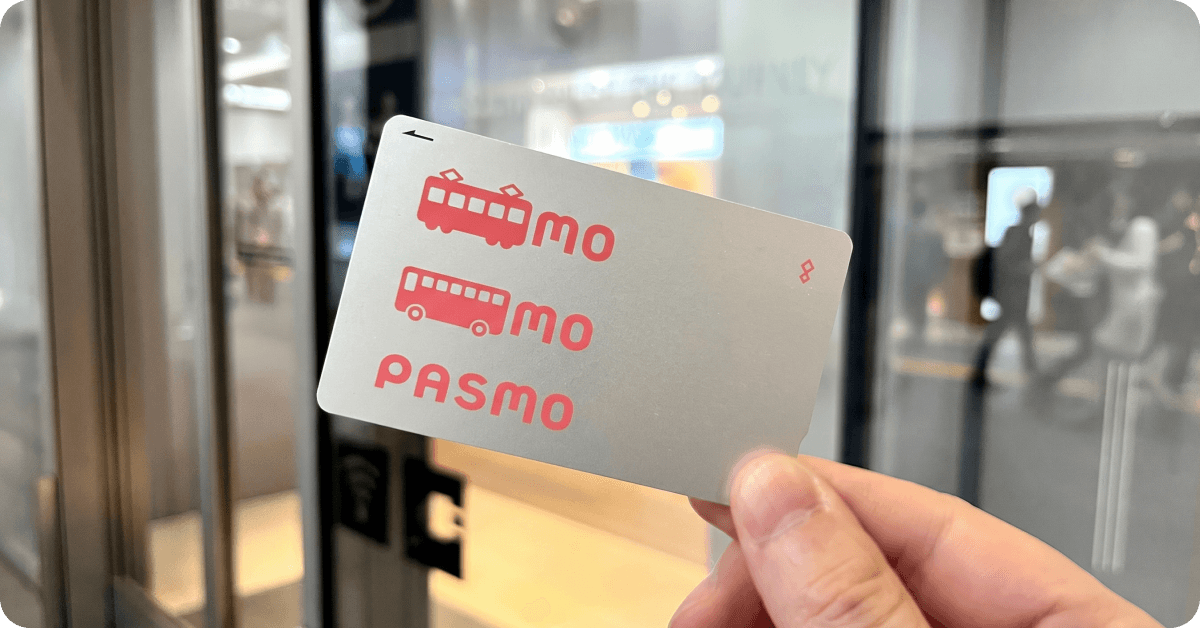
Although cities in Japan are pedestrian-friendly, in metropolises like Tokyo, Osaka, and Kyoto, you’ll need to use public transportation. A word of advice, though — avoid using the Tokyo subway during rush hours (unless you want to experience the massive crowds that frequent it). For smooth transitions between buses, the metro, and trains, it’s best to get a Welcome Suica or Pasmo IC card. These are specialized cards that can be used not only for public transportation but even shopping and restaurants.
You can top up Welcome Suica/Pasmo IC cards in local stores or designated stations, which are easy to find via Google Maps. The app is generally considered the best for looking for routes and public transportation schedules, so make sure to check how much data does Google Maps use before hitting the streets. If you’re an iPhone user, Apple Maps is another option, and our guide to which maps app to use abroad shows how these two popular navigation apps compare.
If you’re planning to move between major cities a lot, you can also consider getting a Japan Rail Pass (JR Pass). While expensive (US$330 for 7 days), it allows you to freely travel with any JR-operated public transportation, including Shinkansen bullet trains.
4. Carry some cash
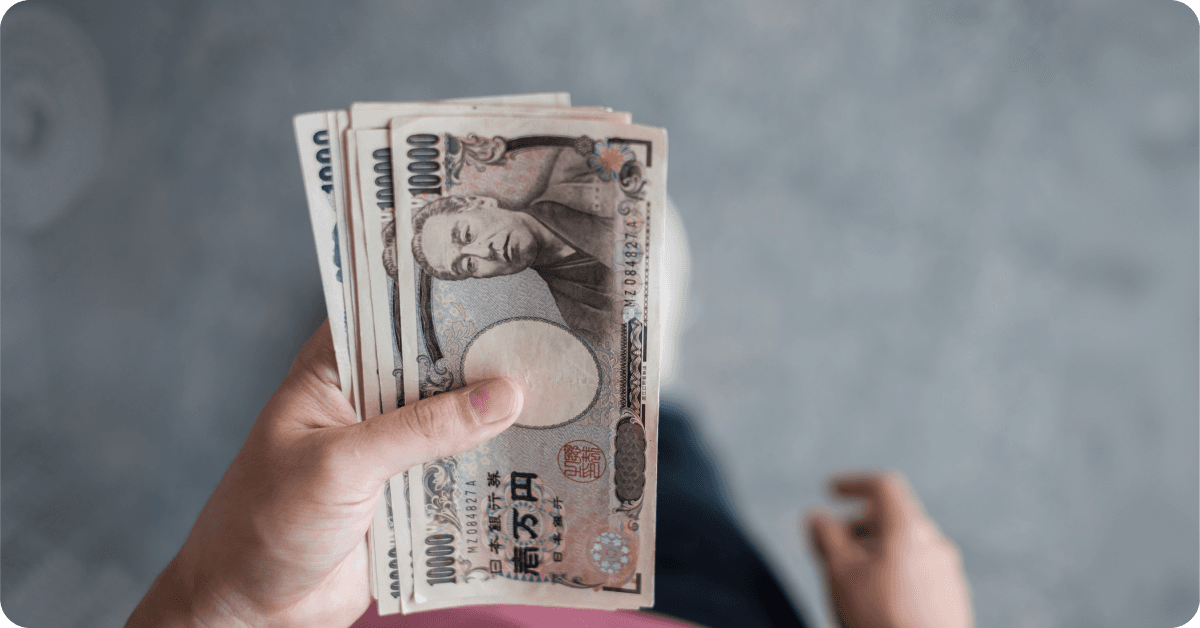
Although contactless and credit card payments have become more common recently, some places (particularly smaller cities) in Japan still heavily rely on cash transactions. Don’t be surprised if you see “cash only” signs in front of some smaller gift shops or traditional restaurants, and carry some cash just in case. You also don’t need much — a sum like ¥15,000 (about US$100) is enough to last you up to a week (that is, if you use it in cash-only places).
Chances are you’ll need that cash to top up your IC card (Suica or Pasmo) rather than to pay for services. If you run out of cash, ATMs are also widely available at most convenience stores.
5. Respect local etiquette and customs

In Japan, politeness and respect for local customs are extremely important. A lot of things can and will be forgiven due to you being a baka gaijin (foolish foreigner), but you should still do your best to respect the Japanese customs and local etiquette. Refrain from tipping servers at restaurants, keep quiet in public transport, avoid eating when walking, and do not litter. When visiting temples, follow the signs (don’t take pictures and take off your shoes where required) and observe the locals to learn the proper etiquette.
When handling money, place it in the plastic trays next to the register — do not hand it to the cashier. The Japanese will often politely let you know if you’re breaking the etiquette rules, either by gesturing or shaking their heads softly. If that happens, just follow their instructions and don’t feel discouraged. As long as you’re not being intentionally rude, you’ll be okay. An honest sumimasen and a humble bow can quickly turn an uncomfortable situation into a pleasant exchange!
6. Use pocket Wi-Fi or an eSIM
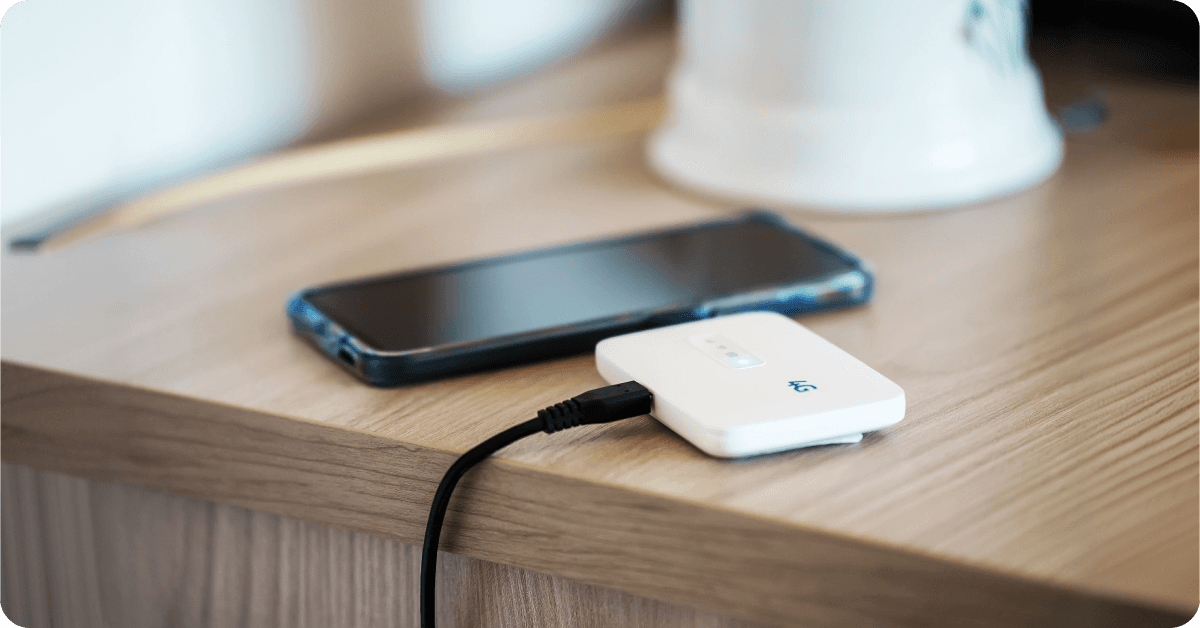
Aside from Google Maps and Google Translate (which you’ll be using a lot, so be sure to download the Japanese language pack), you might need mobile data for buying and downloading online tickets to museums, reserving spots in restaurants, or just sharing the moments from your trip with your loved ones. While a lot of public places offer free Wi-Fi in Japan, getting a pocket Wi-Fi router or an eSIM is the ultimate solution that limits the risk of exposing your online traffic on unknown public networks.
The eSIM vs. pocket Wi-Fi for Japan dilemma can be a bit of a headache when planning your trip. Some popular pocket Wi-Fi rental services have expanded into eSIMs — check out our Japan Wireless eSIM review to see if skipping the physical router in favor of a local data plan makes sense for your itinerary. When traveling solo or in a 2–3 person group, an eSIM is generally your best choice. With apps such as Saily, you can just install an eSIM and browse without worries. If you’re traveling with a larger group of friends, on the other hand, a pocket Wi-Fi router might be a more suitable option (as long as you all stick together, of course).

Stay connected with the Saily eSIM app
Affordable mobile data plans for every journey.
7. Download the must-have apps
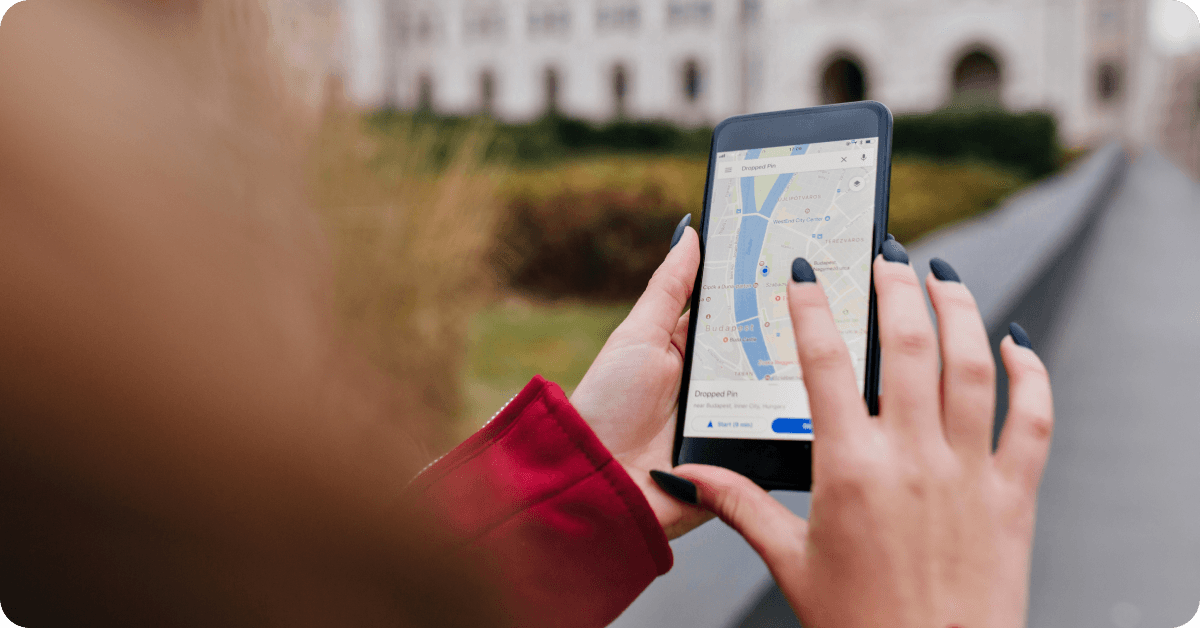
It’s likely that the must-have apps (like Google Maps and Google Translate) are already on your mobile phone. Some other apps that might be helpful when in Japan are the Mobile Suica/Pasmo card apps (make sure your phone is compatible with them, though), and the best taxi apps in Japan, like Go or Uber, for quicker transportation.
If you’ll be using the Shinkansen trains, the SmartEx app is your go-to for train timetables and tickets. However, keep in mind that SmartEx only covers the Tokaido, Sanyo, and Kyushu lines (connecting Tokyo, Nagoya, Kyoto, Osaka, Hiroshima, and Fukuoka). For trips outside the Tokaido Sanyo line (specifically Tohoku, Hokkaido, and Hokuriku lines), explore JR-EAST, JR West, and JR Hokkaido websites, since their apps don’t offer an English version.
For foodies, the Tabelog app is a great way to find and book spots in Japanese restaurants, while Klook is a good choice for booking activities. Booking and Airbnb are no-brainer vacation booking apps for staying in local hotels, hostels, or flats.
8. Have at least two pairs of easy-to-remove shoes
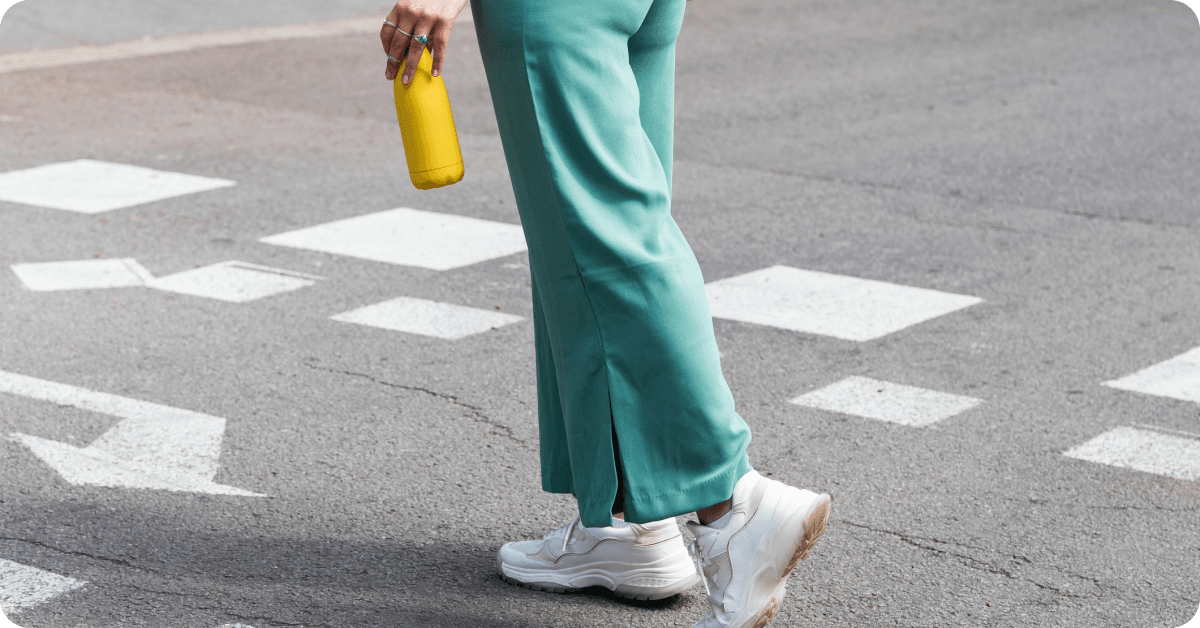
One of the most recommended Japan travel tips is to explore its cities on foot, since you’re very likely to stumble upon a quirky gift shop, hidden restaurant, or eye-catching temple even in the quietest neighborhoods. Although one pair of shoes should survive the trip, having a backup pair can be useful in case you ruin the first (shoe shopping in Japan can be difficult for someone above US size 10). Your feet will also thank you for bringing comfortable, broken-in sneakers, since walking 20,000+ steps a day is a given when exploring Japan.
Quite a few temples and museums in Japan require visitors to take their shoes off when visiting. Making sure that your shoes are easy to slip in and out of can make visiting those places just a tad easier. Depending on the time you’re traveling to Japan (the best time to visit Japan varies by traveler), the optimal footwear options could include loafers, sneakers, sandals, or Chelsea boots.
9. Learn to use chopsticks
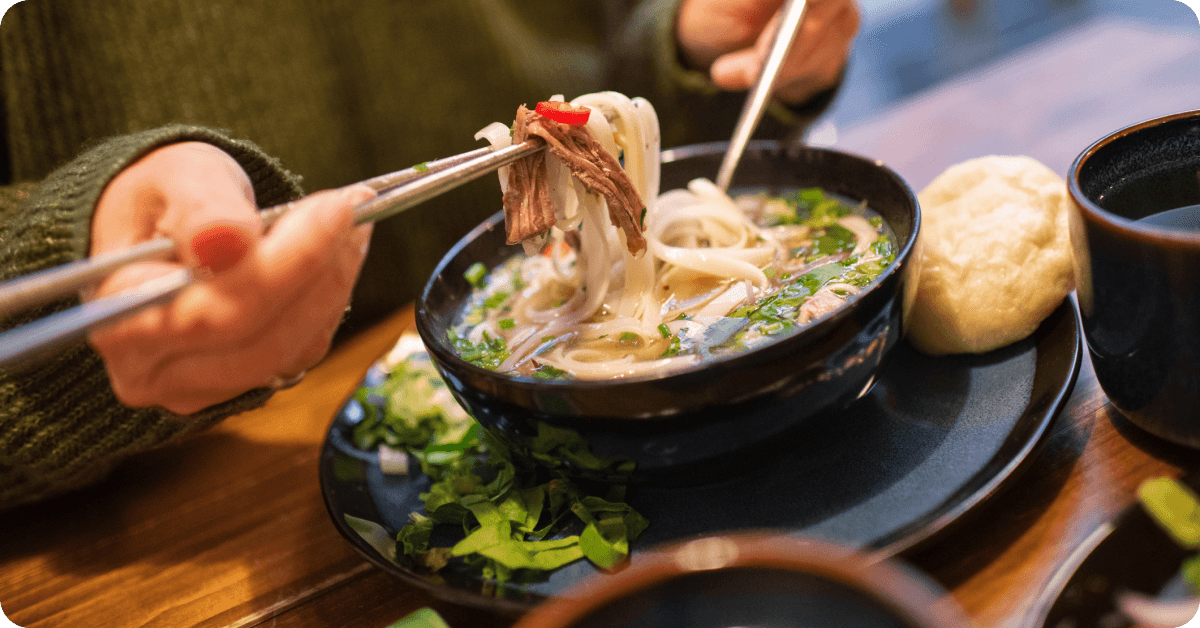
If you’re planning to visit local restaurants (which is an absolute must!), there's almost a guarantee you’ll have to use chopsticks. While some places might have knives, forks, and spoons, learning to use chopsticks is the best way to enjoy Japanese food. It’s relatively simple to learn, and makes eating ramen, sushi, and wagyu so much more enjoyable!
10. Pack light for the season
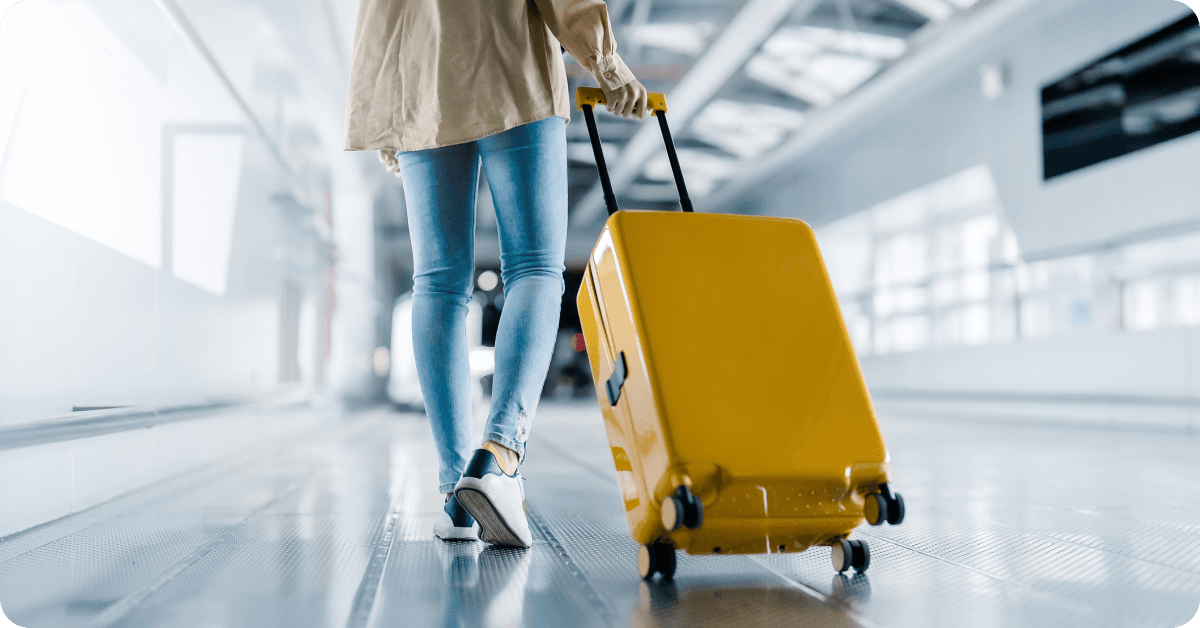
Japan’s climate ranges from chilly weather in Hokkaido up north to a subtropical climate in the Southern part of the country (like Okinawa). Regardless of where and when you’ll be visiting, consider packing light. Japan isn’t exactly friendly to large suitcases and luggage (most trains and public transport don’t offer a lot of space for luggage), so having a smaller suitcase will make your trip more convenient. You can also just buy another suitcase when you're there, since it’s likely you’ll need it to pack all the souvenirs, clothes, and snacks you buy while on your trip!
We also recommend considering using luggage transport services, a popular option in Japan. The quality of this service is typically flawless (it’s Japan, after all!), but it’s possible that your luggage might sometimes take a bit to arrive, so plan ahead!
11. Take advantage of convenience stores

One of the first things you notice in Japan is the ungodly amount of konbini — local convenience stores. 7-Eleven, FamilyMart, and Lawson mini-marts are all over the place, and they’re perfect if you’re looking to grab a quick snack or get some refreshments. On the shelves of these stores, you’ll find local favorites such as egg-salad sandwiches, onigiri (a rice snack), and bento (a single-portion packed meal with rice or noodles). The stores work 24/7 and are perfect stops if you need to top up your Suica or Pasmo card, find an ATM, or just take a quick bite in between exploring.
12. Try local specialty foods
Ramen, gyoza, wagyu beef, sushi, sashimi, and miso soup are just a few must-try dishes when visiting Japan. Japanese cuisine has developed its dishes based on the local gifts from nature, which is why fish, seaweed, and rice are among the most prevalent ingredients in their menu. Typical of Japan, the locals have also found creative ways to adapt some Western ingredients to their diet, enriching Japanese cuisine with unique versions of well-known dishes, including street food.
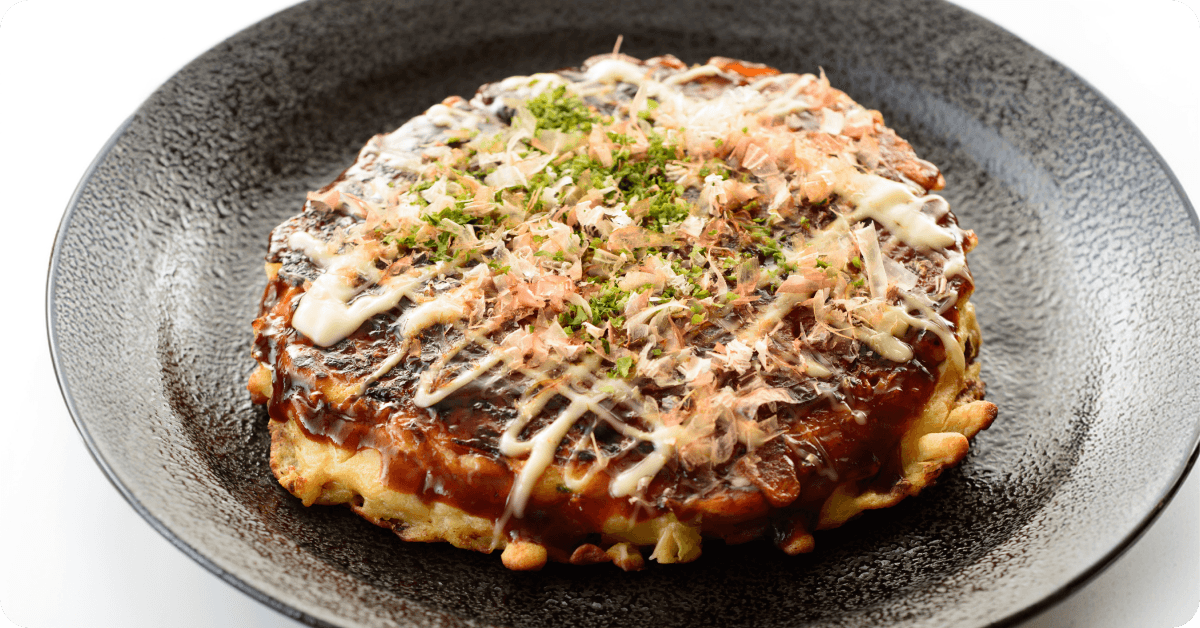
For example, if you happen to visit Kyoto, make sure to try okonomiyaki — a savory flour-based pancake dish mixed with shredded cabbage, egg, and toppings such as pork or seafood. While it’s often referred to as Japanese pizza, the name of the dish translates to the phrase “grilled as you like it,” and the recipe allows endless customization, based on your preferences. Okonomiyaki is often served with sweet-sour sauce, creating a mix of flavors that melts on your taste buds with every bite — it would be a sin not to try it!
As for drinks, local tea and matcha are definitely among the top things to try out. If alcoholic beverages are what you’re looking for, definitely try sake — a national Japanese rice whiskey, which can be served both hot and cold. A Japanese Highball (an icy cocktail made from Japanese whiskey and carbonated soda water) is also something that you might be interested in indulging in. While the taste is questionable for some, Highball is highly popular among the Japanese as an alternative to beer to enjoy when socializing in izakayas (pubs) or with food.
13. Explore Japan vertically
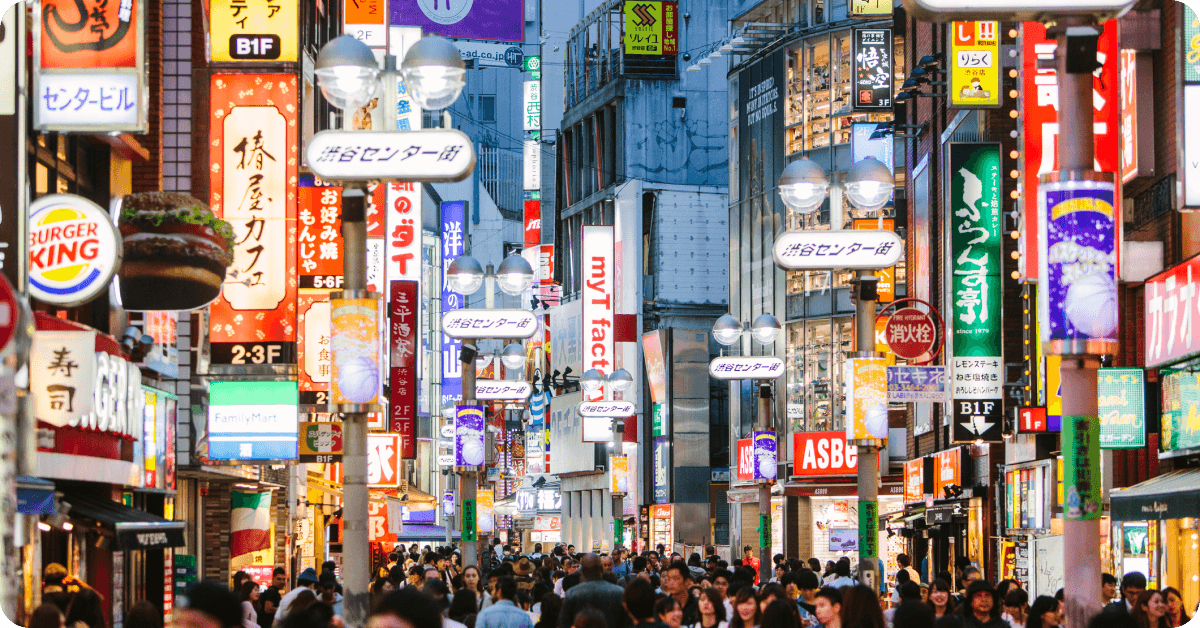
One of the fun facts about Japan is that a lot of its attractions hide way above or way below the ground floor. While it may seem unusual to some Westerners, the best restaurants, pubs, and shops might often be 10 or more floors above your head! So consider exploring Japan vertically, not only by visiting Mount Fuji, but also by checking out a restaurant on the 20th floor, a department store that spans four or five floors, or the vast amount of gift shops hiding under places such as Tokyo's central train statio, itself a strong contender on any list of things to do in Tokyo. Kyoto’s train station is also an architectural marvel worth visiting, with at least three floors of different boutiques, souvenir shops, restaurants, and even a rooftop garden!
14. Carry a litter bag
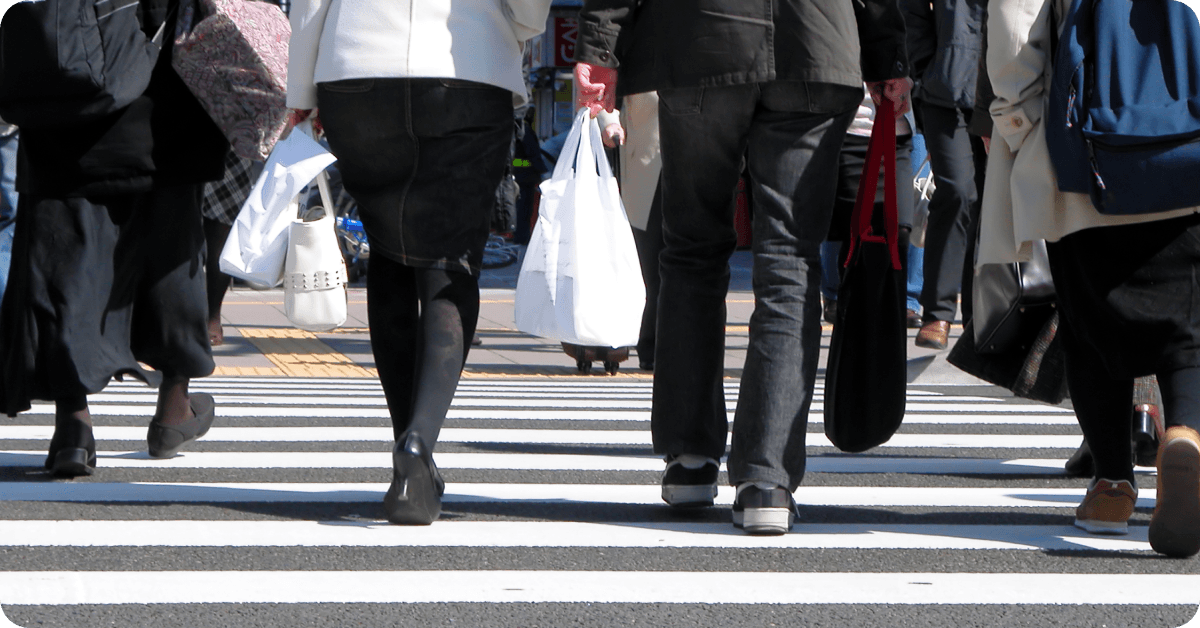
The one thing you’ll notice almost immediately in Japan — they’re not big on trash cans. While you may find some garbage bins in parks or near certain stores, locals typically carry small litter bags and throw them out at home. So, when heading out, consider taking a small plastic bag with you, where you could put any plastic bottles, food wrappers, or any other trash. You can then get rid of them once you come back to your hotel or throw everything out in the trash can, if you’re lucky enough to find one while outside. Don’t leave your trash wherever you see fit — that’s just bad manners.
15. Explore rural Japan

When people start looking up things to do in Japan, they usually picture neon lights and busy crossings. Japanese cities are indeed incredibly fun to explore, but a lot of their beauty emerges from their countryside. While the big cities are space-optimized, noisy, and generally overwhelming, Japanese villages are roomier, quirkier, and more peaceful. Even smaller hot spring (onsen) towns like Hakone are worthy of a day’s visit, not only for the fabled onsen, but for the amazing Mount Fuji views and the open-air art museum that features an eye-catching Picasso exhibition.
But if you’re truly serious about exploring rural Japan, you must visit Shirakawa village. One of UNESCO’s Heritage sites, the village showcases a specific building style with huge lodge-looking houses that all face the same direction. It may be a challenge to get there, but the panoramic views from the Shirakawa observation deck (both during summer and winter) and the chance to stay the night in an authentic Japanese farmhouse are more than worth it.
Japan budget travel tips for first-timers
While Japan is not a cheap country to visit (you can look up how much it costs to go to Japan online), you can save a nice sum if you budget your resources wisely. To make the most of your time in Japan and still save some money, you should:
Plan your routes wisely. Although public transportation in Japanese cities allows convenient movement, it can get pricey if you don’t plan your routes well. Since metro ticket prices typically depend on distance traveled, picking neighborhoods that are close by and exploring them on foot can save you some money on transportation without costing you much time.
Eat at konbinis. Japanese convenience stores are a travel hack that serves you quality Japanese food for a ridiculously low price. You can get warm food, local delicacies (such as onigiri), and even the famous egg-salad sandwiches for as little as a few bucks. The only downside? Finding a place to eat them.
Rent a hostel. If comfort isn’t a huge priority, renting a hostel could be a smart choice for foreign travelers. Japanese hostels are typically cheap, well-maintained, and mostly foreigner-friendly. You may have less privacy, but financially, it’s a steal ( particularly for solo travelers).
Book accommodations early. It’s a general rule of thumb that early bookings come with lower prices. In Japan, accommodation prices tend to skyrocket during the sakura blooming season, the Golden Week (last days of April), and Christmas, so avoiding those holidays is one of the ways to save money on travel.
Opt for free temples and observation decks. While most of the main attractions are paid, you can find tons of temples and observation decks that allow users to enter without any fees. For example, Tokyo’s Metropolitan Government Building offers great city views without any admission fees, and you’re less likely to drown in a sea of tourists there as well!
Use tax-free shopping incentives. In some Japanese stores, you will see “tax-free” signs. It's a Japanese tax incentive that exempts tourists from the local VAT tax. While there are certain conditions to be met (for example, buyers must spend a certain amount of yen and have their passport present at checkout), it’s a cheaper alternative to specialized gift shops that don’t apply this incentive.
Japan safety travel tips for first-timers
Japan is considered a safe country with a low crime rate, but there are still some safety tips you should follow, particularly if you’re traveling solo. To keep your trip as safe and smooth as possible:
Make digital copies of your documents. Although chances of recovering a lost passport in Japan are arguably higher than anywhere else in the world, it’s worth keeping a digital copy just in case.
Keep emergency contacts close by. If you’re traveling solo, planning regular check-ins with your friends or loved ones is a simple way to keep peace of mind. You can also share your itinerary with them so they’ll know where you’re planning to be at any given time during your trip.
Get travel insurance. Getting insurance when traveling abroad is a no-brainer. Even if you’re typically lucky enough to avoid lost luggage or health issues, getting travel insurance doesn’t cost much and can make all the difference in case of an emergency.
Check the local news daily and keep an eye out for weather reports. Earthquakes in Japan are more common than you think. In rare cases, the country might suffer from tsunamis and volcanic eruptions too, so make sure to keep track of local weather reports and earthquake warnings. News outlets like NHK World-Japan are perfect for keeping up with local (and global) news coverage.
Read up on the place you’ll be visiting. Doing some homework before traveling to specific cities, neighborhoods, or islands can help you know which places, people, or creatures to avoid and where the safest locations are.
Know the local emergency number. Japanese people use emergency numbers such as 110 (police), 119 (fire, ambulance, and emergency rescue), and 118 (coastguard and marine emergency services). All these numbers offer 24/7 assistance with English support (operators might have limited English skills, though), so memorize these numbers or keep them somewhere close by.
Know the location of your country’s embassy or consulate. If your country has a consulate or an embassy in Japan, knowing its location and contact information can be super useful. Contact your embassy if you lost your passport, got arrested, suffered a serious injury, or have been hospitalized. It can also assist during natural disasters or if someone from your group goes missing.
How Saily can make your first trip to Japan easier
Whether you’re booking tickets for Tokyo Skytree, checking the yen exchange rates, or looking into more things to do in Tokyo, you’re going to need loads of mobile data. With Saily, you can choose from six different eSIM plans for Japan (including an unlimited plan) that will provide you with enough data for navigation, transportation booking, translating, sharing trip moments with your loved ones, and then some. And if you find yourself in need of more gigabytes, don’t worry — just a few taps on your Saily app, and you’re good to browse again!
Need data in Japan? Get an eSIM!

1 GB
7 días
US$3.99
3 GB
30 días
US$7.99
5 GB
30 días
US$10.99
FAQ
Yes, US$5,000 is more than enough for a 1-2 week trip to Japan. It can provide a comfortable experience for a couple, even with the flights included in this price range. Typically, the budget for a two-week trip to Japan is around US$3,000-6,000, which allows for comfortable accommodation, JR Pass (if needed), daily dining, and plenty of souvenirs.
The best Japan travel tips for solo travelers include getting an eSIM or pocket Wi-Fi for smooth connections, using an IC Card for simple transportation and shopping transactions, and having around ¥10,000-¥15,000 (US$60-100) in cash. In addition, use Google Maps for easy navigation, book accommodations early, and check local etiquette to have the best experience when traveling.
The best time to visit Japan is around spring (March-May), because the cherry blossoming season is in full swing across the country. For fewer crowds and lower prices, visit in October-November or in February, when the weather is mild and the prices aren’t yet jacked up due to the upcoming sakura season.

Con Saily, todo fluye
Descarga la app eSIM de Saily para una conexión segura, inmediata y confiable.