10 fun facts about ancient Japanese culture
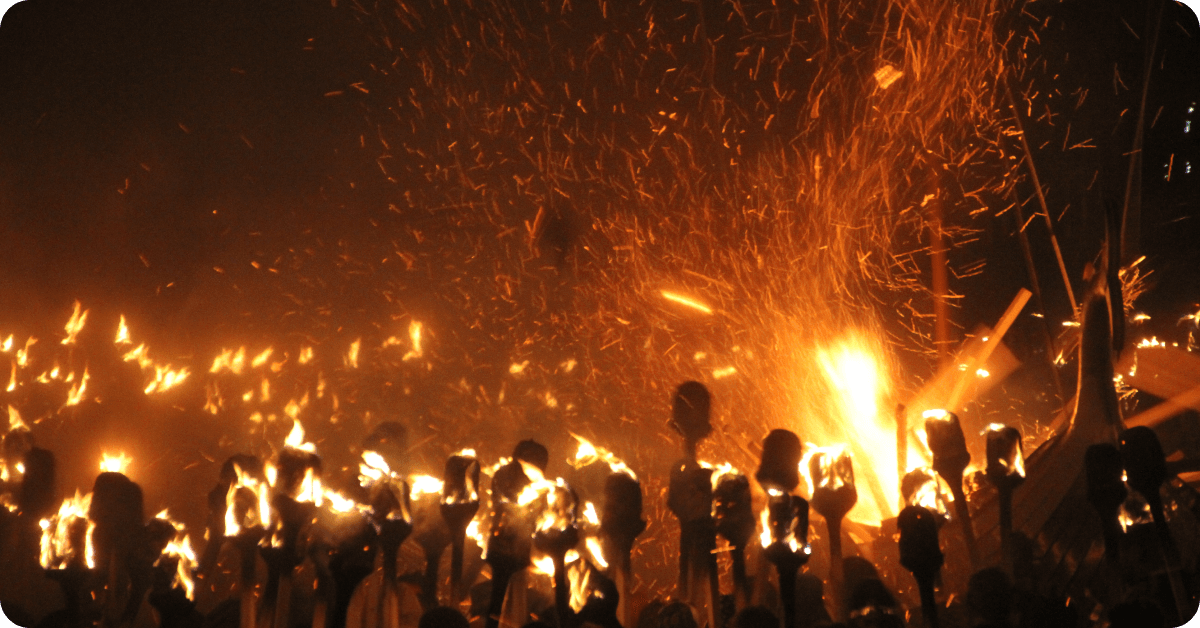
Traveling in Japan is rewarding because the country keeps old stories tucked into ordinary places. Historical oddities show up in alleyway shrines wedged between office blocks and festival towns where winter fires still pull people into the cold. Saily helps with the practical side of that curiosity. Maps load when the street signs stop helping, translations open before the menu turns into guesswork, and late-night web searches don’t depend on tracking down Wi-Fi in a cafe. Some of the answers you uncover might lead to battlefields or fire festivals. Others begin with a robe sleeve smelling faintly of clove and aloeswood.
1. Nobles used kneaded incense instead of liquid perfume
Perfume in Heian-period Japan did not come from a spray bottle or an oily dab on the wrist. Nobles used powdered incense ingredients, often blended and kneaded into small fragrant mixtures called takimono. They burned these blends to scent rooms, clothing, and hair, so a robe could carry traces of sandalwood, clove, or aloeswood long after the person had left. The fragrance was made slowly by mixing ingredients rather than buying a finished scent off a shelf. A good blend showed taste, patience, and enough social ambition to make your sleeves do part of the talking.
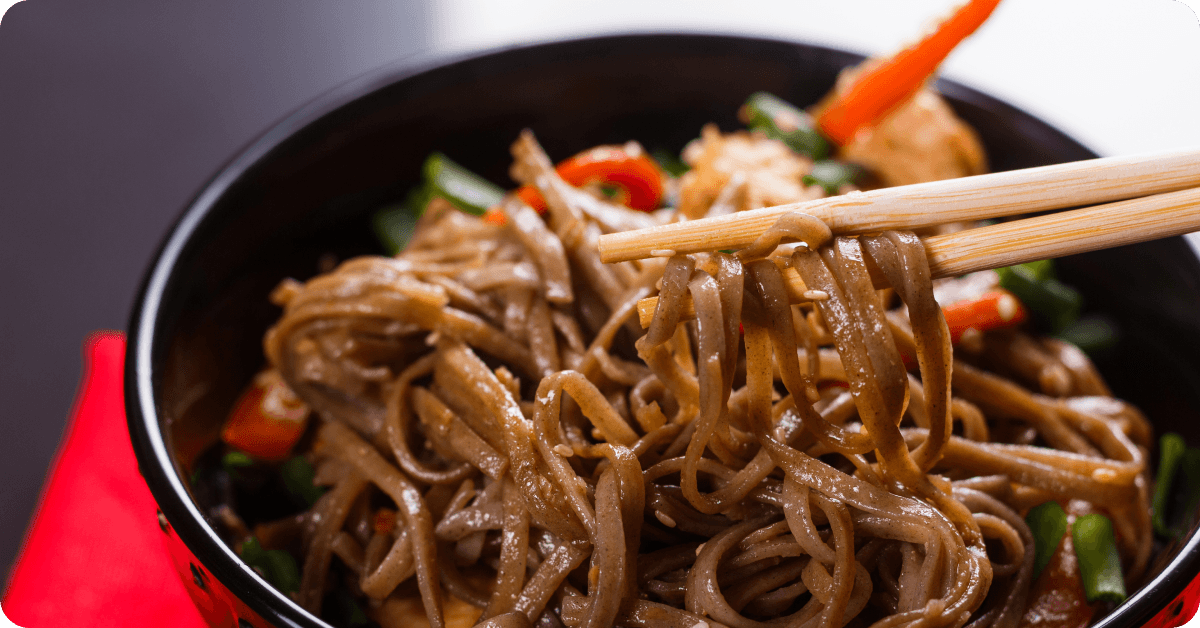
2. Buckwheat noodles symbolized a long life
Toshikoshi soba, one of the traditional Japanese foods, is most often eaten on New Year’s Eve, when people mark the move from one year to the next. The long noodles represent a wish for long life, while their clean break is linked with cutting off the old year’s bad luck. The custom is simple enough to understand, which is probably part of its charm. You eat well, leave trouble behind, and step into January with broth in your system.
3. Shaved hairstyles signaled social status
The iconic samurai haircut, known as the chonmage, originated from a practical military necessity. To keep heavy iron helmets stable during combat and prevent overheating, warriors shaved the top section of their heads and gathered the remaining hair into a tight topknot. During the peaceful Edo period, this utilitarian combat style transformed into a social marker. Shaving the head became mandatory for most citizens by government decree, with subtle variations in the topknot design instantly identifying the wearer as a samurai, an artisan, or a merchant.
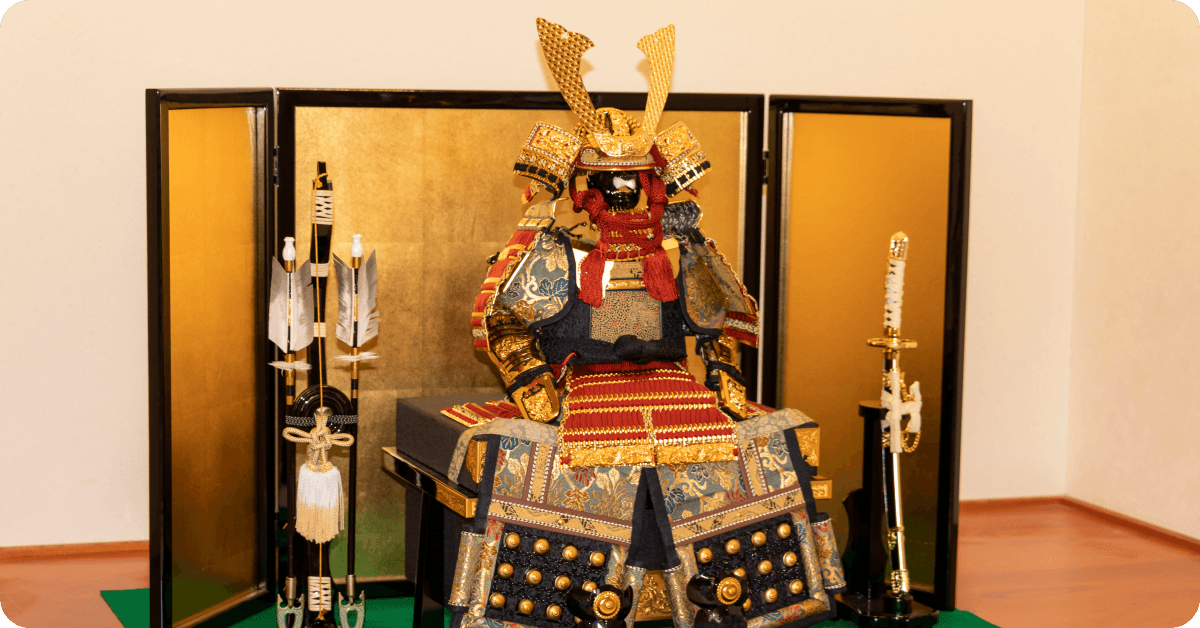
4. Families displayed miniature samurai armor for protection
Historically, families rarely treated miniature warrior figures as actual toys. Around Children’s Day, parents set out small kabuto helmets and warrior dolls to wish their children protection. The miniature armor acts as a symbolic shield intended to protect the child from illness and misfortune. Tiny helmets, big hopes!
5. Cats protected sacred manuscripts and silkworms
Felines first traveled to Japan around the eighth century as furry security guards for Buddhist monks. Their job was to protect precious religious scrolls from hungry rodents on ships and inside temples. Centuries later, they became the heroes of the booming silk industry. Because mice loved to snack on valuable silkworms and cocoons, local farmers relied on cats to safeguard their entire livelihood, cementing the animal’s legendary status across the country.
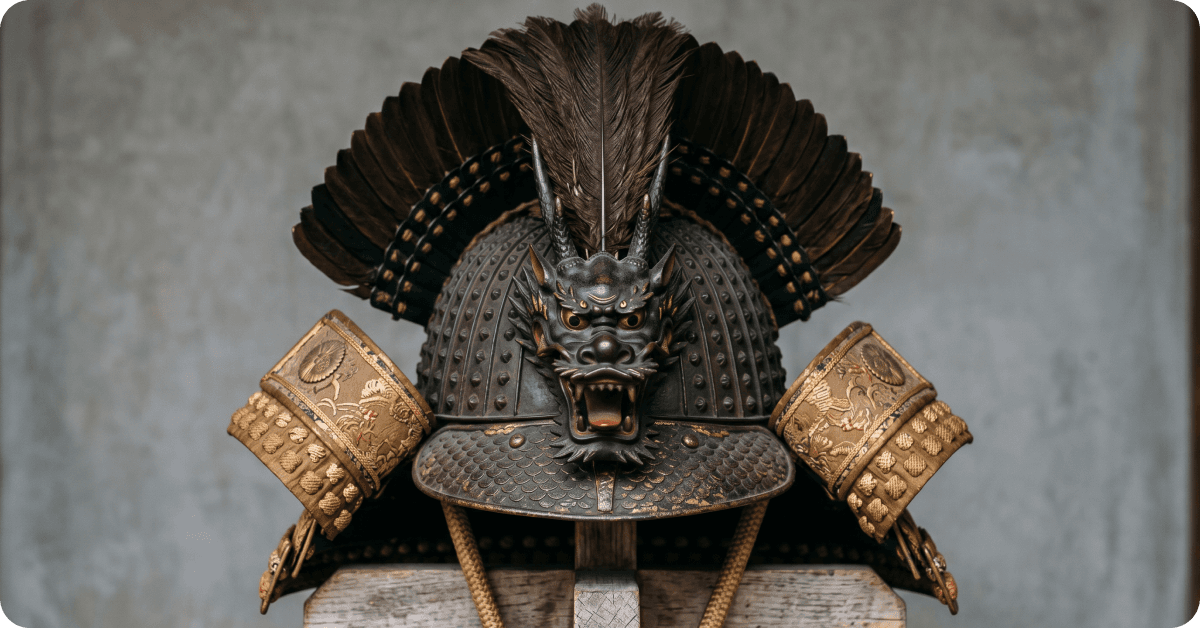
6. Samurai wore unconventional armor to command attention
High-ranking commanders in the 16th century needed to be visible on the battlefield to signal troops and claim credit for achievements. Armorers responded by crafting kawari kabuto, or extraordinary helmets, which featured dramatic shapes ranging from iron antlers to seashells. The striking designs prioritized psychological intimidation alongside personal branding. A charging warrior wearing a towering, animal-inspired crest projected immediate authority across the chaos of combat.
7. Traditional fireworks relied on spherical paper shells
Early Japanese fireworks utilized round papier-mâché shells filled with gunpowder and small explosive pellets called stars. Unlike heavy metal casings, a lightweight paper sphere allowed pressure to build evenly before bursting, creating the perfectly symmetrical geometric shapes that define Japanese displays. Edo-period firework makers transformed precise gunpowder charges into grand summer entertainment, drawing large crowds to riverbanks to watch the spectacular overhead patterns.
8. The tea ceremony developed into a disciplined art of mindfulness
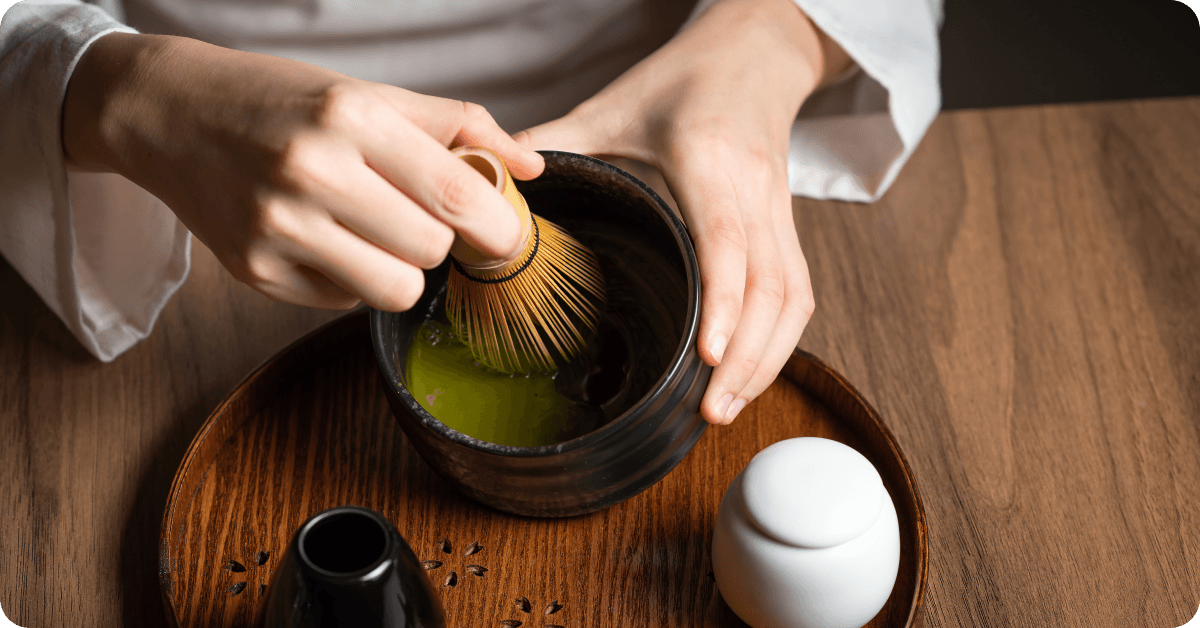
Tea reached Japan through religious and cultural exchange, then slowly became a disciplined art. In a tea ceremony, the host prepares matcha through careful movements that turn a simple drink into a quiet ritual. The bowl, the room, and the pause before drinking all matter. It is the opposite of gulping coffee while answering emails, which is probably why people are still drawn to these ceremonies.
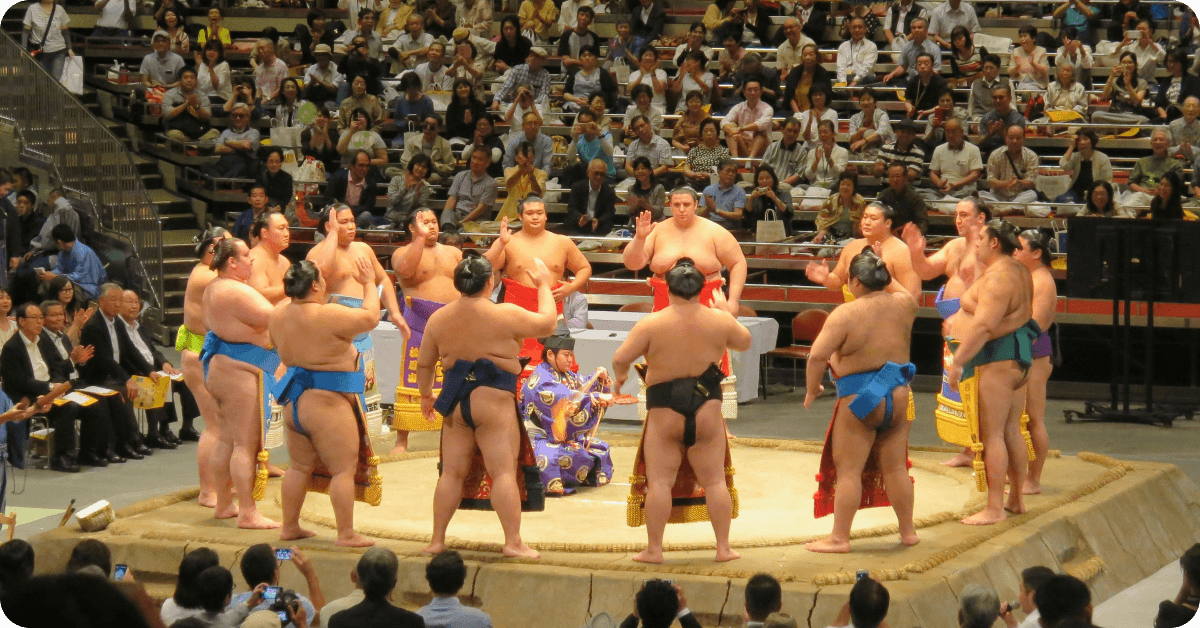
Sumo wrestling started thousands of years ago not just as a sport, but as a sacred Shinto performance to entertain the gods and secure a great harvest. Because of these spiritual roots, professional wrestlers double as community protectors. When a grand champion steps into the ring and stomps the earth, the movement has ritual meaning. It is meant to drive evil spirits from the ground. The entire ring is treated as a sacred Shinto space.
10. Winter traditions focused on citrus baths and good luck
Long before Western-style holidays arrived, Japan celebrated the winter solstice through a seasonal festival called Tōji. Instead of focusing on massive parties, communities marked the shortest day of the year with health-boosting traditions to welcome the return of the sun. Families tossed whole, fragrant yuzu fruits into hot baths to ward off winter sickness, while eating nutrient-rich kabocha squash to invite good fortune into the upcoming year.
10 fun facts about present-day Japan
Japan’s past never fully disappears, but the country’s present has its own distinct habits. Train delays trigger apology certificates, square watermelons sit in luxury displays, and millions pre-order fried chicken buckets for Christmas. The twenty-first century here operates on its own logic.
11. Bowing often replaces handshakes
Physical greetings are less common in Japan than in many Western countries. Japanese people use distinct angles of bowing to communicate deep respect or sincere apologies rather than going in for a handshake. Exhibiting good manners through the correct posture carries cultural significance inside boardrooms and corner cafes alike. Forcing a physical greeting can cause immediate awkwardness, and improper etiquette can make a first interaction feel uncomfortable.
12. Hanko seals replace signatures
Digital signatures dominate Western offices, but traditional Japanese bureaucracy runs on personal ink stamps called hanko. The small, cylindrical seals feature engraved kanji characters representing an individual’s family name. Citizens use the stamps throughout daily life to open bank accounts and sign apartment leases. High-ranking executives even own registered, hand-carved versions to authorize major corporate transactions.
13. KFC is the go-to Christmas dinner
Christmas is not an official public holiday, yet millions celebrate by eating fast-food fried chicken. A highly successful 1974 marketing campaign branded the buckets as the ultimate American holiday meal, establishing a bizarre but permanent modern tradition. Today, many Japanese families place orders months in advance just to secure their December dinner.
14. Japanese Christmas cake is a Christmas Eve tradition
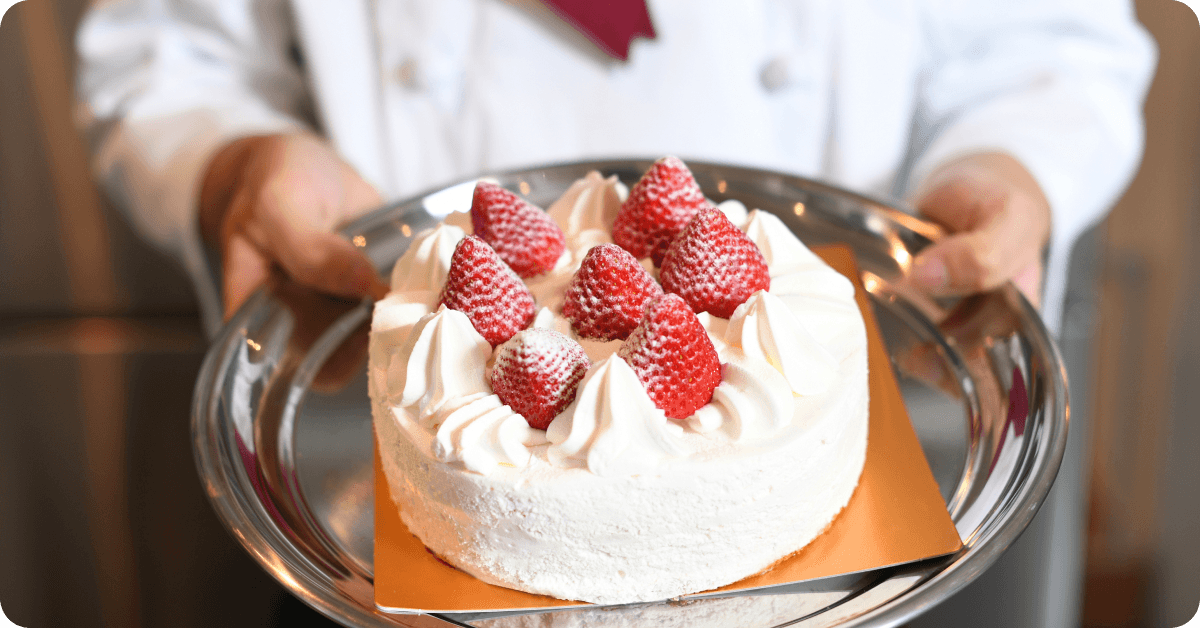
The holiday celebration peaks on December 24 with a light sponge cake topped with whipped cream and fresh strawberries. The white cream and red berries mimic the colors of the national flag, adding a patriotic visual appeal to the dessert. Couples treat Christmas Eve as a major romantic event, sharing the decorated confections during evening dates. Bakeries across the country produce millions of the cakes exclusively for the winter rush.
15. Kit Kat flavors go beyond the basics
The globally recognized candy bar underwent a transformation after entering the local market in Japan. Nestlé produces regional varieties inspired by traditional Japanese cuisine, offering travelers highly specific souvenir options. Consumers can purchase regional editions flavored with bitter green tea or savory soy sauce. The product name sounds remarkably similar to kitto katsu, a lucky Japanese word meaning “surely win,” making the chocolate bars popular gifts for students preparing for entrance exams.
16. Vending machines sell everything
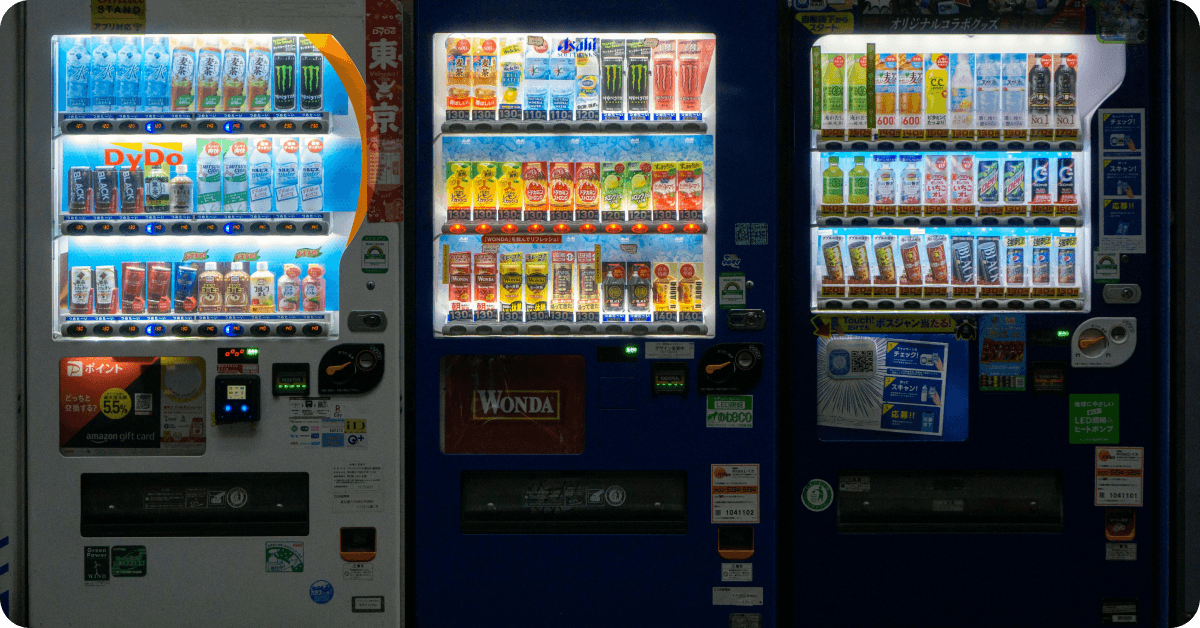
Walk down any Tokyo street or remote mountain trail, and you will stumble upon automated kiosks dispensing piping hot canned coffee or emergency umbrellas at two in the morning. High retail rents and incredibly low crime rates explain why automated storefronts thrive directly on the sidewalk. While street-side machines require pocket change, the local culture takes its beverage obsession a step further indoors. Stepping into the private booths of internet cafes in Japan reveals a useful perk — the legendary free drink bar. A standard hourly fee grants unlimited access to specialized dispensers and vending machines with bottomless melon soda and hot corn soup, making the indoor lounges a favorite retreat for tired travelers.
17. Toilets play music for privacy
Temples and the world-renowned crossing headline most lists of things to do in Tokyo, but sometimes the most memorable discovery is a public restroom. Walking into one might end up being the most high-tech part of your afternoon. Japanese toilets are famous for heated seats and automated lids, but the real star of the stall is a gadget called Otohime, or Sound Princess. The device plays synthetic flushing noises or soothing melodies to mask personal sounds, saving your modesty and your dignity. Before engineers invented the electronic backup, bashful visitors flushed the actual toilet constantly just for acoustic cover.
18. Cats and rabbits outnumber humans on certain islands
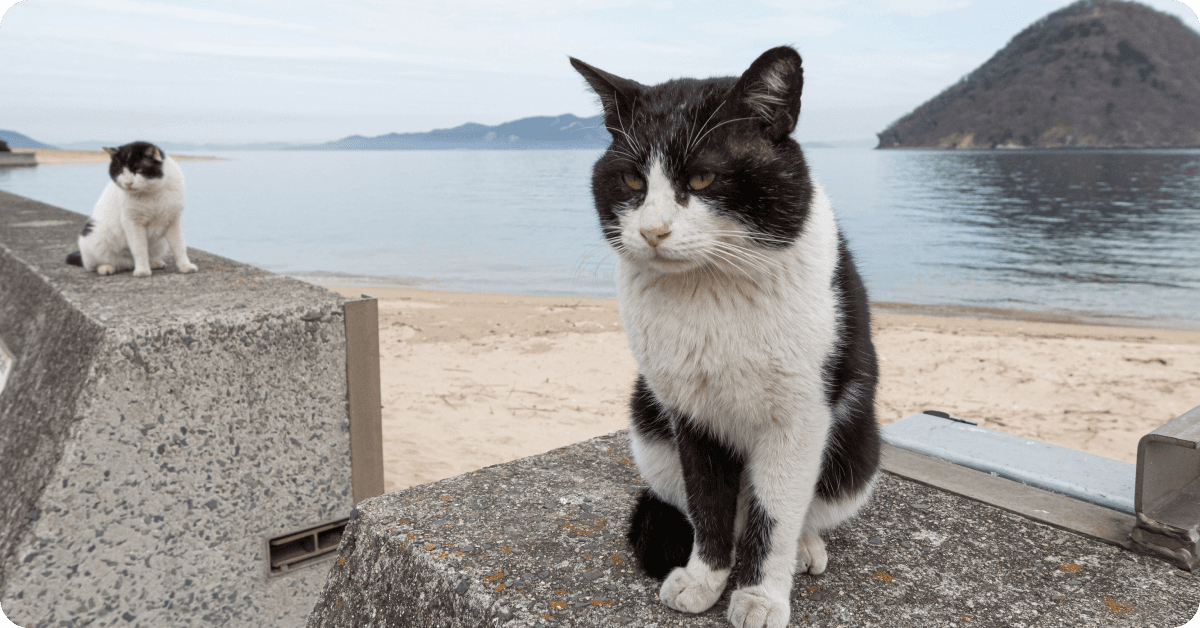
Imagine stepping off a ferry and encountering hundreds of local cats. On islands like Tashirojima, cats became part of local fishing culture and were seen as good luck. Elsewhere, farmers valued them for protecting silkworms from mice. If cats are not your favorite animal, you can visit Okunoshima to find hundreds of friendly feral rabbits hopping across the landscape. While shrines and city tours usually top most lists of things to do in Japan, the mainland features plenty of unique wildlife encounters as well. Traveling during the colder months provides a chance to watch Japanese macaques, famously known as snow monkeys, warming up in natural hot springs to escape the freezing northern temperatures.
19. Trains run strictly by the minute
The national rail system transports millions of daily passengers and is famously punctual, boasting an average delay of less than one minute. If a train arrives just five minutes behind schedule, railway employees actively hand out formal delay certificates so commuters can excuse tardiness at work. Before boarding a long-distance Shinkansen, travelers usually grab an ekiben, a beautiful station bento box packed with regional delicacies. If you you want to know more, check out or guide on transportation in Japan.
20. Farmers grow perfectly square watermelons
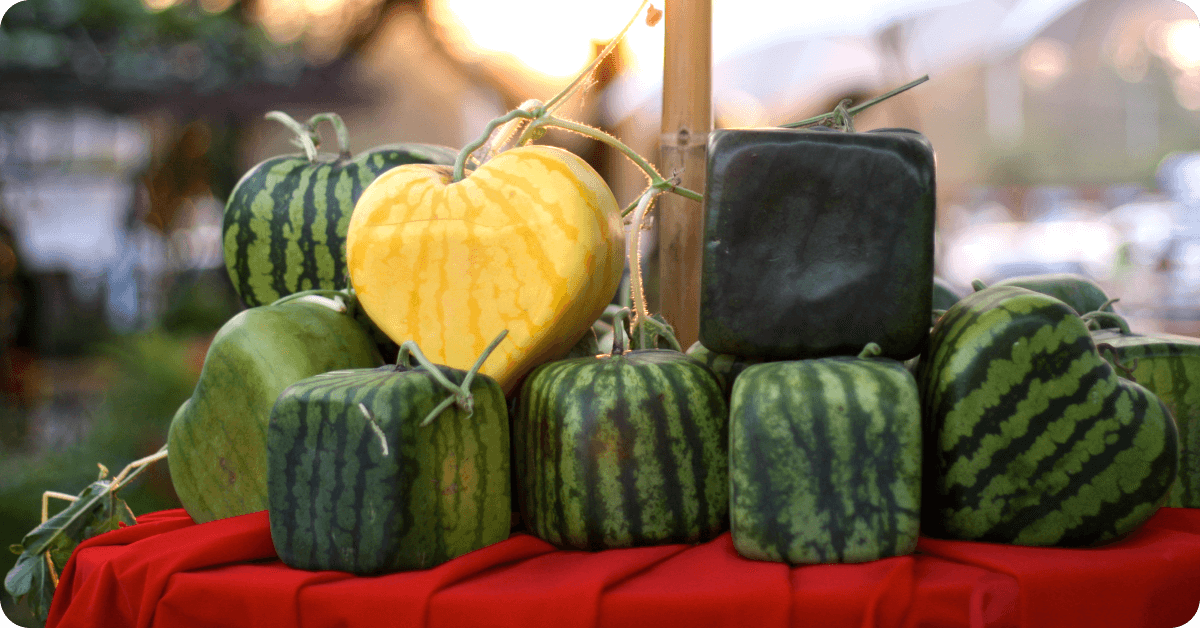
Farmers in Kagawa Prefecture masterminded a clever trick to grow perfectly square watermelons by placing the young fruit inside rigid acrylic boxes. The geometric shape allows the crop to slide easily onto compact refrigerator shelves. Because growers harvest the fruit before it actually ripens, nobody buys a square watermelon to eat on a hot summer day. Shoppers purchase the expensive blocks purely as luxury gifts and decorative centerpieces, with a single melon easily commanding well over US$100.
Essential travel tips for exploring Japan’s culture
Preparing for Japan starts with the obvious stuff: flights, hotels, and figuring out what belongs on your Japan packing list. Immersing yourself in the local lifestyle means understanding unique social codes and practical habits before stepping off the plane. The following tips will help you integrate smoothly into daily life while avoiding common tourist missteps.
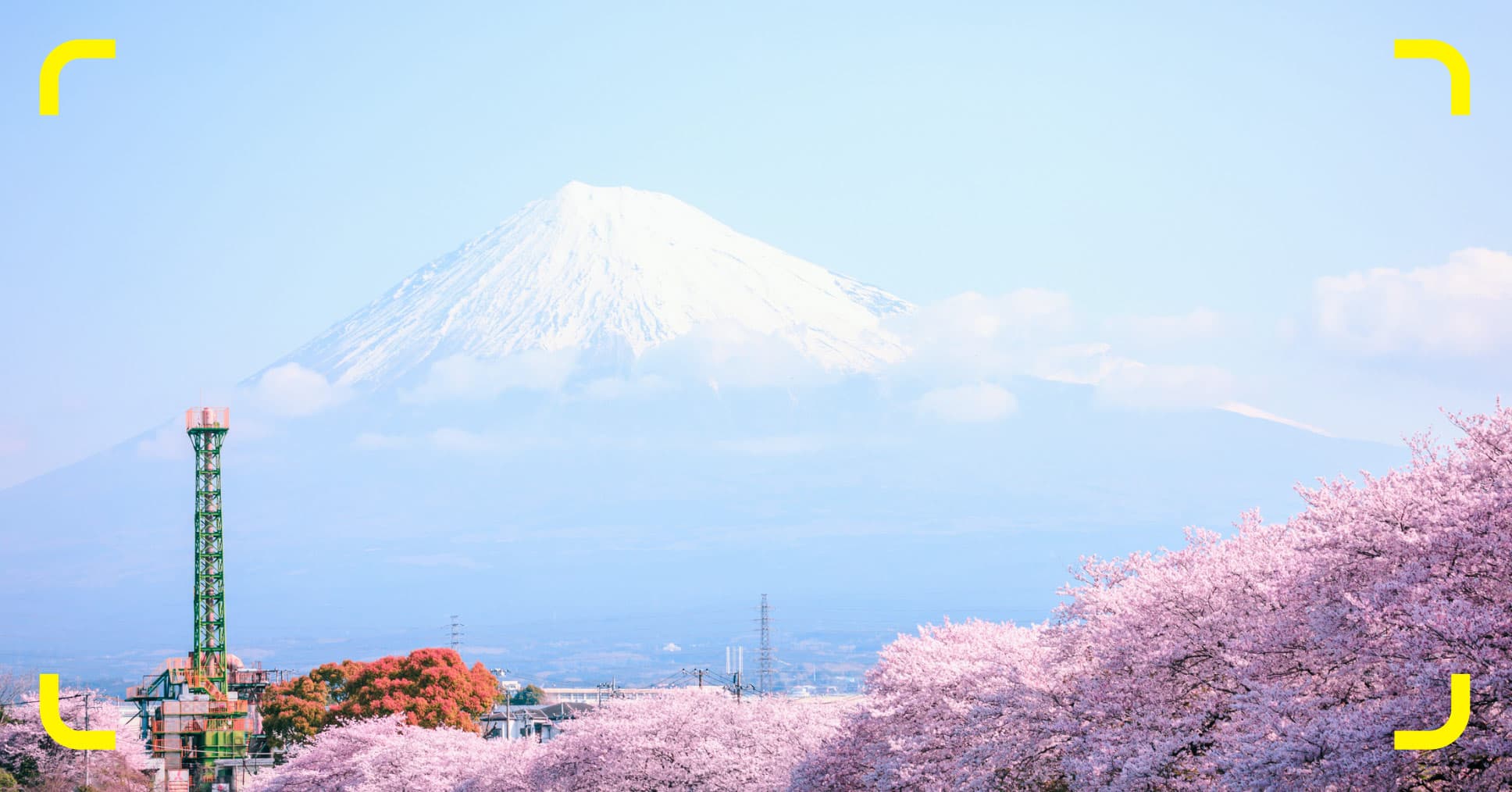
Pick the perfect season. Figuring out your itinerary usually starts with deciding on the best time to visit Japan so you can match the flawless transit schedules with the ideal time for cherry blossom blooms or deep winter snowscapes.
Remove your footwear indoors. Custom dictates taking off your shoes before stepping inside homes, shrines, historic temples, and traditional inns. Watch for a sunken entryway known as a genkan, and always leave your sneakers pointing toward the door before entering the main room.
Memorize a few essential phrases. You don’t need to master the Japanese language before going to Japan, but learning some basic vocabulary goes a long way in showing respect and sparking friendly interactions. Learning sumimasen to politely say “excuse me” and arigatou gozaimasu to express gratitude helps you navigate crowded stores. Locals appreciate the effort, even if you eventually switch to a translation app for complex questions.
Carry a small bag for your trash. Public garbage bins are notoriously difficult to find on city streets in Japan. You will usually need to carry empty wrappers and coffee cups with you until you spot a recycling station next to a vending machine or encounter a convenience store. Tucking a plastic bag into your daypack keeps your pockets clean during long sightseeing runs.
Secure reliable mobile data. Navigating the sprawling transit network requires constant access to live timetables and digital maps. A solid connection ensures you can translate menus, pinpoint hidden restaurants, check train schedules, and map out fast transfers without losing your way.
Mastering basic customs and cultural awareness provides a solid foundation for a stress-free adventure, leaving you free to focus on the sights and sounds.
The benefits of using an eSIM data plan while exploring Japan
Physical SIM cards force you to hunt down an airport vendor and fumble with a paperclip just to swap out a tiny plastic square. Digital alternatives remove much of that hassle. Understanding exactly what an eSIM is introduces you to a technology that acts as a practical upgrade for international trips. In essence, it’s a virtual profile that embeds directly into your smartphone, allowing you to activate a data plan over the internet in seconds. You can download an eSIM app before your flight lands, keeping your phone ready to map out train routes the moment you step onto the platform at Narita or Haneda.
Saily provides data packages designed specifically for Japan. The app helps you connect without relying on expensive roaming. You can review the available data tiers below to find the right plan for your itinerary.
Data allowance | Validity period | Perfect for |
|---|
1 GB | 7 days | Quick layovers and emergency map checks |
|---|
3 GB | 30 days | Short vacations and basic web browsing |
|---|
5 GB | 30 days | Two-week trips with frequent social media updates |
|---|
10 GB | 30 days | Heavy navigation usage and daily video calling |
|---|
20 GB | 30 days | Extended stays and constant high-speed connectivity |
|---|
Selecting the right data plan removes the final logistical hurdle between you and an unforgettable adventure. Armed with an active network connection and a solid grasp of local etiquette, you can immerse yourself in a landscape where centuries-old temples stand directly alongside high-tech vending machines!