Preparation tips for travel to Tokyo
When it comes to traveling to Tokyo, preparation is key. Here are five getting-ready tips to make planning your trip smooth sailing.
1. Check visa requirements
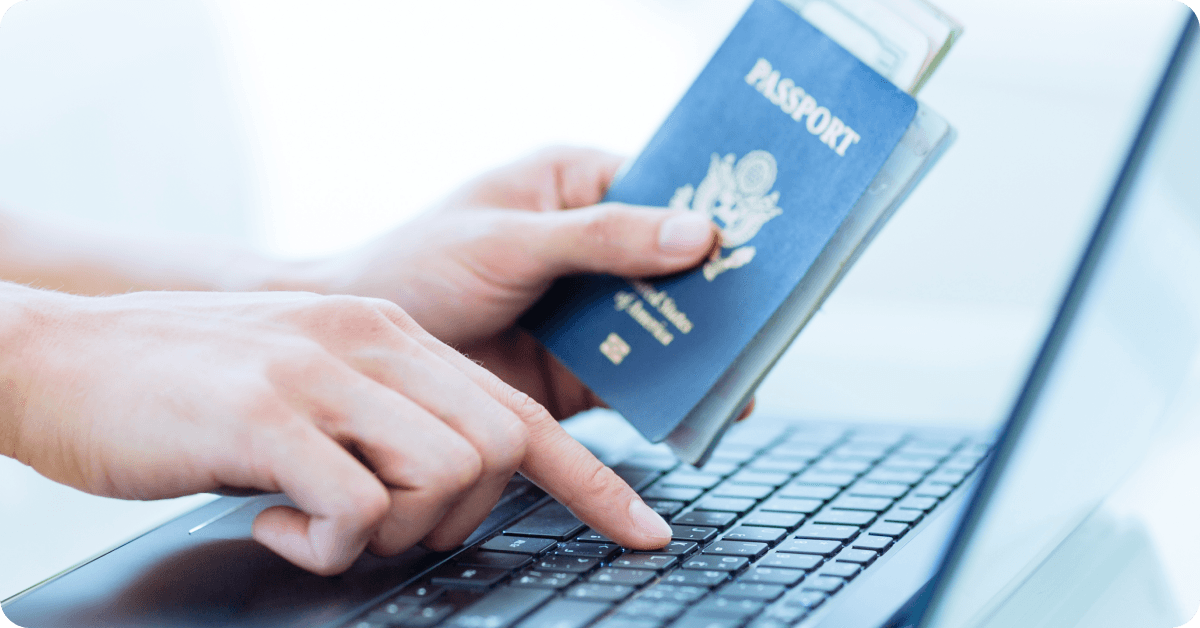
Yup, the first thing to do before going to Tokyo is to check whether you need a visa to enter Japan. The simplest way to do it is to visit Japan’s Ministry of Foreign Affairs website, where you’ll find a list of visa-exempt countries (opens in a new tab). Also, check the expiration date on your passport. Most tourists in Japan are allowed to stay for up to 90 days (though Thailand and Indonesia citizens are only allowed 15, and citizens of Brunei and Qatar — 30 days).
Before your trip, make sure to also fill out the mandatory immigration and customs forms. You can do so on the flight (the flight attendants hand out the customs forms during the flight), but it’s much quicker and simpler to do it online. Just go to Visit Japan Web (opens in a new tab) a day before your flight, register, fill in your documents, and save the generated QR code. Upon arrival, show it to the customs officers along with your passport (there’s typically a separate line for tourists with QR codes), and you’re good to go.
If you arrive without filling out these documents, you’ll have to do it in the airport, which means standing in line and wasting time with paper forms.
2. Learn basic Japanese phrases
Even if it’s your first trip to Tokyo, we’d wager that you already know some basic words like arigatou (thank you) or konnichiwa (hello). But if you want to really spice up your Japanese, here are a few phrases that are worth remembering when exploring Tokyo:
Ohayou gozaimasu — Good morning
Konbanwa — Good evening
Sayounara — Goodbye (formal, akin to “farewell”)
Arigatou gozaimasu — Thank you very much
Sumimasen — Excuse me/I’m sorry
Hai — Yes
Iie — No
Daijobu desu — I’m good (a great alternative to a rather strict iie [no] in situations like refusing a shopping bag at the store)
Sumimasen, menu onegaishimasu – Excuse me, may I have the menu, please?
Kore o kudasai – I’d like this, please.
Onegai shimasu — Please (formal, used when asking for something)
Hitori desu — I’m alone (formal, used in restaurants)
Futari desu — There are two of us (formal, used in restaurants).
Gochisosama deshita — It was delicious/thank you for the meal (formal, perfect to use when leaving a restaurant)
dōzo — Here you go/please (used when handing something to someone)
It’s also important to note that a lot of Japanese, while welcoming, may be hesitant to speak English from the get go (or at all). So if you have to ask for help, make sure to greet them in Japanese first. Apps like Google Translate are also handy when conversing with the locals.
3. Get an eSIM card or pocket Wi-Fi
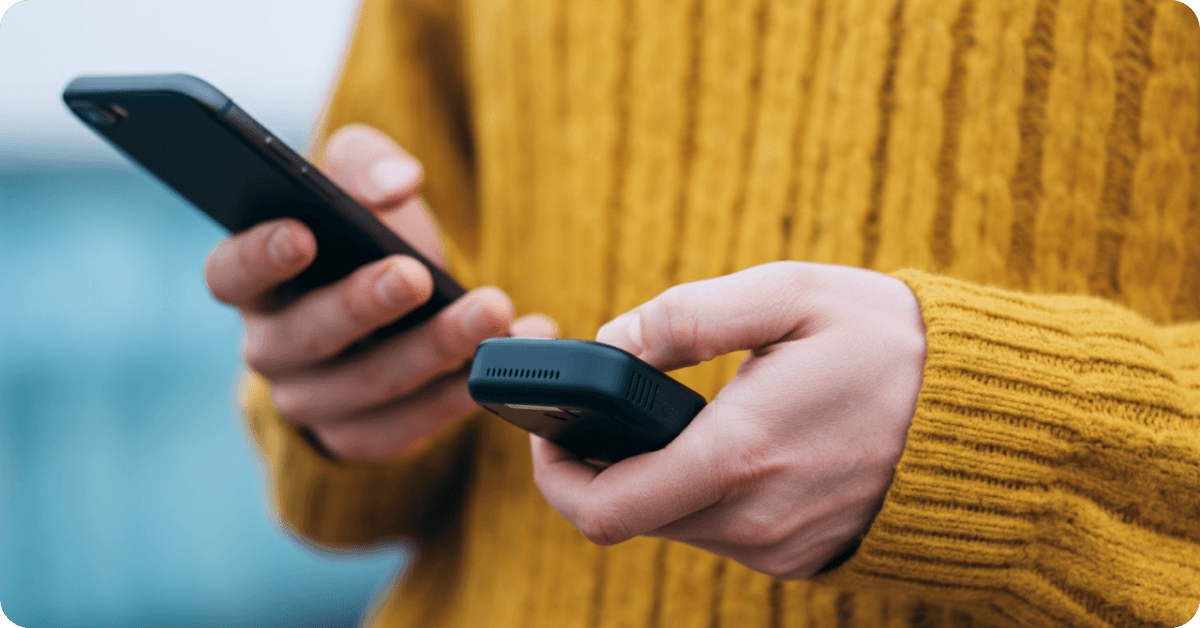
When out and about in Tokyo, you’ll need mobile data. Sure, there are plenty of places that offer free Wi-Fi, but, first, public Wi-Fi hotspots aren’t safe, and second — you might not find one when you truly need it. The best way to deal with this snag is to get yourself either an eSIM or pocket Wi-Fi for Japan. If you're landing at Narita, you can also look into renting pocket Wi-Fi at Narita Airport right after you clear customs. That way you’ll be able to stay connected wherever you go.
4. Book accommodations in advance
Booking your accommodation well in advance is a no-brainer when traveling to Japan, or any other country, for that matter. It’s also often cheaper and offers more options to choose from. However, this depends on when you’re planning your trip. When checking the listings for your trip to Tokyo, consider avoiding dates like sakura season (early April), Golden Week (from April 29 to May 5), Obon (mid-August), and New Year’s, since booking prices skyrocket during those times.
5. Pack for the season and city walking
Climate-wise, Tokyo is similar to Washington D.C. (both cities are in the humid subtropical climate zone, too). That means Japan's capital is great to visit during autumn or winter, because the temperature rarely drops below 0°C (32°F). Spring is probably the best time to visit Japan with mild temperatures and abundant sunshine. In summer, though, it can get pretty hot and humid (up to 35°C, or 95°F) so light clothes and sunscreen are essential.
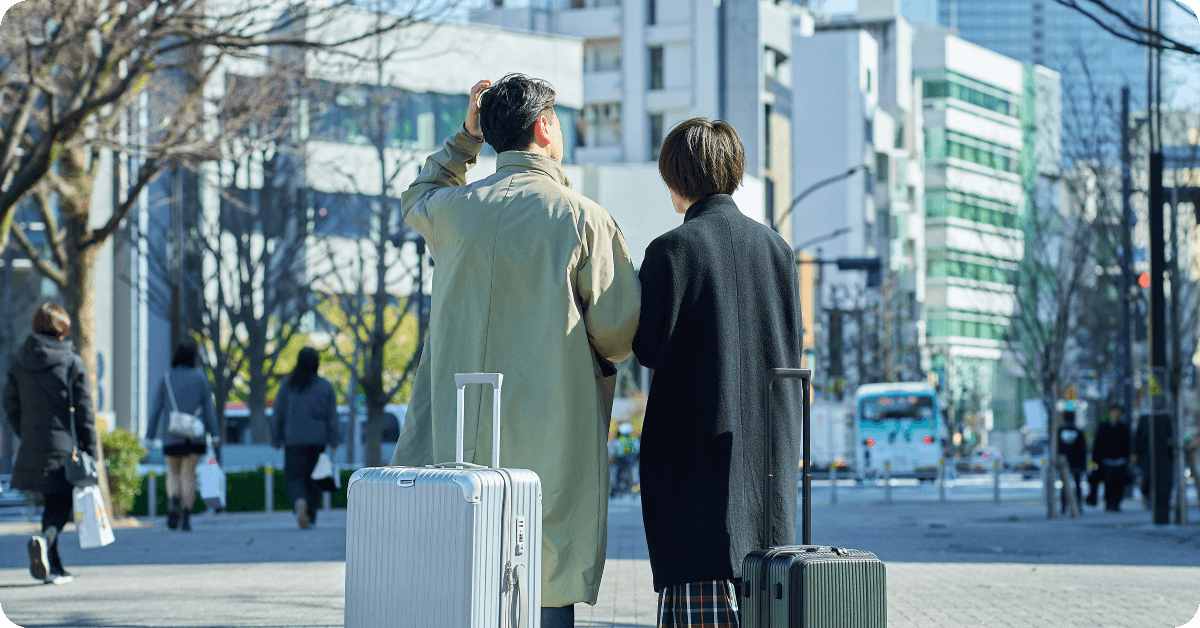
It’s also worth noting that Tokyo is a destination that’s not exactly suitcase-friendly. If you don’t want your jetlagged brain cursing everything and everyone while you haul your luggage through yet another set of stairs, keep your Japan packing list light. Or use luggage transportation service — a popular and affordable alternative. Keep in mind, though, that in some cases you might reach your destination before your luggage!
When packing, it’s also important to remember just how large Tokyo really is. While Tokyo city hosts 14 million residents, the Greater Tokyo Area (which includes six prefectures) is home to 41 million people, making it the most populous metropolitan area in the world. And yet, despite its size, the city is extremely pedestrian-friendly with tons of parks, overpasses, stairs, and even special pedestrian lanes in some smaller streets. So brace yourself for a lot of walking and get a broken-in pair of comfortable shoes. Actually, make it two pairs — your feet will thank you.
Tips for getting around Tokyo
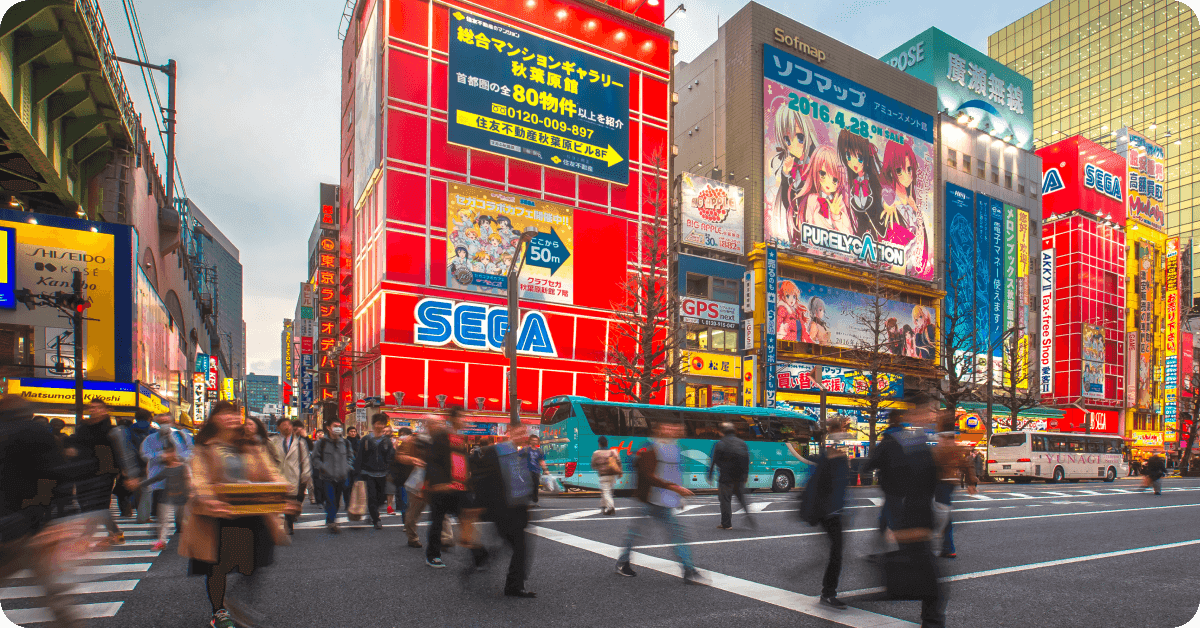
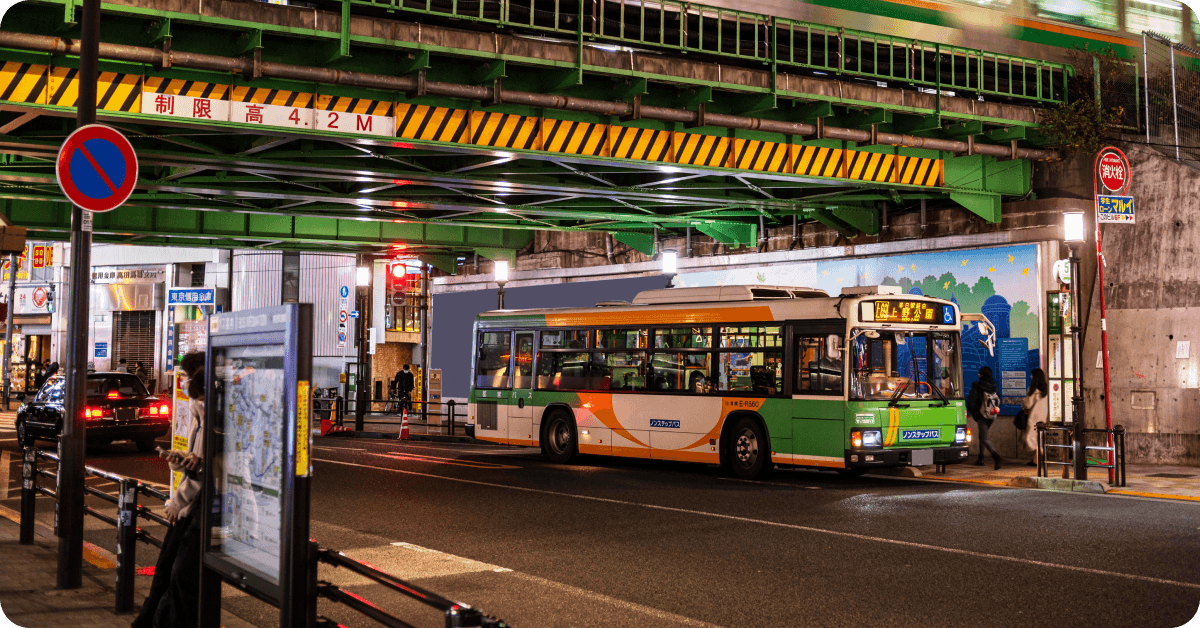
Once you arrive in Tokyo, you’ll be sucked into the vortex of sounds, crowds, lights, and hieroglyphics. Below you’ll find the tips on how to make sense of all of it and make getting around just a tad easier.
6. Get a Suica or Pasmo IC card
Japanese IC (Integrated Circuit) cards are the ultimate travel hack for smooth transportation in Tokyo and other larger cities. You can use them to pay for public transport including subway, bus, or intercity railway, without the need to buy separate public transport passes or tickets. And that’s not all. With cards such as Welcome Suica and Pasmo you can access Shinkansen lines (make sure to pair the card with your ticket first), shop in most Tokyo stores or even pay for your dinner at a restaurant! To know whether the store or restaurant accepts IC cards, look for an IC sticker near the cash register.
You can get your IC card as soon as you land at the Haneda or Narita airports or in designated IC card ATMs in places like Tokyo Central or Shibuya stations. Just look for Welcome Suica (a special Suica card for tourists) or Pasmo ATM and follow the instructions on the screen. Both Suica and Pasmo are nearly identical service-wise so there’s not much of a difference in which you choose.
When ordering the Welcome Suica card, the machine will take a ¥2,000 (about US$12.5) deposit which gets added to your IC card. It will then issue a plastic card along with the receipt that shows its expiration date (28 days). Keep in mind that you can’t cash out the funds that you put in a Welcome Suica card, so you’ll have to use it up if you don’t want to lose the money. You can also top-up the card whenever you like, either by asking the cashier at any convenience store, using a designated IC card ATMs, or via your IC card’s mobile app (currently available for iPhone users only).
Google Maps is generally the best app for navigation because it shows train schedules and provides clear directions to metro stations, underground shopping centers, sushi restaurants, and other places hidden among the brightly colored billboards. Apple Maps also covers public transport, and our Apple Maps vs. Google Maps comparison explains how the two differ in transit directions and place search, which can help you decide which one to rely on before you land.
7. Consider learning some of the Tokyo train and subway routes
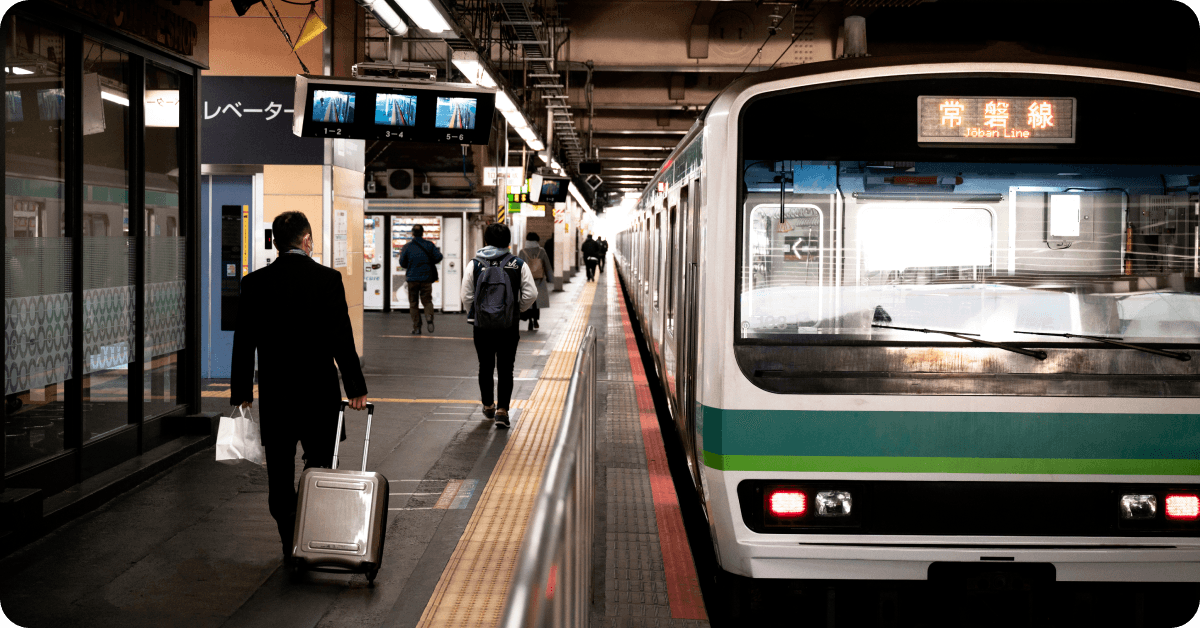
If you’re staying in Tokyo bay for a short time, don’t even bother to learn all the subway routes. The city has 13 metro lines managed by two different operators, and there’s no way you’ll be using all of them. What’s worth remembering though, is that the Yamanote Line is the most important rail line in Tokyo that can be a lifesaver if you get lost. The line is operated by Japan Railway (JR) company and goes in a circle, stopping at most of the city’s main train stations. That means that even if you get lost, the Yamanote train will get you back to a familiar place.
As for other most popular Tokyo metro lines, the Asakusa line is worth remembering because it connects both Tokyo airports with the city center. Ginza, Hanzomon, Marunouchi, and Shinjuku lines might also be the ones you use often. However, Google Maps is more than capable of navigating you through stations, metro lines, and transfers, so make sure to read the instructions carefully and you’ll be fine. Don’t forget to keep quiet on the subway and avoid stopping in the middle of the rushing crowd, too!
8. Use apps for navigation and train schedules
For first-timers, exploring Tokyo without Google Maps would be brave. Doing so without any navigational app — borderline crazy. While finding your way in places like Tokyo metro is not exactly a rocket science, some stations have 18 or more exits, with 3 or 4 transfer lines, which sometimes might be tough to find. Given the fact that you’ll need public transport to access some of the most popular Tokyo attractions, navigational apps are a must.
Google Maps is generally the best app to use for navigation, since it shows accurate schedules and provides clear directions on how to access the metro stations, underground shopping centers and sushi restaurants, and other gems camouflaged between the bright-colored billboards.
9. Plan long-distance travel with a JR Pass
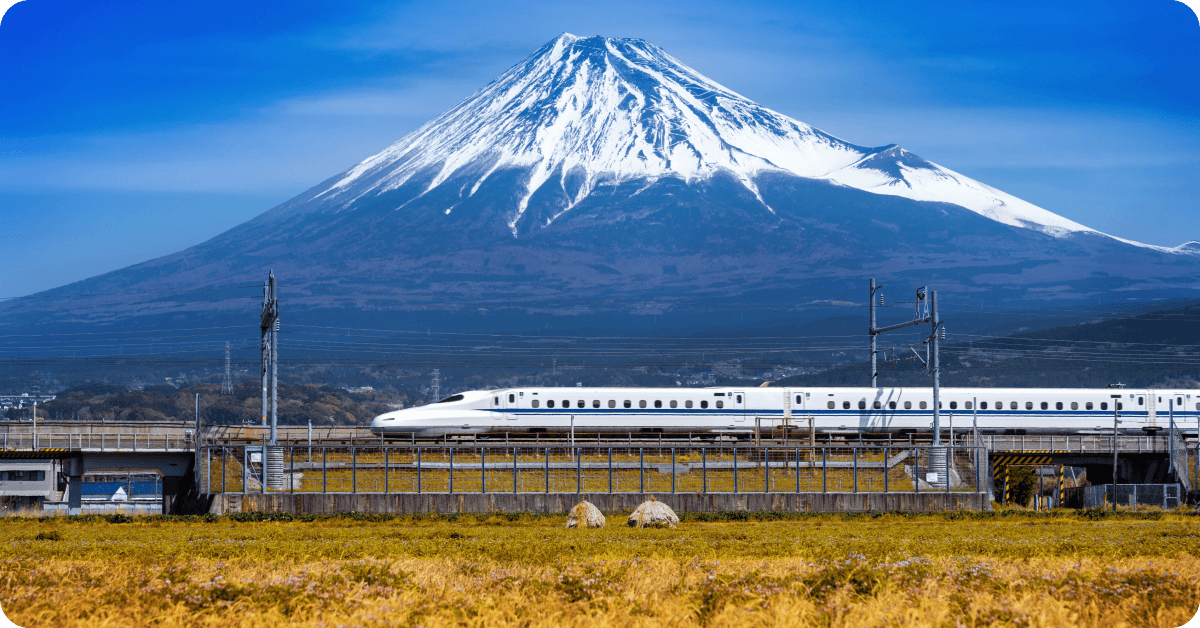
If you’re planning trips to Kyoto, Osaka, Hokkaido, and looking for other things to do in Japan well outside the Greater Tokyo Area, you might make good use of a JR Pass. This pass grants you unlimited access to JR transport (including Shinkansen trains) allowing you to travel freely across Japan using one ticket only. However, before getting a JR Pass it’s worth doing some math and making sure that you truly need it. JR Pass price ranges from US$331 (7 day pass) to US$662 (21 day pass) per person, so it might be more sensible to just buy a regular ticket instead.
10. Familiarize yourself with taxi etiquette
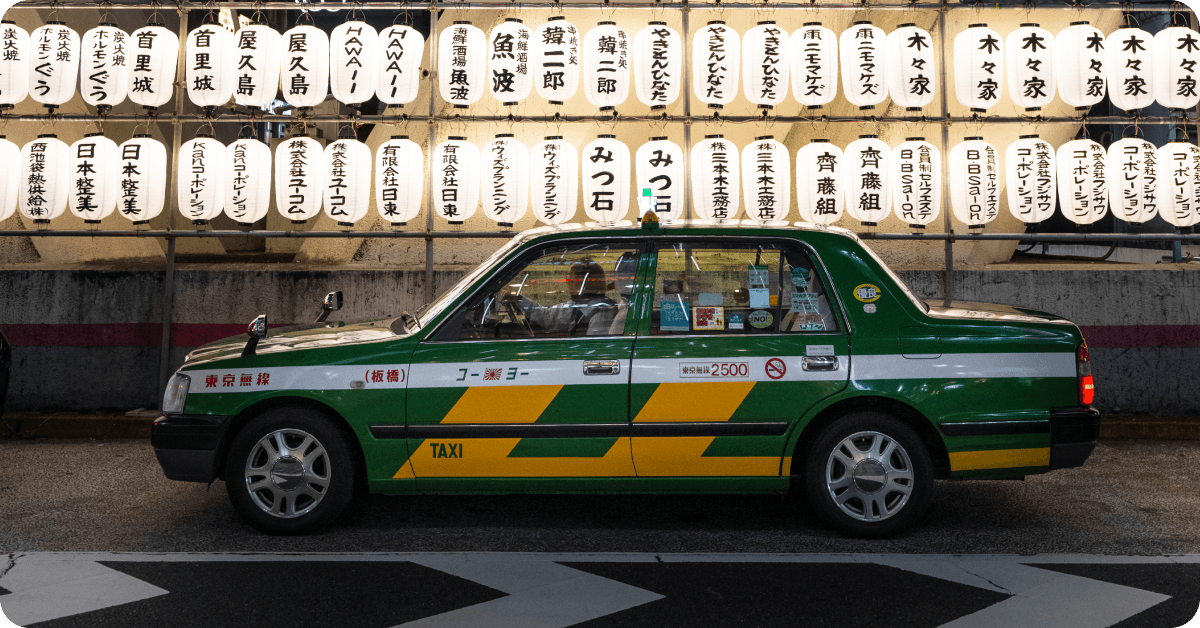
Taxis in Tokyo are unlike anywhere else in the world. With glossy black cars, TV screens, USB charging ports, and drivers in full suits (most of them with white gloves, too!) you could almost confuse them with a VIP transportation service. That notion only grows stronger when you realize that the taxi doors open automatically!
Taxi apps in Japan, such as GO, make hailing a cab easy even if you don't speak Japanese, since everything from pickup to payment happens in the app. And just like public transport, Tokyo taxis have certain etiquette rules you should remember if you plan on catching a cab:
Never open the doors by yourself. The doors in Tokyo cabs are controlled by the driver, so let them open and close them for you. Otherwise you might damage the mechanism that controls the door.
Never tip the drivers. Tipping in Japan is considered an insult, regardless of whether you’re in a bar, restaurant, or a cab. Unless you see a sign that shows tips are welcome, never do that.
Put wet items in the trunk. If you have a wet umbrella, ask the driver to put it in the trunk, to avoid dripping on the mats.
Have a maps app ready, just in case. Since Tokyo is gigantic, drivers rely on apps and screens to find their way around the city. Showing your needed destination through your maps app can help them pinpoint the location quicker.
11. Rent a bicycle for short distances
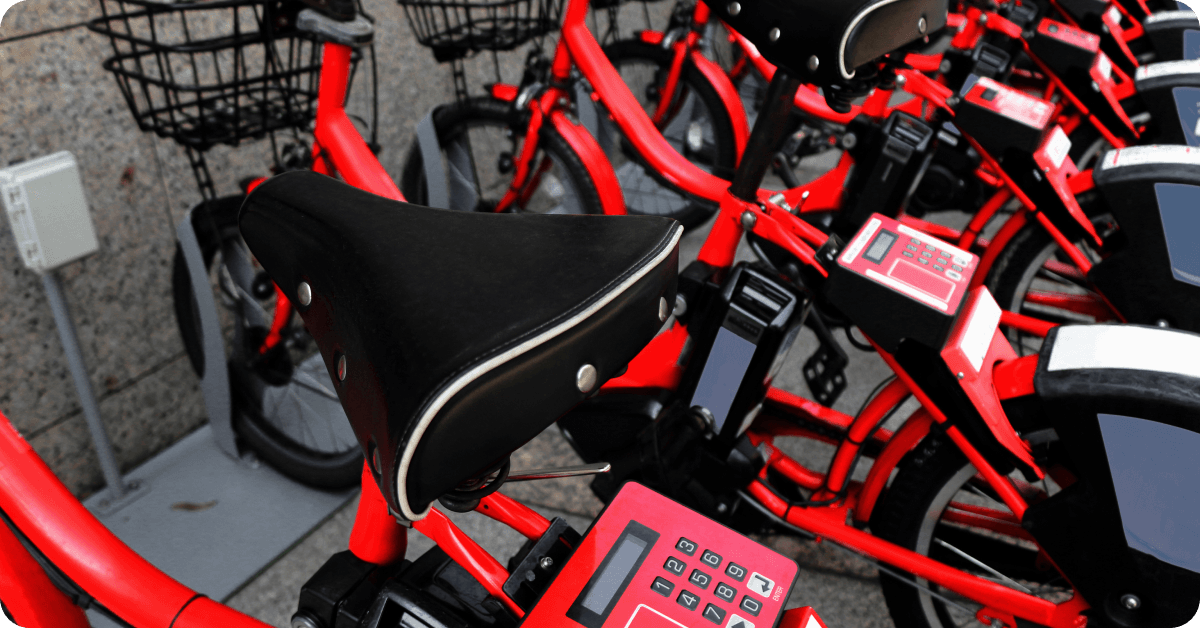
Cycling is one of the best alternative ways to explore Tokyo. The river paths along the Tamagawa and Arakawa rivers or drives from Yanaka to Ueno are just a few ways to enjoy nature or see a historical side of the Eastern Capital. You can rent bikes using apps such as Docomo or HELLO CYCLING (bike-sharing, best for short trips) or traditional rental shops (more expensive, better for long-term use). It’s worth noting that cyclists are allowed to use sidewalks in Tokyo (unless road signs specify otherwise) but must maintain slow speeds and give right of way to pedestrians. While bike helmets are not mandatory, they’re heavily recommended, and often come with the bike when renting.
12. Know peak hours to avoid crowded trains
If you’ve no wish to suffer the world-famous crowds of Tokyo’s public transport, 07:30 to 09:30 am and 05:00 to 08:00 pm are the times to avoid on weekdays. The subway reaches its peak about 8 am in the morning and 6-7 pm in the evening, so if you’re unlucky enough to have to travel during those times, you better hope you don’t have any luggage on you. In addition, make sure to not stop in the middle of the rushing crowd and forget about skipping the line — the Japanese find it super disrespectful.
Food and dining tips in Tokyo
For food lovers, Tokyo is a haven. Whether you’re into street food or traditional Japanese cuisine, the Eastern Capital has lots to deliver. Here are a few tips you might find useful when exploring Tokyo’s gastronomical life.
13. Try local street food and convenience store meals
Regardless of whether you’re an omnivore, vegetarian, or vegan, Tokyo has options to satisfy each craving. Along with widely known dishes like sushi, ramen, or miso soup, food lovers can also try the famous jiggly cotton cheesecakes, wagyu beef, or monjayaki (Tokyo’s version of okonomiyaki). Even konbinis (local convenience stores) are full of treats such as egg-salad sandwiches, onigiri (Japanese rice balls with salmon, mayo, or seaweed), or bento (packed single-portion noodle or rice meals).
If you happen to stumble upon Senso-Ji Temple in Asakusa or Ameyoko Market near Ueno, you must stop by the numerous street food stalls and try takoyaki (savory octopus balls), yakitori (charcoal-grilled skewered chicken with soy tare), or dango (rice flour dumplings, often covered with sweet and savory soy glaze). These are but a few local street delicacies that are perfect for a quick snack while exploring the city.
Sweet-tooths won’t leave Tokyo disappointed as well, since there are plenty of cafes that offer kakigori (shaved ice dessert), Japanese crepes, mochi (traditional rice cakes) — all in the eccentric Tokyo fashion. You can even find cafes that serve oversized portions of toast bread with chocolate, cream, and syrup just to name a few!
14. Treat yourself with sushi, ramen, and regional specialties
As a first-timer in Japan, you can’t leave Tokyo without trying sushi, ramen, miso, or gyoza at least once. To find the best restaurants, check out the Tabelog app or head to the Shinjuku, Ginza, and Shibuya neighborhoods. Although, give a chance to the smaller dining spots in smaller neighborhoods, too — there might be some hidden gems sitting just around the corner.
If you’re looking for a truly local dining experience, check out izakayas (Japanese pubs) and kaitenzushi (conveyor belt restaurants). Yakiniku-ya restaurants are also noteworthy, since that’s where you’ll get to grill small pieces of meat at the table by yourself!
Japan is also notorious for having their own take on popular Western food. You’ll find plenty of popular Western restaurant chains there. Whether it’s burgers, pizza, or hot dogs, dropping by to check the local variations of familiar dishes can also be a fun cultural experience.
While directions and road signs are often translated in English in Japan, a lot of ads, stores, and restaurants (especially small local joints) will use Japanese kanji. Unless you’ve studied Japanese language, we recommend just downloading Google Translate’s Japanese language pack for reading menus or product tags. It includes camera, text, and voice translation and doesn’t use any mobile data, which makes it a great tool to have on hand.
16. Respect dining etiquette and queue properly
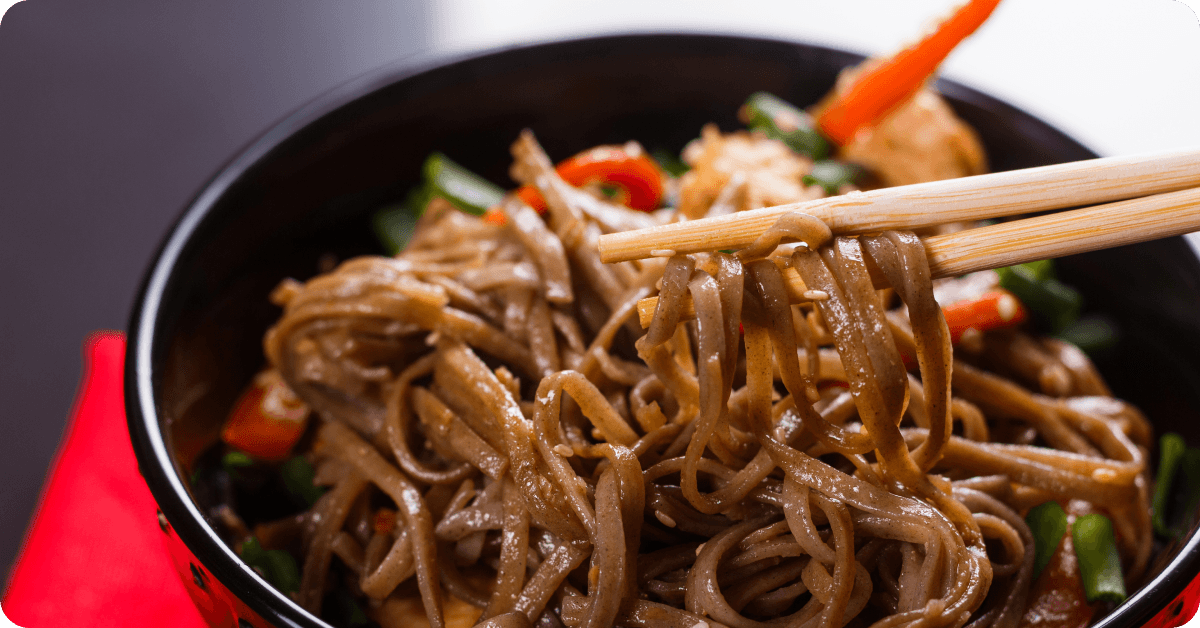
Dining in Tokyo comes with a set of unwritten rules that locals follow religiously. One of such rules is to never stick your chopsticks upright in a bowl of rice, since it resembles a funeral ritual and is considered deeply disrespectful. Passing food from chopstick to chopstick is also a big no-no, for the same reason. Chopsticks typically have a chopstick rest (hashioki) to put them in when not in use. You can also lay them flat across your bowl.
Slurping noodles, on the other hand, is not only acceptable but encouraged — it shows that you're enjoying the meal. Just don't blow your nose at the table, talk loudly, or wave your chopsticks around while chatting. If you're paying the bill, look for a small tray near the cash register. That's where you put your cash or card, instead of handing it directly to the cashier.
Queuing is practically a sport in Tokyo. Whether it's a popular ramen shop, a trendy bakery, or a tiny sushi counter with only eight seats, you'll often see neat, patient lines stretching down the street. Cutting the line is considered extremely rude, so be ready to wait — sometimes for an hour or more. The good news? If there's a line of locals near a food spot, you’re in for a feast.
17. Visit depachika (department store food halls) for unique bites
If you want to experience Japanese cuisine without hopping between a dozen restaurants, head to a depachika. Tucked away in the basements of major department stores like Isetan in Shinjuku, Mitsukoshi in Ginza, or Takashimaya in Nihonbashi, these Japanese food halls are pretty much a gastronomic wonderland. There you’ll find glossy displays of wagyu beef, hand-rolled sushi, delicate wagashi (traditional Japanese sweets), French-inspired pastries, and seasonal bento boxes stretching as far as the eye can see.
A depachika works great for grabbing a quick gourmet lunch, picking up snacks for a long train ride, or simply appreciating the artistry that goes into every bite. If you visit about an hour before closing time (usually around 8 pm), you can score premium sushi sets or beautifully arranged bentos for half the price, since many vendors slash prices to clear out the day's stock.
Safety and health tips in Tokyo
Japan is notorious for its safety. However, one can never be too secure, which is why we prepared some tips for you to make your Japan trip even safer.
18. Secure your belongings
One of the fun facts about Japan is that it’s one of the few (if not the only) countries in the world where you can lose your phone or passport and get it returned to you in less than an hour. The local culture, respect to authorities, and hefty fines keep the crime rates so low that locals often leave their bags on café tables to reserve seats. That said, safe doesn't mean carefree. Pickpocketing, while rare, can still happen in tourist-heavy areas like Shibuya, Shinjuku, or Asakusa, especially during major events and festivals.
To secure your possessions from crooks, keep your wallet, passport, and phone in a zipped or inner pocket, and consider using a small crossbody bag instead of a backpack in crowded spaces. If you do lose something, don't panic — there's a good chance your item will be waiting for you at the nearest koban (police box) or station office.
When in Tokyo, it’s best to save a few key numbers in your phone, just in case you run into any emergency. Japanese use 110 for police and 119 for fire or ambulance services. Keep in mind that operators might not speak perfect English. It's also smart to write down the address and phone number of your accommodation in both English and Japanese — taxi drivers will appreciate it when driving you back to your place.
Another thing worth keeping nearby is your country's embassy or consulate contact details. It can be helpful in situations such as losing a passport, becoming a victim of a crime, or suffering an injury that leads to a hospital stay. For non-urgent medical issues, the Japan National Tourism Organization (JNTO) runs a 24/7 tourist hotline (050-3816-2787) with English support.
20. Avoid risky areas late at night
Although Tokyo is mostly safe even after dark, it’s best to be a bit more cautious across a few neighborhoods late at night. Popular nightlife spots like Kabukicho in Shinjuku are fine for sightseeing, but watch out for touts trying to lure tourists into shady bars or clubs with hidden charges and overpriced drinks. Roppongi in Southern Tokyo has a similar reputation, especially around its club district, so be sure to stay alert there as well.
When exploring Tokyo’s nightlife remember one rule: Never follow a stranger into an establishment, no matter how friendly the pitch sounds. Stick to well-lit main streets, travel in groups if possible, and trust your instincts.
21. Prepare for natural disasters and know evacuation points
While it may be one of the safest countries in the world, ironically Japan sits on the Pacific Ring of Fire, which means earthquakes, typhoons, and the occasional tsunamis. Don't let that scare you, though — the country is one of the best-prepared in the world when it comes to natural disasters and has robust emergency protocols that are easy to follow.
When traveling to Tokyo, download the NHK World-Japan or Safety Tips app to check for real-time emergency alerts in English. You can also take a moment to locate the nearest evacuation area (usually a nearby park or school) when you check in to your hotel or hostel. If you feel a tremor while indoors, stay calm, drop to the floor, take cover under a sturdy table, and wait it out — most quakes pass within seconds. Hotel staff and locals are usually well-trained, too, and can provide assistance in case of an emergency.
Money and budget tips for Tokyo
Tokyo is one of those places, where you might need to flash a bit of cash, when traveling around. Here are some things you might find useful when dealing with money or trying to save some dollar bills in Japan.
22. Always have cash
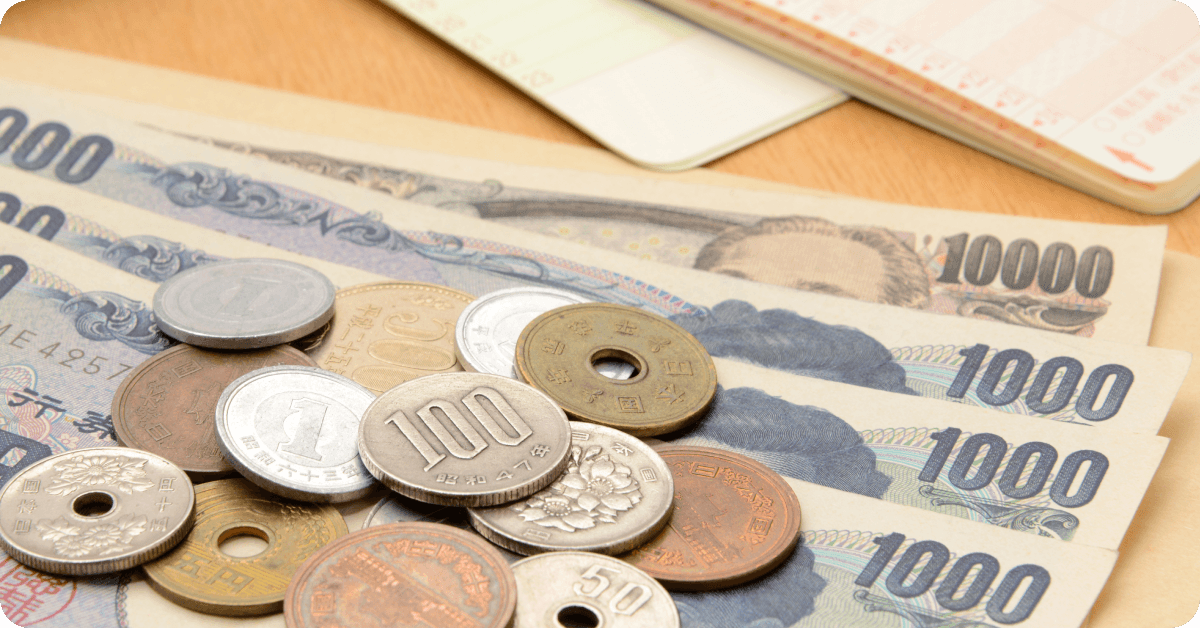
Despite being a tech haven, Japan is surprisingly cash-loving. While big restaurants, hotels, and chain stores happily accept credit cards and IC cards, plenty of smaller establishments such as family-run izakayas, ramen joints, temples, or street food stalls still rely on cash-only transactions.
You can exchange some yen right before your trip or as soon as you arrive in Tokyo (check the conversion rates though to avoid wasting too much of your money). Carrying ¥10,000 (about US$60) or so should last you at least a few days. If you splash your cash too fast, you can find ATMs at 7-Eleven, Lawson, and FamilyMart convenience stores that accept most foreign cards and are available 24/7.
23. Eat at convenience stores, markets, or budget-friendly restaurants
A great thing about Tokyo is that you could eat like a king and still save money. Konbinis like 7-Eleven, FamilyMart, and Lawson are a budget traveler's best friend, offering fresh, tasty meals for as little as ¥500 (about US$3). Onigiri, bento boxes, sandwiches, and even hot fried chicken (the legendary FamiChiki) can fuel an entire day of sightseeing for less than US$10. You can also check local markets like Tsukiji Outer Market or Ameyoko which also serve up affordable street food. For sit-down meals, gyudon chains like Yoshinoya or Sukiya, standing sushi bars, or the ever-reliable kaitenzushi conveyor belt restaurants are great pocket-friendly choices.
24. Take advantage of free or low-cost attractions
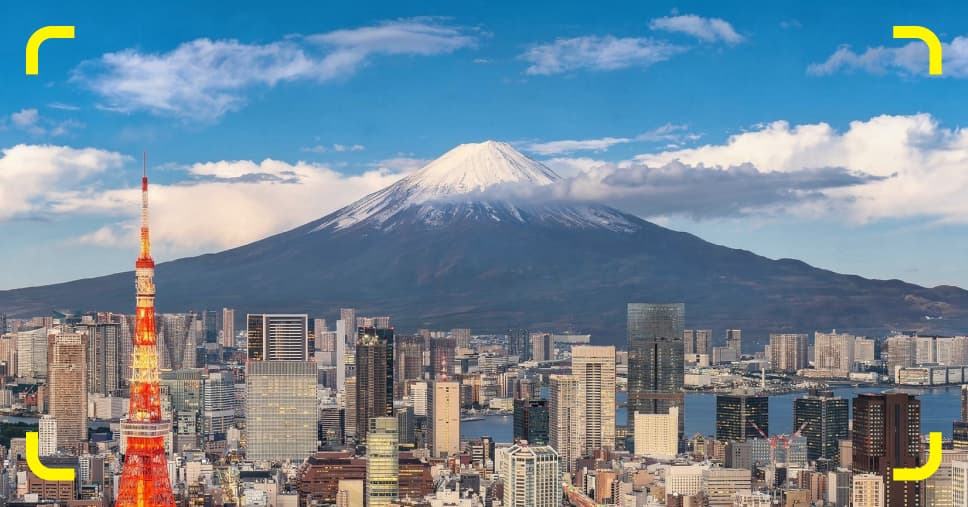
As unbelievable as it may sound, some of Tokyo's most memorable attractions cost nothing at all. For example, for great city and Mount Fuji views, you can skip Tokyo Tower or the famous Tokyo Skytree and head to the Tokyo Metropolitan Government Building's free observation deck (202 meters above the city!). Most parks, like Ueno or Yoyogi, are also free to visit and offer great views, especially during cherry blossom season. Even neighborhoods like Yanaka (old-town), Shimokitazawa (great for vintage thrifting), or the Akihabara electronics district can keep you entertained for hours without worrying how to save money.
25. Choose a budget-friendly connectivity option
Staying connected in Tokyo doesn't have to drain your wallet. While renting a pocket Wi-Fi device is convenient for groups, solo travelers will often find an eSIM to be the cheaper, more flexible option. Providers such as Saily offer Japan-specific plans starting at around US$3 to US$25, with data packages tailored to short stays (including unlimited data options that start from US$18.99). If you are looking into specialized local providers, our Japan Wireless eSIM review evaluates whether its higher starting rates and fixed packages are worth it compared to more flexible options from other eSIM apps. For those planning to stay longer, prepaid physical SIM cards available at the airport can also be cost-effective. Whichever option you choose, set it up before you leave the airport — you'll want navigation and translation apps ready the moment you hit the city streets.
Do’s and don’ts of Tokyo etiquette
Japanese etiquette includes hundreds of different things that locals follow by heart. While Japanese people are willing to forgive you a lot, that doesn’t mean you shouldn’t try to fit into and pay respect to the local culture. Here are the main do and don’ts regarding Tokyo etiquette:
✅ DO | ❌ DON’T |
|---|
Use an open hand to gesture or point at things, menus, or directions. | Point at people or objects with a single finger — it's considered rude and confrontational. |
|---|
Cover your tattoos with clothing or waterproof patches when visiting onsens, sentos, or public pools. | Show off your ink in traditional bathhouses — tattoos are still often associated with the yakuza and can get you turned away. |
|---|
Eat your street food standing right next to the stall where you bought it. | Walk and eat at the same time — it's seen as messy and disrespectful to the vendor. |
|---|
Carry a small hand towel (tenugui) — most public restrooms don't provide paper towels or hand dryers | Expect to find napkins or tissues everywhere — even fancy restaurants often skip them in favor of a single wet oshibori towel. |
|---|
Use both hands when giving or receiving business cards, money, or gifts — it's a sign of respect. | Shove a business card straight into your back pocket — read it carefully first, then store it somewhere respectful. |
|---|
Stand on the left side of the escalator in Tokyo (it flips to the right in Osaka, just to keep you on your toes). | Block the walking lane on the right side — locals use it to power-walk to their next train. |
|---|
Reserve popular restaurants and cafés in advance, especially viral ones in Shibuya or Harajuku. | Just "show up" at trendy spots expecting a table — many require bookings days or even weeks ahead. |
|---|
Bring a small gift (omiyage) if you're invited to someone's home, even something simple from a konbini. | Arrive empty-handed — gift-giving is a deeply rooted part of Japanese culture. |
|---|
Bow slightly when entering and leaving small shops or restaurants — owners almost always greet you with “irasshaimase.” | Ignore the greeting — even a quick nod or smile back is appreciated. |
|---|
Carry your passport with you at all times — it's legally required for foreign visitors. | Leave your passport locked in your hotel safe — police can ask to see it, and some tax-free shops require it for purchases. |
|---|
How Saily can make your first trip to Tokyo smoother
Whether you’re booking tickets for Tokyo Skytree or checking the yen exchange rates, you’re going to need loads of mobile data when in Tokyo. That’s where Saily comes in! With Saily, you can choose from six different eSIM plans for Japan (including an unlimited plan) that will provide you with enough data for navigation, transportation booking, translating, sharing trip moments with your loved ones, and then some. And if you find yourself in need of more gigabytes, don’t worry — just a few taps on your Saily app, and you’re good to browse again!
Saily’s eSIM plans for Japan: