




Most popular foods in Mexico you should try on your next trip
Mexican cuisine is some of the best in the world — and for good reason! From smoky chilies and fragrant herbs to slow-braised meats and handmade tortillas, every dish and ingredient has something going for it. Read on to find out what foods should be on your “must-try” list for Mexico!
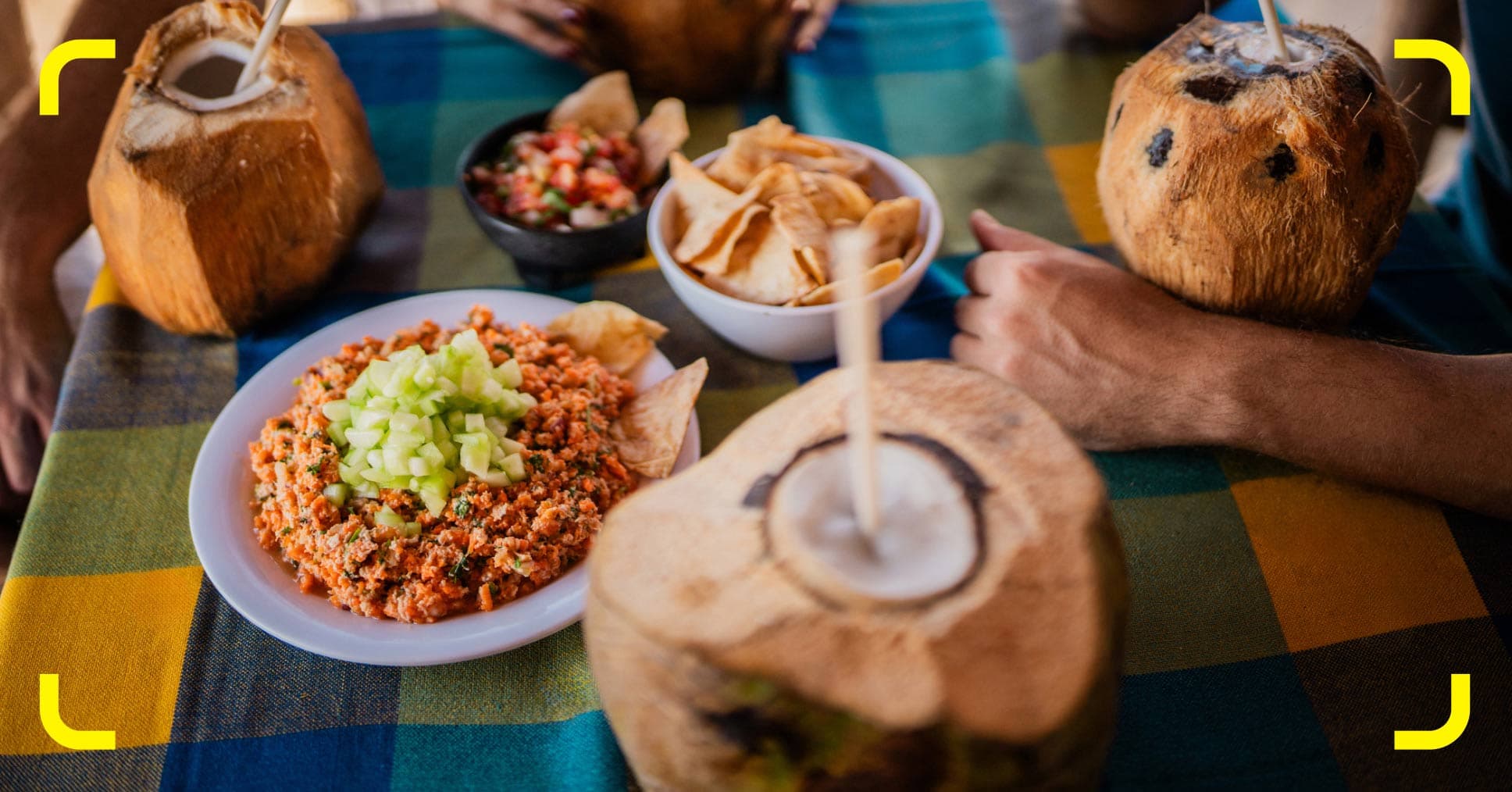
Table of Contents
- What is traditional Mexican food like?
- 30 most popular foods in Mexico
- 1. Tacos
- 2. Tamales
- 3. Enchiladas
- 4. Pozole
- 5. Tostadas
- 6. Chiles en nogada
- 7. Mole poblano
- 8. Quesadillas
- 9. Elote (Mexican street corn)
- 10. Guacamole
- 11. Carnitas
- 12. Barbacoa
- 13. Cochinita pibil
- 14. Sopes
- 15. Gorditas
- 16. Chilaquiles
- 17. Birria
- 18. Menudo
- 19. Tortas
- 20. Fajitas
- 21. Mole negro
- 22. Ceviche
- 23. Pescado a la veracruzana
- 24. Huevos rancheros
- 25. Empanadas
- 26. Tlacoyos
- 27. Esquites
- 28. Pan dulce
- 29. Flan Napolitano
- 30. Agua fresca
- How much does the food cost in Mexico?
- Tips to enjoy Mexican food
- How do you find good food places in Mexico?
What is traditional Mexican food like?
Traditional food in Mexico is mainly a fusion of Mesoamerican cooking traditions and Spanish colonial influence. That combination is so rich and distinctive that UNESCO recognized it as Intangible Cultural Heritage in 2010. The cuisine is defined by big, in-your-face flavors — dried chilies, smoky chipotles, the acid tang of tomatillos, and the bite of fresh green herbs.
Mexican food changes a lot from state to state. Oaxaca is known for complex moles and the Yucatán for achiote-marinated meats, while seafood plays a huge part in Veracruz cuisine.
Then there’s the capital! Food in Mexico City is really a category of its own. The city is a melting pot where every regional tradition comes together. It’s one of the best starting points for any serious food exploration, though the most authentic regional dishes will always taste best where they originate.
30 most popular foods in Mexico
Mexican food is as varied as the country itself, but certain dishes have gone beyond their regional roots to become icons on the national table. The list below highlights the most popular foods in Mexico, including both classic street foods and traditional home-cooked meals.
1. Tacos
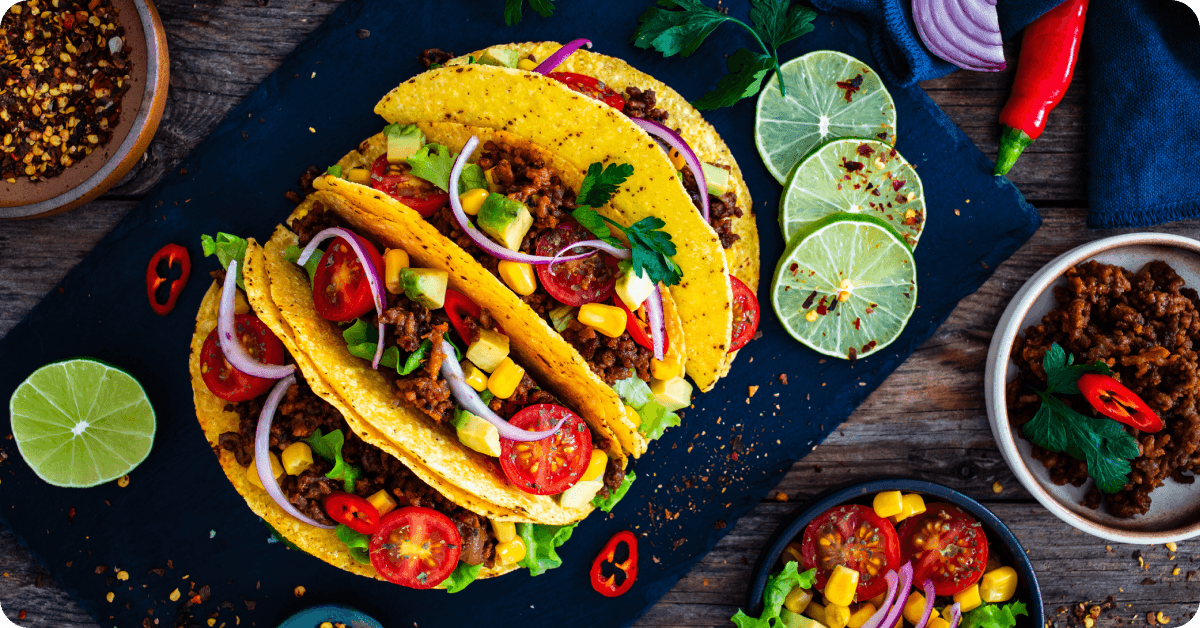
What is the most popular food in Mexico? Almost certainly, the taco. This small corn or flour tortilla is folded around a filling, ranging from grilled beef and braised pork to fried fish, huitlacoche (corn fungus), and everything in between. Tacos are cheap, typically costing 10-20 MXN (under US$1) each from a street stall.
2. Tamales
Traditional tamales are parcels of masa (corn dough) filled with meat, cheese, chilies, or sweet ingredients, then wrapped in corn husks or banana leaves and steamed. As well as being very cheap to buy from street vendors, they are one of the oldest foods in Mesoamerica, with a history stretching back over eight millennia.
3. Enchiladas
Corn tortillas rolled around a filling (usually chicken, beef, or cheese), enchiladas are often smothered in chili sauce, then topped with crema, onion, and cheese. The sauce could be red, green (salsa verde), or mole-based. A plate of enchiladas at a sit-down restaurant costs roughly 80-150 MXN.
4. Pozole
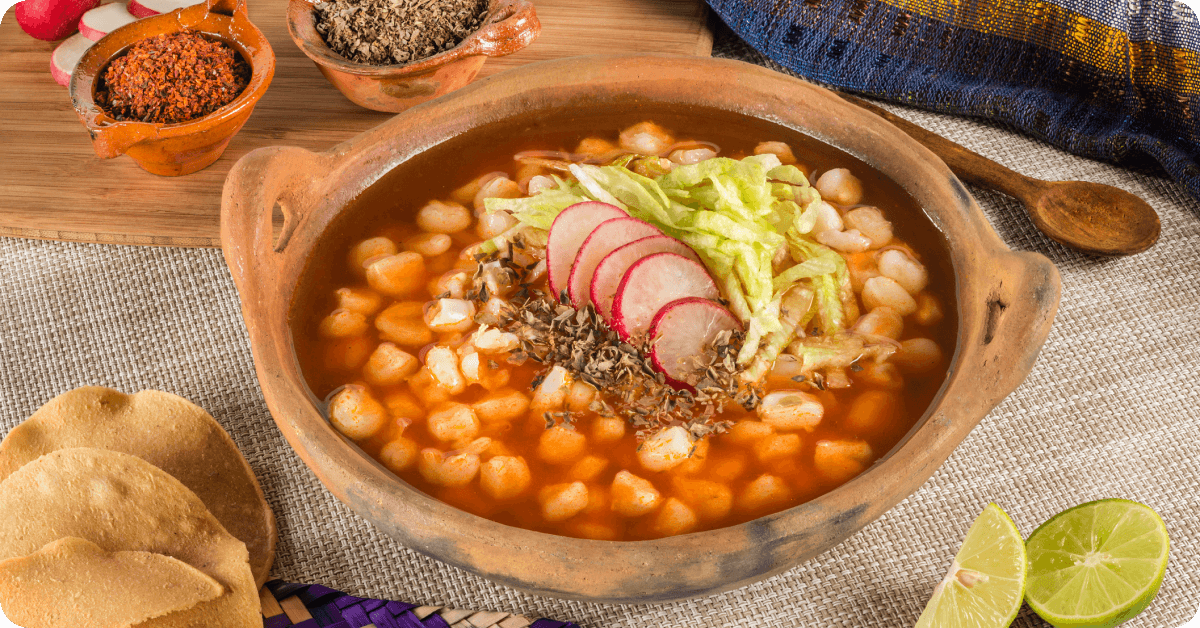
Pozole is a rich, hearty soup made from hominy (dried corn kernels treated with lime), slow-cooked meat (usually pork), and a flavored broth. It is traditionally served on special occasions and national holidays, garnished with shredded cabbage, radishes, oregano, and lime.
5. Tostadas
One of Mexico’s most affordable bites, a tostada is a flat, crisply fried or baked corn tortilla piled high with toppings: refried beans, shredded meat or seafood, lettuce, salsa, crema, and cheese. They are light, crunchy, and extremely popular as both street food and a starter.
6. Chiles en nogada
This iconic (and often slightly more costly) dish consists of a poblano chili stuffed with a savory-sweet picadillo of minced meat, dried fruits, and spices, then draped in a creamy walnut sauce and sprinkled with pomegranate seeds and parsley.
7. Mole poblano
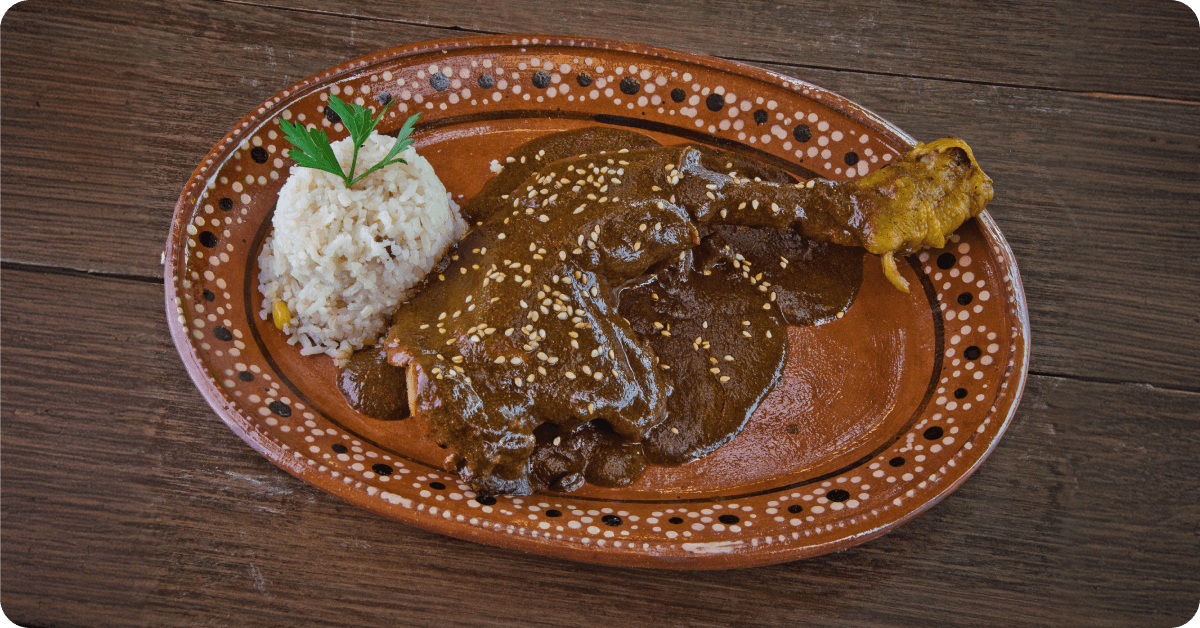
Mole poblano is a sauce — a deep, dark blend of dried chilies, spices, nuts, and chocolate that can contain over 20 ingredients and take days to prepare. It is most commonly served over turkey or chicken, accompanied by rice.
8. Quesadillas
A quesadilla is a folded tortilla filled with melted cheese and, optionally, ingredients like mushrooms, squash blossoms, epazote, or huitlacoche. They’re cheap (20-40 MXN) and available almost everywhere, from street stalls to family restaurants. If you have internet in Mexico, it’s worth doing some research to find the best quesadilla spots in your area — avoid the tourist traps, if possible.
9. Elote (Mexican street corn)
Elote is grilled corn on the cob slathered in mayonnaise, cotija cheese, chili powder, and a squeeze of lime. It’s one of the most iconic and universally loved street foods in the country, sold from carts outside schools, markets, and parks.
10. Guacamole
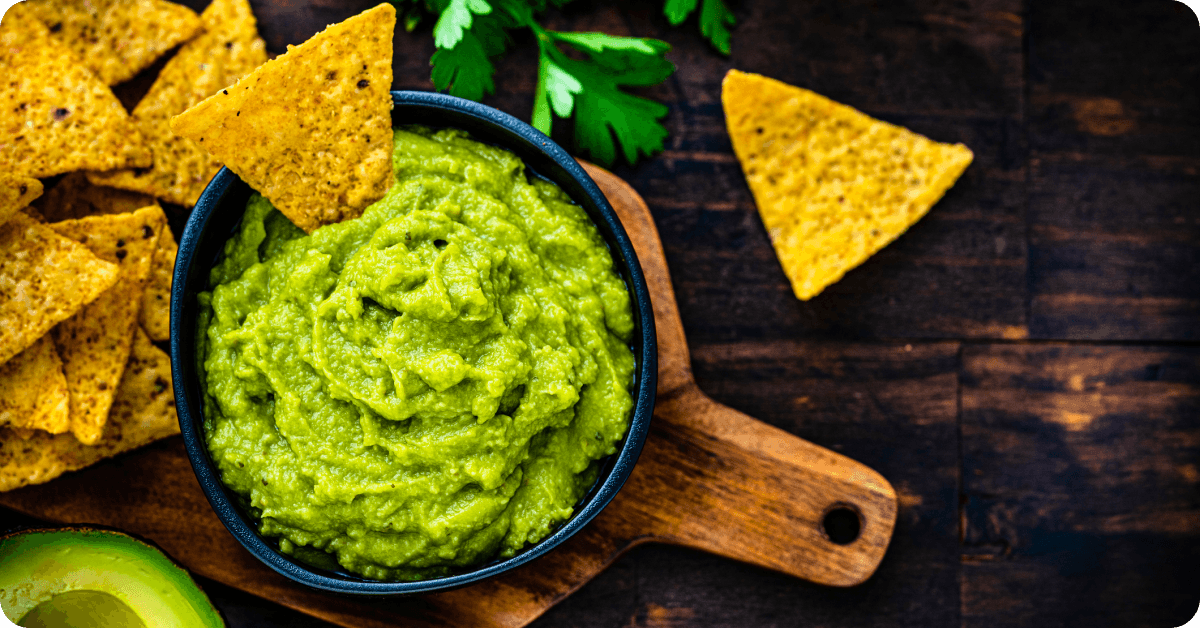
Made from mashed avocado, lime juice, chili, onion, and cilantro, guacamole has pre-Hispanic roots and remains one of Mexico’s most globally recognized exports. In Mexico, it is served fresh as a dip, a taco topping, or a side alongside virtually any main dish.
11. Carnitas
Carnitas — literally “little meats” — is pork that has been slow-cooked in lard until meltingly tender, then slightly crisped. Every part of the pig can be used, and different cuts are sold separately from large copper pots at market stalls and taquerías. It is the signature dish of Michoacán and one of the most popular taco fillings in the country.
12. Barbacoa
Barbacoa is traditionally lamb or goat — though beef is common in the north — slow-cooked overnight in an underground pit lined with maguey leaves. This tender meat is often eaten for Sunday breakfast with tortillas, salsa, and consommé made from the cooking juices.
13. Cochinita pibil
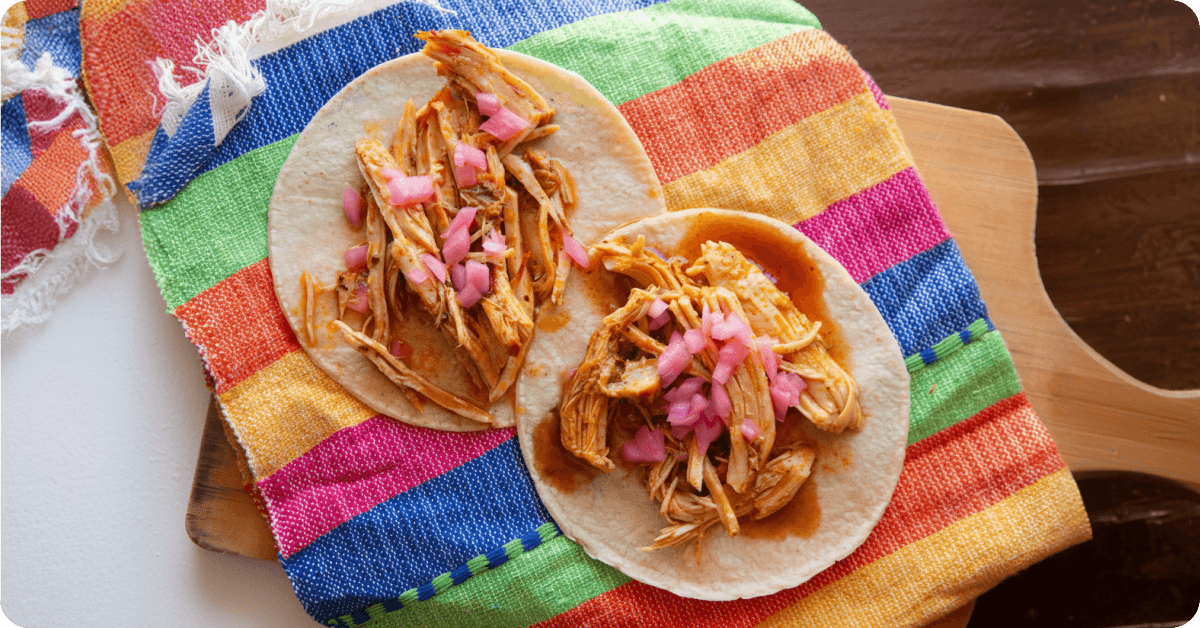
Cochinita pibil is slow-roasted pork marinated in citrus juice and achiote paste, wrapped in banana leaves, and cooked in a pit oven (pib). The result is extraordinarily tender, vibrantly coloured meat served in tacos or on a plate with pickled red onions and habanero salsa.
14. Sopes
Sopes are thick, oval-shaped corn masa bases with pinched edges, topped with refried beans, meat, lettuce, crema, salsa, and cheese. They are heartier than tacos and tostadas, and are a popular lunch or snack at markets and street stalls, but around the same price (you’ll rarely pay more than US$1 for a portion of sopes).
15. Gorditas
Gordita means “little fat one” — it’s a thick, round masa cake that is either fried or baked and then split open and stuffed with fillings like cheese, chicharrón, picadillo, and beans. They are a common street food in northern and central Mexico, portable, filling, and very inexpensive.
16. Chilaquiles
Chilaquiles are stale or lightly fried corn tortilla pieces simmered in red or green salsa until slightly softened, then topped with crema, cheese, onion, and often a fried egg or shredded chicken. This is classic Mexican breakfast fare — and an excellent hangover cure.
17. Birria
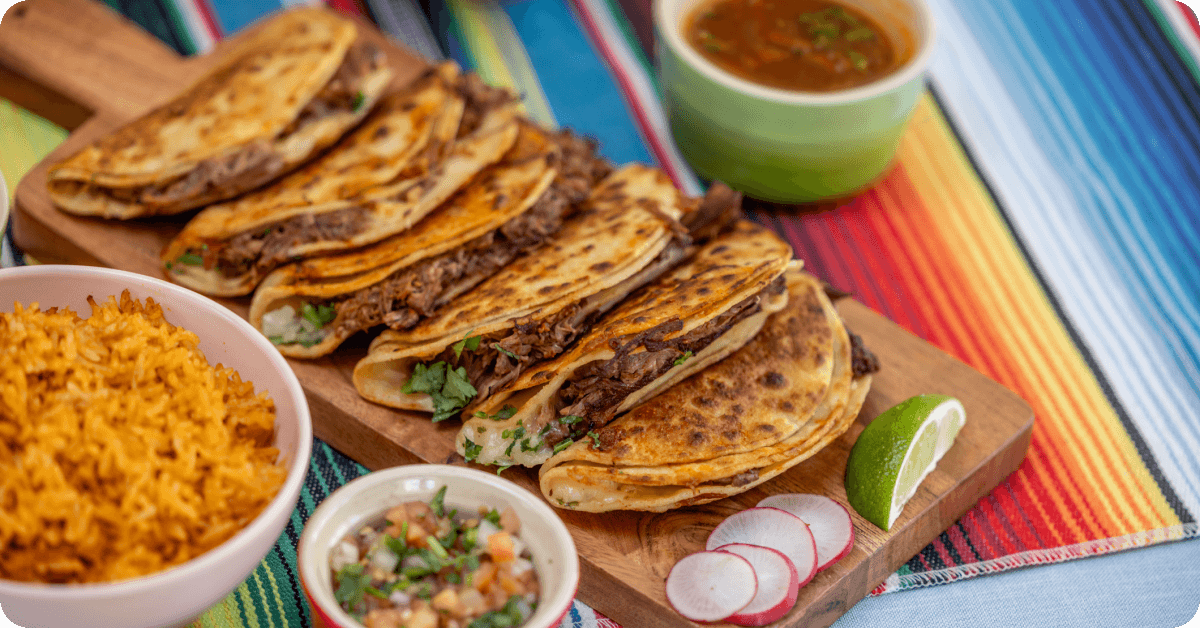
A deeply spiced stew of goat or beef, birria is slow-cooked with dried chilies, garlic, cumin, and cloves until the meat falls apart. The dish originates in Jalisco, but it became a global phenomenon in taco form (birria tacos dipped in consommé) in recent years.
18. Menudo
Menudo is a traditional Mexican soup made with beef tripe and hominy in a red chili broth, slow-cooked for hours. It’s a top-tier comfort food and hangover cure, typically served on weekend mornings at market fondas.
19. Tortas
A torta is a Mexican sandwich served on a telera or bolillo roll, filled with meat (milanesa, carnitas, pastor), avocado, refried beans, jalapeños, and cheese. If you’re in Guadalajara, you can try tortas ahogadas, a regional specialty drowned in chili sauce.
20. Fajitas
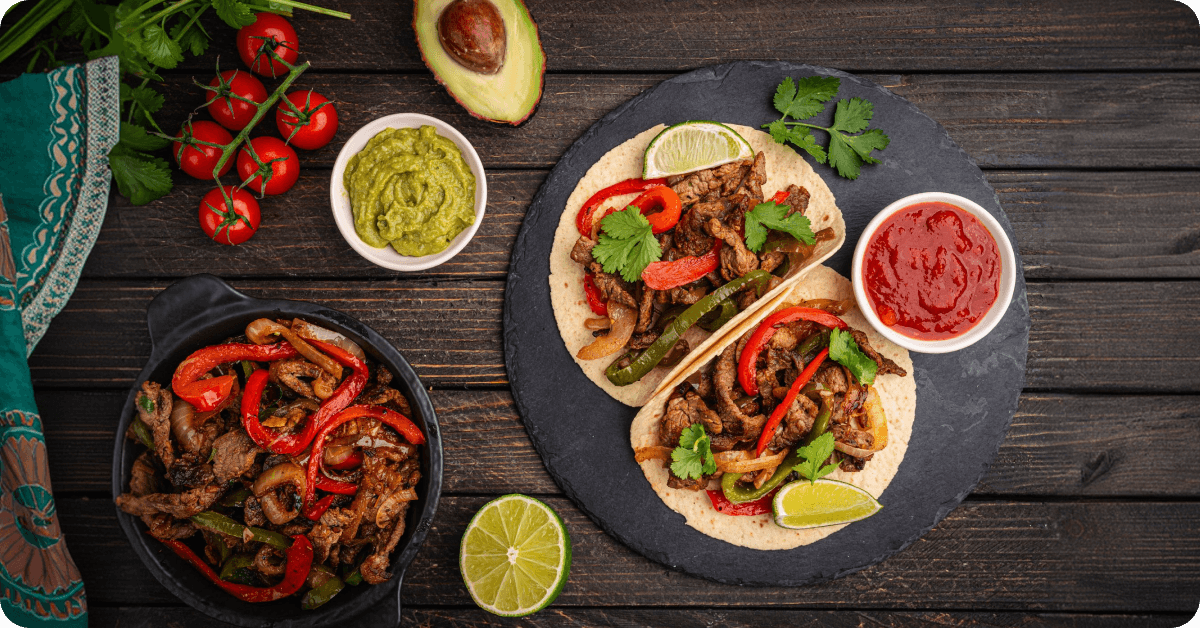
Fajitas consist of grilled strips of meat — most commonly beef skirt steak or chicken — served with sautéed peppers and onions, and accompanied by tortillas, guacamole, salsa, and sour cream. Though popularized internationally via Tex-Mex cuisine, fajitas have roots in northern Mexico’s cattle ranching culture.
21. Mole negro
Mole negro is the darkest and most complex of Oaxaca’s seven famous moles, made with charred chilies (including the smoky chilhuacle negro and mulato), chocolate, spices, and often a charred tortilla for body. It is richer and more intensely flavored than mole poblano, and is served over turkey or chicken at festivals and family gatherings.
22. Ceviche
Mexican ceviche is fresh raw seafood — typically shrimp, fish, or octopus — cured in lime juice and mixed with tomato, onion, cucumber, cilantro, and chili. It is a coastal staple (for obvious reasons), particularly popular in Veracruz, Sinaloa, and Baja California.
23. Pescado a la veracruzana
This classic dish from Veracruz features a whole fish or fillet (usually red snapper) baked or simmered in a sauce of tomatoes, olives, capers, pickled jalapeños, and herbs. If you’re getting the whole fish, watch out for bones!
24. Huevos rancheros
Huevos rancheros — “ranch-style eggs” — are fried eggs served on lightly fried corn tortillas, smothered in a chunky tomato and chili salsa, and accompanied by refried beans, avocado, and queso fresco.
25. Empanadas
Mexican empanadas are very affordable half-moon pastries, usually made from corn or wheat dough, filled with ingredients like potato and cheese, tuna, chicken mole, or sweet pumpkin, then either baked or fried.
26. Tlacoyos
Tlacoyos are thick, football-shaped masa cakes stuffed with beans, cheese, or fava beans, cooked on a comal and topped with nopales (cactus), salsa, crema, and cheese. They are a pre-Hispanic food with a history stretching back to the Aztec era and are especially popular as a street food in Mexico City and central Mexico. A tlacoyo can cost around 20-40 MXN.
27. Esquites
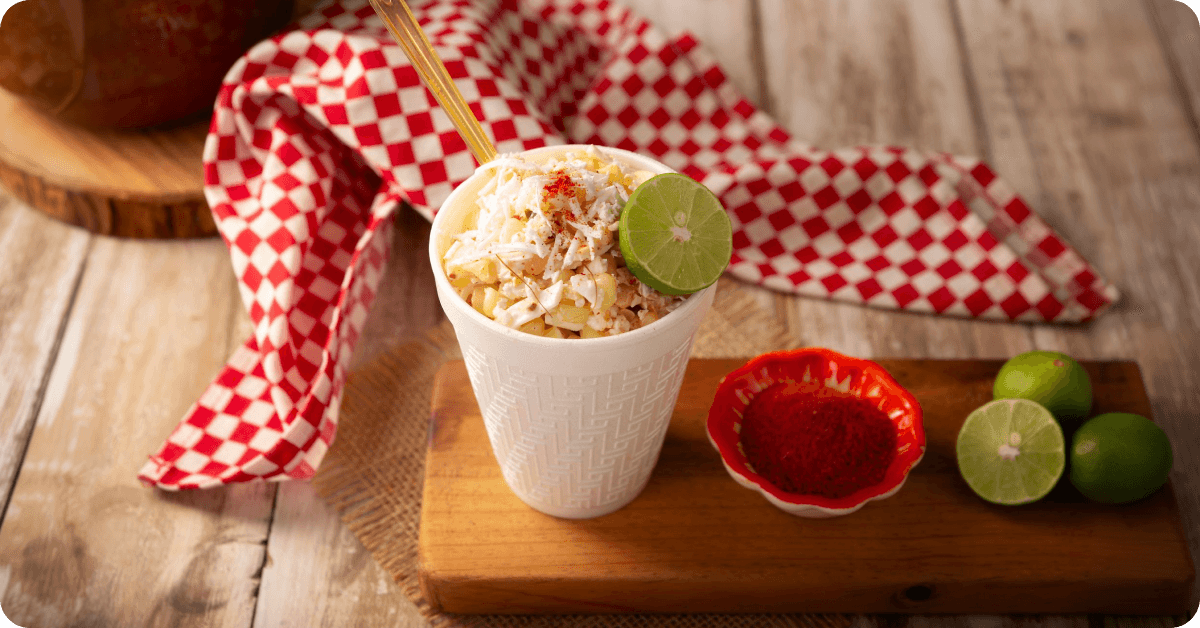
Esquites are the cup version of elote — corn kernels cut from the cob and served in a cup with mayonnaise, lime, chili, cotija cheese, and butter. They are ubiquitous at Mexican fairs, markets, and street corners, eaten with a small spoon and customized to taste.
28. Pan dulce
Pan dulce is a broad category of Mexican sweet breads — colorful, sugar-topped conchas; ring-shaped rosca; flaky cuernos; and dozens of other regional varieties. Sold at panaderías (bakeries) across the country, they are a staple of Mexican breakfast and evening snacks, typically eaten with café de olla or hot chocolate. Individual pieces cost as little as 5-15 MXN.
29. Flan Napolitano
Flan Napolitano is a richer, creamier version of the classic caramel custard, made with cream cheese in addition to eggs and condensed milk, giving it a dense, silky texture. It’s one of the most popular desserts in Mexico.
30. Agua fresca
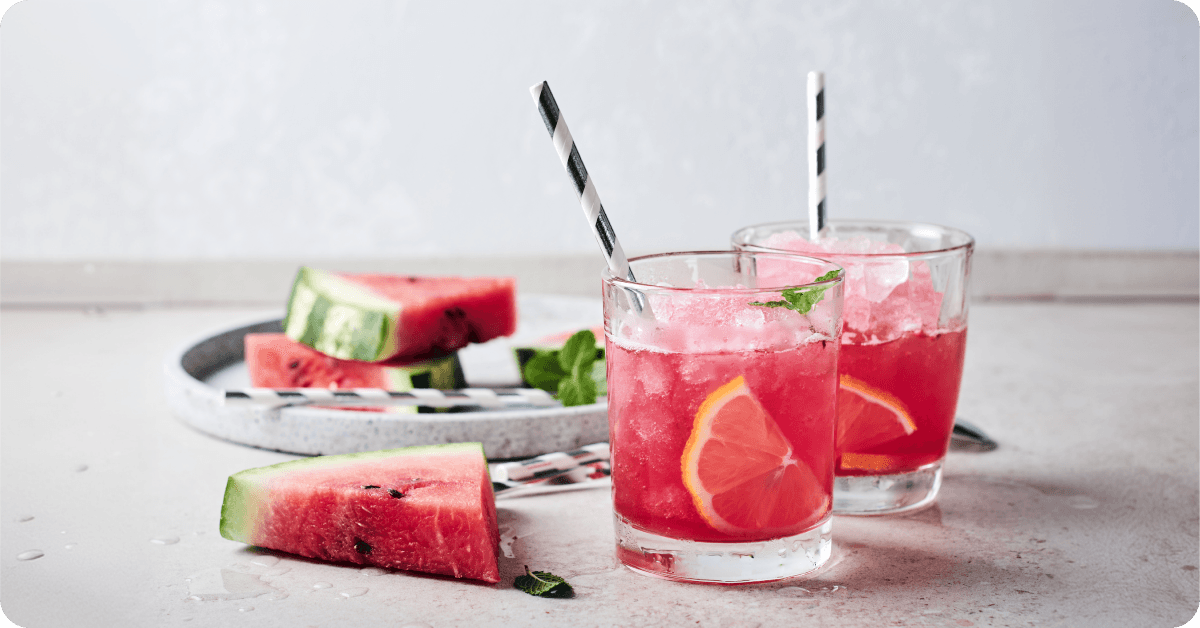
Agua fresca — “fresh water” — is a light, refreshing drink made by blending fruit, flowers, or grains with water and a little sugar. You can find agua fresca with a range of flavors, including jamaica (hibiscus), horchata (rice and cinnamon), tamarind, watermelon, and cucumber-lime. At 15-25 MXN for a glass, this is an essential addition to any meal on a hot day.
How much does the food cost in Mexico?
Whatever your budget, Mexico is a great destination if you’re a foodie. You’ll get amazing value from street food and market fondas, with filled tacos costing as little as 10-20 MXN (under US$0.50). A bowl of soup or a plate of chilaquiles typically runs 70-130 MXN (US$3-6).
You can also eat extremely well at a local fonda for 100-180 MXN (US$5-9) per person, including a drink. Street snacks like elotes, esquites, and pan dulce almost never exceed 35 MXN.
Sit-down restaurants in Mexican cities offer a comida corrida (fixed lunch menu with multiple courses) for roughly 80-150 MXN (US$4-7), which is one of the best deals in the country. Mid-range restaurants charge 150-350 MXN per main dish, while upscale or tourist-facing restaurants — particularly in areas like Polanco in Mexico City, Los Cabos, or tourist zones of Cancún — can charge 400-900 MXN or more per plate.
Tips to enjoy Mexican food
Mexico’s food is one of the great joys of traveling in the country, but a little know-how goes a long way. Here are some practical tips to help you eat safely, confidently, and well.
Be cautious with raw produce and water. To play it safe, it’s best to be wary of raw salads, unpeeled fruit from street stalls, and tap water. Food poisoning and other health risks shouldn’t be underestimated, though this isn’t as much of an issue in restaurants.
Use Google Maps to find authentic spots. Search for “fonda,” “taquería,” or “mercado” near your location rather than “Mexican restaurant,” and don’t be afraid to go for places with slightly lower reviews — tourist hotspots often have high ratings (four stars and above), but businesses in the three-star range are often more authentic and relaxed. It’s best to get a SIM card or a Saily eSIM for Mexico before traveling, so you can research on the go.
Go to markets. Virtually every Mexican city and town has a central market with food stalls (fondas) serving home-style cooking at very low prices. Mercado de la Merced and Mercado de Jamaica in Mexico City, Mercado Benito Juárez in Oaxaca, and Mercado Lucas de Gálvez in Mérida are among the best in the country.
Consider a food tour. In major cities, a guided food tour is one of the best things to do in Mexico — you can learn about history and culture while also tasting delicious snacks along the way! Tours typically cost 800-1,500 MXN per person and are available in Mexico City, Oaxaca, Guadalajara, and other cities.
Eat lunch as the main meal. Mexicans typically eat their largest meal between 2 PM and 4 PM. Restaurants offer their best value at lunch (comida corrida), and many fondas and family restaurants close by early evening or switch to a limited dinner menu.
How do you find good food places in Mexico?
The best food in Mexico is rarely on the main tourist drag — it’s in covered markets, down side streets, and at the fonda with plastic chairs and a handwritten specials board. The smart move is to look at maps and reviews to find authentic, off-the-trail spots. Having a reliable internet connection is essential.
One of the easiest ways to get online in Mexico is with an eSIM app, which will connect you to regional mobile networks. You could also get online with a prepaid SIM card, but this isn’t always the easiest (or cheapest) option. In a direct eSIM vs. physical SIM card comparison, eSIMs are also easier to buy and set up, since you can do it all digitally.
Using a Saily eSIM for Mexico gives you fast, affordable data from the moment you land — no physical SIM, no costly roaming plan, just seamless connection so you never miss a great local bite.
Need data in USA? Get an eSIM!
1 GB
7 days
US$4.993 GB
30 days
US$9.995 GB
30 days
US$14.99
FAQ
A typical Mexican breakfast is hearty and flavorful — things like chilaquiles, huevos rancheros, tamales, or fresh pan dulce alongside café de olla or atole. It’s one of the most important meals of the day and varies widely by region.
Tacos are the undisputed king, but elotes, tlacoyos, tamales, and esquites are all strong contenders. The best street food is wherever the locals are lining up.
Eating in Mexico is generally safe as long as you choose busy, high-turnover stalls, avoid raw produce you haven’t peeled yourself, and stick to bottled or filtered water. Street food eaten where locals eat is rarely a problem. Is Mexico safe to visit, beyond just the food? Popular tourist areas like Cancun and Mexico City are relatively safe, but you should check government travel advice to make sure.
Plain rice, beans, grilled chicken, and non-spiced tortillas are typically well tolerated. It’s best to avoid heavily spiced dishes, mole, citrus-heavy ceviches, and anything fried or loaded with chili.
Raw salads and unpeeled fruit from street stalls carry the most risk for travelers with sensitive stomachs, as does ice in drinks, which may be made from tap water. When in doubt, stick to cooked, freshly prepared food from busy stalls.
Christmas in Mexico centers on tamales, ponche (a warm spiced fruit punch), bacalao (salt cod stew), and romeritos — a dish of dried shrimp patties in mole served with potatoes. Families typically gather on the night of December 24 for a late feast called the Cena de Nochebuena.

Always connected, always on course
Connect instantly with a Saily eSIM and enjoy effortless internet access.