







How many days do you need in Rome? A complete 3- to 5-day itinerary guide
An eternity in Rome, the so-called Eternal City, might sound perfect, but unfortunately, vacation days are limited. Good news, though — 3 to 5 days in Rome are usually enough to see most major attractions without rushing. We've created a practical itinerary for 5 days in the Italian capital that can be shortened if you need it. We’ve highlighted the must-sees, which should help you craft a Roman holiday that matches your travel style.
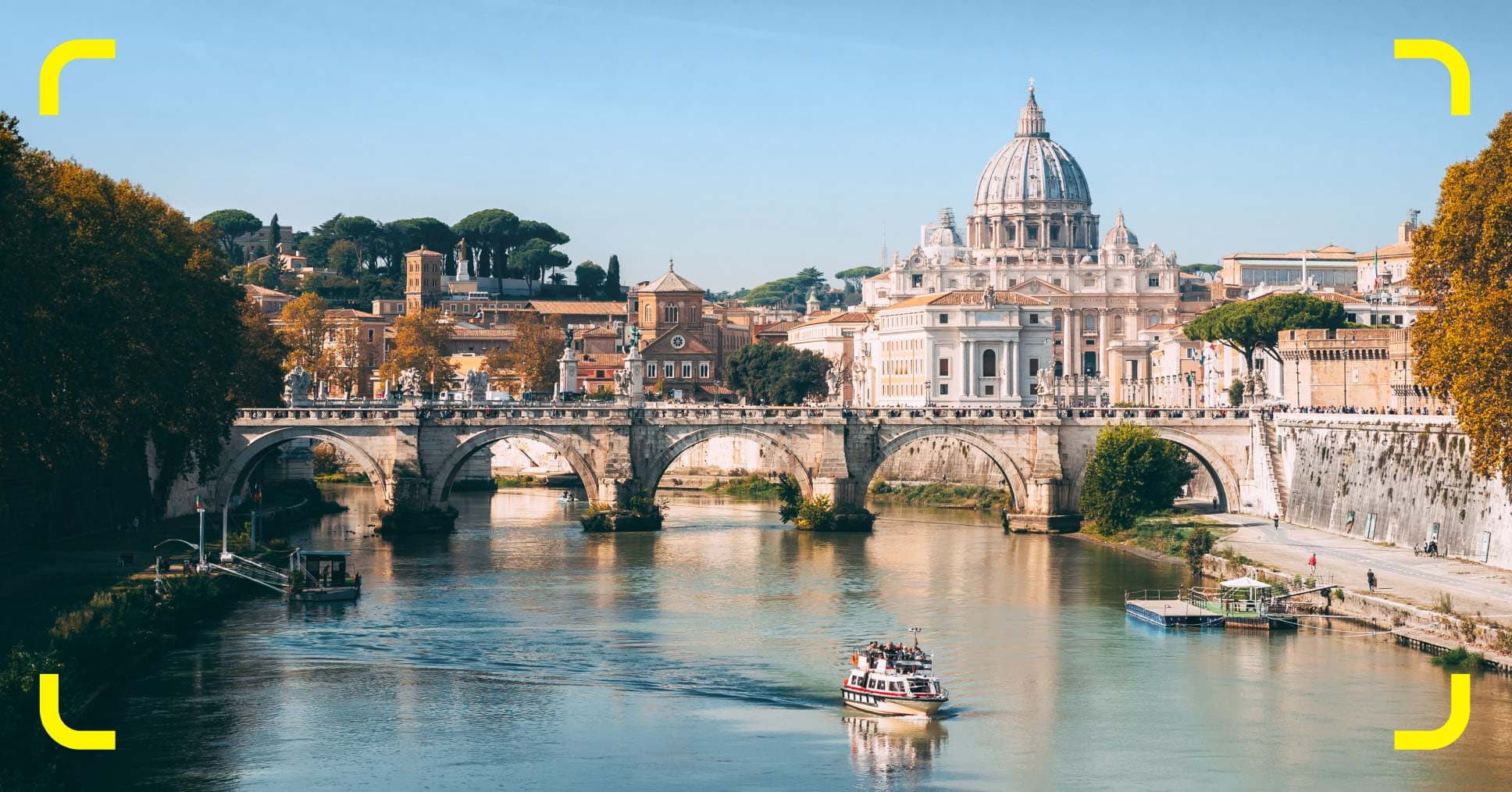
Table of Contents
- How many days in Rome are enough?
- An itinerary for a short, perfect trip to Rome
- Day 1: Arrival and gentle exploration
- Day 2: Ancient Rome's greatest hits
- Day 3: Masterpieces at the Vatican
- Day 4: Trevi Fountain, Spanish Steps, and Castel Sant'Angelo
- Day 5: Exploration at Trastevere
- How many days should you spend in Rome with kids?
- Tips to make your trip to Rome even better
- How Saily will improve your travel experience in Rome
How many days in Rome are enough?
Could anyone ever have enough time in Rome? Most visitors dream of endless days wandering the ancient streets, but flights home have to be booked at some point. Unless you're thinking about moving to Italy permanently, you'll need to make some practical decisions about your time in the Italian capital. Once you’ve decided when to visit — spring is probably the best time to visit Italy, followed by autumn — you’ll need to decide how long you’re going to stay.
If your plan is to see major attractions like the Colosseum, Vatican City, and the Trevi Fountain, 3 days in Rome is usually enough. But 4 to 5 days are ideal if you don't want to rush and would prefer to enjoy Amatriciana pasta without constantly checking the time.
Your ideal duration really depends on your travel style. History buffs might need extra time to fully appreciate Rome's ancient sites, while foodies could spend days just sampling different pasta dishes, pizzas, and gelato flavors across various neighborhoods. Families traveling with children might prefer the more relaxed pace of a longer stay, while spontaneous travelers will appreciate having flexibility to linger at places they love.
If you're planning a grand tour of Italy with Florence, Venice, and the Amalfi Coast already on your itinerary, you might need a shorter, more focused visit to Rome. Many travelers successfully check all of Rome's main attractions in just 2 to 3 days when it's part of a broader Italian journey.
An itinerary for a short, perfect trip to Rome
We've put together a five-day Rome itinerary that tackles the must-see attractions first, then saves the more relaxed, local experiences for your final days. This way, you'll see the most important sights early (in case your plans change) and still have time to discover the Rome that locals love.
Day 1: Arrival and gentle exploration
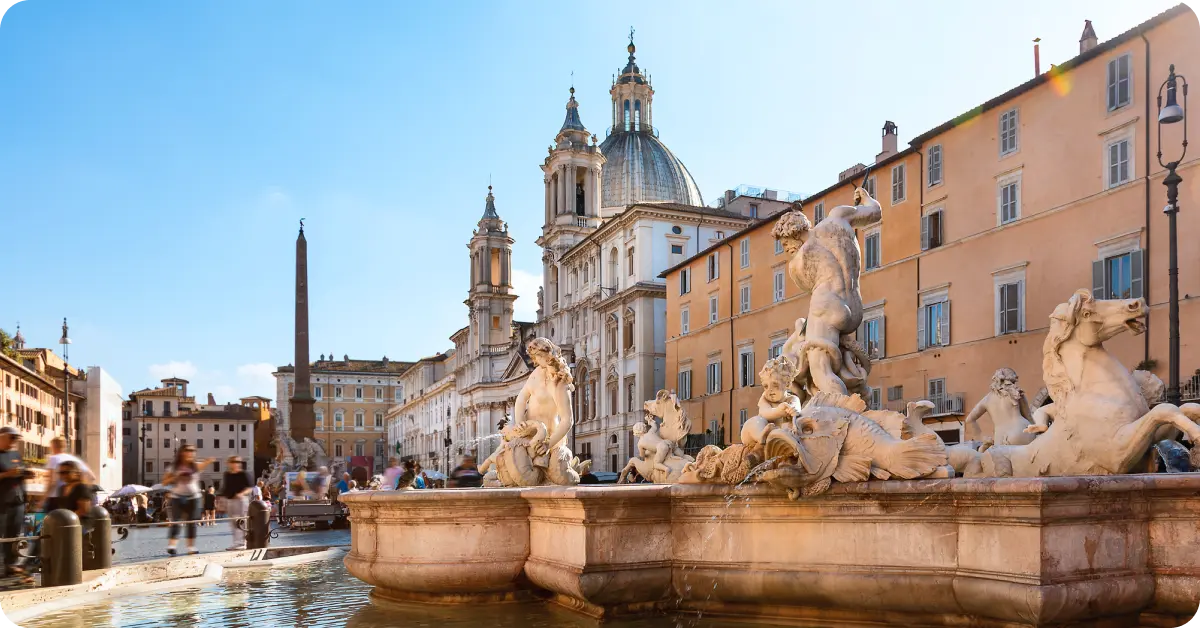
Your first day should be all about getting familiar with Rome and easing into your Roman holiday. After arriving and checking in to your accommodation, take a leisurely stroll through the historic center to get your bearings. It’s also a good day to pick up a Roma Pass if you plan to use public transport frequently. It includes metro and bus access plus entry to several attractions.
Start with a walk to Piazza Navona, one of Rome's most beautiful squares. Don’t rush — take your time to enjoy the stunning fountains, street musicians, and seeing people living their day-to-day lives. When you get to the square, , observe the piazza's grand centerpiece — Bernini's Fontana dei Quattro Fiumi (Fountain of the Four Rivers), featuring a towering Egyptian obelisk and muscular figures representing the Nile, Ganges, Danube, and Rio de la Plata rivers.
According to legend, the Nile figure shields his eyes to avoid looking at the Chiesa di Sant'Agnese in Agone across the square, supposedly because Bernini couldn't stand his rival Borromini's design. But the truth is a little more mundane — Bernini finished his fountain two years before Borromini even started the church facade, and the gesture showed that the Nile's source was unknown at the time.
From there, it's just a few minutes’ walk to the Pantheon — one of Rome’s most iconic sights. It’s well worth stepping inside. Lines can get long, but they usually move quickly, and the visit itself won’t take too much time. Once inside, look up at the massive oculus — that's the opening at the top of the dome that still lets in rain and light just as it did for ancient Romans. And don't forget to pay respects to Renaissance master Raphael, whose tomb is on the back left side next to his fiancée Maria Bibbiena.
After soaking in all that history, head just around the corner to Sant'Eustachio Il Caffè on Piazza Sant'Eustachio for what many consider the best espresso in Rome. This place has been roasting coffee since 1938, and there's usually a small queue of locals, which is always a good sign.
Full of freshly gained caffeinated energy, wander over to Campo de' Fiori, a lively square that transforms throughout the day. If you're visiting in the early afternoon, you'll find the market in full swing with vendors selling everything from seasonal vegetables to fresh Sicilian produce like sweet oranges and ripe tomatoes. It's a perfect spot to pick up some local cheese, cured meats, or artisanal olive oil for a picnic later in your trip. As evening approaches, the market vendors pack up, and the square fills with the buzz of cafes and outdoor dining.
End your first day with a walk to Piazza Venezia to see the impressive Altare della Patria beautifully lit up against the night sky. Also known as the Vittoriano, this colossal white marble monument was built between 1885 and 1935 to honor Victor Emmanuel II, the first king of unified Italy. The locals sometimes call it the "wedding cake" or "giant typewriter" because of its distinctive layered appearance, but in fact, the monument symbolically links Ancient Rome with modern Italy. Seeing it at night, when the white marble glows under the lighting, is a breathtaking and memorable way to conclude your first day in Rome.
Day 2: Ancient Rome's greatest hits
Your second day is perfect for stepping into Roman history. Begin your morning with breakfast and a good coffee to fuel up. Italians never drink cappuccino after 11 a.m. — it's considered a breakfast-only drink — so it’s a good idea to pair it with some pane, burro e marmellata (bread, butter, and jam) in the morning.
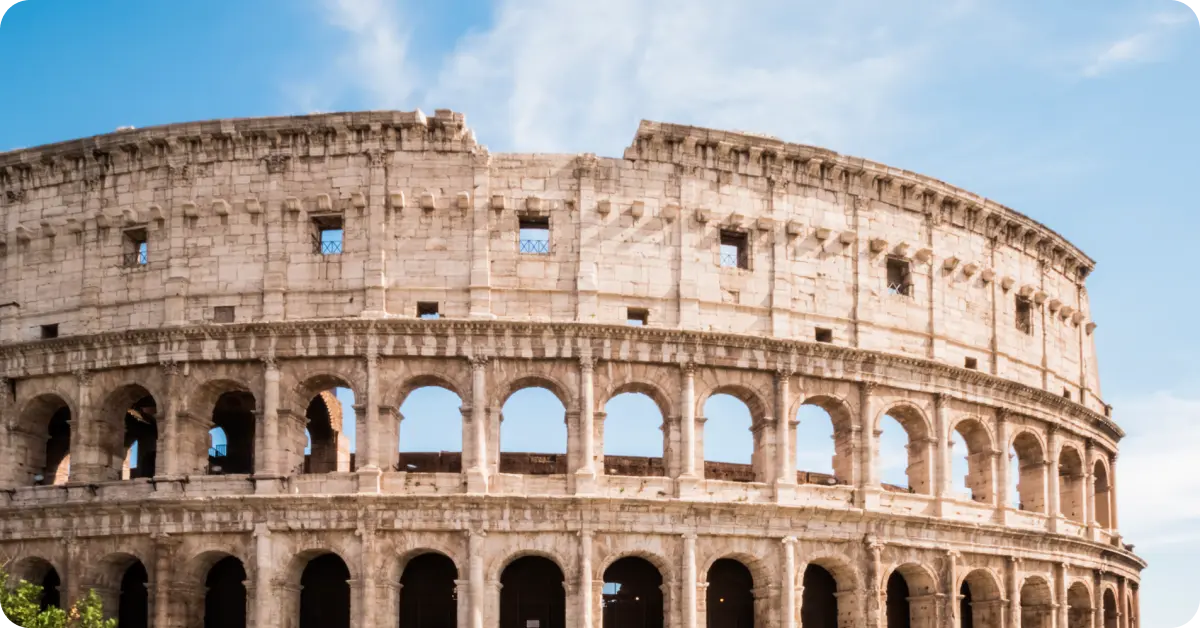
Start your historical adventures early at the Colosseum, ideally before 9 AM when the crowds are manageable and the Roman sun isn't too hot. It’s a good idea to book your tickets online in advance to skip the lines. Also, wear comfortable shoes and bring water — there’s limited shade, and the whole tour might take you 2 or 3 hours.
You can get a guided tour or timed-entry ticket that includes access to either the arena floor or underground chambers (the hypogeum). The underground area was the stadium's backstage where gladiators and wild animals waited before their big moment. There was even a sophisticated network of 80 winch-operated lifts to hoist people, animals, and scenery up to the arena floor. Gladiators entered from the nearby Ludus Magnus gladiator school via an underground tunnel, while emperors had their own private passage to avoid the crowds. Don't skip the Arch of Constantine right next door! Take a few minutes to admire those detailed reliefs that have survived nearly 1,700 years.
When you feel like you’ve seen everything at the Colosseum, take a walk uphill to Palatine Hill to explore the ruins of Roman palaces, including the legendary Hut of Romulus and Emperor Augustus' residence at Domus Augustana. The panoramic views of both the Forum and Circus Maximus from up here are absolutely worth the climb, and it's a good spot to catch your breath before diving into more ruins.
Finish your day by taking a stroll to Largo di Torre Argentina. This square is home to the Area Sacra, a cluster of four Republican-era temples and the remains of the Curia of Pompey — the spot where Julius Caesar was famously assassinated in 44 BCE. Thanks to a recent renovation, the site is now fully accessible to the public with new walkways and a small museum. But what really brings the place to life? A colony of resident cats lounging among the stones, cared for by a local sanctuary. It's a charming contrast — a historic crime scene turned feline haven.
Day 3: Masterpieces at the Vatican
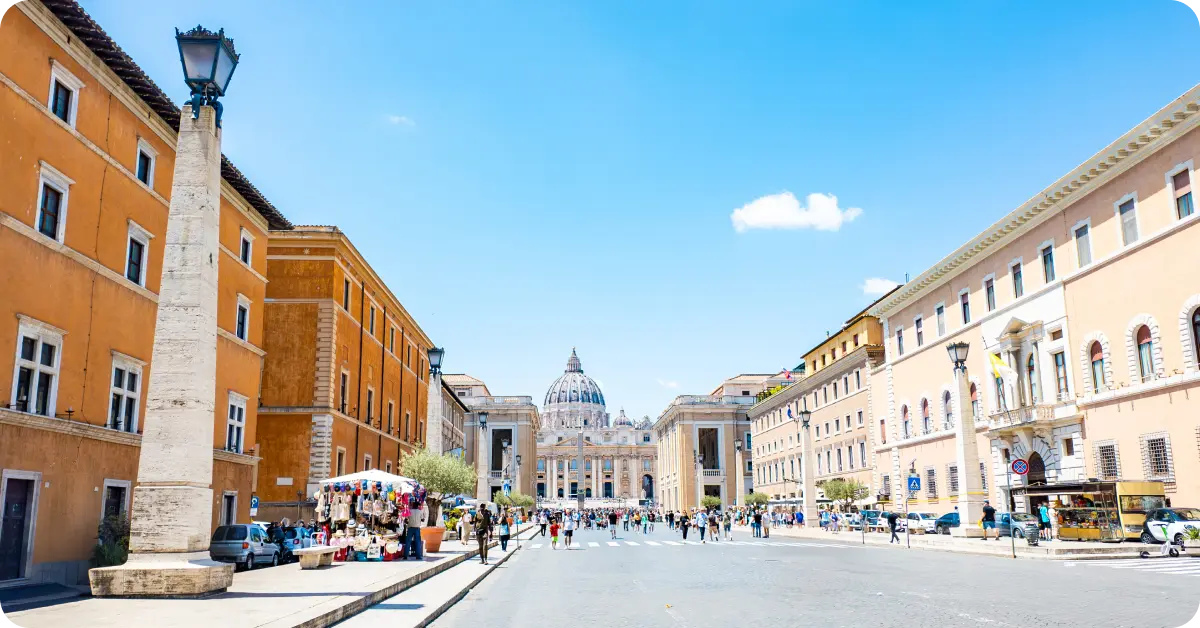
Dedicate a full day to the Vatican — trust us, you’ll need it. Between the art, architecture, and sheer scale of it all, there’s no way to rush it. After all, you’re entering another country when you’re going there!
All jokes aside, the Vatican Museums are open Monday through Saturday, and here’s the first major tip for you — book the tickets online well in advance, because prime time slots can sell out weeks ahead.
Aim for the 8 a.m. entry if you can — it’s the best way to beat the crowds and check the art pieces at your own pace. By midday, the galleries are packed shoulder to shoulder, so an early start really makes a difference. You’ll walk through endless halls of masterpieces, from ancient sculptures to Renaissance frescoes, all leading to the grand finale — Michelangelo’s Sistine Chapel ceiling. Give yourself at least 3 to 4 hours at the museum or more if you're an art lover who likes to linger.
Once you've had your fill of art, take a break and grab lunch nearby, then head over to St. Peter’s Basilica. Unlike the museums, entry is free, though the queue can be long depending on the time of day. The basilica itself is massive and awe-inspiring, and if you’re up for a climb, the dome offers one of the best panoramic views in Rome. Fair warning — it's 551 steps total, and the final stretch gets narrow and claustrophobic. You can take an elevator for the first 231 steps (€10 vs. €8 for the full climb), but you'll still have 320 steps remaining.
Wrap up your day in Borgo, the Vatican’s neighbor and your new dinner spot. This area’s restaurant scene has quietly leveled up in recent years. Go for elevated Italian at Arlù or casual bites at Mordi, or grab a table at Da Romolo Alla Mole Adriana, where locals, Vatican staff, and travelers all dig into classic Roman dishes.
Day 4: Trevi Fountain, Spanish Steps, and Castel Sant'Angelo
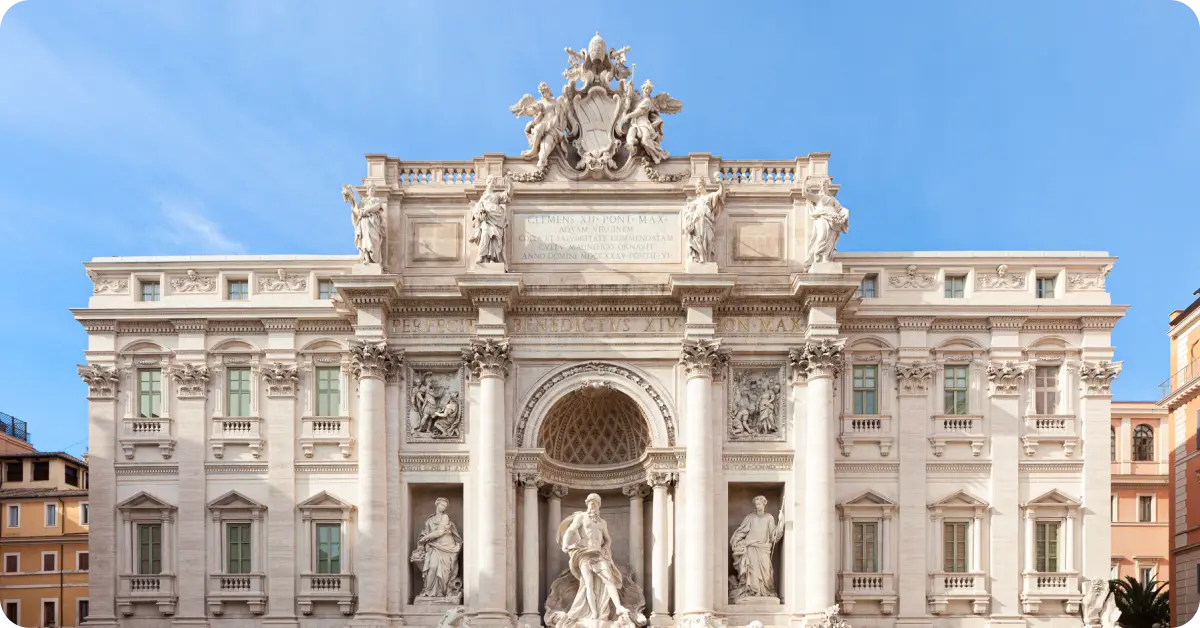
Start your morning at the Trevi Fountain before tour groups arrive and the coin-tossing crowds gather. You might recognize this spot from Federico Fellini's iconic 1960 film La Dolce Vita, where Swedish actress Anita Ekberg famously waded into the fountain at dawn, calling out to Marcello Mastroianni. It's one of cinema's most memorable scenes, though we'd suggest admiring from the edges rather than taking the full plunge like she did.
Now it’s time to grab some gelato — locals recommend Gelateria Cecere Antonietta which is near the fountain. Established in 1980 by Antonietta Cecere, the gelateria has been serving traditional Italian gelato recipes passed down through generations. From there, it's a short walk to the Spanish Steps, Just remember: since 2019, sitting on the famous steps is actually banned (with fines up to €250). Instead, admire the 136 steps leading up to the Trinità dei Monti church from the bottom.
In the afternoon, make your way to Castel Sant'Angelo, the imposing cylindrical fortress rising from the banks of the Tiber. Originally built as Emperor Hadrian’s mausoleum in 139 AD, it’s taken on many identities over the centuries — from imperial tomb to papal stronghold, even serving as a prison and emergency refuge for popes during times of siege. The spiral ramp inside follows the original Roman design, and the upper terrace offers some of Rome's most spectacular panoramic views.
If you still have energy, end your day with a peaceful stroll through Villa Borghese, Rome's most beloved park. After hours of historic sightseeing, this green oasis offers the perfect change of pace. You can rent a rowboat on the small lake, catch the sunset from the Pincian Terrace with its sweeping city views, or simply wander among the tree-lined paths and elegant fountains. Sometimes the best part of experiencing Rome is slowing down and savoring these quieter moments.
Day 5: Exploration at Trastevere
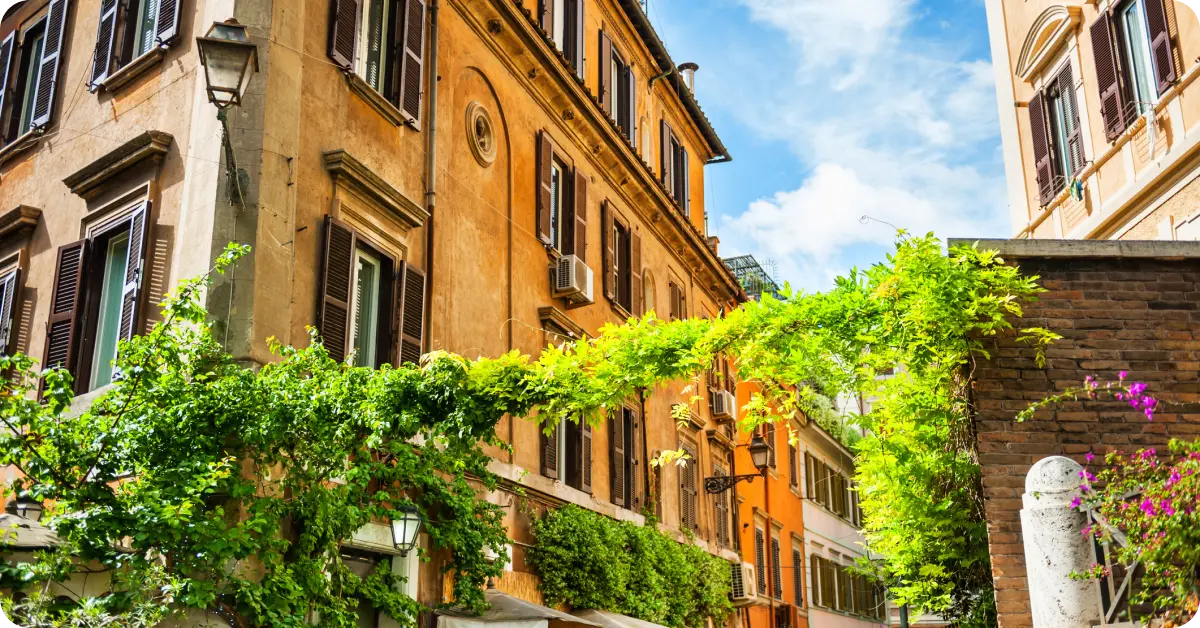
Spend your last day experiencing Rome like a local. Start your morning in Trastevere, one of the city's most authentic neighborhoods, where ivy-covered medieval buildings and narrow cobblestone streets create the perfect Roman atmosphere. Begin at Piazza di Santa Maria in Trastevere, the beating heart of the area, then step inside the Basilica of Santa Maria — one of Rome's oldest churches with stunning 12th-century mosaics that most tourists never see.
If it's a weekday morning, walk south to Piazza di San Cosimato where you'll find the neighborhood's fresh food market. This isn't a tourist attraction — it's where Romans actually shop for their daily groceries, from seasonal vegetables to local cheeses and fresh bread. It's a perfect glimpse into real Roman life, and you might pick up some treats.
For a real taste of Trastevere, grab lunch at Hostaria da Corrado on Vicolo della Pelliccia. This trattoria has been serving locals since 1971, when Corrado Conti first opened its doors, and it’s still run by his family today. The menu follows the traditional Roman weekly rhythm that used to be a feature of almost all restaurants in the city — gnocchi on Thursdays, baccalà (salt cod) on Fridays, tripe (a dish made from the edible lining of the stomachs of ruminants, primarily cows) on Saturdays. Amongst the Roman highlights are coda alla vaccinara (oxtail in tomato sauce) and a pitch-perfect tiramisu. Prices are low, portions are generous, and the atmosphere is refreshingly local, a rare remnant from Trastevere’s working-class days. So don’t expect polished service or English-speaking staff — and that’s exactly the charm.
In the afternoon, venture to Testaccio. This area was once ancient Rome's important river port, and today it remains the city's favorite culinary destination. Whether you're grabbing supplì (Rome's famous fried rice balls) from a local spot or sitting down for perfect cacio e pepe or carbonara, Testaccio is where Roman food culture thrives — simple, honest, and unforgettable.
And since this is the time to end your Roman adventure, you should celebrate it with an aperitivo at a rooftop bar as the sun sets over the city's terracotta rooftops and church domes. Salute a Roma!
How many days should you spend in Rome with kids?
If you’re traveling to Rome with children, your trip will be a completely different adventure. In this case, we recommend spending at least 4 to 5 days in the city to maintain a family-friendly pace without meltdowns or exhaustion.
Children typically enjoy Rome's incredible history and hearing stories about gladiators, but they also need regular breaks, earlier dinners, and activities specifically designed for them. The key to a successful family trip to Rome is balancing iconic sites with kid-focused experiences and plenty of breaks.
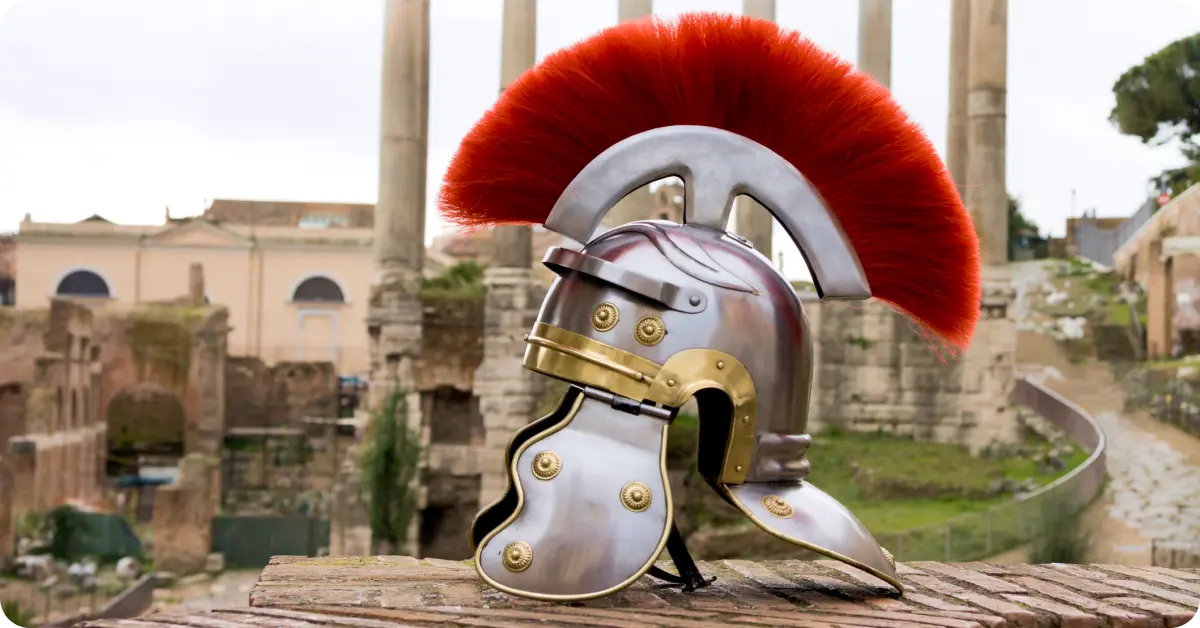
Rome offers plenty of activities that entertain members of all generations. Pizza-making classes are always popular — various companies offer hands-on workshops where everyone gets messy with flour and learns to make authentic Italian pizza and gelato. For history-loving kids, the Gladiator School of Rome on the ancient Via Appia runs 2-hour family-friendly classes that bring ancient Roman combat to life, complete with wooden swords and gladiator training.
However, remember that a successful family trip often means seeing fewer sites but experiencing them more meaningfully. Your kids might not remember every church or fountain, but they'll definitely remember the excitement of tossing coins in the Trevi Fountain or sharing gelato while watching street performers in Piazza Navona.
Tips to make your trip to Rome even better
Your Roman adventure will be infinitely more enjoyable with a bit of strategic planning. Here are the essentials that'll make your trip smoother:
Book skip-the-line tickets in advance. We’ve mentioned this before, but it’s worth repeating — the infamous lines at the Colosseum and Vatican Museums are no joke. A three-hour wait under the blazing sun can completely ruin your day and could be easily avoided by booking online beforehand.
Master the public transport system. The historic center is perfect for wandering on foot, but when your legs start aching, public transit comes to the rescue. The Roma Pass provides excellent value for transit benefits alone.
Eat like a Roman. Avoid places with picture menus or aggressive tourist solicitation. Look for restaurants filled with animated locals instead. Romans eat lunch around 1:00 to 3:00 p.m. and don't even think about dinner until after 8:00 p.m. Stay wary of central Rome, which is generally very touristy with higher prices and lower quality.
Learn about the coperto. In Italy, restaurants often add a small cover charge (usually €1–5) per person for bread, tableware, and linens. You’ll see it in trattorias, pizzerias, and restaurants — basically anywhere you sit for a meal — but not when grabbing a quick espresso or aperitivo at a café.
Skip the big tips. Tipping isn’t common in Italy. Rounding up the bill or leaving €1–2 is enough, except in luxury spots. Locals prefer the coperto system — it’s simple, fair, and saves everyone the awkward guessing game of tipping culture abroad.
Respect the riposo. Many shops close mid-afternoon for Italy's version of siesta. Use those hours for museum visits, coffee breaks, or rest at your accommodation instead of fighting against local customs.
Pack comfortable walking shoes. You’ll have to walk a lot, and you should feel comfortable when doing it. Bring layers for church visits that require modest clothing, too. A light scarf works perfectly for impromptu visits to religious sites.
Get an eSIM. Stay connected without risking having to pay for roaming charges that can cost more than your entire holiday. Get the Saily eSIM app and an eSIM data plan for Italy — it works across 30+ European countries, so you won't need separate plans as you cross borders. You can set everything up before your trip and activate it the moment you arrive, so you'll have maps, translation, and communication tools as soon as you step on European soil.
Learn basic Italian phrases. Even terribly accented "grazie" and "buongiorno" warm up interactions throughout the city. Most Romans in tourist areas speak English, but locals will appreciate the effort.
Use Rome's free water fountains. The nasoni scattered throughout the city provide delicious, cold water that beats bottled options. Bring a reusable water bottle and fill up whenever you spot these ancient-looking fountains.
Stay aware in crowded areas. Rome is incredibly welcoming, but pickpockets operate in busy tourist zones everywhere, even in Italy. Keep belongings secure, especially around the Trevi Fountain and other major attractions.
How Saily will improve your travel experience in Rome
You'll need reliable internet to navigate the city's winding streets when Google Maps becomes your lifeline, translate those tempting menu items that go way beyond "pasta" and "pizza," and check the opening hours of many, many museums.
We have a tip that will save you — download the Saily eSIM app and stay connected! An eSIM has many benefits — no hunting for SIM card shops, no language barriers with Italian phone stores, and no shocking roaming bills when you get home.
Don't roam while in Rome and get Saily!
Need data in Italy? Get an eSIM!

1 GB
7 days
US$3.99
3 GB
30 days
US$8.99
5 GB
30 days
US$12.99
