



Is Brazil a safe place to visit in 2026? Brazil’s safety right now and travel safety tips for tourists
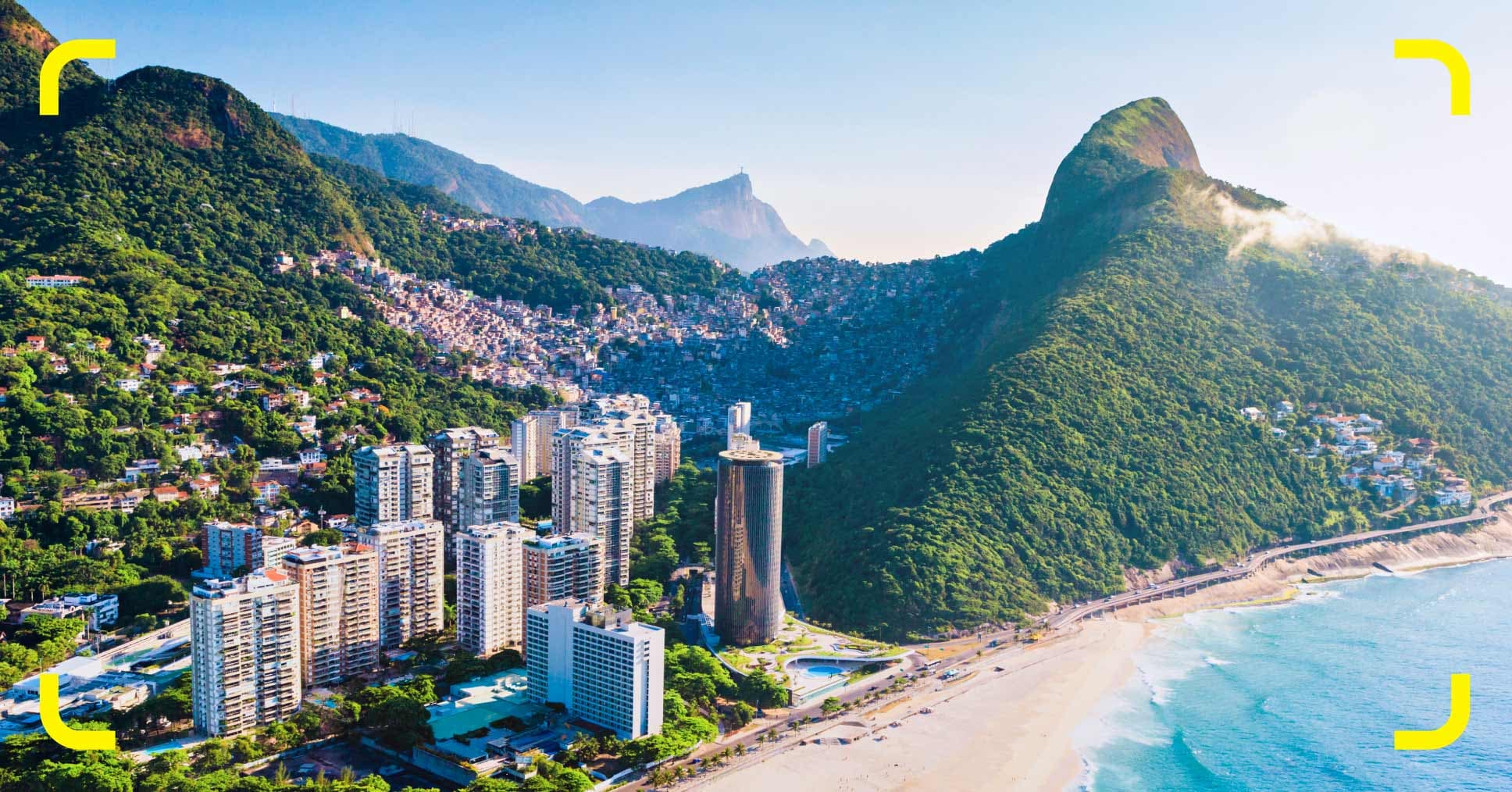
Brazil has this sneaky talent for ruining you for everywhere else. You fly in picturing golden sands, only to leave with stories about the local who pulled you into a roda de samba like you’d been there before and açaí so good it made your taste buds go “whoa.” But then there’s the other Brazil. The one in the headlines for muggings and crime stats that scares people off and makes them talk themselves out of going. Yet ask anyone who’s actually been, and they’ll tell you the same thing — it’s totally worth it. So let’s flip the script. We’ll load you up with street-smart strategies, and you go make memories so good your camera roll will try (and fail) to do justice.



Turinys
- Is Brazil safe to visit right now?
- Brazil safety overview
- Areas to avoid in Brazil
- Safe parts of Brazil
- Practical information and safety tips for tourists
- Crimes in Brazil
- Cultural differences and local laws
- Roads and transport in Brazil
- Natural hazards in Brazil
- Health risks
- Safe entry and exit
- Staying safe in Brazil with Saily
- Sources
Is Brazil safe to visit right now?
Yes, Brazil is generally safe to visit in 2026, but it’s a place where your awareness is part of the price of admission, and you need to exercise increased caution, especially in big cities. For tourists, the biggest risks tend to be theft (with patterns pointing to bag and phone snatching in crowded areas), scams, drink spiking, and arrastão, which is a local term for mass, coordinated robbery where large groups sweep through a specific spot (usually a tunnel or beach) and take what they can from anyone in their path.
Now that doesn’t mean you’re walking into trouble as soon as you set foot in Brazil. Serious incidents are rare for the majority of travelers, and most visits go over well, particularly in established tourist zones. But crime can be more opportunistic than, say, in many US or UK cities, which is why official travel advisories flag certain Brazilian urban pockets and some border areas as high risk and urge travelers to exercise “a high degree of caution.”
Brazil safety overview
If there’s such a thing as an American dream vacation, Brazil makes a strong case for it. But at the same time, visiting this beautiful country comes with an asterisk.
Safety climate isn’t uniform across all of Brazil. Risk level can change depending on the time of day, neighborhood, and even how you carry yourself and move through that area.
For tourists visiting the country, crime, which most applies to Brazil’s major and satellite cities, is the main concern. Tourists are rarely ever seen as targets for violent crime, but more so as “easy opportunities” to be taken advantage of financially, through overcharging, scams, or theft.
Region matters a lot. Parts of the South and Southeast tend to have the biggest-city risks that come with dense crowds, nightlife, and public transit, while parts of the Northeast are popular with beach travelers and can feel calmer, especially in smaller towns.
Border zones are a separate category. The US travel advisory1 flags areas near Brazil’s international land borders as higher risk, while also noting that places like Pantanal National Park and Iguaçu National Park are permitted destinations for US visitors.
This is the paradox with Brazil. You’ve got higher crime in certain urban pockets, then you’ve got relaxed beach towns and vast nature destinations that feel a world away from it. Brazil welcomed a record 9.29 million international visitors in 2025, according to the Brazilian Tourist Board (Embratur),2 and most people came home happy.
And the ones who do usually stick to basic, common-sense precautions. They monitor local media, follow guidance from local authorities, and contact local police immediately if they’re involved in a theft, scam, or any other incident.
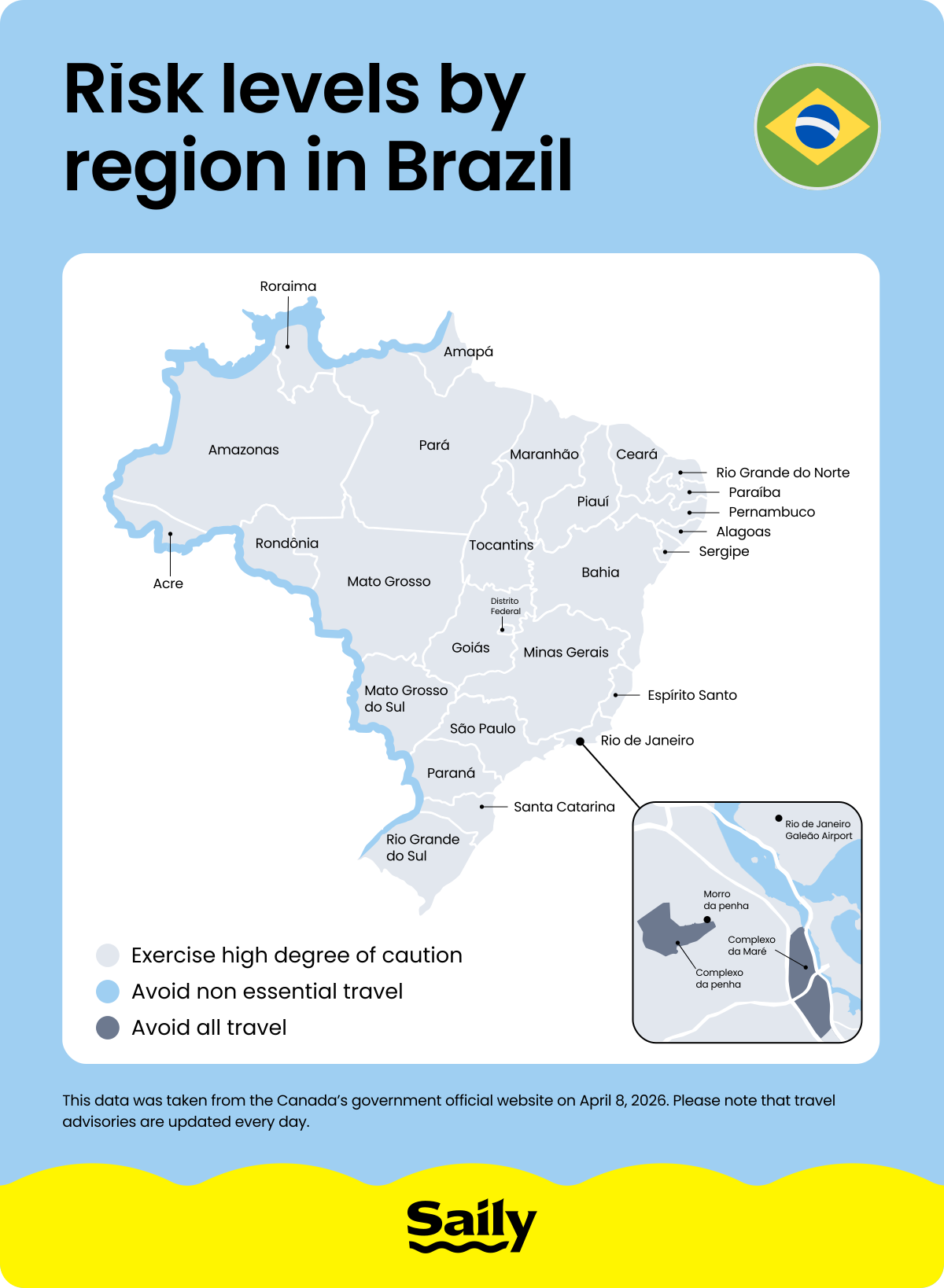
Disclaimer: The information referenced in this section was sourced from the US Department of State's official website and other publicly available government sources on April 1, 2026. Please note that travel advisories are updated every day. For the most up-to-date information, visit travel.state.gov (opens in a new tab).
Areas to avoid in Brazil
Some areas in Brazil call for more caution than others, and knowing where not to go can make a big difference in how your trip unfolds.
Big cities like Rio de Janeiro and São Paulo have their safer and riskier zones (just like most major urban centers worldwide). Isolated areas farther from the center have less infrastructure and lighter police presence, so they naturally create higher risks for travelers. Among these areas are the infamous favelas, which are informal housing developments that grew over decades due to housing shortages and uneven urban growth. But these areas are off the typical tourist path, so it’s unlikely you will stumble into them unless you intentionally try.
Transit zones are where you should really dial up your awareness. Think bus stations, metro entrances, and busy street crossings — these are hotspots for phone snatching and pickpocketing. Tunnels and beach access points, especially after dark, can also mean risky business. When possible, avoid isolated transit areas at night and keep your valuables out of sight.
Border regions are best avoided altogether. Travel advisories flag areas along Brazil’s land borders because of organized crime and limited state presence.
Safe parts of Brazil
Brazil has plenty of places where you can let your guard down a bit and actually enjoy where you are.
Well-established tourist areas in major cities tend to be the safest places to start. In Rio de Janeiro, neighborhoods like Copacabana, Ipanema, and Leblon are heavily visited and well policed. The same goes for central areas of São Paulo, where business districts and popular attractions see a constant flow of people.
Outside the big cities, many popular tourist destinations are much calmer. Coastal towns in the Northeast attract beach travelers with a slower pace and fewer urban risks, while places like Pantanal National Park and Iguaçu National Park offer nature-focused trips far removed from city crime.
Even within big cities, sticking to well-known areas and daytime activities significantly lowers your risk of getting into a bad situation. So the more predictable your surroundings, the lower the chances of you running into trouble.
Practical information and safety tips for tourists
How smooth your trip goes isn’t defined by location alone. How you carry yourself, what you’re prepared for, and what cues that may signal trouble you can spot are also things that shape how your trip unfolds. Below, we will walk you through the practical information and travel safety tips that’ll help you navigate Brazil with the right preparation.
Crimes in Brazil
It’s not the headline-grabbing threats that tend to trip travelers up in Brazil, but everyday crime. This is what to watch out for as a tourist:
Pickpocketing and phone snatching. This is the crime that comes up the most. It happens in crowded areas like public transport, markets, beaches, and busy streets. Thieves move fast, most of the time on foot or motorcycles, and target people using their cell phones in the open.
Robbery. You’re most likely to run into a robbery attempt in quieter streets or at night. It’s usually quick and non-confrontational, but can sometimes involve a weapon. Rule of thumb — do not resist.
Scams and overcharging. Tourists can get drawn into paying inflated prices in taxis, bars, or for informal services. With scams, distraction is the main tactic — one person engages you while another takes your belongings.
Drink spiking. While less common, it’s most prevalent in nightlife areas. Drinks can be tampered with to facilitate theft or put you in a vulnerable position.
Arrastão. Rare but alarming. Arrastão is a coordinated form of theft in which groups move quickly through a targeted area and snatch valuables from multiple victims at once.
Most at risk are tourists who:
Walk around distracted or with their phone out.
Wear visible jewelry or expensive accessories.
Carry all their valuables in one place.
Move through unfamiliar areas at night without planning.
Don’t exercise caution, regardless of location.
What to do to avoid trouble:
Keep your phone out of sight unless you really need it.
Carry only what you need for the day.
Use a crossbody bag or money belt instead of loose pockets.
Avoid withdrawing money at night or in empty areas.
Stick to well-lit, busy streets after dark.
Use rideshare apps instead of walking long distances at night.
Cultural differences and local laws
Travel in Brazil can feel easygoing, but a few rules and cultural nuances can catch visitors off guard if they’re not aware of them. One of the biggest surprises for some travelers is that electronic cigarettes are illegal to sell, import, or advertise, so bringing a vape into the country can lead to issues at the airport.
Drug laws are strict, and enforcement can be unpredictable, partly because Brazil is a major transit route for international drug trafficking and struggles with organized crime. Authorities are hyper-vigilant and take drug offenses seriously, so even small amounts of illegal drugs can land you in very deep trouble. This isn’t an area to take lightly.
Day-to-day culture is generally warm and informal, especially in social settings, but that doesn’t mean you should let your guard down completely. On public beaches, for example, it’s common to relax and leave your spot for a swim, but unattended belongings can disappear in seconds.
When it comes to money, cards are widely accepted, but having some cash on hand is still useful. If you need to withdraw money, it’s safer to use ATMs inside banks or shopping centers and avoid doing so at night.
If you’re traveling with a child, be aware that Brazilian authorities may ask for additional documentation if the minor is traveling with one or both parents, especially if surnames differ.
Roads and transport in Brazil
Getting around Brazil is pretty easy once you’ve got a feel for it, but it does come with a few quirks.
If you’re planning to drive, US travelers can use a valid driver’s license for short stays, though having an International Driving Permit can make things easier if you’re dealing with rental companies or local authorities. Driving itself can feel chaotic in larger cities. Traffic is heavy, road conditions vary, and local driving styles can be more aggressive than what you might be used to.
Drunk-driving laws are strict and enforced. Brazil has a near-zero tolerance policy, and penalties can be severe, so it’s not worth taking any chances.
Most travelers rely on rideshare apps or registered taxis, especially in major cities. They’re widely available, relatively affordable, and generally safer than hailing a car on the street, particularly at night.
For longer distances, domestic flights are common and efficient, given the size of the country. Inter-city buses are also widely used and can be a comfortable option for getting around between cities, though it’s best to choose reputable companies and daytime routes when possible.
Public transport like metro systems can be safe and efficient during the day, but as with any busy system, it’s where a lot of petty theft happens. Stay aware of your surroundings, all the more during rush hour.
Getting from the airport to your accommodation is another moment to plan ahead. Arrange a pickup, use a rideshare app, or go through official taxi stands rather than accepting offers from inside the terminal.
Natural hazards in Brazil
Brazil isn’t known for extreme natural disasters, but it does have seasonal patterns that can affect your trip if you’re not prepared.
In parts of the South and Southeast, heavy rainfall during the wet season can lead to flooding and landslides. This risk tends to increase between November and March, and it can disrupt transport or access to certain areas. It’s worth checking forecasts and monitoring local media if you’re traveling during this time.
In the North and Northeast, heat and humidity can be intense year-round, so staying hydrated and avoiding peak midday sun goes a long way. During drier periods, some areas may also experience forest fires, which would affect air quality.
If your trip includes nature destinations like Pantanal National Park or Iguaçu National Park, conditions there are generally safe, but guided tours are recommended because wildlife, terrain, and extreme weather can all pose serious risks if you’re exploring without local knowledge.
Brazil doesn’t experience hurricanes, but climate patterns like El Niño can influence rainfall and temperatures, sometimes making conditions less predictable.
Health risks
Like in any tropical destination, health risks exist in Brazil, but they are nothing to panic too much about. Take a few precautions, have some common sense about food and water, and you’ll already be dodging most potential risks.
Food is generally safe in restaurants, but street food calls for a bit more judgment. Rio de Janeiro food, for example, is highly diverse, so reading up on it ahead of time can help you avoid stomach trouble. If something looks like it’s been sitting out too long or handled without care, it’s better to skip it. Tap water isn’t considered safe to drink in most areas, so stick to bottled or filtered water.
Mosquito-borne illnesses like dengue, Zika, and chikungunya are a risk in warmer, more humid regions of the country. Using insect repellent and wearing light, covering clothing in the evenings can make you much less likely to get bitten and infected.
Vaccinations may be recommended depending on where you’re going. Yellow fever is a key one for certain regions, particularly if you’re visiting more remote or forested areas. It’s best to check official health guidance before you travel.
Brazil has a public healthcare system, and in emergencies, tourists will be able to access free health care at public hospitals. That said, the quality of care and available resources can vary, and wait times can be long, so taking out travel insurance with private coverage is strongly recommended.
Pharmacies are easy to find in cities and can handle minor medical emergencies, but for anything more serious, it’s better to seek medical attention sooner rather than later.
Safe entry and exit
Arriving in Brazil isn’t all that complicated or difficult, but a little preparation ahead of time takes the hassle out of it.
Most travelers won’t need a visa for short stays, but rules can and do change, so it’s worth checking the latest requirements before you go. Immigration officers may ask about your return ticket, accommodation, or proof that you can support yourself during your stay — this is where the so-called $2000 rule comes in, which we’ll get into shortly.
Airports in Brazil are generally safe, but like anywhere, stay aware of your surroundings. Avoid accepting help from strangers with your luggage and stick to official airport services.
One thing worth doing before you fly is picking up an eSIM for Brazil, so that you don’t have to deal with physical Brazilian SIM cards right there at the airport. You’ll have service the second you step off the plane, no scrambling for Wi-Fi that’s either painfully slow or a security risk. And if Brazil is just one stop on your multi-country trip, an eSIM for Latin America can keep you connected across borders without needing to switch plans.
Now, getting from the airport to your accommodation is one of the moments where planning ahead really pays off. Use a rideshare app, arrange a pickup in advance, or go through official taxi counters instead of informal offers inside or outside the terminal.
On departure to exit Brazil, give yourself extra time. Larger airports can get busy, and security or check-in lines may move more slowly than expected.
Keep your documents organized, stay aware, and move with intention — it makes both arrival and departure feel a lot more controlled.
Staying safe in Brazil with Saily
Brazil is a country where you’ll probably be reaching for your phone a lot. And not just for messages or photos. You might need to call a rideshare in a hurry, figure out where your hotel actually is, or check if the next street is safe to walk down. In situations like these, a reliable internet connection isn’t just nice to have. It’s essential, really. And that’s what Saily is for — every time you need mobile data, you actually have it. Reliable internet in Brazil makes all of that easier.
Are eSIMs safe, you ask? The short answer is yes, they are, provided you’re using a trusted provider like Saily, which is built around the idea of a secure and convenient way to stay online while traveling. The whole experience is designed to be seamless — you download the Saily eSIM app, create an account, purchase a plan, and install the eSIM. Done. You’re ready to board. No lines, no paperwork, no swapping out tiny cards.
Need data in USA? Get an eSIM!

1 GB
7 dienos
3,99 US$
3 GB
30 dienų
9,99 US$
5 GB
30 dienų
13,99 US$
Sources
Brazil Travel Advisory (US Department of State): https://travel.state.gov/content/travel/en/traveladvisories/traveladvisories/brazil-travel-advisory.html (opens in a new tab)
Embratur (a federal, state-owned agency reporting to the Brazilian Ministry of Tourism): https://embratur.com.br/ (opens in a new tab)
FAQ
Yes, Rio de Janeiro is generally safe for tourists to visit, with areas like Copacabana, Ipanema, and Leblon considered among the safest and most traveled. Most visits turn out well, but petty crime like phone snatching and theft does happen, so it pays to stay aware, avoid displaying valuables, and use rideshare apps at night. If you’re planning your itinerary and looking into things to do in Rio de Janeiro, just keep timing and location in mind and be extra cautious after dark.
Yes, it’s safe for American tourists to visit Brazil, but it does ask for more street smarts than you might need back home. Some urban pockets and border areas have higher rates of theft and robbery, so stay alert, avoid flashy displays of wealth, and keep to areas where other travelers go. A little caution goes a long way.
Yes, Brazil can absolutely be safe for solo travelers — thousands do it every year and come back with incredible stories. But this isn’t a place where you can zone out and hope for the best. Stay in populated areas, avoid walking alone at night, and treat your phone and bag like they’re made of gold — petty theft is real in the cities. Plan smart, stay alert, and you should be fine.
You might’ve heard about Brazil’s “$2000 rule.” It’s a financial screening measure for certain visitors. Depending on your passport and visa situation, you may need to demonstrate you have sufficient funds, typically around $100 per day or $2000 for the whole trip. A bank statement, credit card, or similar document is usually enough to satisfy border officials.

Visada veikiantis ryšys
Akimirksniu lengvai prisijunk su „Saily“ eSIM ir džiaukis interneto ryšiu.