



Is Japan safe to visit in 2026? Overview and safety tips
Before you travel to Japan, it’s helpful to understand how safe the country actually is for tourists. Whether you’re visiting bustling cities like Tokyo and Kyoto or exploring quiet rural prefectures, knowing how to take care of yourself and your family is essential. So, is Japan safe to visit in 2026? Yes, it is! Read on to find out everything you need to know about crime, natural disasters, and safety tips for your trip.
Table of Contents
Is Japan safe to visit?
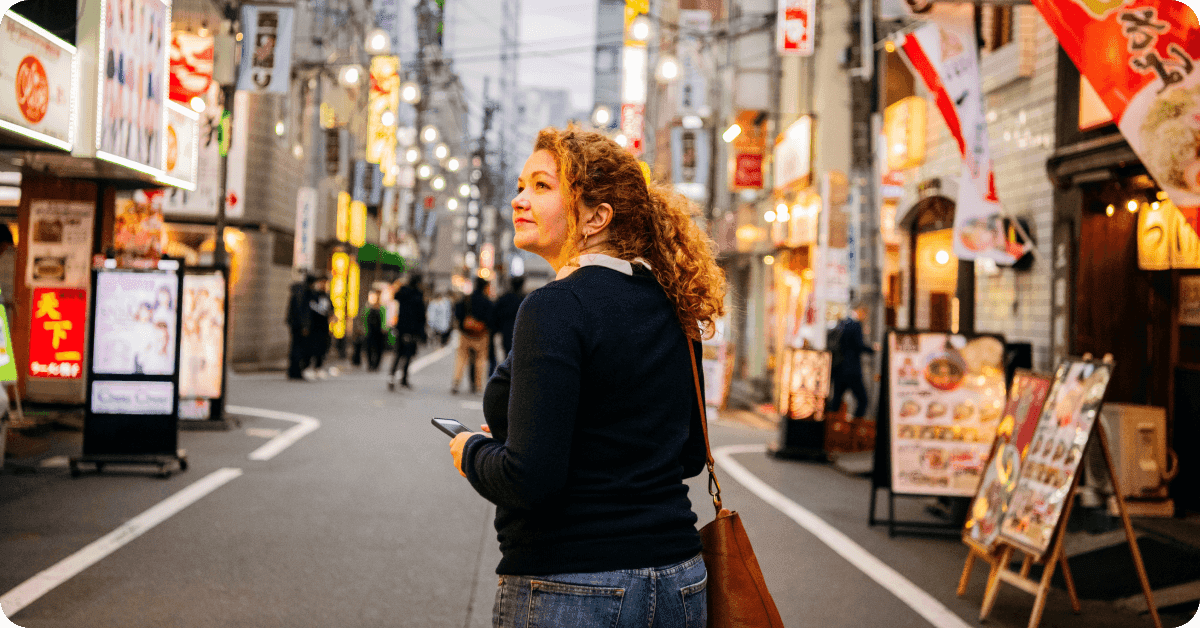
Yes, Japan is one of the safest countries in the world to visit. Crime rates are exceptionally low, and violent incidents involving tourists remain exceptionally rare. For many visitors, a feeling of personal safety is one of the defining features of the Japan travel experience.
Japan is especially safe for US and UK travelers, who visit the country frequently. For British travelers, for example, no special advisory warnings are in place. The UK’s Foreign, Commonwealth & Development Office (FCDO) doesn’t list Japan among its cautioned destinations. While the FCDO’s guidelines for Japan include standard precautions around natural hazards and nightlife districts, its overall stance on Japan is very clear — it’s a safe place to visit.
Americans planning a trip get the same message from their own government. The U.S. Department of State (opens in a new tab) currently gives Japan a Level 1 travel advisory — the lowest possible level. In practice, this means that US travelers just need to “exercise normal precautions” in Japan. That puts the country in the same category as the likes of Iceland and New Zealand.
To make sure you’re aware of the latest travel advice, consider downloading an eSIM app for internet access. With an eSIM for Japan, you can get online the moment you land and stay connected throughout your trip, with continual access to safety advisories, weather warnings, and other helpful resources.
Japan’s safety overview
Beyond the anecdotal, Japan’s reputation for safety is backed up by the data. According to the Japanese National Police Agency (NPA), Japan recorded approximately 565.5 penal code offenses per 100,000 residents in 2023. While this figure edged above 500 for the first time in a decade, it remains extraordinarily low by any international standard and sits far below the country’s historical peak of around 2,238 per 100,000 back in 2002.
When it comes to violent crime specifically, Japan is in a league of its own. The country records just 0.2 intentional homicides per 100,000 people — that’s roughly 30 times fewer than the United States (5.3), and a fraction of the rates seen in France (1.3), the UK (1.2), or Germany (1.0). The robbery rate tells the same story, too. At approximately 1.8 per 100,000, Japan’s figure is minuscule compared to France (154.3), the UK (118.7), and the US (98.6). The serious assault rate — just 15 per 100,000 — compares to 460 in France, 278 in the United States, and 156 in Germany.
In global safety rankings, Japan consistently earns top marks. Berkshire Hathaway Travel Protection’s 2026 annual travel safety survey ranks Japan 9th in the world overall, with a #1 ranking for safety from violent crime and transportation safety. Japan is also one of only eight countries to hold a permanent place in the survey’s Hall of Fame, having averaged a top 10 position since 2018.
Of course, no destination is without risk. Pickpocketing can happen in crowded tourist areas, on trains, and at airports, and travelers should remain alert in busy nightlife districts in major cities such as Roppongi, Kabuki-cho, and Shibuya, where incidents involving spiked drinks and bar tab-related pressure have been reported. It’s also worth noting that Japan is geographically prone to natural hazards, including earthquakes, typhoons, and tsunamis.
What makes Japan a safe travel destination?
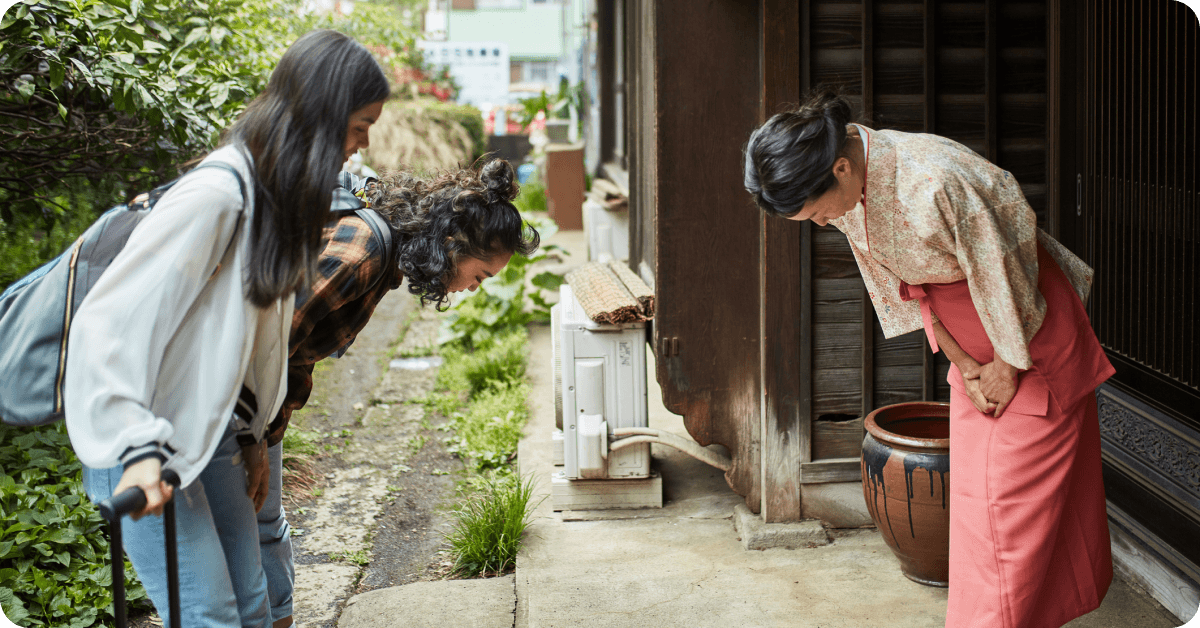
Japan’s safety is driven by a combination of deeply rooted cultural values, social cohesion, and effective systems that work together to keep crime low and public trust high.
Strong social norms around respect and honesty. Japanese society places enormous value on consideration for others, personal integrity, and not causing disruption. Low tolerance for dishonest or antisocial behavior is baked into the culture from childhood, and social pressure to act with integrity is pervasive.
Safe public spaces and transport, day and night. It’s genuinely common to see young children commuting alone on Tokyo’s subway system — a level of trust in public spaces that would be unthinkable in most major cities. Streets, parks, and train stations are considered safe at virtually all hours.
A world-class public transport network. Public transport in Japan is punctual, efficient, and very secure. Surveillance is widespread on public transport, and clear social etiquette (no loud calls, reserved quiet carriages) contributes to an orderly and comfortable atmosphere.
Visible, reliable, and community-based policing. Japan operates a unique system of neighborhood police boxes called koban, small local stations staffed around the clock, where officers are embedded in their communities rather than responding from a distance. This approach means police are accessible and proactive, and their visibility acts as a constant deterrent.
Clean, well-maintained environments. Japan’s famously tidy streets and well-kept public spaces reflect a broader civic ethic. Litter is rare in most cities, and the pride taken in maintaining shared spaces reinforces a culture of respect for common areas.
Cultural habits that prioritize collective wellbeing. Japan pioneered the now-familiar practice of wearing masks when unwell in public — a norm rooted in consideration for others rather than obligation. The culture of returning lost items is equally telling. Japan’s lost-and-found system is remarkable, with the vast majority of lost items (including cash) reliably returned through official channels.
Japan travel safety tips
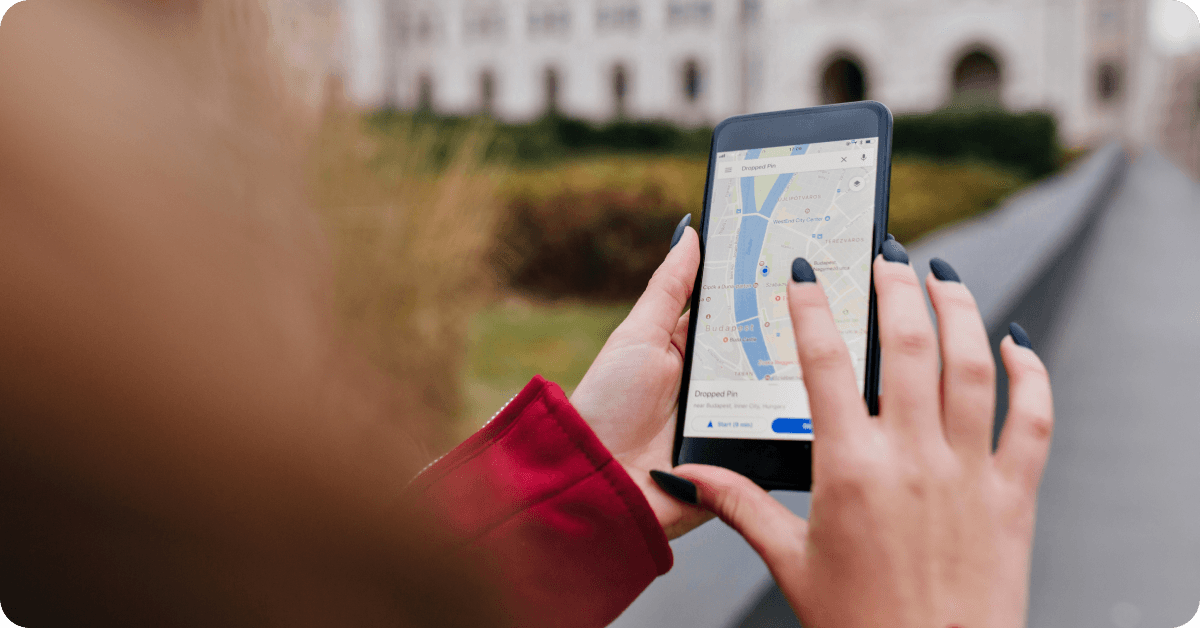
Japan is extremely safe for travelers, but a few simple precautions will help ensure your trip goes smoothly from start to finish.
Keep valuables secure in busy areas and on transport. Pickpocketing can occur in crowded tourist spots, train stations, and airports, so use a secure inner pocket or money belt for passports and large amounts of cash.
Be alert in crowded tourist areas. Popular destinations get extremely busy during cherry blossom season and autumn foliage periods — stay aware of your surroundings and keep bags zipped and close.
Exercise caution in nightlife districts. Areas like Roppongi, Kabuki-cho, Ikebukuro, and Shibuya have seen incidents involving drugged drinks and inflated bar bills — stick to reputable venues and keep an eye on your drink.
Follow local rules and etiquette. Some medications common elsewhere are illegal in Japan regardless of prescription status, and penalties can be severe. Check the rules and local laws before you travel.
Watch out for natural disaster notifications. Download the Safety Tips app before you travel — it pushes J-Alert earthquake and emergency notifications to your phone in English.
Use licensed transport. Japan’s taxis, buses, and trains are regulated, safe, and reliable — stick to official channels for peace of mind. Wondering if a Japan rail pass is worth the money? If you plan to travel between cities or take day trips out into the countryside, it probably is.
Carry essential emergency information. Keep Japan’s emergency numbers handy (110 for the police, and 119 for ambulance and fire services) and carry your accommodation address written in Japanese, as most police officers won’t speak English.
Get travel insurance. This is a must! Japanese hospitals often require upfront payment, and US Medicare and Medicaid don’t apply overseas. No matter how healthy and lucky you might feel, don’t risk it — pay for travel insurance.
Natural hazards in Japan
Japan sits on the Pacific Ring of Fire — that’s why it’s one of the most seismically active countries in the world. Its coastal geography exposes it to typhoons between May and October, with the strongest storms typically hitting in August and September.
You don’t need to worry too much, though — Japan’s preparedness infrastructure is among the best on earth. Buildings are constructed to rigorous earthquake-resistant standards, early warning systems are highly sophisticated, and disruptions from both typhoons and earthquakes are generally well-managed. Southern regions like Okinawa and Kyushu see the most typhoon activity, while inland cities such as Tokyo, Kyoto, and Osaka typically experience little more than heavy rain when storms pass through.
What to do in a natural disaster emergency
If you’re caught in an earthquake, drop to the floor, take cover under a sturdy table or against an interior wall, and hold on until the shaking stops. Avoid windows and exterior walls. Once the shaking ends, check for injuries, move to open ground away from damaged structures, and listen for aftershock warnings. During a typhoon, stay indoors, away from windows, and monitor official guidance on whether evacuation is necessary. For official, real-time emergency information in English, you can use these resources:
The Safety Tips app pushes J-Alert government emergency notifications to your phone in English.
The NHK World app provides English-language news and emergency broadcasts.
Hotel staff and local authorities can offer evacuation instructions and guidance if needed.
You can call the police on 110, or dial 119 for an ambulance or fire service. Emergency services won’t necessarily speak English, though. Apps like Safety Tips or asking hotel staff to assist can help bridge the language gap in an emergency.
Travel insurance is essential in Japan, not just for medical coverage but also for trip disruption caused by natural disasters. Equally important is staying connected: having a working Japanese SIM card, eSIM, or pocket Wi-Fi device ensures you can receive emergency alerts, access maps, and contact your embassy if needed. With a Saily eSIM plan, you get reliable mobile data that works as soon as you arrive in Japan — no queues, no physical SIM swap required.
So, is Japan safe to visit in 2026?
Absolutely — Japan is one of the world’s safest travel destinations in 2026, with a Level 1 U.S. State Department advisory, no FCDO warnings, and a homicide rate of just 0.2 per 100,000. Know the emergency numbers, download the Safety Tips app, get solid travel insurance, and exercise common sense in a handful of nightlife areas. Japan’s culture of safety and civic responsibility will largely take care of the rest.
To make sure you’re aware of the latest travel advice, consider getting an eSIM plan for your trip. But are eSIMs safe? Absolutely! In fact, Saily comes with powerful security features, including an ad blocker, to protect you online. The app’s security systems are available to all users — you don’t need a Saily Ultra plan to enjoy their benefits (though the Ultra plan does add some extra perks, like airport lounge access and security fast tracking).
An eSIM is a great addition to any Japan packing list. Stay connected throughout your trip with a Japan eSIM from Saily — available from just US$3.99, keeping you online from the moment you land.
Need data in Japan? Get an eSIM!

1 GB
7 days
US$3.99
3 GB
30 days
US$7.99
5 GB
30 days
US$10.99
FAQ
Yes, trace radiation remains in a small restricted zone near the Fukushima Daiichi plant — but it covers less than 3% of Fukushima prefecture and nowhere tourists visit. In Tokyo, Kyoto, Osaka, and across the vast majority of Japan, radiation levels are entirely within normal international standards.
Yes, Japan is one of the best solo travel destinations in the world, including for women. Low crime rates, reliable transport, and a culture of honesty make navigating the country alone comfortable and straightforward.
Yes, Japan is exceptionally family-friendly — clean, safe, well-connected, and easy to navigate with children of any age. It’s telling that young kids regularly commute alone on Tokyo’s subway without a second thought from locals.

Always connected, always on course
Connect instantly with a Saily eSIM and enjoy effortless internet access.

Related articles