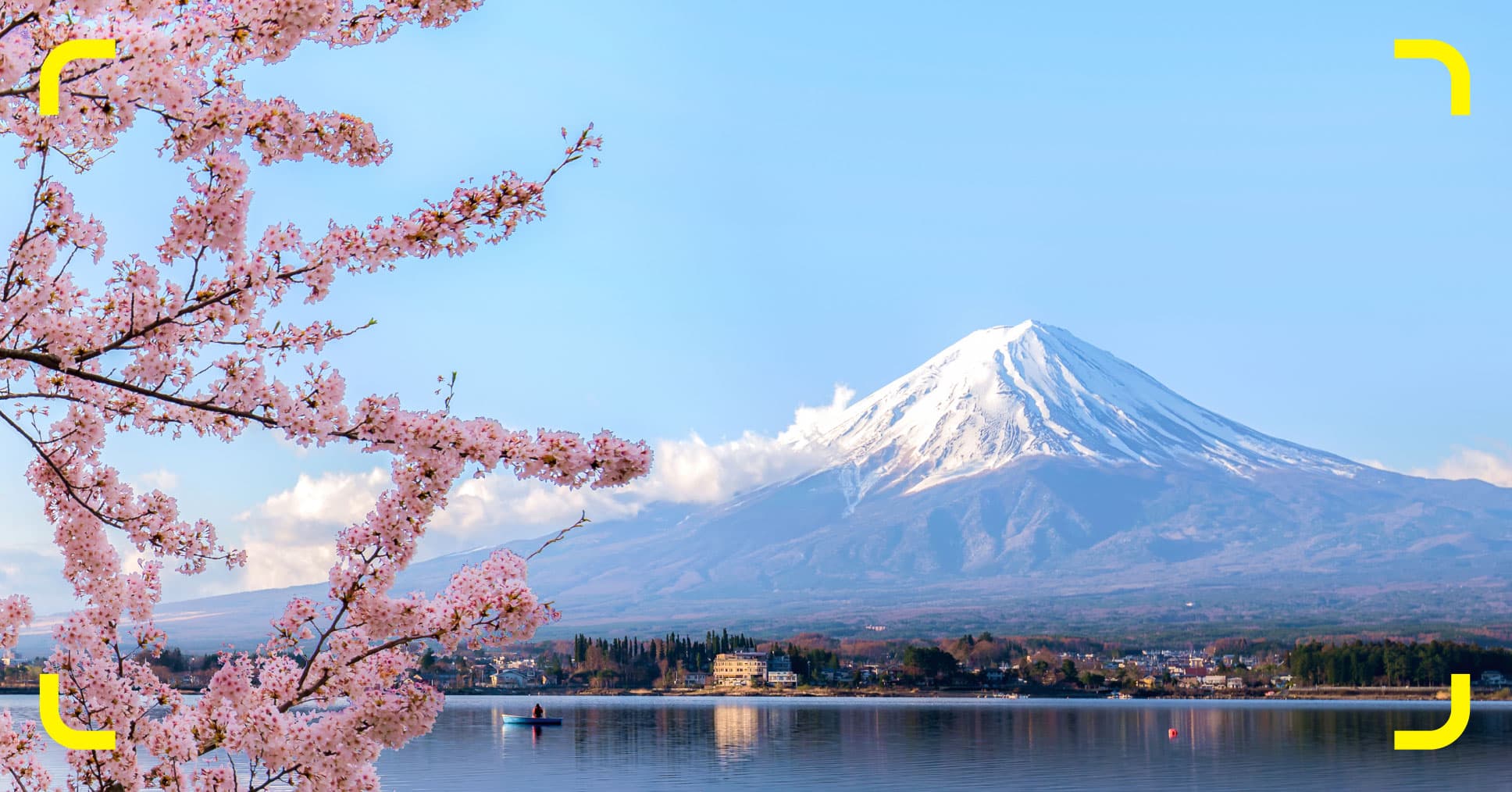



Saily ranks the best cities for slow travel in 2026
The last century changed the speed of travel. Planes shortened distances. Booking apps made planning almost instant. Itineraries tightened into neat little grids of arrivals, transfers, and check-in times. Travelers can now share the view online before they’ve had time to soak it in properly. The idea of slow travel pushes in the other direction. It favors fewer departures, longer stays, and giving a city enough time to become more than a backdrop. Google reports that “slow travel” reached an all-time high in 2026, which suggests the urge for this type of travel has moved into the mainstream. Saily’s new ranking asks the practical question behind the trend: Which cities can actually support a slower way to travel?

Table of Contents
- Why slow travel is gaining ground
- What Saily measured
- The best cities for slow travel in 2026
- 1. Kyoto, Japan
- 2. Fukuoka, Japan
- 3. Porto, Portugal
- 4. Vienna, Austria
- 5. Hue, Vietnam
- 6. Tunis, Tunisia
- 7. Lisbon, Portugal
- 8. Kanazawa, Japan
- 9. Puebla, Mexico
- 10. Tainan, Taiwan
- Why Japan rewards the slow traveler
- Longer stays affect local life
- Make the first hour easy
Why slow travel is gaining ground
A compressed, quick trip can be thrilling, but many travelers know the pattern: wake up early, reach the station, drop the bags, see the thing, photograph the thing, leave. After enough stops, the trip can become another schedule to manage rather than a break from one. Cheap airfare and booking apps have made that kind of travel easier to plan, easier to sell, and harder to question.
The backlash is now visible in the data. Google reports that searches for “slow travel Italy” jumped 100% in 2026 alone, while Vrbo found that 91% of travelers say they are interested in slower, more intentional travel experiences. Together, those numbers suggest that travelers want less schedule pressure and more time in one place.
Slow travel works as an antidote to what travel is becoming today. A slower trip gives you enough time to learn which street gets noisy at sunset, find the bakery that still has warm bread at 8 a.m., and notice the same dog asleep outside the same shop. The point is to stop prioritizing movement from attraction to attraction over meaningful experience.
This idea behind slow travel has its roots in the past. Travel was once treated less as escape and more as education, at least for those who could afford it. The Grand Tour, which became a rite of passage for wealthy young Europeans from the 17th century onward, sent young elites across borders to study languages, art, politics, and manners. In its most lavish form, the Grand Tour belonged to a narrow privileged class, yes, but it still carried a belief that travel could sharpen a person’s understanding of the world.
The vacation as we know it came much later, as paid leave expanded in the 20th century and workers gained access to time away. Slow travel combines those two ideas. Travelers want to learn more about a place, but they also want a trip that gives them time to rest.
People who are interested in slow travel want to escape the trend of packing an itinerary full to the brim. Apps can turn a foreign city into a neat set of instructions. Efficiency has its gifts, but it also eliminates the possibility of some of travel’s happy accidents. Slow travel gives travelers enough time to change plans without losing the day.
What Saily measured
A weekend trip can revolve around landmarks and a hotel near the center. A month-long stay depends on more practical details. Travelers need daily services near where they stay, reliable ways to move around, and places they can return to throughout the trip.
Saily analyzed 50 cities using open, reproducible data. The team viewed OpenStreetMap points of interest, transit stop locations, public rent and cost indices, and cultural venue data. The cities were evaluated by region and size, then scored across five areas that indicate how suitable each destination is for a longer stay.
The framework covered five slow-travel pillars:
Safety: How comfortable travelers are while creating a daily routine.
Settling in: How easily travelers can handle day-to-day needs during a longer stay, from finding affordable monthly accommodation to accessing nearby shops and laundries.
Getting around: How easy it is to walk, use public transit, bike, and spend time in green space.
Belonging: How many cafes, libraries, markets, and neighborhood gathering places help visitors connect with local life.
Seeing and savoring: How much cultural depth the city offers through museums, galleries, historic sites, and other points of interest.
These metrics keep the ranking grounded in daily life. For slow travel to be successful, people need the cafe and the laundromat as much as the cathedral. “The beauty of slow travel is that you have time to settle in, but that requires choosing a place with the right foundation,” says Matas Cenys.
The best cities for slow travel in 2026
The top 10 cities in Saily’s ranking show that slow travel has moved beyond the standard European script. Italy may dominate the imagination, especially as search interest grows, but the data points to a wider map. Japan claims three places in the top 10, with Kyoto and Fukuoka taking the first two spots. Portugal performs strongly because of Porto and Lisbon. Hue, Tunis, Puebla, and Tainan show how affordability and daily-life infrastructure can pull slow travelers away from more obvious European choices, such as Spain.
1. Kyoto, Japan
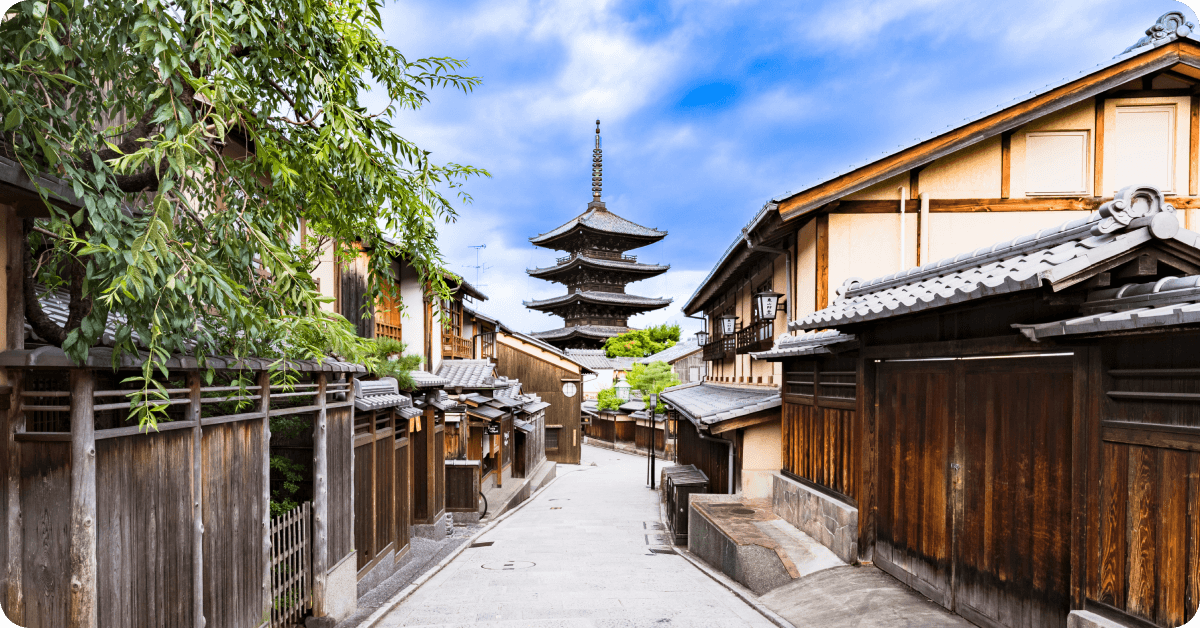
Kyoto takes first place because travelers can give its cultural sites more than a rushed first look. A longer stay lets them visit temples, gardens, museums, and historic streets over several weeks, with rest days and ordinary errands in between. Strong public transit, affordable rental accommodation, high safety scores, and neighborhood cafes help turn the city from a sightseeing stop into a workable base.
2. Fukuoka, Japan
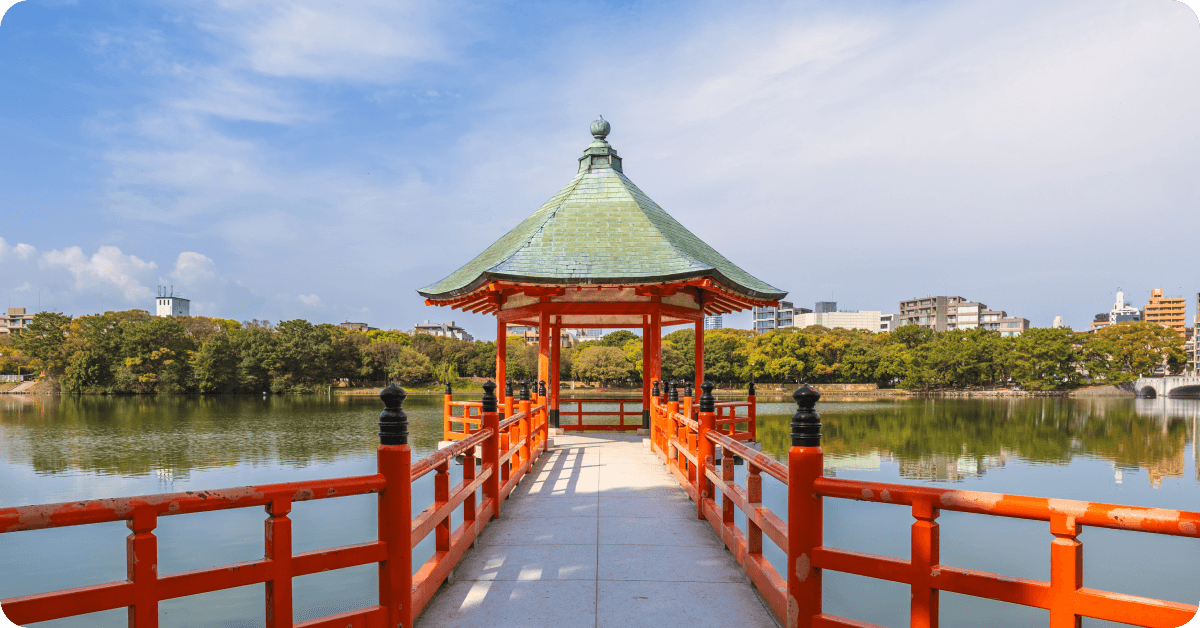
Fukuoka ranks second because it gives travelers strong conditions for daily life, not only sightseeing. Safety and affordable housing make a longer stay easier to manage. Its lower sightseeing score also helps explain its appeal — travelers can build the trip around food, transit, errands, and familiar neighborhood routes instead of planning every day around a major attraction.
3. Porto, Portugal
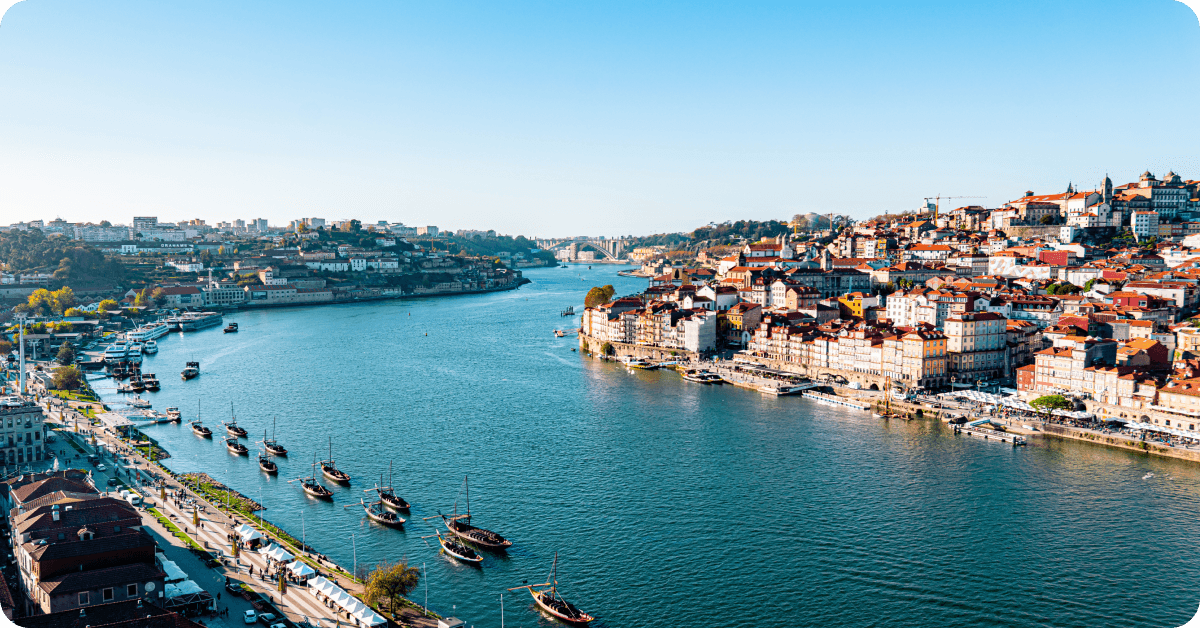
Porto ranks third because travelers can connect movement with daily life. Pedestrian infrastructure, bike networks, weekly markets, and neighborhood cafes make it easier to leave the apartment without turning every outing into a formal sightseeing plan. A traveler can climb through residential streets, stop for coffee, walk toward the river, and still keep room in the day for groceries or a slow dinner.
4. Vienna, Austria
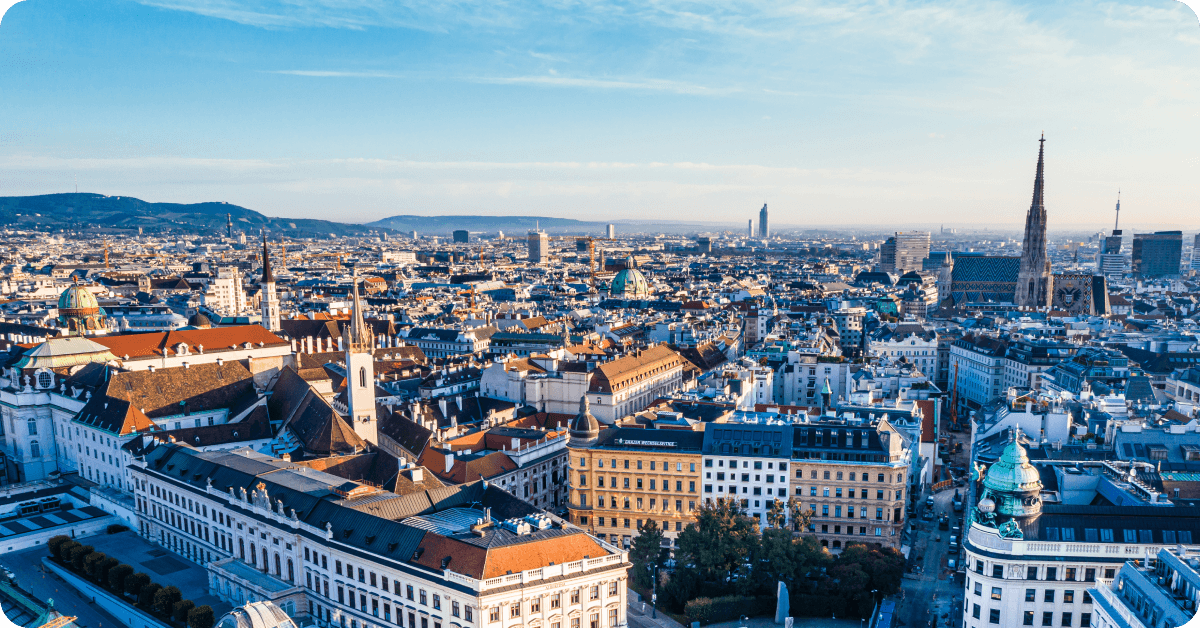
Vienna ranks fourth by combining cultural depth with practical city systems. Travelers can use reliable transit, visit museums and galleries over several weeks, and avoid turning the trip into a rushed checklist. The ranking favors Vienna because it gives people enough culture to return to and enough order to manage daily life.
5. Hue, Vietnam
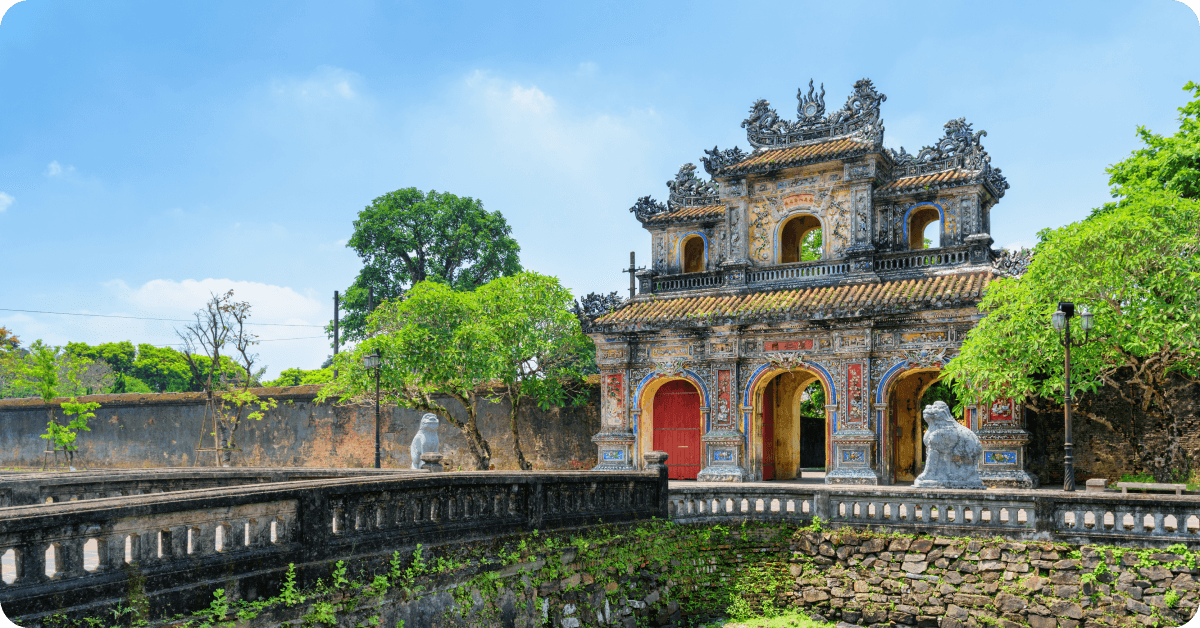
Hue takes fifth place by stripping a slow travel experience back to its essentials. It scores well on affordability and safety, with markets and gathering places that support everyday life. The ranking suggests Hue is strongest for visitors who want cultural depth without the costs or pace of a larger destination.
6. Tunis, Tunisia
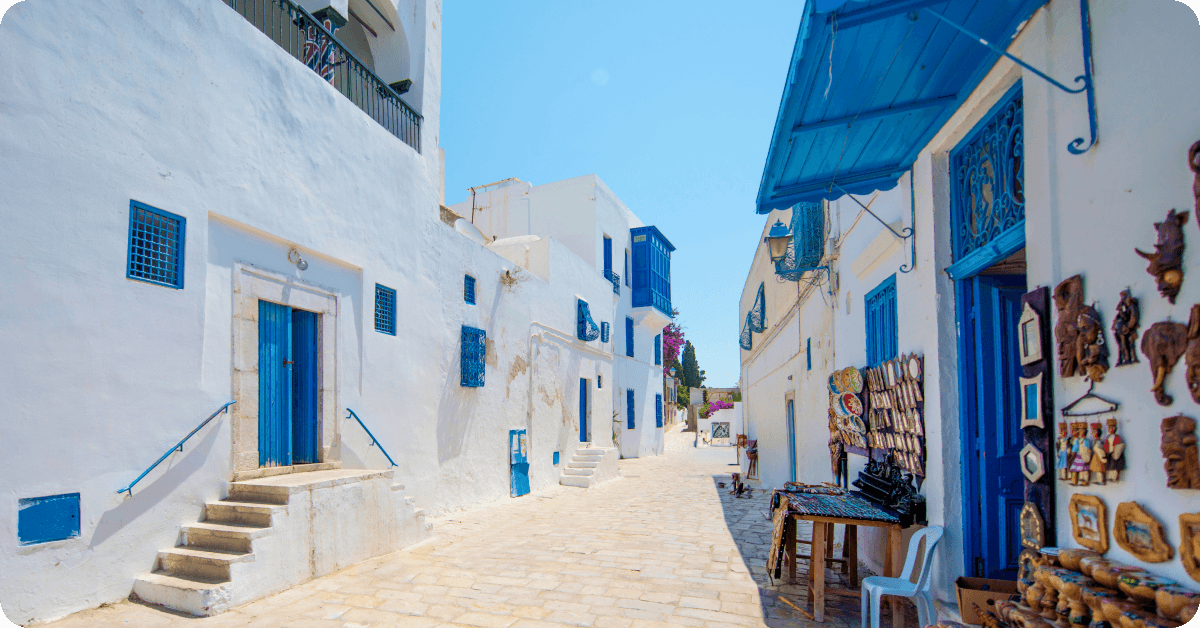
Tunis ranks sixth and performs especially well on belonging. Cafes, weekly markets, and neighborhood gathering places give travelers repeated contact with local life. Its lower safety metrics mean visitors need more awareness, but the ranking shows how important everyday social spaces are during a longer stay.
7. Lisbon, Portugal
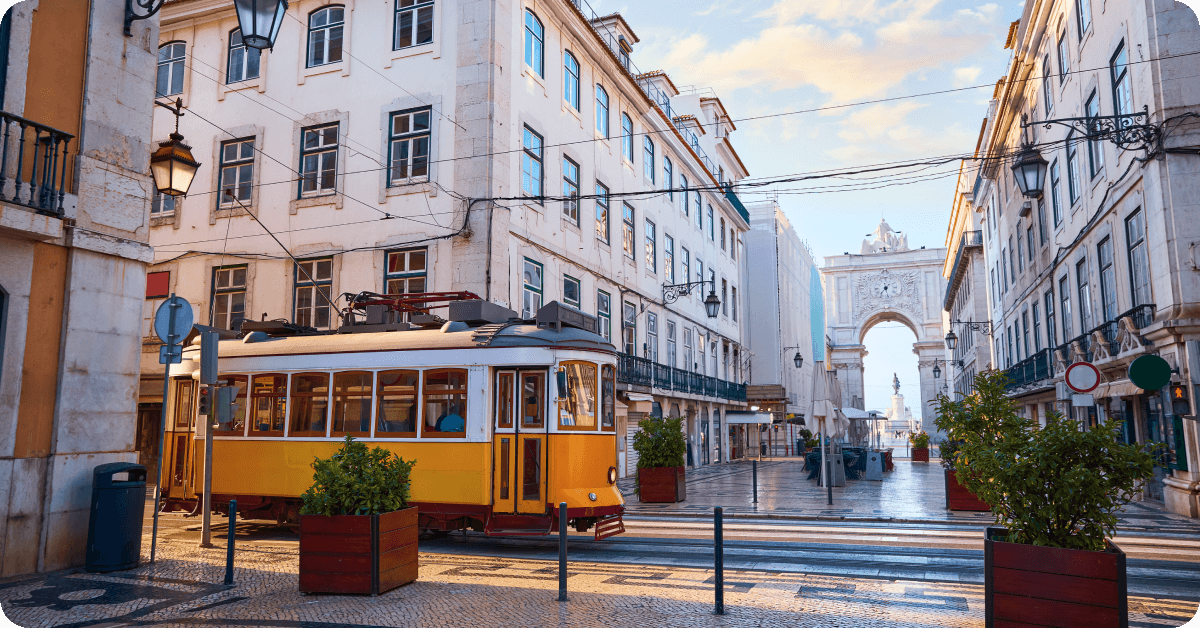
Lisbon ranks seventh because travelers can plan a stay around walking, public spaces, cafes, markets, and cultural visits. Its cultural attractions add depth, but the experience does not depend entirely on sightseeing. Lisbon works best for travelers who spread their stay across neighborhoods, use local cafes and markets, and avoid concentrating every day around the busiest viewpoints.
8. Kanazawa, Japan
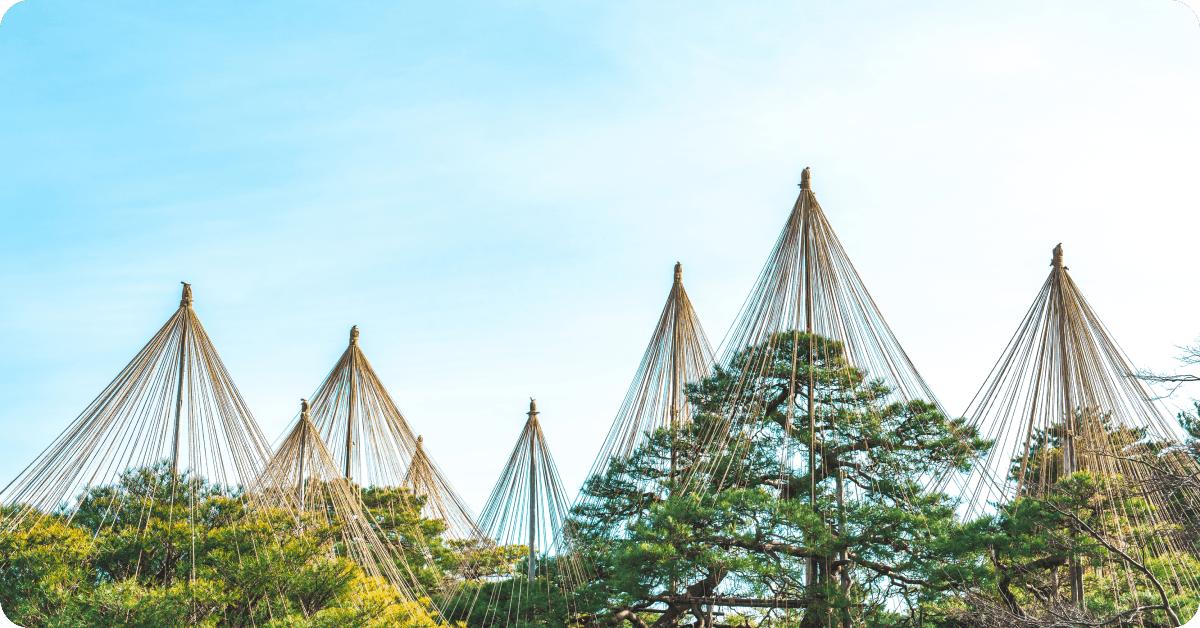
Kanazawa ranks eighth and scores as the safest destination in the top 10. It also performs well on affordable living, which matters when travelers plan to stay for weeks rather than days. Visitors who want nightlife or constant social activity may find it quiet, but those who want secure routines, museums, gardens, and calmer days may find it especially suitable.
9. Puebla, Mexico
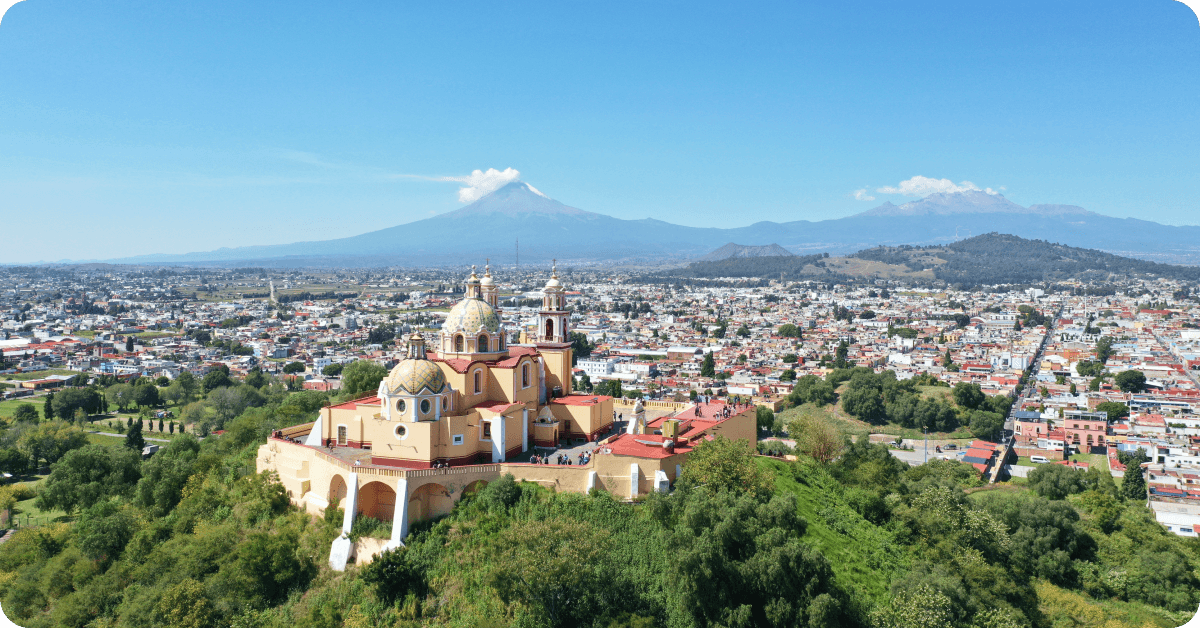
Puebla ranks ninth and stands out as the most social city in the top 10. A walkable layout, lively markets, and friendly neighborhood cafes create frequent openings for participation in local life. The city suits travelers who want to use public space, buy from local businesses, and spend time in places residents also use.
10. Tainan, Taiwan
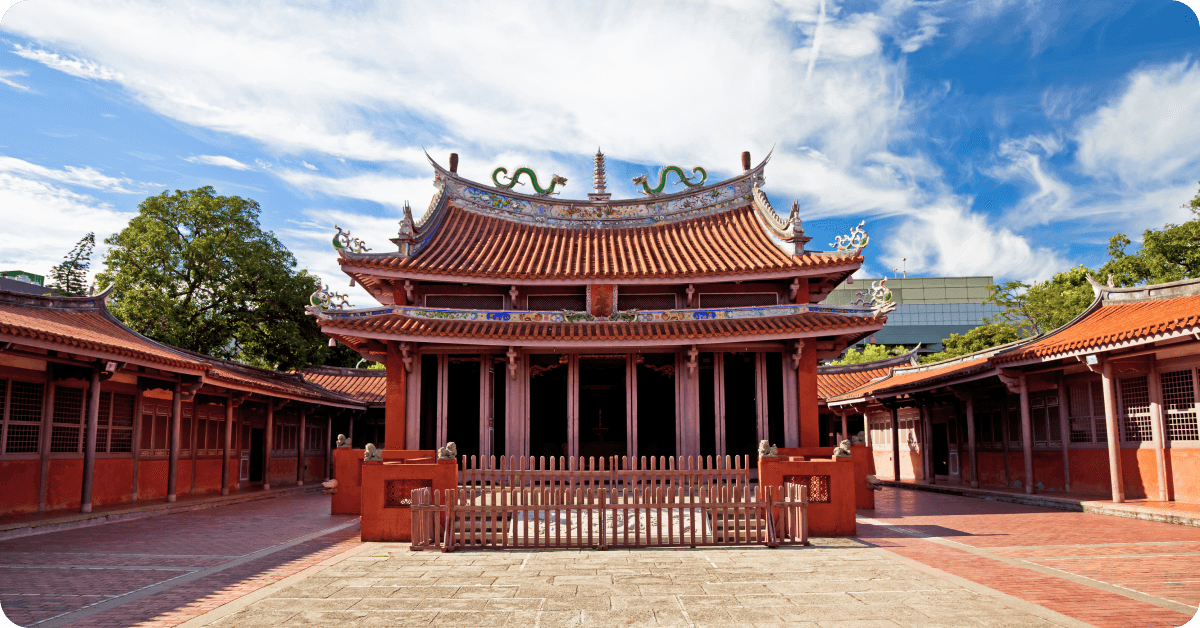
Tainan completes the ranking because it gives travelers a slower way into Taiwan’s history and everyday food culture. Its balanced scores across safety, housing, transit, and bike infrastructure make a longer stay easier to manage.
The ranking makes a useful point about slow travel — the best cities do not all benefit from a slow pace in the same way. In Kyoto and Vienna, longer stays let museums, temples, galleries, and historic streets become part of the stay rather than a checklist. Fukuoka and Kanazawa make a case through safety, affordable routines, and locally immersive potential. Porto and Lisbon reward travelers through repeat walks through neighborhoods, markets, riverfronts, and cafes that reveal even more better on the second or third visit than the first.
Why Japan rewards the slow traveler
A short trip to Japan often becomes an exercise in triage. Travelers decide which temple to skip, which train to catch, which neighborhood gets only one afternoon. A longer stay changes the approach. Instead of asking how much they can fit in, travelers can ask what is worth returning to.
That is where Saily’s ranking helps explain Japan’s lead — even though they’re all in Japan, Kyoto, Fukuoka, and Kanazawa rank highly for different reasons. Kyoto gives travelers enough cultural depth to spread visits across a longer stay without running out of places to learn from. Fukuoka works better for travelers who want food, housing, transit, and repeat neighborhood routes to carry the stay. Kanazawa suits those who want safety, affordability, and quieter days.
During a longer stay, a good transit system and affordable basics change what travelers can do with the day. A traveler can visit one major site in the morning, buy groceries on the way back, do laundry in the afternoon, and leave another museum for next week. They can return to the same cafe because the trip is not coming to a close. They can choose a quieter neighborhood because they are not trying to view every landmark recommended by their favorite influencer.
Japan leads the ranking because travelers’ practical needs are met while they enjoy the newness of their destination. The joys of slow travel depend on being able to postpone, return, and enjoy routine without losing the thread of the trip. The temples, gardens, food, and evening streets are still a distinctive part of the adventure. The longer stay gives travelers an intuitive and measured way to experience them.
Longer stays affect local life
Like many travel ideas, slow travel often gets sold as a particular mood — linen shirts, long lunches, and old streets at golden hour. It’s a pleasant image, but it’s also wafer thin. Staying longer changes a traveler’s relationship with a city. A visitor staying several weeks uses the city’s residential amenities and doesn’t just visit its attractions.
The pressure on locales that tourism presents has become a civic issue, not just a travel-industry concern. The OECD has warned that tourism’s social, economic, and environmental impacts can be uneven, and that benefits do not automatically reach local communities. The example of Barcelona shows how quickly the romance can curdle. The city has moved to revoke more than 10,000 tourist-apartment licenses by 2028, and it has raised tourism taxes to help fund affordable housing. Protests across Spain and other European destinations have linked mass tourism to rising rents, crowded services, and neighborhoods reshaped around visitors rather than residents. Slow travel, while impacting local communities in a different manner, still contributes to these problems.
On the other hand, considerate choices also make slow travel better than a whirlwind trip. Choose accommodation with the local housing market in mind. In cities where residents already struggle to find homes, a legal short-term rental can still take a full apartment out of long-term use, so a hotel, guesthouse, or room in an owner-occupied home may put less pressure on local housing. Stay near a station or other transit hub instead of encountering the same crowded old town day after day. Spend money in ordinary places too, including bakeries, laundromats, markets, small restaurants, pharmacies, and cafes that are there to support the daily life of residents, not only tourists. Learn the basics before you arrive, including when people observe quiet hours, what the rules for disposing of garbage are, tipping norms, and how people use public transport. Don’t treat one cafe table as a private office all afternoon unless the place clearly welcomes that kind of stay. A slower stay works best when visitors spread out their spending, avoid adding more pressure to overcrowded areas, and respect the routines that local residents depend on every day.
Make the first hour easy
Slow travel still starts with basic arrival tasks. Travelers need to consult maps, check the route to their accommodation, message the host, use translation tools, and confirm bookings. Those steps are much easier when mobile data works as soon as the plane lands.
That matters especially in Japan, where a longer stay often depends on public transport, digital tickets, restaurant bookings, translation apps, and live navigation. Setting up a Saily eSIM plan before the trip helps travelers get online without relying on airport Wi-Fi or buying a physical SIM card after arrival.
With an eSIM for Japan, travelers can handle the first day more smoothly and keep daily routines throughout the stay. The less time they spend solving connection problems, the more time they have for immersing themselves in the place they came to experience.

Stay connected with the Saily eSIM app
Affordable mobile data plans for every journey.

Mobile data without borders
Saily — your secure and reliable eSIM companion for every journey.

Related articles