


27 min read
Beyond the K-pop beats and neon skylines, South Korea is a place where food is the ultimate love language. From the iconic, fiery crunch of kimchi to the smoky sizzle of Korean BBQ, the country’s culinary scene is a mix of ancient tradition and fast-paced street food culture. Ready to eat your way through the peninsula? Grab your chopsticks — here are 15 must-try dishes for your next Korean adventure.
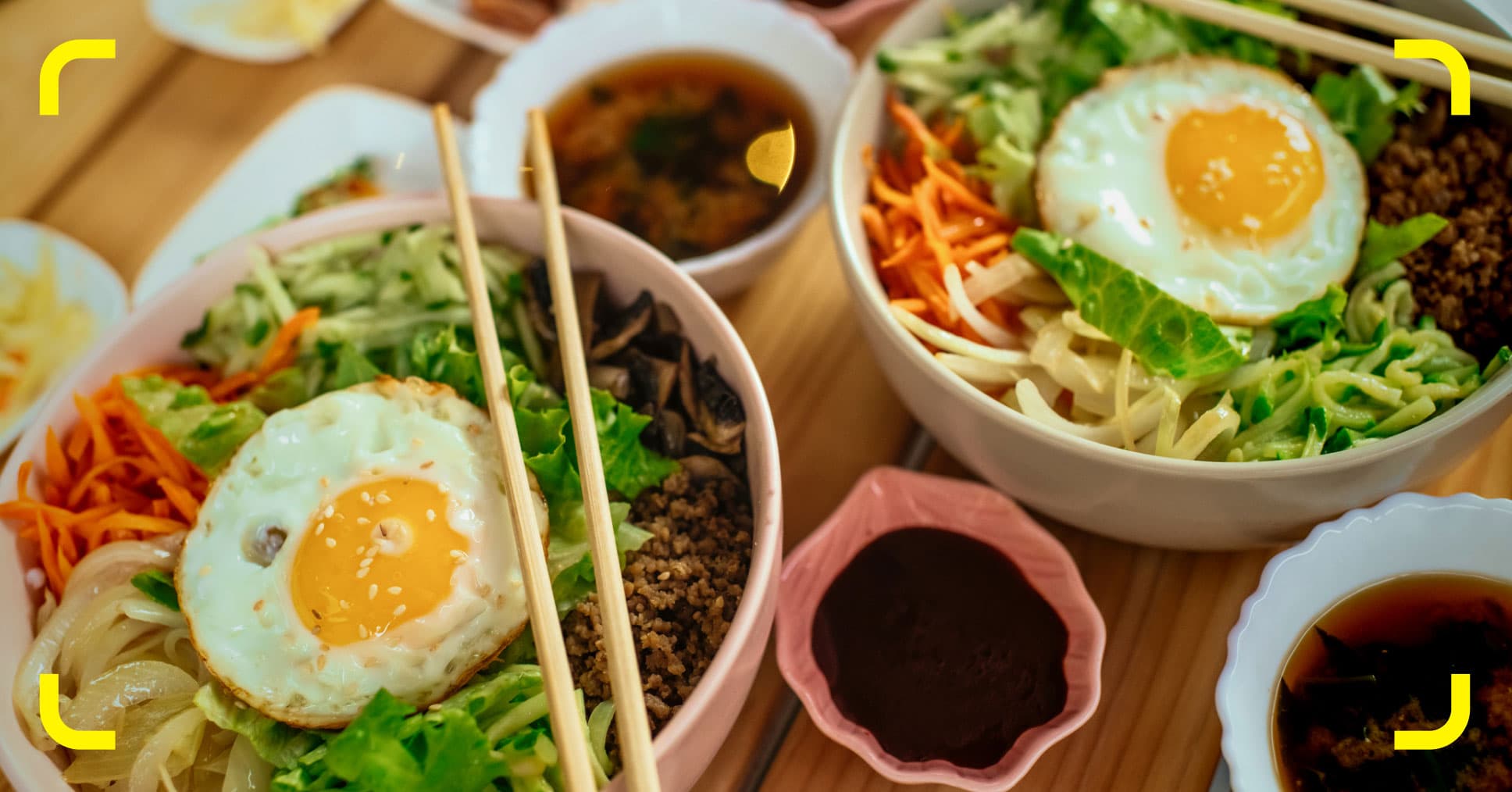
Table of Contents
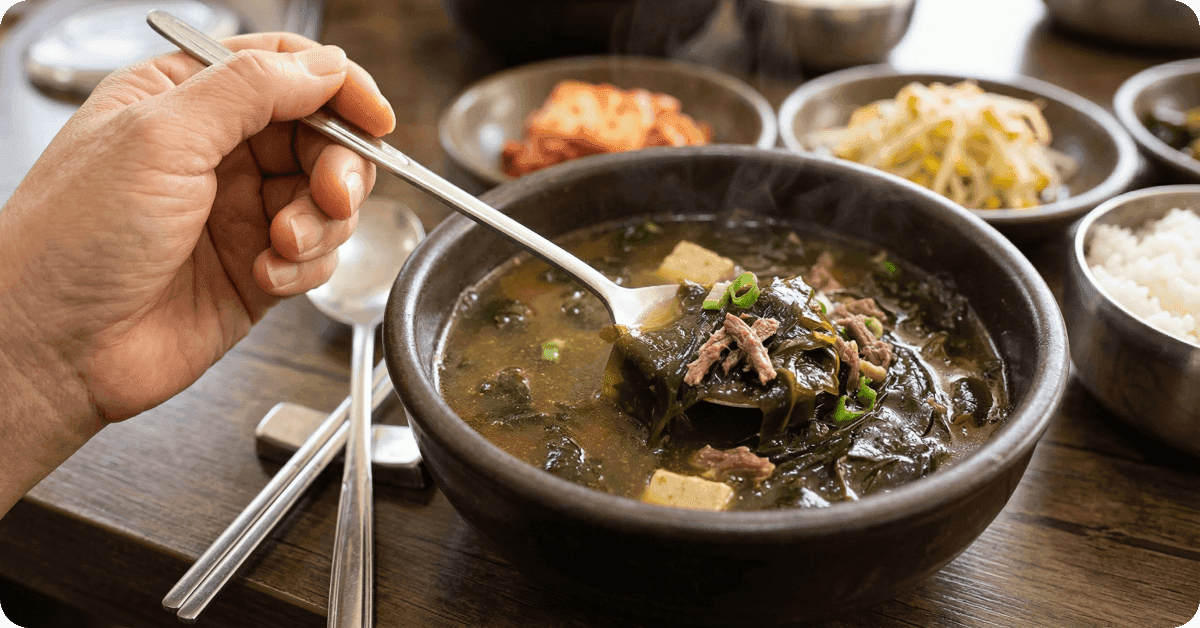
In South Korea, a meal is never just a meal — it’s an event rooted in the philosophy that food is medicine. The flavors are a masterclass in balance, where you will find the holy trinity of spicy, salty, and savory in almost every bite. Also, unlike Western dining, where each person gets a plate, Korean dining is defined by sharing. The center of the table is a crowded, colorful landscape of communal stews and grilled meats meant to be enjoyed together.
No meal is complete without banchan, which are small, refillable side dishes served to everyone. These staples often include the national fermented treasure known as kimchi, seasoned soybean sprouts called kongnamul muchim, blanched spinach with sesame oil, or a fluffy steamed egg custard. Most of these dishes get their kick from a pantry of gochujang red chili paste, doenjang fermented soybean paste, and ganjang soy sauce, all topped off with toasted sesame oil and plenty of garlic.
Food is so central to life in South Korea that it has birthed a global phenomenon known as mukbang, which is an eating broadcast. It features hosts consuming large meals while interacting with an audience, highlighting the deeply social nature of Korean food culture. Even when people eat alone, they use technology to ensure they are still sharing the experience with others.
While the modern food scene in South Korea is always evolving, there are at least eight staples that form the soul of the country’s culinary heritage. Each dish carries centuries of history, from royal court delicacies to the humble street snacks that fueled the nation’s growth. Whether you are dining in a centuries-old hanok restaurant (a dining establishment set within a traditional Korean wooden house) or standing at a bustling market stall, these are the essential flavors that define the Korean experience.
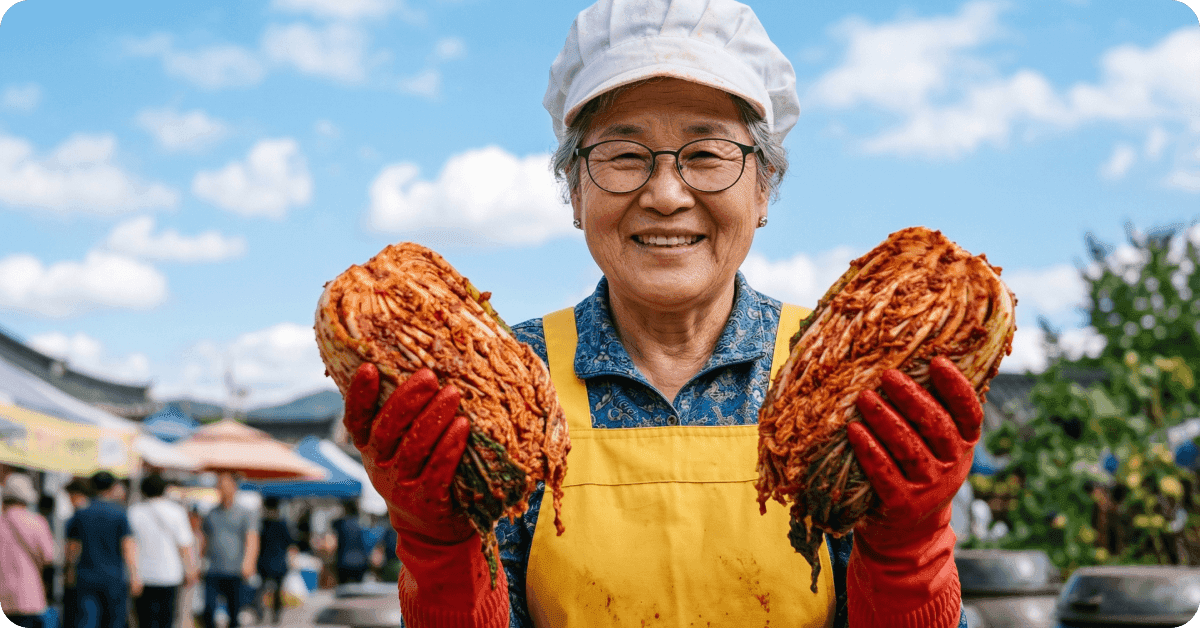
Kimchi is the undisputed king of the Korean table and a symbol of national identity. This fermented vegetable dish, most commonly made with napa cabbage, garlic, ginger, and plenty of red chili flakes, is served with virtually every meal. Its roots date back thousands of years as a way to preserve nutrients through harsh winters, and today it’s prized for its probiotic health benefits. You can find it everywhere from convenience stores to high-end dining, but for a truly authentic experience, visit Gwangjang Market in Seoul. A small side of kimchi is almost always free with your meal, while specialty jars can range from KRW4,000 to KRW10,000 (US$2.70–6.80).
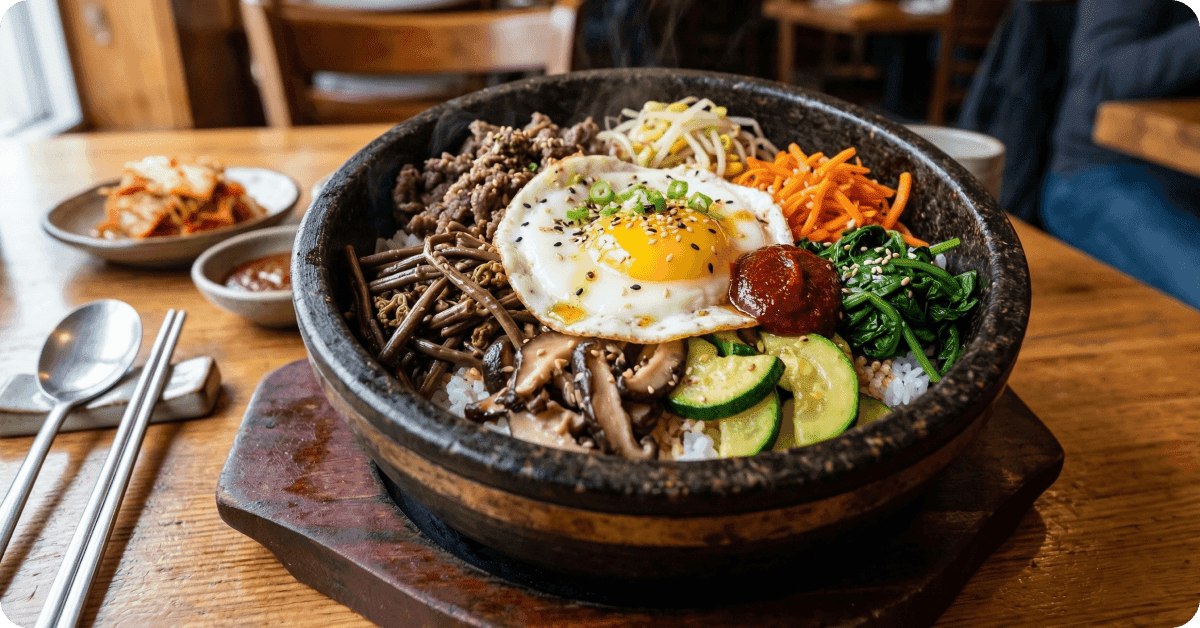
Bibimbap, which literally translates to “mixed rice,” is a vibrant bowl that perfectly illustrates the Korean focus on balance and harmony. It consists of a warm bed of rice topped with an array of sautéed vegetables, a dollop of spicy gochujang paste, and often a fried egg or sliced beef. Traditionally eaten on the eve of the Lunar New Year to clear out the pantry, it has become a globally recognized healthy meal. For the most famous version, head to Gogung in Myeongdong, which specializes in the traditional Jeonju style. A hearty bowl usually costs between KRW11,500 and KRW15,000 (US$7.80–10.20).
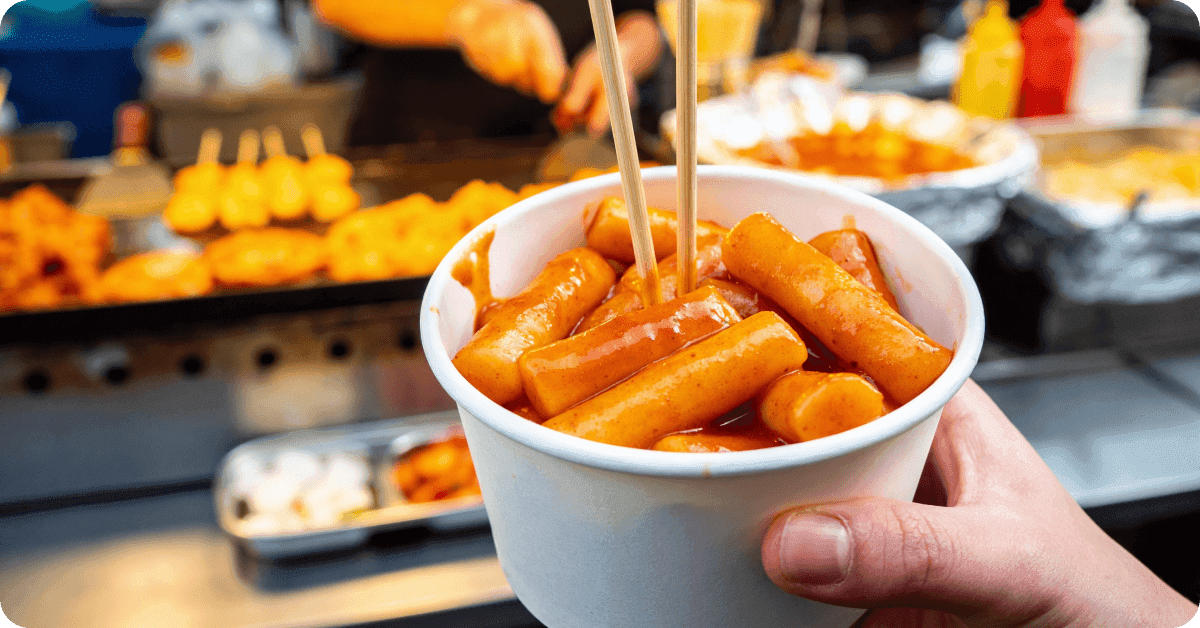
If there is one dish that defines Korean street food culture, it’s tteokbokki. They’re chewy, cylindrical rice cakes which are simmered in a thick, spicy, and slightly sweet sauce made from gochujang and sugar, often accompanied by thin slices of fish cake. Originally a savory soy-sauce-based dish served in the royal palace, the spicy version became a national hit after the Korean War as an affordable comfort food. You can find steaming vats of it at almost every street corner in Myeongdong or at the famous Sindang-dong tteokbokki town. It remains incredibly wallet-friendly, typically costing only KRW4,000 to KRW7,000 (US$2.70–4.75) per portion.
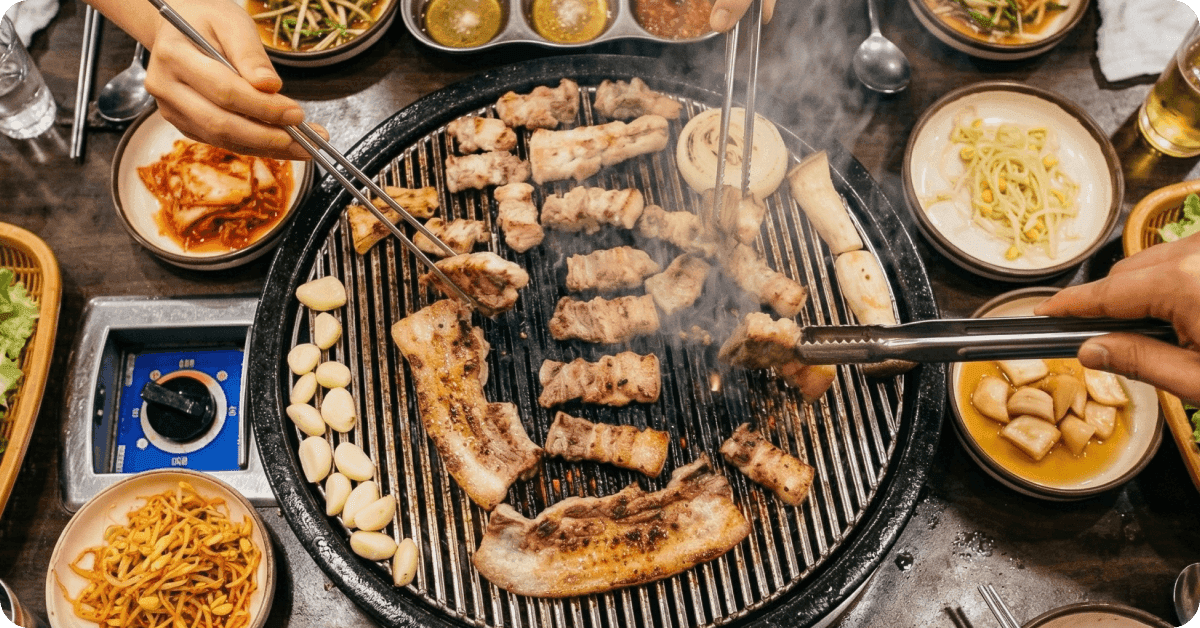
Samgyeopsal is more than just a meal — it’s a social ritual centered around thick slices of grilled pork belly. Diners cook the unmarinated meat themselves at a table-side grill, then wrap the crispy pieces in lettuce or perilla leaves with garlic, grilled kimchi, and a dab of savory ssamjang sauce. Its popularity skyrocketed in the late 20th century as pork became a more accessible protein for workers looking to unwind after a long day. For an authentic vibe, check out Wangbijib in Central Seoul or find a local “pork street” in the Mapo district. Expect to pay around KRW18,000 to KRW22,000 (US$12.20–14.95) per serving.
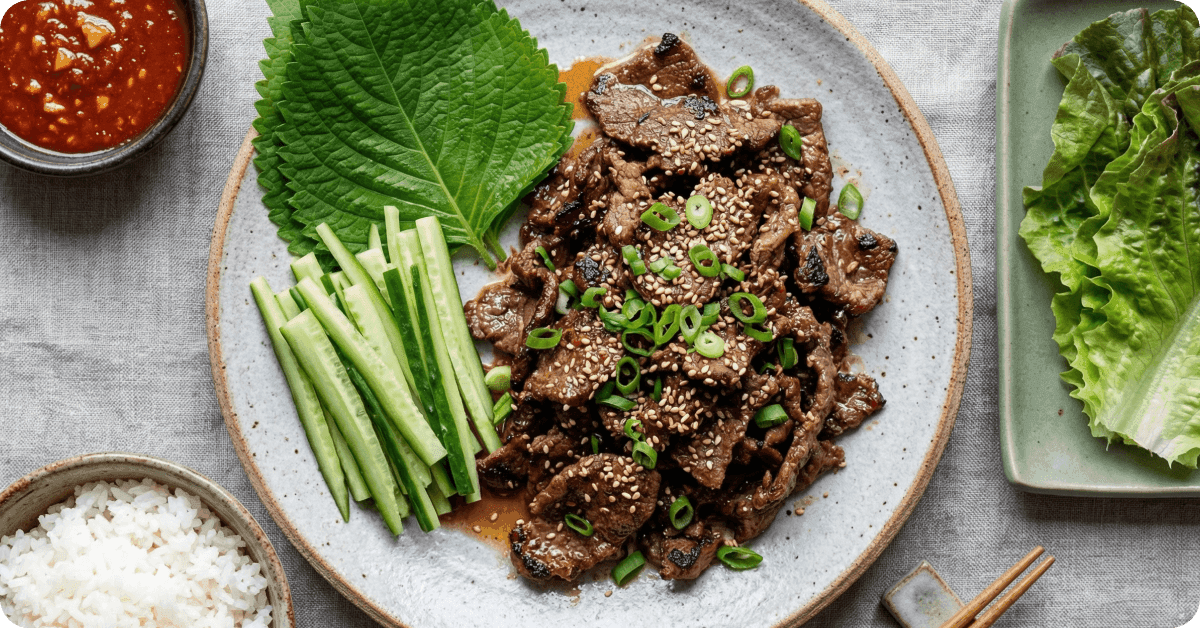
Bulgogi, or “fire meat,” consists of thinly sliced beef marinated in a sweet and savory mixture of soy sauce, sesame oil, sugar, and pear juice. The meat is usually grilled or stir-fried, resulting in a tender, caramelized flavor that has made it a favorite for celebrations for centuries. Historically, a dish for the upper class due to the cost of beef, it’s now a staple of Korean BBQ that appeals to all ages. Sariwon is a legendary spot in Seoul known for its secret marinade recipe passed down through generations. A standard serving typically ranges from KRW20,000 to KRW35,000 (US$13.60–23.80).
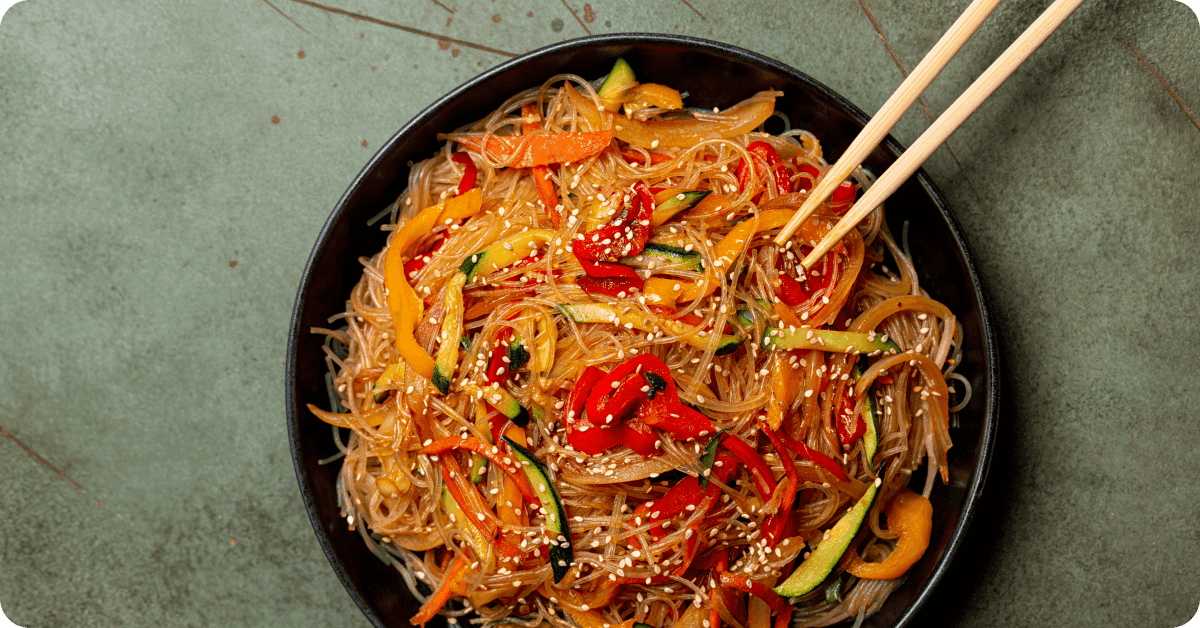
Japchae is a festive dish made of translucent glass noodles stir-fried with a colorful medley of vegetables, mushrooms, and beef. The noodles are made from sweet potato starch, giving them a unique, springy texture that absorbs the nutty flavor of toasted sesame oil and soy sauce. Created for a royal banquet in the 17th century, it is now a “must-have” for birthdays and traditional holidays like Chuseok. While often served as a side dish, you can find large portions at Namdaemun Market, where it’s prepared fresh on the spot. As a standalone meal or substantial side, it usually costs about KRW8,000 to KRW14,000 (US$5.45–9.50).
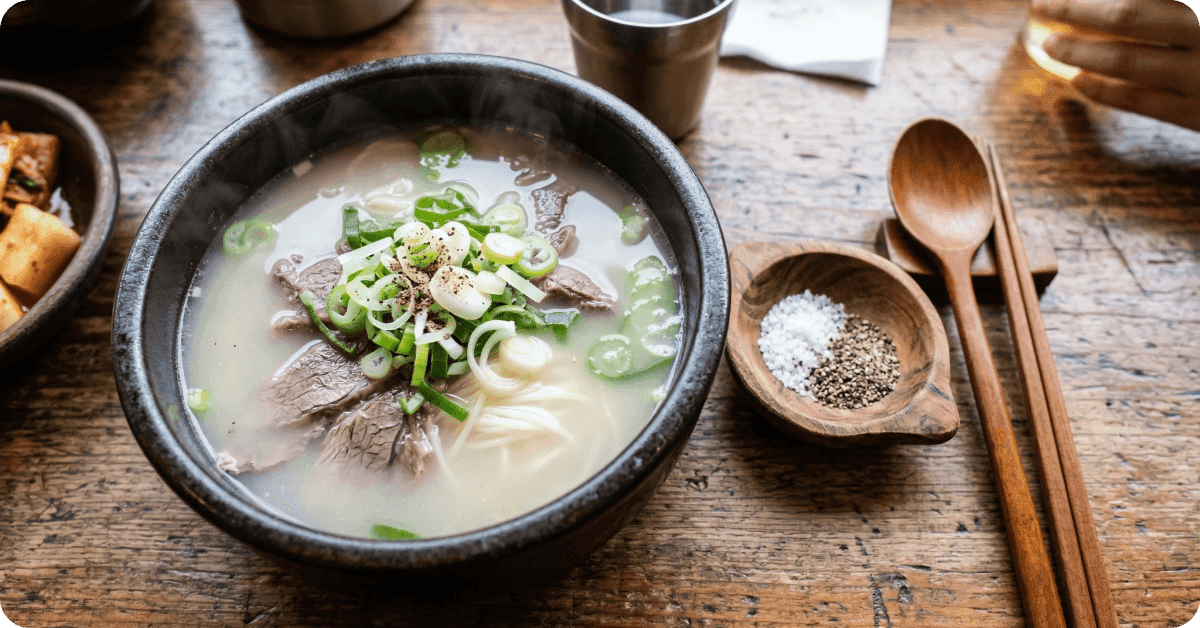
Seolleongtang is a comforting, milky-white ox bone soup that’s a local specialty of Seoul. The broth is simmered for several hours — sometimes even days — until it becomes rich and creamy, then served with thin slices of brisket and soft wheat noodles. It’s traditionally seasoned at the table by the diner with salt, black pepper, and chopped green onions to suit their personal taste. This dish dates back to the Joseon Dynasty, when it was served to the masses during agricultural rites. Imun Seolleongtang, the oldest restaurant in Korea, is the place to go for a bowl of history. A bowl typically costs around KRW11,000 to KRW15,000 (US$7.50–10.20).
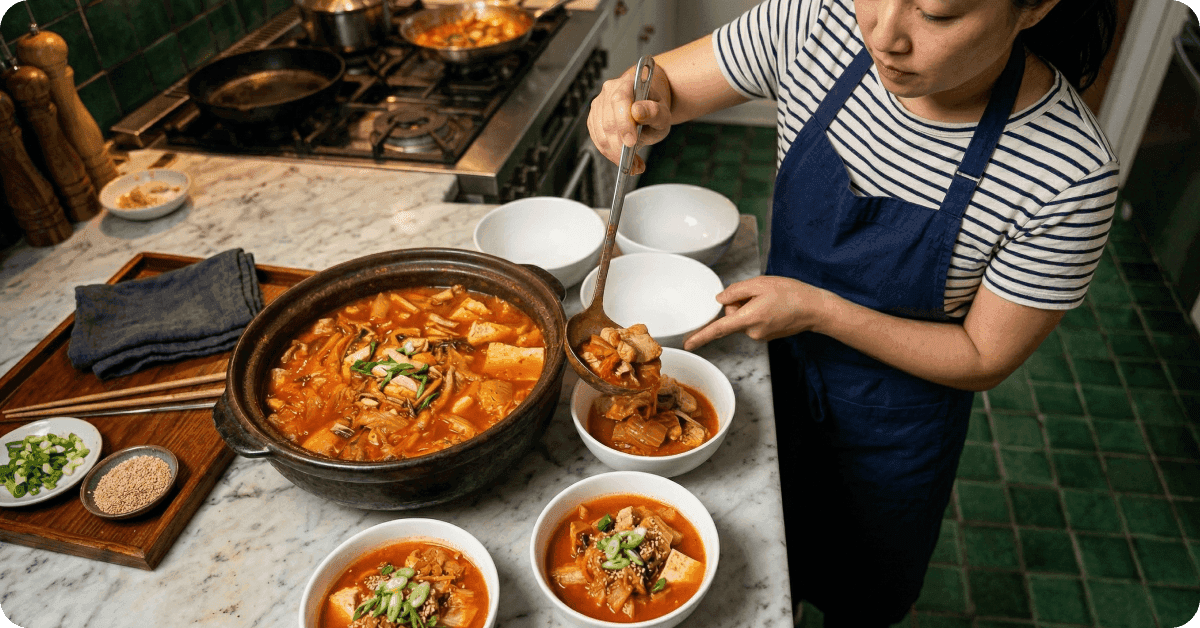
Kimchi jjigae is the ultimate Korean soul food — a spicy, bubbling stew made with well-aged, “sour” kimchi, tofu, and fatty pork. The older the kimchi, the deeper and more complex the flavor of the broth becomes, making it beloved in every Korean household. It’s usually eaten at home or in casual diners as a quick, satisfying lunch served with a bowl of steamed rice. For one of the best bowls in the city, visit Guldari Sikdang in Mapo, which has been specializing in this stew for over 40 years. You can enjoy this comforting classic for about KRW8,500 to KRW11,000 (US$5.80–7.50).
While traditional dishes form the backbone of Korean cuisine, slightly more modern meals are a mix of viral street snacks and “fusion” comfort foods. These items are the stars of social media and the daily fuel for students and office workers alike. They represent the high-energy, trendy side of South Korea where old meets new — often with a heavy helping of melted cheese or a spicy kick.
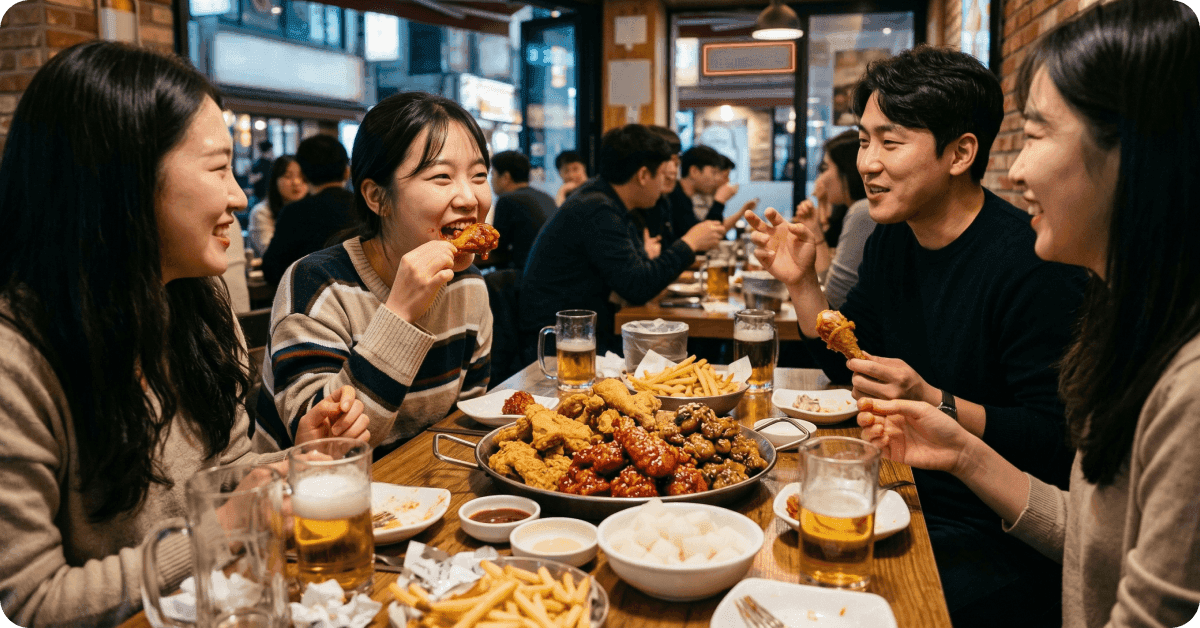
It’s not the KFC you’re thinking about — it’s Korean Fried Chicken. Unlike its Western counterpart, the Korean version is double-fried for an extra-shattery crunch and then hand-painted with thin glazes like soy garlic or spicy gochujang. It is most famously enjoyed as part of chimaek (chicken and beer), a quintessential social experience for locals. For a Michelin-level twist, try Hyodo Chicken in Gangnam, or visit Kyochon Pilbang in Itaewon for a premium experience. A full order for sharing costs between KRW19,000 and KRW28,000 (US$12.90–19.00) typically.
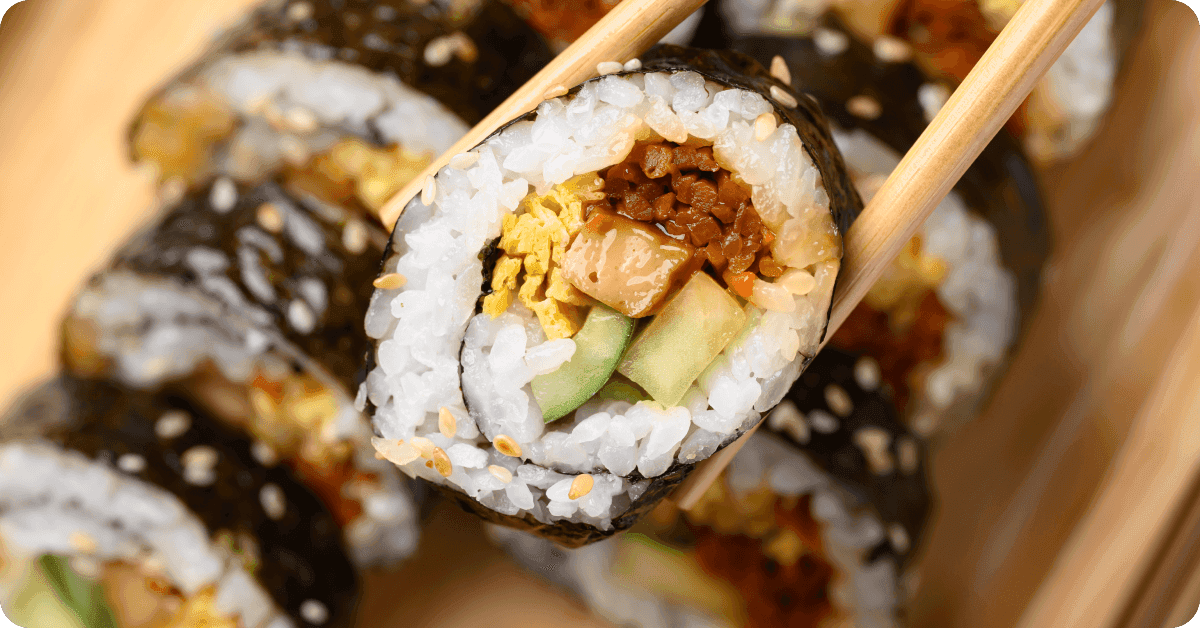
Often called the “Korean sandwich,” kimbap consists of steamed rice and various fillings wrapped in dried seaweed. While it looks like sushi, the flavors are distinct. The rice is seasoned with sesame oil rather than vinegar, and fillings range from bulgogi and tuna to pickled radish and egg. It’s the ultimate portable lunch for hikers and busy commuters. You can find high-quality rolls at Kim Ga Ne or visit TongTong Kimbap in Namdaemun for their famous healthy brown rice versions. A standard roll is very affordable, ranging from KRW4,000 to KRW7,000 (US$2.70–4.75).
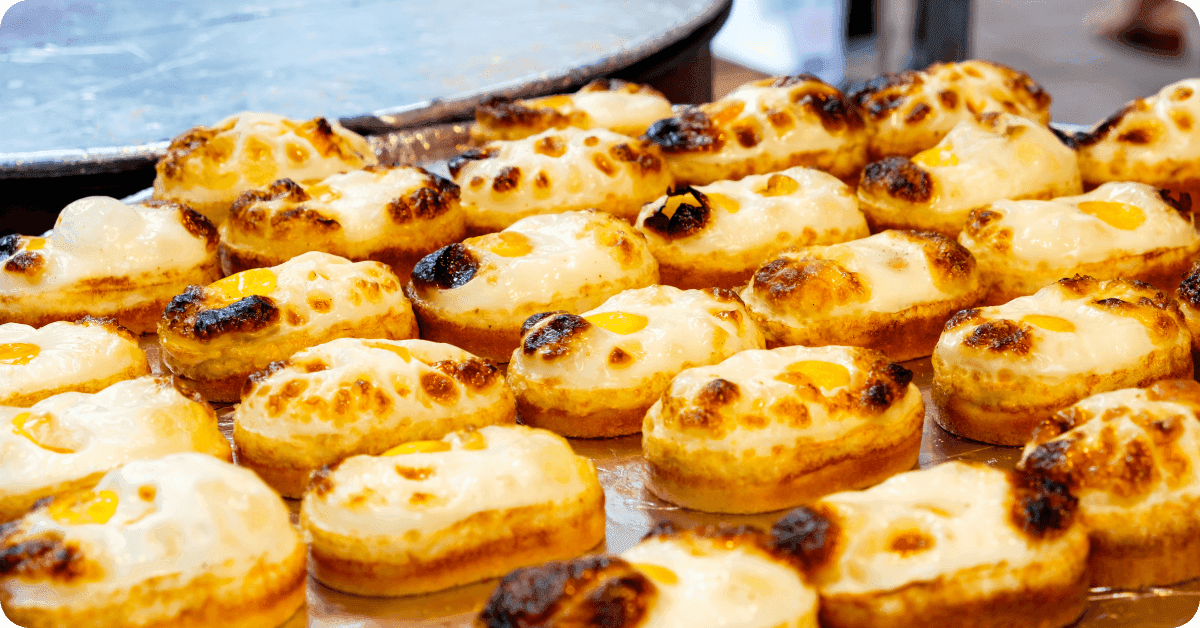
Gyeran-ppang, or “egg bread,” is a beloved winter street food that smells like a warm hug. It’s a small, oblong loaf of slightly sweet, fluffy bread with a whole egg cracked inside, then baked until golden. Some modern versions add toppings like cheese, ham, or parsley to the savory-sweet base. It’s famous in the Myeongdong Night Market, where vendors serve them piping hot in paper cups. These treats are perfect for a quick snack on the go and usually cost around KRW2,000 to KRW3,000 (US$1.35–2.05).
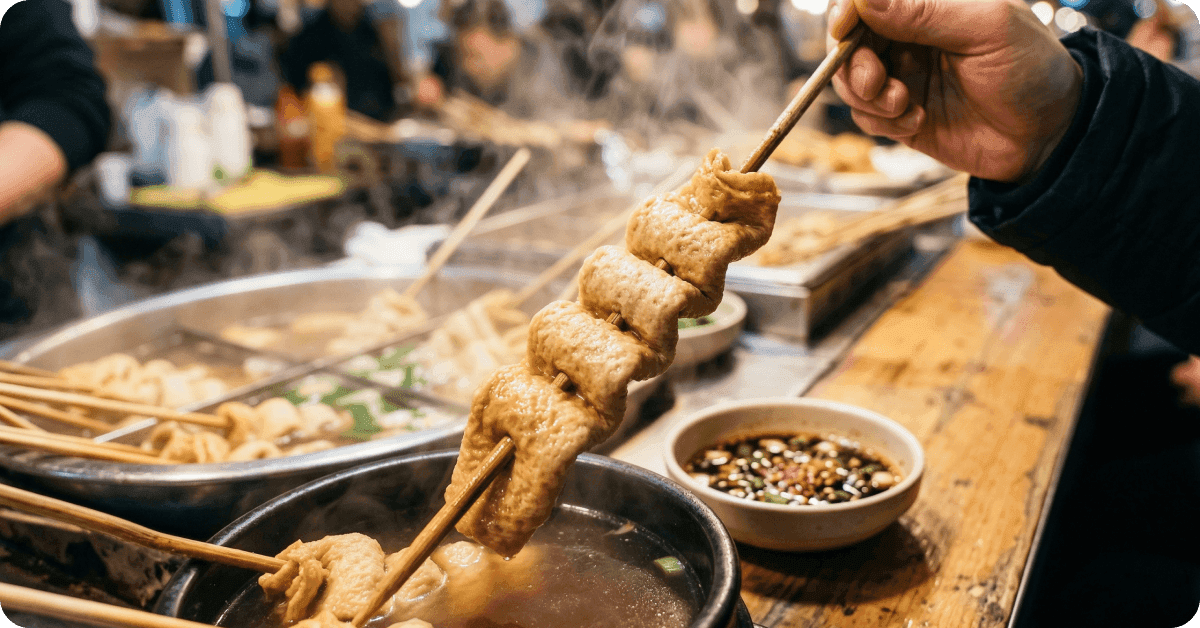
If you see a crowd huddling around a steaming cart in the winter, they are likely eating odeng. These long, folded fish cake skewers are simmered in a light, savory broth infused with anchovies, radish, and kelp. The best part? In most street stalls, the broth is free — you simply grab a cup and help yourself to as much as you like. You can find these at nearly any subway exit or at Gwangjang Market. Each skewer is a bargain, typically priced at KRW1,000 to KRW1,500 (US$0.70–1.00).
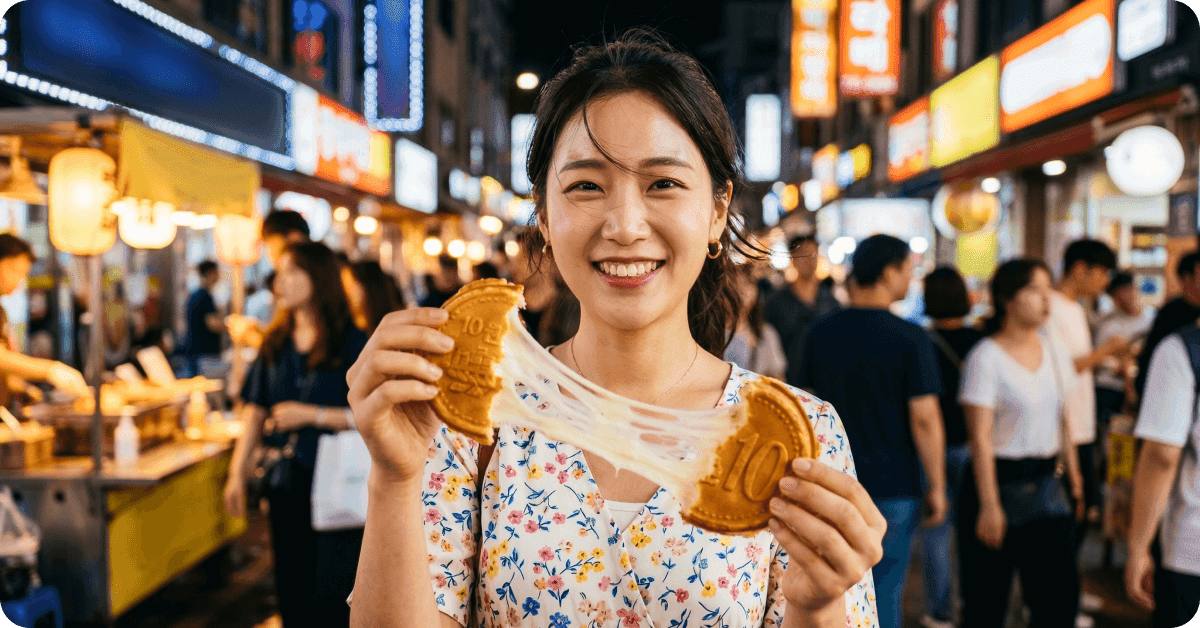
10-won bread is a viral sensation — it’s a giant, pancake-like snack shaped like the South Korean 10-won coin. While it bears the image of the coin, it actually costs significantly more due to its massive size and the thick block of mozzarella cheese hidden inside. When pulled apart, the cheese stretches for feet, making it an Instagrammable favorite for foodies. Originally a hit in Gyeongju, you can now find it at specialized stalls in Hongdae or Myeongdong. Expect to pay around KRW3,000 to KRW4,000 (US$2.05–2.70) for one.
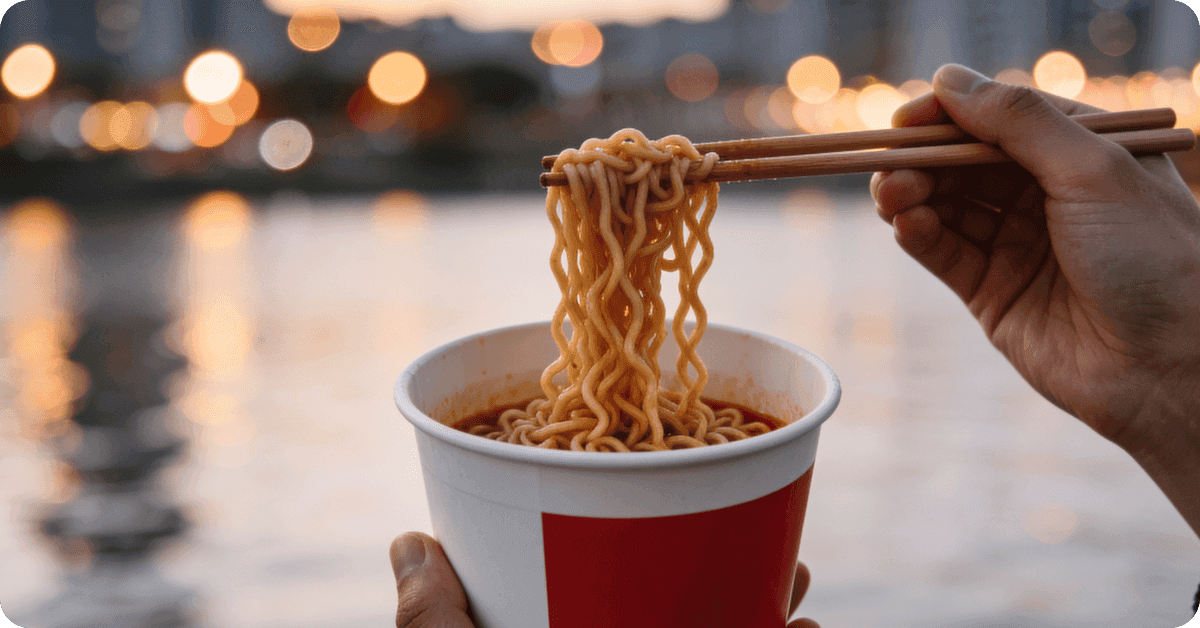
In South Korea, ramyeon is treated as a culinary art form rather than just a quick snack you get from your pantry. Locals take their instant noodles seriously, often adding fresh ingredients like eggs, green onions, or rice cakes to elevate the spicy broth. For a truly modern experience, visit a “self-service ramyeon café” in Hongdae, where you can choose from hundreds of varieties and cook them yourself using specialized machines. Just a tip — if a local in Korea asks if you want to “come over for ramyeon,” just know it’s often more than a friendly snack invitation. In Korean pop culture, it’s a classic euphemism similar to “Netflix and chill.” Unless you’re looking for a romantic subplot to your trip, you might want to politely decline or suggest meeting at a public cafe instead! If you’re getting ramyeon at a shop or diner, depending on the brand and toppings, a bowl costs about KRW4,000 to KRW6,000 (US$2.70–4.10).
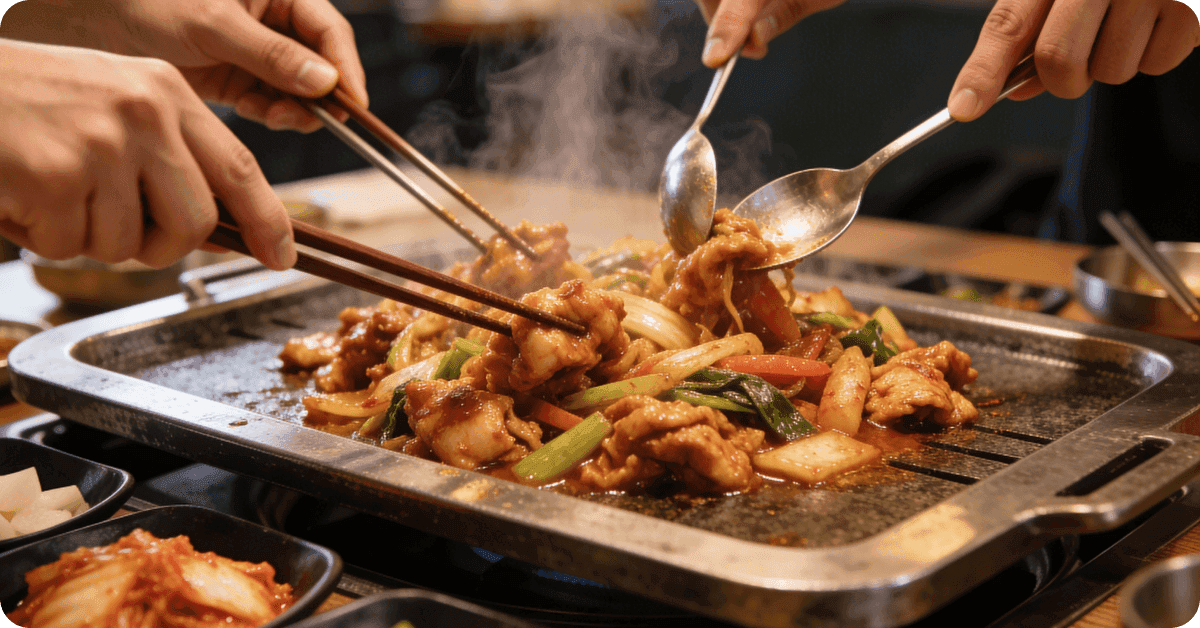
Dakgalbi is a spicy, stir-fried chicken dish that is as much about the spectacle as the taste. Large chunks of marinated chicken are tossed into a massive cast-iron pan with cabbage, sweet potatoes, and chewy rice cakes, all cooked right at your table. Most people order a “cheese fall” to melt over the top and finish the meal by stir-frying rice into the leftover sauce. Jangin Dakgalbi in Gangnam or Mapo is a top-rated spot for this interactive feast. A meal for two generally costs between KRW24,000 and KRW32,000 (US$16.30–21.75).
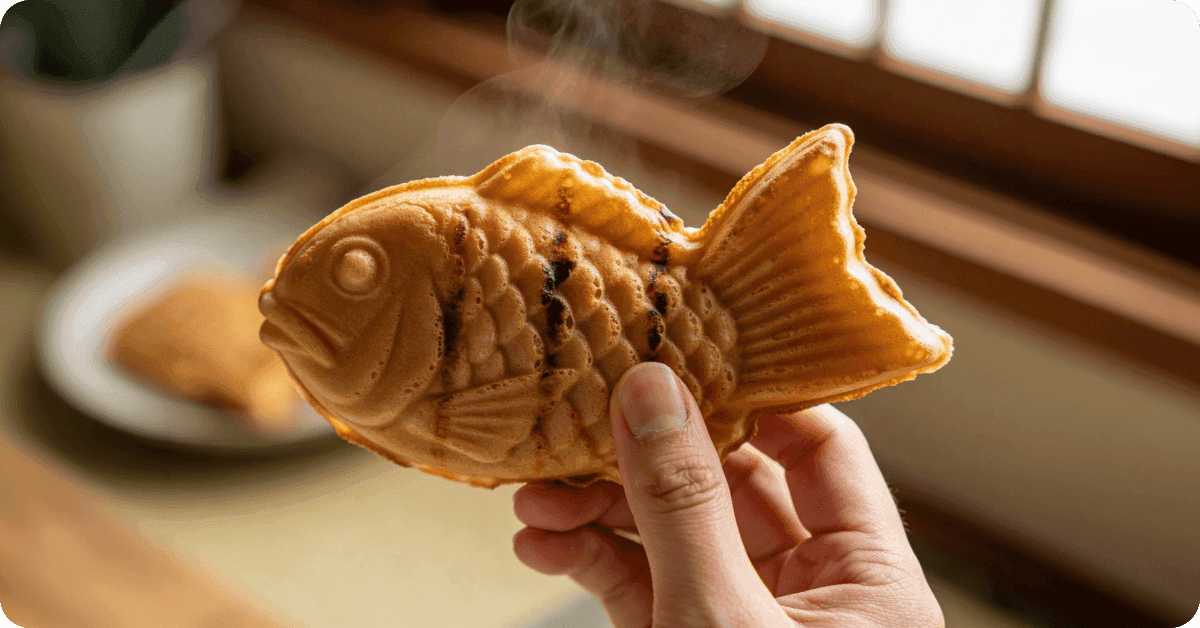
Korean cuisine includes a variety of sweet treats that are just as diverse as the savory main courses — South Korea’s dessert scene offers a unique blend of chewy textures, nutty grains, and natural sweeteners like honey and red bean.
Hotteok are sweet, pan-fried pancakes filled with a molten mixture of brown sugar, cinnamon, and chopped walnuts, making them the ultimate winter comfort food. For a colder treat, Bingsu is a mountain of milky shaved ice topped with everything from traditional red beans to fresh mango and condensed milk. Tteok represents a massive category of chewy rice cakes that can be coated in toasted soybean powder or filled with sweet sesame seeds, while Yakgwa are deep-fried, flower-shaped cookies soaked in a ginger-honey syrup for a dense, floral sweetness.
If you’re traveling through train stations, you’ll likely smell the nutty aroma of Hodo-gwaja, which are small walnut-shaped pastries filled with red bean and a crunch of real walnut. Gyeongdan are equally delightful — they’re small, colorful rice balls coated in black sesame or mugwort powder. Finally, no trip to Korea is complete without trying Bungeoppang, the iconic fish-shaped pastry. These are baked in a mold until crispy on the outside and filled with a steaming center of sweet red bean or creamy custard — a simple, nostalgic snack that has been a local favorite for generations.
Navigating the dining scene in South Korea is an adventure in itself, but a few local “unwritten rules” can make your experience much smoother. Beyond the flavors, the culture is built on respect, efficiency, and a deep love for communal dining.
Communal is the default. Most traditional meals, especially Korean BBQ and stews, are designed for sharing. In fact, many BBQ spots require a minimum of two servings to start. If you are a solo traveler, look for “Honbap” (solo dining) friendly spots or casual noodle shops.
The power of the call button. Don’t wait for a server to stop by and check on you. Most tables have a small call button — press it once, and a server will arrive almost instantly. If there’s no button, a polite shout of “Yeogiyo!” (Over here!) is perfectly standard.
Zero tipping culture. Tipping is not expected and can sometimes even be seen as a confusing gesture. Workers take pride in transparent pricing, so a simple “Kamsahamnida” (Thank you) is the best way to show your appreciation.
Hierarchy at the table. If you’re dining with locals, etiquette dictates that the eldest person at the table picks up their chopsticks first. It’s also polite to use both hands when pouring or receiving a drink — a small gesture that goes a long way in showing respect.
Chopstick taboos. Never stick your chopsticks upright in a bowl of rice, because this resembles a funeral ritual and is considered a major faux pas. When not in use, rest them on the provided stand or the edge of your plate.
Modern reservations. For popular or high-end spots, the CatchTable app is the gold standard for foreigners. It allows you to book tables and even join “remote waiting lists” in English, so you don’t have to stand in line for an hour.
Joining a food tour. If you’re overwhelmed by the choices, joining a guided tour at Gwangjang Market or a Makgeolli brewery is a fantastic way to learn the history behind the dishes while discovering “hidden gem” stalls you might otherwise walk past.
In a country where technology moves as fast as its bullet trains, staying connected is non-negotiable for a smooth food tour. While South Korea is famous for its connectivity, having reliable mobile data is essential for navigating the maze-like alleys of markets like Gwangjang or using Naver Maps, since Google Maps often struggles with walking directions here. From checking real-time queue status on apps like CatchTable to using your camera to translate handwritten daily menus, a constant connection ensures you never miss a hidden gem just because you couldn’t find the door.
That’s why Saily is a perfect travel companion. Instead of hunting for a physical Asian SIM card kiosk at Incheon Airport or dealing with the shock of international roaming fees, you can set up a Saily eSIM before you even pack your bags. With just a few taps, you’ll have access to South Korea’s lightning-fast 5G networks. Just download the Saily eSIM app, get eSIM for South Korea, connect, and that’s it! Whether you need a quick 1GB top-up for a weekend in Seoul or a larger 20GB plan for a month-long culinary pilgrimage across the peninsula, Saily offers flexible, affordable data that keeps you online the moment you land.
Need data in South Korea? Get an eSIM!

1 GB
7 days
US$3.99
3 GB
30 days
US$8.99
5 GB
30 days
US$10.99


Related articles