

Transportation in Mexico: What’s the best way to get around in Mexico?
From the magnificent pyramids of Chichen Itza to the sandy beaches of Cancun, Mexico has a lot to offer. But how will you get to these amazing places? In this article, you’ll learn the essentials of getting around Mexico in 2026. Read on to find the safest, most convenient option for your trip!
Table of Contents
- An overview of Mexico’s transportation
- The most common types of transportation in Mexico
- Domestic flights in Mexico
- Driving in Mexico
- Taxis in Mexico
- Long-distance buses
- Private transportation in Mexico
- Public transportation in Mexico
- Public transportation options in Mexico
- Local buses (Camiones)
- Microbuses (Combis)
- Shared taxis (Colectivos)
- Metro systems
- Metrobus (Bus rapid transit)
- Airport buses and express services
- Other modes of transportation in Mexico
- Transportation security in Mexico
- What’s the cost of transportation in Mexico?
- What’s the best way to get around in Mexico?
- Tips for getting around in Mexico
- How Saily can make getting around in Mexico easier
An overview of Mexico’s transportation
You can choose from various modes of transportation in Mexico:
Driving
Domestic flights
Local and long-distance buses
Metro systems
Taxis
Private chauffeurs
Each option has different pros and cons, especially depending on where you’re heading, how well you know Spanish, and how familiar you are with the country. We’ll explain the most popular modes of transportation in Mexico to help you make the best choice.
The most common types of transportation in Mexico
Let’s take a look at the most common types of transportation in Mexico, comparing each in terms of reliability, accessibility, and safety.
Domestic flights in Mexico
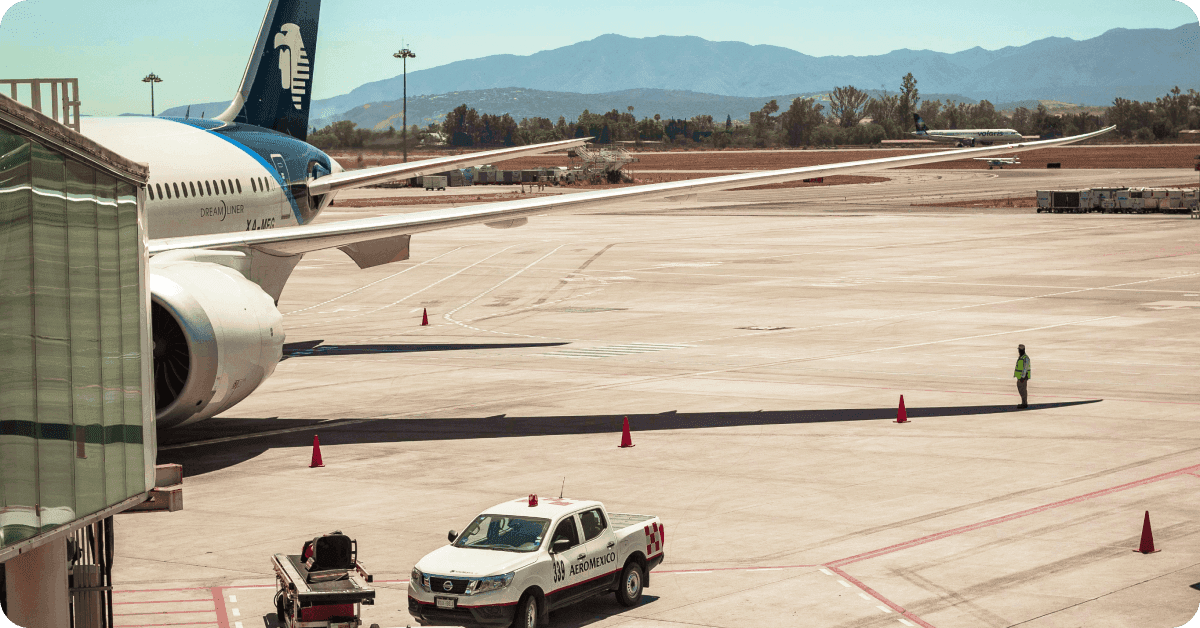
Mexico is a large country with over 750,000 square miles of land, so if you want to hit all the tourist spots, you may want to look into domestic flights. Mexico has a strong network of domestic airports across 60 major cities, including Mexico City, Cancun, Monterrey, and San José del Cabo.
Domestic flights in Mexico can offer pretty good value, especially when you compare the cost of a flight to the amount of time it may take to drive across the country. Aeroméxico is the largest, best-known Mexican airline, but you can also snag good deals with VivaAerobus and Volaris.
Because the cost of living in Mexico is quite affordable, you can sometimes find flights for as low as US$40 between Mexico City and Cancun. If you’re looking to maximize efficiency, a domestic flight might be the best choice for long distances.
Driving in Mexico
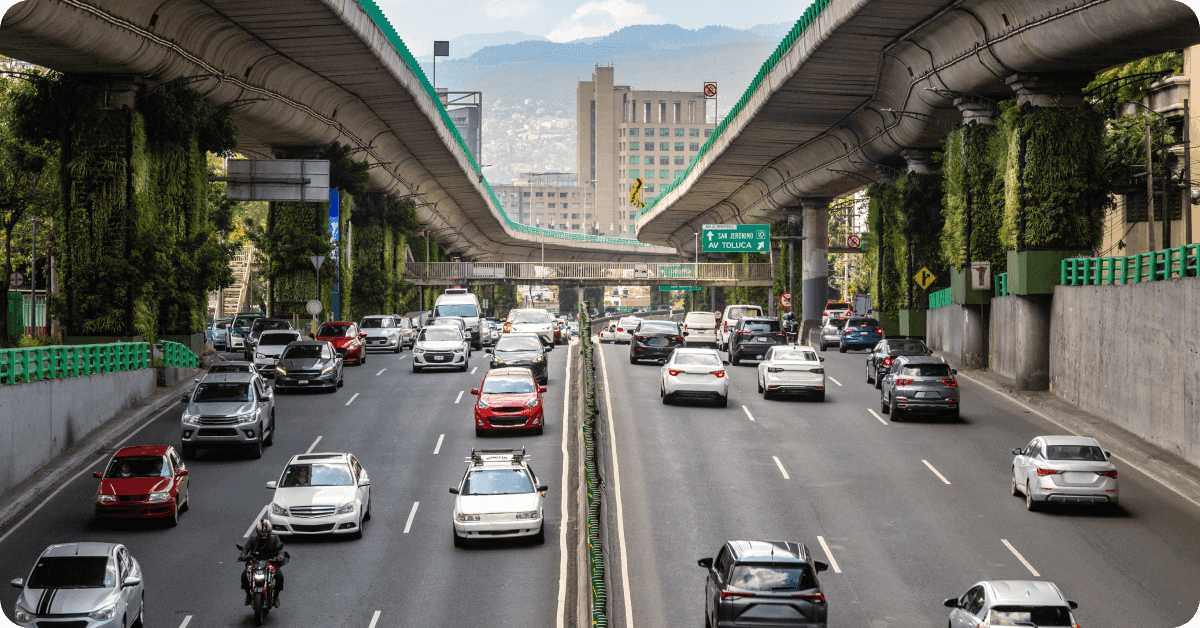
Thanks to extensive investment in the road infrastructure over the last 30 years, driving in Mexico is easier than ever. However, some rural roads are still a little rough, and you may experience traffic depending on the location, time of day, and date. For the best speed and safety, you may want to use toll roads, known as autopistas or cuota roads.
Car rentals are widely available in Mexico and easy to get, with daily rates starting around US$50. Most Mexican car rentals include liability coverage and unlimited kilometers. To rent a car in Mexico, you just need a valid driver’s license, passport, and credit card.
Taxis in Mexico
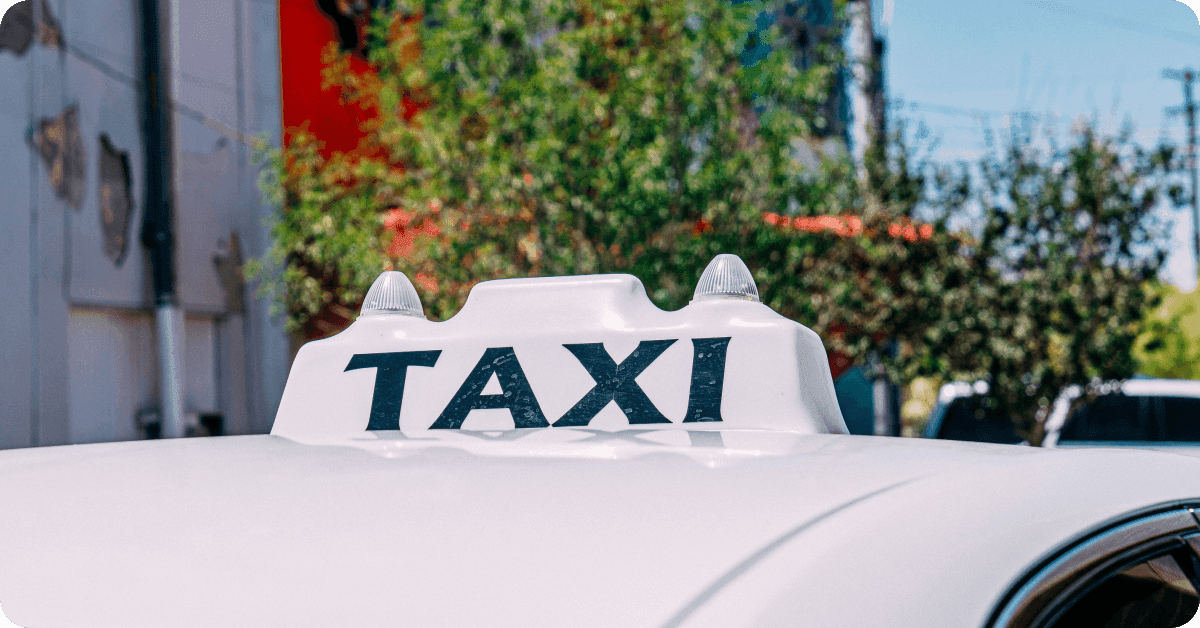
Taxis in Mexico are widely available in most cities and towns, so they’re a strong option for transportation in Mexico City and other major tourist destinations. Some transportation hubs even offer fixed-rate fares. For example, if you need Mexico City airport transportation, you can buy a fare voucher at the prepaid taxi counter (taquilla). If you don’t get a taxi voucher, verify that the meter is working or negotiate a fixed rate before you get in to avoid overpaying.
Long-distance buses
Long-distance buses are also a popular way to travel between cities. Mexico has three different bus classes.
Executive: Deluxe buses with assigned seats that offer various amenities, such as air conditioning, snacks, and Wi-Fi. They typically use toll roads, getting you between cities much more quickly.
1st class: First-class (primera clase) buses are similar to Greyhound buses in the US. They typically have toilets and air conditioning, and they usually take direct routes between cities.
2nd class: Second-class (segunda clase or económico) buses are often older vehicles. They typically avoid toll roads and stop frequently to pick up passengers, which means that your trip might take longer, but the lower cost and greater flexibility may be worth it.
You can buy an executive or first-class bus ticket online or at the bus terminal before you depart. However, for second-class buses, you should plan to pay a cash fare when you board.
Private transportation in Mexico
Private transportation in Mexico is available through hired drivers and shuttles, which you can order through most local car rental agencies. While chauffeur services are typically more expensive, they come with extra security and reliability. Most private transportation services charge fixed daily rates, so you always know how much you’ll pay.

Public transportation in Mexico
Public transportation in Mexico is one of the most popular forms of travel, for tourists and locals alike. Most cities and tourist destinations offer cheap public transportation options, including buses, shared taxis, and subways.
Public transportation options in Mexico
Mexican cities and towns offer multiple cost-effective public transportation options. The system can be a little complicated for tourists, especially if you don’t speak Spanish. However, if you’re willing to learn how to navigate public transportation in Mexico, it can get you where you need to be at minimal cost.
The most popular public transportation options in Mexico include:
Local buses (camiones)
Microbuses (combis)
Shared taxis (colectivos)
Metro systems
Local buses (Camiones)
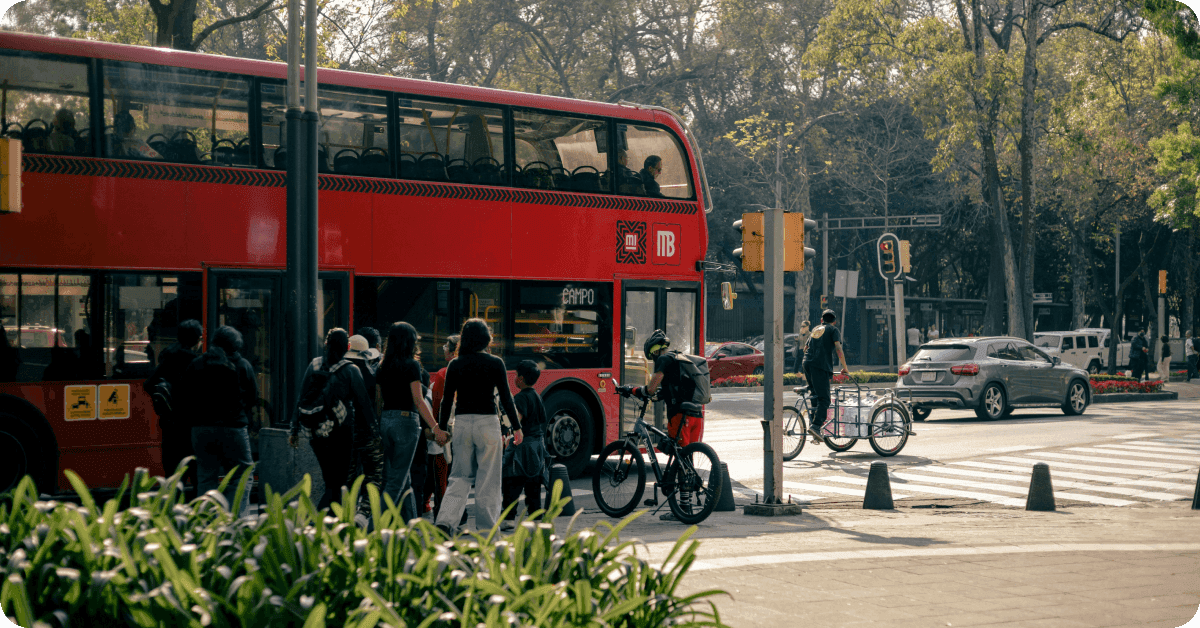
Local buses (camiones) are the most popular form of transportation in Mexico. In fact, if you’re moving to Mexico from the US, the local bus system will probably be your transportation mode of choice! But how do camiones work for tourists?
Local buses run frequently throughout most cities, and they may even connect to nearby towns and villages. You can pick up a bus at designated bus stops (paradas). Camiones operate on a cheap, flat-rate cash fare, usually costing just a few pesos.
However, it’s important to note that, just like in the US, buses can get quite crowded, which can be uncomfortable.
Microbuses (Combis)
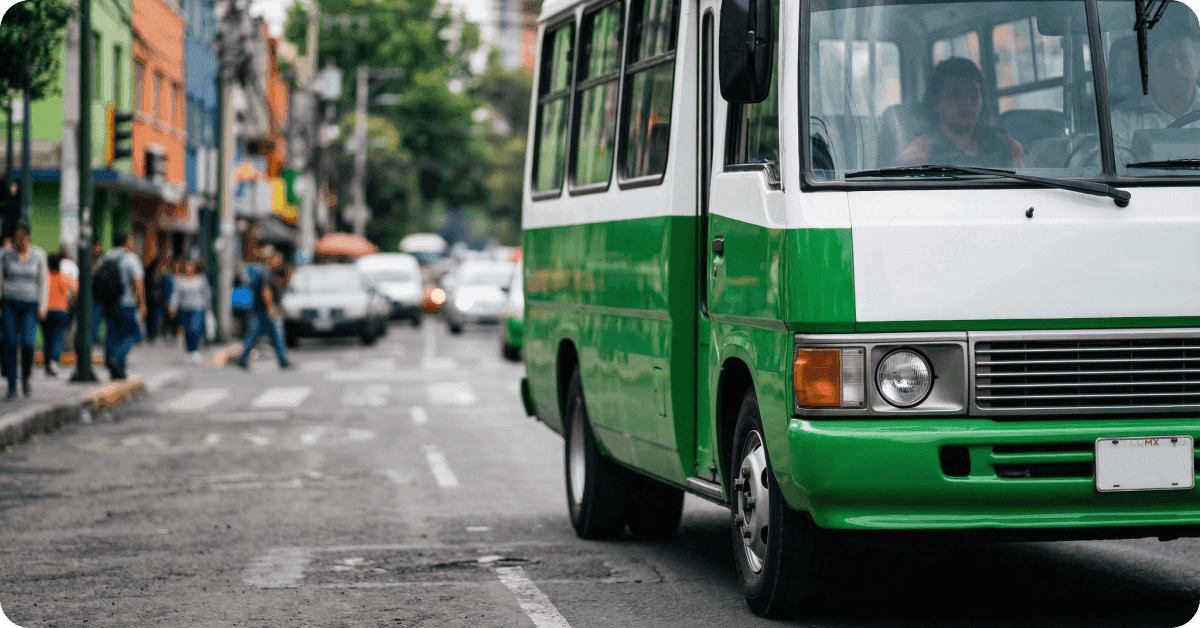
Microbuses, also known as combis or peseros, are less crowded, more efficient alternatives to local buses. These smaller buses, vans, or utility vehicles take on passengers along a fixed route. They cost a little more than a camione, but they offer a more consistently comfortable experience. Whereas local buses charge a flat cash fare, for microbuses, you pay for the distance traveled. For combi transportation in Mexico City, look for the green and white microbuses.
Shared taxis (Colectivos)
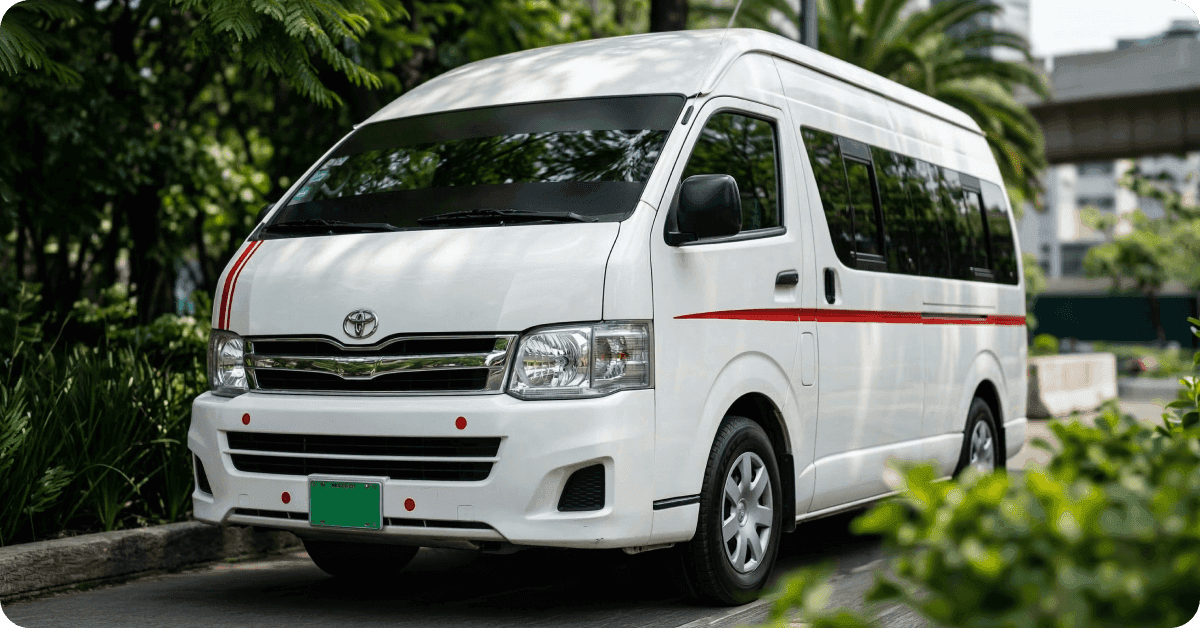
Shared taxis (colectivos) are large vans, similar to microbuses, that take on multiple passengers. Unlike a combi, however, shared taxis usually don’t stick to a fixed route. Instead, they go to specific locations requested by riders. You’ll be sharing your colectivo with others, but it’s cheaper than a taxi and quicker than a bus.
Metro systems
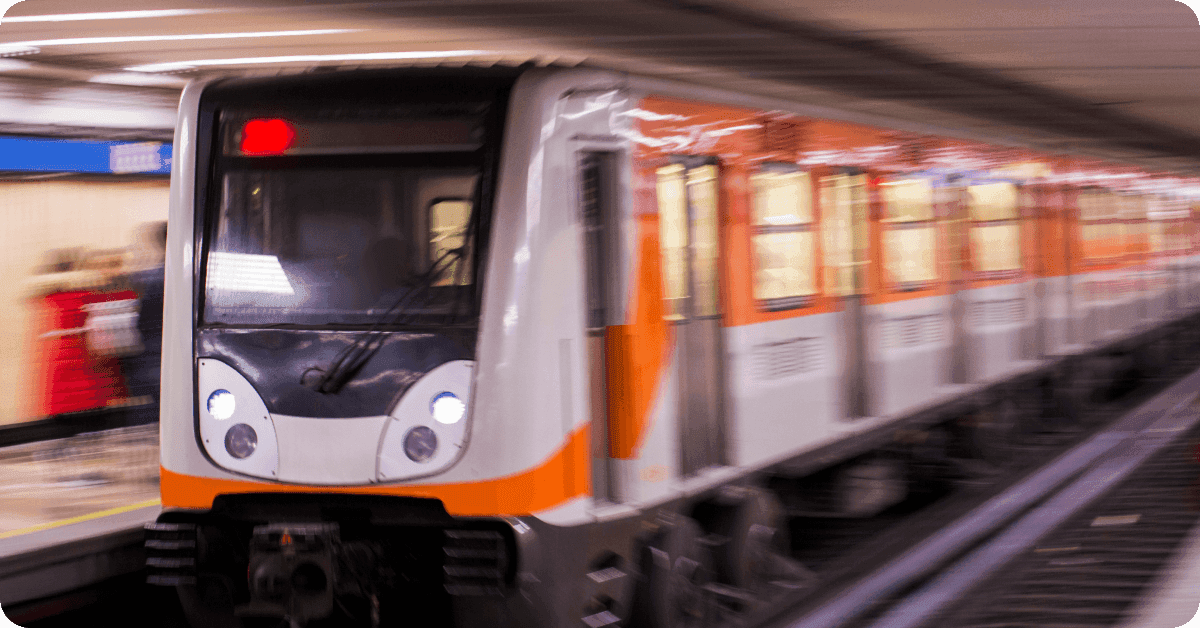
While not every urban area in Mexico has a metro, public transportation in Mexico City has a great metro system, and Guadalajara and Monterrey also have their own, smaller metros.
To use the Mexico City Metro, you’ll need to buy an Integrated Transit Card for $15 MXN (about US$0.87) and preload it with cash to cover your travel ($5 MXN/US$0.29 per ride). You can pick up a card at the ticket window or a kiosk (which has English language options) in any Mexico City Metro station. If you’re traveling with a group, you only need to buy one transit card because you can use it to pay for multiple riders.
Metrobus (Bus rapid transit)
The Metrobus is an extension of the Mexico City Metro network. The Metrobus has a dedicated bus lane that runs along the Avenida Insurgentes — a major boulevard — for 35 miles. This exclusive lane lets the Metrobus move more quickly than other buses or even cars. You can pay for a Metrobus using your Integrated Transit Card, but the trip will cost you a little more than the metro: $6 MXN (US$0.34).
The Mexico City Metrobus has been so successful that a few other cities, like Acapulco, have adopted similar systems. Check to see if your destination has a metrobus option.
Airport buses and express services
If you’re looking for transportation from the airport, Mexico City has a special Metrobus line (line 4) that runs between downtown and Mexico City International Airport (International Airport Benito Juárez). For other cities, a taxi voucher may be your best bet.
Other modes of transportation in Mexico
Beyond driving, taxis, buses, and metros, several other transportation options in Mexico are worth mentioning. They’re generally less popular, but depending on your travel plans, they may be a good option.
Walking. If you’re navigating a small urban area, walking is a great way to get to restaurants, museums, and attractions. Most cities and large towns in Mexico have sidewalks, but their condition may vary. Cross streets only at the yellow and white pedestrian crosswalks, but be aware that not all drivers will give you the right of way.
Ferries. You can use a ferry to travel between mainland Mexico and California or nearby islands. Popular ferry routes include Santa Rosalía to Guaymas, La Paz to Mazatlán and Topolobampo, Cancun to Isla Mujeres, and Playa del Carmen to Cozumel.
Motorbikes/scooters. You can rent a scooter or motorbike in tourist centers if you have a valid driver’s license and credit card. However, unlike rental cars, motorbikes typically don’t include any insurance.
Rideshares. Rideshare apps like Uber, Cabify, and Didi are gaining more prominence in Mexico, and you can use them as an on-demand alternative to taxis or microbuses.
Rail. Mexico has some rail lines that are great for sightseeing, like the Tren Maya, which loops around the Yucatán Peninsula and historical sites like Chichén Itza. The Ferrocarril Chihuahua Pacífico train offers stunning views through the Sierra Madre, and the Tequila Express runs from Guadalajara.
Transportation security in Mexico
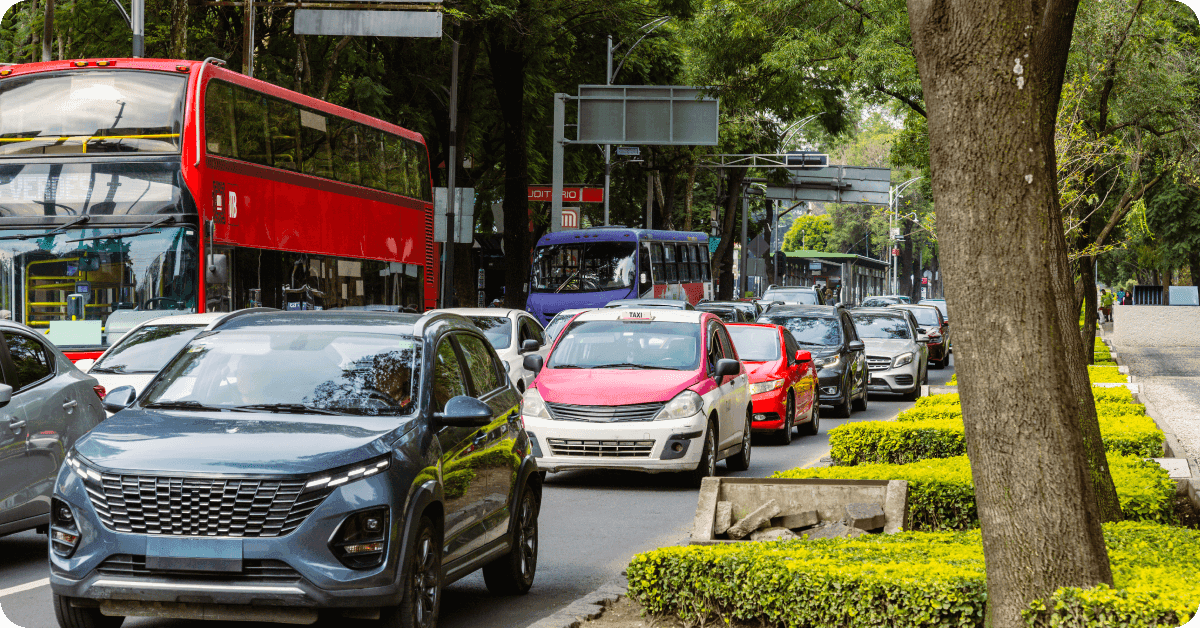
While many areas of Mexico are safe to visit, it’s important to stay informed about current safety conditions and take transportation security into account. Before and during your trip, regularly check government travel advisories for Mexico because security and political conditions can change. Stay informed about the specific regions you plan to visit, monitor local news, and follow official safety guidance.
Here’s an overview of the modes of transportation in Mexico, grouped by safety:
Safest | Generally safe | Potentially less safe |
|---|---|---|
Private transportation | Second-class buses | Driving |
Executive and first-class buses | Local buses | Cycling |
Domestic flights | Microbuses/shared taxis | Motorbikes/scooters |
Taxis | ||
Metros |
No matter which mode of transportation you choose, practice common-sense safety tips like:
Securing your valuables.
Avoiding traveling at night.
Being mindful of pickpockets, especially in crowded areas.
Learning a few emergency phrases in Spanish.
What’s the cost of transportation in Mexico?
The cost of transportation in Mexico is generally affordable for travelers, but the exact price will vary depending on where you are and which mode of transportation you choose.
Use this table to compare different types of transportation and their approximate costs:
More expensive | Moderately affordable | Quite cheap |
|---|---|---|
Private transportation (US$150/day) | First- and second-class buses (US$4 -6/hour) | Local buses (US$0.11-0.40) |
Executive buses (US$25-50) | Taxis (US$1.50-30) | Metro (US$0.29) |
Domestic flights (US$40-80) | Shared taxis (US$0.57-4.58) | Metrobus (US$0.34) |
Rental cars (US$50/day) |
What’s the best way to get around in Mexico?
The best way to get around Mexico depends on your specific needs and your location:
In Mexico City, the Metro and Metrobus are some of the best ways to get around.
In other urban areas, local buses, microbuses, and shared taxis are strong options.
To travel between cities, domestic flights and long-distance buses offer excellent reliability and safety.
If security is your primary concern, you may want to look into hiring a private chauffeur.
Tips for getting around in Mexico
Use these helpful tips for getting around in Mexico:
Plan your route ahead of time.
Avoid traveling at night, which can expose you to extra danger like poor visibility and holdups.
Keep some cash on hand to pay for bus, taxi, or combi fares.
Use online maps, navigation apps, and translation apps as needed.
Make sure that you have access to the internet in Mexico through a prepaid SIM, eSIM, or data roaming so that you can pull up schedules, rideshare apps, and ticketing websites.

How Saily can make getting around in Mexico easier
An eSIM can make getting around in Mexico much easier. With an eSIM, you can always stay on top of schedules, tickets, and navigation, no matter which mode of transportation you choose!
An eSIM for Mexico uses built-in smartphone technology to connect you to local mobile networks, so you don’t need a physical SIM card or costly roaming. It gives you all the benefits of traditional SIMs with more flexible plans, increased security, and less hassle!
Saily’s Mexico eSIM plans start at just US$4.99, so you can always get reliable access to high-speed data for using navigation apps, buying bus or plane tickets, and checking public transportation schedules.
Download an eSIM app to make getting around Mexico as simple as possible!
Need data in Mexico? Get an eSIM!

1 GB
7 days
US$4.99
3 GB
30 days
US$11.99
5 GB
30 days
US$16.99
FAQ


Related articles