




Vancouver public transit: How to get around as a tourist
Vancouver is Canada’s third-largest census metropolitan area, behind Toronto and Montréal, and it runs one of the best public transit systems in North America. Tourists tend to love it — the network is well integrated, service runs frequently, and getting to major destinations is refreshingly simple. If you’re planning a Vancouver getaway, it helps to know how the system works before you hop on a SkyTrain or board a SeaBus. In this post, we’ll walk you through Vancouver’s public transit options for visitors, from getting around the city to paying for your rides.
Table of Contents
- Vancouver public transit system overview
- Components of Vancouver public transit
- SkyTrain
- Bus services
- SeaBus
- West Coast Express
- Fare zones and ticketing system for Vancouver public transit
- How do Vancouver public transit zones work?
- How much does Vancouver public transit cost?
- How to pay for public transport in Vancouver
- How to get and use the Vancouver public transit card (Compass Card)
- Apps to use when navigating Vancouver public transit
- How Saily can help you navigate Vancouver public transit
Vancouver public transit system overview
Part of what makes Vancouver’s public transit system so easy to use is that it’s operated as a single, integrated regional network by the South Coast British Columbia Transportation Authority (TransLink). TransLink oversees Vancouver’s buses, SkyTrain rapid transit, SeaBus passenger ferries, and the West Coast Express commuter rail service. This system is different from those you’ll find in some other Canadian cities, such as Toronto, in which the Toronto Transit Commission handles most city transit, while regional services such as GO Transit operate separately.
The Vancouver transit system is a strong pick for travellers, partly because the Canada Line SkyTrain connects directly to Vancouver International Airport (YVR), with rides to Downtown Vancouver taking roughly 25 minutes. Beyond the airport link, major bus and SkyTrain routes operate frequently throughout the day, allowing quick, easy travel across the city.
But like many public transportation systems, Vancouver’s has its drawbacks. As in other busy cities, buses and SkyTrain lines can get crowded during morning and evening commute hours. If you’re out late, you might have to plan your trip carefully because route frequencies slow down significantly at night, particularly in the suburbs and less-traveled corridors. You might also need to pay attention to fares in some areas. Most of the system uses a pretty simple fare structure, but some routes cross fare zones, which can result in higher costs.
💡 Pro tip: While Wi-Fi is available for free on select TransLink buses, SkyTrain cars, SeaBus vessels, and major transit hubs, coverage is not yet entirely system wide. This limitation could interfere with your plans if you need to use a navigation app. To avoid getting stuck, be sure to double-check that your cell plan includes roaming in Canada or consider using an eSIM for Canada through a provider like Saily to avoid surprise roaming fees on your bill. If you’re unsure whether your device supports eSIM technology or has Canadian roaming capabilities, check out our post “Will my phone work in Canada?” before you go. Travelers who prefer not to use an eSIM can also compare their options with a pocket Wi-Fi for Canada, though they aren’t generally as convenient and may not be as reliable as eSIMs in some cases.
Components of Vancouver public transit
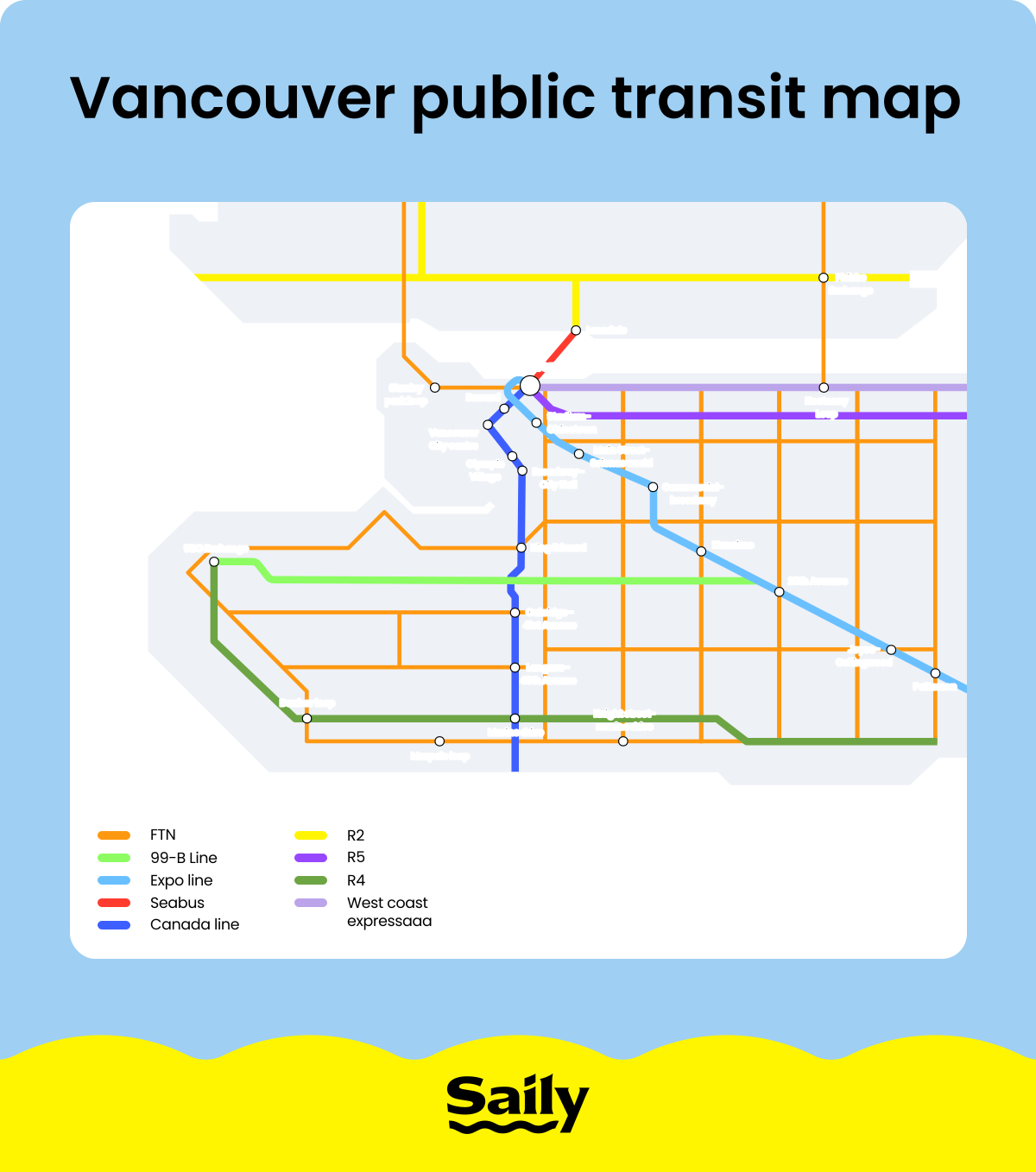
Vancouver’s public transit system serves both urban and regional travel, covering an 1,800-square-kilometer (700-square-mile) service area (opens in a new tab) across Metro Vancouver. The SkyTrain, bus network, SeaBus ferries, and West Coast Express are the primary public transport options across Metro Vancouver and the wider, lower mainland region. Together, they let you travel easily between the city, airport, neighborhoods, suburbs, and tourist attractions.
SkyTrain
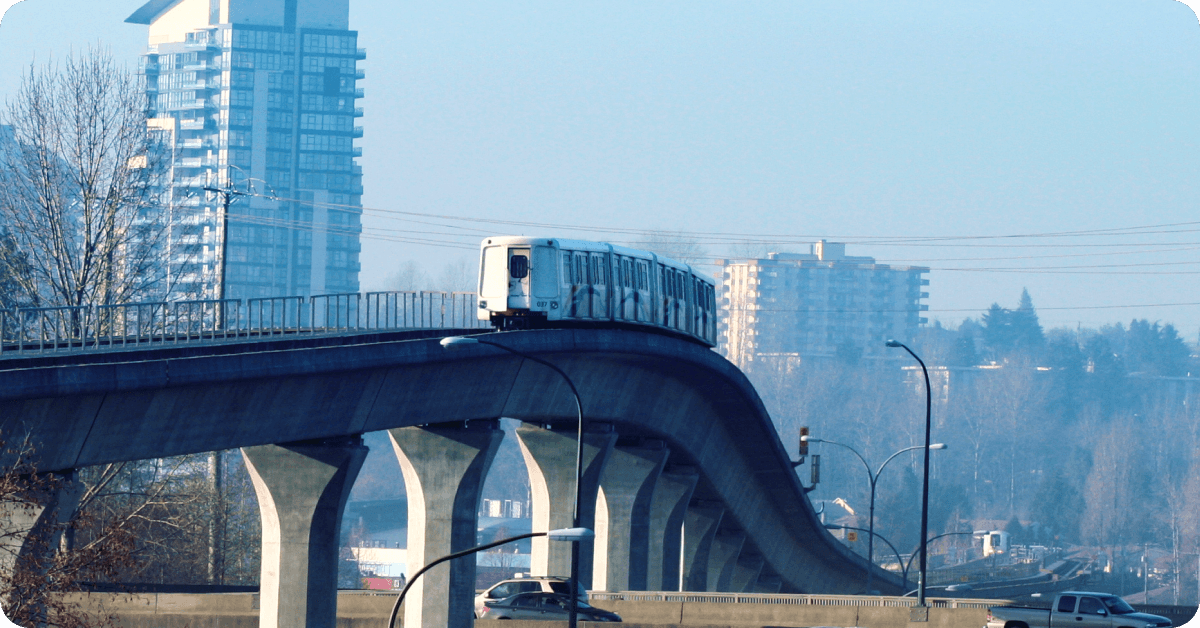
As the backbone of the region’s transit, the SkyTrain network consists of three lines: the Expo Line, the Millennium Line, and the Canada Line. The Expo and Millennium lines connect Downtown Vancouver with surrounding communities such as Burnaby, New Westminster, Surrey, and Coquitlam. The SkyTrain Canada line is particularly popular with visitors because it offers a direct connection between the downtown core and Vancouver International Airport (YVR). The trains are fully automated, and the system is known for its reliability, frequency, and traffic-free experience. SkyTrains operate from early morning until after midnight on most days, but be aware that trains can get crowded during peak commuting hours.
Bus services
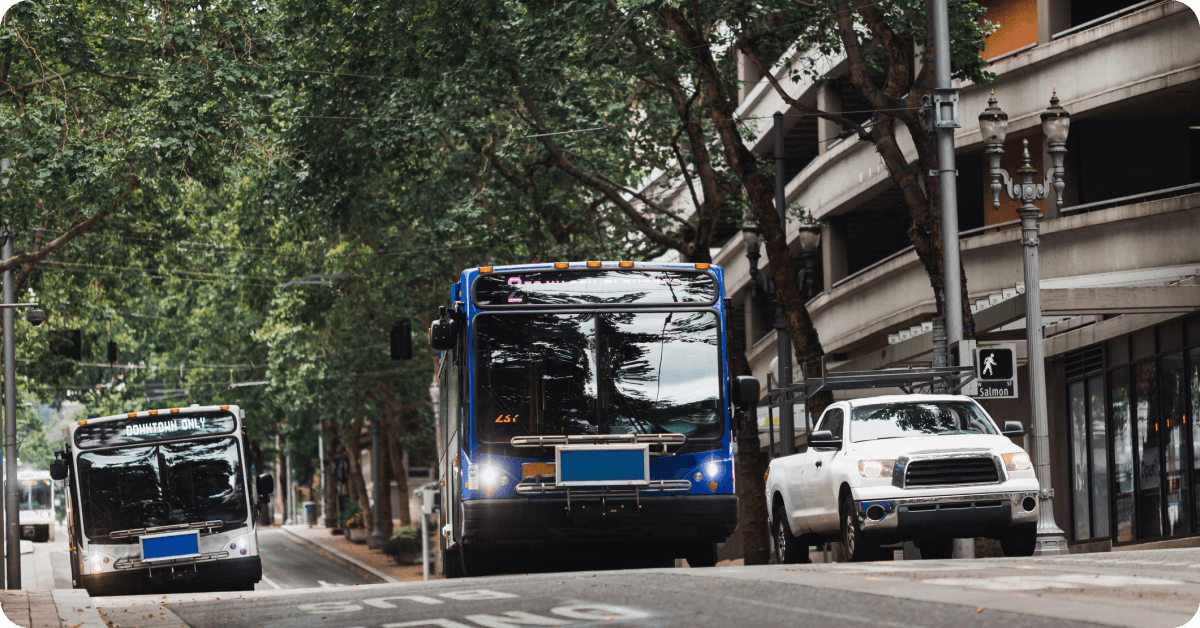
The TransLink bus service network links primary SkyTrain routes to tourist attractions, neighborhoods, suburbs, and other transit hubs, effectively filling in the gaps between rail lines. The system offers local routes, express services, and NightBus routes for broad coverage and flexible hours. If you miss your bus, you can relax knowing the next one is likely coming soon.
SeaBus
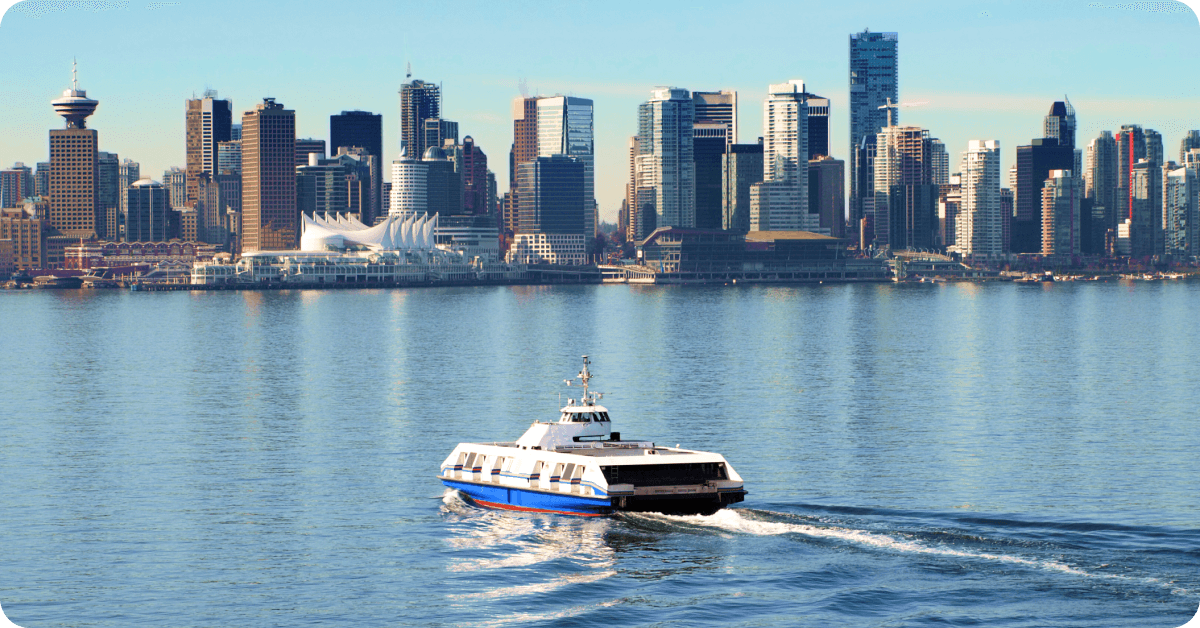
The SeaBus is a passenger ferry popular with both commuters and visitors for its beautiful waterfront views. The crossing typically takes roughly 12 minutes and connects Downtown Vancouver’s Waterfront Station with North Vancouver’s Lonsdale Quay across Burrard Inlet. The SeaBus operates daily and offers frequent departures but serves only a single route. Keep in mind that you may have a hard time squeezing in during the busiest commuter hours.
West Coast Express
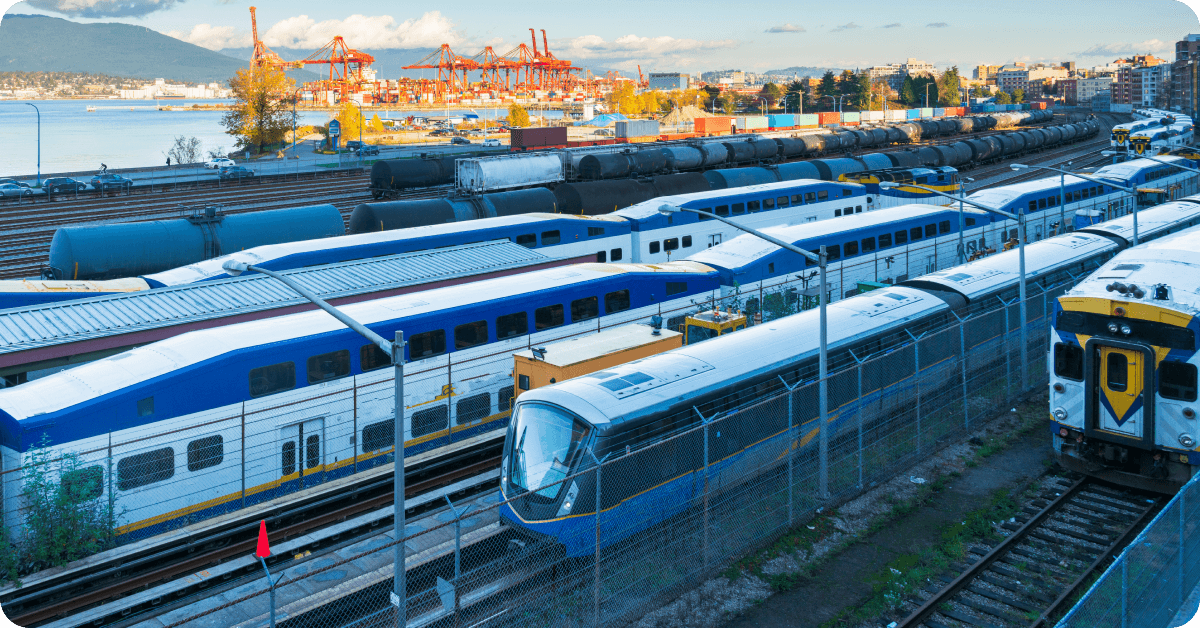
Travelers heading outside the Greater Vancouver area often take TransLink’s West Coast Express — a commuter rail service connecting Downtown Vancouver with communities east of the city, including Port Moody, Coquitlam, Maple Ridge, Pitt Meadows, and Mission. The Express trains are excellent for longer-distance trips because they’re comfortable and bypass Vancouver’s congested highways during prime commuting hours. That said, Express trains are primarily geared toward weekday commuters, with inbound trips in the morning and outbound trips in the evening, making it less useful for tourists and off-peak travel times.
Fare zones and ticketing system for Vancouver public transit
TransLink’s ticketing system serves riders per zone, so ticket prices for SkyTrain, SeaBus, and West Coast Express routes will depend largely on how many zones you need to cross to reach your destination. The system does make it easy for travelers to purchase tickets, passes, and transfers via station kiosks and vending machines throughout the transit network.
How do Vancouver public transit zones work?
Vancouver’s public transit system is divided into three fare zones: Zone 1, Zone 2, and Zone 3. Vancouver public transit fares for SkyTrain, SeaBus, and West Coast Express journeys depend on how many zone boundaries you cross during your trip. In general, Zone 1 covers the City of Vancouver and nearby areas. Zone 2 includes Burnaby, Richmond, and North Vancouver. Zone 3 covers outer municipalities, including Surrey, Coquitlam, and Langley. Apart from bus fares, the more zones you travel through, the higher the fare.
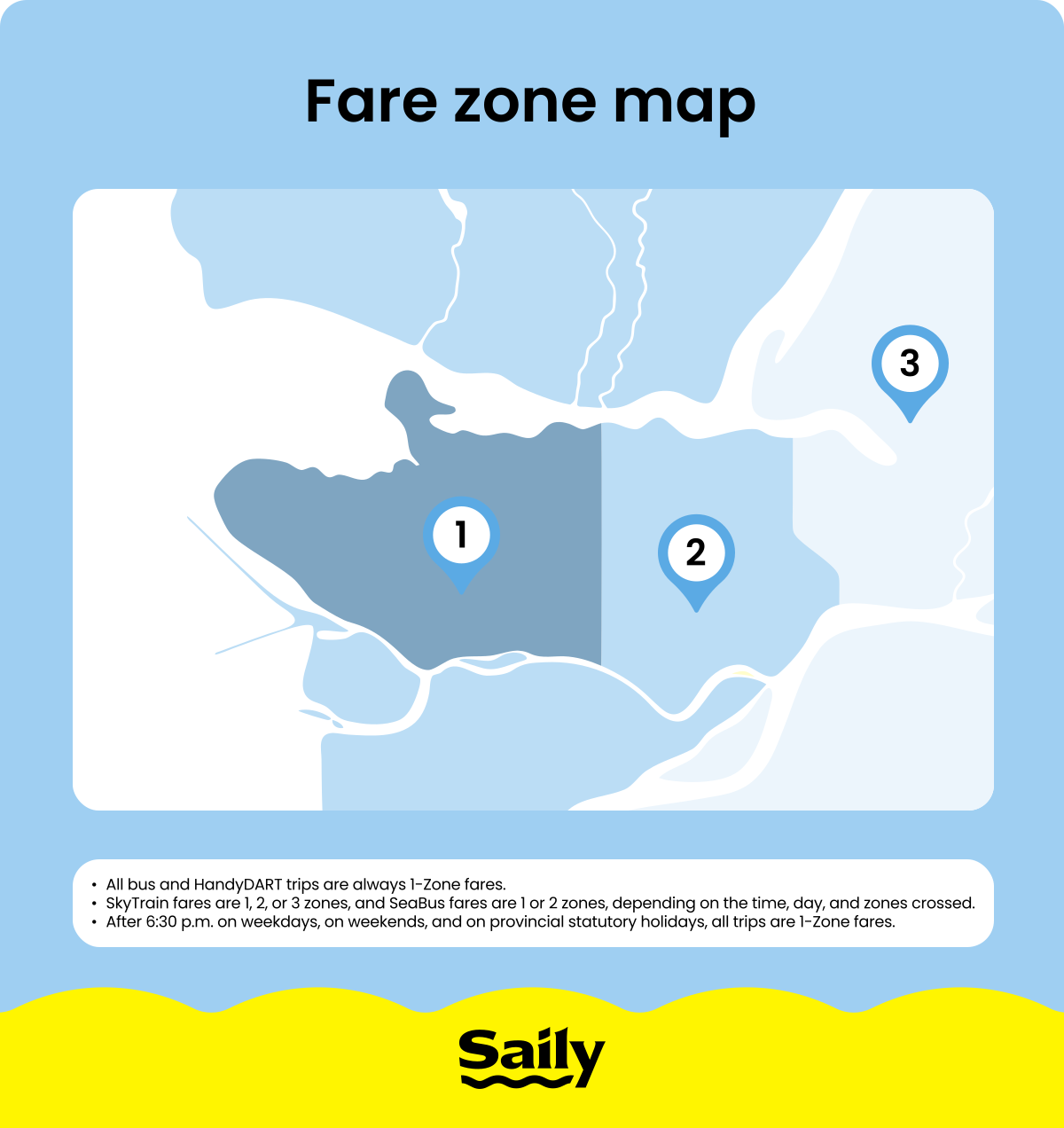
A few zone rules are worth knowing before you ride:
Buses are exempt from zone surcharges. For example, a bus ride entirely within Vancouver will be a 1-zone fare, as would be a long bus ride from Vancouver to Surrey that crosses more than one geographic zone.
On weekdays after 6:30 pm, weekends, and provincial statutory holidays, all SkyTrain and SeaBus trips are treated as 1-zone journeys, regardless of how many zones are crossed.
For passengers using a transfer, the fare includes unlimited transfers for up to 90 minutes across buses, SkyTrain, SeaBus, and HandyDART services (HandyDART is TransLink’s specialized door-to-door transit service available to all registered customers with disabilities or functional limitations). Transfers within that time window don’t incur additional charges provided you used Compass Card, Compass Ticket, or contactless payments. Cash fares on buses don’t carry over to SkyTrain, West Coast Express, or SeaBus options.
How much does Vancouver public transit cost?
Transit fares vary by zone, so when buying your SkyTrain or SeaBus tickets, you’ll need to consider whether your trip stays within one zone or crosses into additional ones. Bus travel uses the same TransLink fare products as the rest of the network, and all bus trips are charged at the equivalent of a 1-zone fare.
The table below shows typical TransLink fares (opens in a new tab) per zone and payment type:
Fare type | Compass Card (Adult) | Compass Card (*Concession) | Cash/Contactless (Adult) | Cash (**Concession) |
|---|---|---|---|---|
1 Zone (single) | CA$2.85 | CA$2.30 | CA$3.50 | CA$2.30 |
2 Zones (single) | CA$4.20 | CA$3.40 | CA$5.10 | CA$3.40 |
3 Zones (single) | CA$5.40 | CA$4.60 | CA$6.70 | CA$4.60 |
DayPass (all zones) | CA$12.55 | CA$9.75 | CA$12.55 | CA$9.75 |
Monthly Pass (1 zone) | CA$117.20 | CA$66.95 (all zones) | — | — |
Monthly Pass (2 zones) | CA$156.70 | CA$66.95 (all zones) | — | — |
Monthly Pass (3 zones) | CA$211.65 | CA$66.95 (all zones) | — | — |
* Prices retrieved July 2, 2026.
**Concession fares apply to youth (13-18), seniors (65+), and HandyCard holders. Children 12 and under ride free.
If you’re starting your journey at the airport, be aware that an extra charge — called the YVR Airport AddFare — is added on top of your regular zone fare. This applies to eastbound trips starting at YVR-Airport, Sea Island Centre, or Templeton Canada Line stations, and it currently costs CA$6.50. If you’re using a Compass Card with Stored Value or a contactless card or mobile wallet, the charge is automatically deducted when you tap out. If you're buying a Compass Ticket at the station, the AddFare is included in the purchase price at the vending machine. AddFare doesn’t apply when you travel to the airport — only for trips leaving from it. Monthly Pass holders are also exempt from the charge.
How to pay for public transport in Vancouver
TransLink offers several ways to buy tickets and passes for public transport. You can ride Vancouver public transit using any of the following:
The Compass Card (reloadable with stored value, a DayPass, or a monthly pass).
A single-use Compass Ticket (available from station vending machines).
A contactless debit or credit card (Interac Debit, American Express, Mastercard, or Visa).
A mobile wallet (Apple Pay, Google Pay, or Samsung Pay).
Cash (accepted on buses only, no change given).
When using SkyTrain, SeaBus, or West Coast Express, simply tap your card, ticket, or mobile wallet at station entrance and exit gates. On buses, you tap your payment at the reader only upon boarding — you don’t need to tap out. The system automatically calculates the correct fare based on your journey.
How to get and use the Vancouver public transit card (Compass Card)
The Compass Card is TransLink’s reusable smart card and is popular among Vancouver commuters and tourists making multiple journeys. You can buy a Compass Card from ticket vending machines in the SkyTrain stations, TransLink customer service counters, SeaBus terminals, and participating convenience and retail stores.
Once you have a card, you can load it with stored value or other fare products. You can top up your card at station vending machines or online through the Compass Card website. To travel, tap the card at the fare gate when entering and exiting SkyTrain, SeaBus, or West Coast Express stations. On buses, you can simply tap when boarding.
For frequent city travel, TransLink offers DayPasses and Monthly Passes that you can load onto your Compass Card. A DailyPass can be a cost-effective option for visitors planning multiple trips in one day. It allows unlimited travel across the TransLink network (except West Coast Express) for a fixed price — CA$12.55 for adults or CA$9.75 for concessions (seniors, students, and children). Monthly Passes work the same way but cover a full calendar month, making them a better fit for longer stays or remote workers based in Vancouver. Their cost depends on the number of zones you want to include.
Apps to use when navigating Vancouver public transit
A few apps provide route planning, live departure information, service alerts, and fare management that might be useful in Vancouver. Many travelers use them interchangeably to plan trips more efficiently.
The Transit app (TransLink’s official partner). TransLink’s recommended trip-planning app for Metro Vancouver is the Transit app. All Metro Vancouver users get free access to Transit Royale, its premium tier, with unlimited departure schedules and extra planning tools. Download it from the App Store or Google Play. Note that TransLink doesn’t provide a separate Compass Card app — to check your balance, set up AutoLoad, or manage your card, visit compasscard.ca or use the Compass vending machines at SkyTrain and SeaBus stations.
Google Maps. Google Maps integrates TransLink transit data to provide journey planning, departure times, walking directions, and transfer information. It’s a convenient all-in-one option for travelers already using Google Maps for navigation.
Apple Maps. It includes public transit routing throughout Metro Vancouver, with real-time information on Vancouver public transit hours, station details, and walking directions. It’s a useful alternative for iPhone users who prefer Apple’s navigation platform.
How Saily can help you navigate Vancouver public transit
Whether you’re checking departure times, planning routes, or finding your way between destinations, navigation and transit apps work best with a reliable data connection. While some mobile plans offer roaming in Canada, they may have data limits that can interfere with connectivity. To avoid service interruptions and surprise roaming charges, many people choose to use an eSIM through platforms like Saily.
With Saily, you can access mobile data as soon as you arrive in Canada. This makes it easy to use real-time navigation transit apps, receive service alerts, look up schedules on the go, and find the fastest route between destinations. Saily offers flexible, affordable data plans that can accommodate itineraries of any size, whether you want to stay for a couple of days or a couple of weeks.
In addition to solid mobile connectivity, Saily’s eSIM also includes built-in security features that help protect your connection when you use public Wi-Fi in airports, stations, hotels, and cafes. All you need to do is download the Saily app and buy the plan you need — it activates automatically when you reach your destination. Need more data-intensive services on your trip? You might also consider the Saily Ultra plan for additional data and connectivity features.
Need data in Canada? Get an eSIM!

1 GB
7 days
US$5.29
3 GB
30 days
US$12.99
5 GB
30 days
US$17.99
We do our best to keep everything accurate and up to date, but eSIM service provider prices, plans, and features can change quickly. If you spot something that seems outdated or incorrect, feel free to get in touch with us at [email protected] — we’d really appreciate the heads-up!
FAQ
Yes, Vancouver’s transportation system consistently ranks among the highest in North America. TransLink is Vancouver’s official public transportation provider, offering an extensive network of bus, rapid transit (SkyTrain), and ferry (SeaBus) services. Train services to outer areas are also provided by TransLink’s West Coast Express.
Typically, TransLink operates major bus and SkyTrain routes from early morning until after midnight every day. A dedicated NightBus operates routes in some areas throughout the night. When traveling, stay aware of potentially reduced route frequency on weekends and holidays.
You can buy a TransLink DayPass at the Compass vending machines located in SkyTrain and SeaBus terminals or stations. You may also purchase passes from some participating retailers, such as London Drugs.
Yes, TransLink accepts contactless credit cards, debit cards, and mobile wallets on buses, SkyTrains, SeaBuses, and the West Coast Express. Each tap charges a single adult fare (children 12 and under ride free). Keep in mind, though, that tap-to-pay and paper Compass Tickets both cost more than using a Compass Card’s stored value.

Always connected, always on course
Connect instantly with a Saily eSIM and enjoy effortless internet access.

Related articles