


Work and Travel in Australia: Guide for international students
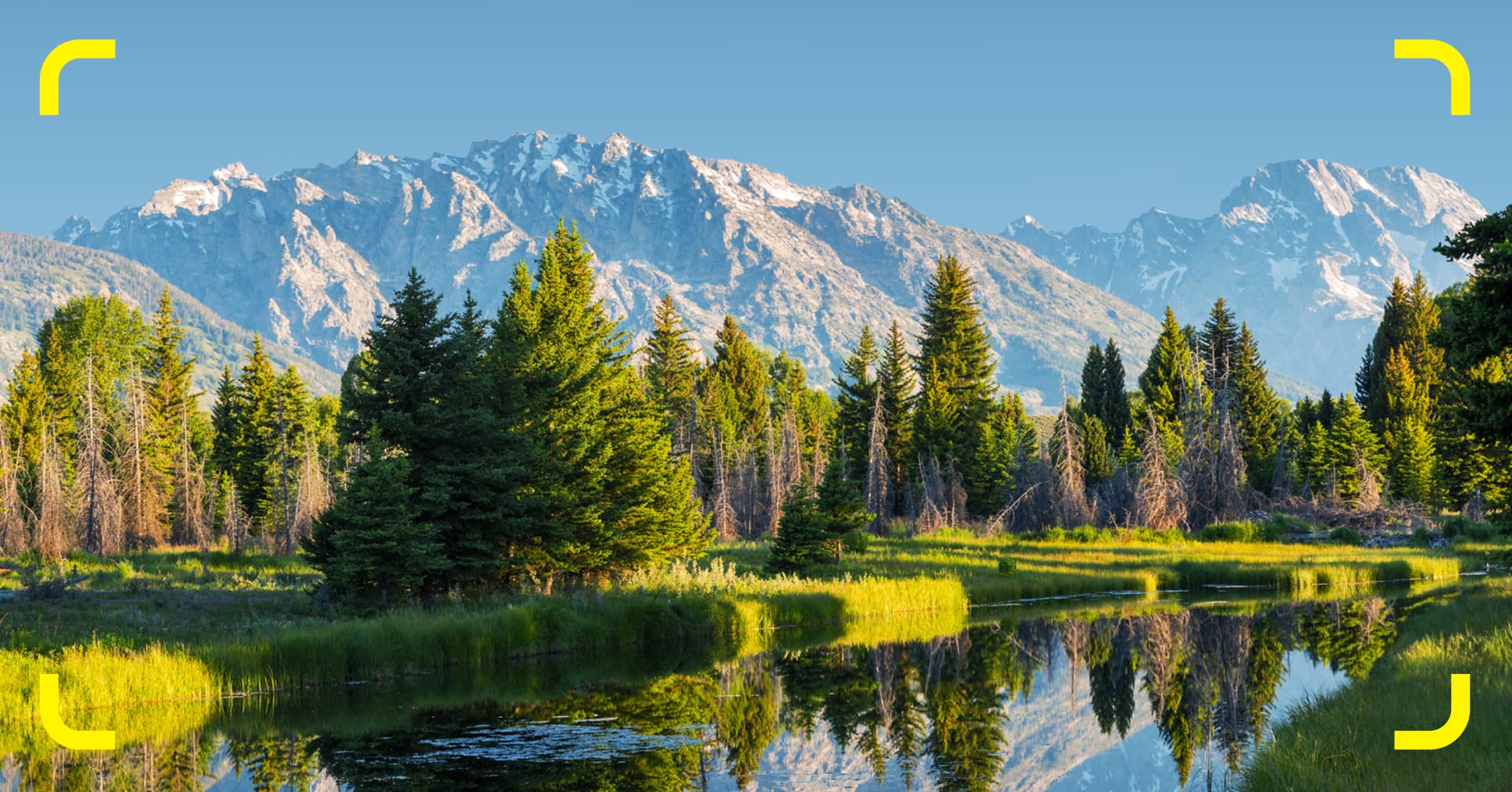
Whether you’ve finally taken that well-deserved gap year or just finished university, heading to Australia on a Work and Holiday program is a fantastic plan. Australia is an unforgettable destination that draws thousands with its mysterious Outback, iconic cities, and laid-back surf culture. To help you prepare for your Australian adventure, we’ve compiled this guide to navigating the visa process, finding the right job, choosing your home base, and discovering the incredible experiences waiting for you Down Under.
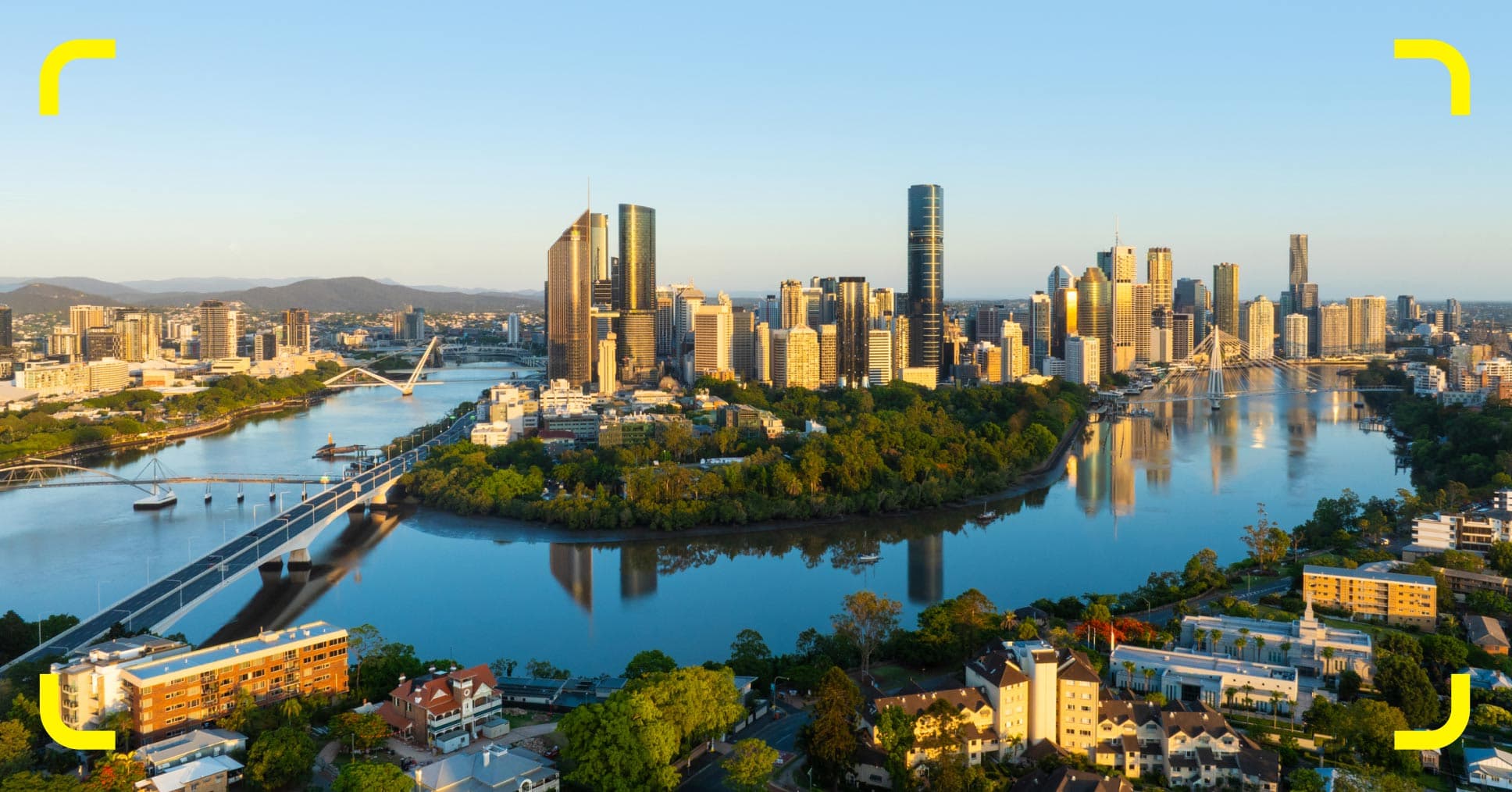
Table of Contents
- The Australian Work and Travel visa: What it is, its requirements, and how to apply
- Eligibility requirements and visa cost
- How to apply: Step-by-step guide
- Work and Travel jobs in Australia: What can students do?
- Farm and agriculture
- Hospitality and tourism
- Other student-friendly options
- Best places to work and travel in Australia
- 1. Sydney
- 2. Melbourne
- 3. Brisbane and the Gold Coast
- 4. Cairns
- 5. Western Australia
- Staying connected across Australia: What students need to know
- Travel eSIM
- Local SIM card
- Coverage in Australia
- Your checklist for coming to Australia
The Australian Work and Travel visa: What it is, its requirements, and how to apply
First things first: Did you know that what’s typically known as a Work and Travel visa in the US is called a Work and Holiday visa in Australia? It’s only a tiny difference, but knowing things by their true names can help you find all the necessary information more easily.
Australia has two types of visas for students who want to come for work and travel — Work and Holiday visa (subclass 462) or Working Holiday visa (subclass 417). It depends on your citizenship, which one you should apply for. Students from the US are eligible for the subclass 462 — Work and Holiday visa.
So, a Work and Holiday visa allows anyone aged 18 to 30 to do short-term work for up to 12 months or study for up to four months in Australia. During this period, students can also spend time traveling and exploring the country. It’s also possible to extend the Work and Holiday visa for the second and third year and stay in Australia longer!

Eligibility requirements and visa cost
All US citizens are eligible to apply for a Work and Holiday visa (subclass 462). To get it, you need to meet the following requirements:
Have a valid US passport.
Be age 18-30 at the time of application.
Have a high school diploma or equivalent.
Have no dependent children accompanying you.
Prove you have sufficient funds to support yourself while you’re in Australia. You’re required to have at least AUD$ 5,000 (~USD $3,500) in your bank account.
Meet health and character requirements.
Not have had a visa canceled or an application refused before.
The application fee for the visa is AU$840 (~US$585). Keep in mind that your 12-month period of Work and Holiday in Australia starts when you enter the country, not the day your visa is granted. So you can apply well before your studies end or your gap year starts!
Important! For the most current information about the requirements and cost of a Work and Holiday visa in Australia, visit the official Australian government’s Department of Home Affairs page for Work and Holiday visa application.
How to apply: Step-by-step guide
Applying for a visa might seem complicated and overwhelming at first, but think of it as stepping stones — one step at a time, and you’ll have your visa in hand!
The main steps you need to take are the following:
Gather all the necessary documents:
Passport.
Passport photo.
Bank statement, proving you have at least AUD$ 5,000 (~USD $3,500) in your bank account.
High school diploma or equivalent.
Create an ImmiAccount at the Australian Department of Home Affairs website.
Complete the online application form for a Work and Holiday visa (subclass 462).
Follow the instructions to upload all the necessary documents and pay the AU$840 (~US$585) application fee.
Wait for processing — most applications are granted or rejected within one to four months.
Once you receive your visa grant notice, plan your departure.
For more details and the most current information, visit the official Australian Government Department of Home Affairs website.
Tip. If you’re approaching 31 years old, apply for a Work and Holiday visa now! Once granted, you’ll have 12 months to enter Australia, even if you turn 31 in the meantime.
Tip. Many students apply during their final semester and depart right after graduation, or during a gap year between degrees. Visa processing can take up to four months, and it’s valid for 12 months from your first entry to Australia, not from the day you were granted your visa.
Work and Travel jobs in Australia: What can students do?
Traveling to a new country for work without actually having work lined up might feel unnerving. But there’s a good reason the Work and Holiday visa doesn’t require you to have a job before entering the country — many students find jobs soon after arrival. Besides, if you complete three months of specified subclass 462 work, you become eligible for a second Work and Holiday visa! Read on to learn the most popular areas in which students find jobs in Australia.
Farm and agriculture
Working at a farm is a great way to meet fellow travelers — it’s a popular short-term occupation for anyone with a Work and Holiday visa. The most popular regions for agricultural work in Australia are Queensland, Victoria, and Western Australia. Students often choose to pick fruits, harvest crops, and work in vineyards or packing sheds. However, keep in mind it can be a physically demanding job, so evaluate your capabilities before going for it.

Hospitality and tourism
If you love working with people, hospitality and tourism may be the perfect sector for you. Barista, server, and bar staff are among the most common roles for job seekers in Australia. And often you don’t need any prior experience! The biggest concentration of hospitality and tourism jobs is in Sydney, Melbourne, Brisbane, the Gold Coast, and Cairns — urban hubs where you can find loads of cafés, bars, restaurants, hotels, and tour-planning companies. Many students also look for jobs in hostels where they choose to work for accommodation and meals.

Other student-friendly options
Though agriculture and hospitality are the most popular areas to work in for international students in Australia, you can find many more ways to earn in the country. A few other fields you may be interested in include:
Retail and customer service.
Childcare, also known as an au pair.
Ski resort jobs from June through to October in the Snowy Mountains and Victoria.
Warehouse and logistics work.
Temporary office roles for students with admin or IT skills.
If you don’t know where you can find job openings, a good place to start is Seek, Indeed, and Gumtree websites, and Facebook groups, like Backpacker Jobs Australia. Don’t forget to check job openings on the local hostel job boards!
Best places to work and travel in Australia
Before planning your year in Australia, consider the fact that it’s roughly the size of the continental US. Because the country is so vast and covers so many different climate zones, no time is really a bad time to arrive — the best time to visit Australia is simply whenever you are ready to start your adventure. Most students who come to Australia move between cities and regions throughout the year to explore as much as possible. So, shift into high gear and discover some of the most beloved destinations!

1. Sydney
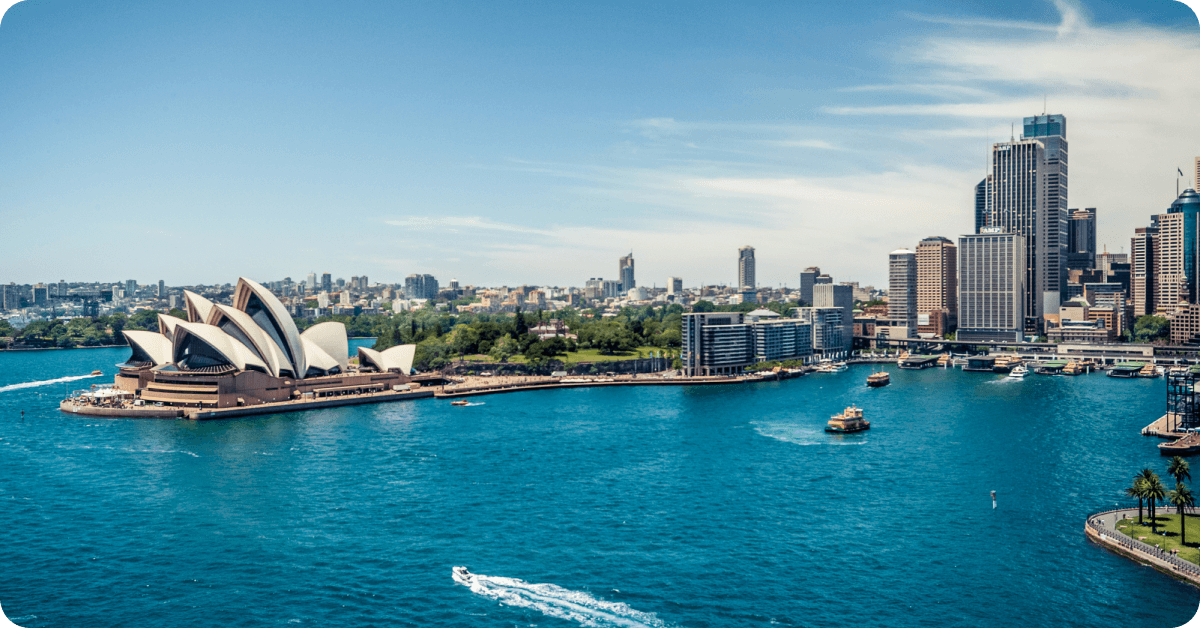
Sydney Opera House, a dreamy coastal walk from Bondi to Coogee beach, Sydney Harbour Bridge, and perfect waves for surfing in Manly — these are only a few places in Sydney that attract thousands of people from all around the world. Add a brimming culture scene and nature gems like the Blue Mountains, just a couple of hours from the city, and here’s your answer to why Sydney is a perfect spot to settle.
The job market is as diverse as the city itself. Some of the most frequent job openings for international students in Sydney are in hospitality, hotels, reception, office coordination, and temp admin roles. Though it’s an expensive city, you can earn well enough to have the freedom to explore and enjoy it.
2. Melbourne
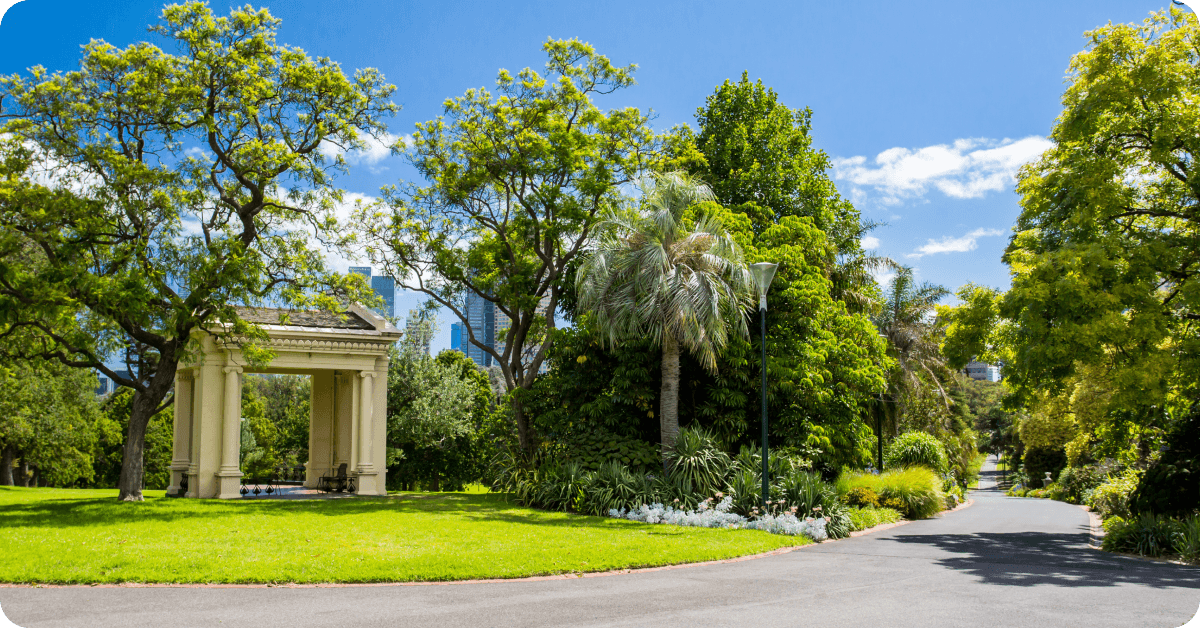
Does a cup of good coffee have the power to turn your day from mediocre into a fantastic one? Then Melbourne is the place for you! All your barista dreams can come true in this coffee capital of the world. International students can also find jobs in the hospitality sector with thousands of tourists visiting the city each year. Melbourne is also famous for its art scene, and with a thriving live music culture, a calendar packed with festivals, theater, and gallery openings, it’s the perfect place to look for work in the art sector.
Melbourne is a city favored by students because of its buzzing nightlife, large student community, and the fact that, in many ways, it’s more affordable than Sydney. Settling in Melbourne, you’ll also be in close proximity to breathtaking nature spots. Think of Wilson’s Promontory, where you can do a multiple-day hike, spending the night in campsites, or the Great Ocean Road, stretching around 150 miles along charming coastal towns and beaches.
3. Brisbane and the Gold Coast
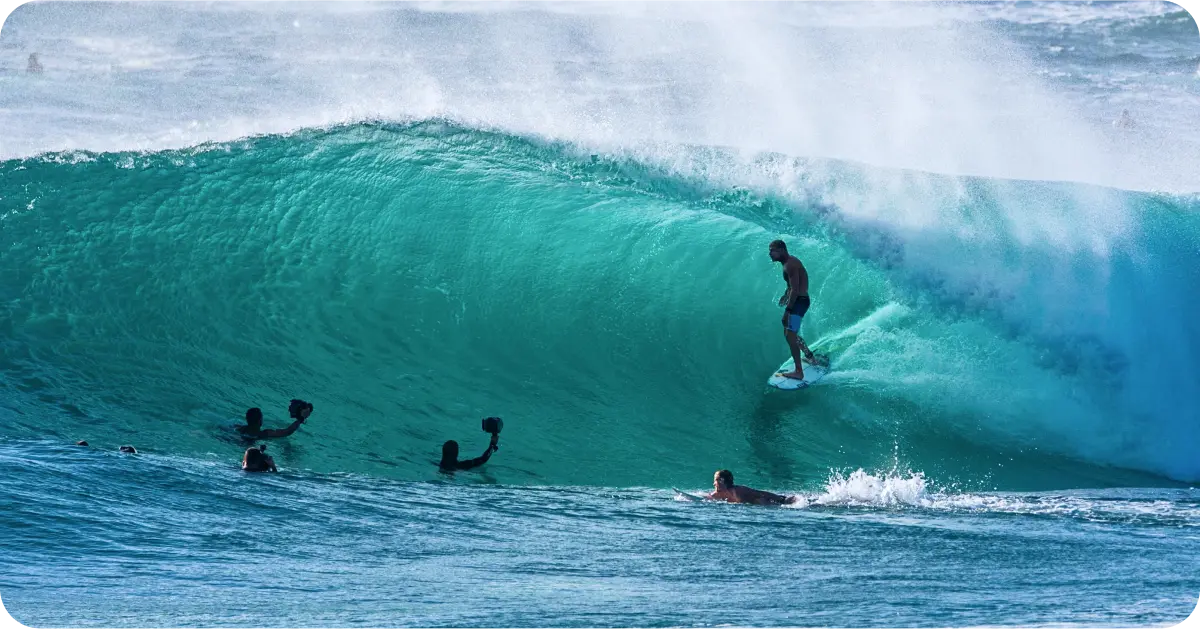
If you’re hunting for sunshine, Brisbane has one of the best climates of any major city in Australia — warm and sunny for most of the year, with mild winters. It’s a relaxed and laid-back city, and it’s only a short drive to the surfer-beloved Gold Coast. Even if you don’t surf (yet!), the Gold Coast is a great place to visit for fans of ocean wildlife. Thousands of humpback whales pass through the region on their annual migration, and their sighting rates here are among the highest in the country.
As you’ve probably guessed, Brisbane and the Gold Coast are a hotspot for jobs in the tourism sector. This includes resorts, hotels, theme parks, restaurants, bars, and surf schools. It’s also a great place to start if you’re looking for farm work in Queensland. Many students aiming for a second-year visa extension and looking for specified work options, which include farming and agriculture, choose Brisbane and the Gold Coast as their base to collect the necessary three months of work.
4. Cairns
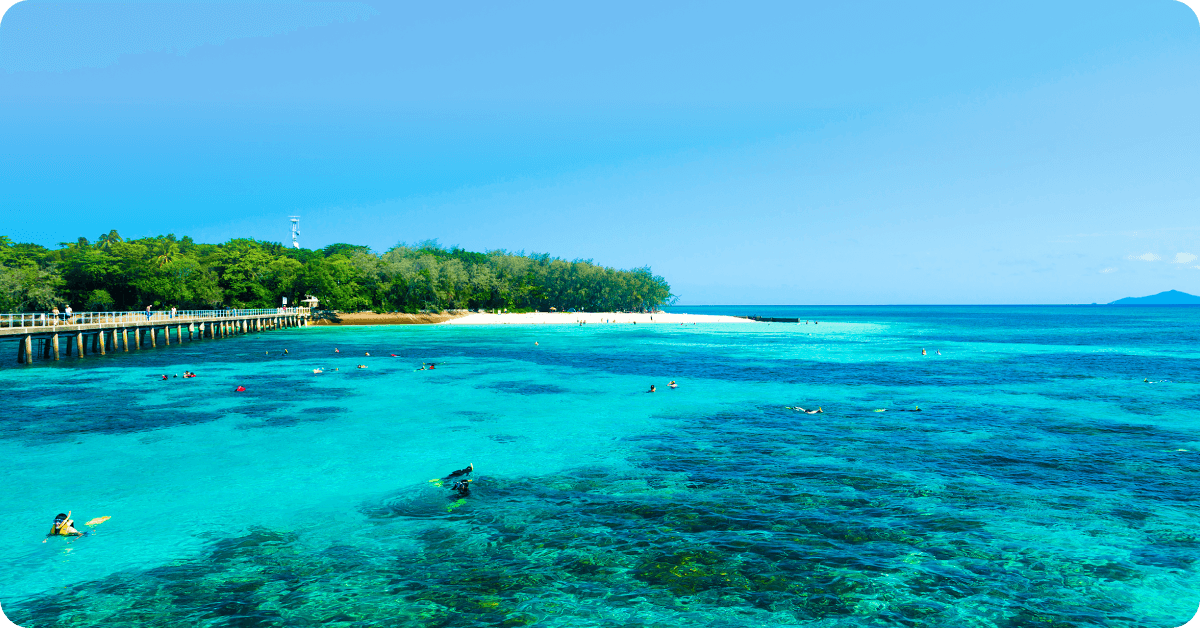
Cairns is a small, walkable city with a strong international and backpacker community. That’s why newcomers — especially students from overseas — start to feel at home rather quickly. The city is a gateway to the Great Barrier Reef — dive boats and snorkeling tours leave every day directly from Cairns. The surroundings dictate the type of temporary jobs popular in Cairns: You can aim for dive instructor certifications, reef tour roles, or hostel work.
5. Western Australia
Though the east is the more popular option for Work and Holiday students, have no doubt that Western Australia has just as much to offer. Think Rottnest Island with its clear water and stunning beaches, the Ningaloo Reef — one of the best places in the world to swim with whale sharks, and the Pinnacles Desert — thousands of limestone pillars rising from yellow desert sand in Nambung National Park. Many students traveling to Australia miss these bucket-list spots if they decide to stay only on the east coast.
Regarding work, you’ll have a different range of options, some of which are not available in the east. For example, if you choose to settle in Perth, you can earn quite a lot working in the mining and resources area. The most popular scheme is a FIFO (fly-in, fly-out) roster where you work for two weeks and then have a one week off to explore Perth and the surrounding areas. Another option is Margaret River, a well-known three-month specified work spot at farms or vineyards. There’s also Broome and the Kimberley, where you can find roles in seasonal tourism and agriculture sectors.

Tip. Australia is vast, so plan how you’ll move between regions. Most Work and Holiday students buy a secondhand car or campervan to travel around and sell it at the end of their stay. If you don’t drive, you can travel around by getting a Greyhound bus pass or hopping on domestic flights, which are cheap when booked in advance.
Tip. Many Work and Holiday students follow a classic loop: Arrive in Sydney or Melbourne, head north to Queensland for farm work, then west to Perth, then back east. Make sure to plan your route around the three-month specified work requirements if you want to extend your visa.
Staying connected across Australia: What students need to know
From navigating remote roads and job hunting to video-calling home and setting up plans with fellow travelers — a good connection makes for a smooth start in Australia. If you want to avoid the high cost of roaming in Australia, you have a couple of options for staying connected while traveling.
Travel eSIM
One of the benefits of using an eSIM is that you can set it up before your trip. It’s a great option to stay connected on the day of your arrival and for the first few weeks in Australia. Did you know that if you get an eSIM for Australia before your trip, you’ll be able to hop online the moment you land? This means you can instantly check train times, find your way to your accommodation, and hail an Uber. You’ll also have a chance to message your family and friends that you’re safe and sound before the seatbelt sign goes off.
If you’re searching for affordable data plans for Australia — look no further. Saily offers flexible data plans with various GB and duration options. So just download the Saily eSIM app and relax about your connection upon arrival.

1 GB
7 days
US$3.99
3 GB
30 days
US$7.99
5 GB
30 days
US$10.99
Local SIM card
An Australian SIM card is a great option once you have your bearings and settle into your new life. The main advantage is that a local provider gives you an Australian phone number, whereas many travel eSIMs offer only mobile data. Having a local number is essential for life admin tasks like opening a bank account or applying for a Tax File Number (TFN) — a document necessary to get a job. It’s also more convenient for potential employers to reach you during your job search instead of using data-based apps for calls.
Coverage in Australia
Australia is vast, and both cities and the great wild landscapes of the Outback are what draw people from all around the world to visit. Whichever method of connection you choose, keep in mind that while the signal is typically strong in urban centers, it might waver once you travel to more remote areas.
Your checklist for coming to Australia
As the saying goes, well begun is half done — and the same goes for planning your work and travel trip to Australia. Make it easier on yourself and download our checklist for steps to take before you leave for Australia and upon your arrival. But remember — it’s not definitive! There’s always so much to do before a long trip. However, a little list of essentials can take you a long way.
FAQ
The best time to go to Australia for work and travel depends on your own timeline. Many students depart right after graduation or at the start of a gap year — given they already have their visa granted. So make sure to take care of your visa papers in advance! Remember that you must enter Australia within 12 months starting from the day you were granted the visa, but your visa is valid for 12 months from the day you enter the country. This means it’s a good idea to take care of getting your Work and Holiday visa in advance.
To get your Work and Holiday visa, you need to provide a bank statement proving you have at least AU$5,000 (~US$3,500) in your bank account. However, it would be great if you had saved up some more. You may not find work the instant you arrive in Australia, so having a financial cushion to cover accommodation, food, and transport for your first four to six weeks is a smart idea.
The cost of life in Australia depends on where you choose to live, how much you earn, and what your lifestyle is like. If you choose to live in a more expensive city, like Sydney, you might end up paying more for rent and groceries, but your salary will likely be higher than in smaller cities. Meanwhile, if you choose to live in a smaller town, you may end up paying less for accommodation and groceries, but may get a slightly smaller salary, too.
Your habits and lifestyle also play an important role in how expensive your life in Australia will be. If you plan to dine out often or take frequent road trips and local outings, you may end up spending more than your average resident.
Being a student on a Work and Holiday visa, you have a range of opportunities. First, you can choose to pursue work in a field you’re already familiar with. For example, if you’ve ever worked as a barista or a server at a restaurant, it will be easier to pick up work in these areas. You can also take jobs more unique to Australia, like working in vineyards, farms, or mining. Many students also take work in tourism and retail sectors, or take up a job as an au pair.
Yes, you’ll need to stay connected in order to get a job, take care of the necessary paperwork, and stay in touch with your family. To have a smooth start, consider getting a travel eSIM so you can connect online the moment you land. Later on, it’s smart to get an Australian eSIM with a local phone number, which you’ll find useful when searching for a job or filling out the immigration papers. If you want to have more information before choosing between the two options, check our article on the differences between an eSIM and a physical SIM.
Yes, you can extend your Work and Holiday visa for up to three years. To be eligible for extension, you have to complete three months of specified regional work (farm work, fishing, mining) during your first year to qualify for a second year, and six months of this type of work during your second year to qualify for the third year.

Always connected, always on course
Connect instantly with a Saily eSIM and enjoy effortless internet access.

Related articles