




Désolés, mais cet article n’est pas encore disponible dans la langue de votre choix.
30 interesting facts about Spain: What is Spain unique for?
Even if you’ve never been to Spain, we bet you know what tapas and sangría are. Spanish cuisine is popular for a reason, but Spain’s colorful and vibrant culture has much more to offer. Learn some interesting and fun facts about Spain that might ignite your traveler’s spark and — who knows — maybe soon you’ll say “¡hola!” to a new Iberian adventure.
Sommaire
The most interesting facts about Spain
Almost 94 million international tourists traveled to Spain last year, making it the second most visited country in the world after France. And the buzz is not only about the fútbol.
We’ll tell you which American writer lost his head over fiestas in Pamplona, who is the local tooth fairy, and many more interesting facts about Spain for kids and adults. For those who’ve already joined the fan club, we added some tips to help you get more out of your next trip.
Spanish history and geography
Have you ever heard about Spain’s ancient nickname? Let’s take a better look at this story and some other fascinating details about Spain.
The country’s name origin has two versions. The first suggests that the Phoenicians called the peninsula “span” or “hidden land” when they discovered it in the 8th century B.C. The other theory says the name came from the Phoenician “i-shphan-im,” which translates to “the land of rabbits.” Experts disagree about which one is correct, but the latter version became prevalent despite the fact that the number of rabbits has reduced dramatically.
Spain occupies about 85% of the Iberian Peninsula, which it shares with Portugal, a small part of southern France, the microstate of Andorra, and the British territory of Gibraltar.
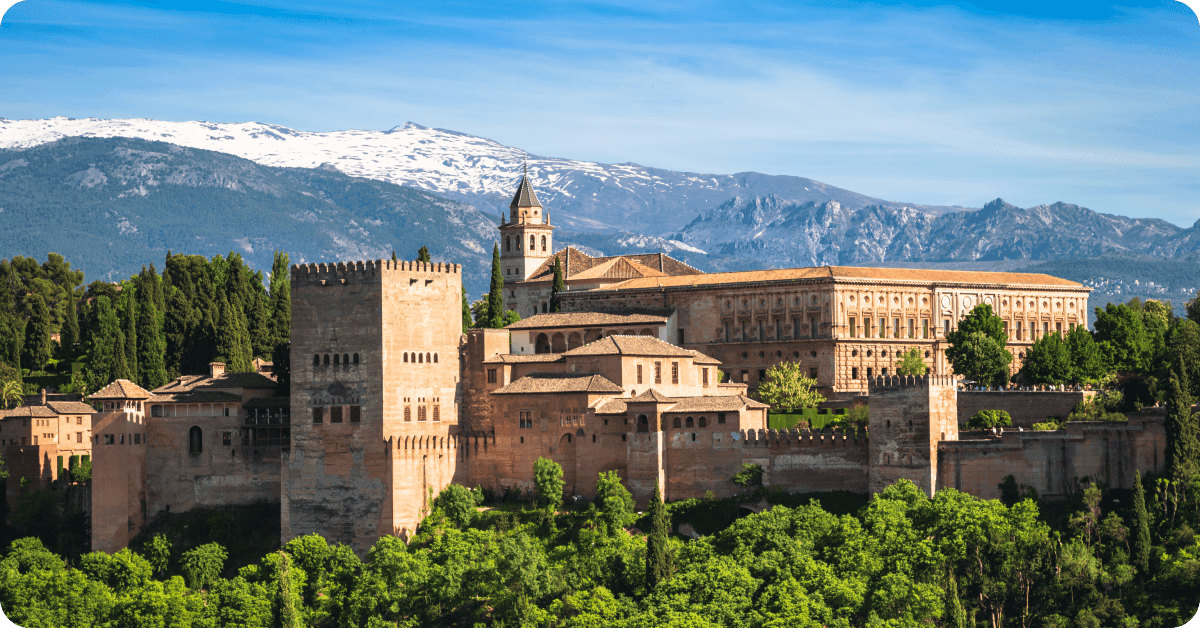
The Moors occupied Spain and ruled part of the Spanish territory for eight centuries, from 711 to 1492. Although the conquista was marked with blood, the Arabic period brought many innovations and left some impressive architecture. The most prominent example is the Alhambra Palace in Granada, one of Spain’s UNESCO World Heritage Sites. Even the silent “h” in words like hola reveals the Islamic impact on Spanish culture and language.
Spain is divided into 17 autonomous communities and the autonomous cities of Ceuta and Melilla in North Africa.
Although the Spanish royal family is relatively low-key compared to the British royal family, the country is a constitutional monarchy just like the United Kingdom. The current King of Spain is Felipe VI.
Spanish culture: From prehistoric art to modern cinema
For centuries, Spain has been a melting pot of Berber, Jewish, Romani, and other cultures. The rich cultural background formed a unique Spanish take on art as a celebration of life, be it a dance, a movie, or cave painting.
Northern Spain is home to one of the best-preserved prehistoric art sites in the world. The cave of Altamira was discovered by a local hunter in 1868. It was explored by an amateur archeologist whose 8-year-old daughter noticed the vivid paintings on the ceilings. At first, academics rejected them as a modern forgery, and only in the late 19th century were these depictions recognized as authentic findings from almost 15,000 years ago.
The first modern novel was born in Spain. The Ingenious Gentleman Don Quixote of La Mancha by Miguel de Cervantes was published in 1605 and is still one of the most translated and best-selling books in the world alongside The Bible.
Ernest Hemingway was an aficionado of the Spanish lifestyle. He loved bullfighting and fiestas, especially if they involved a nice cocktail in the old town of Madrid. Hemingway’s love for Spain inspired several of his novels and prompted him to work as a reporter during the Spanish Civil War.
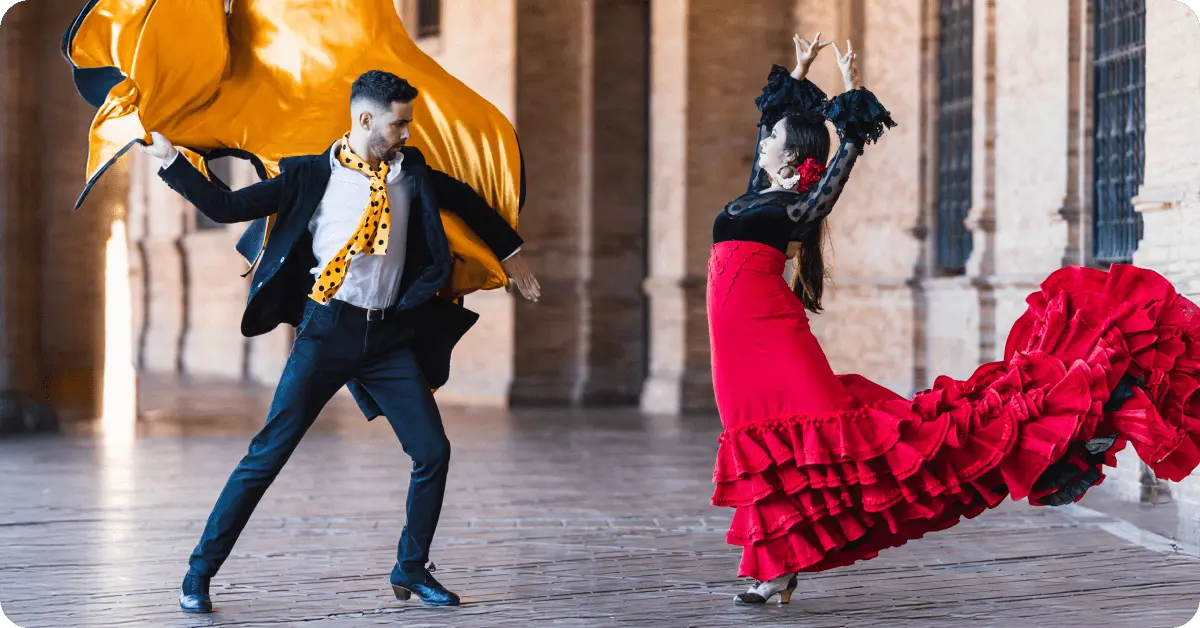
Flamenco is more than a dance. It is an expressive performance that includes toque (a special technique of guitar playing), cante (emotional singing), and baile (dancing) with handclaps. UNESCO recognized this unique art form as a Masterpiece of the Oral and Intangible Heritage of Humanity.
Spanish directors have formed a distinct school of contemporary cinema recognized all over the world. Renowned figures like Pedro Almodóvar or Alejandro Amenábar evoked special interest in Hollywood. Their movies made names for internationally acclaimed actors Penélope Cruz and Javier Bardem.
Food and dining culture
You can get some decent churros in one of your local restaurants, but you can only taste the true flavor of Spain inside the Land of Rabbits. Learn to enjoy your meal like Spaniards do.
Don’t get confused when ordering a tortilla in Spain. While most of us are used to tortillas in the shape of corn chips or wraps popular in Tex-Mex cuisine, the Spanish tortilla is an omelette made from fried potatoes, onions, and eggs. Straight from the sizzling pan, it makes a perfect breakfast meal, but it can also be served cold as a tapa with your favorite drink.
No matter where you are in Spain, the bar is always nearby. This country has the most bars per capita in Europe, with the national average around one bar per 175 residents. However, the village of Enix in Andalucía proudly holds the Guinness World Record with 11 bars for just 690 inhabitants.
Did you know that the Chupa Chups candy came from Spain? Enric Bernat created the lollipop concept in 1958, but the brand remained unknown until Salvador Dalí designed its famous daisy-shaped logo in 1969.
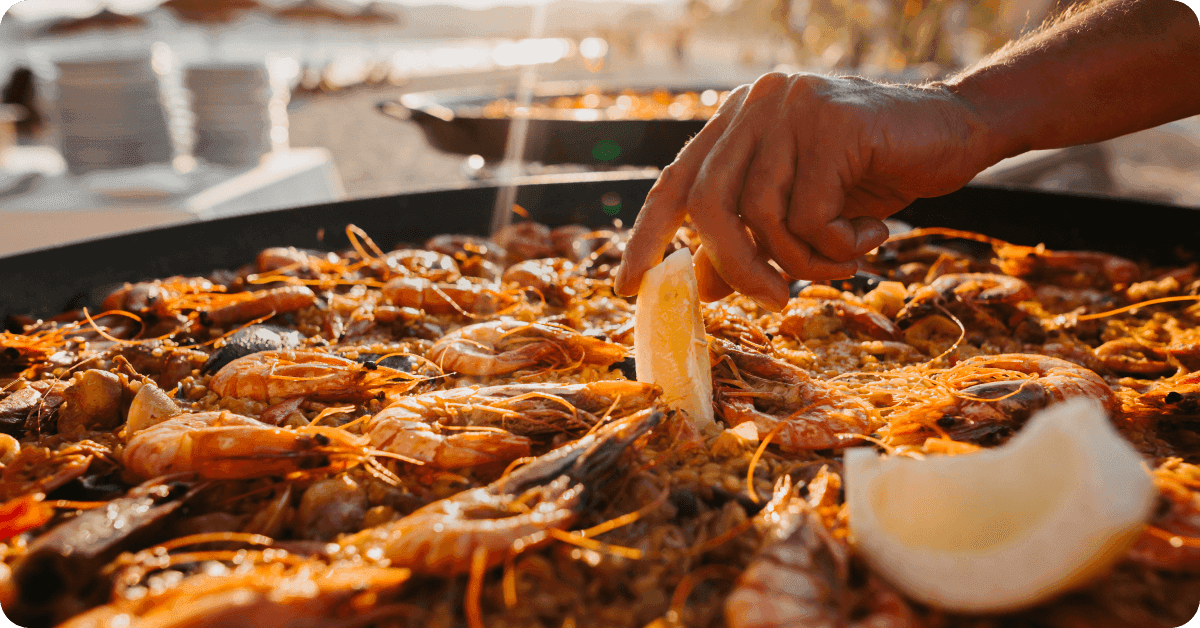
Spain produces record amounts of olive oil and saffron, essential ingredients of the famous Valencian paella. The dish takes its name from the shallow pan in which saffron-infused bomba rice simmers with meat, vegetables, or seafood.
Spaniards are late eaters. You’ll hardly find any restaurant serving anything but snacks before 8.30 PM. On weekends, people tend to eat even later, especially if they go for el tardeo — the custom of socializing over drinks in the late afternoon.
Spanish cities: Pomegranates, oranges and Sevillian mystery
Every Spanish city is mesmerizing in its own way, but they all have the same effect on travelers — visiting them once is never enough.
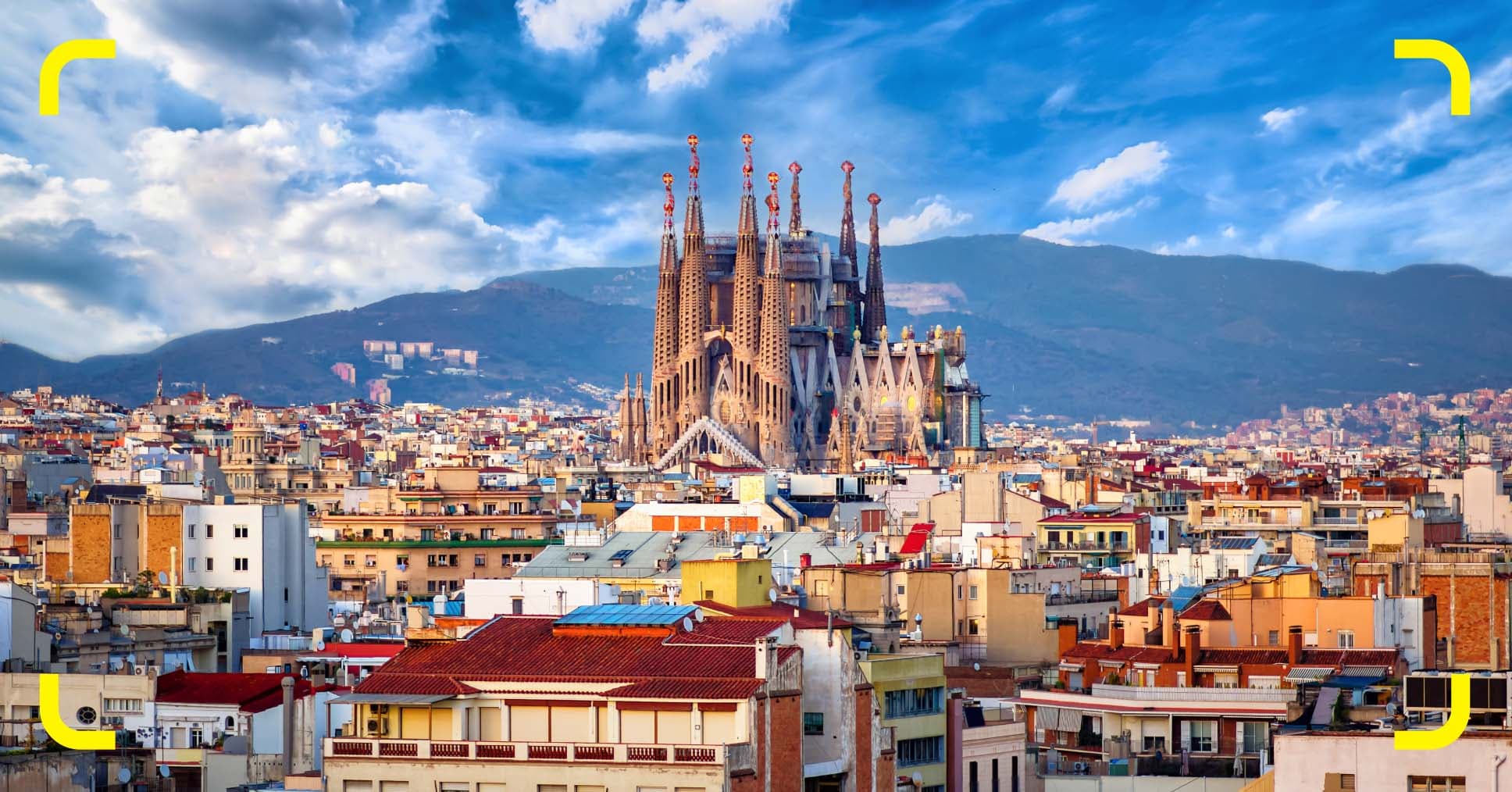
The century-long construction of Gaudí’s Sagrada Familia is planned to be completed in 2026. Spanish people admit they don’t like to rush, but this project really took longer than expected — the construction was interrupted by the Civil War, World War I, and World War II, a couple of arson attacks, and the Covid-19 pandemic.
We could easily dedicate a separate article to the countless interesting facts about Madrid. The capital of Spain is home to the magnificent El Prado art museum, the world’s oldest restaurant, Casa Botín, and the biggest bullring, Plaza de Toros de Las Ventas.You can also find an authentic Egyptian temple from the 2nd century BC in Madrid.
Valencia has at least three edible symbols — the orange, the tomato, and, of course, local paella. The hometown of Spain’s national dish is also the biggest exporter of oranges in the country. For those who like to play with their food, Valencia hosts La Tomatina, the biggest food fight in the world, where the only weapon you’ll get (you’ve guessed it right) is a handful of tomatoes.
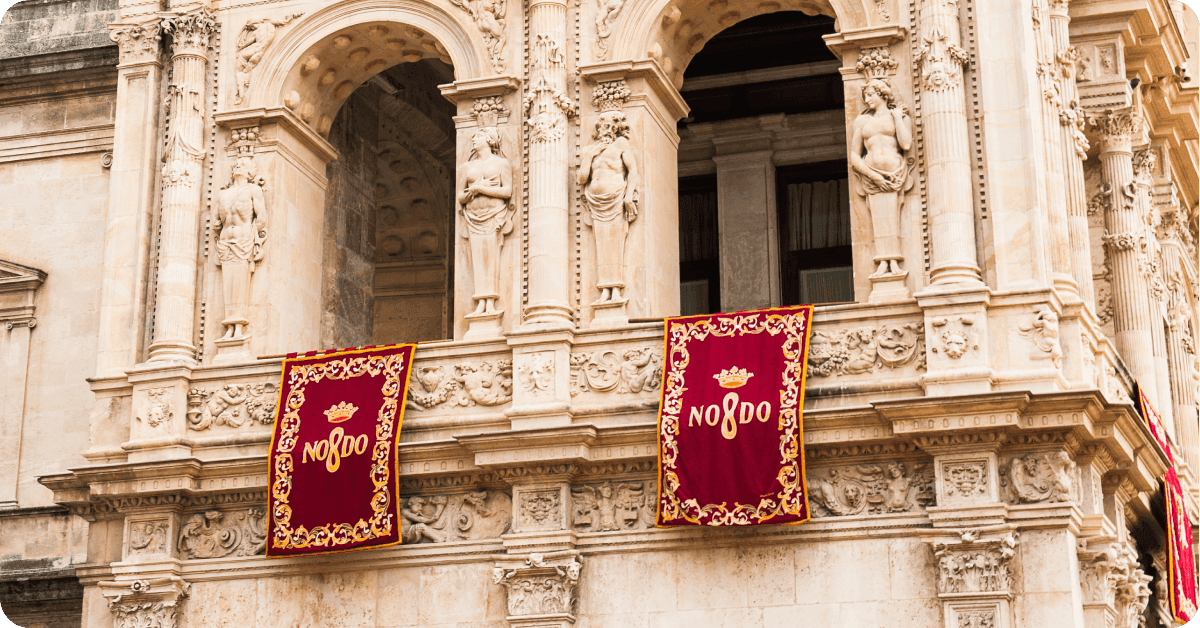
In Seville, the capital of Andalucia, the cryptic phrase “NO8DO” flashes all over the city, from buildings to flags and road signs. Actually, the phrase is an expression of gratitude from King Alfonso X, because Seville remained loyal to him during his son’s rebellion. “NO8DO” translates to “has not abandoned me,” and it was adopted as the city’s official motto back in the 13th century.
The uniqueness of Granada comes from the clash between Islam and Christianity. Even the city’s name, which means “pomegranate,” is a special symbol for these religions. Other interesting facts about Granada are that it enjoys around 250 days of sunshine annually, and local bars offer free tapas for every drink order. It’s hard to think of a better place to fight the winter blues.
Christmas in Spain
Some Spanish Christmas traditions prove we don’t need fancy presents to enjoy the holidays. With enough creativity, a log filled with candies can be more than enough to create a festive atmosphere.
One thing Spaniards love more than the lottery is Christmas, but they consider them better combined. Every December 22, families and even entire villages gather in hope of sharing the Christmas jackpot. El Gordo or “The Fatty” is the biggest lottery in the world — its prize pool averages €2.4 billion.
Spain celebrates April Fool’s on December 28, and it’s called El Día de los Santos Inocentes, or The Day of Innocent Saints. Ironically, this day marks a rather tragic biblical story. After hearing that a new king was born, King Herod ordered the murder of all boys in Bethlehem under the age of two. Spaniards decided to honor these innocent souls in a fun and lighthearted manner, by doing what children love — joking and pranking.
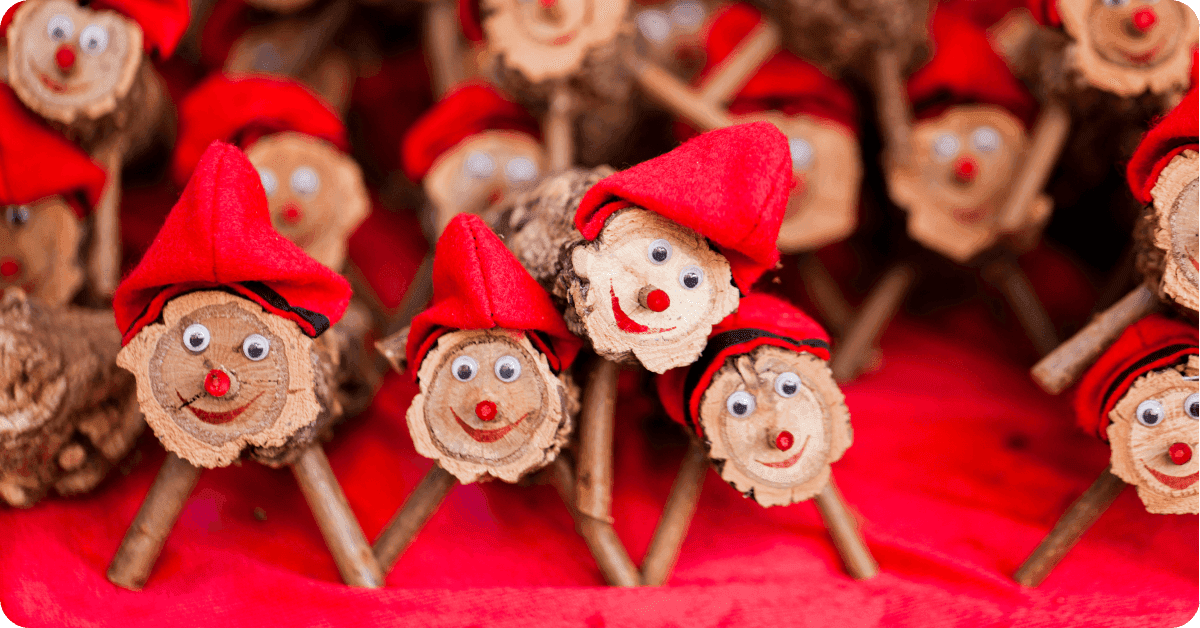
El Caga Tió, or “The Pooping Log” (yes, you read it correctly) is a Catalonian Christmas tradition. And you too can easily recreate it at home! First, you’ll need a hollow wooden log decorated with a red hat and a smiley face. Then, cover it with a warm blanket and keep putting some nuts and fruits into its mouth every other day, to imitate the “feeding.” On Christmas Eve, children sing a special song while poking the log with sticks to encourage “pooping.” With the swift assistance of parents, the log finally “poops out” candies and gifts.
For the last few years, TikTok has been reminding us of a New Year’s grape-eating challenge every December. This trend originates from a real Spanish tradition of eating a grape for each clock chime to bring good luck for the coming 12 months.
Santa Claus doesn’t exist in Spain. Or can we say the country has three of them? Spanish children receive their gifts from Los Reyes Magos or Biblical Magi on January 6.
Other fun facts
Some facts about Spain don’t fit in a specific category, but it only makes them more interesting to learn.
Instead of a classic tooth fairy, the little mouse Pérez collects lost baby teeth and leaves small gifts under kids’ pillows.
Spain’s national anthem, La Marcha Real, is one of the few national anthems in the world with no words, so nobody has to worry about forgetting them.
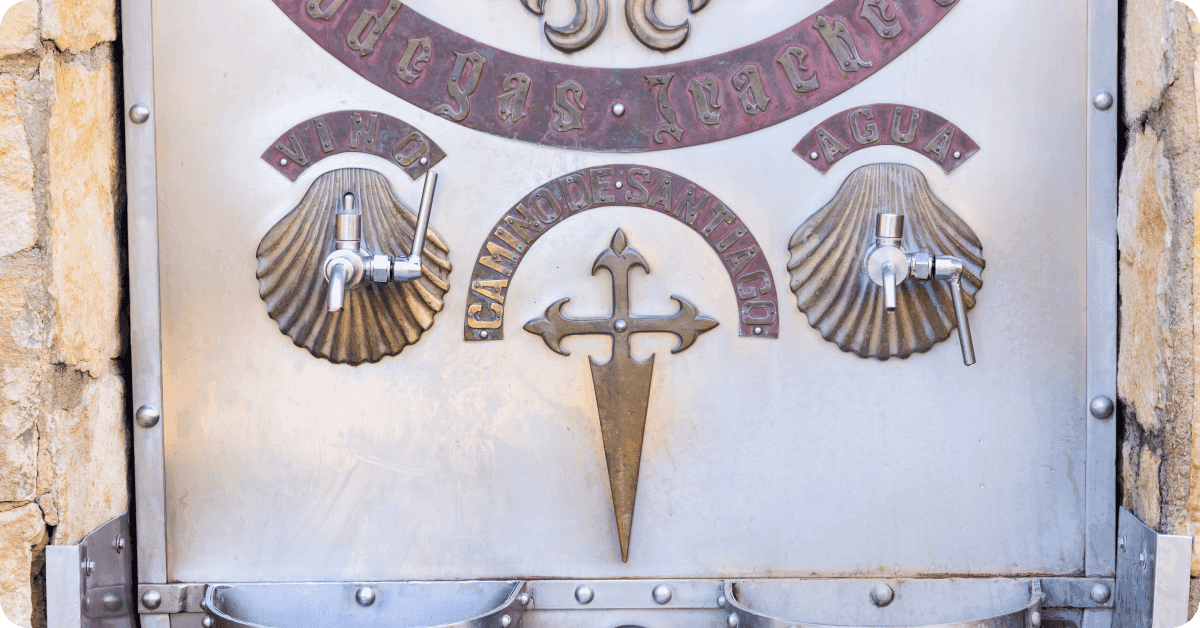
You can find a free wine fountain in Navarra, on the stretch of Camino de Santiago in the Basque Country. The camino has countless picturesque and interesting stops, and La Fuente del Vino de Irache is definitely one of them. Prepare your scallop shells!
Let’s be honest — Spain boasts about its fútbol achievements a lot. But if you’d ask any local to choose the most interesting fact about Spain’s football team, they would proudly say “tiki-taka” — the distinctive playing style characterized by short, possession-based passes. It’s believed that tiki-taka brought victories to the Spanish team in Euro 2008, the 2010 World Cup, and Euro 2012, making Spain the only nation to win three of the most important international tournaments in a row.
Technically, Spain is lost in time. The country lives on CET (Central European Time), although geographically, it belongs to the GMT (Greenwich Mean Time) zone, along with the UK and Portugal. During World War II, dictator Francisco Franco aligned the time zone with Germany as a sign of support for the Nazi regime, and it was never changed back.
Essential travel tips for visiting Spain
Spain has plenty to offer any type of traveler. Sea lovers come here to enjoy the most of the blue flag beaches, and hikers come to conquer the Pyrenees mountains. The blend of modern infrastructure and well-preserved traditions appeals to solo travelers heading to a pilgrimage as well as families looking for a relaxing hotel stay.
It might be very tempting to experience a bit of everything during your first visit, but don’t let the endless possibilities lead you astray. Decide on the main sites you want to visit in advance (leaving a little room for improvisation) and focus on one location at a time. There are a few more things that will help you stay on track:
You might encounter places where English is not widely spoken. It doesn’t mean you need to practice all four official languages, but it’s advisable to learn a few basic phrases in standard Spanish.
Don’t forget warm clothing. Depending on the season and location, the weather can be quite unpredictable. If you have limited luggage space or are travelling for a short span of time, check out our weekend trip packing list and customize it according to the local weather forecast.
Tipping is not expected in Spain, but it’s appreciated. However, you should always compliment a good service by saying muy amable (“very kind”). This phrase also applies when thanking helpful strangers.
Greet people around you and never leave any gathering without saying goodbye — it might save you some time, but it’s considered rude.
Be a mindful tourist. Spain is suffering harsh consequences from overtourism, such as environmental damage and strain on public services. Keep this in mind when choosing a date for your trip and try to skip the peak season. Planning will also help you avoid large crowds and queues surrounding local attractions.
Spain has an incredible high-speed rail system that makes it easy to take day trips from Madrid.
Stay smart about your connectivity. Mobile data is essential for smooth navigation, so you’ll need a reliable connection from the second you land. That’s why you should consider getting an eSIM for Spain in advance. The best providers offer instant eSIM plan activation upon arrival, allowing you to skip the overpriced local SIM cards in the airport. Also, you won’t have to wonder if your phone will work in Spain, as long as it’s compatible with eSIM technology.
Why use Saily while traveling in Spain?
Let’s start with a basic question: What is an eSIM, and why should you use one abroad? An eSIM is a virtual card that allows you to switch between mobile data providers in different destinations. Travelers can experience multiple benefits of an eSIM, like enjoying the best local connection and avoiding high roaming charges.
Saily provides all the usual perks of an eSIM and goes even further. Imagine running out of data during a night out in Madrid? Saily enables an instant top-up of your data plan, so you don’t need to worry about unpleasant surprises when paying for drinks or calling an Uber. Even if you just need 1 GB for the evening, choose from the flexible options that won’t cost you more than a few tapas would.
Amount of data | Validity | Price | Price per GB |
|---|---|---|---|
1 GB | 7 days | US$3.99 | US$3.99 |
3 GB | 30 days | US$6.99 | US$2.33 |
5 GB | 30 days | US$9.99 | US$2.00 |
10 GB | 30 days | US$15.99 | US$1.60 |
20 GB | 30 days | US$22.99 | US$1.15 |
Unlimited | 10–30 days | From $34.99 | N/A |
Another reason to use an eSIM on the go is data security. Public Wi-Fi leaves opportunities for cybercriminals to strike, so having plenty of mobile data helps avoid potential risks. With Saily, you get extra security features like virtual location, web protection, and an ad blocker that will make your connection bulletproof.
1 Go
7 jours
US$3,99
3 Go
30 jours
US$6,99
5 Go
30 jours
US$9,99


Ksenija is a culinary adventurer who believes that the best way to explore a new culture is through its food. Whether she's savoring Thanksgiving turkey in the U.S. or daring to try Hákarl in Iceland, eSIMs are her trusty travel companions. Ksenija never misses a chance to document her gastronomic journeys, sharing every delicious bite with the world. No matter where her taste buds lead her, Ksenija ensures she's always connected, ready to find the next culinary delight.
Sur le même sujet
