


Japan packing list: What to bring for every season and situation
Packing for Japan isn’t about tossing a few T-shirts in a carry-on and hoping for the best. It’s about preparing for a country where summer air sticks to your skin like miso and winter cuts through coats that felt warm enough back home. Where you might spend the afternoon eating grilled eel in a Shinjuku back alley, and then find yourself climbing damp temple stairs in Nikkō the next morning. This guide is here to help you pack not just light but right, accounting for the seasons, locations, dress codes, and all the details that matter once you’re there.
Turinys
- Essential travel items for any trip to Japan
- What to wear in Japan by season
- Spring (March-May) packing tips for Japan
- Summer (June-August) packing tips for Japan
- Fall (September-November) packing tips for Japan
- Winter (December-February) packing tips for Japan
- Packing tips based on trip length
- How to pack for a seven-day trip to Japan
- How to pack for a two-week trip to Japan
- How to pack for a 30-day trip to Japan
- Activity-specific packing tips
- Packing for local culture and customs
- Tech and connectivity checklist
- What NOT to pack when traveling to Japan
- Ready to start packing?
Essential travel items for any trip to Japan
Let’s start with the essentials — your non-negotiables, no matter the season or region. That means your passport (obviously), printed or digital copies of travel insurance, and any booking confirmations you might need to pull up without signal. Japan is a cash-forward country, but transit isn’t: If you’re an iPhone user, you can preload a Suica or PASMO card into your Apple Wallet before even landing and use it to glide through metro gates across major cities. Just remember: It’s far easier when your phone is charged and connected, so bring your cables, a portable battery, and a proper travel adapter (Japan uses Type A). Connectivity is smoother with an eSIM for Japan, especially if you want to skip airport vending machines and avoid pocket Wi-Fi rental counters.
Before you go, download your offline maps and grab the Japanese language pack in Google Translate, which will help translate voice, photos, and text without a connection. Pack a day bag for wandering, comfortable shoes you can take on and off easily (shoes come off indoors a lot), lightweight toiletries (most hotels supply the basics), and any personal medication that might be tricky to replace locally. If you want a no-stress reference for essential items, we’ve got a printable checklist:
Download the full checklistWhat to wear in Japan by season
There’s no ultimate Japan packing list. If there were, your baggage fees would cost more than your ticket. Japan’s long spine of islands stretches across multiple climate zones, from snowy Hokkaidō peaks to subtropical Okinawa beaches. What works in a Tokyo hotel lobby in April won’t fly on a November hike through Mount Kōya’s cedar forests. Packing well means tuning into the rhythms of the seasons, the cities, and the quiet cues of Japanese culture.
We’ve broken it down by spring, summer, fall, and winter. Each section covers what to wear, what to carry, and what kind of year-round essentials you’ll still want close — like a portable fan in summer or layers you can peel off on a crowded bullet train trip. Add a light bag, pack wisely, and you’ll be ready for everything from temple steps to hot springs steam!
Spring (March-May) packing tips for Japan
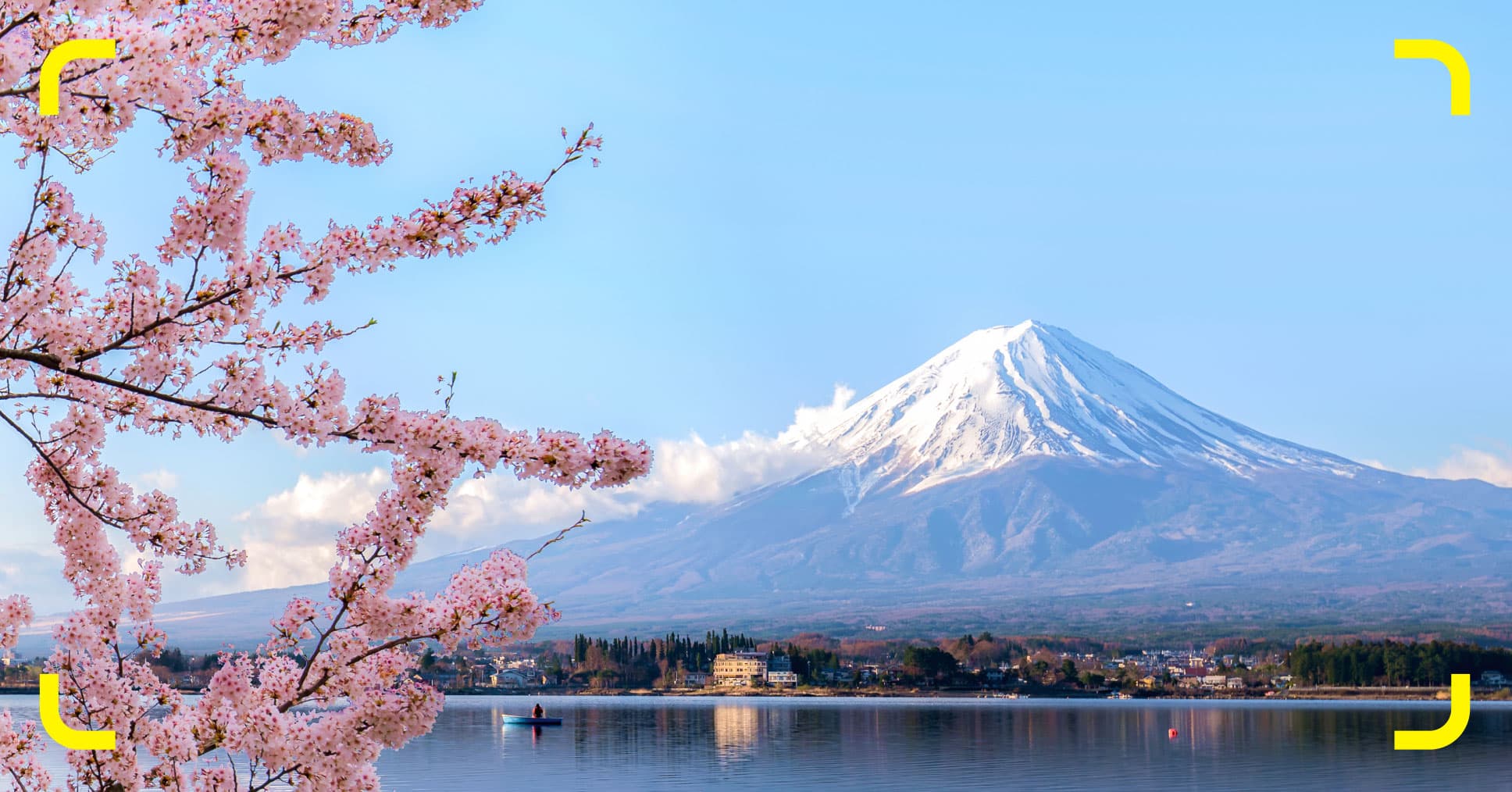
Spring in Japan is a slow, spectacular reveal. The weather in March still carries a winter edge — especially up north — but April softens everything. Cherry blossoms flare pink across major cities, and by May, parks fill with picnics under the trees. Most people swap out heavy coats for light layers, though mornings can still bite and evenings ask for something warm.
Pack with flexibility in mind. You’ll need breathable long-sleeve shirts, a sweater or two, and a jacket that handles wind without bulking out your bag. A compact umbrella or foldable raincoat helps with the occasional spring shower. If you intend to see and do a lot, grab a Japan Rail Pass, expect plenty of platform dashes and transfers, and keep in mind that good shoes matter. Quality slip-ons are ideal for urban explorers — easy to walk in all day and quick to take off when you step inside a ryokan (a type of traditional Japanese inn) or a quiet restaurant tucked behind a bullet train station.
Summer (June-August) packing tips for Japan
Japanese summers are HOT. The rainy season usually kicks off in June, leaving behind a sticky mix of humidity, sun, and the kind of heat that clings to your clothes by 9 am. You’ll want to pack like you’re preparing for both a sauna and a surprise downpour. Japanese people tend to dress neatly even in the heat, so sleeveless tops and beachwear might feel out of place in city settings. Light, breathable fabrics go a long way, but modest cuts still matter, especially if you’re visiting shrines or dining in places where shorts will make you feel underdressed.
Slip a portable fan into your day bag (they’re sold everywhere, but it’s easier to bring one you like) and save extra space in your luggage for quick-dry clothes you’ll want to rotate often. Many train stations have lockers, which help lighten your load between check-ins, but only if you’ve packed smart to begin with. Shoes should be breathable but closed-toe (city rain can get grimy fast). Toss in a packable umbrella, sunscreen, and a water bottle you’ll refill constantly. If you’re still unsure what to wear, just look around — Japanese people have mastered the art of staying dry and surprisingly crisp despite high humidity.
Fall (September-November) packing tips for Japan
If you’re visiting Japan in the fall, you’ve picked the sweet spot! The heat breaks, typhoon season tapers off, and the maples in Kyoto and the ginkgo trees in Tokyo catch fire in slow motion as their leaves change color to red and gold. But the weather is unpredictable and can swing from warm and sunny to damp and chilly within hours, especially if you’re crossing regions by public transport.
This is the time to build your packing list around layers: T-shirts under long-sleeve shirts, light sweaters under water-resistant jackets. Pants you can dress up or down help, especially in vibrant cities like Osaka or Fukuoka, where the line between casual and polished tends to blur. Shoes should still be comfortable enough for long days on your feet, but fall is also when things get a little more style-conscious. Keep your day bag stocked with a scarf, an umbrella, and a change of socks — nothing ruins a walk through temple gardens faster than wet feet.
Winter (December-February) packing tips for Japan
Visiting Japan in winter means choosing your own kind of adventure — you might spend a snowy night soaking in a mountainside onsen (a Japanese hot spring), then walk through a sunlit bamboo grove in Kyoto the next day. It’s not the kind of cold that bites like Berlin or Boston, but it’s damp, and it seeps into your shoes if you aren’t ready. The weather varies wildly between regions: Sapporo will be buried in snow while Fukuoka just feels brisk. Still, layering is essential across the board.
Unlike in many countries, where winter travel calls for bulky coats and boots, Japan rewards a smarter approach. Locals tend to dress neatly year-round (even in the colder months), and many hotels lean toward polished lobbies where sweatpants stand out. Add a warm base layer, a windproof jacket, gloves, and a warm scarf. Footwear should be waterproof and easy to remove indoors. If you’re building your packing list, remember: A little planning lets you save suitcase space, spend more time exploring, and blend in better with a world that values subtle, practical clothing. You’ll find that traveling light here feels easier than in many countries — and far more rewarding. That’s partly because it’s what everyone else is doing. Many hotels, especially business ones, are compact by design, so big suitcases clutter the room fast!
Packing tips based on trip length
No Japan packing list is complete without factoring in how long you’re staying. A weekend escape and a month-long wander call for very different strategies, but some fundamentals stay the same. No matter your itinerary, keep your important documents handy (passport, confirmations, travel insurance) and double-check your phone’s roaming setup or currency exchanges near your arrival airport. Japan’s weather can shift quickly between regions, so your bag should work just as well in the drizzle of Kanazawa as in the dry winter air of Nagano. Packing well isn’t just about space — it’s about freedom. In a world of vending machines, coin laundries, and tight hotel rooms, smart choices up front save you time, money, and floor space later.
How to pack for a seven-day trip to Japan
The key to a smooth trip? Keep it carry-on only. You’ll thank yourself every time you glide past the luggage carousel or slide your bag into a slim train rack. A capsule wardrobe is your friend — especially in the spring or summer months, when the weather can shift but layering still works. Focus on clothes that mix and match easily and tools that do more than one job. Make sure you pack:
Three to four outfits you can re-style with layers or accessories.
Dual-use shoes (something you can walk in and wear to dinner).
A multiport charger to juice up your phone, e-reader, and power bank all at once.
Travel-size toiletries — Japan has plenty of shops, but BYO if you’re picky.
A compact umbrella or rain shell, even in summer.
Smaller versions of bulky items, like a folding toothbrush or a light daypack.
You’ll be moving between cities, airports, and stations quickly. In a country this well connected, packing light means traveling smarter. Give yourself room to breathe and save space for a souvenir or two. And if you’re packing for an even shorter getaway, check out our guide on packing for a weekend trip.
How to pack for a two-week trip to Japan
Two weeks is where things get tricky. It’s hard to stay a light packer, especially if you’re changing regions, traveling with kids, or chasing cherry blossoms through spring. No packing list for Japan at this length is complete without factoring in laundry — most hotels have washing machines, and laundromats are everywhere, even in quiet neighborhoods.
It’s best to stick to clothing to wear on repeat and focus on comfort that blends in. You'll want to bring:
7-8 core pieces that layer easily and hold up over multiple wears.
One dressier outfit, for temples, dinners, or photos that don’t involve sneakers.
Quick-dry socks and underlayers, in case you need to wash them by hand and check out the next morning.
Simple accessories to change up your look without taking up space.
A packable laundry bag — you’ll need it more than you think!
As an example, a light cardigan and a clean tee can carry you from Osaka’s street food alleys to a formal ryokan without making you look out of place.
How to pack for a 30-day trip to Japan
Spending a full month in Japan? You’ll need a plan. Long trips (especially if it’s a family trip to Japan) require more than just extra shirts and socks. You’ll probably be switching regions, climates, and hotel rooms often. The goal is to build a wardrobe that adapts, rewears, and doesn’t crowd every train station bench you stop at. If you’re still working through your international travel checklist, it’s worth double-checking the basics before you zip that suitcase shut. Don't forget to pack:
7-10 outfits you can rotate, layer, and wash every 7-10 days.
Light outerwear that holds up in both coastal wind and Kyoto drizzle.
Shoes you can wear all day, not just walk in.
Compact laundry gear or a quick-dry kit for hotel sinks.
A foldable tote or duffel to stash souvenirs without stress.
A multi-port charger, especially if you’re juggling devices.
A long stay in a country like Japan teaches you quickly what’s worth your carry-on space. You’ll walk more than expected, change cities more than planned, and appreciate how good it feels to travel with only what you need. And when connectivity matters — say, for double-checking your train transfer at 7 am or looking up a ryokan’s check-in policy — having the right tech helps. If you’re still deciding between the two popular connectivity choices, this guide on eSIM or pocket Wi-Fi in Japan breaks down which option suits your trip best.
Activity-specific packing tips
You don’t need a different suitcase for every city. But your backpack should be ready to handle whatever your Japan trip throws at it: steam, stone steps, or standing sushi bars. Here’s how to pack for the kinds of days that don’t look alike.
For beach days or hot spring stops: Swimsuit, sandals, and a towel you don’t mind dragging around. Not all hot springs require one, but if you’re visiting pools or water parks, you’ll be glad you packed it.
For hiking or outdoor escapes: Go with proper footwear — many trails start out paved and end in tree roots. Add breathable layers, sunscreen, and a bottle that won’t leak in your bag.
For urban exploring: Stick to comfortable shoes, a crossbody or daypack, and one layer you can take off easily. Some train stations and neighborhoods involve more walking than expected.
For temples, shrines, and historic sites: Modest, clean clothing works best. Keep your shoulders covered, wear shoes you can slip off quickly, and bring a light scarf or cardigan just in case.
For nightlife or nice dinners: You won’t need a blazer, but you should pack one outfit that feels a step above sightseeing mode. Most people dress neatly, even in casual settings.
If your itinerary’s still in flux, now’s a good time to figure out the best time to visit Japan for the kind of trip you want. And if you’re planning around budget or splurges, we break it down in our analysis on how much it costs to go to Japan.
Packing for local culture and customs
No one’s going to detain you for wearing shorts. But if you want to avoid sticking out — or causing awkwardness — it helps to be a bit more mindful than you might be back home in the US.
Bring socks without holes. You’ll often take your shoes off indoors — at restaurants, ryokans, or even some fitting rooms.
Pack a scarf or a light cardigan. These are useful for covering shoulders at temples or dressing up modestly in rural areas.
Leave bold scents behind. Most Japanese people don’t wear cologne or perfume, and strong smells can be considered rude.
Check tattoo policies for onsens. Many hot springs still ban visible tattoos, though some now offer cover-up patches.
Keep outfits neat and neutral. Loud prints or overly casual wear (like ripped shirts or gym gear) can feel out of place.
Never wear outdoor shoes inside. Always remove them when entering homes, some hotels, and traditional stays.
You don’t have to change your style — just be aware of where you are. A little cultural awareness will make everyday moments smoother.
Tech and connectivity checklist
Japan may have vending machines that sell hot drinks and cold beer, but reliable public Wi‑Fi is still not guaranteed. Train stations and hotels usually offer it, but patchy coverage can leave you staring at a loading screen when you’re trying to find your next connection. A solid data setup is essential if you’re relying on apps for maps, translation, or train times.
Start with an unlocked smartphone and a mobile plan that works in Japan. You might be wondering, “Will my phone work in Japan?” If you’ve bought it in the last few years, probably yes — but it’s worth checking your model’s band support to be sure. For connectivity, eSIMs are the most seamless option, but you can also explore getting a SIM card in Japan once you arrive.
Here’s what else to bring:
Power bank. You’ll be on the move all day, and charging spots aren’t a given.
Plug adapter (Type A) — Japan uses the same flat-prong plugs as the US, but voltage might differ from what travelers from other countries are used to.
Downloaded apps. Google Translate (with offline Japanese) and offline maps are clutch.
Noise-canceling headphones. Useful for bullet trains, busy lounges, or zoning out on the flight over.
Offline entertainment. Pre-load podcasts, e‑books, or Netflix shows — whatever helps you stay relaxed and occupied.
It doesn’t take much to stay connected in Japan. Just a little prep means no scrambling for signal bars or passwords when you should be exploring instead. But if you’re still deciding between data options, check our full breakdown comparing pocket Wi‑Fi in Japan with other choices.
Need data in Japonija? Get an eSIM!

1 GB
7 dienos
US$3,99
3 GB
30 dienų
US$7,99
5 GB
30 dienų
US$10,99
What NOT to pack when traveling to Japan
Japan makes it easy to travel light. Most hotels stock basic amenities, and convenience stores (konbini) sell nearly everything else. Overpacking just slows you down — especially in train stations with stairs and no elevators.
Leave the hairdryer. Most hotels already have one, and Japan’s 100V voltage isn’t friendly to US appliances.
Skip bulky toiletries. Drugstores and konbini carry everything from sunscreen to face wash.
Ditch the snacks. Local options are better (and worth trying).
Watch out for cold meds. Ingredients like pseudoephedrine (found in Sudafed) and codeine are restricted or banned.
Don’t bring a shoe store. One pair to walk in and one to dress up in is enough.
The lighter you pack, the more you’ll enjoy the ride. Japan rewards the traveler who moves easily — not the one dragging a suitcase up a narrow stairwell.
Ready to start packing?
From cherry blossom strolls to snow-dusted temples, your packing list should flex with the season, the city, and the kind of adventure you’re after. Use this guide to plan smartly, swap in essentials based on the weather, and adjust for how long you’ll be staying.
Keep our printable checklist close so you’re not scrambling the night before your flight. And yes, bring that extra suitcase everyone who travels to Japan swears by — call it the “souvenir expansion pack” (beauty hauls optional, but highly likely). Just make sure your phone’s ready for the ride too. Start with our guide on what an eSIM is and stay connected from the moment you land with Saily!
Happy travels. Japan’s out there — go meet it!

Stay connected with the Saily eSIM app
Affordable mobile data plans for every journey.




Karolis moves between digital worlds and distant horizons with the same intent. Drawn not by destinations but by a kind of gravitational longing: for a peak on the horizon, for a sense of being part of some forgotten story or road. A single backpack, his favorite gaming device of the month, and a stable connection for the odd grunge playlist are all he needs to ride off into that blood-red sunset.