





Przepraszamy, ale ten artykuł nie jest jeszcze dostępny w Twoim języku.
Best time of the year to visit Costa Rica: A seasonal guide
Figuring out the best time to visit Costa Rica can feel overwhelming — this tropical paradise delivers year-round, but timing makes all the difference between peaceful wildlife encounters and braving tourist crowds. In this guide, we cover when to go based on weather, wildlife seasons, and your budget. Ready to find your perfect Costa Rican timing?
Spis treści
When is the best time to visit Costa Rica?
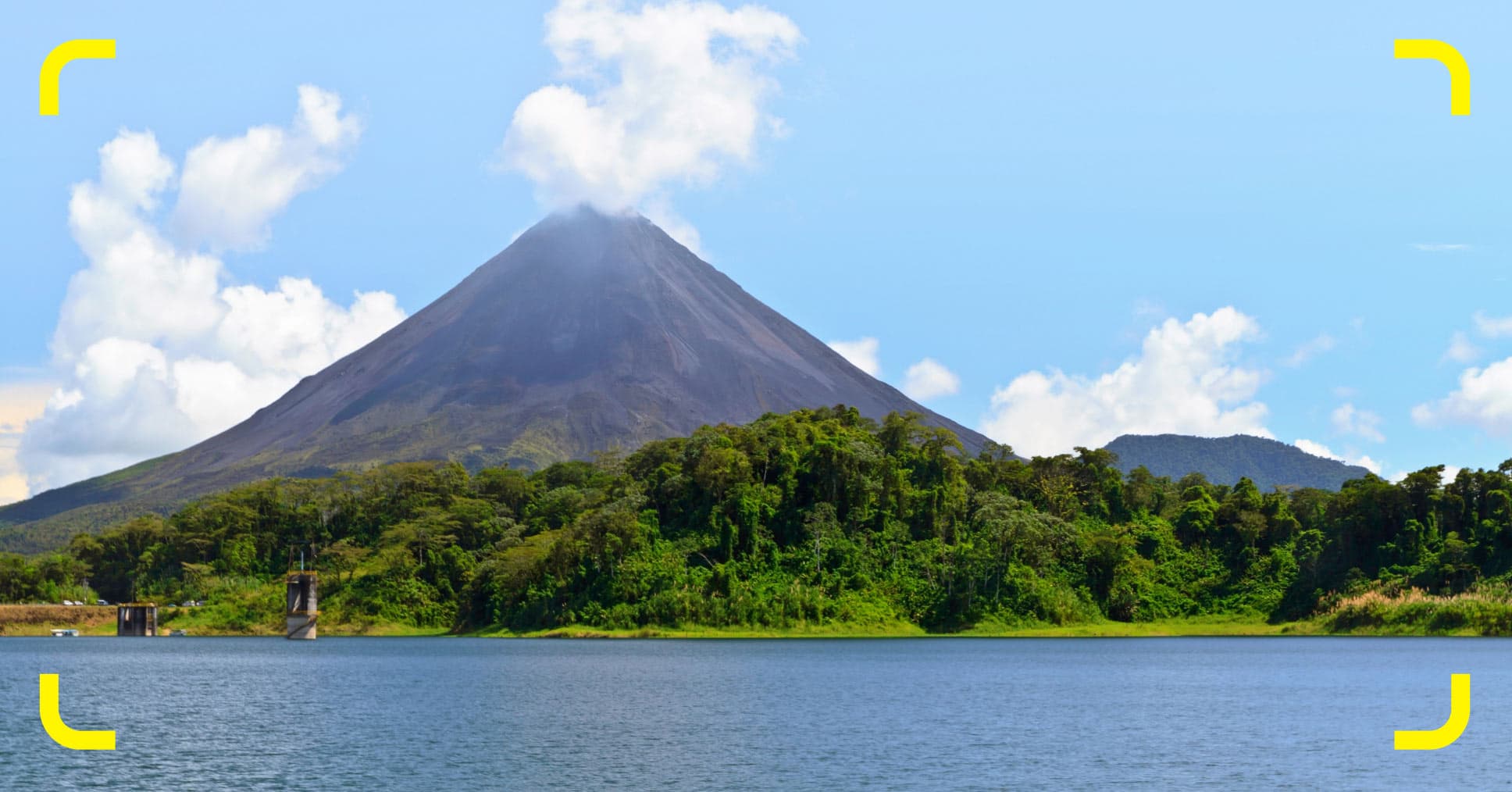
The best time to visit Costa Rica is between December and April, when the dry season brings long, sunny days and clear blue skies. This period is perfect to go to the country’s coast, especially hotspots like Tamarindo, Manuel Antonio, and Arenal.
The dry season is also the prime time for wildlife viewing. National parks are lush yet accessible, and animals are often easier to spot as they gather near rivers and lagoons. You can expect to see howler monkeys, sloths, toucans, and even sea turtles nesting along the Pacific shores. In the north, Arenal Volcano National Park is a paradise for birdwatchers, while the Osa Peninsula showcases some of the richest biodiversity on the planet — a must see for any nature lover.
But the green season (also known as the rainy season, which starts in May and continues until November) shouldn’t be overlooked either. With fewer tourists and the landscapes looking even more vibrant, it’s a favorite among travelers who don’t mind a little afternoon rain in exchange for quieter trails and better deals on stays and flights.
Weather in Costa Rica throughout the year
Costa Rica may be small, but its climate is anything but simple. Thanks to its diverse geography, the weather can shift drastically from one region to the next. Here’s a quick overview of the country’s three main climate zones:
🌴 The Pacific coast region, home to destinations like Tamarindo, Nosara and Quepos, has a distinct dry season from December to April and a wetter, greener season from May to November. You can expect really nice weather, especially in the early months of the year.
🌋 The Central Valley and highlands, which include San José and the Arenal Volcano, enjoy cooler temperatures year-round because of higher altitudes. Days are warm, nights can be refreshingly crisp, and rain is frequent but often short-lived — which makes this region ideal for cloud forest hikes and volcano views.
🌧 The Caribbean coast includes Puerto Viejo, Tortuguero, and the port city of Limón. It rains more consistently throughout the year here, which keeps the rainforests lush and the wildlife active. The driest months are usually September and October, which are actually the wettest months elsewhere in Costa Rica.
However, no matter where you go, Costa Rica’s tropical climate means it’s warm year-round. We created a month-by-month climate table for some of Costa Rica’s most popular destinations, so you could see the temperature differences in the most popular regions of the country. The data is based on long-term averages from Costa Rica’s National Meteorological Institute and climate-tracking resources like World Weather Online.
Month | Arenal Volcano | Tamarindo | San José | Puerto Viejo |
|---|---|---|---|---|
January | 75°F / 24°C | 85°F / 29°C | 70°F / 21°C | 80°F / 27°C |
February | 76°F / 24°C | 86°F / 30°C | 71°F / 22°C | 80°F / 27°C |
March | 77°F / 25°C | 87°F / 31°C | 72°F / 22°C | 81°F / 27°C |
April | 78°F / 26°C | 88°F / 31°C | 73°F / 23°C | 81°F / 27°C |
May | 77°F / 25°C | 85°F / 29°C | 72°F / 22°C | 80°F / 27°C |
June | 76°F / 24°C | 85°F / 29°C | 71°F / 22°C | 80°F / 27°C |
July | 76°F / 24°C | 85°F / 29°C | 71°F / 22°C | 81°F / 27°C |
August | 76°F / 24°C | 85°F / 29°C | 71°F / 22°C | 81°F / 27°C |
September | 76°F / 24°C | 84°F / 29°C | 71°F / 22°C | 82°F / 28°C |
October | 76°F / 24°C | 84°F / 29°C | 71°F / 22°C | 82°F / 28°C |
November | 76°F / 24°C | 85°F / 29°C | 71°F / 22°C | 81°F / 27°C |
December | 75°F / 24°C | 85°F / 29°C | 70°F / 21°C | 80°F / 27°C |
April is typically the hottest month in Costa Rica, just before the rainy season begins. Average daytime temperatures reach around 88°F (31°C) in coastal regions like Tamarindo, while inland areas such as San José and Arenal stay slightly cooler. This makes April a popular time for beachgoers, though it’s wise to pack light clothing, sunscreen, and plenty of water.
What is the best time of the year to visit Costa Rica?
Spring in Costa Rica
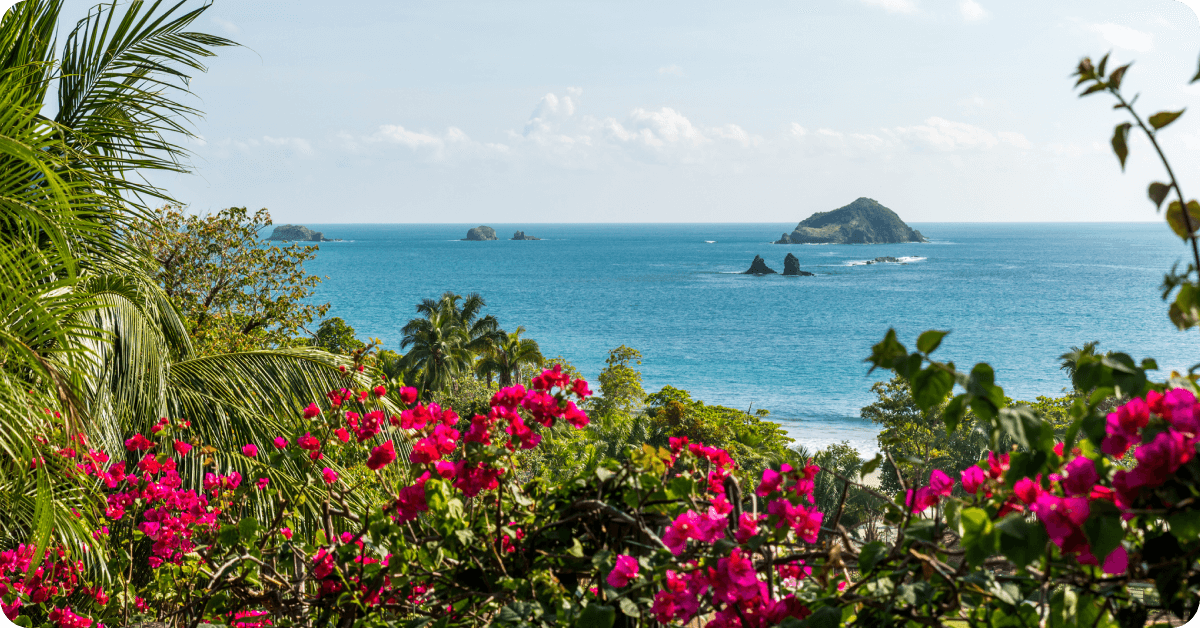
Spring hits Costa Rica’s ideal travel window — you’ll catch the tail end of the dry season with plenty of sunshine before the afternoon rains start rolling in. March is one of the sunniest and driest months of the year, delivering bright, cloudless skies and crystal-clear Pacific waters.
This timing makes it ideal for visiting Tamarindo, Nosara, and Manuel Antonio, where surf conditions are at their best and wildlife spotting in nearby national parks is excellent. Up in the northern highlands around the Arenal Volcano and Rincón de la Vieja, the dry trails make hiking and zip-lining especially enjoyable, while Pacific coast evenings deliver spectacular sunsets.
Spring also brings some of Costa Rica’s biggest celebrations. Semana Santa (Holy Week) is the country’s most important holiday, filling streets with colorful religious processions, traditional foods, and families heading to the beaches. The International Arts Festival happens around this time too — it brings performances and exhibitions from across Latin America to San José. Just remember to book accommodations well ahead because it might get a little busy during these popular times.
By May, you’ll be greeted by the famous afternoon showers, especially in the Central Valley and highlands. The green season officially begins, but those brief, refreshing downpours are usually short-lived. This makes late spring perfect for travelers who want mostly sunny days without the high-season crowds and prices.
Summer in Costa Rica
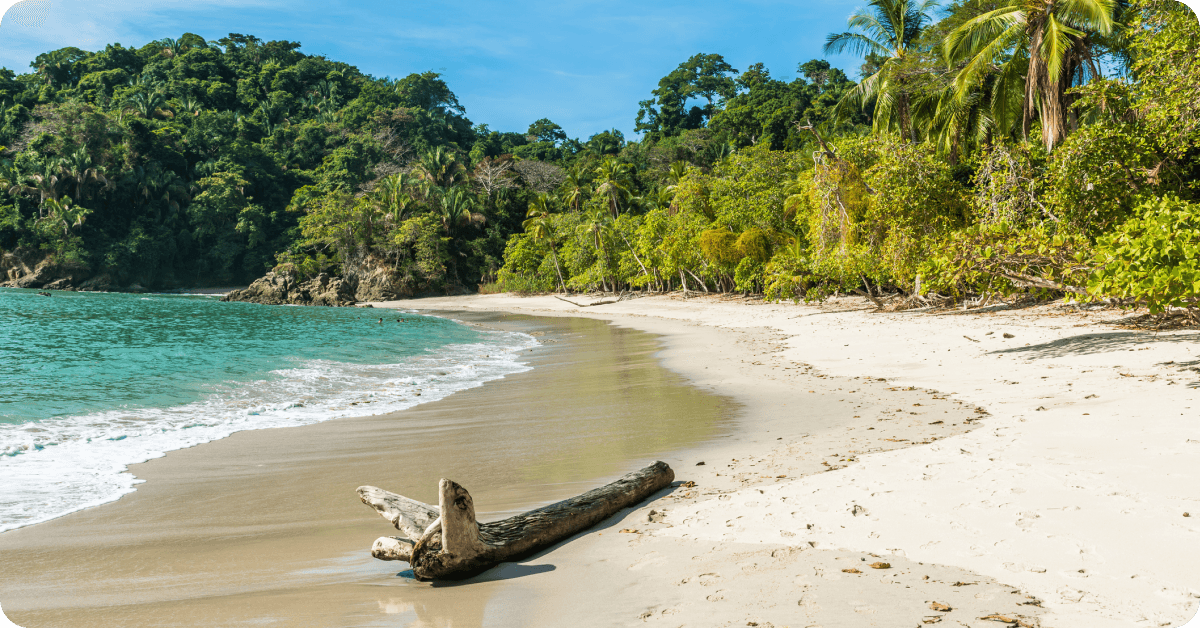
Summer brings Costa Rica’s green season, when afternoon rains transform the country’s landscapes into an emerald paradise. Don’t let the "rainy season" label scare you off — most mornings start sunny and bright, with predictable afternoon showers that cool things down nicely. The rainiest stretch comes later in August, September, and October, while July offers that perfect balance.
During summer, wildlife lovers will be in heaven — turtle nesting season begins in Tortuguero National Park, where green sea turtles come ashore at night to lay their eggs. You can also spot humpback whales along the Pacific coast, especially near Marino Ballena National Park.
Summer also brings one of Costa Rica's most significant historical celebrations — Guanacaste Day. Every year on July 25th, Costa Rica commemorates the annexation of the Partido de Nicoya in 1824, when the municipalities of Nicoya and Santa Cruz held an open town-council meeting and decided to join Costa Rica rather than remain under Nicaraguan jurisdiction — a largely peaceful process that is celebrated as a founding component of the modern province of Guanacaste. This decision shaped modern Costa Rica, and the holiday celebrations include colorful parades, traditional music, typical Costa Rican food, and rodeos showcasing the region's cowboy culture. The biggest celebrations happen in Guanacaste itself, but you'll find festivities throughout the country.
If you visit Costa Rica in summer, you'll have fewer tourists around, and beaches, hot springs, and rainforests mostly to yourself — often at a fraction of peak-season prices. Just pack a light rain jacket and embrace the afternoon showers as part of the adventure.
Fall in Costa Rica
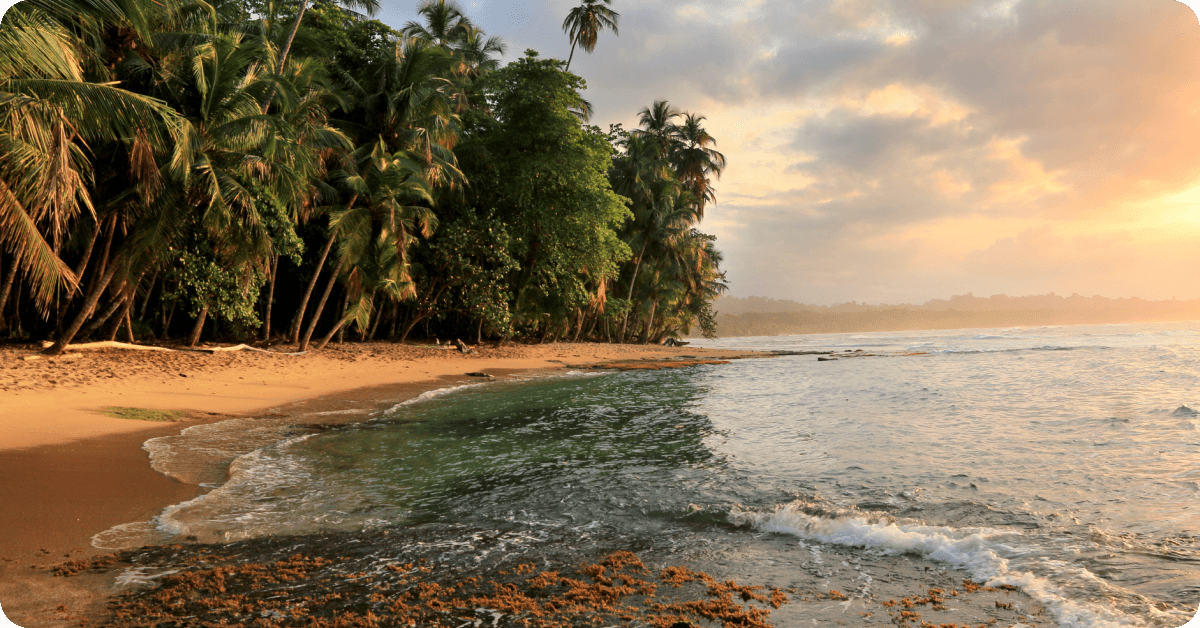
Fall is the wettest time of year across much of Costa Rica, especially on the Pacific coast, but don’t write it off just yet. This season has its own rhythm — quieter, slower, and more intimate. The daily rains turn forests into dense, misty wonderlands and bring an unmatched tranquility to popular destinations.
If you’re still looking for sun rays, the Caribbean coast is your best bet. September and October are actually its driest months, making this the perfect time to visit Cahuita, Puerto Viejo, or Manzanillo. The water is calm and clear — excellent for snorkeling, paddleboarding, or simply relaxing by the sea.
Fall is also the best time for whale watching along the southern Pacific coast near Uvita and Dominical. You’ll catch the tail end (literally) of humpback migration season, one of Costa Rica’s most breathtaking natural spectacles.
While some smaller hotels in remote areas close during the rainiest weeks, you’ll find unbeatable prices and plenty of peace wherever you go. For travelers who don’t mind a little rain, fall offers a raw, authentic version of Costa Rica — one that feels refreshingly off the beaten path.
Winter in Costa Rica
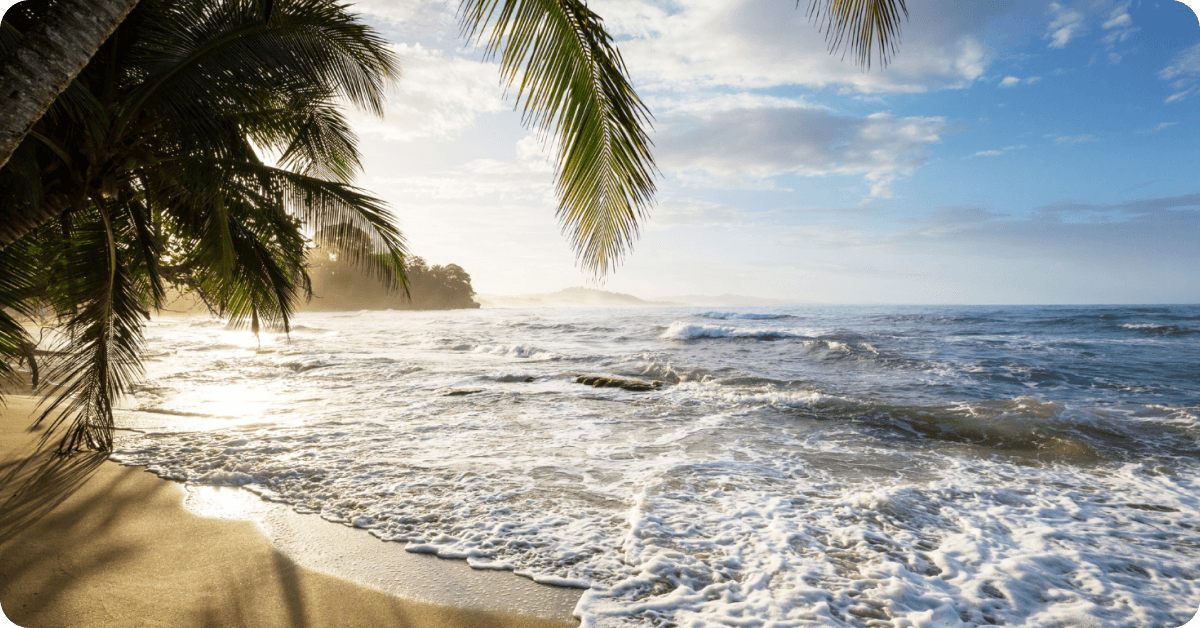
Winter is Costa Rica's high season — and honestly, it's easy to see why. The skies clear up beautifully, humidity drops to comfortable levels, and the landscapes still hold those lush green tones left over from the rainy months. It's like getting the best of both worlds — dry, sunny weather with all that tropical greenery still intact.
The Pacific coast is the best place to visit during winter. Destinations like Guanacaste, the Nicoya Peninsula, and Santa Teresa become magnets for sunseekers and surfers from around the world, delivering the perfect beach days you often see in postcards. Head inland and you'll find Arenal Volcano and Monteverde offering prime hiking conditions with breathtaking views and cool mornings that make you want to linger over your coffee a little longer.
Winter is also packed with festivals and cultural events. In December, Costa Ricans celebrate Festival de la Luz (Festival of Lights) in San José, a dazzling parade of floats, fireworks, and music that lights up the city. January brings Palmares Festival, one of the country’s biggest celebrations, featuring concerts, bull runs, and carnival rides.
For travelers who want sunshine, energy, and Costa Rica at its most vibrant, winter is the best time to visit, hands down. Just be prepared to pay premium prices — as the dry season from December through April brings the largest influx of tourists, it's also the most expensive time to visit.
What is the best month to visit Costa Rica?
Choosing the best month to visit Costa Rica depends on what kind of adventure you’re after — beaches, rainforest hikes, or cultural events. Here’s a month-by-month breakdown to help you find your perfect time to go.
In January, the dry season is in full swing, bringing sunny skies and warm days across most of the country. It’s perfect beach weather on the Pacific coast — think Tamarindo, Nosara, and Manuel Antonio. It’s also the main tourist season, so book early if you’re visiting during New Year’s or the Palmares Festival near San José.
February is still bright, dry, and beautiful — ideal for snorkeling, hiking, or road-tripping between volcanoes and beaches. The Caribbean coast can see a few showers, but crowds are smaller, and prices start to ease a little after the holiday rush.
March is hot, dry, and buzzing with energy — one of Costa Rica’s sunniest months. Semana Santa (Holy Week) often falls around this time, bringing local festivities and busy beaches — an amazing cultural experience if you plan ahead.
In April, the last stretch of the dry season brings slightly higher temperatures, but it’s still one of the best times to visit. Expect long sunny days and spectacular sunsets along the Pacific. It’s also the shoulder season, so you’ll catch great weather without high prices.
In May, the first real rains arrive — usually short afternoon showers that cool things down after bright mornings. Everything turns lush and green, especially around Arenal and the Central Valley. Fewer crowds and lower prices make May a hidden gem for budget-conscious travelers.
In June, The “green season” settles in, but mornings remain sunny and perfect for outdoor activities. It’s a wonderful time for nature lovers — forests come alive, rivers swell for rafting, and the first turtles begin nesting in Tortuguero. Expect some great mid-season deals, too.
In July, the rain continues but often pauses for a mini dry spell known as veranillo de San Juan. It’s one of the best months to watch the wildlife — from sea turtles to migrating humpback whales. Guanacaste and the Caribbean coast both offer good weather windows this time of year.
August is warm, humid, and very green. Rain showers are predictable and refreshing, mostly in the afternoons. It’s low season for tourism, meaning quieter trails in national parks and better rates on hotels and tours. Family travelers love this time for its calm, laid-back vibe.
September is the rainiest stretch on the Pacific side, but the Caribbean coast enjoys some of its sunniest days. It’s the perfect time to visit Puerto Viejo or Cahuita for snorkeling and calm seas. Whale watching near Uvita is also at its peak, delivering unforgettable sights.
October is still wet in the west, but bright in the east. The Caribbean remains beautiful and dry, while the rest of the country enjoys quieter, greener scenery. Fewer tourists mean more local charm — a great time to unwind, explore, and experience Costa Rica’s slower pace.
In November, the rains begin to fade, the landscapes stay lush, and the dry season starts to return. It’s the sweet spot between seasons — fewer crowds, reasonable prices, and the countryside glowing with color. Great for hiking around Arenal or exploring Monteverde’s cloud forests.
In December, the dry season officially begins again, and the country bursts into life. Expect perfect weather, lively holiday festivals, and some of the best beach days of the year. It’s a busy season — especially around Christmas and New Year — so plan ahead if you’re chasing the sun in paradise.
What is the cheapest time of the year to go to Costa Rica?
The cheapest time to visit Costa Rica falls during the green season from May through November. Sure, you'll deal with more frequent afternoon showers, but this period rewards budget-conscious travelers with lush scenery, smaller crowds, and significantly lower prices — we're talking 30-50% savings on flights and hotels compared to the dry season.
Budget travelers can snag eco-lodge beds for US$20-40 per night, enjoy filling meals at local sodas (Costa Rican diners) for US$5-10, and take advantage of countless free outdoor experiences like hiking to waterfalls or exploring national parks. May, June, September, and October offer the best bang for your buck, when tourism slows down but the country stays gorgeous and accessible.
The morning sun still shines beautifully during the green season — those afternoon rains usually just cool things down and water the incredible biodiversity you came to see. If you're flexible about weather, the green season lets you experience Costa Rica's natural wonders without breaking the bank.
Tips for preparing for your trip to Costa Rica
Planning ahead can make your trip to Costa Rica smoother, safer, and more enjoyable. Here are some practical tips to help you get ready before takeoff:
Learn about the local culture. Costa Ricans, or Ticos, are known for their friendly “pura vida” attitude — a phrase that means “pure life” and reflects their relaxed, positive outlook. Embrace this spirit, and remember that politeness and patience go a long way.
Check entry and travel requirements. Most travelers can enter Costa Rica visa-free for up to 90 days, but make sure your passport is valid for at least six months beyond your arrival date. Also, double-check any current health or vaccination requirements before you go.
Get the local currency. The official currency is the Costa Rican colón (CRC), though US dollars are widely accepted in tourist areas. Still, it’s handy to carry some colones for local markets or small towns.
Understand the weather. Costa Rica’s climate varies by region — tropical on the coasts, cooler in the highlands. Pack light, breathable clothing for the heat, but include a rain jacket and sturdy shoes if you’re visiting during the green season or exploring national parks. Check our Costa Rica packing list for more tips and tricks on how to deal with Costa Rican weather.
Know the tipping rules. Tipping isn’t mandatory, as most restaurants include a 10% service charge, but leaving an extra 5–10% is appreciated for excellent service.
Stay connected the smart way. Instead of relying on risky public Wi-Fi or pricey roaming fees, use an eSIM app like Saily to stay online. You can easily activate data plans before you leave, so you’re connected the moment you arrive — perfect for navigating, booking tours, or sharing your adventures securely.
Prepare for an outdoor adventure. Costa Rica is known for outdoor activities like hiking, surfing, and ziplining. Pack insect repellent, sunscreen, and water-resistant gear, and always respect local wildlife and protected areas.
TL;DR
Costa Rica's beauty shines year-round, but your ideal timing depends on what you're after. Winter (December-April) delivers guaranteed sunshine and lots of wildlife activity, but comes with crowds and premium prices. Spring (March-May) offers the best balance of great weather and manageable costs. Summer and fall (May-November) reward flexible travelers with beautiful green landscapes and budget-friendly prices.
Whatever season you choose, staying connected in Costa Rica enhances every moment of your adventure. Whether you're navigating to hidden waterfalls, translating local menus, or coordinating tours in remote areas, reliable internet keeps your trip running smoothly — just download an eSIM app and stay online.
Saily's Costa Rica eSIM data plans work seamlessly across Costa Rica's diverse regions, so you can focus on making memories instead of hunting for Wi-Fi. Because the only thing better than experiencing pura vida is being able to share it with the world — and having maps when you need them most.
Need data in Kostaryka? Get an eSIM!

1 GB
7 dni
US$7,99
3 GB
30 dni
US$18,99
5 GB
30 dni
US$26,99
FAQ



Giedrė is an outdoor enthusiast who feels more at home in a tent than in a luxury hotel. She’s the type who packs her bags with a headlamp and enough snacks to survive a zombie apocalypse, but that doesn’t mean she doesn’t like snapping pictures to post on her Instagram stories. For that, she’s always prepared with an eSIM card on her phone — it helps her navigate the forest, too!
Artykuły pokrewne
