


Top 15 foods to try in Spain: Traditional and unique Spanish dishes
Food in Spain is as diverse as the country itself. While paella and tapas have earned their place on menus around the world, they’re only a small part of Spanish cuisine. Spain’s regional cuisines are incredibly varied, with every corner of the country offering a different flavor. In this article, we’ll cover 15 of the best foods to try in Spain, from iconic dishes you will see on menus nationwide to regional specialties worth planning a detour around. Come hungry — Spaniards don’t believe that three meals a day are enough.


Inhoudsopgave
- Traditional food in Spain: 10 classic dishes
- 1. Paella
- 2. Tortilla Española
- 3. Gazpacho
- 4. Jamón ibérico
- 5. Churros
- 6. Patatas bravas
- 7. Pulpo a la Gallega
- 8. Fabada asturiana
- 9. Pisto
- 10. Croquetas
- Unique food in Spain: 5 regional specialties worth trying
- 11. Cochinillo asado
- 12. Escalivada
- 13. Salmorejo
- 14. Txangurro
- 15. Calçots with romesco sauce
- Where to eat in Spain: Best food cities and regions
- Food in Madrid
- Food in Barcelona
- Food in Seville
- Food in Valencia
- Food in San Sebastian
- Food in Malaga
- Food in Granada
- Food in Alicante
- Food culture in Spain: What every traveler should know
- Stay connected while exploring Spain’s food scene
Traditional food in Spain: 10 classic dishes
Spanish food has earned its reputation for good reason. You’ll find these dishes everywhere — neighborhood tapas bars, family-run restaurants, bustling markets, and fine dining menus. If it’s your first trip to Spain, the dishes below are the perfect place to start.
Keep in mind that the prices below are general estimates. Food costs in Spain vary by city, restaurant, portion size, and how close you are to the busiest tourist areas.
1. Paella
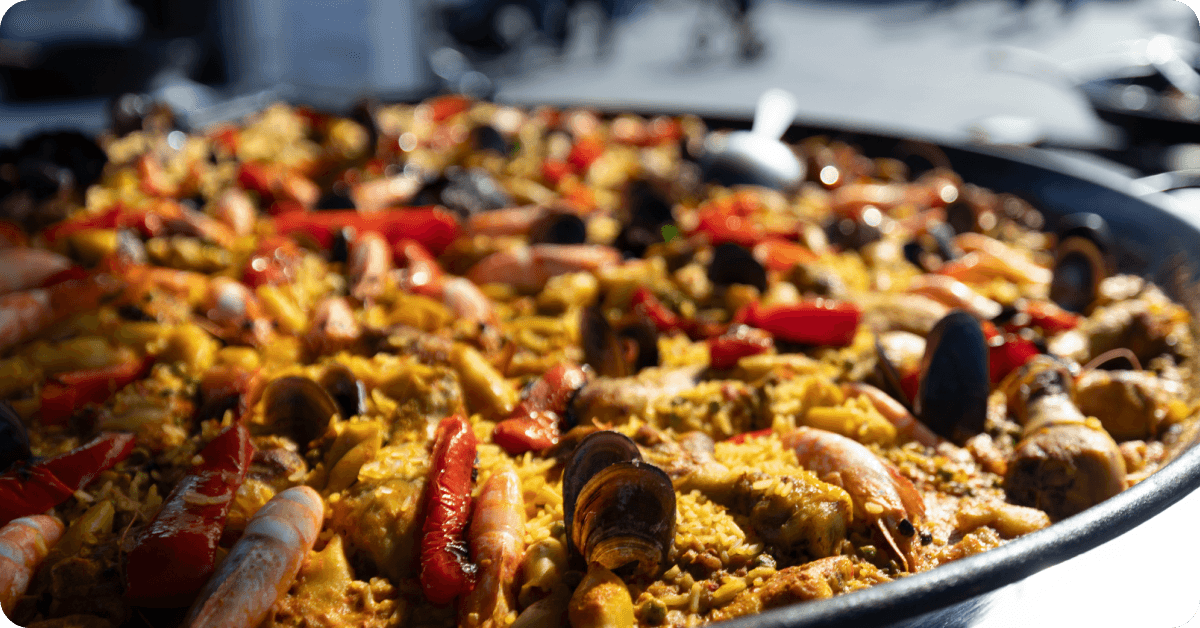
Paella may be the most famous Spanish dish in the world, but the version served in Valencia, its hometown, looks different from the seafood-heavy plates many visitors expect.
The classic paella Valenciana combines short-grain rice with chicken, rabbit, green beans, garrofó beans, tomato, saffron, paprika, and olive oil — Spain is the world’s largest producer of the latter. Some recipes also include snails or rosemary. The ingredients cook together in a wide, shallow pan, allowing the rice to absorb the stock and develop a crisp, caramelized layer at the bottom called socarrat, which many consider the best part of the dish.
Paella originated around rice-growing areas and remains a social meal, often eaten at lunch with family or friends rather than ordered as a quick dinner. For the best experience, try it in Valencia or near Albufera, where many restaurants still cook it over wood fires.
Restaurants commonly price paella per person and may require at least two diners. Expect to pay roughly €16–€25 per person at a casual or mid-range restaurant, with higher prices at beachfront or fine-dining venues.
2. Tortilla Española
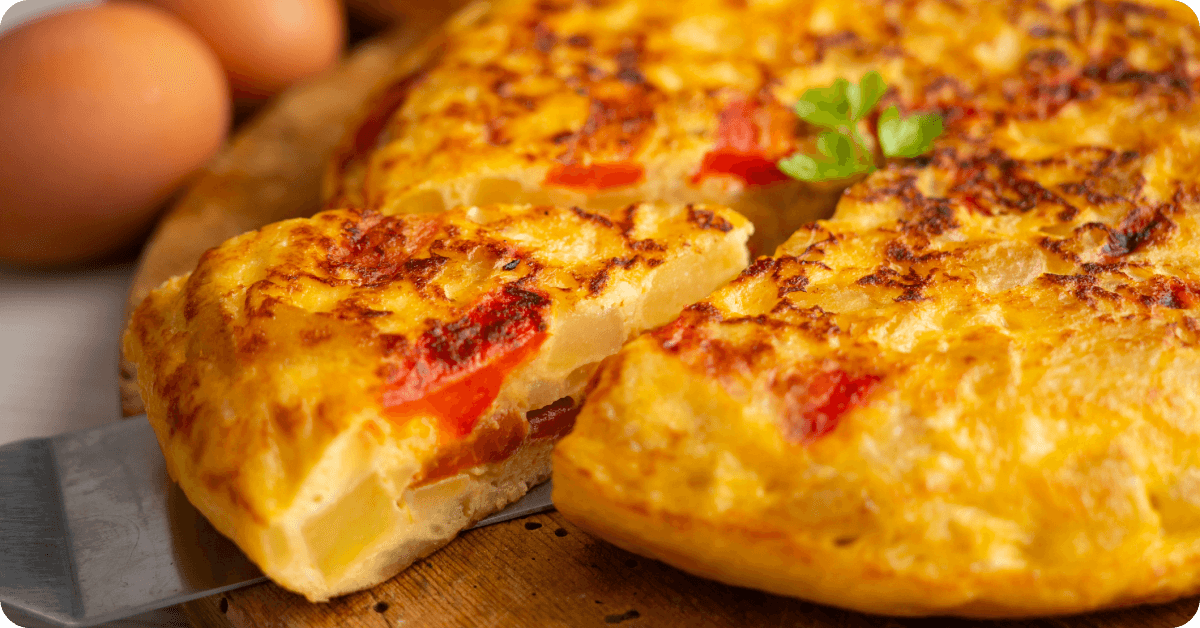
Tortilla Española, also called tortilla de patatas, is a thick Spanish omelette made with eggs, potatoes, olive oil, and, depending on whom you ask, onion.
The basic recipe sounds simple, but Spaniards can debate it for hours. Some prefer thinly sliced potatoes and a firm center, while others want the egg slightly runny. The question of whether onion belongs in tortilla española is best approached with the diplomatic caution usually reserved for politics.
You will find tortilla in almost every tapas bar, café, and casual restaurant in Spain. It may be served warm or at room temperature as a classic tapa, tucked into bread as a sandwich, or eaten as a light lunch or dinner. The dish is also a practical option for travelers looking for vegetarian Spanish food, although you should confirm that it has not been cooked with meat-based additions.
A slice often costs around €3–€5, while a freshly made tortilla to share may cost €7–€13, depending on its size and fillings.
3. Gazpacho
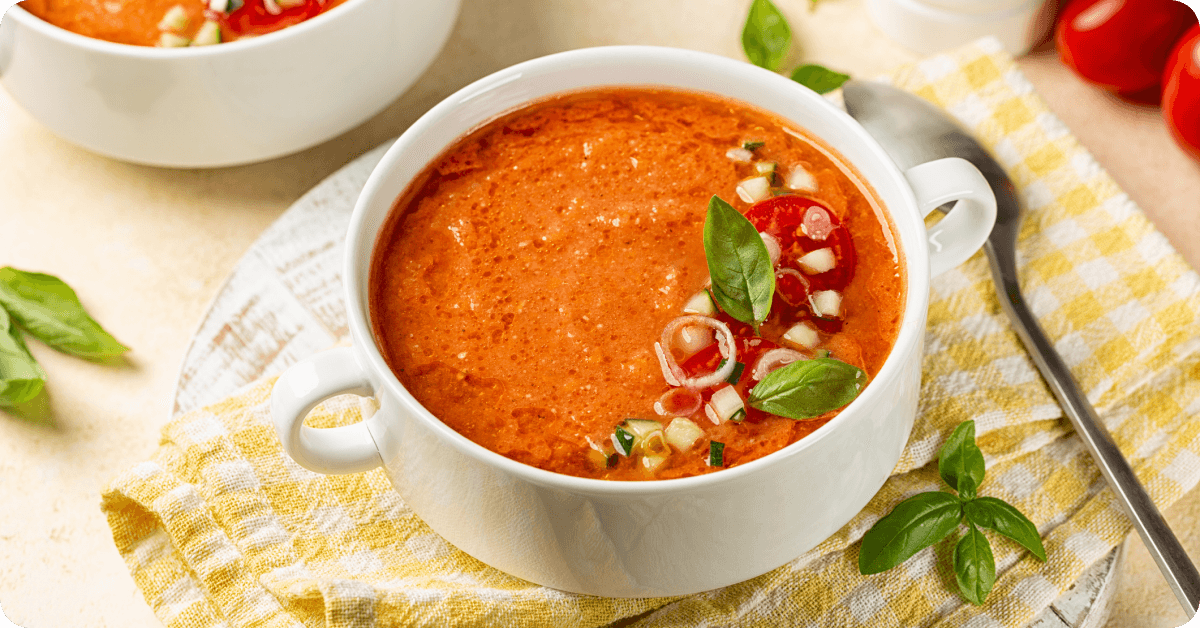
Gazpacho is a cold soup from Andalusia made for days when switching on the oven feels like a personal attack.
The soup blends ripe tomatoes with cucumber, green peppers, garlic, olive oil, vinegar, and sometimes bread. It is smooth, light, and usually served well chilled. Unlike the thicker salmorejo soup, gazpacho contains more vegetables and has a thinner consistency, so some people drink it from a glass rather than eat it with a spoon.
Gazpacho is most closely associated with southern Spain, particularly Seville and the rest of Andalusia, where scorching summers make cold dishes especially welcome. It works as a starter, a light lunch, or a refreshing drink between meals.
You may find it included in a set lunch menu, while a separate bowl or glass at a local restaurant generally costs around €3–€6. It tastes best during tomato season, so summer is the ideal time to order it.
4. Jamón ibérico
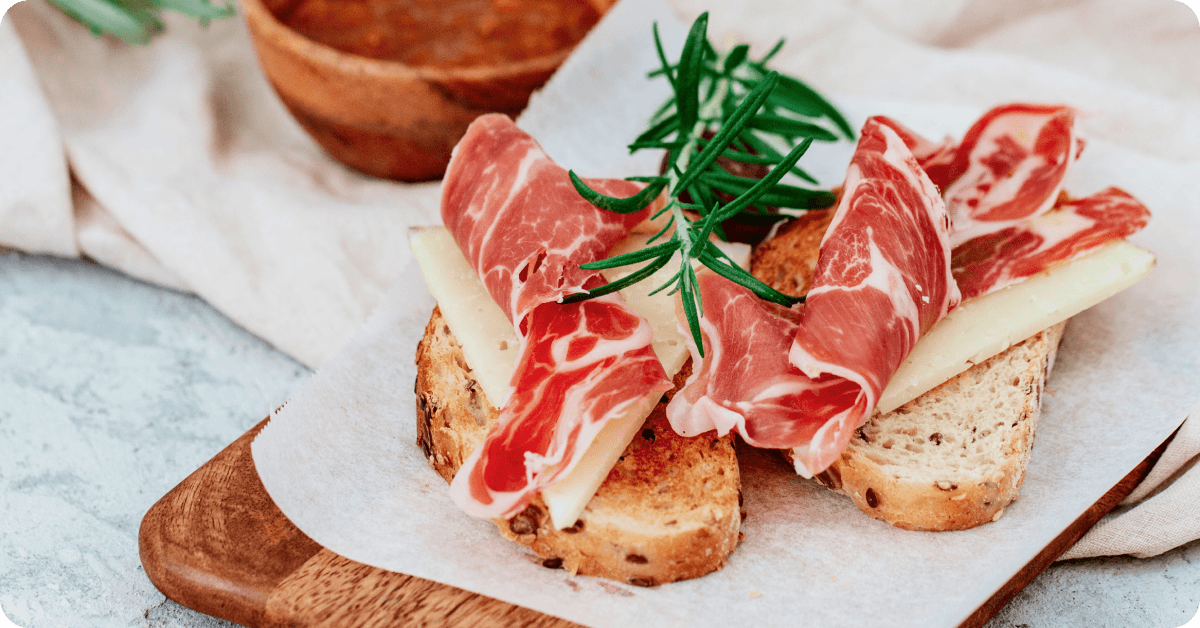
Few foods capture Spanish cooking better than jamón ibérico: high-quality meat, salt, time, and very little interference.
This cured ham comes from Iberian pigs raised on the Iberian Peninsula. Quality varies according to the pig’s breed, diet, and production method, with acorn-fed jamón ibérico de bellota being at the premium end. The acorns contribute to the meat’s rich texture and deep, slightly nutty flavor.
Jamón ibérico is sliced paper-thin and served on its own, with bread, alongside Manchego cheese, or as part of a tapas spread. You will see legs of ham displayed behind counters in markets, specialist shops, and restaurants across Spain. It is eaten throughout the year rather than reserved for a particular meal, although it also appears frequently during holidays and celebrations.
A small serving may start at around €4–€8, but premium acorn-fed ham costs considerably more. Jamón serrano is the more common cured ham made from white pigs, while jamón ibérico comes from Iberian pigs and is considered the premium — and pricier — option.
5. Churros
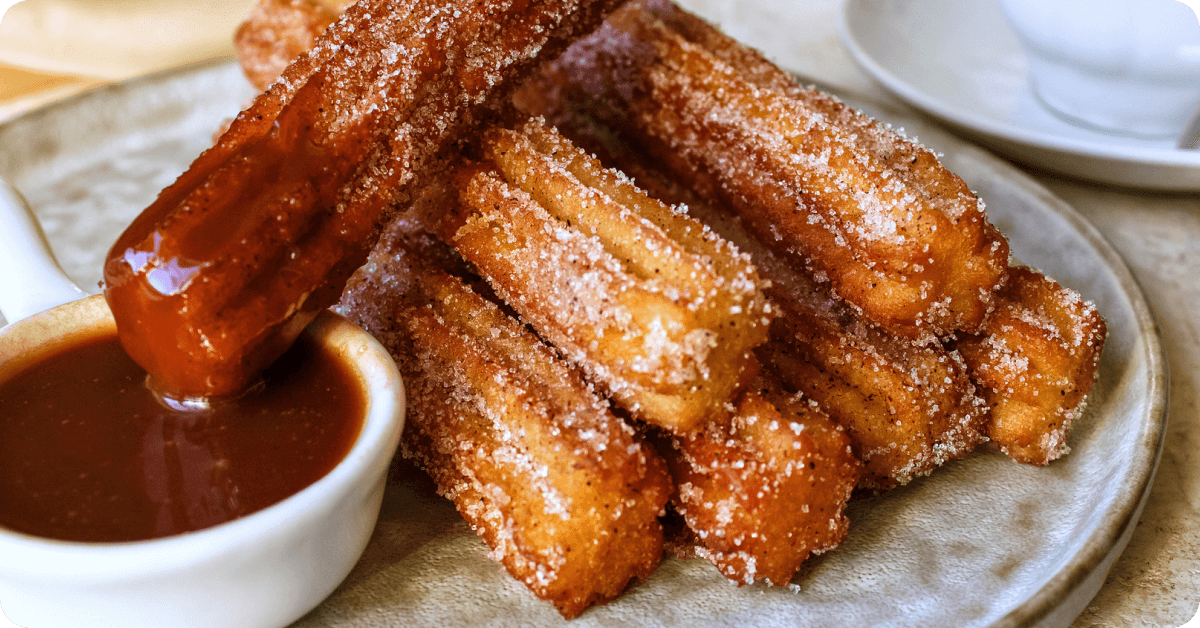
Churros are strips of fried dough with a crisp exterior and a soft center, usually served with sugar and a cup of thick hot chocolate for dipping.
They are especially associated with Madrid, where churrerías serve them from breakfast until late at night. The breakfast option may include café con leche (coffee with steamed milk) and toast, but churros are the more indulgent choice — particularly after a long night out or during festive mornings. Madrid also has a thicker version called porras.
Spanish hot chocolate is much denser than an ordinary cocoa drink. It is closer to a warm chocolate sauce, which is exactly why dipping fried dough into it works so well.
A serving of churros with chocolate generally costs around €4–€7, although famous central cafés may charge more. Visit a busy churrería where the dough is fried continuously — churros lose much of their charm once they have been sitting around.
6. Patatas bravas
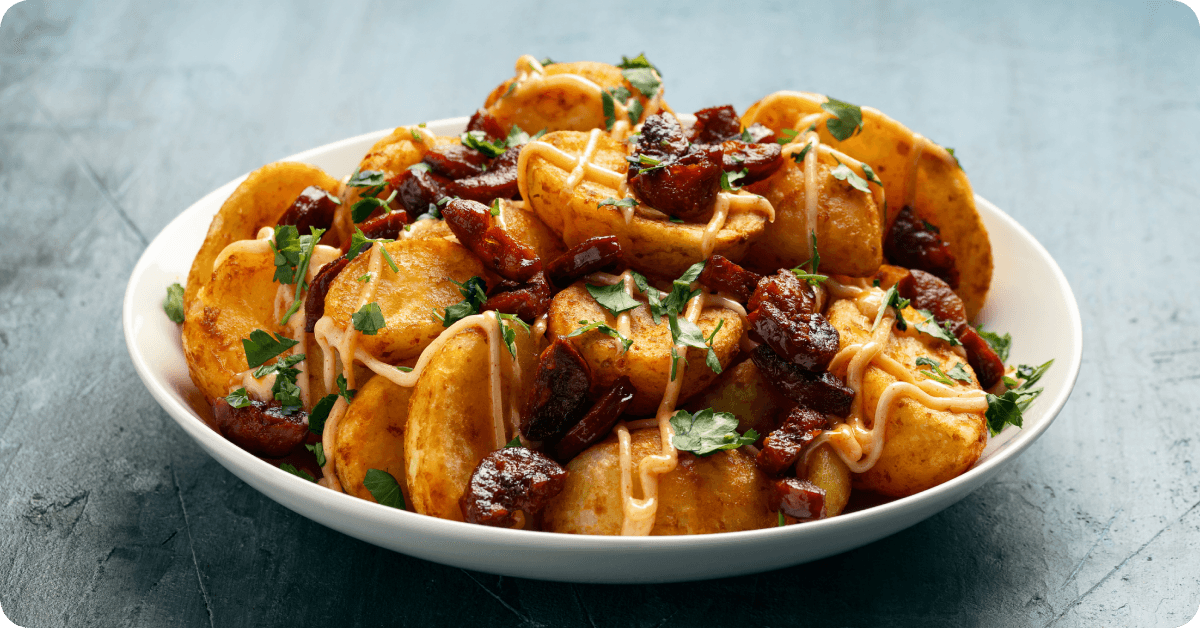
Ask a group of Spaniards where to find the best patatas bravas, and you’ll probably start an argument.
This classic tapa features crispy fried potatoes served with a spicy tomato sauce, a creamy garlic aioli, or both, depending on the region. In Madrid, you’ll often find a smoky red sauce without mayonnaise, while other parts of Spain serve aioli alongside or instead of the tomato-based version.
Patatas bravas appear on almost every tapas bar menu, making them one of the easiest and most affordable foods to try in Spain. They’re typically shared with friends over a cold beer or a glass of red wine before lunch or dinner.
A generous portion usually costs €4–€8, making patatas bravas one of the best-value tapas you’ll find almost anywhere in Spain.
7. Pulpo a la Gallega
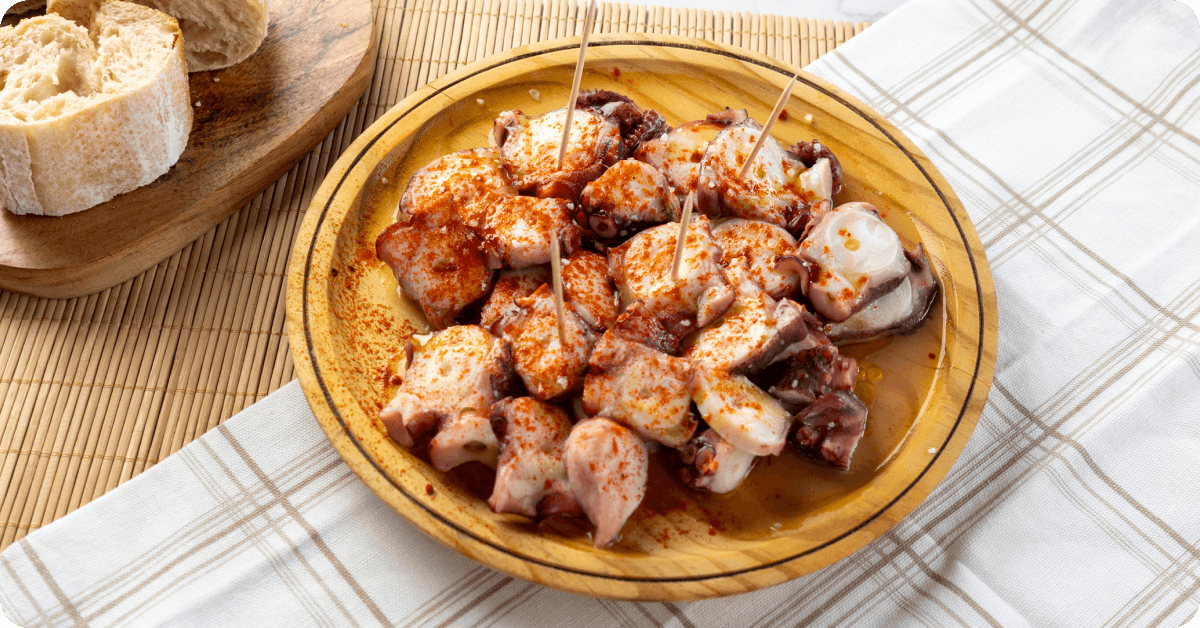
Pulpo a la Gallega, also known simply as pulpo á feira, is one of the signature dishes of Galicia in northern Spain.
The octopus is slowly cooked until tender, sliced into bite-sized pieces, and served over boiled potatoes with olive oil, paprika, and coarse sea salt. The recipe contains surprisingly few ingredients, allowing the quality of the seafood and olive oil to do most of the work.
You’ll find pulpo a la gallega at seafood restaurants and traditional festivals throughout Galicia, although it’s popular across much of Spain. Locals often pair it with crusty bread and a chilled glass of white wine, especially Albariño.
Expect to pay around €14–€22 for a main portion, with smaller tapas portions available at many bars for less.
8. Fabada asturiana
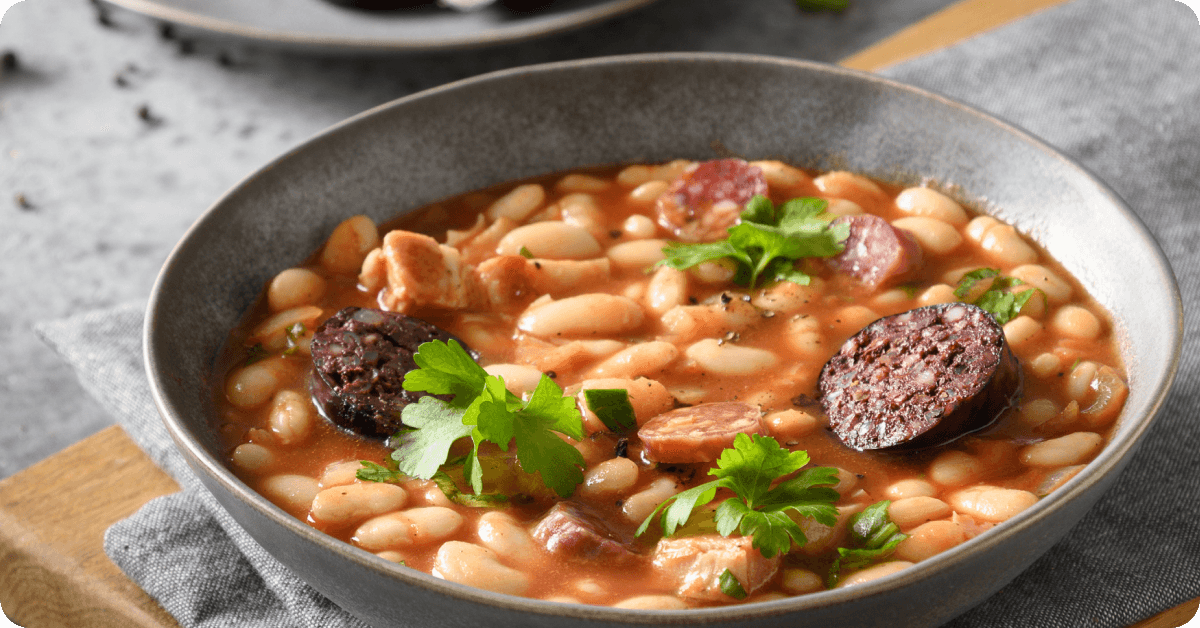
If you’re visiting Spain during the colder months, few dishes are as comforting as fabada asturiana.
This hearty bean stew comes from Asturias and combines large white beans with chorizo, morcilla (blood sausage), pork, garlic, paprika, and olive oil. The ingredients are slowly cooked together until the broth becomes rich and deeply flavorful.
Fabada is traditionally enjoyed as a leisurely lunch rather than dinner because it’s filling enough to keep you satisfied for the rest of the day. Like many classic Spanish dishes, it’s even better when paired with fresh bread and a glass of local red wine.
A serving usually costs €12–€20, depending on the restaurant and whether it’s included as part of a set lunch menu.
9. Pisto
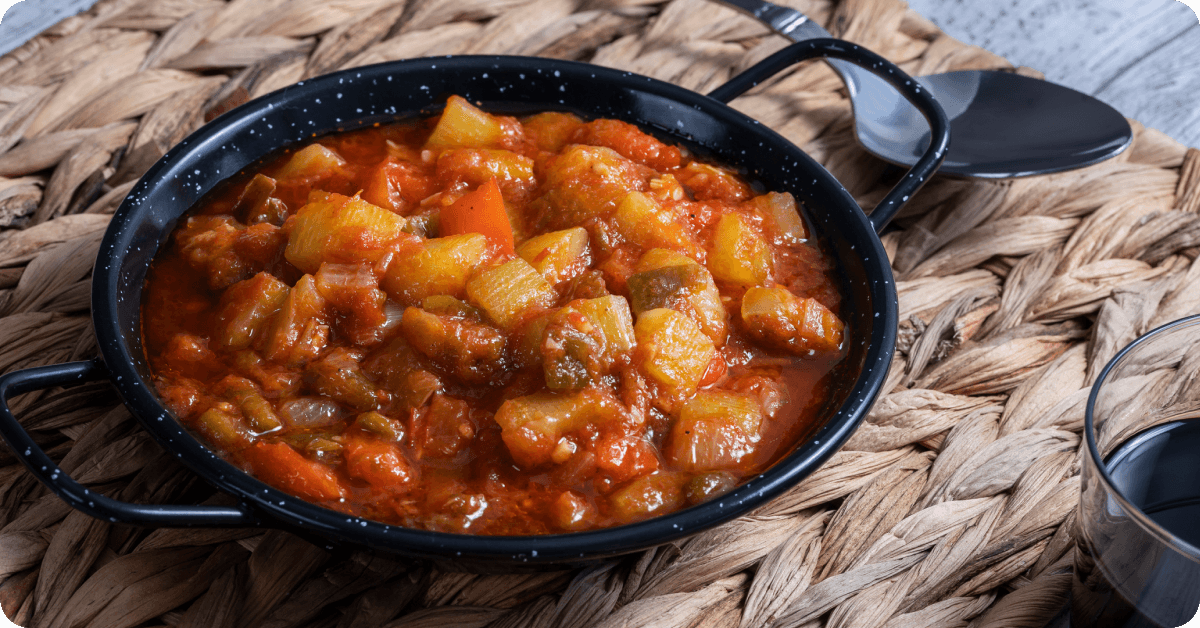
Often compared to French ratatouille, pisto is one of Spain’s best vegetable dishes.
The recipe slowly cooks tomatoes, onions, zucchini, green peppers, red pepper, garlic, and olive oil until everything becomes soft and richly flavored. Some regions add eggplant, while others top the finished dish with a fried egg or serve it alongside grilled meat.
Pisto is especially popular during the warmer months because it relies on fresh seasonal vegetables, although you’ll find it throughout the year. It’s a common lunch or dinner dish and one of the easiest options for anyone looking for vegetarian food in Spain.
Prices generally range from €8–€14, depending on whether it’s served as a starter, a main course, or alongside meat.
10. Croquetas
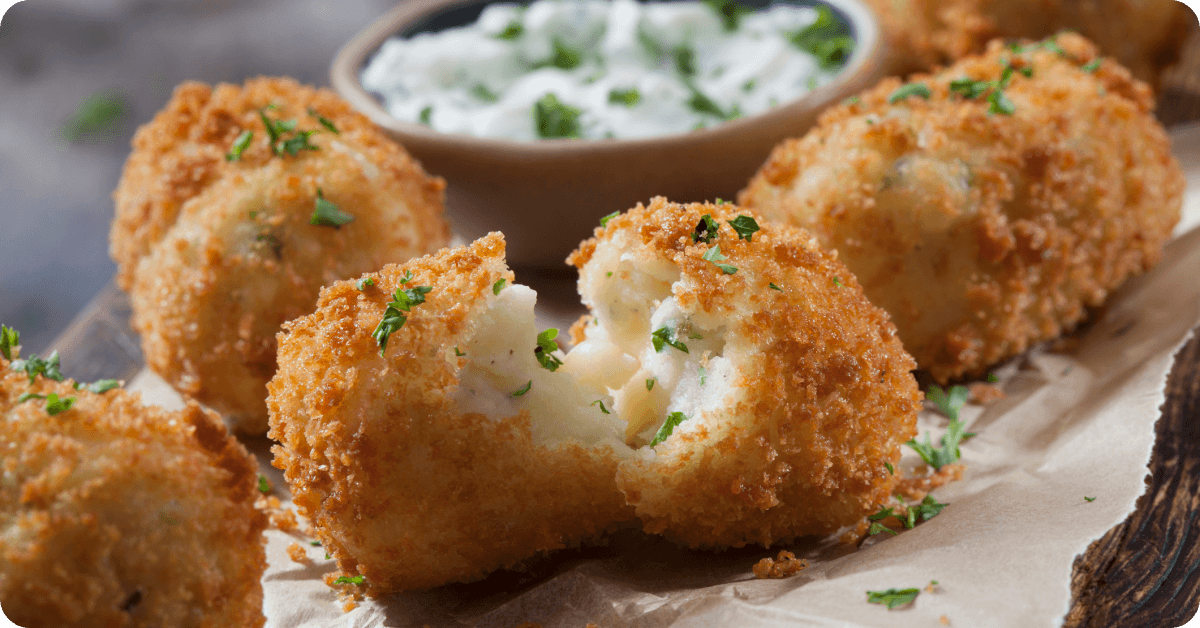
Few tapas disappear from the table faster than freshly made croquetas.
Each croqueta starts with a thick bechamel sauce that’s mixed with ingredients such as jamón ibérico, chicken, cod, cheese, or wild mushrooms. The mixture is chilled, coated in breadcrumbs, and fried until golden, creating a crisp shell with a creamy center.
Croquetas are a staple at tapas bars across Spain and make an excellent classic tapa to share while waiting for the final dish to arrive. Every region — and often every family — has its own favorite filling, so it’s worth ordering them more than once during your trip.
Most tapas bars charge around €2–€4 per croqueta or €8–€12 for a portion, making them a great first order while you decide what else to try.
Unique food in Spain: 5 regional specialties worth trying
Many classic Spanish dishes are famous around the world, but regional Spanish cuisines have plenty of lesser-known specialties worth seeking out.
Some are tied to a single city or province, while others only appear during a short season each year. If you’re looking to try unique food in Spain beyond the usual paella and tapas, these regional dishes deserve a spot on your list.
11. Cochinillo asado
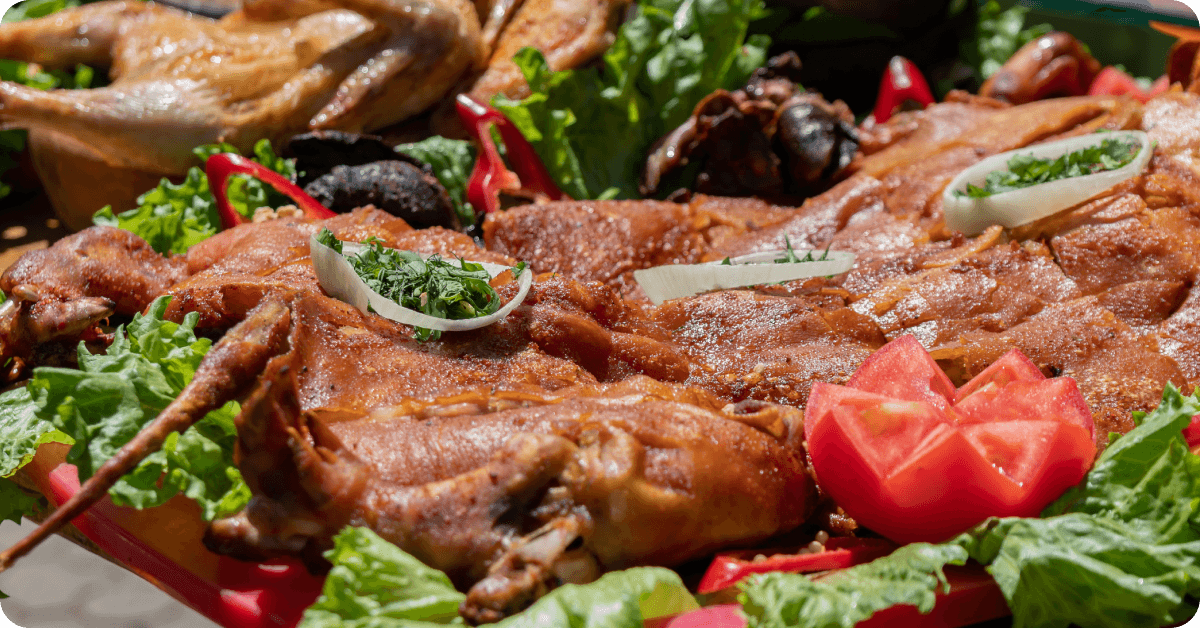
Cochinillo asado is one of Spain’s most impressive meat dishes and a specialty closely associated with Segovia.
The dish consists of a young suckling pig that’s slowly roasted until the meat becomes incredibly tender and the skin turns crisp enough to crack with a spoon. Authentic restaurants sometimes demonstrate this crispiness by cutting the roast with the edge of a plate instead of a knife.
Cochinillo asado is typically reserved for celebrations, Sunday lunches, and special occasions rather than everyday meals. If you have time for any day trips from Madrid, Segovia is one of the best places to try it.
Expect to pay €25–€40 per person for a traditional roast, usually served as part of a larger meal.
12. Escalivada
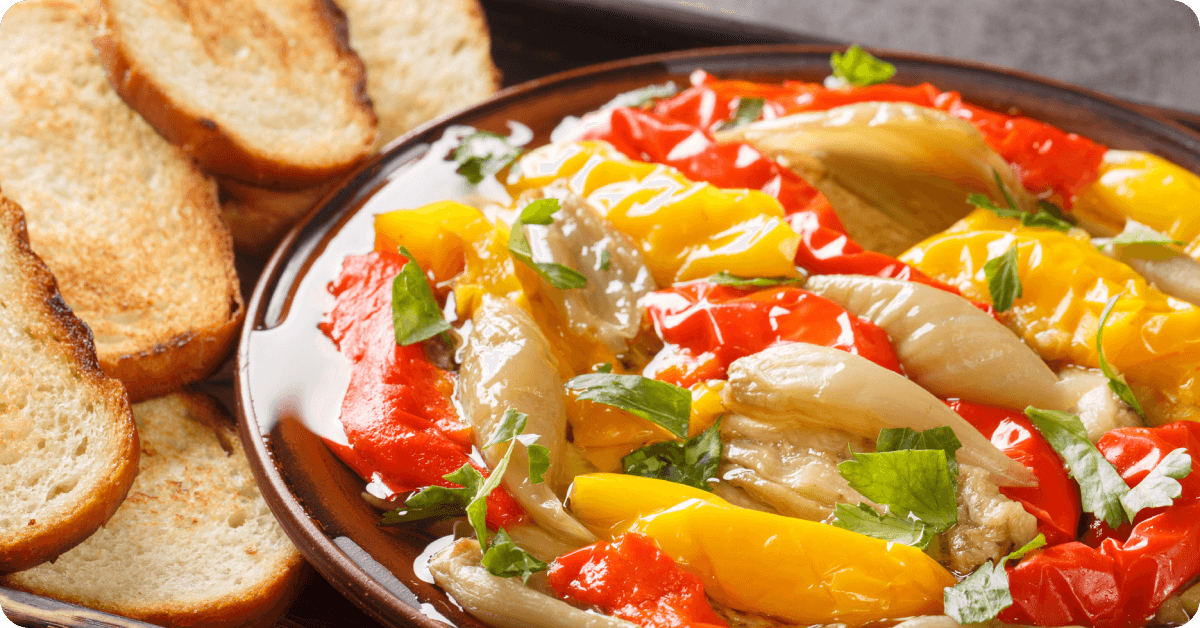
Simple ingredients often make for the most memorable meals, and escalivada is a perfect example.
This time-honored Catalan dish combines roasted eggplant, onions, red pepper, and green peppers dressed with generous amounts of olive oil. The vegetables are roasted until lightly charred, giving them a smoky flavor before they’re peeled and served warm or at room temperature.
Escalivada is commonly served as a tapa, a side dish, or piled onto toasted bread. You’ll find it throughout Catalonia, particularly in Barcelona, where it often appears alongside grilled fish, cured meats, or local cheeses.
A serving usually costs €6–€10, making it an easy addition to a tapas meal.
13. Salmorejo
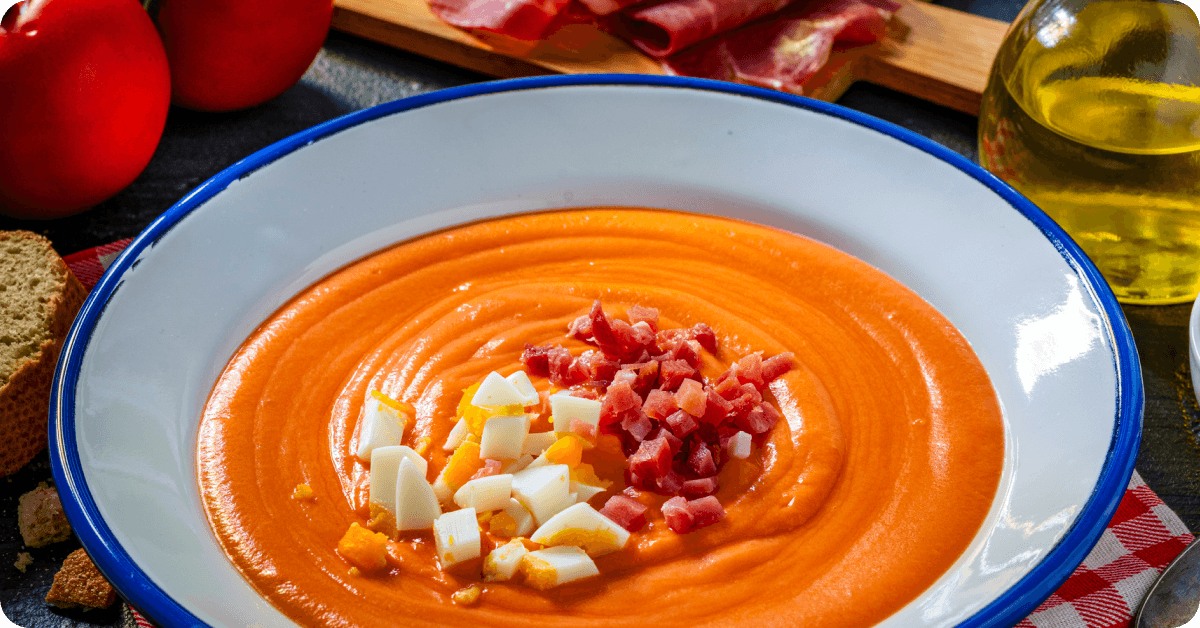
Although visitors often confuse it with gazpacho, salmorejo is a very different cold soup.
Originally from Córdoba, salmorejo blends ripe tomatoes, bread, garlic, olive oil, and a little vinegar into a smooth, creamy soup. It’s thicker than gazpacho and traditionally topped with chopped hard-boiled egg and diced jamón ibérico.
Because it’s served cold, salmorejo is especially popular during Andalusia’s hot summers. You’ll find it on lunch menus across southern Spain, where it works equally well as a starter or a light meal.
Most restaurants charge around €5–€8 for a bowl.
14. Txangurro
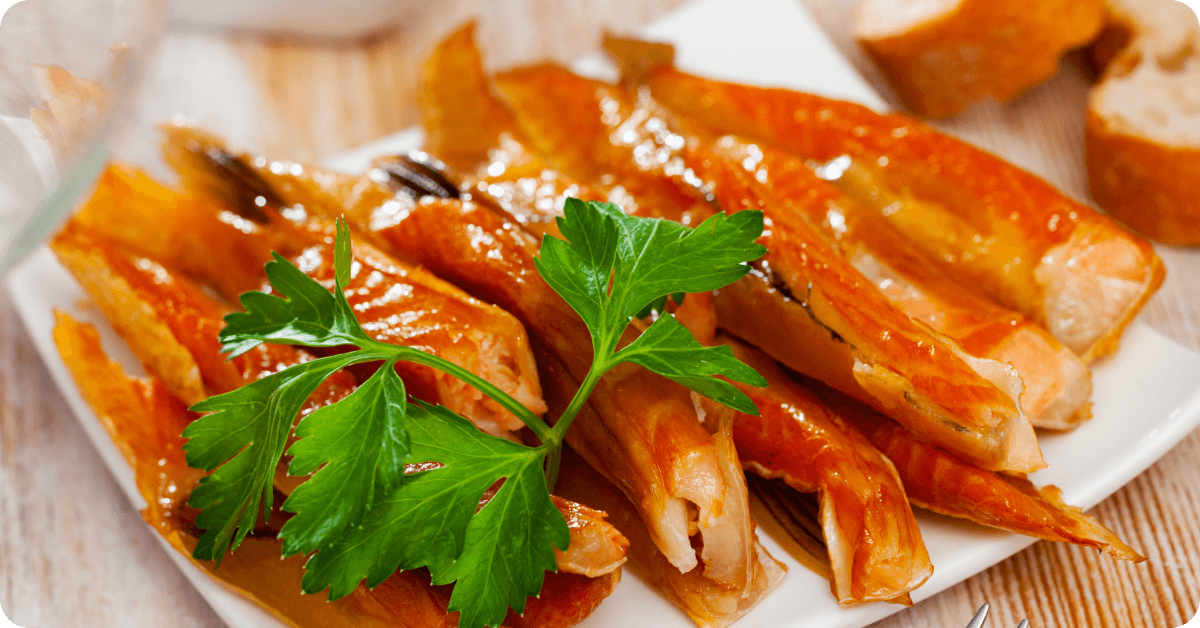
If you’re visiting the Basque Country, don’t miss txangurro, one of the region’s best-known seafood specialties.
The dish features spider crab mixed with onions, tomatoes, garlic, breadcrumbs, and olive oil, then baked and often served back in the crab shell. The preparation spotlights the crab’s naturally sweet flavor instead of covering it with heavy sauces.
Txangurro is especially popular in San Sebastián and other coastal towns in the area, where fresh seafood is central to the local cuisine. It’s usually enjoyed as a starter or shared among the table.
Expect prices to start around €18–€30, depending on the restaurant and the season.
15. Calçots with romesco sauce
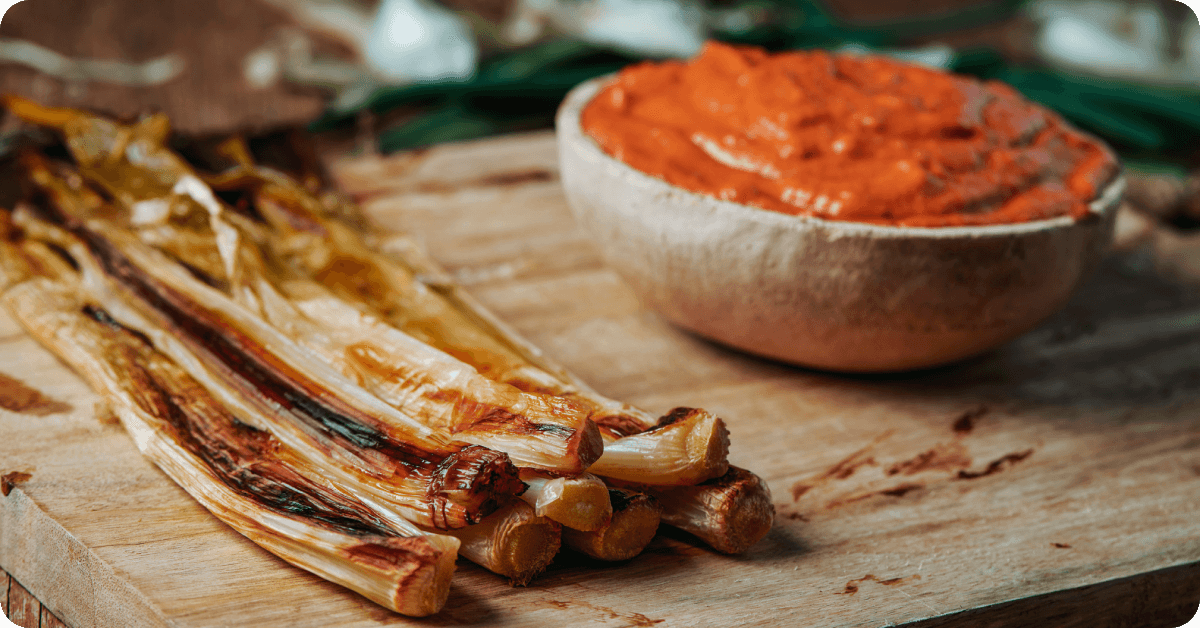
Few Spanish foods come with their own annual festival, but calçots do.
Calçots are long, sweet spring onions grilled over open flames until the outer layer blackens. After peeling away the charred skin, they’re dipped into rich romesco sauce, made with roasted peppers, almonds, hazelnuts, garlic, bread, olive oil, and a touch of lemon zest.
They’re traditionally eaten during calçotades — large outdoor gatherings held across Catalonia between late winter and early spring. Eating calçots can get messy, so restaurants often provide bibs, and nobody expects you to stay perfectly clean.
A seasonal calçot menu usually costs around €25–€45 per person and often includes grilled meat and dessert alongside the vegetables.
Where to eat in Spain: Best food cities and regions
You can eat well almost anywhere you visit in Spain, but some destinations have become culinary landmarks in their own right. Every region has its own specialties, shaped by local ingredients, history, and traditions. A plate of paella tastes best in Valencia, pintxos are a way of life in the Basque Country, and Granada’s generous tapas culture is unlike anywhere else in the country. If you’re planning your itinerary around food, these are the cities that deserve a spot on your list.
Food in Madrid
Madrid brings together dishes and ingredients from every corner of the country, making it one of the easiest places to experience Spain’s diverse food scene in a single trip. Don’t leave without trying bocadillo de calamares, cocido madrileño, churros with thick hot chocolate, and plenty of tapas.
Popular places to eat include:
Mercado de San Miguel — one of Madrid’s best food markets for sampling tapas, jamón ibérico, and local specialties.
Chocolatería San Ginés — the city’s most famous spot for churros with thick hot chocolate.
Sobrino de Botín — the world’s oldest restaurant, renowned for its cochinillo asado.
Taberna El Sur De Huertas — a popular neighborhood restaurant serving authentic Spanish dishes and generous tapas.
Food in Barcelona
Barcelona combines authentic Catalan cooking with modern restaurants and lively markets. Alongside tapas, look for escalivada, bomba, crema catalana, and fresh produce from nearby farms. The city’s mix of historic taverns and innovative chefs has earned it numerous Michelin stars.
Recommended places include:
La Boqueria — a lively food market packed with fresh produce, seafood, tapas, and local snacks.
Bar Cañete — known for creative tapas made with seasonal ingredients.
Can Solé — one of Barcelona’s classic seafood restaurants, famous for rice dishes and paella.
Cal Pep — a local favorite for fresh seafood tapas and an ever-changing daily menu.
Food in Seville
Food in Seville revolves around relaxed afternoons, lively terraces, and hopping between one tapas bar after another. Gazpacho, salmorejo, fried fish, spinach with chickpeas, and gambas al ajillo are among the local favorites. Order several small plates instead of one large meal — it’s the signature way to eat here.
Popular food spots include:
Mercado de Triana — a bustling market for local produce, tapas, and Andalusian specialties.
Las Teresas — a historic tapas bar best known for jamón ibérico.
Espacio Eslava — famous for inventive tapas that put a modern twist on Andalusian classics.
La Bartola — a popular choice for creative vegetarian signature tapas.
Food in Valencia
Valencia is the birthplace of paella Valenciana, making it one of the best destinations for anyone interested in authentic rice dishes. While seafood paella is widely available, locals still consider the classic version with chicken, rabbit, green beans, and white rice the benchmark. Don’t miss all i pebre or horchata while you’re here.
Recommended places include:
Casa Carmela — one of Valencia’s best-known restaurants for authentic paella Valenciana cooked over a wood fire.
La Pepica — a beachfront institution that’s been serving paella and seafood since the late 1800s.
El Famós — a local favorite for time-honored Valencian dishes.
Mercado Central — one of Europe’s largest fresh food markets, ideal for sampling local produce, cheese, and cured meats.
Food in San Sebastian
The Basque Country has earned a global reputation for exceptional food despite its relatively small size. San Sebastián is famous for pintxos (small bites served on bread), as well as txangurro, fresh seafood, and innovative restaurants with more Michelin stars per square mile than almost anywhere else in Europe.
Popular places include:
Ganbara — famous for mushroom pintxos and seasonal specialties.
La Cuchara de San Telmo — known for creative pintxos and slow-cooked meat dishes.
Bar Néstor — legendary for its tortilla española and grilled steak.
Borda Berri — a favorite for inventive Basque small plates.
Food in Malaga
Food in Málaga reflects the Mediterranean coast, with seafood taking center stage. Fresh anchovies and sardines, seafood stews, and gambas al ajillo are menu staples, while nearby markets showcase excellent local produce and olive oil.
Places worth visiting include:
El Pimpi — Málaga’s iconic bodega serving Andalusian classics and local wines.
Mercado de Atarazanas — the city’s main market for fresh seafood, fruit, and local delicacies.
Los Marinos José — one of the best places for exceptionally fresh seafood.
Casa Lola — a lively tapas bar known for age-old Andalusian dishes.
Food in Granada
One reason Granada stands out is its generous tapas tradition — many bars still serve a complimentary tapa with every drink. Alongside tapas, try habas con jamón, remojón granadino, local cured meats, and crema catalana for dessert, even though the latter originated in Catalonia.
Recommended places include:
Los Diamantes — famous for fried seafood and complimentary tapas with drinks.
Bodegas Castañeda — a classic tavern serving local wines, cured meats, and classic tapas.
Bar Poë — a small tapas bar with creative international influences.
Mercado de San Agustín — a food market where you can sample local produce and freshly prepared dishes.
Food in Alicante
Alicante is another excellent destination for rice lovers. The city specializes in arroz a banda, arroz negro, seafood stews, and fresh Mediterranean fish. If you’re exploring the Costa Blanca, sampling these local dishes is one of the best things to do in Alicante.
Popular places include:
Nou Manolín — renowned for high-quality tapas, seafood, and local rice dishes.
Dársena — one of Alicante’s best-known restaurants for arroz a banda and other rice specialties.
Mercado Central de Alicante — the city’s main market for fresh seafood, produce, and regional products.
El Portal — a stylish restaurant and tapas bar known for creative Mediterranean cuisine.
Food culture in Spain: What every traveler should know
Great food is only part of the experience. Knowing when Spaniards eat, how meals are typically served, and a few local dining customs will help you get even more out of every meal:
Expect later meal times. One of the most interesting facts about Spain is that locals eat much later than in many other countries. While breakfast (desayuno) is usually eaten between 7:00 and 9:00 AM, lunch (comida) is eaten no earlier than 2:00 PM, and dinner (cena) rarely starts before 9:00 PM, especially in larger cities.
Five meals a day are usual. For Spaniards, a typical breakfast is light, usually consisting of café con leche with toast, olive oil, tomato, or a small pastry. Around midday, many locals have a mid-morning snack (almuerzo), followed by a substantial lunch, an afternoon snack (merienda), and a lighter dinner.
Tapas are meant to be shared. Rather than ordering one large meal, many people visit a tapas bar and order several small plates for the table. Pair classics like patatas bravas or gambas al ajillo with a cold beer, red wine, or white wine.
Order local specialties. Every region has signature dishes, so don’t expect the same menu everywhere. Paella belongs in Valencia, pulpo a la gallega in Galicia, txangurro in the Basque Country, gazpacho in Andalusia, and fabada in Asturias.
A few useful phrases can go a long way. You don’t need to speak fluent Spanish to enjoy a great meal, but knowing a few common phrases can make ordering easier and help you navigate local restaurants with confidence. Start with “Una mesa para dos, por favor” (“A table for two, please”), ask “¿Qué nos recomienda?” (“What do you recommend?”), and finish with “La cuenta, por favor” (“The bill, please”). If you’re unsure whether you can pay by card, simply ask “¿Aceptan tarjeta?”
Tipping is appreciated but not expected. Restaurant bills usually don’t include a separate service charge, but staff aren’t dependent on tips in the same way they are in countries like the United States. If you’ve enjoyed the service, it’s common to round up the bill or leave €1–€2 at casual restaurants, with slightly more for exceptional service.
Book ahead for popular restaurants. Famous restaurants in Madrid, Barcelona, and San Sebastián often fill up days or even weeks in advance, especially during summer.
Visit local markets. Markets such as Mercado de San Miguel in Madrid or La Boqueria in Barcelona are excellent places to sample several dishes without committing to a full restaurant meal.
Stay connected while exploring Spain’s food scene
Finding the best tapas place, booking a table, translating a menu, or navigating to a neighborhood restaurant all become much easier with reliable mobile data.
Instead of searching for a SIM card in Spain after you arrive or relying on public Wi-Fi, consider using an eSIM for Spain. An eSIM is a digital SIM that lets you activate a mobile plan without inserting a physical SIM card. Simply download the Saily eSIM app, activate your plan in minutes, and you’ll have internet access as soon as you land.
If you’re continuing your journey beyond Spain, Saily also offers regional plans that keep you connected across Europe without swapping SIM cards.
1 GB
7 dagen
US$ 3,99
3 GB
30 dagen
US$ 6,99
5 GB
30 dagen
US$ 9,99
FAQ
Paella is widely considered the most popular dish in Spain and the country’s most internationally recognized dish. However, locals also regularly eat tortilla española, patatas bravas, croquetas, jamón ibérico, and countless regional specialties that vary from one part of Spain to another.
Dinner in Spain is usually served between 9:00 and 11:00 PM. It tends to be lighter than lunch and often includes tapas, grilled fish, salads, tortilla española, or small meat and seafood dishes shared with friends or family.
Usually, locals choose a breakfast that is simple and light. Many people in Spain start the day with café con leche and toast topped with olive oil, tomato, butter, or jam, while others stop by a pastry shop for a croissant or enjoy churros with thick hot chocolate on weekends.
Food in Spain is generally affordable compared with many Western European countries. A tapa often costs €3–€6, casual restaurant meals typically range from €12–€20, and a paella usually costs €16–€25 per person, depending on the location.
Traditional Christmas food in Spain varies by region but often includes roast lamb, seafood, suckling pig, and festive desserts such as turrón, polvorones, and roscón de Reyes. Families usually gather for long meals that feature multiple courses and regional specialties.
Street food is less common in Spain than in many other countries because locals usually eat at cafés, markets, and tapas bars. Food trucks appear mainly at festivals, concerts, and seasonal events, while markets remain the best place to sample a variety of local dishes in one visit.

Altijd verbonden, altijd op koers
Maak direct verbinding met een Saily eSIM en geniet van soepele internettoegang.