





Is South Africa safe to visit in 2026? Travel advisories and safety tips
Approximately 10.5 million tourists traveled to South Africa in 2025 — some for business, many others for the country’s world-renowned safaris, canyons, and coastlines. And despite these substantial travel stats, several cities in South Africa have maintained a reputation for being among the most violent in the world, with high rates of homicide and sexual violence. This begs the question — is South Africa safe for tourists in 2026? You’ll find the answer in this article as well as updated crime statistics, travel advisories, and practical safety tips for visiting the country.
Table of Contents
- Is South Africa safe to visit right now, in 2026?
- South Africa’s crime rates: Contextualizing the numbers
- How safe is each major South African city?
- Cape Town
- Johannesburg
- Durban
- Pretoria
- Kruger
- Is South Africa safe for women?
- Is South Africa safe for LGBTQ+ travelers?
- Navigating roads, safaris, and mosquitoes: Key safety information for tourists in South Africa
- Driving and transportation in South Africa
- Vaccines for traveling to South Africa
- Staying safe on South African safaris
- Political demonstrations and drug laws in South Africa: What to know
- 10 South Africa safety tips for travelers
- Staying safe with a Saily eSIM for South Africa
- South Africa safety in 2026: The bottom line
- References
Is South Africa safe to visit right now, in 2026?
South Africa can be safe to visit if you stick to tourist areas and don’t wander around alone at night, but concerns of violent crime are valid. As of 2026, carjacking (at traffic lights, gas stations, and traffic intersections), robbery, and petty theft are still a serious concern, especially after dark and in certain cities like Pietermaritzburg, Johannesburg, parts of Cape Town, and several districts of both the Western and Eastern Cape provinces. However, most tourists return home from a trip to South Africa unscathed — the country is one of the most visited on the continent, boasting luxury safari tours and beach resorts that attract visitors from around the world.1
No matter where you’re heading to in South Africa, always check the travel advisory issued by your country’s government to stay up to date. Here's what several major governments are currently saying about visiting South Africa:
The US Department of State’s South Africa Travel Advisory (updated on May 27, 2025): “Exercise increased caution due to crime, terrorism, unrest, and kidnapping. Violent crime is common and includes robbery, rape, carjacking and mugging. There are also ‘smash-and-grab’ attacks on vehicles. Violent crime is more common in the downtown areas of big cities, especially after dark. Kidnapping is a threat in South Africa. Kidnappers target US citizens and other foreign travelers to steal money. Captors often force victims to withdraw cash or give online account passwords before they are let go. Though rare, some kidnappings involve demanding ransom from families.”
The Government of the UK’s Foreign Travel Advice for South Africa (updated on May 11, 2026) lists terrorism, political demonstrations, vehicle crime, and kidnapping as potential travel risks.
The Government of Canada’s South Africa Travel Advisory (updated on May 12, 2026): “Exercise a high degree of caution due to the significant levels of serious crime.”
So, is it safe to visit South Africa right now? The bottom line is that safety varies widely by city, neighborhood, and accommodation, which makes answering the question a difficult feat without more context about its crime rates (which we’ll cover in the next section). If, however, safety is a big concern for you, stick to coastal towns like George and Ballito, areas of Cape Town like Durbanville, Victoria and Alfred Waterfront, Table Mountain, and Camps Bay, or an all-inclusive resort. If you want to explore South African cities with higher risks of crime, make sure to always lock your car doors while driving, stick to well-lit pedestrian areas, absolutely avoid walking alone at night, and don’t show any overt displays of wealth.

Reliable mobile data for your South Africa trip
Skip the SIM card queues and Wi-Fi hunts. Stay online throughout your trip with the Saily eSIM app.
South Africa’s crime rates: Contextualizing the numbers
According to a report from South Africa’s Democratic Alliance, the country saw 6,351 murders between October 1 and December 31, 2025.2 However, it’s important to note that a substantial proportion of these numbers come from concentrated areas (the Nyanga, Khayelitsha and Delft precincts of the province of Western Cape), where gang violence sadly ravages local communities. On top of that, Western Cape’s homicide rate has actually decreased by 3.4% according to a report from the Western Cape Government.3 As of 2026, Pietermaritzburg scored the highest crime index in South Africa (82.8), which is why it’s considered to be the most dangerous city in the country.4 Aside from homicide, South Africa holds historically stark rates of sexual assault against women, leading several experts to declare a gender-based violence epidemic in the country.
It’s true — South Africa does have higher violent crime rates than many popular travel destinations for Americans like Italy, France, or even Mexico. But do keep in mind that these statistics don’t automatically translate to the experience of a tourist in South Africa. Gang-related violence in specific cities and precincts of the country and domestic violence incidents between locals are what's largely reflected in South Africa's headline safety stats.
How safe is each major South African city?
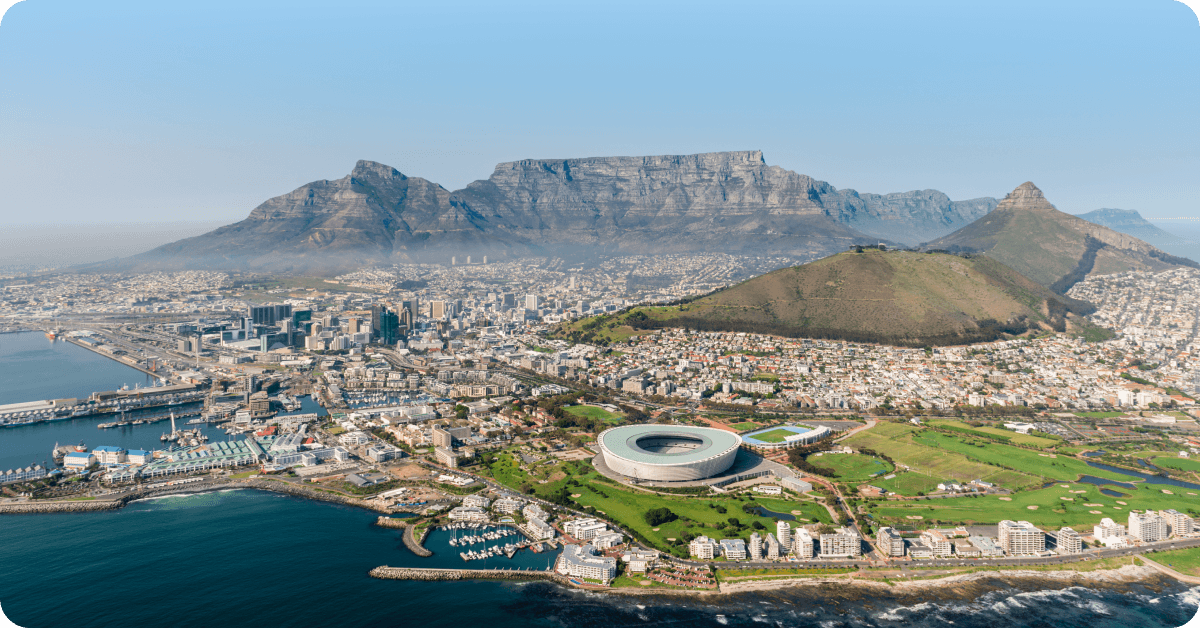
One way to answer the question “How safe is South Africa to visit?” is by providing a breakdown of safety across five of its most populated cities: Cape Town, Johannesburg, Durban, Pretoria, and Kruger.
Cape Town
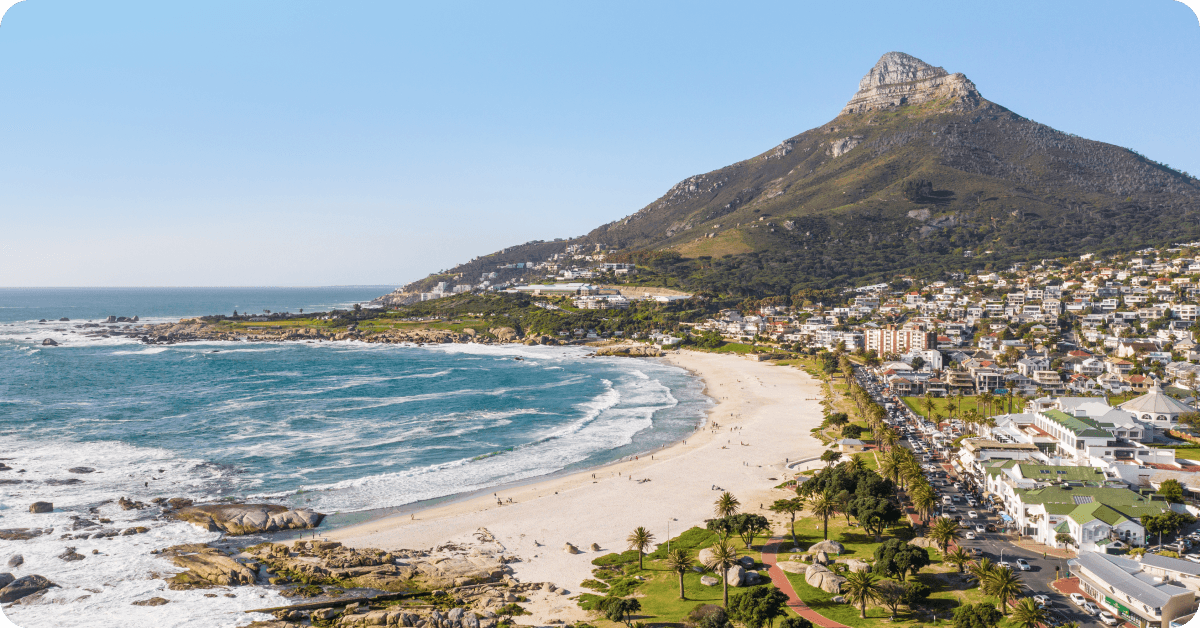
Cape Town is arguably the country's most popular tourist destination. The safest and most visited areas include the Victoria and Alfred Waterfront, Table Mountain, and Camps Bay, all of which offer upscale restaurants, outdoor attractions, and a visible security presence. And yet, Cape Town also contains neighborhoods with some of the highest crime rates in the country. So, while looking for things to do in Cape Town, keep in mind that the Cape Flats townships, which include Khayelitsha, experience significant gang violence, and tourists should avoid these areas without a structured, guided tour. Smash-and-grab vehicle theft is also common at traffic lights across the city. Walking alone after dark, even in relatively safe neighborhoods, is not recommended by locals or official government websites.
Johannesburg
If you've asked yourself "Is Johannesburg safe to visit?", you've likely already read some alarming headlines about crime in the city. According to 2026 data from Numbeo, Johannesburg has a crime index of 80.8 and a safety rating of just 19.2, making it one of the least safe cities on the continent. Armed robbery, carjacking, and street muggings are common, and tourists are frequently advised to avoid walking in the city center unless accompanied by a knowledgeable local or guide.
That said, areas like Sandton, Rosebank, and Melrose Arch are significantly safer and cater to business travelers and tourists. Sandton is one of Africa's most affluent neighborhoods and has a solid security infrastructure. If you're visiting Johannesburg and are nervous about safety, try sticking to these pockets and using reputable transport like ride-hailing apps.
Durban
Sadly, Durban sits at the top of the list of the world's most dangerous cities, with a crime index of 80.4 according to data from Numbeo. Taxi turf wars and gang violence have pushed up the city's murder rate in recent years. The beachfront and tourist areas along the Golden Mile are generally safer, but you should still remain vigilant. Petty theft and muggings are common in crowded spaces, and like always, walking alone at night is absolutely not advised.
Pretoria
Pretoria ranks second globally by crime index at 81.8, just behind Pietermaritzburg. While parts of Pretoria — particularly the administrative and diplomatic districts like Brooklyn and Waterkloof — are better managed and generally frequented by government officials and international visitors, the city's overall risk profile is high. Tourists are advised to stay in secured accommodations and avoid unfamiliar areas, especially after dark.
Kruger
As one of Africa's premier safari destinations, Kruger National Park draws hundreds of thousands of tourists annually and is considered to be one of the safest places to visit in South Africa. Wildlife incidents are rare, and the park operates under strict visitor protocols. You should always follow your ranger's instructions, remain inside your vehicle on game drives, and never approach animals on foot unless with a qualified guide.
Is South Africa safe for women?
South Africa has a serious and well-documented gender-based violence problem. An average of 15 women are killed per day in the country — a figure that is five times higher than the global average, according to UN Women.5
What does this mean for women traveling to South Africa as tourists? The honest answer is that the elevated risk of gender-based violence is primarily concentrated in domestic settings and low-income communities — not in hotel lobbies or tourist precincts. That said, we’d recommend that solo female travelers exercise extra caution. Avoid walking alone at night, use only pre-booked or reputable transport services like Uber or Bolt, and trust your instincts. Aim to stay in well-reviewed guesthouses and resorts with proper security. You can put your mind more at ease by traveling in pairs or in a small group, which typically makes you less of a target for mugging.
Is South Africa safe for LGBTQ+ travelers?
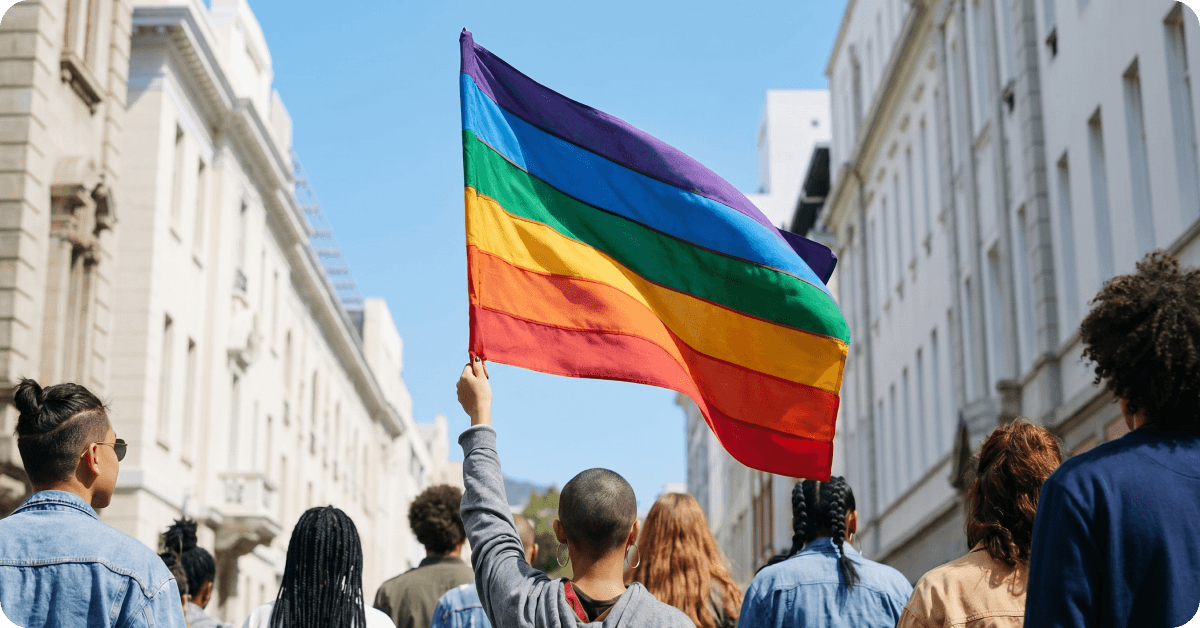
Generally speaking, South Africa is one of the most LGBTQ+-inclusive countries in Africa. Same-sex marriage has been legal since 2006, and the constitution explicitly protects LGBTQ+ people from discrimination. Cape Town in particular has a thriving queer community, with neighborhoods like De Waterkant serving as the heart of the city's LGBTQ+ social scene. That said, more conservative attitudes persist in rural areas and townships, where public displays of affection may draw unwanted attention. Just to be on the safe side, we’d recommend exercising discretion with PDA if you're traveling as a queer couple.
Navigating roads, safaris, and mosquitoes: Key safety information for tourists in South Africa
South Africa’s unique natural and cultural landscapes present a few challenges that first-time visitors might not be aware of. Here’s what you need to know about driving and transportation, vaccines, safaris, and the political landscape of South Africa.
Driving and transportation in South Africa
Driving in South Africa comes with unique risks. Here’s what you need to know:
Driving is on the left.
Traffic fatality rates are significantly higher than in the US.
The US Department of State specifically flags carjacking as a serious concern, noting it commonly occurs at traffic lights, gas stations, and busy intersections.
If you see roadside signs warning you not to stop at a red light at night, take them seriously.
Always keep car doors locked and windows up, and try to avoid driving outside metropolitan areas after dark due to road hazards and the elevated risk of crime.
Public transport is generally not recommended for tourists, with minibus taxis in particular known for dangerous driving. Reputable ride-hailing apps like Uber are a far safer alternative.
Vaccines for traveling to South Africa
The CDC recommends that all travelers to South Africa be up to date on routine vaccines, including measles-mumps-rubella (MMR), and also recommends Hepatitis A, Typhoid, and Hepatitis B vaccinations to protect you against food- and water-borne illness. If you’re planning on visiting a safari, you may want to invest in a prophylactic malaria vaccine or pills as well. Keep in mind that in the US and Canada, all of these travel vaccines are not usually covered by insurance and are consequently paid out of pocket.
Staying safe on South African safaris
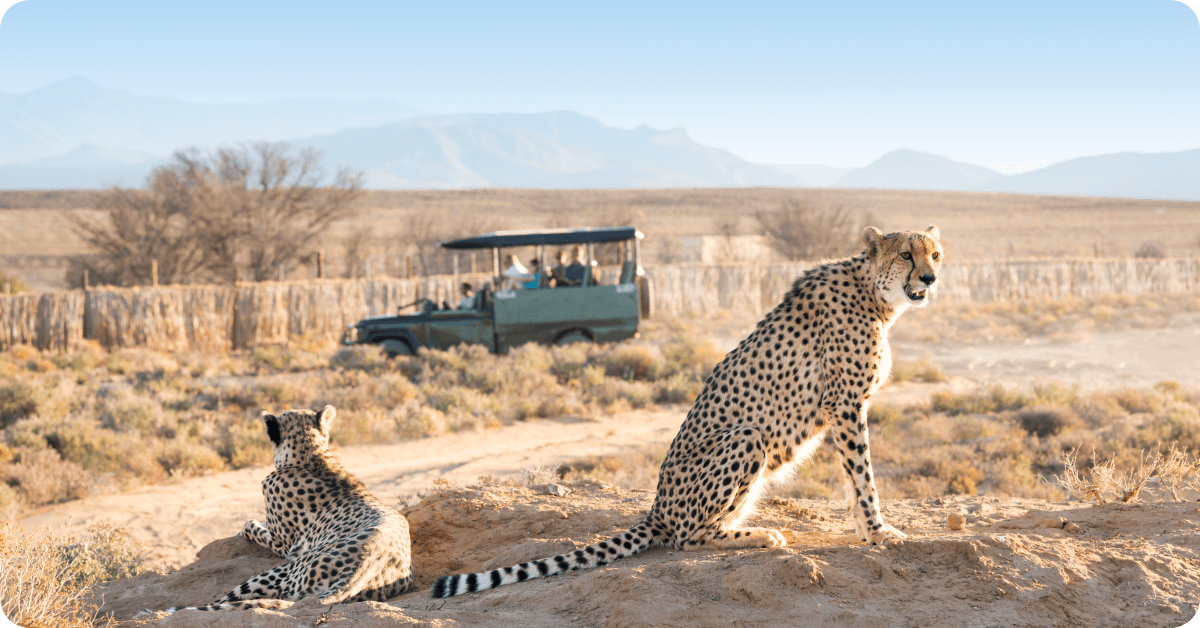
Safaris are among the safest travel experiences South Africa has to offer. Wildlife-related tourist deaths across all of Africa are estimated at just 1-2 per year. And given that 3-5 million tourists visit game reserves annually, it’s safe to say you won’t have much to worry about as long as you follow safety instructions. If you’re visiting a South African safari, follow these safety tips:
Stay in your vehicle during game drives.
Always follow your ranger's guidance without exception.
Avoid any after-dark exploration outside of designated camp perimeters.
Get vaccinated against malaria and bring insect repellent, since mosquito-borne illness is a risk in safari areas.
Political demonstrations and drug laws in South Africa: What to know
South Africa has a functioning democracy, but political demonstrations and strikes occur more frequently than in many other popular tourist destinations. Most protests are peaceful and locally focused, typically driven by frustration over failures in housing, water, and electricity. But they don't always stay that way. The UK Government specifically warns against joining or being in the proximity of political demonstrations. Check local news before heading into urban centers, particularly around elections or periods of political tension.
Also know that drug laws are strict. Even though cannabis use has been decriminalized for personal and private use, being in possession of it in public spaces can still lead to legal trouble.
10 South Africa safety tips for travelers
If safety in South Africa is still a concern for you, consider the following travel safety tips to feel more confident on your trip:
Get travel insurance. South Africa does not accept US health insurance, and medical evacuation can be extremely expensive. Look into providers like Allianz, World Nomads, or Travel Guard — most offer medical coverage, trip cancellation protection, and emergency evacuation for a reasonable daily rate.
Avoid walking alone at night. Even in tourist-friendly neighborhoods, walking solo after dark significantly increases your risk of robbery or violent crime.
Don't wear flashy jewelry or display expensive items. Visible wealth makes you a target. Keep cameras, phones, and bags discreet, especially in crowded areas.
Get vaccinated before you go. Make sure to plan four to six weeks before departure to get the CDC-recommended vaccines for South Africa, which include Hepatitis A, Typhoid, and any malaria medication if you're visiting game reserves.
Register yourself at your country's embassy. The US Department of State's Smart Traveler Enrollment Program (STEP) is free and ensures your government can reach you in an emergency.
Know the country’s emergency numbers. Police: 10111. Ambulance: 10177. General emergency: 112.
Use reputable transport. Book an Uber or pre-arranged airport transfers instead of hailing taxis off the street or using public transportation, which isn’t typically advised for tourists. You’ll need an internet connection to book rides, so you might want to consider getting an eSIM for South Africa.
If driving, always keep your car doors locked. Never leave valuables visible in your car, even when parked in seemingly safe areas.
Monitor official travel advisories. Visit the websites of the US Department of State, the UK Foreign Office, or your country's equivalent regularly before and during your trip.
Use common sense. If you feel uncomfortable in a situation, leave.
Staying safe with a Saily eSIM for South Africa
Having internet access on hand can make you feel more empowered when you’re navigating unfamiliar streets or in need of ride-hailing service. The easiest way to get affordable and reliable mobile data is with an eSIM. Instead of incurring sky-high roaming charges with your carrier, you can instantly get mobile data with Saily. Just choose the best plan for your trip, install your eSIM before you leave, and you’ll have internet access the moment you get to South Africa. No need to wait in line for a SIM card or rely on sketchy public Wi-Fi — eSIMs are safe and hassle-free.
Need data in USA? Get an eSIM!

1 GB
7 days
US$3.993 GB
30 days
US$9.995 GB
30 days
US$12.99
South Africa safety in 2026: The bottom line
Between world-renowned surfing, famous vineyards, and safaris unlike anywhere else, it’s no surprise that South Africa is the dream vacation for many Americans and tourists from around the world. The question that holds some visitors back from booking their tickets remains, “Is South Africa safe to visit in 2026?” Here are the main takeaways:
South Africa is one of the most visited African countries and most tourists leave unscathed.
As of 2026, carjacking (at traffic lights, gas stations, and traffic intersections), robbery, and petty theft are still a serious concern, especially after dark and in certain cities like Pietermaritzburg, Johannesburg, and parts of Cape Town.
The safest parts of South Africa are on the coast, like George and Ballito, and Durbanville, Victoria and Alfred Waterfront, and Camps Bay in Cape Town. If safety is a big concern for you, stick to these districts or book an all-inclusive resort.
No matter where you are in South Africa, avoid walking alone at night and displaying overt signs of wealth (like with jewelry or fancy camera equipment).
If you’re driving, always lock the doors, avoid driving on secluded roads at night, and look out for signs that warn you about robbery along the road.
Make sure you’re up to date on your Hepatitis A and B and Typhoid vaccines if you’re visiting South Africa. If you’ve booked a safari, consider taking a prophylactic malaria vaccine, too.
Having internet access on hand is essential for safety in South Africa. To avoid roaming fees and unsecured public Wi-Fi networks, we’d recommend that you download an eSIM app and get an eSIM plan for South Africa.
References
1 Business Insider Africa. (2025, March 3). Africa’s 9 most visited countries. https://africa.businessinsider.com/local/lifestyle/africas-9-most-visited-countries/9c9mbc2
2 Democratic Alliance. (2026, February 20). 6 351 murdered in three months — When convictions fail, citizens become the last line of defence. https://www.da.org.za/2026/02/6-351-murdered-in-three-months-when-convictions-fail-citizens-become-the-last-line-of-defence
3 Western Cape Government. (2026, February 20). While Western Cape murder rate shows decrease, Western Cape Government demands proper funding for overburdened SAPS in province. https://www.westerncape.gov.za/department-premier/article/while-western-cape-murder-rate-shows-decrease-western-cape-government-demands-proper
4 Business Insider Africa. (2026, January 5). Top 10 African cities with the highest crime index at the start of 2026. https://africa.businessinsider.com/local/lifestyle/top-10-african-cities-with-the-highest-crime-index-at-the-start-of-2026/66fc7p1
5 BBC. (2025, November 21). South Africa calls gender violence a national disaster after protests. https://www.bbc.com/news/articles/cn979g302l9o
FAQ
Yes, South Africa is safe for Americans — the country is not exceptionally dangerous for US citizens. As of May 2026, the US Department of State has assigned South Africa a Level 2 advisory ("Exercise Increased Caution"), which is the same level assigned to France, Italy, Belgium, and Germany. The advisory flags crime, terrorism, unrest, and kidnapping as concerns, but Americans are not specifically targeted at a higher rate than other nationalities.
The safest areas of South Africa are generally considered to be the Western Cape (particularly tourist zones like the Victoria and Alfred Waterfront and Camps Bay in Cape Town), the Northern Cape, the Garden Route's small coastal towns, and gated or resort communities. These areas have stronger tourism infrastructure, better-lit streets, and more visible security than South Africa's larger urban centers.
Johannesburg is generally safe for tourists of all backgrounds, including white tourists, when they stick to established tourist and business districts like Sandton, Rosebank, and Melrose Arch. You may be asking about the safety of white tourists in particular because the legacy of apartheid has shaped the socioeconomic geography of Johannesburg in significant ways. Poverty and wealth remain geographically segregated in Johannesburg, which influences crime patterns. But race does not make a tourist more or less likely to be a crime target. Opportunistic crime in Johannesburg targets visible wealth, not skin color.
Yes, solo travel in South Africa can be safe, but it requires more vigilance than in many other destinations because solo travelers can be more visible targets for crime. Stick to well-lit tourist areas, avoid walking alone at night or remote areas, use trusted ride-hailing apps like Uber, and don’t display wealth with jewelry or expensive camera equipment.

Your journey, uninterrupted
Explore the world with a Saily eSIM — browse wherever, whenever.

Related articles