



Is Spain safe to travel to in 2026?
You love the idea of sun, sangria, and afternoon siestas, but is Spain safe to visit in 2026? In general, yes. Spain is considered one of Europe’s safer travel destinations, with millions of visitors flocking there each year. That said, it’s always a good idea to check up on local safety considerations before you pack your bags for any trip. Below, we’ll walk you through Spain’s current safety situation, common risks for travelers, and practical tips for staying safe.
Table of Contents
- How safe is Spain right now?
- Safety in Spain
- Petty crime and tourist scams
- Terrorism in Spain
- Safety in major Spanish cities
- Transportation safety
- Nightlife safety in Spain
- Healthcare safety in Spain
- Environmental safety in Spain
- Safest areas in Spain
- Areas for caution in Spain
- How safe are Spain’s islands?
- Is Spain a safe place to live for expats?
- Safety advice in Spain
- So is Spain safe to travel to in 2026?
How safe is Spain right now?
Beyond being a beautiful and culturally rich country, Spain is generally considered a safe destination for travelers and consistently ranks among Europe’s most visited countries.
Violent crime in Spain is relatively low. You’re far more likely to spend your trip worrying about which tapas bar to try next than about your personal safety. While no destination is entirely without risk, in Spain, petty theft is the biggest worry for travelers. An example of such a crime might be someone making off with your wallet while you’re distracted by that second helping of paella. If you stay aware of your surroundings, you likely won’t have problems.
It’s worth checking the U.S. Department of State’s travel advisory for Spain (opens in a new tab) before you go. Spain is currently rated Level 2 (“Exercise Increased Caution”) due to terrorism concerns and the potential for civil unrest. That might sound alarming, but Level 2 is a broad rating that has been applied to much of Western Europe, and Spanish authorities maintain robust security measures. We’ll dig into the specifics of both terrorism risks and petty crime in the sections below.
For now, know this: Spain is a safe and welcoming destination for the vast majority of travelers. A little common sense goes a long way, as does a little planning. Installing a Saily eSIM on your phone before you travel means you’ll have reliable mobile data from the moment you land. That way you can access local news updates, maps, emergency info, and anything else you need without having to swap SIM cards or hunt for Wi-Fi.
Safety in Spain
While it doesn’t claim the title of the safest country in the world (hello, Iceland), Spain holds its own. According to the 2026 Global Peace Index (opens in a new tab), Spain ranks 27th out of 163 countries worldwide. That places it comfortably in the upper tier of European nations, ahead of Italy and France, and well above the US, which sits outside the top 100.
The risks that do exist for travelers are largely predictable and preventable. Read on for information about petty crime and city-by-city differences to nightlife, healthcare in Spain, and the areas best avoided.
Petty crime and tourist scams
Petty crime is prevalent in Spain. Pickpocketing and bag theft are common, not because Spain is especially dangerous, but because it attracts enormous numbers of tourists — and where tourists go, opportunist thieves tend to thrive. Barcelona in particular has a well-documented problem, but Madrid, Seville, and other major cities are not immune.
It helps to be aware of common risky scenarios. Leave your bag on the floor or hooked over your chair at a café while you’re focused on the menu, and it may well be gone the next time you look for it. Furthermore, a stranger standing unusually close to you on a packed metro carriage is a red flag, while a person bumping into you outside a busy attraction may be creating a deliberate distraction.
Hotspots to stay alert in include metro systems, Barcelona’s Las Ramblas, crowded markets like Madrid’s Rastro, beach areas along the Costa del Sol, and major transport hubs including Barcelona Sants station and Madrid Barajas airport.
Scams also follow familiar patterns. The “friendship bracelet” hustle, where someone ties a bracelet on your wrist before demanding payment, is common near tourist landmarks. The “found money” trick involves a stranger showing you a coin or note they’ve “just found” and asking if it’s yours, using the distraction to reach for your wallet. Fake petition collectors, often working in pairs, are another regular fixture outside major attractions.
The good news is that most of these are easy to counter. Use a crossbody bag with a zip, keep your mobile phone in a front pocket rather than a back one, and don’t leave belongings on café tables or restaurant floors. Consider a money belt or hidden pouch for your passport and backup cash. Stay alert in crowded spaces and trust your instincts — if you spot behavior that feels off, it probably is.
Terrorism in Spain
Spain’s domestic terrorism landscape has changed significantly since ETA, the Basque separatist group, formally disbanded in 2018. No domestic terrorist organization operates in the country today. The residual risk is the same general European-level threat that applies across the continent — the possibility of an attack by individuals or small cells inspired by international extremist movements, with little or no warning.
Spanish security services are active and well-resourced, and visible security measures are standard at airports, major train stations, and large public events. Incidents remain rare, but the potential for an attack in a crowded public space (like a concert venue or tourist attraction) cannot be entirely discounted. The State Department’s Level 2 advisory reflects this ambient risk rather than any specific, imminent threat.
The practical advice is simple — be aware of your surroundings, know where the exits are in crowded venues, and follow any instructions from local authorities. Beyond that, you have no reason to let the terrorism risk alter your plans.
Safety in major Spanish cities

Spain has so many beautiful cities, it’s hard to choose which to visit! If safety is a deciding factor, here’s what you should know:
Barcelona has a reputation for pickpocketing and tourist scams, particularly around Las Ramblas, the Gothic Quarter, and major attractions. Violent crime remains relatively uncommon. Want to know more about Barcelona safety? Read our full guide on whether Barcelona is safe to visit.
Madrid is generally considered safe, though pickpocketing can occur in crowded areas, on public transport, and around major landmarks.
Valencia is often regarded as one of Spain’s more relaxed and safer large cities, with lower levels of tourist-focused crime than Barcelona or Madrid.
Seville is a welcoming destination with a relatively low crime rate. As elsewhere, keep an eye on your belongings in busy tourist areas.
Málaga is popular with tourists and expats alike. Petty theft can occur around beaches, nightlife districts, and transport hubs, but serious crime is uncommon.
Transportation safety
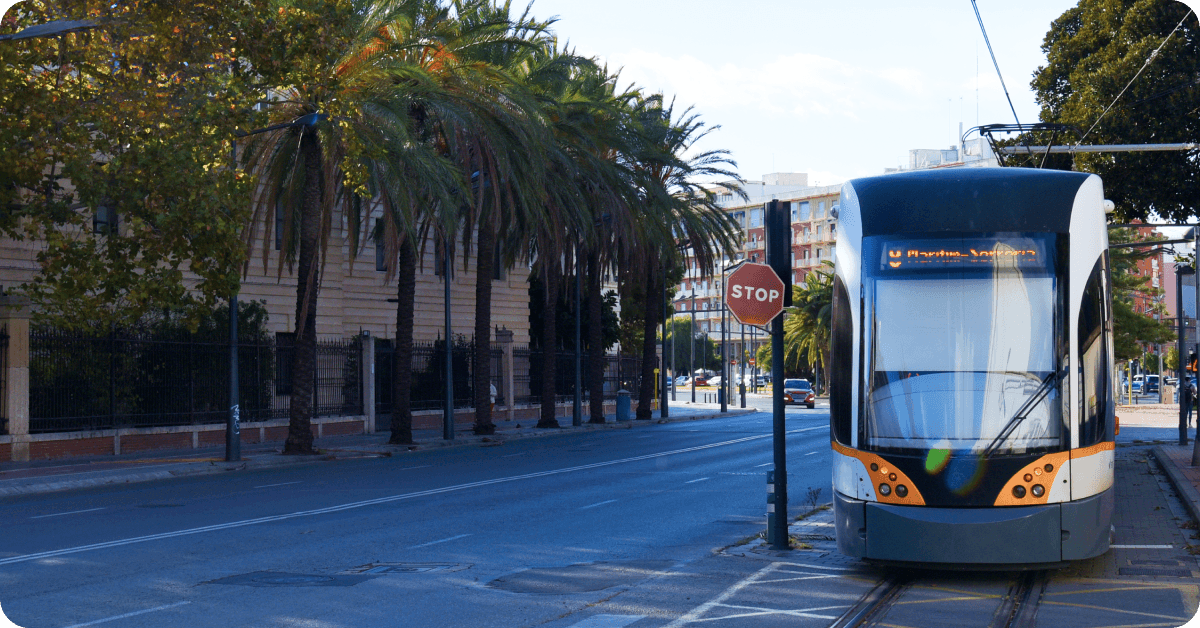
Spain has a modern, reliable transportation network, and getting around is generally safe. Public transport systems in major cities are well-maintained and widely used by both locals and tourists.
Like in other crowded areas, travelers should be aware of the potential for petty theft. Keep an eye on your personal belongings on metro carriages, on buses, and at busy stations.
Licensed taxis are considered safe and are regulated throughout Spain. Ride-hailing apps like Uber and Cabify are also available in many cities — an eSIM for Spain can enable you to connect to the internet and use all your apps from the moment you land.
If you’re planning to rent a car, you’ll be glad to hear that Spanish roads are generally in good condition and well signposted. You may need an International Driving Permit (IDP) alongside your regular driver’s license, so check the requirements before you travel.
If driving, be aware that city centers can get busy, parking can be limited, and some historic areas have restricted vehicle access. As with anywhere, avoid leaving valuables visible inside your car.
Overall, transportation in Spain is safe and efficient, so you can spend more time exploring and less time worrying about logistics.
Nightlife safety in Spain
Fun fact about Spain: It has the most bars per capita in Europe. No wonder Spanish nightlife is legendary. Dinners are late, nights are long, and dancing is part of the culture. Even better, hitting the town after dark is pretty safe as long as you’re aware of a few common risks.
Alcohol is at the center of many safety risks in Spain. Drink-spiking does occur, particularly in party areas and resort towns like Magaluf in Mallorca, Benidorm on the Costa Blanca, and the San Antonio strip in Ibiza. Never, ever leave your drink unattended, and avoid accepting drinks from strangers.
Nightlife scams tend to be more annoying than dangerous. Club promoters working on commission will steer you toward overpriced bars or clubs, sometimes with promises of free entry or cheap drinks that don’t materialize once you’re inside. Pickpockets are also active in some parts, so be aware of deliberate distractions (like someone bumping into you, spilling a drink, or starting an argument) and keep your bag securely closed and in front of you, even while you’re waiting in line.
Follow some basic precautions, and there’s no reason you can’t have the night of your life without incident. Stay connected with reliable mobile data from Saily, keep an eye on your drink, avoid carrying more cash than you need, and opt for licensed taxis or reputable ride-hailing apps when it’s time to call it a night.
Healthcare safety in Spain
In the event that you need medical treatment during your Spanish holiday, you’ll be in good hands. Spain has a well-developed healthcare system, and it’s easy to access medical care as a traveler. The public hospitals are generally well-equipped, and major cities have plenty of excellent private hospitals and clinics. In an emergency, dial 112 for police, fire, or ambulance. Emergency services are generally efficient and reliable.
Pharmacies (farmacias) are easy to find — look for the green cross sign — though not all are open late or on weekends, so check the opening hours. Specific vaccines aren’t required for entry, but being up to date with routine vaccinations (opens in a new tab) is recommended.
If you’re wondering about tap water, it’s safe to drink in Spain in virtually all areas. In fact, it’s reported that more than 99% of Spain’s water meets European quality standards. In some parts of Andalusia and a handful of smaller towns, locals tend to prefer bottled water, but that’s more for taste reasons. Safety-wise, you’re good to go.
Environmental safety in Spain
Spain is pretty safe from an environmental perspective, but a few natural hazards are worth keeping in mind — especially in summer.
For many foreign visitors, the biggest risk is simply the heat. Heatwaves are a concern, especially in Andalusia and the interior, where you’ll regularly see temperatures above 40°C (104°F) in July and August. Heat exhaustion is a real possibility, particularly if you’re sightseeing on foot. Drink plenty of water, avoid being outdoors for extended periods in peak sun, and apply sunscreen more generously than you think you need to.
Forest fires are an increasing risk during dry summer months, particularly in inland and coastal areas with dense vegetation. While they rarely affect most tourist itineraries, it’s worth keeping an eye on local weather reports and following any guidance from authorities if you’re traveling in affected regions.
If your plan is to spend time on Spain’s beaches — and honestly, why wouldn’t it be? — you’ll find them generally well-maintained and monitored. Just pay attention to beach warning flags (green means safe, yellow means caution, and red means don’t swim) because strong currents can occur in some areas.
Beyond heat and fire, Spain isn’t prone to significant natural disasters. Occasional seismic activity occurs in southern Spain, particularly around Granada and Almería, but serious earthquakes are rare. Overall, hot summer weather is likely to be your biggest environmental concern.
Safest areas in Spain
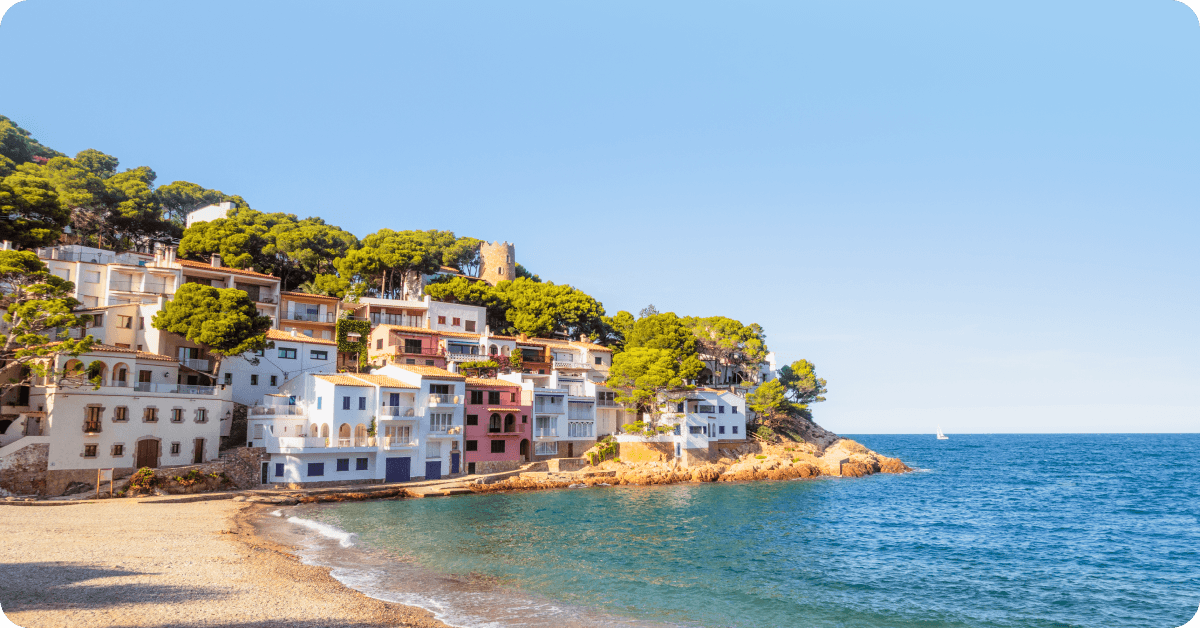
Major city centers and tourist hotspots are, unsurprisingly, the places where you’ll encounter higher rates of petty crime in Spain. If safety is a top priority, smaller inland cities like Salamanca, Valladolid, Cuenca, and Zaragoza have a reputation for being relaxed, safe, welcoming, and easy to navigate.
Residential neighborhoods in larger inland cities also tend to experience fewer tourist-related issues than the busy historic centers and entertainment districts. The same is true across much of central Spain, where smaller crowds mean fewer opportunities for pickpockets and scammers.
Of course, no destination is completely crime free. But if you’re looking for places where you’re more likely to be chatting with locals than keeping one hand on your wallet, Spain’s smaller inland cities and towns are a great place to start.
Areas for caution in Spain
Bigger crowds equal bigger concerns when it comes to traveler safety in Spain. Think popular tourist spots like Las Ramblas in Barcelona, Plaza Mayor in Madrid, the Cathedral and Alcázar in Seville, and busy beaches or crowded markets — these are all common hunting grounds for pickpockets and scammers.
Train stations, metro interchanges, and airports — basically any major transport hub — also deserve extra attention, particularly when you’re juggling luggage or glued to your map trying to work out which way to go.
Party destinations like Magaluf, Benidorm, and San Antonio in Ibiza have their own set of risks. The atmosphere is fun and lively, but alcohol, late nights, and large crowds are a recipe for theft, scams, and other avoidable mishaps. It bears repeating — keep an eye on your drink and your belongings and stay with people you trust.
None of these crowded areas are unsafe to visit per se. They simply require a little more awareness than Spain’s quieter neighborhoods.
How safe are Spain’s islands?
If island hopping is on your agenda, you might wonder how safe Spain’s Balearic and Canary Islands are. The good news is that they’re typically safe for tourists, with low violent crime rates and a secure environment across most destinations. Much like mainland Spain, your biggest concerns are likely to be petty theft, bag snatching, and having to keep an eye on your belongings while you frolic in the waves.
Here’s what to expect from Spain’s most popular islands:
Mallorca. Mallorca is an easy island to explore and is generally safe, whether you’re staying in the capital, Palma, or one of the smaller towns. You probably know the drill by now: Keep an eye on your things and exercise caution in busy areas, and you shouldn’t have any problems.
Ibiza. Despite its party reputation, Ibiza is mostly a safe place to visit. Just stay extra vigilant if visiting the club circuit around San Antonio and Ibiza Town — drink-spiking and theft are more probable here, especially when the clubs are packed in summer.
Tenerife. Spain’s largest island by population and one of its most visited, Tenerife is generally safe and easy to get around. The resort strip around Playa de las Américas and Los Cristianos sees the most tourist-related incidents, so keep your wits about you there. Step outside the resort bubble and Tenerife is a surprisingly relaxed place.
Gran Canaria. Whether you’re sunbathing, scuba diving, or exploring Las Palmas, Gran Canaria is a welcoming destination with a strong safety record. The main areas to watch are the busier resort zones around Maspalomas and Playa del Inglés, where petty theft is more common.
Lanzarote. Lanzarote’s laid-back vibe and smaller crowds make it one of the easiest Canary Islands to travel around. Crime levels are low, and most visitors spend their trip focused on the island’s stunning volcanic landscapes rather than worrying about crime.
Menorca. As well as endless beaches and turquoise waters, Menorca also offers safety and a family-friendly vibe. You can easily enjoy the slower pace of life with few concerns beyond the standard travel precautions.
Formentera. Formentera feels a world away from the crowds of neighboring Ibiza. The island is peaceful and easy to navigate, and it has a strong reputation for safety, making it a popular choice for travelers that want a quieter escape.
Is Spain a safe place to live for expats?
As far as European countries go, Spain is considered one of the safest for expats. It’s popular, too: According to 2026 data (opens in a new tab), 7.3 million foreign residents were living in Spain in the first quarter of 2026. The appeal is simple — high quality of life, an accessible healthcare system, a pleasant climate, and low violent crime rates.
For remote workers keen on the idea of making the beach their office, Spain also offers a digital nomad visa that makes it easier to live and work in the country legally.
Day-to-day safety concerns for expats mirror those for tourists. Stay aware in busy urban areas, secure your home, and register with your country’s consular services so you can be reached in an emergency. Beyond that, life in Spain for most expats is refreshingly low-stress.
So why do 73% of American expats leave Spain? Some reports circulating online state that 73% of American expats leave Spain within two years. While the origins of this figure are difficult to verify, the reasons US expats choose not to stay are worth understanding.
The key thing to know is that it rarely has to do with safety. Bureaucracy (legitimately frustrating, though perhaps not more so than other parts of Europe), taxes, language barriers, career challenges, and difficulty integrating socially are common reasons. For those who go in with realistic expectations, Spain has plenty to offer, and most find the trade-offs well worth it.
If you’re considering the move, check out our guide on moving to Spain from the US for practical advice on visas, healthcare, housing, and settling into Spanish life.
Safety advice in Spain
Here’s a quick summary of the most important things to keep in mind before and during your trip:
Awareness is number one. The majority of problems can be avoided pretty easily. Just stay aware of your surroundings and use your best judgment.
Where there are crowds, there are probably pickpockets. Thieves love crowded areas, so be extra vigilant on public transport and around popular tourist destinations. Use a theft-proof bag, keep your phone in a front pocket, and never leave your things lying around on a café table.
Guard your glass. You can dance ’til you drop, but never leave your drink unattended while you do it. Also be wary of accepting drinks from strangers.
Don’t skip the travel insurance. Spain is a safe destination, but travel insurance can help cover unexpected medical expenses, theft, lost baggage, and travel disruptions.
Remember this number: 112. Need emergency services? Call 112. That will get you police, ambulance, or fire brigade from anywhere within the country.
Stay connected at all times. Mobile data makes all the difference for a safe, enjoyable trip. An eSIM with built-in security features adds an extra layer of protection online, while also giving you access to maps, transport apps, emergency information, and travel updates wherever you go. To get connected before you land, download the Saily eSIM app and activate your plan in minutes.

Stay connected with the Saily eSIM app
Affordable mobile data plans for every journey.
So is Spain safe to travel to in 2026?
Spain is definitely a safe place to travel to in 2026. It has low violent crime rates, high-quality healthcare, reliable public transportation, and excellent tourism infrastructure.
Stick to a few key guidelines and you likely won’t have any problems. Keep your drinks close and your valuables closer, stay aware of your surroundings, use licensed taxis or reputable ride-hailing apps, and stay hydrated and sun-protected on hot days.
While terrorism and civil unrest are factors cited in the U.S. travel advisory, they are considered potential rather than imminent threats. Exercise sensible caution, but don't let them deter you from visiting. No destination can guarantee complete safety, and Spain remains one of the more secure and appealing destinations in the European Union.
Need data in Spain? Get an eSIM!

1 GB
7 days
US$3.99
3 GB
30 days
US$6.99
5 GB
30 days
US$9.99
FAQ
Yes, Spain is generally a safe destination for solo female travelers, with millions visiting alone each year without incident. As with any destination, take standard precautions: Stay aware in crowded tourist areas, avoid walking alone late at night in unfamiliar neighborhoods, and keep an eye on your drink when out in the nightlife scene.
Yes, tap water is safe to drink throughout Spain and meets strict European Union drinking water standards. While the taste and mineral content can vary between regions, visitors can generally drink from the tap without concern.
Spain is generally considered safer than the United States, thanks to its lower rates of violent crime and gun violence. While Spain tends to experience more petty theft in tourist areas, it also has a higher overall level of public safety, and many people feel comfortable walking around city centers after dark. For most visitors, pickpocketing is a bigger concern than violent crime.

Always connected, always on course
Connect instantly with a Saily eSIM and enjoy effortless internet access.