





1分で読めます
A desire for a lifestyle change motivates many Americans to relocate to Japan. Its blend of ancient tradition and contemporary culture offers a promise of a different life — one shaped by concepts like ikigai, the philosophy of purposeful living, or a more mindful approach to daily routines. However, making the move requires looking past the aesthetic to confront practical logistics and financial realities. To figure out if making the leap is right for you, this guide breaks down the visa options, real upfront costs, and the daily realities of getting settled in Japan.

目次
Moving to Japan is definitely more of a structured process than a spontaneous leap. The biggest hurdle is usually getting the right visa, which often requires a job offer or another solid reason for residence. Your language skills, job prospects, and finances also play a huge part in a smooth move. Even small details, such as having an eSIM for Japan ready so you’re connected the second you land, are part of the process. While moving to Japan is achievable, it requires solid planning on both the official and personal fronts.

1 GB
7日間
US$3.99
3 GB
30日間
US$7.99
5 GB
30日間
US$10.99
Moving to Japan involves more than simply booking a flight and finding an apartment. The process comes with specific immigration and legal requirements, and the trajectory you take will depend on your work, education, and financial situation. The checklist below covers the key requirements for moving to Japan from the U.S.:
A valid physical U.S. passport — presented as your primary travel document to clear entry.
A Certificate of Eligibility (COE) — secured by your sponsor in Japan before you apply for the visa (if required for your visa category).
A long-term entry visa — obtained at a Japanese embassy or consulate and affixed to your passport before travel.
A qualified sponsor or basis for your stay — usually a valid job contract, proof of university admission, or evidence of a qualifying family relationship (depending on the specific visa).
Proof of professional eligibility — official diplomas or employment records (depending on the specific criteria of the visa category).
Evidence of financial support — depending on the type of visa you are applying for.
A physical residence card — received on arrival at designated airports or mailed later if you enter via a non‑designated airport.
Local address registration — obtained at the local city hall within two weeks of settling into a permanent apartment.
Health insurance enrollment — received when you enroll in National Health Insurance or an employer plan after you register your address.
This quick list is great for getting a solid overview, but a full relocation across the Pacific involves plenty of other little details. Every visa path is a bit different, and unique career or family situations might require some extra documents along the way. Check your local Japanese consulate’s official website to prepare for your move.
If you’re planning to move to Japan, one of the first things to know is that there isn’t a single “move to Japan” visa. Instead, Japan has different visa categories depending on why you’re going — such as for work, school, business, or family. Each option comes with its own eligibility requirements and application process, so understanding the available visa types is the first step toward planning a successful move.

A work visa is one of the most common pathways for Americans moving to Japan. Rather than a single visa category, Japan offers several work-related visas based on the type of job and the applicant’s qualifications. In most cases, you must have a job offer from a sponsoring employer and meet the eligibility requirements for the specific occupation. Once approved, a work visa allows you to live and work in Japan for the period authorized by your residence status.
The intra-company transferee visa is for employees who are temporarily transferred from an overseas office to a branch or affiliate company in Japan. In most cases, you’ll need to have worked for the company for at least one continuous year before the transfer, and your role in Japan must involve eligible professional or technical work. The assignment must be for a defined period, and your salary should be comparable to what a Japanese employee would earn for doing similar work.
The highly skilled professional visa uses a points system to evaluate applicants based on education, work experience, income, and professional achievements. It’s designed for those with advanced qualifications and usually requires a job offer from a sponsoring employer. If you qualify, this visa can provide a faster and more flexible track to long-term residence compared to standard work visas.
The student visa is a popular option for Americans studying in Japan. The process starts with getting accepted by a recognized school, which then applies for a Certificate of Eligibility (COE) on your behalf. With the COE and other required documents, you can apply for your visa, but you’ll need to prove you have enough savings to support yourself during your stay. Just note that this visa is for studying, so any part-time work requires a separate permit.

A foreign national holding a long-term status (like a work or student visa) can bring their legally married spouse and dependent children to Japan on a dependent visa. To apply, you need a Certificate of Eligibility (COE), proof of relationship, and evidence that the primary visa holder can financially support the dependents. It is an option for families relocating together, but it does not extend to parents, siblings, or other relatives, and any employment by the dependent is subject to separate immigration rules.
Running a business in Japan requires a business manager visa, which has clear criteria: a physical office, a ¥30 million (around US$186,000) investment, and a full-time resident employee. You also need a relevant master’s degree or three years of management experience. Advanced Japanese skills are often expected in practice. Because it is a document-heavy process that takes several months, it demands significantly more preparation than a typical work visa.
This nationwide program acts as a launchpad for founders, granting up to two years of residency to prepare a business before needing a business manager visa. The big requirements — massive capital, an office, and a hired team — are deferred. To qualify, you just need an approved business plan, enough personal savings, and commitment to monthly check-ins, making it a great stepping stone to the full business manager visa.
If you want to work remotely without setting up a local entity, the Japan digital nomad visa lets you stay for up to six months. You just need to be from an eligible country, make at least ¥10 million (about US$65,000) per year from foreign sources, and hold private health insurance with a ¥10 million coverage limit. Note that this option is non‑extendable and requires a six‑month gap outside the country before you can reapply.
If you have family or other personal ties to Japan — such as being of Japanese descent or going through a divorce from a Japanese spouse — the long-term resident status (Teijusha) offers significant flexibility. Granted on a case-by-case basis by the Minister of Justice, it allows you to work in any industry without the academic or occupational limits found on standard work visas. While this status can help support a future application for permanent residency, a five-year fast track is not guaranteed.
If you’re planning to settle in Japan permanently, it’s important to understand the country’s citizenship rules. The U.S. recognizes dual citizenship, but Japan requires adults who naturalize to renounce their prior nationality, so Americans who become Japanese citizens are expected to give up U.S. citizenship as part of the process.
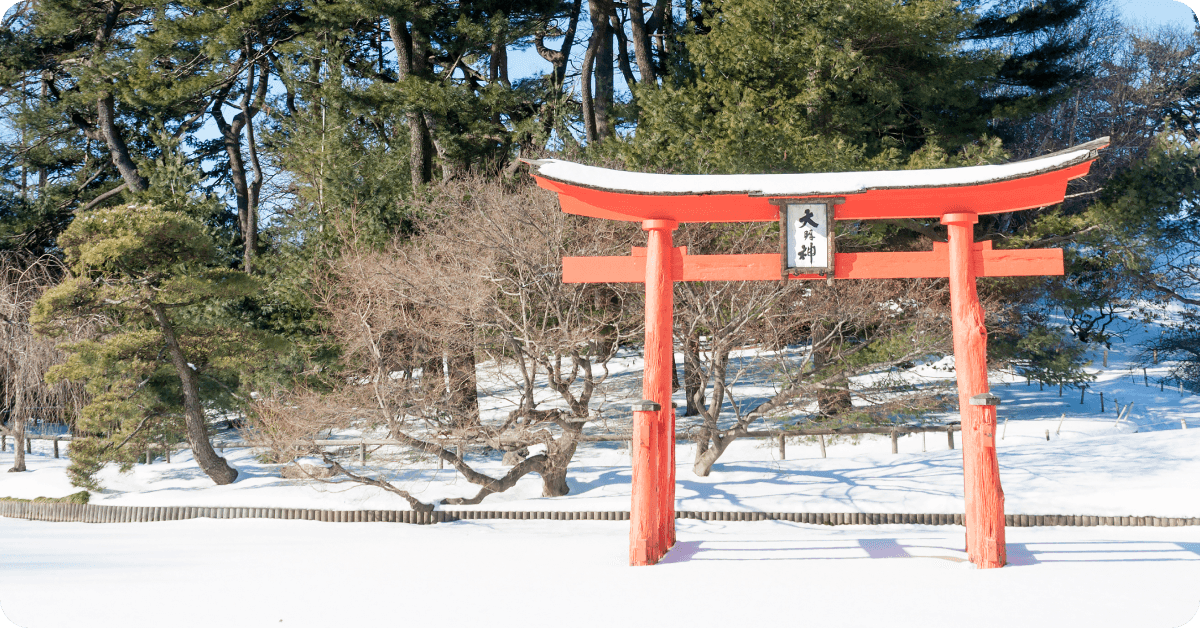
Once the idea of moving to Japan starts to feel so real that you can practically see yourself strolling through red torii gates, the planning can quickly become both exciting and overwhelming. This straightforward roadmap breaks down the key milestones to help manage the essential logistics and physical moving pieces ahead:
Choose a path and find a sponsor. First, identify the correct visa category (such as work or student) and secure a sponsor, which usually means getting a job offer or school acceptance.
Secure the Certificate of Eligibility (COE). Your sponsor handles the COE application in Japan. This document serves as official government approval and typically takes from one to three months to process.
Apply for the visa in the U.S. Once your sponsor sends you the COE, take it with your passport and application to the nearest Japanese consulate. Processing usually takes about five business days.
Arrange temporary housing and logistics. Arrange a one-way flight and temporary housing, like a furnished share house. This is the best launching pad, given that the standard rental process can be intense.
Receive the residence card at the airport. At dedicated immigration lanes in major airports (like Narita or Haneda), an officer will print and give you your official Residence Card.
Complete local address registration. Within two weeks of securing a residence, visit your local city hall or ward office with your passport and residence card to have the new address officially recorded.
Enroll in health insurance and daily setup. While at the ward office, enroll in National Health Insurance (unless you have employer-provided coverage). Your registered card is then the key for final tasks like opening a bank account.
These core checkpoints will help you plan your journey, but always verify the exact steps with your consulate, since individual situations vary.
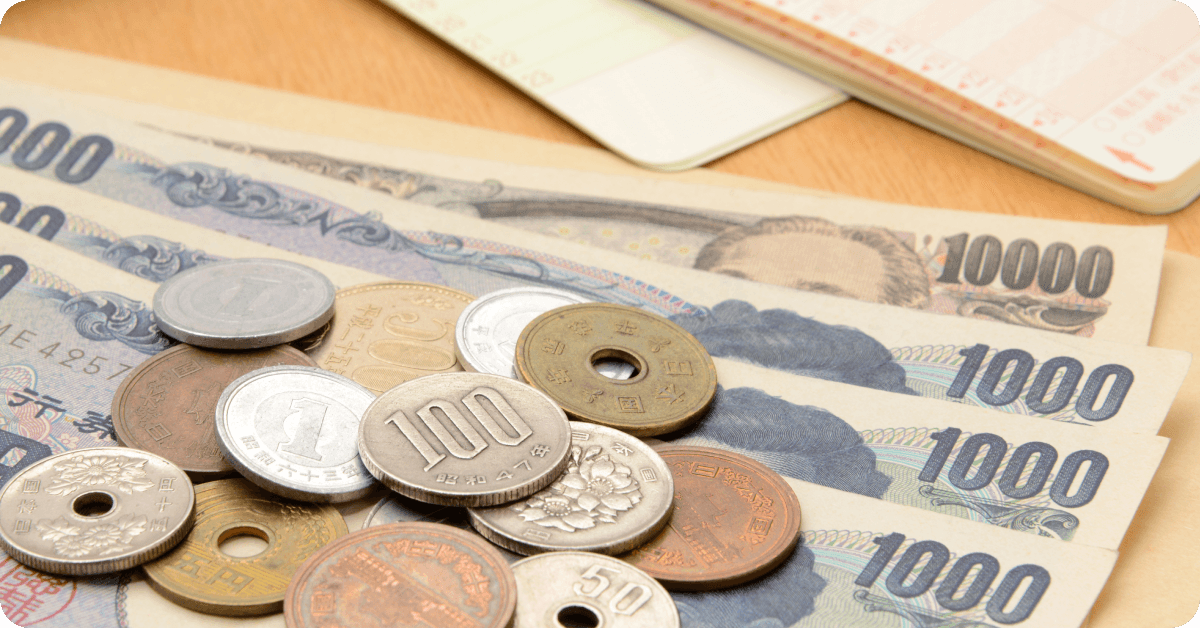
The most important part of planning your relocation budget is splitting it into two buckets: initial moving day costs and ongoing daily expenses. Settling down in Japan comes with some unique upfront fees, but your day-to-day costs will probably be lower than in the U.S. This overview will map out the major expense categories and the estimated funds you’ll need.
Category | One person (estimates) | Family of three (estimates) |
|---|---|---|
Visa category and fee (work, student, family stay) | US$20 | US$60 |
Rent | US$600-1,000 | US$900-1,500 |
Utilities | US$70-130 | US$120-220 |
Food and groceries | US$200-400 | US$500-900 |
Transport | US$40-100 | US$100-250 |
Estimated monthly total | US$930-1,650 | US$1,680-2,930 |
Ultimately, these numbers highlight the lower cost of living in Japan compared to back home in the States. This shift does more than just protect your savings — it frees up significant breathing room in your monthly budget. With less financial pressure, you’ll have plenty of extra resources to travel, explore local neighborhoods, and immerse yourself in everything that makes Japan unique.
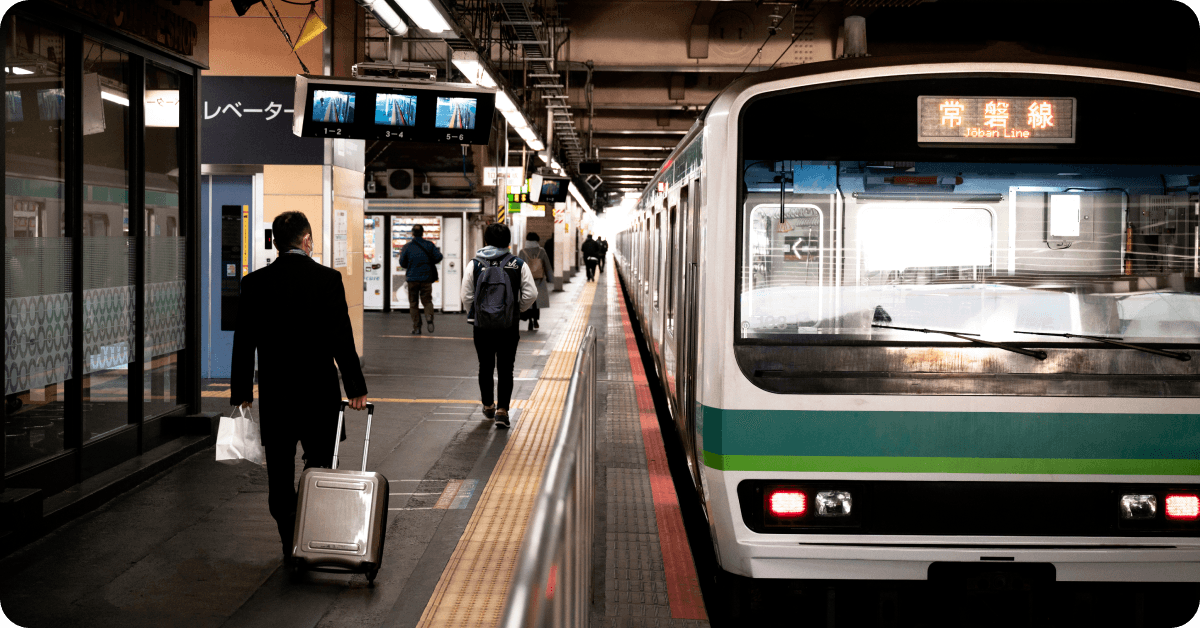
Evaluating if Japan is the right choice means balancing your future career plans against your lifestyle preferences. For many, the true value lies in a daily life shaped by cultural traditions. You get to experience the reliable public transportation in Japan, enjoy attentive customer service, and try food prepared by shokunin who devote years to perfecting a single craft or tightly focused menu. If you are open to societal differences, the unique Japanese environment makes the move well worth considering.
Adjusting to daily life in Japan as an American comes with a distinct learning curve, from getting to know neighborhood recycling rules to finding internet cafes in Japan to use as quiet workspace alternatives. While basic Japanese covers daily tasks, building on it pays off the more you settle into life in Japan. Expat meetups and chance conversations at ward offices make finding a community quite straightforward. Also, knowing that Japan is safe to visit and live in gives you total peace of mind and makes it easy to settle down.

Moving to Japan means getting a few practical systems set up before daily life starts to feel easy. Our quick rundown of how healthcare, banking, and the other essentials work will help you settle in for the long haul.
Healthcare system. Japan’s universal healthcare system requires you to cover 30% of medical costs, while the state pays 70%. Employees are automatically enrolled in Social Insurance (Shakai Hoken), splitting the premium with their company, while contractors must manually register for National Health Insurance (Kokumin Kenko Hoken) and pay the full cost.
Banking options. Opening a bank account in Japan is tricky at first. Your best initial option is Japan Post Bank because it waives the six-month residency rule that other banks require. Once you hit six months, you can easily use other expat-friendly online banks like SBI Shinsei Bank for its excellent English support and apps.
Driver’s license. Driving in Japan once you’ve settled in means converting your U.S. license, because your international permit is only a temporary fix. The process requires passing a document screening, an eye exam, a written test, and a strict closed-course driving test. And remember, all traffic is on the left.
Connectivity. If you’re wondering whether your phone will work in Japan, the answer is yes, provided your device is carrier unlocked. Long-term foreign residents usually set up physical SIM cards from local providers like Mobal or Sakura Mobile. But for the ultimate convenience, downloading the Saily eSIM app ensures you have data right when you land.
Transit. When planning your travels, figuring out whether the Japan Rail Pass is worth it is a question reserved for tourists. Because long-term visa holders are legally ineligible to buy the nationwide pass, you’ll instead navigate Japan’s precise train network using standard point-to-point fares or resident-eligible regional passes.
Traditional Japanese offices run on strict hierarchies, long overtime hours, and reading between the lines to keep the harmony. A huge part of this is nomikai — after-hours social gatherings where the real team-bonding and networking actually happen. To protect your free time, it helps to set clear boundaries early and openly share your hobbies so coworkers respect your life off the clock. Alongside these traditional models, startups and international companies in Japan operate under different norms, offering a flexible, Westernized approach to work-life balance.
Culture shock is key to truly understanding your new home. Every interaction is an opportunity to learn the values that shape Japanese society, and every odd moment teaches you how Japan works. Use this quick reference checklist to streamline your move from the U.S. and go through the transition with more ease:
Build your Japanese vocabulary before arrival. Learning basic kanji before departure ensures that you do not mistake spicy chili oil for sweet strawberry sauce when looking at identical bottles.
Secure your initial relocation fund. A robust buffer allows you to finance temporary stays while dealing with massive upfront apartment expenses like agency commission, security deposit, and nonrefundable “key money.”
Digitize important documents. Keeping high-quality digital scans of your degree certificates, visa paperwork, and identification papers online gives you instant access to the necessary bureaucratic forms anywhere.
Set up banking and international transfers. Notify your U.S. bank about your move and arrange international transfers using a service like Wise or Revolut because they often provide better exchange rates than traditional bank wires.
Analyze potential relocation cities. Deciding between Tokyo’s massive job market with higher rent or regional hubs like Osaka, Fukuoka, and Sapporo ensures you balance career opportunities with an affordable lifestyle.
Consult digital expat networks. Sifting through relocation subreddits, Facebook groups, and expat Discord servers connects you with experienced residents who can instantly resolve highly specific moving questions.
Plan an initial scouting trip. To get a feel for Japan before making the big move, plan a scouting trip with the help of our guide on what to include on your Japan packing list and how much it costs to go to Japan.
Stay connected from the moment you land. A practical travel tip is to arrange your mobile data with an eSIM before you fly. If you’re asking, “What is an eSIM?”, it’s a digital SIM card in your phone that lets you download a data plan. With the Saily eSIM service, you can purchase a plan for Japan ahead of time for instant connectivity on arrival.

Stay connected with the Saily eSIM app
Affordable mobile data plans for every journey.
Yes, moving to Japan without a degree is possible, but your visa options may be more limited. Depending on your circumstances, you may still qualify through professional experience, family ties, business activities, or studies in Japan.
It is possible to move to Japan without a job, but you’ll need another qualifying basis for residency, such as studying, joining a spouse or family member, or starting a business. Without a job offer, you must still qualify for a visa that permits long-term residency in Japan.
Yes, US$40,000 is generally a comfortable salary for a single expat to live comfortably in smaller cities and manageable in Tokyo with a simpler lifestyle. For families or central Tokyo residents, the budget gets tighter, so the experience will rely heavily on location and housing subsidies.
Some of the most in-demand jobs in Japan are in technology, healthcare, engineering, manufacturing, and hospitality. Professionals with specialized skills and Japanese language ability normally have the best job opportunities.
No, you can easily navigate major cities using English. Still, learning basic Japanese is highly recommended because it makes everyday tasks, local paperwork, and making friends outside the expat community much easier.

関連記事