



What are the safest countries in Africa to visit in 2026?
From majestic wildlife to must-try food, Africa offers incredible diversity and unforgettable experiences. It’s also massive, and choosing the right destination requires careful planning. In this article, we’ll explore the safest countries to visit in Africa in 2026 and share practical travel advice to help you make the most of your trip.
Table of Contents
An overview of safety in Africa
Africa is an incredibly diverse continent. With 54 countries and over 11.7 million square miles of land, safety conditions can vary widely from region to region.
Five safety concerns tourists should be aware of in Africa include:
Weather
Disease
Infrastructure
Crime
Political unrest
The factors can vary in importance depending on the time of year and country. For example, visiting an African country during the rainy season could mean more dangerous weather and a higher risk of diseases like malaria because mosquitoes thrive in wet conditions.
In other cases, political instability can affect safety. Countries in north-central Africa are currently experiencing high levels of political unrest and violence, making them less safe options. Visitors to these areas, such as Sudan and Chad, are more likely to find themselves in dangerous situations. However, plenty of countries in Africa are safe for tourists, and they can be a dream vacation spot.
When evaluating the safest countries to visit in Africa, we’re using experiences from travelers like you as well as Vision of Humanity’s Global Peace Index (GPI). The GPI compiles data on a variety of safety factors and gives each country a score on a scale of 1-5, with 1 being the safest and 5 being the most dangerous.
10 safest countries to visit in Africa in 2026
Take a look at the top 10 safest countries to visit in Africa in 2026, which constantly rank high for strong tourism infrastructure and political stability.
1. Mauritius
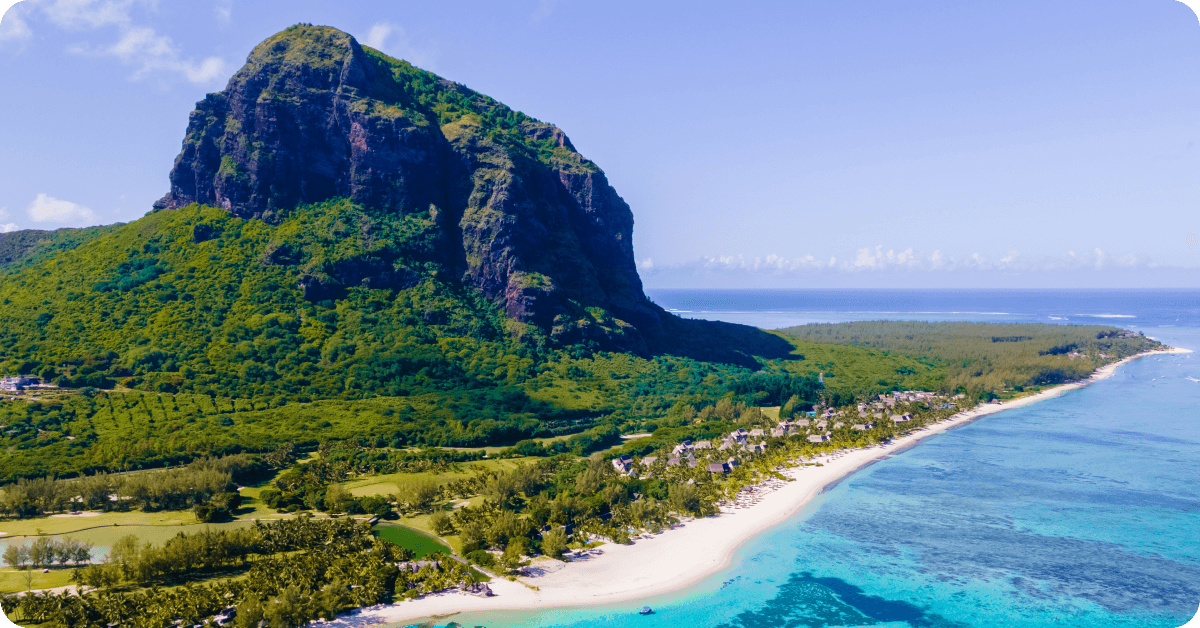
Mauritius consistently ranks among the safest countries in Africa. This island nation has an impressive Global Peace Index (GPI) score of 1.586, thanks to its low crime rate.
Mauritius offers everything you need for the perfect vacation, including beautiful beaches along the Indian Ocean, luxury hotels, and plenty of activities. You’ll definitely want to visit Le Morne Brabant — a stunning monolith with a lagoon and a famous underwater waterfall. You can relax by the crystal blue waters or go on a whale watching trip, but if you’re looking for a little more action, you can also go hiking, scuba diving, or canyoning!
2. Botswana
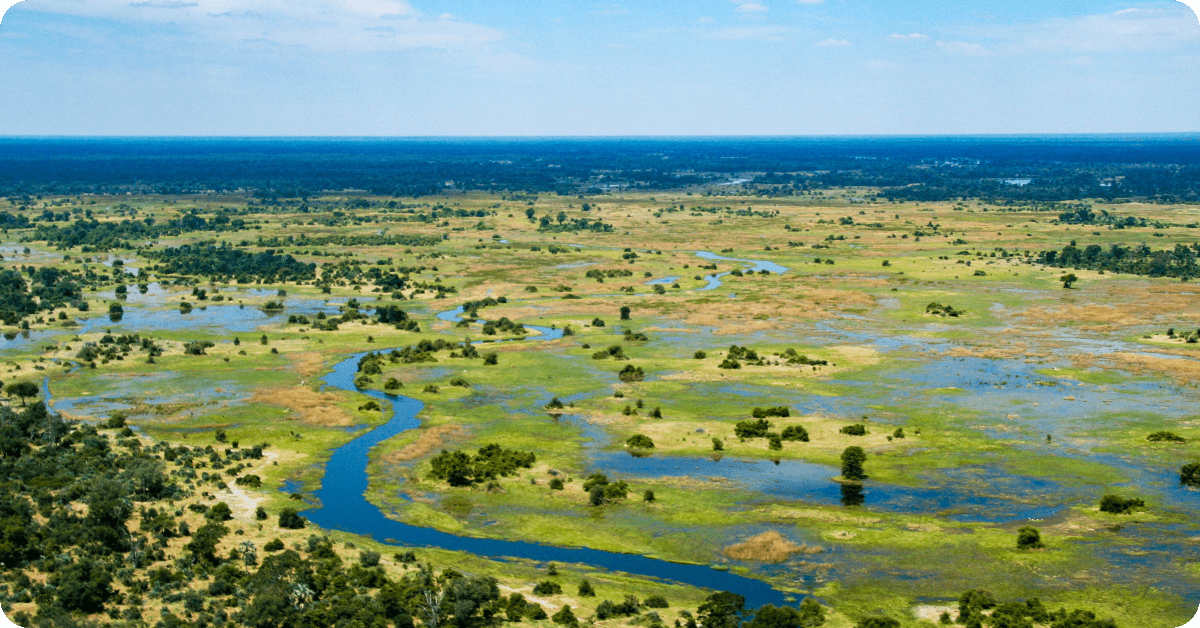
If you’re looking for a traditional African safari, Botswana is the place to go. Its political stability, strong economy, and reliable infrastructure contribute to its GPI score of 1.743.
Botswana’s strong tourism industry allows visitors to safely experience the majesty of the country’s big game and natural beauty. The country is home to reliable, well-established safari companies that take travelers into the wild for unforgettable experiences. Moremi Game Reserve is the perfect place to encounter lions, leopards, and rhinos, and if you’re hoping to see elephants, Chobe National Park is your best bet.
3. Namibia
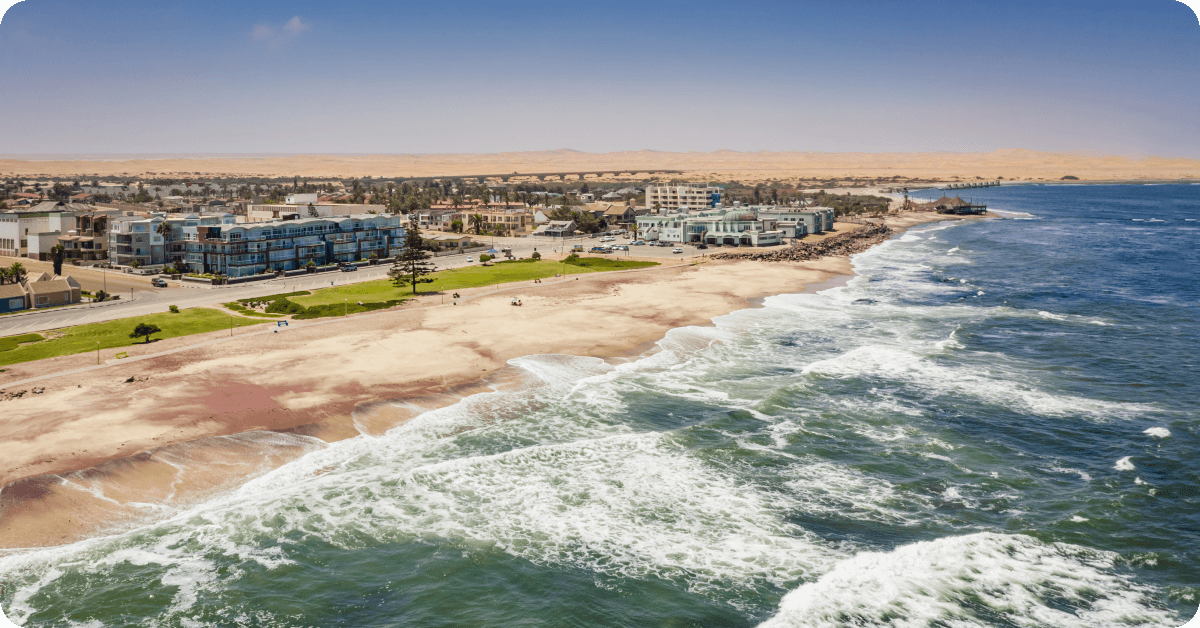
A trip to Namibia gives you the chance to get close to nature. This sparsely populated democratic country has enjoyed decades of political stability and low crime rates, earning it a GPI score of 1.789. Plus, because of its dry climate, tropical diseases like malaria are much less common in Namibia.
Namibia is filled with natural marvels, including the stunning red sand dunes of Sossusvlei and the cool ocean breezes of Walvis Bay. Etosha National Park is known for its many waterholes, where visitors can catch glimpses of giraffes, wildebeest, zebras, lions, and elephants. Although Etosha experienced some wildfires in September 2025, the damage was limited to the outer areas of the park, and tourist infrastructure remained unharmed.
4. Madagascar
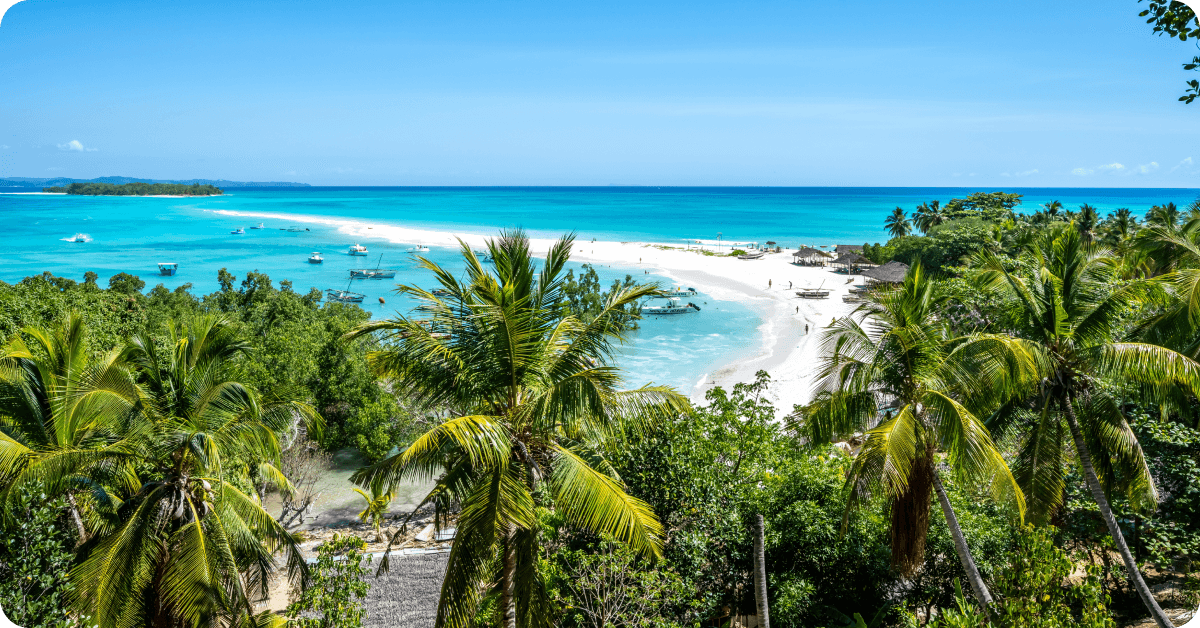
Madagascar is an amazing destination with incredible natural beauty, boasting a GPI score of 1.895. It’s home to Tsingy de Bemaraha National Park — a UNESCO World Heritage Site known for its one-of-a-kind rock formations. Visitors can also experience the iconic Avenue of the Baobabs or enjoy a boat trip along the Tsiribihina River, offering a truly authentic glimpse into the local environment.
5. Ghana
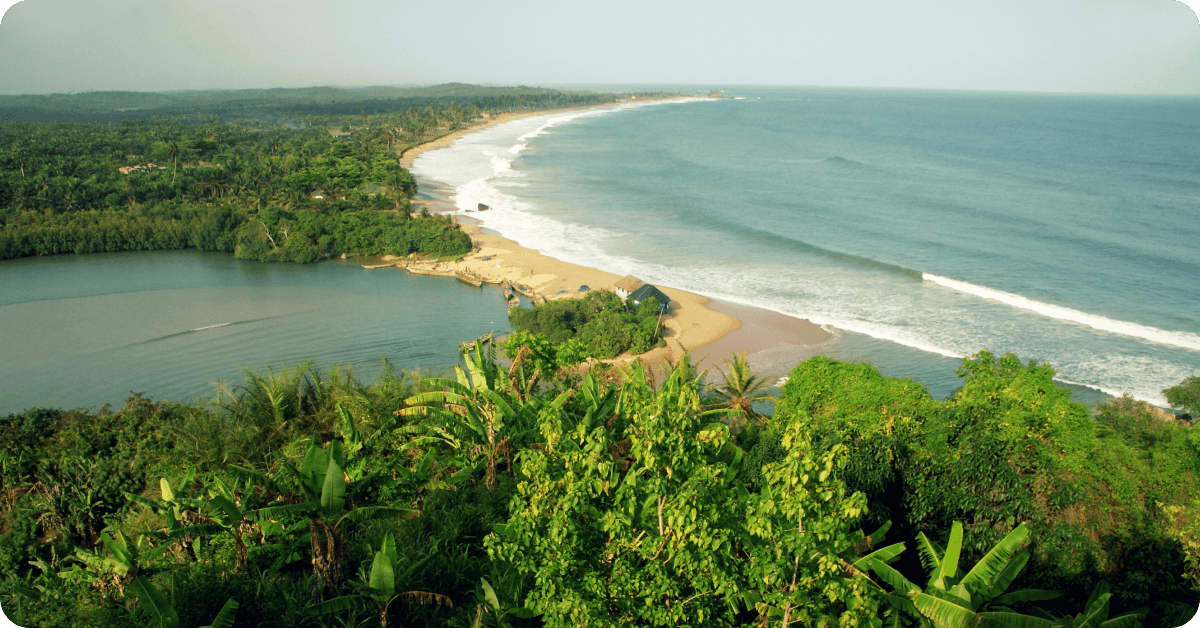
Ghana stands out as one of the few West African nations where English is the official language, making it much easier for tourists to get around. The country has a Global Peace Index (GPI) rating of 1.898, though LGBTQ+ travelers should exercise extra caution due to anti-LGBT laws.
Ghana’s capital — Accra is known for its vibrant nightlife, but the country also offers plenty of natural wonders, including the Wli Waterfalls, Kakum National Park, and Mole National Park. Visitors can also explore Ghana’s rich textile traditions at places like the Kpetoe Kente Weaving Village.
6. Zambia
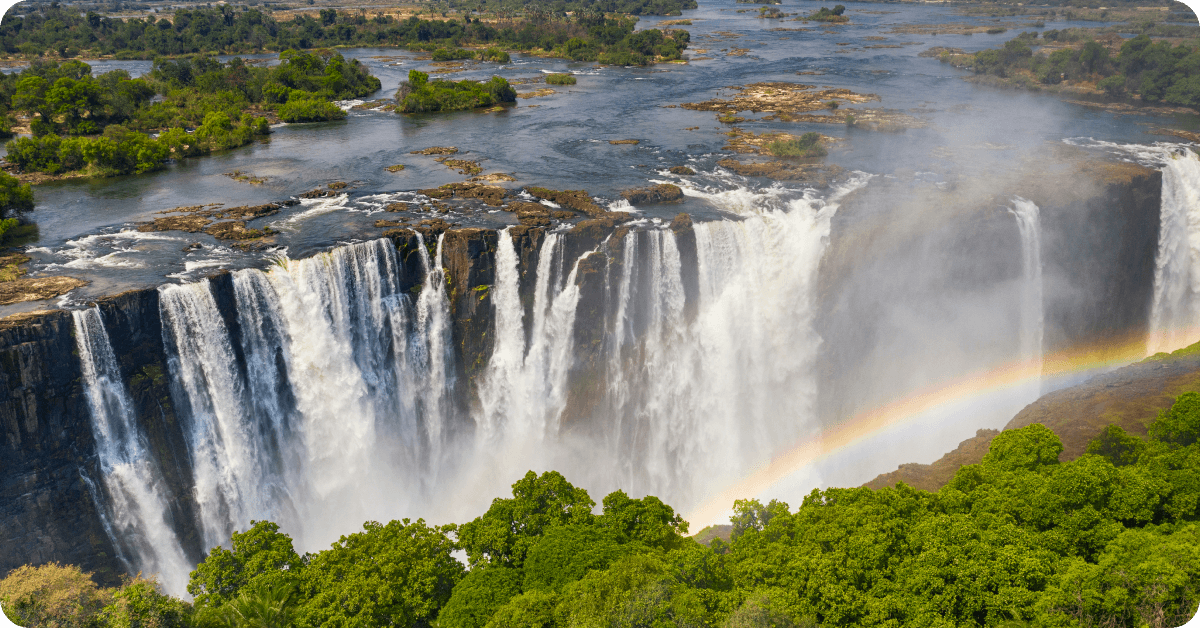
While Zambia is largely rural with limited infrastructure, it’s incredibly peaceful and enjoys mild weather, scoring 1.9164 on the Global Peace Index (GPI).
Zambia has a smaller hospitality industry than some other countries on this list, with less crowded national parks and friendly, experienced guides that make it feel all the more welcoming. The country is home to the famous Victoria Falls, and you can spot leopards in South Luangwa National Park. Zambia is also known for the rich rivers of the Lower Zambezi, which offer canoeing opportunities and unique wildlife experiences.
7. Malawi
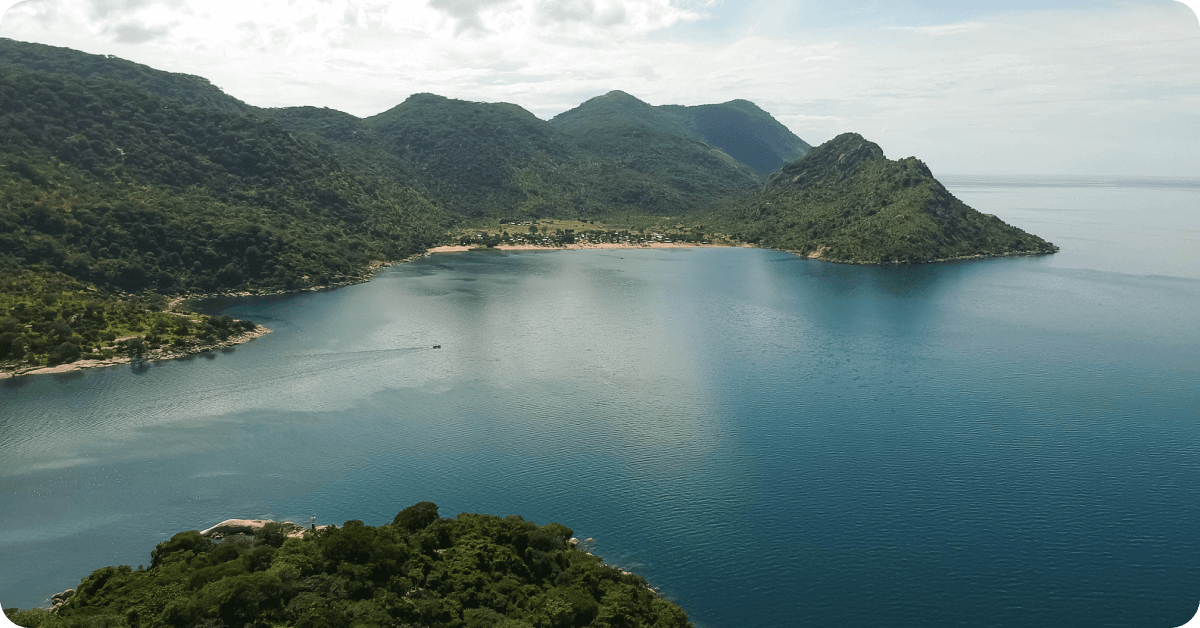
Malawi is known as the “Warm Heart of Africa,” and with a GPI score of 1.955, visitors can feel safe enjoying its welcoming atmosphere.
Lake Malawi is perfect for swimming, snorkeling, and fishing. Malawi’s national parks are home to the Big Five: lions, leopards, rhinos, buffalo, and elephants. Liwonde National Park is also a top destination for birdwatching.
8. Morocco
Morocco is one of the most stable countries in North Africa, with a GPI rating of 2.012, and it has a booming hospitality industry. Just keep in mind that the country is known for its high modesty standards, so wearing lightweight clothing that covers your shoulders and knees is recommended to show respect. It will also protect you from the sun.
Morocco has a vibrant culture that reflects a blend of African, Middle Eastern, and European influences. Cities like Fes and Marrakesh are rich in history and art, with plenty of lively markets, while the famous Sahara Desert provides opportunities for deluxe glamping experiences.
9. Rwanda
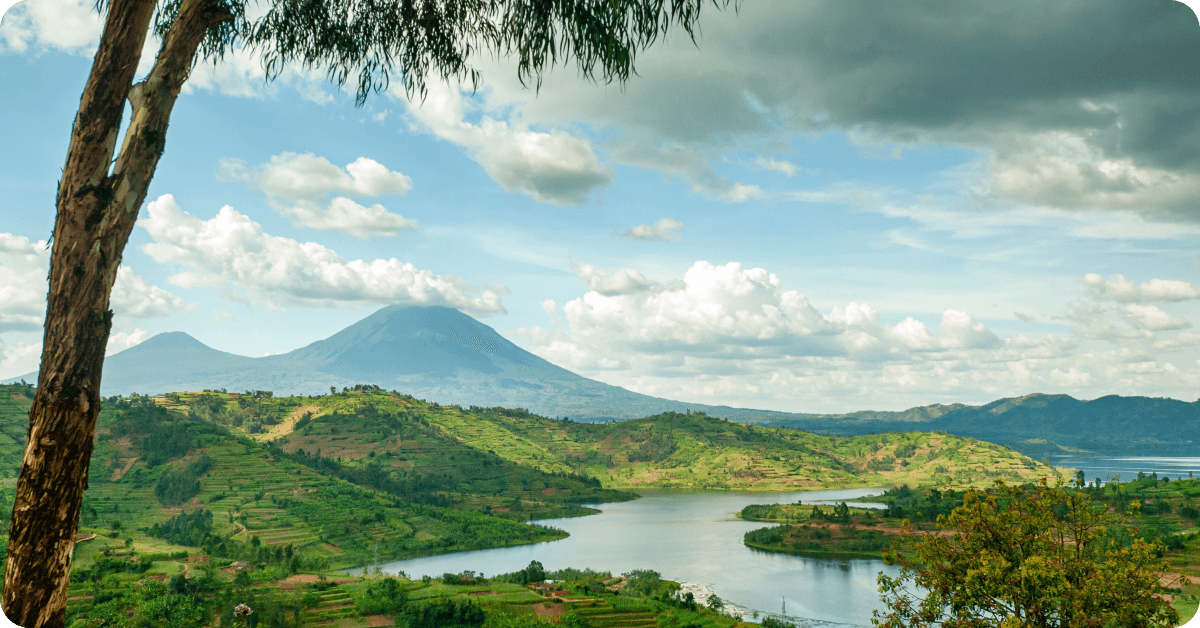
Rwanda faced a difficult period in the 1990s, but the country’s stability has improved significantly, giving it a GPI rating of 2.036. Rwanda is investing heavily in its growing hospitality industry, with a strong focus on conservation and security.
The country is famous for gorilla treks. Visit Volcanoes National Park to see these incredible apes. If you prefer chimpanzees and monkeys, Nyungwe Forest is the place to go. For a traditional safari experience, check out Akagera National Park.
10. South Africa
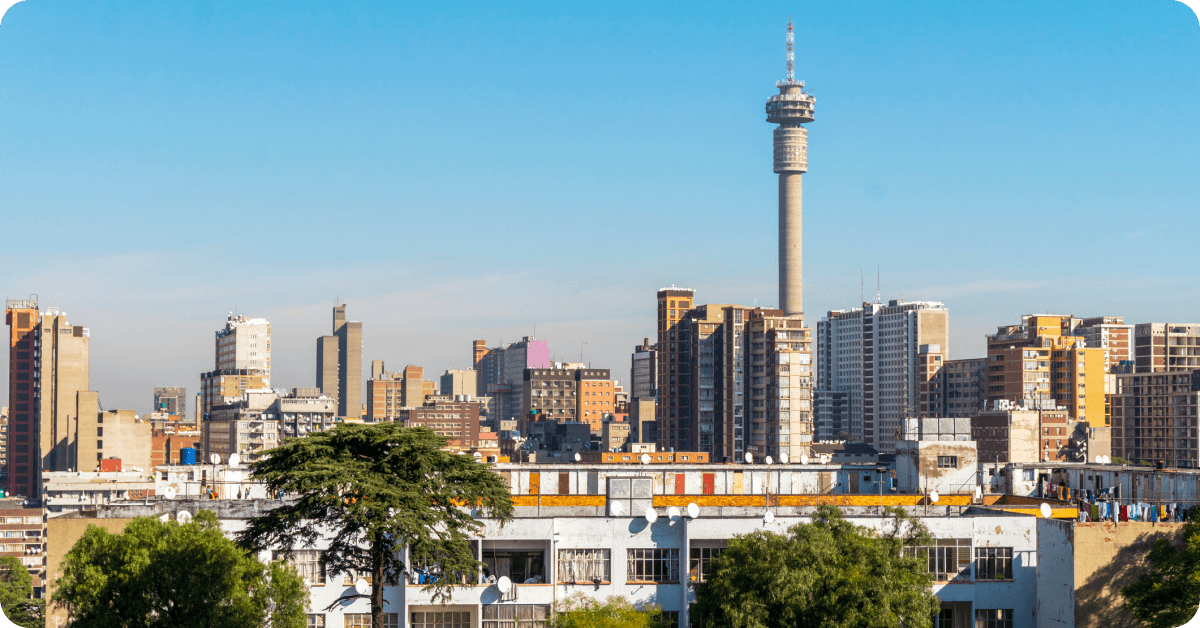
South Africa has a better GPI score than the other countries on this list, 2.347, partly because of its history of crime and social challenges. However, its strong hospitality industry and moderate climate make it a top destination for tourists. By taking standard safety precautions and sticking to major attractions, South Africa is safe to visit.
For world-class culture, visit Cape Town, which ranks among Africa’s top cities and is home to Table Mountain — one of the New Seven Wonders of Nature. Visitors can also explore the country’s vineyards in the Cape Winelands or go on safari to see the Big Five at Kruger National Park.
What are the most dangerous countries to visit in Africa?
While many countries in Africa are safe for travelers, some regions remain risky due to ongoing conflict, political instability, and high levels of violence.
Sudan (3.323 GPI) has been affected by an ongoing war since 2023, which has damaged infrastructure and increased violence.
Democratic Republic of the Congo (3.292 GPI) continues to experience conflict, and humanitarian crises have created a dangerous environment.
South Sudan (3.117 GPI) is recovering from a brutal seven-year civil war. Ongoing ethnic violence and political instability make it unsafe for tourists.
Mali (3.061 GPI) is dealing with a civil war that has destabilized the country, along with high levels of terrorist activity and human trafficking.
Burkina Faso (3.016 GPI) is frequently targeted by terrorist groups such as Al-Qaeda and ISIS, making it very unsafe for travelers.
Somalia (2.983 GPI) is known for piracy and also suffers from political instability and terrorism.
Tips to travel safely in Africa
Traveling in Africa can be an incredible experience, but staying safe requires a little preparation. These practical tips will help you enjoy your trip with confidence.
Get travel insurance
Travel insurance is essential for any trip to Africa. Policies often cover medical emergencies and theft. Africa’s unpredictable weather can also cause delays or cancellations, so look for coverage that protects your trip if disruptions occur. Most policies are quite affordable, starting around US$25 for a five-day trip, making them well worth it.
Protect your health
Protect your health by taking a few simple precautions:
Vaccinations. If you’re traveling to East Africa, a yellow fever vaccine is mandatory. Other recommended vaccines include typhoid, tetanus, meningitis, hepatitis A and B, and rabies.
Anti-malarial measures. Malaria is common in tropical regions. Talk to your doctor about preventive medications, which can significantly reduce your risk of infection. To avoid mosquito bites, use insect repellent and cover as much skin as possible, especially at night.
Sun protection. The sun can be intense, especially in deserts, and heatstroke is a real risk. Bring plenty of sunscreen and protective clothing, including hats and UV-blocking garments.
Bottled water. Tap water quality varies, and many diseases are waterborne. Stick to bottled water to stay safe and hydrated.
Personal first aid kit. Bring your regular prescription medications and basic first aid supplies such as disinfectants and bandages.
Stay safe on roads
Africa’s road infrastructure can be challenging, with a fatality rate of 26.6 per 100,000 inhabitants, according to the United Nations. We strongly advise against driving yourself. Instead, join a tour group or hire a local guide who knows the roads well.
Do your research
A little bit of research can go a long way. Before your trip:
Check your government’s travel advisories for up-to-date information.
Learn local laws and cultural norms.
Track current events in your destination region.
Research tourist attractions and plan your route.
Consider booking a tour or personal guide to help navigate your trip.
Make sure that you have a reliable way to access mobile internet abroad, such as international roaming, a prepaid SIM card, or an eSIM for Africa.
Get an eSIM
An eSIM is a digital alternative to a physical SIM card that allows you to connect with foreign carriers. No matter where you’re traveling in Africa, an eSIM can help keep you safe by providing:
Reliable data. Stay connected to high-speed networks from top African providers.
Access to important information and services. Navigate tourist destinations, make emergency calls, and stay updated on news and travel advisories.
Multi-country coverage. Saily’s eSIM plans for Africa can keep you connected across 34 African countries, no matter where you are.
Increased security. eSIMs are safer than traditional SIM cards because they can’t be lost, damaged, or stolen, and they often incorporate advanced digital security protocols.
Affordable plans. eSIMs offer consistent, high-speed data at much cheaper prices than international roaming.
Download an eSIM app before your trip so you can stay connected in Africa. That way, you’ll have reliable maps, easy access to travel info, and a quick way to reach help if you need it!
FAQ


Related articles