








このページのコンテンツはご希望の言語で利用できません。
Best countries with digital nomad visas in 2026 for Americans: Top EU and Asian destinations

目次
- Top 10 countries with a digital nomad visa in 2026: A quick overview
- European countries with a digital nomad visa
- 1. Portugal
- 2. Spain
- 3. Croatia
- 4. Greece
- 5. Italy
- Asian countries with digital nomad visas
- 6. Thailand
- 7. Japan
- 8. Indonesia (Bali)
- 9. Philippines
- 10. Taiwan
- Taxes for US citizens living abroad as digital nomads
- Which countries with digital nomad visas lead to citizenship?
- How to choose the best country with a digital nomad visa
Top 10 countries with a digital nomad visa in 2026: A quick overview
Country | Visa | Visa length | Minimum income required | Estimated monthly cost of living |
|---|---|---|---|---|
Portugal | D8 digital nomad visa | Temporary stay up to 1 year or residence route | About €3,680 (US$4,212)/month | US$2,000-3,200 |
Spain | Digital nomad/international telework visa | Usually 1 year visa or residence permit route | Around €2,850 (US$3,262)/month | US$2,000-3,300 |
Croatia | Temporary stay for digital nomads | Up to 18 months | €3,622.50 (US$4,146)/month or savings equivalent | US$1,600-2,700 |
Greece | Digital nomad visa | Usually 1 year, with residence route possible | €3,500 (US$4,006)/month or higher with family | US$1,500-2,600 |
Italy | Digital nomad / remote worker visa | 1 year, renewable | Usually around €25,500+ (US$29,189)/year | US$2,200-3,800 |
Thailand | Destination Thailand Visa | 5 years, 180 days per entry | THB 500,000 (US$15,087) financial evidence | US$1,200-2,500 |
Japan | Digital nomad visa | Up to 6 months, no extension | ¥10 million (US$62,060)/year | US$2,000-3,500 |
Indonesia (Bali) | E33G remote worker visa | Usually 1 year | US$60,000/year | US$1,400-2,800 |
Philippines | Digital Nomad Visa framework | Up to 1 year, renewable | Sufficient foreign income required, but no specific amount published. | US$1,200-2,400 |
Taiwan | Digital nomad visitor visa | 6 months initially, with possible extensions | US$40,000/year (age 30+) or US$20,000 (age 20-29) | US$1,500-2,700 |
European countries with a digital nomad visa
1. Portugal

Key point | Details |
|---|---|
Visa duration | Temporary stay route up to one year or residence route leading to a residence permit. |
Minimum income | About €3,680 (US$4,212) per month for the main applicant, which is equal to four times Portugal’s monthly minimum wage. |
Other eligibility points | Proof of remote employment, freelance work, or business income from outside Portugal as well as proof of accommodation, health insurance, and clean criminal record. |
Application fee | Varies by consulate and application route. It’s around €75-90 (US$86-103) for the temporary stay visa. The residence route may cost about €90-120 (US$103-137), plus a €150-180 (US$171-206) residence permit fee. |
Tax implications | You may become a tax resident if you spend 183+ days in Portugal or establish strong residential ties. |
living | Around US$2,000-3,200 per month for many single nomads, depending heavily on rent. |
Family inclusion | Usually possible, with extra financial proof and documents. |
Path to residency | The residence option can lead to a renewable residence permit if you meet the renewal rules, making Portugal a strong fit for a longer stay in Europe. |
Schengen access | Yes. |
Best suited for | Remote workers who want a longer-term EU base, not just a short stay. |
2. Spain

Key point | Details |
|---|---|
Visa duration | Often one year through a consulate, with residence permit options for longer stays. |
Minimum income | Around €2,850 (US$3,262) a month for a single applicant, depending on calculation and consulate guidance. |
Other eligibility points | Remote work for a foreign company or clients, with professional experience or qualifications as well as proof of work relationship and health insurance. |
Application fee | Varies by consulate and application route, but US applicants will need to pay around US$190 for Spain’s digital nomad visa. |
Tax implications | Tax residency may apply after more than 183 days in Spain or if Spain becomes your main economic base. Spain’s special inbound-worker tax regime may apply to qualifying remote workers. |
Cost of living | Around US$2,000-3,300 per month, depending on city and rent. |
Family inclusion | Possible, with higher income requirements. |
Path to residency | Good long-term residence potential if permits are renewed correctly. |
Schengen access | Yes. |
Best suited for | Digital nomads who want EU access, strong infrastructure, and a social lifestyle. |
3. Croatia
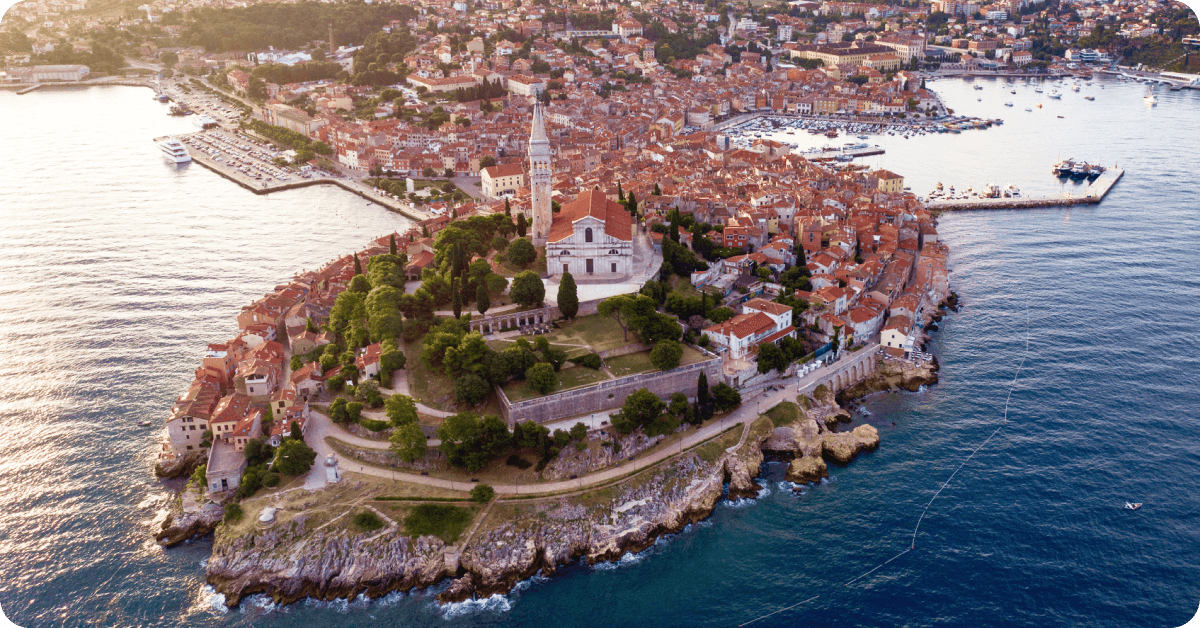
Key point | Details |
|---|---|
Visa duration | Up to 18 months. |
Minimum income | €3,622.50 (US$4,146) a month or savings equivalent for the intended stay. |
Other eligibility points | Proof of remote work for a non-Croatian employer or own foreign company, health insurance, and clean criminal record certificate as well as address in Croatia. |
Application fee | Approximately €88-149 (US$100-170), depending on whether you apply abroad through a Croatian diplomatic mission or consular post or in Croatia at a police administration office or police station. |
Tax implications | Employment or freelance income earned from non-Croatian employers or clients may be exempt from Croatian income tax. Income from Croatian sources, passive income, and US tax obligations may still apply, but confirm your position with a tax adviser. |
Cost of living | Around US$1,600-2,700/month, with coastal rent rising sharply in summer. |
Family inclusion | Possible, with extra financial proof. |
Path to residency | Limited for long-term settlement because Croatia’s digital nomad stay is capped at 18 months, and a new application usually requires a six-month gap. |
Schengen access | Yes. |
Best suited for | Remote workers who want a scenic European stay rather than immediate citizenship planning. |
4. Greece

Key point | Details |
|---|---|
Visa duration | Usually one year initially, with a residence permit route for longer stays. |
Minimum income | €3,500 (US$4,006) a month for the main applicant, higher with spouse or children. |
Other eligibility points | Proof of remote work for foreign employers or clients, private health insurance, and sufficient income as well as declaration not to work for Greek employers. |
Application fee | Visa fee is typically €75 (about US$86). A residence permit route can add a €1,000 (about US$1,142) fee for the main applicant, plus €150 (about US$171) per family member. |
Tax implications | Tax residency may apply after spending 183 days in Greece during a tax year. A 50% tax break may be available to new Greek tax residents with qualifying employment or business income earned in Greece, but it’s not automatic. |
Cost of living | Around US$1,500-2,600 a month, depending on rent and location. |
Family inclusion | Possible, with increased income requirements. |
Path to residency | Possible, but check renewal and physical presence rules. |
Schengen access | Yes. |
Best suited for | Remote workers who want warm Mediterranean weather, culture, and a European base. |
5. Italy

Key point | Details |
|---|---|
Visa duration | Usually 1 year, renewable. |
Minimum income | Commonly around €25,500+ (US$29,189) a year, but check the current consular threshold before applying. |
Other eligibility points | Highly skilled remote work and at least six months’ relevant work experience as well as proof of accommodation, health insurance, and clean criminal record. |
Application fee | The national visa fee is usually €116 (about US$133), but local-currency amounts may change because consular exchange rates are updated regularly. |
Tax implications | Tax residency may apply after spending more than 183 days in Italy in a calendar year, if Italy becomes the main place of residence, or due to family and economic ties. |
Cost of living | Around US$2,200-3,800/month, depending on city and rent. |
Family inclusion | Possible, subject to approval and financial requirements. |
Path to residency | Possible if the digital nomad visa and later residence permit are renewed and residence requirements are maintained. |
Schengen access | Yes. |
Best suited for | Higher-earning remote workers who specifically want an Italian base and can meet the skilled-worker, income, insurance, and accommodation requirements. |
Asian countries with digital nomad visas
6. Thailand

Key point | Details |
|---|---|
Visa duration | 5-year multiple-entry visa, up to 180 days per entry. |
Minimum income | No fixed monthly income requirement, but applicants must show at least THB 500,000 (US$15,087) in available funds. |
Other eligibility points | Workcation evidence such as foreign employment contract, employment certificate, or professional portfolio. |
Application fee | Often around THB 10,000 (US$300), but fees vary by embassy or consulate. |
Tax implications | Tax residency may apply after spending more than 180 days in Thailand in a tax year. Residents may owe Thai tax on Thai-source income and foreign income brought into Thailand. |
Cost of living | Around US$1,200-2,500 a month, depending on location and lifestyle. |
Family inclusion | A spouse and children under 20 may be eligible. |
Path to residency | Weak — this visa is better for medium-term stays than citizenship planning. |
Regional travel | Strong base for Southeast Asia. |
Best suited for | Remote workers seeking affordability, sunshine, and flexible stays. |
7. Japan

Key point | Details |
|---|---|
Visa duration | Up to 6 months, no extension. |
Minimum income | JPY 10 million (US$62,060) per year. |
Other eligibility points | Remote work for overseas employers or clients, private medical insurance, eligible nationality (from a list of 51 countries and regions). |
Application fee | US citizens are currently exempt from Japan visa fees. If a fee applies, single-entry visas may cost about US$101 and double or multiple-entry visas about US$201. |
Tax implications | The six-month stay limit means many applicants may avoid long-term tax residency, but income earned while working from Japan may still need tax or treaty review. |
Cost of living | Around US$2,000-3,500 a month. |
Family inclusion | A spouse and children may be eligible if requirements are met. Documents such as a visa form, passport, planned-stay details, medical insurance, proof of relationship, and a copy of the main applicant’s passport are typically required. |
Path to residency | No long-term residence path through this visa exists because the stay is capped at six months and cannot be extended. |
Regional travel | Excellent domestic transport, with easy regional flights to South Korea, Taiwan, Hong Kong, Thailand, and Singapore. |
Best suited for | Higher-earning remote workers who want a structured short-term stay. |
8. Indonesia (Bali)

Key point | Details |
|---|---|
Visa duration | Up to one year. |
Minimum income | US$60,000 a year. |
Other eligibility points | Employment contract with a company outside Indonesia, passport, CV, personal bank statement showing at least US$2,000 over the last three months, and a basic travel itinerary with planned entry and stay details. |
Application fee | The official cost is IDR 7,000,000 (about US$389) for a one-year stay. Agent or service-provider fees may cost extra. |
Tax implications | Tax residency may apply after more than 183 days in Indonesia within a 12-month period or if there is clear intent to reside. Tax residents may need to report Indonesian and worldwide income, while non-residents are generally taxed on Indonesian-source income. |
Cost of living | Around US$1,400-2,800 a month, depending on housing and area. |
Family inclusion | Possible through separate dependent arrangements, but check current rules. |
Path to residency | No direct permanent-residency path through this visa. Longer-term residence would usually require qualifying under another Indonesian permit category. |
Regional travel | Good base for island hopping from Bali, especially to Lombok, the Gili Islands, and Nusa Penida. |
Best suited for | Remote workers with foreign employment who want Bali lifestyle legally. |
9. Philippines
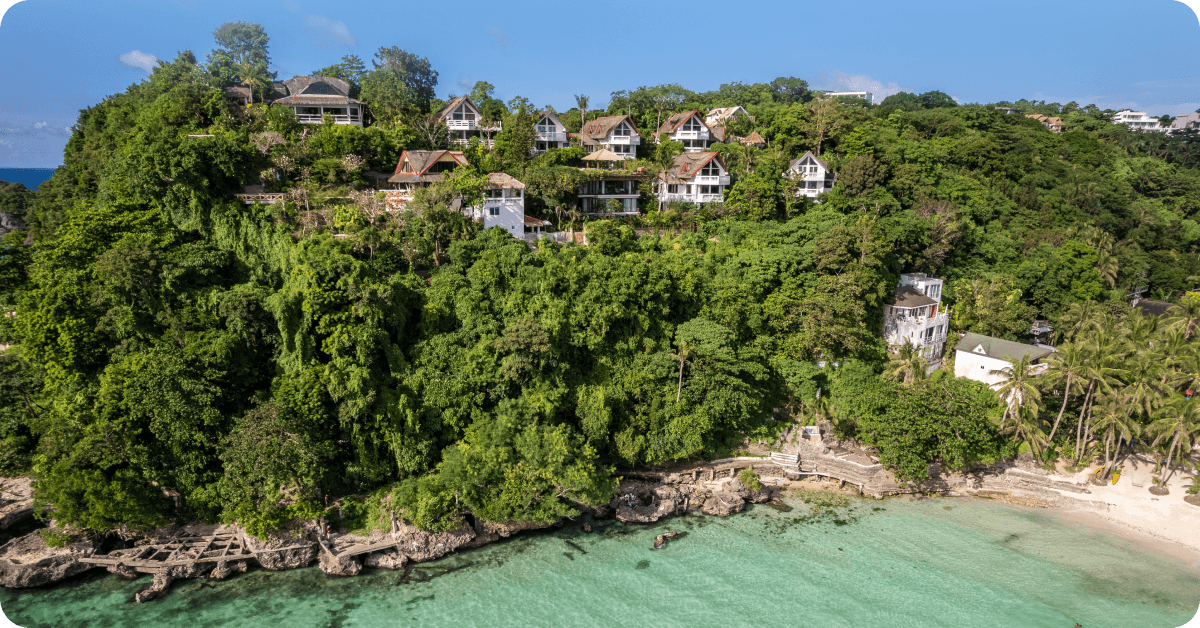
Key point | Details |
|---|---|
Visa duration | Up to one year, renewable for the same duration. |
Minimum income | Sufficient foreign income generated outside the Philippines. No official minimum amount has been published yet, but you might need to earn around US$2,000 per month. |
Other eligibility points | Must be 18+ and have remote work using digital technology with foreign income as well as proof of clean criminal record, health insurance. |
Application fee | DNV-specific fee not published yet. Current Philippine consular visa fees are often around US$30-120, depending on nationality and entry type. |
Tax implications | No special DNV tax treatment has been confirmed yet. Foreign nationals are generally taxed on Philippine-source income, while foreign-source remote income and US filing obligations should be checked before a long stay. |
Cost of living | Around US$1,200-2,400 a month, with Manila and popular islands usually costing more than smaller cities. |
Family inclusion | Dependent rules are not yet clearly confirmed. A spouse or children would usually need their own visa, permission to stay, or separate entry status. |
Path to residency | No clear permanent-residency route has been published for the DNV itself. Longer-term stay would usually require qualifying under another Philippine visa or residence route. |
Regional travel | Good regional flight access from Manila or Cebu to Singapore, Hong Kong, Taiwan, Japan, South Korea, Thailand, and other Southeast Asian hubs. |
Best suited for | Remote workers who want English-language ease and island living. |
10. Taiwan

Key point | Details |
|---|---|
Visa duration | Six months initially, with possible extensions up to two years in total. |
Minimum income | US$40,000 a year for applicants aged 30+ or US$20,000 a year for applicants aged 20-29. |
Other eligibility points | Resume or portfolio, work contracts, intended activities form, bank balance evidence, and international health insurance. |
Application fee | Visitor visa fees are usually US$50 for single entry or US$100 for multiple entry when applying overseas. Rush-processing or reciprocity fees may add to the cost. |
Tax implications | Tax residency may apply after 183 days or more in Taiwan in a taxable year. Residents may need to report Taiwan-source income and pay tax on compensation for work performed in Taiwan. |
Cost of living | Around US$1,500-2,700 a month. |
Family inclusion | No clear dependent route is listed for the digital nomad visitor visa, so a spouse or children may need separate entry status. |
Path to residency | Temporary-stay route only. Extensions may be possible, but this visitor visa does not directly lead to permanent residency. |
Regional travel | Good flight base for short trips to Japan, South Korea, Hong Kong, the Philippines, Vietnam, Thailand, and Singapore. |
Best suited for | Remote tech workers who value safety, convenience, and infrastructure. |
Need data in Asia and Oceania? Get an eSIM!

1 GB
7日間
US$4.99
3 GB
30日間
US$12.49
5 GB
30日間
US$19.49
Taxes for US citizens living abroad as digital nomads
Which countries with digital nomad visas lead to citizenship?
How to choose the best country with a digital nomad visa

Stay connected with the Saily eSIM app
Affordable mobile data plans for every journey.
