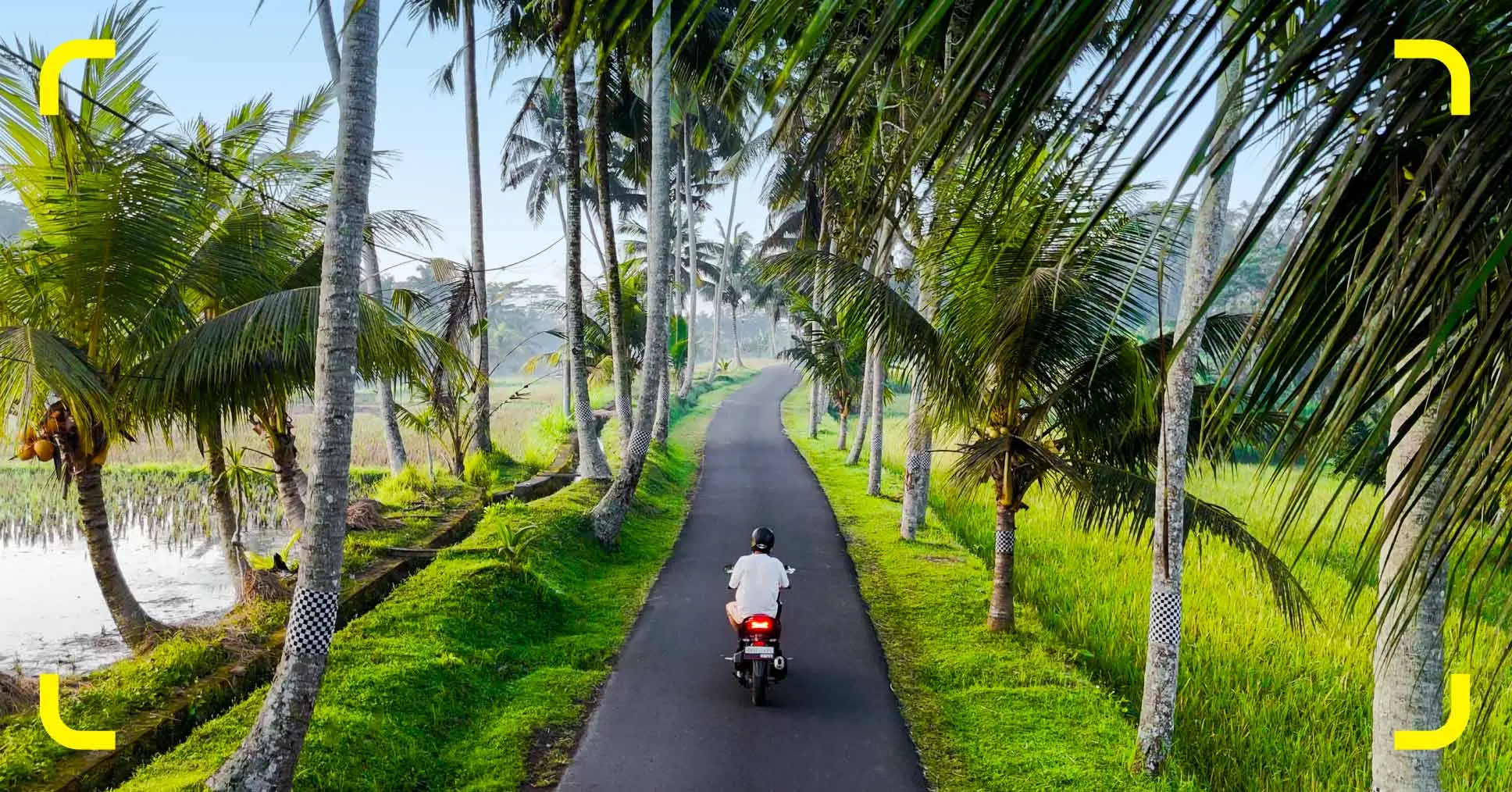




15 best things to do in Costa Rica in 2026
Costa Rica may be small, but it delivers outsized experiences. Protecting over 25% of its land and harboring around 6% of the world's biodiversity — from sloths and monkeys to toucans and scarlet macaws — it's one of the top eco-tourism destinations on the planet and the home of pura vida living. So what is Costa Rica known for? Extraordinary biodiversity, for starters. But wildlife is only the beginning. In one trip, you can hike volcanoes, wander cloud forests, and relax on beaches along both the Pacific and Caribbean coasts. If it's your first visit, this guide rounds up 15 of the best things to do in Costa Rica across nature, adventure, beach, and culture.
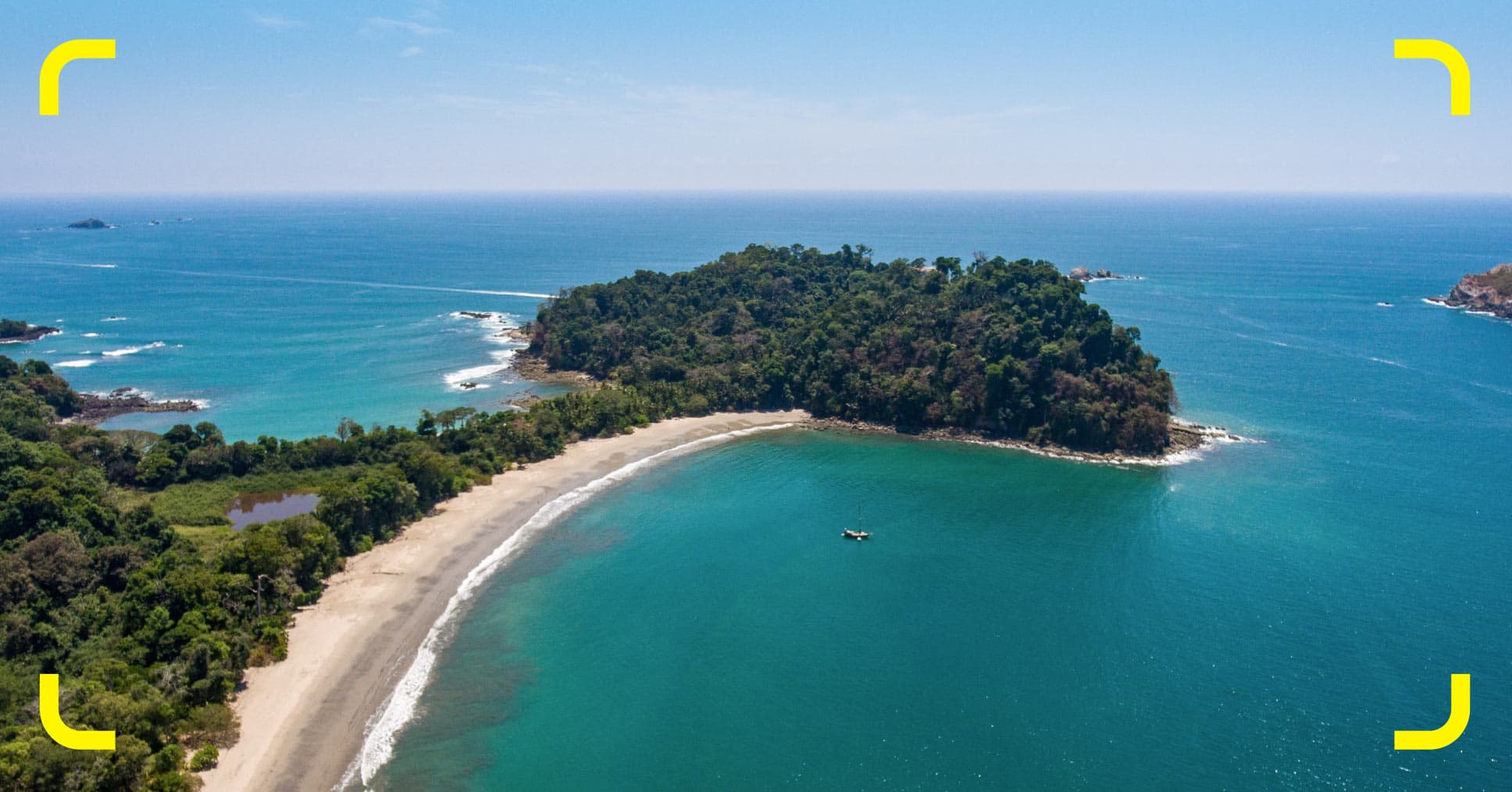
Table of Contents
- 1. Hike Arenal Volcano and soak in hot springs
- 2. Zipline through the Monteverde cloud forest
- 3. Explore Manuel Antonio National Park
- 4. Chase waterfalls across the country
- La Fortuna Waterfall
- Rio Celeste Waterfall
- Llanos de Cortés Waterfall
- 5. Go white-water rafting on the Pacuare River
- 6. Spot wildlife in Corcovado National Park
- 7. Surf the Pacific and Caribbean coasts
- 8. Walk the hanging bridges in the cloud forest
- 9. Relax on Costa Rica’s stunning beaches
- Playa Conchal
- Playa Uvita (Whale Tail)
- Cahuita (the Caribbean coast)
- 10. Take a coffee or chocolate farm tour
- 11. Go on a nocturnal wildlife walk
- 12. Enjoy a sunset sailing cruise
- 13. Visit Tortuguero National Park
- 14. Experience Costa Rican food and local culture
- 15. Stay connected in Costa Rica with Saily
1. Hike Arenal Volcano and soak in hot springs
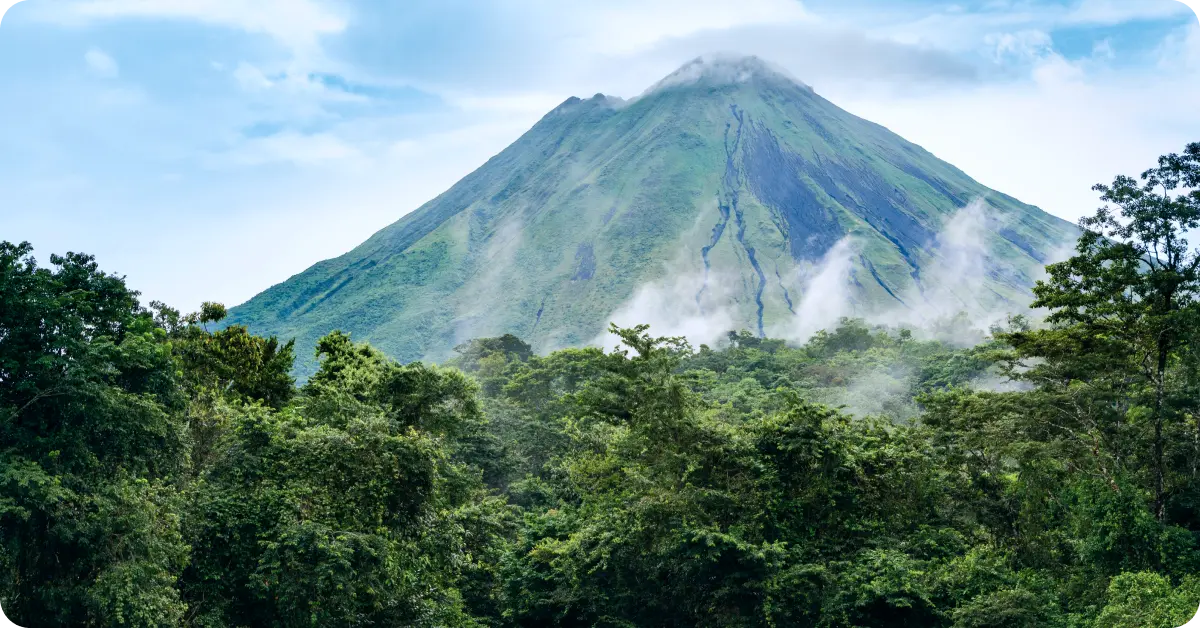
Arenal is one of the first places most travelers picture when they think of Costa Rica. The near-perfect volcanic cone rising above dense green forest is an iconic image, with the town of La Fortuna sitting conveniently nearby.
Arenal Volcano National Park has several trails through forest and old lava fields, including the 1.7-kilometer Coladas trail, with views toward the volcano and, from higher points, Lake Arenal. Although you can’t hike to the crater, the trails cross a landscape visibly shaped by past eruptions.
Before setting out, sort out your mobile data — trail maps, park updates, and booking confirmations because hot-spring resorts are all easier to manage with a reliable connection. An eSIM like Saily is a simple option — you can set it up before you leave home, land in Costa Rica with data already working, and skip the hunt for a local SIM card in La Fortuna.
The park is open daily from 8 am to 4 pm, and admission for nonresident adults is currently US$16.95. If you’re traveling by rental car from San José, the drive to La Fortuna normally takes around three hours, although traffic and road conditions can easily add time. Having data on the road also means you can check live traffic and reroute if needed.
Once you’ve finished hiking, you can relax and soak in thermal water heated by the volcanic landscape. Resorts including Tabacón and Baldi offer developed hot-spring complexes, while other properties around La Fortuna range from quiet thermal pools to full spa experiences.
Other popular activities around La Fortuna include horseback riding, ziplining, and visiting waterfalls, which is one reason Arenal is seen by many as the number one thing to do in Costa Rica. The area combines scenery, hiking, wildlife, hot springs, and plenty of other attractions that Costa Rica has to offer within a relatively compact area.
2. Zipline through the Monteverde cloud forest
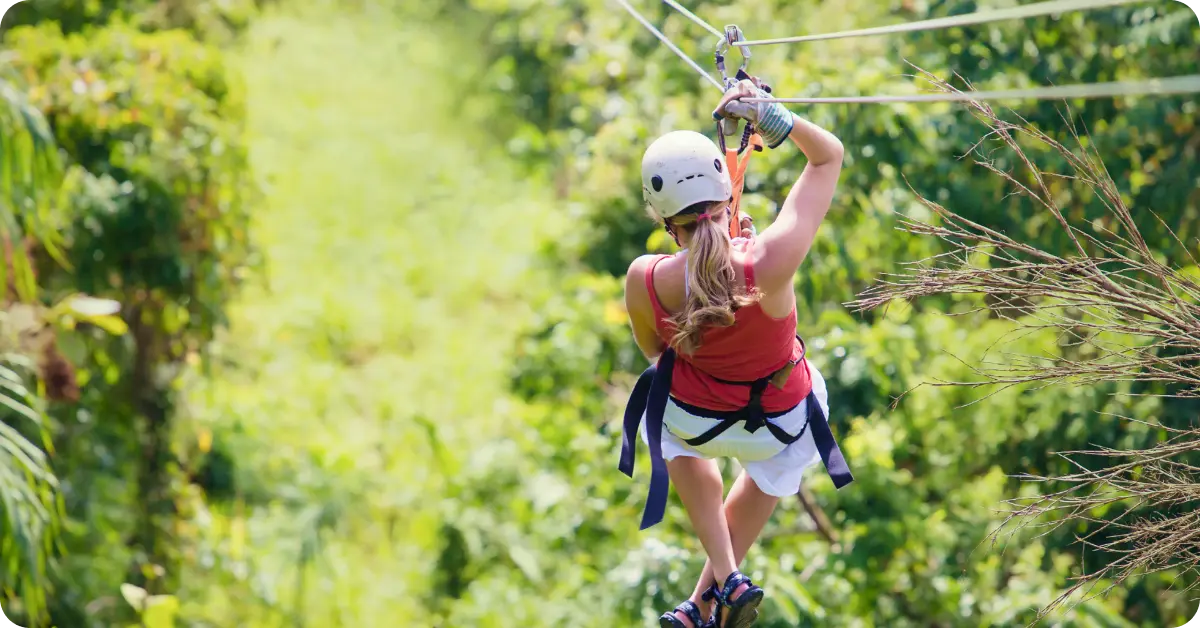
If walking through the rainforest seems a little too tame, Costa Rica will happily suspend you above it.
Canopy tours became closely associated with Costa Rica after early researchers used ropes and elevated systems to move through rainforest treetops. It wasn’t long before commercial recreational canopy tours developed there, helping turn ziplining into one of the country’s signature adventure activities.
Monteverde is the classic place to try ziplining. The cloud forest sits at a higher elevation than much of Costa Rica’s tropical rainforest, so instead of baking beneath a hot jungle canopy, you may find yourself flying through mist with forest ridges fading in and out of the clouds around you.
Selvatura Park operates 13 zip lines through the Monteverde cloud forest, including a main cable that is around 1 km long. Its standard canopy tour currently costs US$80 for adults, plus tax and fees, and takes roughly two to two and a half hours. Some courses also offer Superman-style lines and giant swings for anyone who feels ordinary ziplining isn’t exciting enough.
La Fortuna is another major ziplining center, where you can also combine a canopy tour with Arenal and the hot springs.
When heading off to such activities, wear closed shoes, secure long hair, and check age, height, weight, and health restrictions directly with the operator before booking.
3. Explore Manuel Antonio National Park
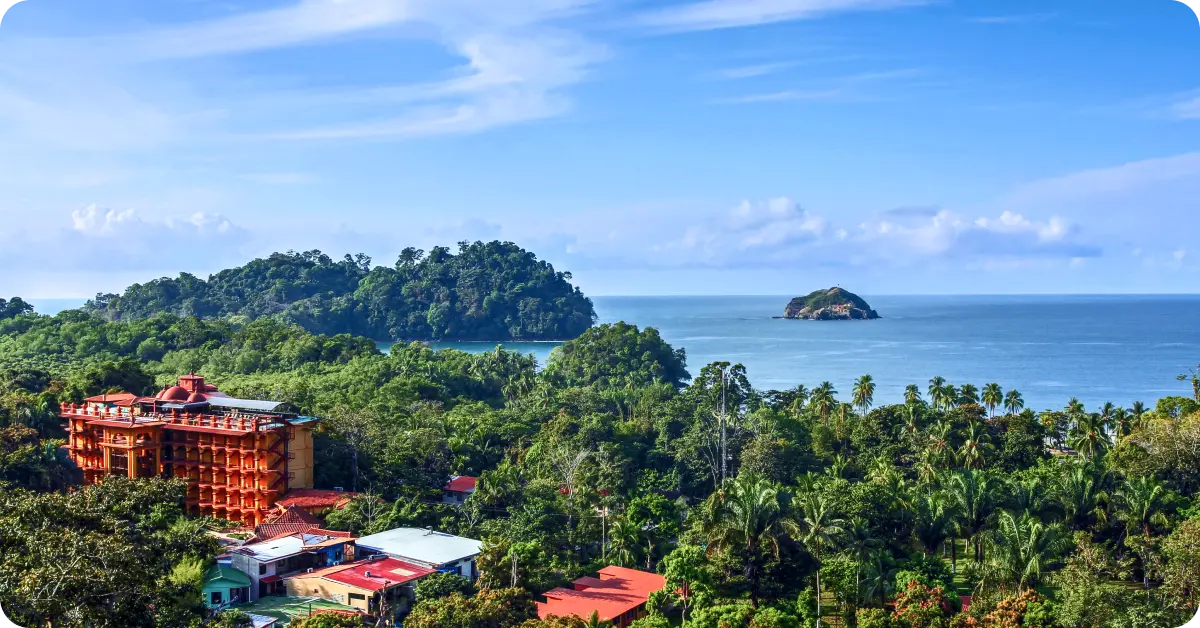
Manuel Antonio manages to combine rainforest, wildlife, and tropical beaches in one national park, which is why it remains one of the most popular places to visit in Costa Rica.
Trails through thick forest lead toward white-sand beaches, with plenty to see along the way. White-faced capuchin and howler monkeys live there, as do sloths, iguanas, coatis, birds, and plenty of smaller creatures you probably wouldn’t notice unless someone points them out. That’s why hiring a guide is worth it. They know where animals tend to hide and can help you make the most of the park’s trails. With a guide’s spotting scopes, what looks like a brown blob in a tree becomes a sleeping sloth.
Manuel Antonio sits around 157 km (97 miles) south of San José, close to Quepos. The park currently opens from Wednesday to Monday from 7 am to 3 pm and closes on Tuesdays. Nonresident adult admission is US$18.08, including tax, and tickets must be purchased online through SINAC, Costa Rica’s National System of Conservation Areas.
Book ahead to secure a spot, particularly in the dry season, and arrive early. You’ll have cooler walking conditions, better opportunities to spot wildlife, and more time to enjoy the beaches before leaving.
One word of warning — don’t feed the monkeys, no matter how persistent they may be. Human food disrupts natural behavior and can even harm wildlife.
4. Chase waterfalls across the country
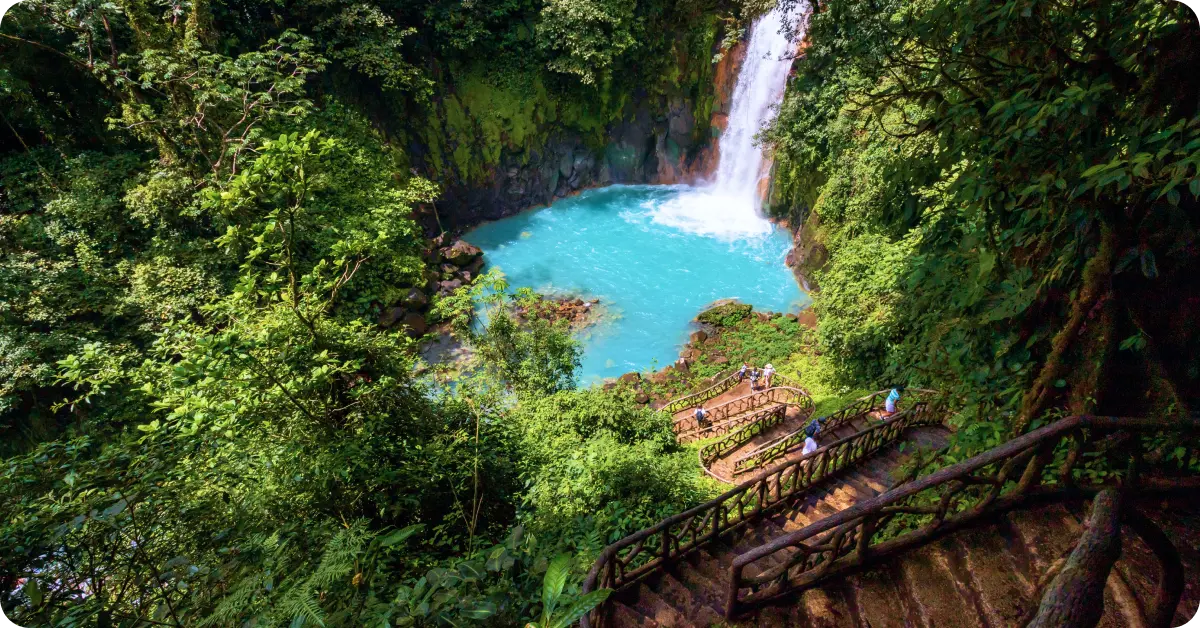
You could spend your entire stay in Costa Rica chasing waterfalls alone. Some thunder through rainforest, others tumble into swimming holes, and one spills into a pool so startlingly blue that it barely looks real.
La Fortuna Waterfall
Close to La Fortuna, the 70-meter (230-ft.) La Fortuna Waterfall plunges into a forested gorge below Cerro Chato. Reaching the bottom involves around 530 steps, and while the descent is relatively straightforward, you’ll really feel them on the way back up.
Foreign visitor admission currently costs US$20, and the site opens daily from 7 am to 5 pm. Swimming is allowed in designated areas when conditions permit, so bring a swimsuit and decent walking shoes.
Rio Celeste Waterfall
Inside Tenorio Volcano National Park, Rio Celeste is one of the most memorable things to see in Costa Rica. Its water is milky turquoise-blue, particularly around the waterfall and the point known as El Teñidero. This extraordinary color comes from suspended mineral particles that scatter sunlight, according to research from the University of Costa Rica.
Entry is permitted between 8 am and 2 pm, and the park closes at 4 pm. Nonresident admission is currently US$13.56, including tax. The main trail is roughly 3 km each way, so allow several hours rather than treating the waterfall as a quick photo stop.
Llanos de Cortés Waterfall
For an easier outing, Llanos de Cortés in Guanacaste has a broad sheet of water falling into a shallow pool surrounded by sand and forest.
It feels more like a natural swimming spot than a major national park attraction, making it a pleasant stop if you’re traveling between Liberia and other parts of Guanacaste. Access arrangements and local charges can change, so check before visiting rather than relying on old entrance-price information online.
5. Go white-water rafting on the Pacuare River
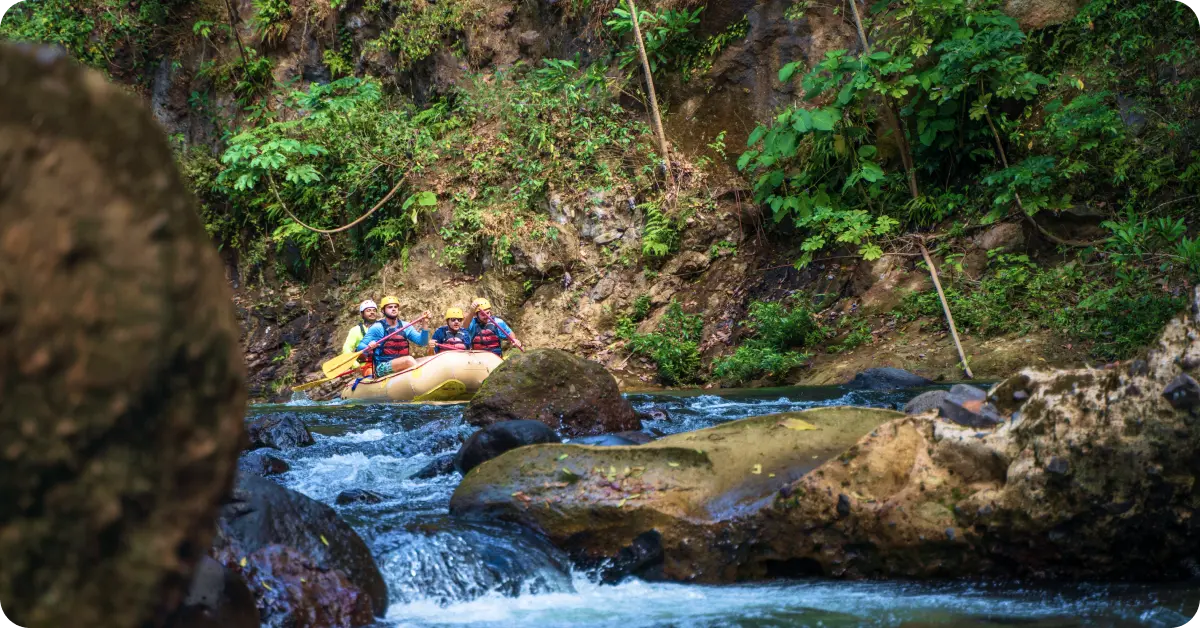
For a more adventurous way to experience the Costa Rican jungle, head to the Pacuare River, where Class III and IV rapids cut through steep, forested gorges.
Most rafting trips combine fast-moving sections with calmer stretches of river, giving you time to take in the scenery between rapids. Depending on the route and water conditions, you may also pass waterfalls, narrow canyons, and remote areas that are difficult to reach any other way.
Day trips generally include several hours on the river, transport, and meals. Pacuare Outdoor Center, for example, currently lists its 2026 one-day Pacuare trip at US$145 per person before tourism tax. Multi-day expeditions are also available, with overnight stays in lodges surrounded by rainforest.
River conditions vary with rainfall, so the experience can change considerably depending on the season. Reputable operators will adjust routes or restrictions accordingly.
Families should also check minimum ages before booking because operators usually set their own requirements according to river conditions and the section being rafted.
For active travelers looking for fun things to do in Costa Rica beyond hiking and beaches, the Pacuare offers a chance to experience the remote rainforest from the river rather than from a road or viewing platform.
6. Spot wildlife in Corcovado National Park
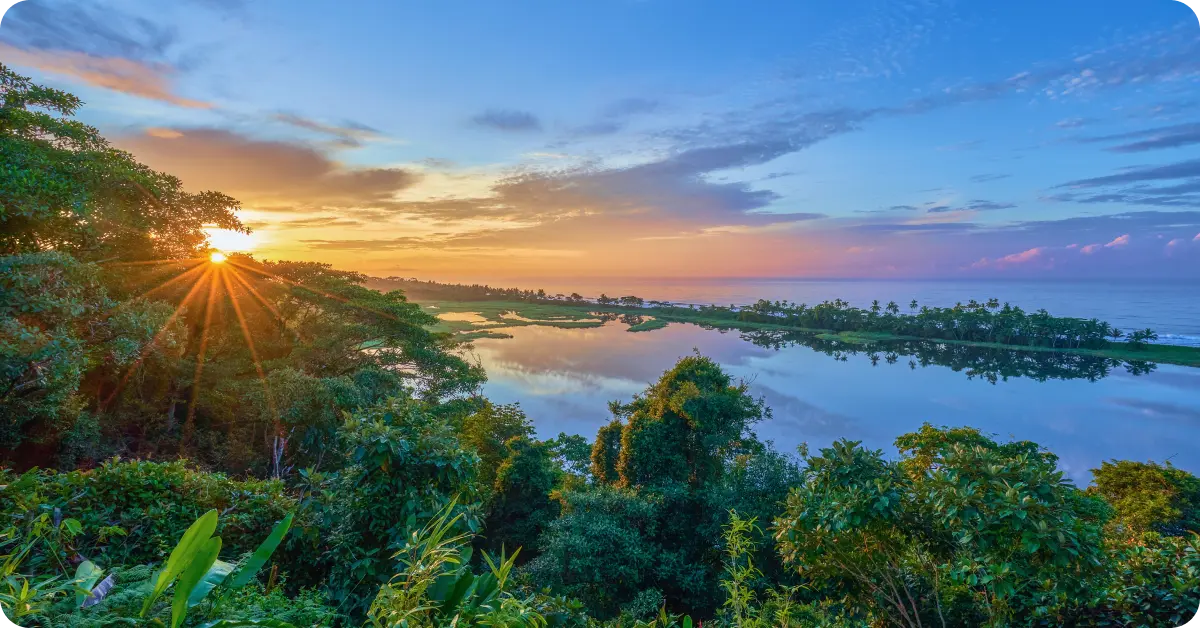
Corcovado National Park is one of Costa Rica’s wildest and most remote protected areas. Located on the Osa Peninsula in southwestern Costa Rica, it protects vast areas of lowland tropical rainforest and supports some of the country’s most diverse wildlife. You may encounter Baird’s tapirs, scarlet macaws, peccaries, coatis, anteaters, monkeys, crocodiles, and countless birds and reptiles. It’s also home to jaguars and pumas, although you’re exceptionally unlikely to bump into one — fortunately!
All four of Costa Rica’s native monkey species live in Corcovado — mantled howlers, white-faced capuchins, spider monkeys, and squirrel monkeys.
Depending on which sector you visit, you can reach the park overland or by boat from Drake Bay and Puerto Jiménez. Corcovado has several ranger sectors, including Sirena and San Pedrillo, and you will need an advance reservation to enter. Guide requirements can vary by sector, but even where one isn’t compulsory, it’s best to hire a registered guide if you are a first-time visitor, both for navigation and wildlife spotting.
Traveling there takes time, the conditions are humid, and some routes are physically demanding. But if observing wildlife is one of your main reasons for visiting Costa Rica, Corcovado is well worth the extra effort.
Bring lightweight clothing, plenty of water, insect repellent, rain protection, and binoculars. Our Costa Rica packing list covers the essentials you’ll need for everything from rainforest hikes to beach days.
7. Surf the Pacific and Caribbean coasts
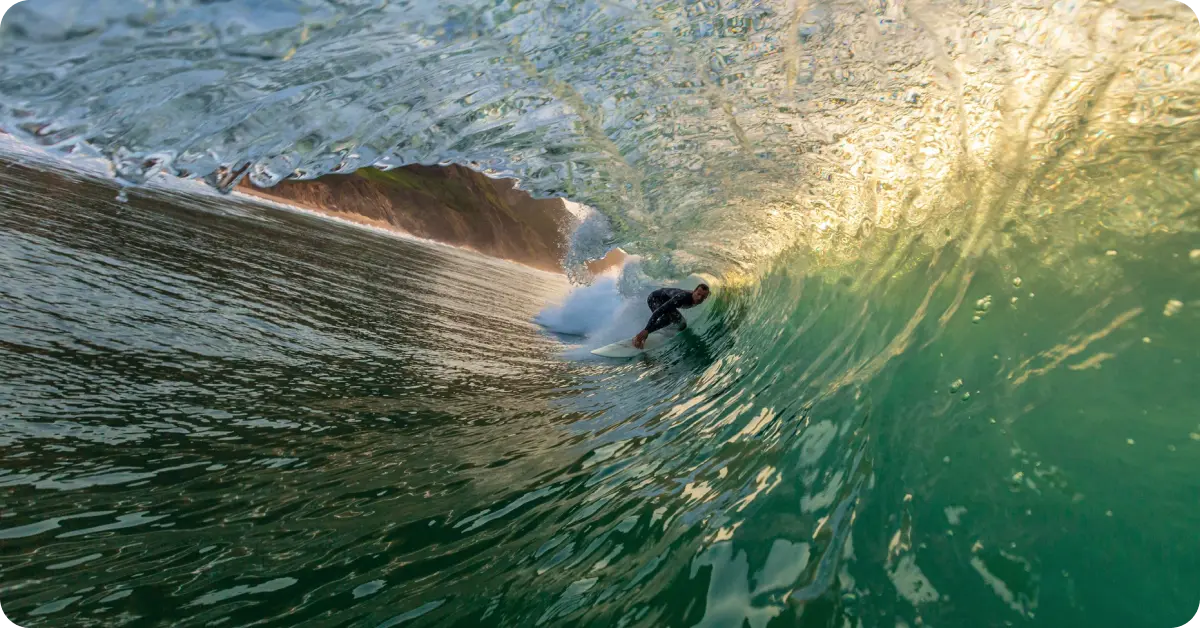
With the Pacific on one side and the Caribbean on the other, Costa Rica is a surfer’s paradise, no matter what your experience level is.
Tamarindo in Guanacaste is a lively beach town that’s great for beginners, with surf schools, board rentals, plenty of accommodation, and several nearby beaches if you want to progress beyond your first lesson.
Farther down the Nicoya Peninsula, Santa Teresa attracts more experienced surfers as well as beginners, although conditions vary considerably by beach and season. Stronger surfers can head to Playa Hermosa near Jacó, which is known for its powerful and consistent waves.
On the Caribbean side, Playa Cocles near Puerto Viejo has a completely different vibe, with stronger waves and surf culture mixed into the relaxed atmosphere of the southern Caribbean.
A group lesson commonly costs around US$50-65 for two hours, while daily board rentals often start around US$20-25, depending on location and equipment. One surf lesson is enough to discover whether you have a hidden natural talent or should stick to dry land.
Either way, surfing is one of the best things to do in Costa Rica if you want to do more with your beach time than lie on the sand.
8. Walk the hanging bridges in the cloud forest
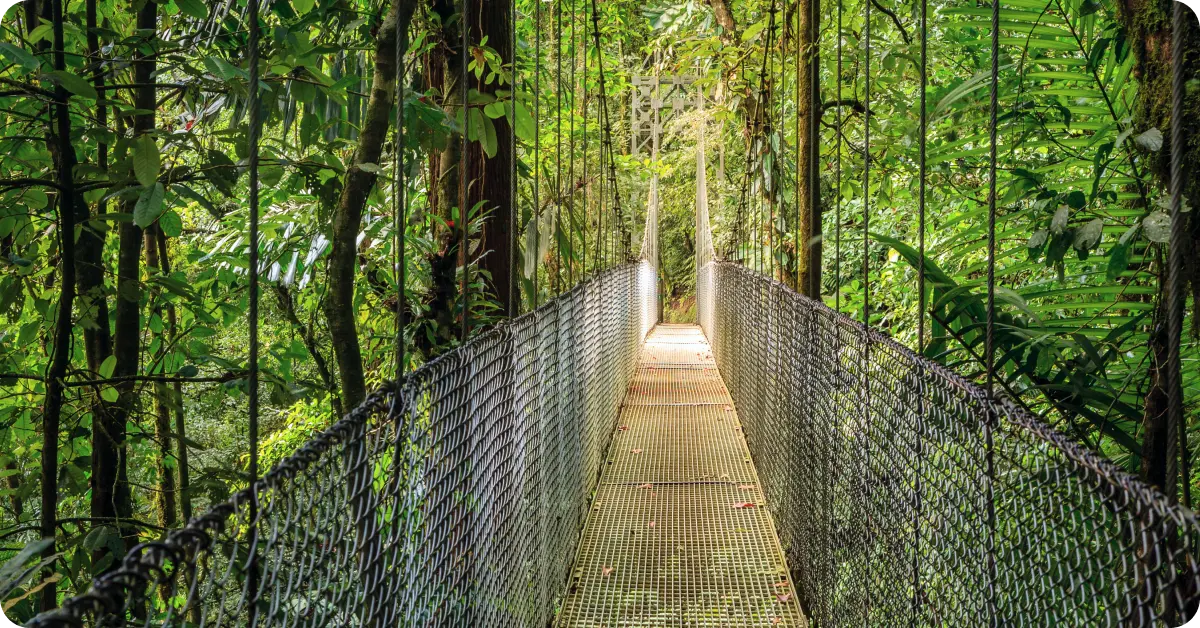
Costa Rica offers plenty of ways to explore the rainforest canopy without ziplining.
Around La Fortuna, Mistico Arenal Hanging Bridges Park has a network of trails and bridges running through rainforest, with occasional views toward Arenal Volcano. Monteverde offers similar experiences at Selvatura Park, while the wider area, including the Monteverde Cloud Forest Reserve, is famous for its cool, misty forests.
Walking at canopy height immerses you in the middle and upper layers of the forest, where you can stop to observe vines, birds, butterflies, and wildlife that can be difficult to spot from the ground.
That makes hanging bridges one of the most engaging things to do in Costa Rica with kids or as a multigenerational family activity. Just note that the route includes uphill walking, and rain is always possible, so “family friendly” doesn’t necessarily mean “stroller friendly.” Check accessibility with individual parks before booking and go early if wildlife spotting is your priority because forest animals tend to be more active during the cooler hours.
9. Relax on Costa Rica’s stunning beaches
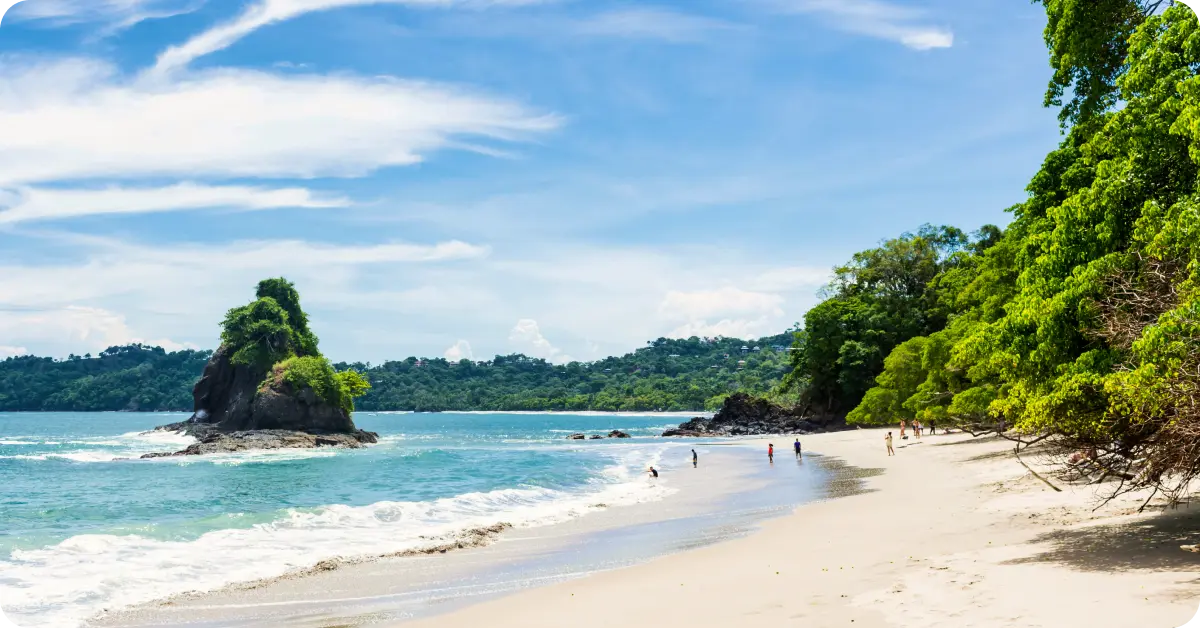
From surf breaks and scuba diving to calm swimming spots and snorkeling reefs, Costa Rica’s Pacific and Caribbean coasts offer very different beach experiences. Visiting both gives you a much fuller sense of the country’s stunning coastline, which rank among the most beautiful places in Costa Rica.
Playa Conchal
Playa Conchal in Guanacaste takes its name from the shell fragments that cover much of the beach, giving the shore a pale, textured appearance.
The water is usually clear enough for swimming and snorkeling when conditions are good, and the beach makes an easy addition to a Guanacaste itinerary around Tamarindo, Flamingo, or Brasilito.
Playa Conchal has also earned Costa Rica’s Blue Flag ecological certification, which recognizes beaches for environmental quality, cleanliness, and safety.
Playa Uvita (Whale Tail)
On the southern Pacific coast, Playa Uvita forms part of Marino Ballena National Park. Its best-known feature is the natural sand-and-rock formation created by the tides, known as Whale Tail. You can walk onto the formation around low tide, although the whale-tail shape itself is much easier to appreciate from above than while standing on it.
The park is also a departure point for whale watching and dolphin tours. Humpback whales visit the area during two main migration periods, while resident dolphins can be seen throughout the year.
Cahuita (the Caribbean coast)
Cahuita brings Caribbean character into the mix, with pale sand, rainforest, warm water, and one of the most important coral reef systems on Costa Rica’s Caribbean coast. The reef supports an impressive variety of marine life, including around 135 species of fish and 35 species of coral.
Cahuita National Park has coastal trails where monkeys, sloths, toucans, and other wildlife are often spotted. Guided snorkeling tours explore the protected reef, with authorized local guides helping visitors avoid damaging the coral while spotting marine life.
10. Take a coffee or chocolate farm tour

Long before tourism became one of Costa Rica’s biggest industries, coffee helped shape the country’s economy and landscape. Visiting a working farm offers a closer look at that history and lets you follow the process from harvesting coffee cherries to roasting and tasting the finished product. Tours are popular around Monteverde and the Central Valley, where the altitude and climate create good growing conditions.
Cacao tours tell a different story, with roots stretching much deeper into Central American history — from harvesting and fermenting the fruit to transforming it into chocolate.
Some farms combine coffee, cacao, and sugarcane, while others focus on tastings and demonstrations. A Monteverde coffee tour costs around US$40, although prices vary by farm.
If you want to connect the landscape with everyday Costa Rican life, farm tours are one of the easiest ways to do it.
11. Go on a nocturnal wildlife walk
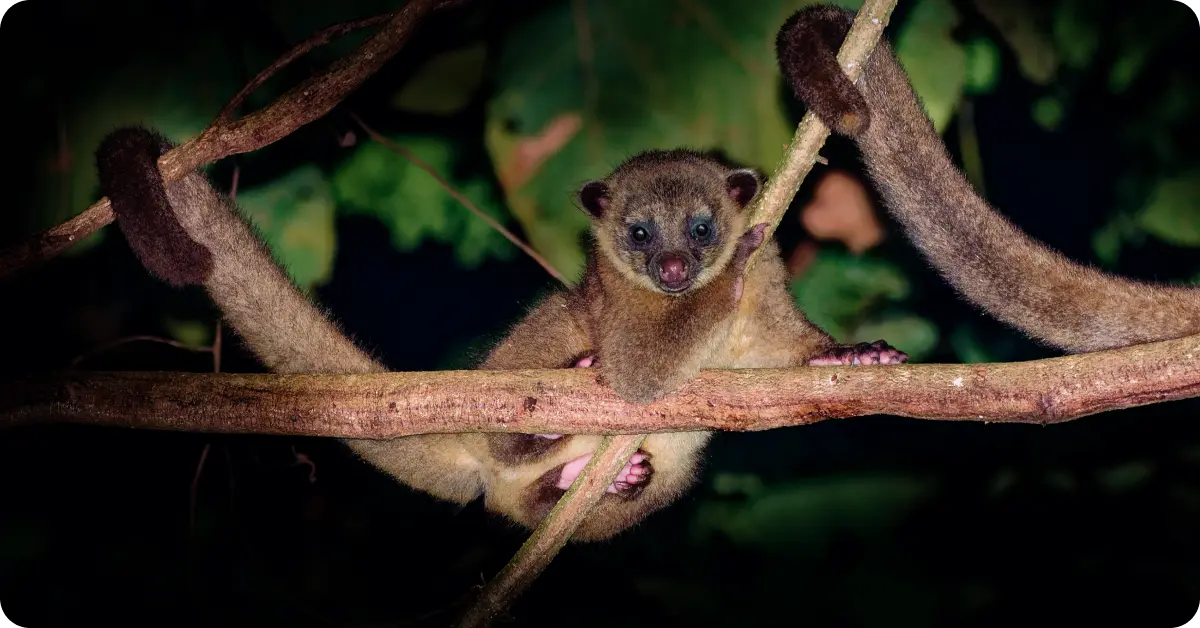
When the sun goes down in Costa Rica, wildlife becomes more active, and a guided night tour can reveal a different side of the beautiful rainforest.
You can join night walks around forest areas, for example, Monteverde, La Fortuna, and Manuel Antonio. Depending on the location and a bit of luck, you might see red-eyed tree frogs, glass frogs, snakes, insects, sleeping birds, tarantulas, bats, owls, or kinkajous.
Night walks commonly last around two hours, and tours in Monteverde can start at roughly US$30-50 per person. An experienced guide is particularly useful after dark because they know where to look and can identify creatures that would otherwise blend into the surroundings.
Wear closed shoes and long, lightweight trousers, and don’t wander away from the guide to investigate noises on your own. Most nocturnal wildlife will keep its distance, but staying on the trail and following your guide’s instructions is important.
Of all the cool things to do in Costa Rica, a night walk gives you the most unique chance to experience the rainforest after dark.
12. Enjoy a sunset sailing cruise
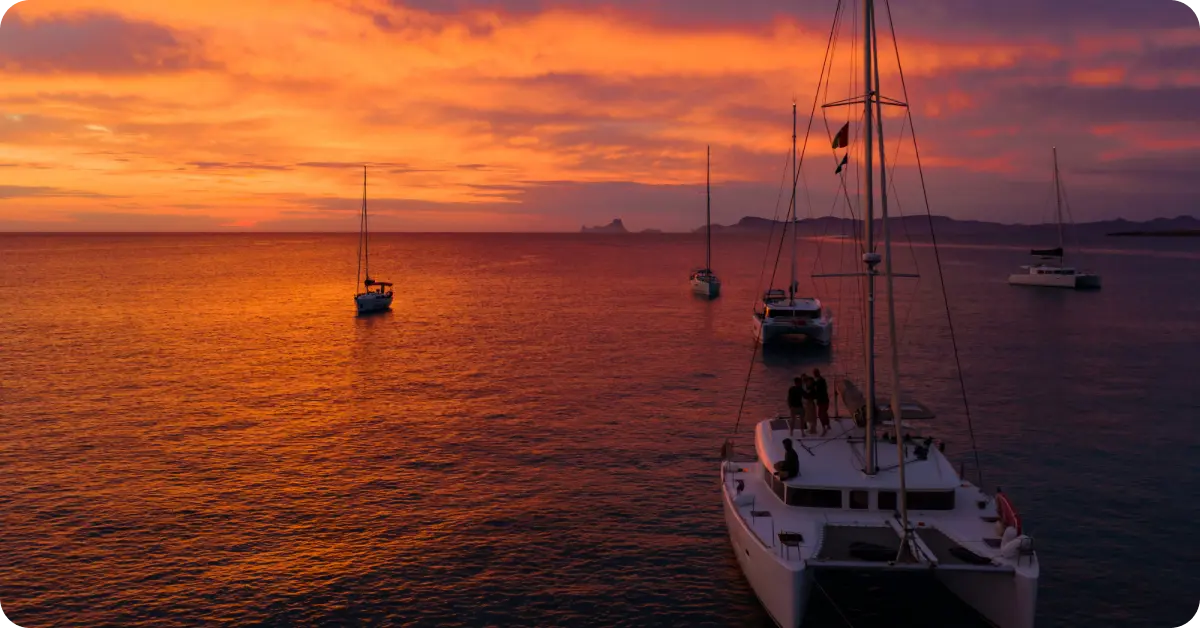
After several days of rainforest hiking, rafting, surfing, and wildlife spotting, a few hours aboard a catamaran can be a welcome change of pace.
Sunset cruises operate from several Pacific coast destinations, including Tamarindo, Playa Flamingo, Playas del Coco, and the Manuel Antonio area. Most head out during the afternoon, stop for swimming or snorkeling, then return while the sun sinks into the Pacific.
Trips commonly include snacks or a meal, drinks, snorkeling equipment, and music, although inclusions vary. Many shared cruises cost around US$75-120 per person, with private charters being considerably more expensive. Check the style of the boat before booking, particularly if you’re traveling with children. While some cruises are relaxed and family oriented, others have more of a party atmosphere.
You may also be fortunate enough to spot local marine life, including dolphins, rays, turtles, and seabirds. During whale migration seasons, you may even see whales in some parts of the Pacific.
Mostly, though, enjoy the simple pleasure of being on the water at sunset as a reminder that not every activity in Costa Rica has to be physically strenuous.
And if a few hours at sea leaves you wanting more, Costa Rica also works well as a starting point for longer sailing trips. For multi-day journeys, Saily offers an eSIM for cruise ships with dedicated plans designed to keep you connected even once you leave the coast behind.
13. Visit Tortuguero National Park
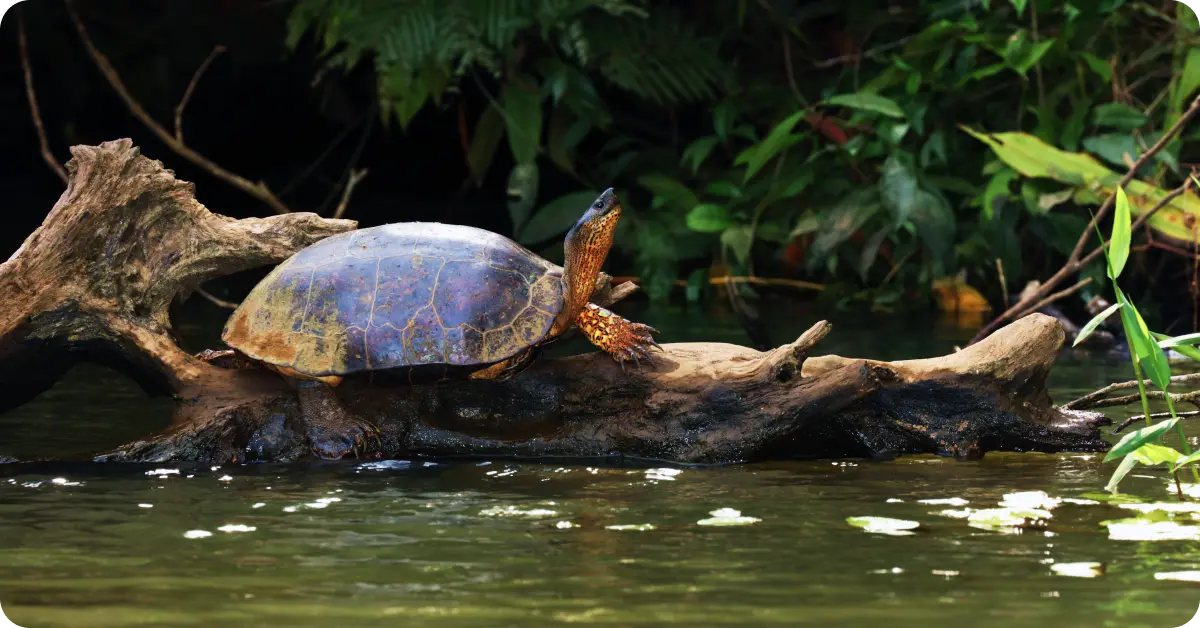
You can reach Tortuguero village by boat or small plane, while the national park itself is accessed by boat through an extensive network of rainforest waterways.
A boat tour or guided kayak trip takes you through the canals as monkeys, caimans, manatees, toucans, river turtles, sloths, and other wildlife appear along the way. Tortuguero is also one of the Western Hemisphere’s major nesting areas for green sea turtles from June to October, while other turtle species come ashore on the coastline at different times of year.
You can opt for a long, organized day trip from San José, but getting to Tortuguero takes time, and staying at least one night gives you a much better opportunity to explore the canals and appreciate the landscape without feeling rushed. If your itinerary is tight, an organized excursion to Tortuguero is possible, but allowing two or three days will give you a fuller experience.
14. Experience Costa Rican food and local culture

Sampling delicious food is one of the easiest ways to experience Costa Rican culture alongside all those outdoor adventures.
Start with gallo pinto, the rice-and-beans combination commonly eaten at breakfast with eggs, plantain, cheese, or tortillas. At lunch, look for a casado — typically rice, beans, salad, plantain, and your choice of meat, fish, or another protein arranged together on one plate.
Ceviche is common around the coast, while copos — Costa Rica’s version of a snow cone — combine shaved ice with flavored syrup, condensed milk, powdered milk, and sometimes ice cream. In Puntarenas, look out for the more elaborate Churchill, a local variation piled with extra toppings.
For inexpensive local food, look for a soda — a small restaurant, often run by a local family, serving traditional Costa Rican dishes, such as casados, gallo pinto, and soups. If you’re trying to save money on travel, eating where locals eat can make a noticeable difference.
Food also offers a way into one of Costa Rica’s best-known cultural expressions — pura vida. Literally translated as “pure life,” the phrase is used throughout the country as a greeting, farewell, thank you, reassurance, or simply an expression that everything is going well. You will hear it repeatedly, and probably start saying it yourself before the trip is over.
You can experience more of this local culture at fiestas, where food stalls, music, dancing, and traditional events vary from town to town.
15. Stay connected in Costa Rica with Saily
When visiting Costa Rica, having enough mobile data is an absolute must. You’ll need it for maps, transport, hotel messages, translations, weather updates, tour bookings, and checking opening hours while you move between cities, beaches, and more remote areas.
Reliable mobile data is only one part of getting ready for your trip. An international travel checklist can help you cover the practical details before you leave, from documents and insurance to phone setup.
Instead of looking for a physical SIM after arrival, you can install an eSIM for Costa Rica before your trip. An eSIM is a digital SIM profile, so compatible phones can connect without swapping out a physical card.
You can download the Saily eSIM app, choose a Costa Rica data plan, and set it up before departure. Plans currently start at US$7.99, and if you configure your eSIM in advance, your plan will activate automatically when you arrive. You can also use your Saily line for mobile data while keeping your primary SIM active for your regular number if your phone supports dual- SIM functionality.
Coverage can become patchier in remote mountains, rainforests, and national parks because eSIMs still depend on local mobile networks. Download essential maps, tickets, and booking details before heading somewhere isolated.
If Costa Rica forms part of a longer trip, an eSIM for Latin America may make more sense than separate country plans. Travelers continuing farther south can also compare options in our guide to using a South America SIM card.
That way, you can concentrate on spotting sloths rather than hunting for Wi-Fi.
Need data in Costa Rica? Get an eSIM!

1 GB
7 days
US$7.993 GB
30 days
US$18.995 GB
30 days
US$26.99
We do our best to keep everything accurate and up to date, but eSIM service provider prices, plans, and features can change quickly. If you spot something that seems outdated or incorrect, feel free to get in touch with us at [email protected] — we’d really appreciate the heads-up!
FAQ
Arenal Volcano and the surrounding La Fortuna area make a strong choice for a first visit because you can combine volcano trails, rainforest, wildlife, waterfalls, and hot springs in one destination. However, Costa Rica’s biggest strength is its variety, so Corcovado, Monteverde, surfing, or the Caribbean coast may be the highlight depending on your interests.
Costa Rica is best known for its biodiversity, national parks, tropical rainforests, volcanoes, beaches, wildlife, and adventure tourism. Around 26% of its land is protected, and the country is also closely associated with the pura vida approach to life.
The dry season from roughly mid-December through April is the most popular period, particularly for Pacific beaches and outdoor activities. However, Costa Rica has big regional differences, and the green season offers fewer crowds and lush scenery, so check the best time to visit Costa Rica for the regions you plan to explore.
Yes. Wildlife tours, hanging bridges, beaches, easy forest trails, farm tours, and many hot spring resorts work particularly well for families. La Fortuna, Guanacaste, and Manuel Antonio are among the easiest areas to combine child-friendly activities with good tourism infrastructure.
Allow at least seven to 10 days if you want to experience two or three regions without spending most of your holiday in transit. Distances can look short on a map, but mountain roads, traffic, ferries, and weather mean journeys often take longer than expected.
Avoid leaving phones, bags, or other valuables visible in parked cars, swimming in unfamiliar rivers or coastal areas without checking local conditions, and driving unfamiliar rural roads after dark where possible. For rafting, ziplining, diving, and other adventure activities, use established operators with trained guides and appropriate safety equipment.

Always connected, always on course
Connect instantly with a Saily eSIM and enjoy effortless internet access.

Related articles