

2 分鐘閱讀
Italy is a wonderland all year round. You can swim through crystalline waters, explore snowy mountain villages, and pick grapes in volcanic vineyards — but it all depends on when you go. If you’re planning a trip to Italy in 2026 and haven’t picked the dates yet, you’re in the right place. In this guide, we’ll tell you when the best time is to visit Italy, explore each season month by month, and highlight the best local landmarks and events.
目錄
For most people, the best time to visit Italy is spring (March to early June), though autumn (September and October) is a close second. Both seasons benefit from great weather, quiet streets, and low prices.
Spring is the best choice for exploring cities, which usually get a lot busier later in summer. From March to June, you can access most tourist attractions, but won’t be waiting in long lines or battling through crowds. September and October bring similar benefits — unlike in Europe’s northern regions, an Italian autumn can see temperatures rising to as high as 68°F (20°C).
Whether you’re touring Roman ruins or exploring fish markets in Sicily, you’ll find plenty to do in Italy whenever you visit. Let’s break down each season in the country and see what you can expect month by month.
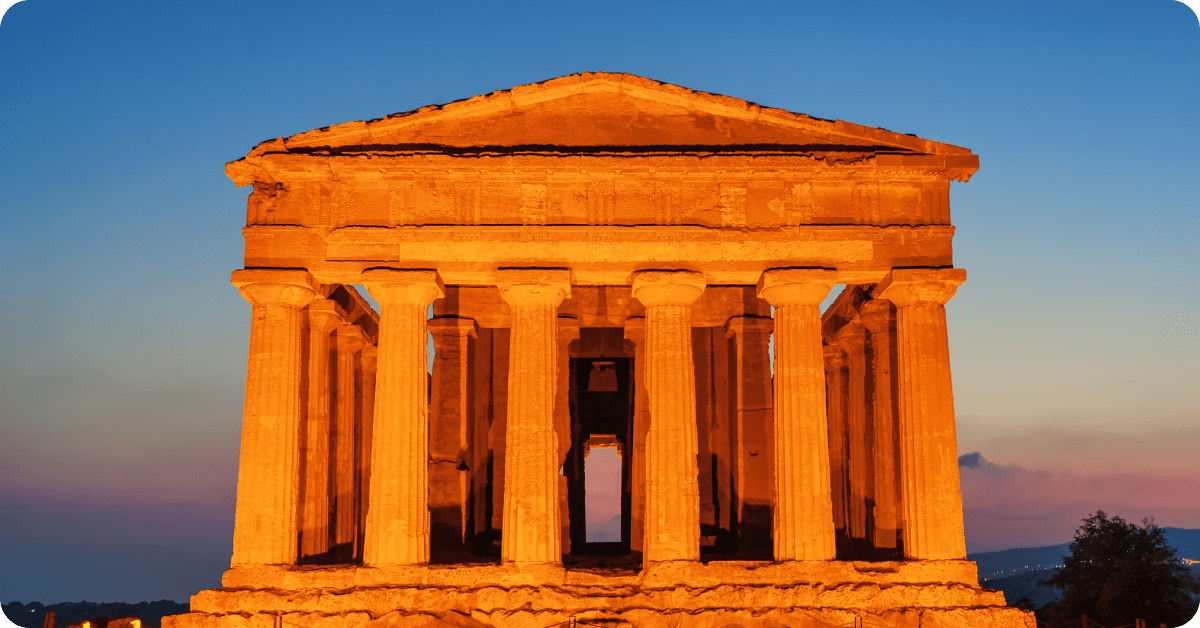
Spring, the first of Italy’s two so-called shoulder seasons, includes the country’s most balanced, comfortable months. It’s one of the best times to visit Europe in general, but this is especially true around the Mediterranean. Average temperatures rise steadily — expect heights of around 59°F (15°C) in March, 64°F (18°C) in April, 68°F (20°C) in May, and 75°F (24°C) in June — but the summer humidity remains at bay.
Rome is best enjoyed in spring — the temperature is comfortable and you can visit popular locations like the Forum and Trastevere without the crush of the summer tourists. Florence’s galleries and museums are quiet for most of the season, and by April, the city’s Boboli Gardens are in full bloom. But even though the big selling point of spring is how pleasant and uncrowded cities like Rome are, you don’t need to confine yourself to Italy’s urban hubs.
Spring is a great time for a road trip around the Italian countryside. Poppies and purple wisteria shimmer along the quiet backroads of Tuscany and Umbria. The beaches and cliffs of the Amalfi Coast beg to be explored, the region’s lemon terraces and coastal paths glowing in the spring sunshine. Among the Dolomites, the valleys burst into color, even as snow still shines on the peaks above.
All of Italy rewards exploration in spring, but here are our five favorite destinations for the season:
Tuscany — March to early April. In spring, Tuscany's rolling hills glow green, watered by the spring rains. Vineyards open to the public again, and the temperature can climb to 68°F (20°C). Towns like Siena and San Gimignano are lively, especially around Carnival, but not yet packed with visitors from abroad.
Rome — April to May. Spring is a good time for walking tours in the capital, especially around attractions like the Colosseum and the Vatican. The city’s ancient sites are quiet, the air is warm but dry (59–68°F, or 15–20°C), and most hotels aren’t overbooked. But how many days do you need in Rome? You should probably give yourself between three and five days to fully explore the city.
Amalfi Coast — May. Ferries and coastal roads reopen after winter, beaches are peaceful, and the citrus trees grow heavy with fruit. This really is the best time to see the Amalfi Coast. By May, the sea is warm enough for swimming, while those who don’t fancy a dip can tan by the waterside.
Sicily — May to early June. Late spring is a great moment for an adventure in southern Italy, and the island of Sicily in particular. Look forward to hot sunny days (72–79°F, or 22–26°C), long evenings spent exploring the ancient ruins of Sicily’s Greek settlements, and some of the most beautiful wildflowers in the country.
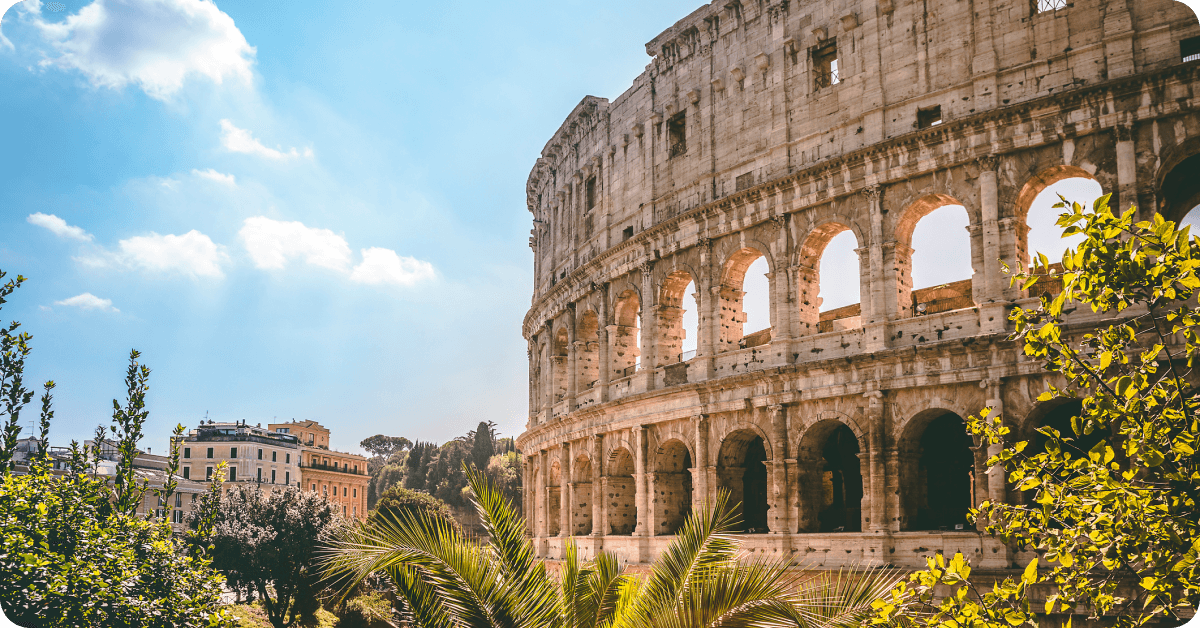
Summer is Italy at full volume — hot, dazzling, alive with festivals and open-air sporting events, and at times pretty overwhelming. Temperatures average around 75°F (24°C) in June, 81°F (27°C) in July, and 86°F (30°C) in August, with the cities often getting even hotter.
From north to south, every region has something to celebrate. In Siena, the legendary Palio di Siena horse race thunders through Piazza del Campo in July and August. Verona’s Arena Opera Festival turns a Roman amphitheatre into one of Europe’s grandest concert stages. Venice hosts the Festa del Redentore in July — a spectacular weekend of fireworks and boat parades — and Florence hums with boisterous energy during Calcio Storico, its historic June football tournament.
The downside of summer is the influx of tourists. If you’re visiting during this season, you’ll be one of millions doing the same. As a result, flights and hotels are typically much pricier throughout summer, and the crowds in cities like Rome and Venice make sightseeing a slow and laborious process.
With the heat intensifying, our top spots for an Italian summer are all about sea and shade:
Sardinia — June. Stay close to the water and enjoy the beautiful coastline of Sardinia, a large island off Italy’s western shore. The trick is to get there early — ideally, right on the cusp between spring and summer — before the July tourist rush really hits. If you have the cash, a stay in the Costa Smeralda area can be a wonderfully luxurious experience.
The Dolomites — July. High summer is the best time to visit Northern Italy, where you’ll find shady alpine meadows and manageable 68°F (20°C) hiking weather. This season is ideal for trekking, cycling, and mountaineering, and even in summer, skiing is an option. If you want to hit the slopes, head for the high-altitude glaciers around Val Gardena and Val di Fass.
Lake Garda — August. The best thing to do in hot Italian weather is get into the water, and Lake Garda is a magnificent place to do just that. The water is refreshingly cool and the mountain breeze takes the edge off the heat. The lakeside town of Sirmione makes a good base of operations for an extended trip to the area.
Bologna — Late June to July. The city’s porticoed streets offer some protection from the heat (which can easily hit 86°F, or 30°C, in the afternoons). At night, the town is alive with music, late-night restaurants, and (in June) open-air cinema showings as part of the Il Cinema Ritrovato festival.
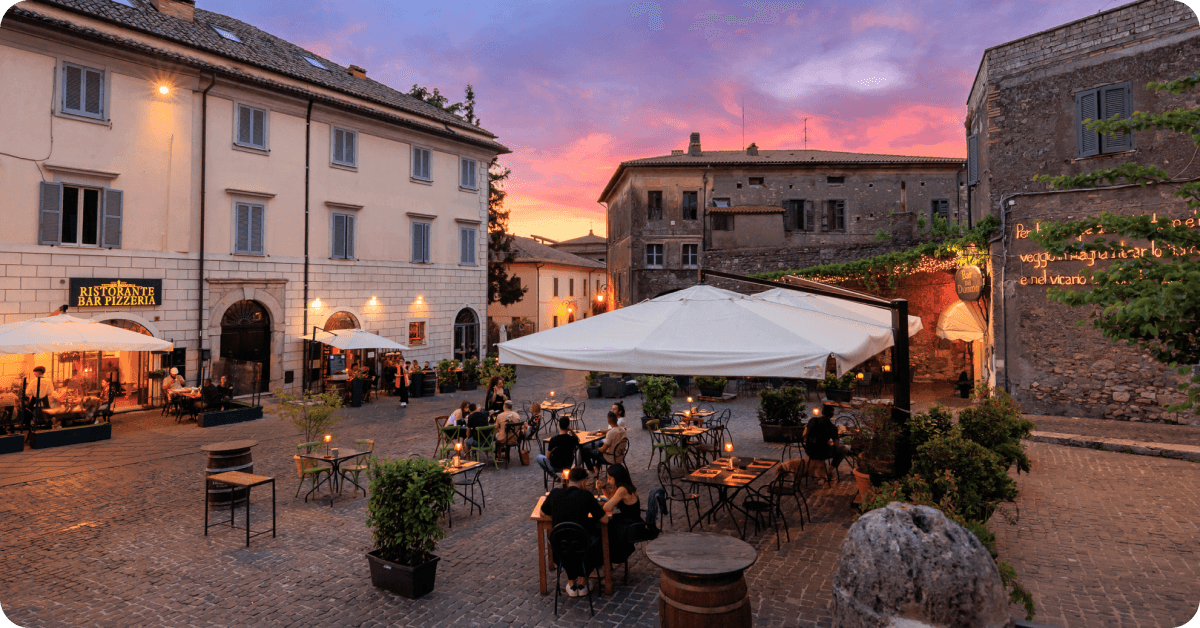
Like spring, autumn is another of Italy’s shoulder seasons, which usually means great weather and lower prices. Temperatures dip from around 77°F (25°C) in September to 68°F (20°C) in October and 59°F (15°C) in November. With the summer crowds thinning, cities become much more bearable.
September is the best time to visit Italy if you love wine, food, or both. That’s when the grape harvest is celebrated across Tuscany, Piedmont, and Veneto — wine lovers can attend local vendemmia (harvest) festivals and tastings. In October, the world-famous White Truffle Fair comes to Alba in the far northwest. A month later, in Umbria, olive presses open to the public as part of Frantoi Aperti (a celebration of olive oil and the culture around it).
Food isn’t the only selling point for this time of year, though. If you’re wondering how to save money while traveling, visiting countries during their shoulder seasons is always a good move. In Italy, that means booking flights for spring or autumn, when demand is lower. As a shoulder season, autumn is a great time to head back to the cities, just as the summer rush begins to fade:
Florence — September. With the temperature still as high as 75°F (24°C) most days, you can enjoy perfect weather while exploring one of the most beautiful cities in Europe. Crucially, you can do so without being jostled by too many of your fellow tourists. Art galleries like the Uffizi are no longer packed and you probably won’t need to queue to get inside the Cathedral of Santa Maria del Fiore.
Alba, Piedmont — October. The Piedmont region looks fantastic in autumn, as forests of larch and beech turn golden. Foodies can make the most of truffle season in the historic town of Alba, where the truffle festival takes place each year. If you enjoy hiking, you can take advantage of the pleasant 61°F (16°C) days, before winter really sets into the hills.
Venice — October. The best time to visit Venice is during autumn, when the crowds have gone home, but 63°F (17°C) days stick around. Low sunlight and quiet(er) canals make this the best month for photography and walks around the lagoon, but all the main attractions and visitor-focused amenities (like boat tours) are still available.
Umbria — November. The olive harvest season is marked with major festivals in the towns of Spello (L'Oro di Spello, or the Gold of Spello festival) and Trevi (Festivol, which takes place between October and November). Olive oil is a foundation of the country’s cuisine, so if you’re looking for an Italian culinary adventure, Umbria in autumn is the place to be.
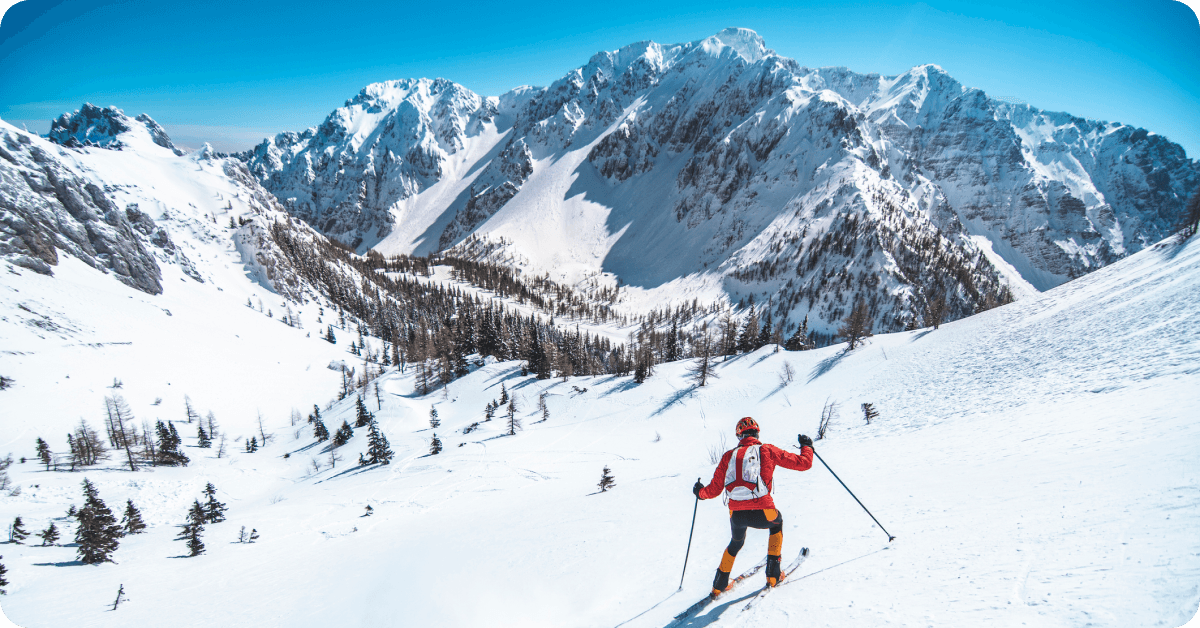
Winter is Italy’s “off” season. Temperatures average 46–50°F (8–10°C) in the north, 54–57°F (12–14°C) in central regions, and 59–63°F (15–17°C) in the south. The Dolomites and Alps get much colder, offering perfect conditions for skiing, snowboarding, and other adrenaline-fueled winter sports.
Italy’s cities are wonderfully atmospheric in winter. Rome, Florence, and Milan host bustling Christmas markets and festive lighting displays. Naples is famous for its handmade nativity scenes along Via San Gregorio Armeno. After Christmas, winter celebrations peak with Carnevale di Venezia in February. During this event, masked balls, canal parades, and elaborate costumes transform Venice into a dreamlike spectacle straight out of the 15th century.
Italy might be a little quiet in the winter months — many tours are off until spring at the earliest — but you won’t be bored. If you’re planning a Christmas or New Year break, head for these locations:
Rome — December. Mild at around 55°F (13°C), Rome in December is filled with Christmas lights, festive decorations, and street markets. The Vatican and major sites are quiet, and you won’t struggle to find affordable accommodation. Just be prepared for the fact that a lot of businesses shut a little earlier than usual — this goes for most places throughout Italy around December.
Venice — January to February. Even before the Carnevale di Venezia kicks off in earnest, Venice in winter is a magical, otherworldly place. Cold mist often hangs over the canals, adding to the city’s mysterious, storybook atmosphere. On a more practical note, fewer cruise ships visit Venice in winter, so the streets and restaurants are much quieter and calmer than they are in summer.
The Dolomites — February. Clear skies and deep snow — this is peak skiing season. Unlike in summer, when good winter sports spots are limited and in high demand, visitors in winter can choose from a much wider range of slopes, accommodation, and price points. If you don’t want to break the bank on a luxury ski resort, you can find plenty of affordable accommodation options in towns like Canazei or Castelrotto.
Naples — February. With average temperatures around 52°F (11°C) and a dearth of tourists, Naples is a great destination in February. Walk the Spaccanapoli — the narrow street that cuts through the city’s historic center — or explore the vast Napoli Sotterranea, the network of tunnels beneath it. Attractions like the National Archaeological Museum are mostly still open, and if you want to see more you can take a trip out to the ruined Roman city of Pompeii, an easy day-trip from the city.
Ready to pack for your trip to Italy? A European packing list, and especially a list for Italy, should include the following essentials:
A European power adapter. Italy uses Type L plugs (sometimes Type C or F), and the voltage is 230V, so bring an adapter to charge your devices. Most European countries have standardized with the same adapter, so you can get more than one vacation out of this piece of kit.
Loose, light clothing. From spring until fall, Italian weather is best enjoyed in light, breathable clothing. Avoid dark colors that soak up the sunshine. Make sure to bring comfortable shoes to help with the cobblestone streets and steep hills.
Insect repellent. Mosquitoes have become a more prominent problem in Italy during the summer months, so bring some bug spray to be on the safe side. Even if you’re traveling in the shoulder seasons, it’s not a bad idea to bring some spray, as spring and autumn are getting hotter (and more bug-friendly) each year.
A credit card with no foreign transaction fees. Many stores and restaurants accept card payments in Italy, but make sure that yours allows you to spend overseas without additional charges.
An internet connection. You’ll need some way to get online in Italy — an Italian SIM card, a pocket Wi-Fi device, or an eSIM. An eSIM is probably your best choice here. Reliable internet access and easy deployment are the main benefits of an eSIM, but apps like Saily also come with extra features to boost privacy and security.
The best seasons to visit Italy are spring, March to early June, and autumn, from September to October. Both are great choices for affordable Italian city breaks, though fans of swimming and watersports might want to visit in summer. Winter has less mass appeal, but could be a great choice if you’re on a tight budget or really enjoy winter sports.
If you plan ahead, your trip to Italy can be a memorable adventure, filled with great food, stunning architecture, and breathtaking landscapes. To make sure you’re getting the most out of that experience, check that your phone is unlocked and eSIM compatible so you don't stress yourself out wondering, "Will my phone work in Italy?" Then, download an eSIM app in advance and purchase a prepaid data plan. With an eSIM for Italy, you’ll be connected to local mobile providers wherever you go without incurring overseas roaming charges. Whatever season you travel in, the easiest way to stay connected is with an eSIM.
Apps like Saily provide eSIM data plans for Europe, covering Italy and a range of other destinations. With flexible, affordable plans available, getting mobile data abroad has never been easier.



Malcolm loves food almost as much as he does traveling. From haggis in the hills of Scotland to roadside Kosovan pastries, his taste for adventure keeps him moving. But finding the best dining spot in a new locale is a lot easier when you can get online anywhere, anytime — that’s where his eSIM data plan comes in handy.
相關文章
2 分鐘閱讀