




Is Canada safe to travel to in 2026? Safety info and tips for tourists
Canada has a reputation for being one of the safest countries in the world — one that still stands in 2026. But since it’s the second-biggest country in the world by land mass, no single, sweeping statement about safety really encompasses the full picture — a camping trip in the Rockies calls for different precautions than a weekend in Montreal. This article aims to answer the question, “Is Canada safe to visit in 2026?” by examining up-to-date crime statistics, safety across major Canadian cities, safety in the Canadian wilderness, safety info for LGBTQ+, Black, and solo travelers, and general safety tips for every traveler visiting the Great White North.

Table of Contents
- Is it safe to travel to Canada right now?
- What is the current threat level in Canada?
- Common safety concerns for travelers coming to Canada
- Safety across Canada compared to the US and UK
- Safety in major Canadian cities
- Staying safe around Canadian wildlife
- Grizzly bear season
- Wildfire season
- Safety in Canada for LGBTQ+ travelers
- Safety in Canada for Black travelers
- 10 tips for staying safe in Canada
- Is Canada safe? Key takeaways
Is it safe to travel to Canada right now?
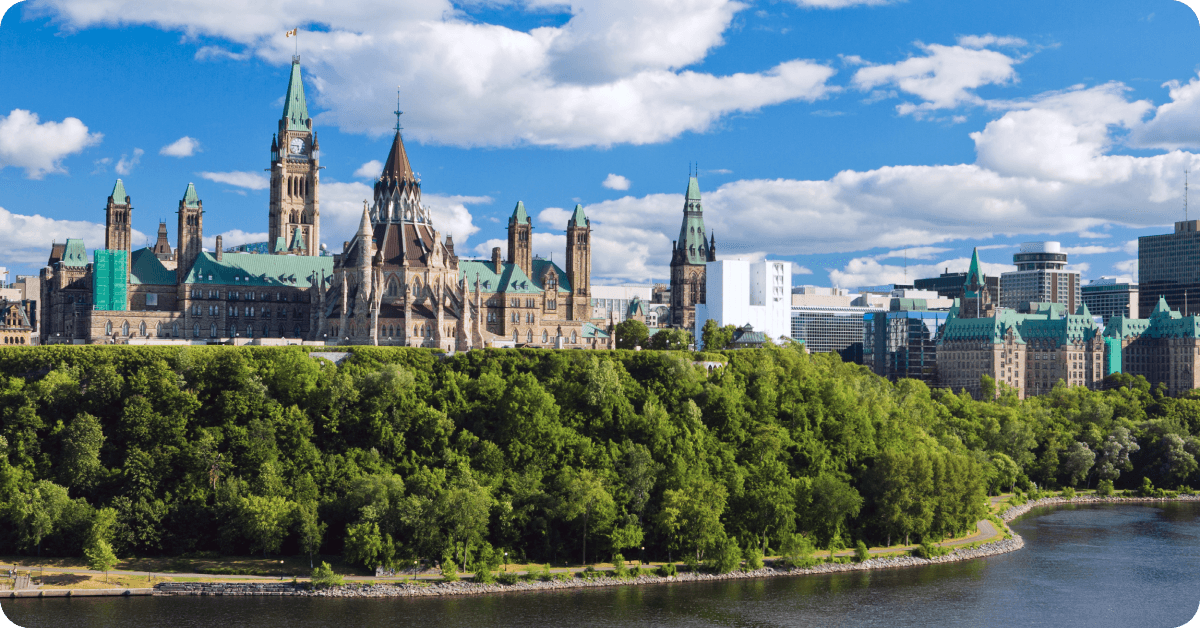
Yes, it is safe to travel to Canada right now. As of 2026, Canada ranks 14th on the Global Peace Index (opens in a new tab) — a data-driven ranking of peace and safety across 163 countries — making it the most peaceful nation in North America.
The US Department of State currently issues a Level 1 travel advisory for Canada — “Exercise normal precautions” — the lowest advisory level possible. This is the same travel advisory issued for Japan, Iceland, and Norway. In other words, the US government is not urging its citizens to think twice about visiting Canada due to crime, threats of terrorism, natural disaster, or political tensions. That said, you may have caught some headlines about trade tensions between Canada and the US, including steep tariff hikes and diplomatic friction. And while Americans may spot plenty of “Proudly Canadian owned” stickers on storefronts, Canadians aren’t exactly in the habit of taking political grievances out on tourists. Canadians are warm, even if relations between Ottawa and Washington are frosty.
What is the current threat level in Canada?
Canada does not operate on a color-coded national threat system the way some countries do. The Canadian Security Intelligence Service (CSIS) assesses the terrorism threat level separately, and as of 2026 it remains at “medium,” meaning an attack is possible but not considered likely. Organized violent crime exists in pockets of major cities but almost never intersects with tourist activity.
Common safety concerns for travelers coming to Canada
Canada is safe, but it isn't a utopia — no country is. The most common issues tourists encounter are predictable and manageable. Petty crime, pickpocketing, and opportunistic theft are the main things to watch out for in busy urban areas, transit hubs, and popular tourist spots. Rental car break-ins are a known issue in cities like Vancouver and Toronto, so leaving valuables visible in your vehicle is asking for trouble.
Certain neighborhoods in major cities do have higher crime rates than the city average. Downtown areas at night can feel unpredictable if you're not familiar with them, and some districts (more on those below) warrant more situational awareness. Wildfires are also a seasonal concern, particularly in British Columbia and Alberta from late spring through summer. Wildfires rarely affect city travelers directly, but they can disrupt flights and worsen air quality. The same goes for extreme winter weather, which can make road travel hazardous in many provinces.
Safety across Canada compared to the US and UK
Generally speaking, Canada has lower crime and homicide rates than the US and slightly higher ones than the UK. According to a 2025 comparative analysis by Statistics Canada, “Rates of homicide incidents remain considerably higher in the United States (5.7 homicides per 100,000 population) than in Canada (1.9 per 100,000).” One big driver of the gap between the two countries' homicide rates is Canada's stricter gun legislation. Private handgun ownership is heavily restricted in Canada, and firearm regulations are considerably tighter than in the US.
According to UNODC data compiled by Our World in Data (opens in a new tab), the UK's homicide rate in 2024 was roughly 1.0 per 100,000 — lower than Canada's, though both countries remain well below the US figure.
Country | Homicide rate per 100,000 (2023) |
|---|---|
Canada | 1.9 |
The United States | 1.1 |
The United Kingdom | 5.7 |
Safety in major Canadian cities
Homicide and crime statistics aside, Canada is enormous and experiences vary widely by city. Here’s what you can expect from safety across Canadian cities most frequently visited by tourists:
Toronto. Canada's largest city is generally safe for tourists, with a lively and well-policed downtown core. That said, petty theft can occur in any crowded area, and neighborhoods like Jane and Finch in the northwest have historically experienced higher rates of gun violence.
Vancouver. A stunning city and one of the most visited in the country, you’ll find no shortage of incredible things to do in Vancouver. The main caveat is the Downtown Eastside, particularly around East Hastings Street, which is one of Canada's most concentrated areas of open drug use and homelessness. It’s a humbling and poignant sight, but tourists are rarely targeted. Keep your wits about you if you accidentally stumble upon the area.
Montreal. Vibrant, bilingual, and extremely tourist-friendly. Petty theft can occur in crowded areas like the Plateau and Old Montreal, especially during festivals. The metro system is generally safe, but keep an eye on your bag.
Ottawa. According to a 2025 Ottawa Police Service report (opens in a new tab), overall crime, violent crime, and property crime in Ottawa remain above provincial baselines. Remain vigilant after dark and watch your belongings in crowded areas.
Calgary. A culturally unique city with a relatively low violent crime rate for its size. Some areas on the periphery of downtown can feel rough at night, but the city center and tourist districts are considered safe.
Quebec City. Consistently among the safest cities in all of Canada, with a Crime Severity Index (CSI) score that regularly puts it near the top of national safety rankings. Tourists tend to feel extremely comfortable here.
Victoria. British Columbia's capital has a well-earned reputation as one of Canada's most relaxed and visitor-friendly cities. It's walkable, relatively low in violent crime, and popular with tourists year-round. Like Vancouver, it has a visible homelessness issue in parts of the downtown core, but this rarely intersects with tourist safety.
City | Safety level | Risks | Notes |
|---|---|---|---|
Toronto, ON | Generally safe | Petty theft, isolated violent crime in certain neighborhoods | Avoid Jane and Finch |
Vancouver, BC | Generally safe | Petty theft | Open drug use, especially on East Hastings |
Montreal, QC | Generally safe | Pickpocketing, festival-season theft | Avoid Hochelaga-Maisonneuve. Old Montreal and Plateau are tourist-friendly |
Ottawa, ON | Generally safe | Petty theft, isolated violent crime in certain neighborhoods | Avoid Vanier after dark. Parliament Hill area is very safe |
Calgary, AB | Generally safe | Occasional street crime late at night | Avoid Forest Lawn. Downtown and tourist areas are relaxed |
Quebec City, QC | Very safe | Minimal | One of Canada’s safest cities |
Victoria, BC | Very safe | Minimal | Overall safe for tourists |
Staying safe around Canadian wildlife

When you think of Canada, certain animals tend to come to mind: grizzly bears, moose, and maybe even mountain lions. And if you’re coming from a place where the most dangerous wildlife is a pigeon, thoughts of being mauled by a grizzly can keep you up at night. But worry not — none of these animals pose any threat to you in a city. You’re sure as heck not going to run into a bear in Toronto (except for at the zoo). But if you’re planning on hiking in a national or provincial park like Banff, Jasper, Pacific Rim, or Algonquin, a few precautions are worth taking to avoid becoming someone’s lunch.
When hiking, make noise. Bears tend to avoid people when they hear them coming, but they don't like to be spooked. Talking, clapping, or using a bear bell while hiking lets them hear you in advance.
Carry bear spray. It's widely available, recommended by Parks Canada, and significantly more effective than most alternatives. Keep it accessible — not buried in your pack.
Store food properly when camping. Use bear-proof containers or hang food from a tree at least four meters (13 feet) off the ground and one meter (three feet) from the trunk. Never bring food into your tent.
Keep distance from moose. Moose may look docile, but they’re far from it. Parks Canada recommends staying at least 30 meters (100 feet) away.
Follow wildlife jam warnings. Don't stop for roadside wildlife. Pulling over to photograph an animal creates traffic jams and collision risk.
So, are grizzlies and territorial mama moose a threat to your safety while visiting Canada? They can be, but you’ll be in the clear with basic precautions. Thousands of people hike Canada’s parks every year without incident.
Grizzly bear season
Grizzly bears aren’t found all over Canada. They live primarily in British Columbia, Alberta, the Yukon, the Northwest Territories, and Nunavut — so if your trip is focused on Ontario, Quebec, or the Maritime provinces, grizzlies simply aren't a concern.
If you are heading into grizzly country, timing matters. Grizzlies typically hibernate from around November through April, emerging when temperatures warm and snow begins to melt. Late summer and early fall — when bears are eating intensively to build fat reserves before winter — are two periods when encounters in backcountry areas become more likely.
The trail tips above apply throughout the active season. If you're hiking in Banff, Jasper, Kootenay, or Yoho national parks between May and October, make bear awareness part of your trip planning.
Wildfire season
Canada's wildfire season typically runs from April through October, with the peak risk period falling between mid-May and late August. The provinces most consistently affected are British Columbia, Alberta, Saskatchewan, and Manitoba, as well as the Northwest Territories — though in severe years, smoke and air quality impacts can extend across much of the country.
For travelers, the main concerns are air quality, road closures, and disrupted access to parks and camping areas. Wildfires themselves rarely pose a direct threat to tourists in developed areas, but they can shut down hiking trails, force evacuations of nearby communities, and produce smoke thick enough to affect people with asthma or other respiratory illnesses.
Before any road trip or outdoor excursion in western or central Canada between May and September, check provincial wildfire status maps. British Columbia posts live updates at bcwildfire.ca (opens in a new tab) and Alberta at wildfire.alberta.ca (opens in a new tab). Both are updated daily during active fire seasons.
Safety in Canada for LGBTQ+ travelers
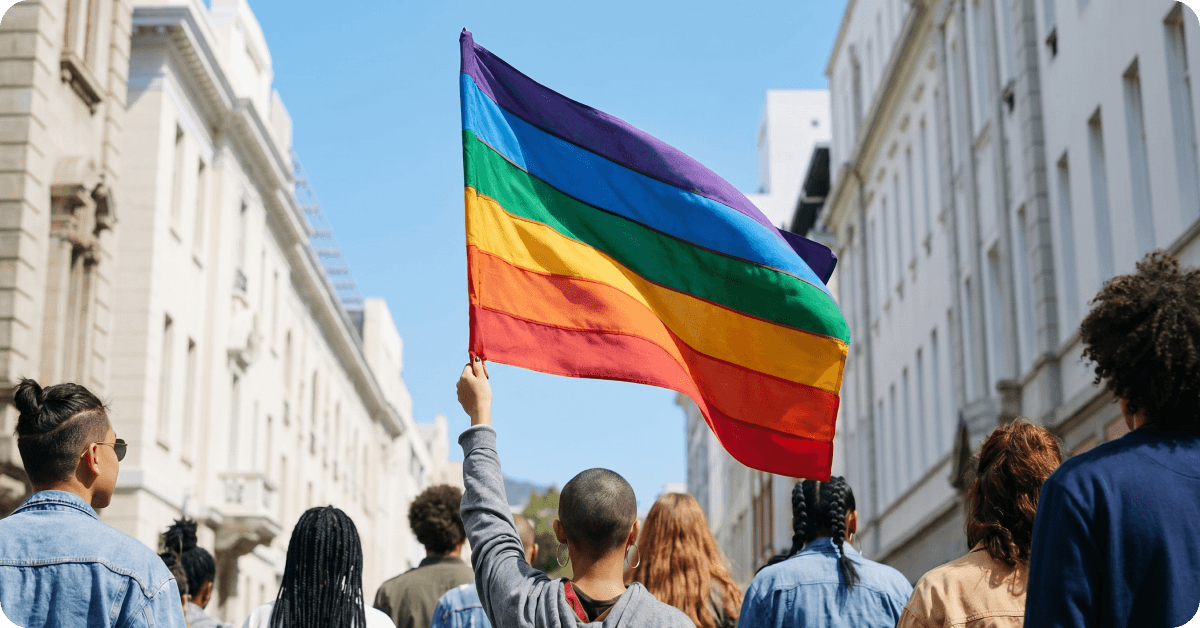
Canada is one of the most progressive and legally protective countries in the world for LGBTQ+ travelers. Same-sex marriage has been legal since 2005, gender identity and expression are explicitly protected under the Canadian Human Rights Act, and conversion therapy was criminalized federally in 2022. Discrimination on the basis of sexual orientation or gender identity is illegal under federal law and most provincial human rights codes.
Pride celebrations in Toronto, Montreal, and Vancouver draw millions of participants and are among the largest in the world. Toronto in particular is widely considered one of the most LGBTQ+-friendly cities on earth, with the Church-Wellesley Village serving as a long-established hub of queer life and community. Montreal's Village has a similarly long history as a center of queer nightlife and culture.
For transgender travelers specifically, Canada is considered significantly safer than many comparable destinations. Provincial healthcare systems vary in their coverage of gender-affirming care, but legal protections are solid. That said, rural and remote areas can be less accepting than urban centers — this is true everywhere, not just Canada. Use the same judgment you would in a small town anywhere else.
Safety in Canada for Black travelers

Canada is generally safe for Black travelers and residents, though it would be dishonest to pretend racism doesn't exist — Black Canadians report systemic and institutional discrimination. Day to day, however, Black travelers consistently say they feel welcome in Canadian cities, particularly Toronto and Montreal, where multicultural communities are part of the social fabric rather than an exception.
Toronto is also one of the world’s most multicultural cities, and many of its residents are Black. According to Statistics Canada, 55.7% of Toronto's population belongs to a visible minority group, and more than half of residents were born outside Canada — a higher proportion than any other major North American metro area. Much like London, Toronto has an enormous Caribbean diaspora (particularly Jamaican) that is woven into the everyday fabric of speech, food, and music.
As in any other country, experiences of Black travelers may be different in rural areas compared to cities. Visible minorities may occasionally encounter curious looks or ignorant remarks. Larger, more multicultural cities tend to feel the most comfortable.
10 tips for staying safe in Canada
Canada is one of the safest travel destinations in the world, but a little common sense goes a long way anywhere. Here are some practical safety tips to keep in mind.
Don't leave your valuables unattended. If you're working from a café and need to use the bathroom, take your laptop with you.
Watch your bags in busy areas. Markets, festivals, transit hubs, and popular tourist sites are prime environments for pickpockets. A crossbody bag worn at the front, or a bag with a zip, is a simple deterrent.
Get travel insurance. Canada's healthcare system doesn’t cover tourists. As a visitor, a single trip to the emergency room can cost thousands of dollars out of pocket. Check that your policy covers medical evacuation and trip cancellation.
Be cautious at night in entertainment districts. Alcohol-fueled environments exist everywhere, and Canada is no different. Stick with people you trust, use licensed ride-share services like Uber or Lyft rather than unmarked taxis, and plan how you're getting home before you go out.
Know the country’s emergency number. Dial 911 anywhere in Canada for police, fire, or ambulance.
Keep an eye out for wildfire advisories. If you're traveling through British Columbia or Alberta in summer, check provincial alerts before any road trip or hiking excursion. Air quality can deteriorate quickly, which matters if you have a respiratory condition.
Lock your rental car. Don't leave bags, electronics, or documents visible through the window. Car break-ins are a known issue in Vancouver and Toronto, and thieves often target rental vehicles.
Stay aware of weather, especially in winter. Road conditions in many parts of Canada can be extraordinarily dangerous from November through March. If you're renting a car, make sure it's fitted with winter tires, and check road conditions before any long drive.
Be respectful of Indigenous communities. Canada's First Nations, Métis, and Inuit communities have distinct cultures, protocols, and sensitivities. Try seeking out Indigenous-led tours to learn how to respect the land during your visit.
Have reliable mobile data handy. Having a reliable internet connection is crucial for safety and convenience when traveling through Canada. Instead of getting a prepaid SIM card in Canada, it’s easier and often cheaper to download an eSIM app and install an eSIM before you even leave for your trip. With Saily, you’ll be connected to the internet as soon as you land in Canada as long as you buy and install your eSIM before your trip.
Is Canada safe? Key takeaways
Canada ranks 14th on the 2026 Global Peace Index and carries the lowest possible travel advisory rating from the US State Department — Level 1, "Exercise normal precautions." By virtually every objective measure, it is one of the safest countries in the world to visit. If you are traveling to Canada, here’s what to keep in mind:
Check your country's travel advisory for Canada before you go — it's good practice for any international trip.
Don't let isolated crime headlines about specific neighborhoods put you off an entire city. Toronto, Vancouver, and Montreal are all welcoming, well-policed, and visited by millions of tourists every year without incident.
If you're hiking or camping, take precautions against wildlife. Carry bear spray, make noise while hiking on trails, and store food properly.
Having reliable mobile data is a safety precaution. You never know when you'll need to pull up a map or check wildfire advisories on the road. Instead of racking up a roaming bill or relying on public Wi-Fi, you can get a prepaid eSIM plan before leaving for Canada. eSIMs are safe and easy to use, and the Saily eSIM app even comes with built-in security features.
Need data in Canada? Get an eSIM!

1 GB
7 days
US$5.29
3 GB
30 days
US$12.99
5 GB
30 days
US$17.99
FAQ
Yes, it is safe for Americans to travel to Canada. The US State Department issues a Level 1 advisory for Canada ("Exercise normal precautions”), the lowest risk category possible. While the 2026 trade dispute has made headlines, there's no sign it has translated into hostility toward American tourists.
Canada is generally considered a safe place to live, though residents see a side of it that visitors don't. In discussions across communities like r/AskACanadian and r/canada, the sentiment is generally positive — most Canadians say they feel safe in their day-to-day lives, particularly in suburban and rural areas, and don't think twice about walking around cities at night in most neighborhoods. That said, many Canadians say the cost of living — particularly housing in cities like Toronto and Vancouver — worries them more than crime does. Some threads note that parts of downtown Vancouver and certain Toronto neighborhoods feel noticeably less safe than they did a decade ago, largely tied to the opioid crisis and visible homelessness.
Yes, Canada is safe from war. Canada is a member of NATO and is not involved in any active armed conflicts on its own soil. It is geographically remote from most global conflict zones and maintains a stable democratic government. There is no credible military threat to Canadian territory.
Canada is generally considered safer than the United States across most major indicators. According to a 2025 Statistics Canada study comparing crime trends in both countries, the U.S. recorded 5.7 homicides per 100,000 people in 2023 — three times Canada's rate of 1.9 per 100,000. Canada also ranked 14th on the 2026 Global Peace Index, compared to 128th for the U.S. The primary driver of this gap is firearm-related violence, which is significantly lower in Canada due to stricter gun legislation.
Quebec City consistently ranks as one of the safest cities in Canada — a 2026 poll narrowly placed it ahead of Ottawa for the top spot, and its Crime Severity Index score is among the lowest of any major Canadian city. Cities like Barrie and Markham in Ontario and Sherbrooke in Quebec tend to perform well on Crime Severity Index (CSI)-based measures.
Thompson, Manitoba, is frequently cited as having the highest violent crime severity in Canada based on CSI scores. Lethbridge, Alberta, ranks highly for overall crime including property crime, and Winnipeg consistently appears in national high-crime rankings.

Always connected, always on course
Connect instantly with a Saily eSIM and enjoy effortless internet access.

Related articles