





The ultimate Italy packing list for every season
Planning a trip to Italy? Chances are you’re already thinking about fresh pasta, morning espressos, long evenings in lively piazzas, and streets you’ll happily wander for hours. Packing, though, usually isn’t quite as exciting. But no worries, we’ve got you covered! In this Italy packing list, we’ll cover what to pack for every season, the travel essentials worth making room for, and the items you can confidently leave at home.

Table of Contents
- What to pack for Italy: Travel essentials you shouldn’t forget
- Italy travel packing list: Documents and money
- Tech and gadgets to bring to Italy
- Toiletries, health, and personal care items for Italy
- Packing list for Italy in summer: What to wear from June to August
- Packing list for Italy in autumn: Shoulder season essentials
- What to wear in Italy during winter and spring
- Study abroad packing list: Italy
- What not to pack for Italy
- Tips for planning your trip to Italy in 2026
- Printable PDF Italy packing list
What to pack for Italy: Travel essentials you shouldn’t forget
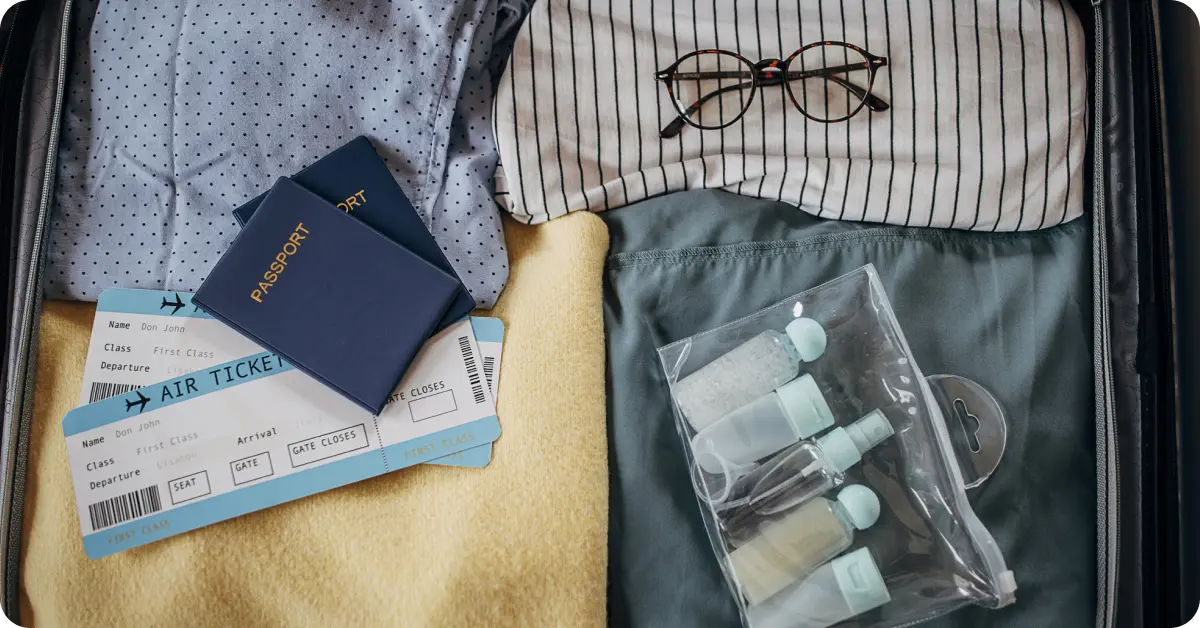
Some things belong in your suitcase no matter where you’re going in Italy or what time of year you’re visiting. Before you start planning outfits, make sure you’ve packed the essentials below:
Passport and copies of important documents. Keep digital or paper copies of your passport, travel insurance, and bookings in case the originals are lost.
Travel adapter. Italy mainly uses Type C, F, and L outlets, so don’t forget a compatible adapter for your devices.
A compact crossbody bag. It’s one of the easiest ways to keep your valuables secure, especially in major cities like Rome, Florence, and Naples, where pickpocketing is common. Generally speaking, Italy is safe, but, like in most popular destinations, it’s worth taking a few simple precautions.
Power bank and charging cables. Between maps, photos, tickets, and restaurant searches, your phone will work overtime.
Offline maps and a translation app. Download both before your trip. They’re useful without the internet, but reliable mobile data makes navigating, translating menus, and booking trains much easier.
An eSIM. With Saily, you can set up your eSIM before you leave and have affordable mobile data as soon as you arrive.
Packing cubes or compression bags. If you’re trying to pack light or travel with only a carry-on, they’ll help you fit more into your suitcase while keeping everything organized.
Italy travel packing list: Documents and money

Make sure your travel documents and payment methods are sorted. A few minutes of preparation can save you plenty of stress once you’re in Italy.
Passport. US citizens and citizens of most EU countries don’t need a visa for stays of up to 90 days. Your passport should be valid for at least three months beyond your planned departure date from the Schengen Area.
A photocopy or digital scan of your passport. Keep it separate from the original so you still have proof of identity if your passport is lost or stolen.
Travel insurance details. Save a digital copy on your phone and keep your policy number somewhere easy to access.
A bank card with no foreign transaction fees. It’s one of the easiest ways to avoid unnecessary charges while traveling.
Some cash in euros. While cards are widely accepted across Italy in 2026, cash is still useful for small cafés, local markets, family-run shops, and the occasional gelato stop. It’s also handy for parts of transportation in Italy, such as local buses, taxis, or smaller ferry services in some destinations.
Bank notification. If your bank recommends it, let them know you’re traveling to reduce the chance of your card being flagged for unusual activity.
If you’re traveling from a visa-exempt country outside the EU, it’s also worth checking the latest entry requirements before you leave. The EU’s ETIAS travel authorization is expected to roll out in late 2026, with a phased introduction, so requirements may change depending on your travel dates.
Tech and gadgets to bring to Italy

The right tech can make your trip around Italy much easier, whether you’re hopping between cities or spending a few days by the coast. Below are the items we highly recommend you take:
Universal travel adapter. Italy mainly uses Type C, F, and L outlets, so a universal adapter is a must.
Portable charger. Your phone battery disappears quickly when you’re using maps, taking photos, and storing digital tickets all day.
Noise-canceling earbuds or headphones. They are handy for flights, train rides, and a little peace and quiet in your hotel room after a long day.
Lightweight e-reader. It’s great for beach days, train journeys, or a relaxed afternoon with an espresso.
Travel camera or phone gimbal. You’ll probably take hundreds of photos, so it’s worth bringing if photography is part of your trip.
An eSIM is one of the easiest ways to stay connected. You can download the Saily eSIM app and install it before you leave, skip the airport SIM card shops, and have mobile data ready as soon as you land.
Reliable internet also makes everyday travel much simpler. You can navigate unfamiliar streets with Google Maps, translate menus in real time, book last-minute museum tickets, and use some of the best travel apps without worrying about public Wi-Fi. It’s one less personal item to worry about during your trip.
Toiletries, health, and personal care items for Italy
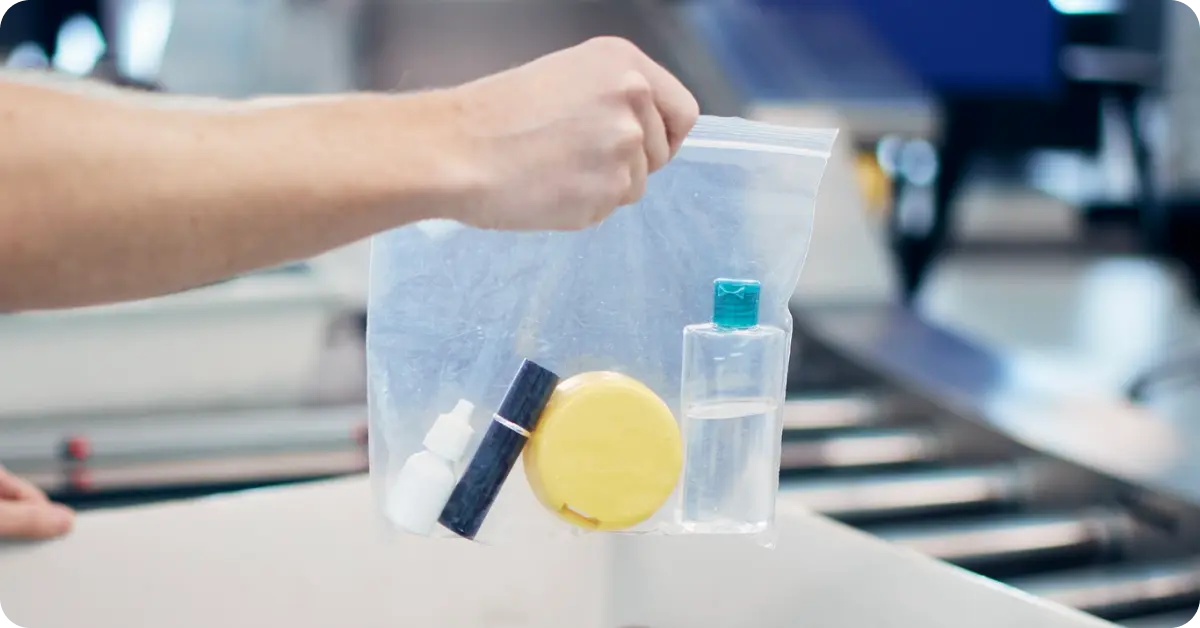
While these items don’t take up much space, they’re among the Italy-packing essentials you’ll appreciate having once your trip begins:
Travel-size toiletries. Pack sunscreen (SPF 50 if you’re visiting in summer), moisturizer, lip balm with SPF, and any prescription medications in their original packaging.
A small first-aid kit. Blister patches are almost a must after long days on Italy’s cobblestone streets. Add pain relievers, anti-nausea medication, and hand sanitizer to cover the basics.
Insect repellent. Especially useful for summer evenings in Southern Italy, around lakes, and along the coast.
Microfiber towel and a small laundry kit. If you’re staying for more than a week or planning a spring trip, a sink stopper and travel detergent can help you wash a few essentials along the way.
One thing you don’t need to worry about packing is a full pharmacy. Italy’s farmacie are easy to find, even in smaller towns, so you can buy most everyday toiletries and over-the-counter medications locally. If you rely on a specific brand or specialty product, though, it’s best to bring it from home.
If you’re trying to stay within your airline’s weight limit, stick to travel-size products and buy replacements after you arrive instead of packing full-size bottles.
Packing list for Italy in summer: What to wear from June to August

Summer in Italy is hot, with temperatures often reaching 30–38 °C (86–100 °F) in cities like Rome and Florence and across the south. If you’re wondering how many days to spend in Rome, keep in mind that even a few days of sightseeing means plenty of time outdoors, so lightweight clothing is a must.
Coastal destinations can also feel humid, so choosing lightweight clothing makes a big difference. Even if you’re hoping to avoid cold weather, it’s still worth packing one light layer for air-conditioned trains, ferries, or cooler evenings.
When it comes to clothes, think breathable fabrics like linen, cotton, and lightweight blends. Italians tend to dress smartly, even in summer, so athletic wear is best kept for the gym or hiking trails rather than sightseeing or dinner. A few well-chosen pieces will go much further than packing multiple outfits for every day.
For most travelers, a summer packing checklist looks something like this:
3–4 versatile midi dresses that work for sightseeing, church visits, and dinner.
2 pairs of linen pants or lightweight cotton trousers.
4–5 breathable tops in neutral shades that create plenty of the same outfits with different bottoms.
1 dressier outfit for a special dinner or evening out.
Tailored shorts or a lightweight skirt for particularly hot days.
Comfortable sandals and well-broken-in walking shoes.
A lightweight scarf, wrap, or pashmina to cover your shoulders when visiting places like St. Peter’s Basilica or the Duomo.
A swimsuit (or two) if you’re heading to the Amalfi Coast, Sardinia, or one of Italy’s lake regions.
A wide-brim hat and quality sunglasses for sunny days.
A crossbody bag for sightseeing or one of the smaller shoulder bags you can use in the evenings.
A lightweight travel backpack for day trips, with enough room for water, sunscreen, and an extra layer.
A laundry bag for dirty clothes, so they stay separate from everything else in your suitcase.
Sticking to neutral and earthy colors makes it easy to mix and match, helping you pack less without feeling like you’re wearing the same thing every day.
Packing list for Italy in autumn: Shoulder season essentials

If you ask frequent visitors, many will tell you that September and October are the best time to visit Italy. The summer crowds begin to thin, the weather is still warm, and it’s harvest season—so saying yes to an extra glass of wine feels almost educational.
Temperatures usually range from 15–27 °C (59–80 °F), depending on where you’re traveling. Northern Italy cools down much faster than the south, especially around Milan, Lake Como, and the Dolomites, so the secret to comfortable packing is simple: pack layers.
Here’s what to bring:
A lightweight jacket, such as a denim jacket, utility jacket, or packable rain jacket.
A mix of short- and long-sleeve tops that you can layer throughout the day.
Lightweight knitwear for cooler mornings and evenings.
Comfortable walking shoes that can handle both sunny afternoons and unexpected rain.
A compact umbrella if rain is in the forecast.
A few seasonal tips:
September: It can still feel like summer, especially in central and southern Italy, so don’t pack away your linen just yet.
October: Evenings become noticeably cooler, particularly in the north, and rain showers are more common. A light waterproof layer earns its place in your suitcase.
November: If you’re visiting toward the end of autumn, swap lighter layers for warmer sweaters and a heavier jacket, especially if you’re heading north.
What to wear in Italy during winter and spring
Winter and spring can feel completely different depending on where you are in Italy. Milan and the Dolomites often see cold weather and even snow, while southern cities like Naples and Sicily stay much milder.
Winter (November–February): Pack a warm coat, waterproof boots, thermal layers, wool sweaters, a scarf, and—if you’re heading north—gloves and a beanie.
Spring (March–May): Layers are your best friend. A trench coat or lightweight jacket, a mix of short- and long-sleeve tops, comfortable walking shoes, and a compact umbrella will cover most situations.
Study abroad packing list: Italy

Packing for a semester abroad is very different from packing for a two-week holiday. Instead of filling your suitcase with “just in case” outfits, build a capsule wardrobe with around 15–20 versatile pieces in colors that all work together.
Choose quick-drying fabrics whenever possible. Italian washing machines might be smaller than you’re used to, and many apartments rely on drying racks instead of tumble dryers.
A few extras are well worth the luggage space:
A comfortable backpack for classes and weekend trips.
A packable duffel bag for budget airline carry-on limits.
Comfortable walking shoes that can handle cobblestone streets.
What not to pack for Italy
Packing light makes getting around Italy much easier, especially if you’re hopping on trains, walking over cobblestone streets, or carrying your suitcase up a few flights of stairs. Here are a few things you can leave at home:
Too much denim. Jeans are versatile, but they’re also heavy, take a long time to dry, and use up valuable suitcase space. One pair is usually enough.
Flashy logos and athletic wear. Italians generally dress on the smarter side, even for casual outings. You’ll blend in more easily with simple, well-fitting clothes.
Too many shoes. Three pairs are plenty: comfortable walking shoes, a dressier option, and sandals or boots, depending on the season.
Full-size toiletries. Save space by packing travel-size versions. You can easily buy replacements at Italian pharmacies or supermarkets if you run out.
Expensive valuables. Leave jewelry, extra electronics, and anything you’d be upset to lose at home.
Bulky guidebooks. Your phone can handle maps, museum tickets, restaurant recommendations, and travel guides, so there’s no need to carry the extra weight.
Tips for planning your trip to Italy in 2026
Packing is only half the job. A little planning before you leave can save time, money, and a few unnecessary headaches once you’re in Italy.
Book accommodations and attractions early. Places like the Colosseum, the Uffizi Gallery, and Pompeii often sell out weeks in advance, especially during the summer.
Learn a few Italian phrases. A simple buongiorno, grazie, or per favore is always appreciated and can make everyday interactions a little friendlier.
Bring a day bag. A lightweight, foldable backpack is perfect for day trips, extra layers, or snacks picked up along the way.
Check dress codes before visiting churches. Many churches and religious sites require your shoulders and knees to be covered, so keep a light scarf in your day bag.
Follow the 3-3-3 packing rule. Start with three bottoms, three tops, and three pairs of shoes, then add a few seasonal pieces if needed. It’s an easy way to avoid overpacking.
Do a little food homework. Every region has its own local specialties, and some of the best dishes aren’t the ones everyone talks about. A quick look at the Italian food you need to try can help you eat like a local.
Use an Italy eSIM to stay connected. Reliable mobile data makes it easy to navigate with Google Maps, translate menus, book last-minute tickets, and stay in touch with family back home. Set up your eSIM for Italy before you leave, and you’ll have data as soon as you arrive.
Traveling beyond Italy? A global eSIM lets you stay connected in 200+ destinations, so if your itinerary includes France, Switzerland, Croatia, or anywhere else nearby, you won’t need a new SIM card every time you cross the border. Before you travel, it’s also worth checking the latest EU roaming rules and charges if you’re comparing connectivity options.
Need data in USA? Get an eSIM!

1 GB
7 days
US$3.99
3 GB
30 days
US$8.99
5 GB
30 days
US$12.99
Printable PDF Italy packing list
Prefer checking things off instead of wondering whether you forgot something? Download our printable Italy packing list PDF and use it while you pack!
Download our PDF Italy packing listFAQ
The 3-3-3 rule is a simple way to avoid overpacking. Bring three tops, three bottoms, and three pairs of shoes that all work well together, then add a few accessories or seasonal layers. It’s a practical starting point for trips where you want to travel light.
Comfortable walking shoes, a universal power adapter, travel documents, and a crossbody bag are among the essentials for any Italy trip. If you’re visiting churches, pack a light scarf or cardigan to cover your shoulders, and consider an eSIM so you have data for maps, train tickets, and restaurant reservations from the moment you arrive.
Yes, US$5,000 is enough for most travelers, and it can comfortably cover a one- to two-week trip with flights, accommodation, food, transportation, and sightseeing. Your budget will stretch even further if you visit outside peak season, avoid the most expensive destinations, and follow a few tips for saving money while traveling before and during your trip.
Absolutely. A US$10,000 budget gives you plenty of flexibility, whether you’re planning a longer trip, staying in higher-end hotels, dining at top restaurants, or visiting several regions. For many travelers, it’s more than enough for a comfortable vacation.

Always connected, always on course
Connect instantly with a Saily eSIM and enjoy effortless internet access.

Related articles
