Transportation in Italy: Best public and private options to get around
Whether you’re taking the train from Rome to Venice or hitching a ride in a taxi to the locals’ favorite trattoria, the transportation in Italy is often easy to use — even if you don’t speak Italian. So how much is transportation in Italy, and what’s the best mode of transportation in Italy for you? If you’re planning a tour through The Boot, read on. This introduction will brief you on transportation options in Italy and offer traveling tips to help you make the most of your adventure.
The most commonly used mode of transportation in Italy often depends on where you’re going. Most Italians living outside major cities own automobiles (opens in a new tab), but trains are still the main transportation in Italy between cities for both locals and visitors. For commuting within cities, many choose to take a bus, a tram, or the metro if available.
Public transportation options in Italy
The large quantities of public transportation services in Italy reflect the growth of transit networks across the country. Public transport is among the most accessible ways to travel across cities and regions as well as within more metropolitan areas. Public transportation systems in Italy are also typically cheaper than renting a car or catching a flight in many areas.
Trains
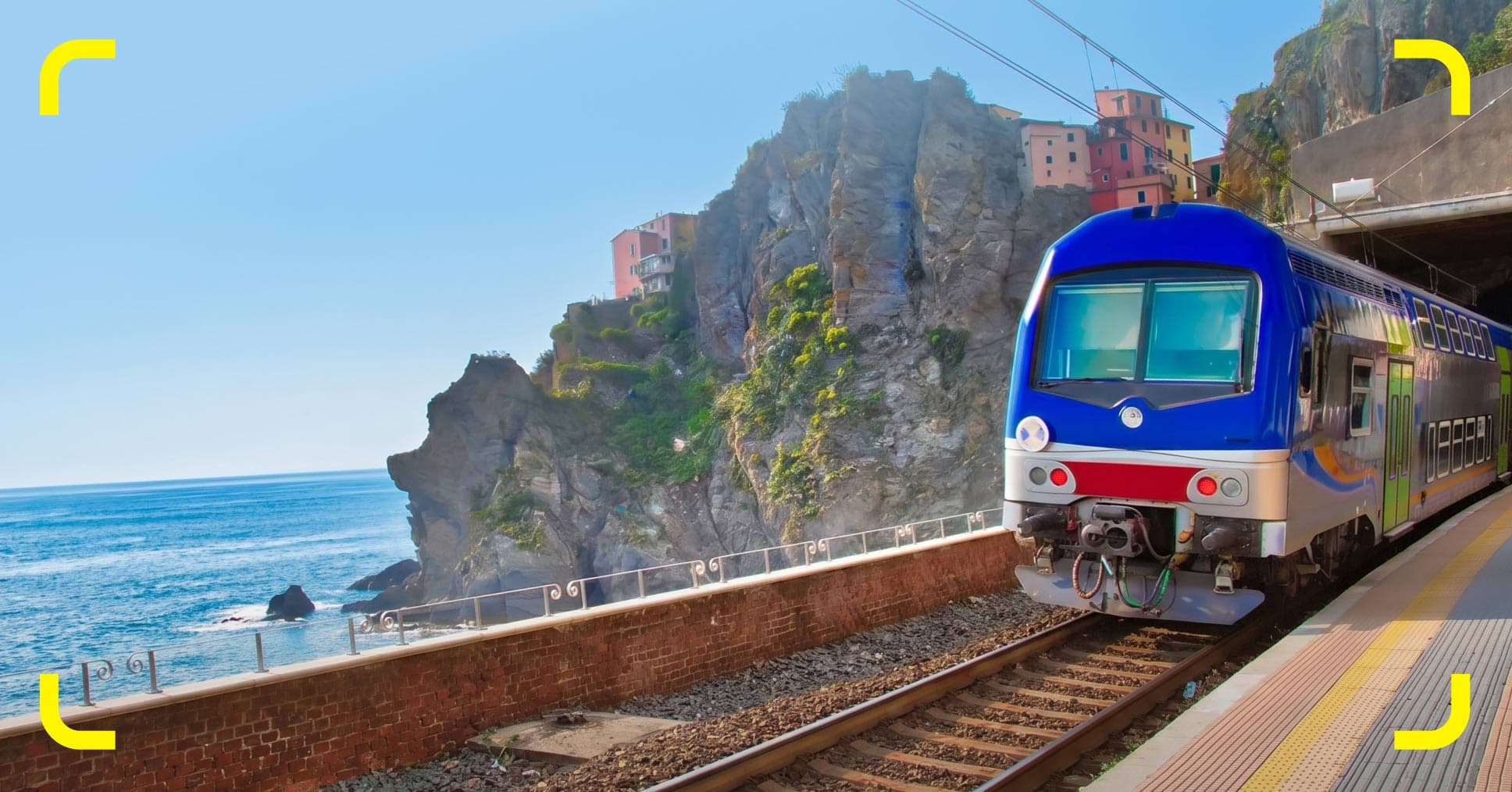
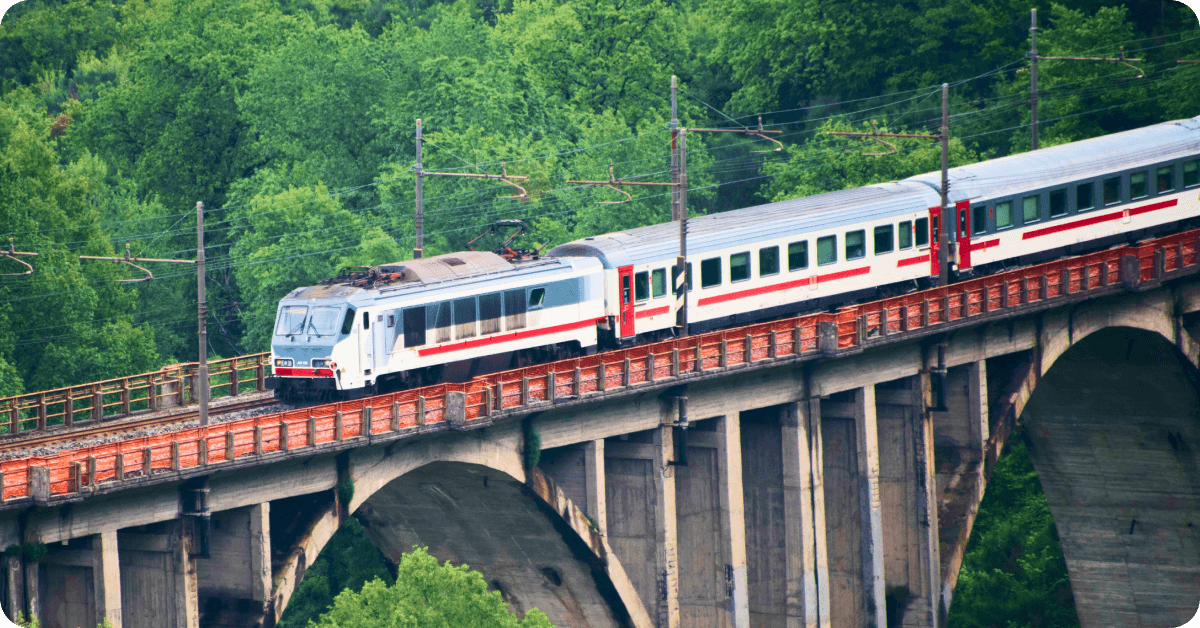
There are two main types of train transportation in Italy: high-speed trains, best for travel between major cities, and regional trains, best for shorter routes and visits to smaller towns. While it isn’t the only provider, Trenitalia (opens in a new tab) is the most common — it offers regional routes and high-speed routes to major Italian cities as well as some international routes to Switzerland, Germany, France, and Austria. Italo (opens in a new tab) is another popular provider. It offers high-speed service throughout Italy, then connecting coach service (Itabus (opens in a new tab)) to more regional routes.
High-speed trains usually require reservations and have assigned seating, so booking online in advance is recommended for the cheapest fares and best seat availability. These trains also offer different class options and varying amenities — some have Wi-Fi, air conditioning, luggage storage, and cafe and bar cars. Regional trains, on the other hand, are made more for commuting than for long-distance travel and don’t normally require seat reservations.
How to get tickets: You can get tickets for both high-speed and regional trains at station kiosks, but it’s recommended to reserve them via the provider’s website or app.
💡Pro Tip: Though Wi-Fi is available on some of Italy’s trains, it can be spotty in places like tunnels or valleys. While the train’s Wi-Fi might be helpful for texting and checking emails, an eSIM for Italy can be more reliable for remote work, video calls, or other forms of communication that require a lot of data.
Enjoy safer browsing with the Saily eSIM app
Saily is the only eSIM app with built-in online security features.
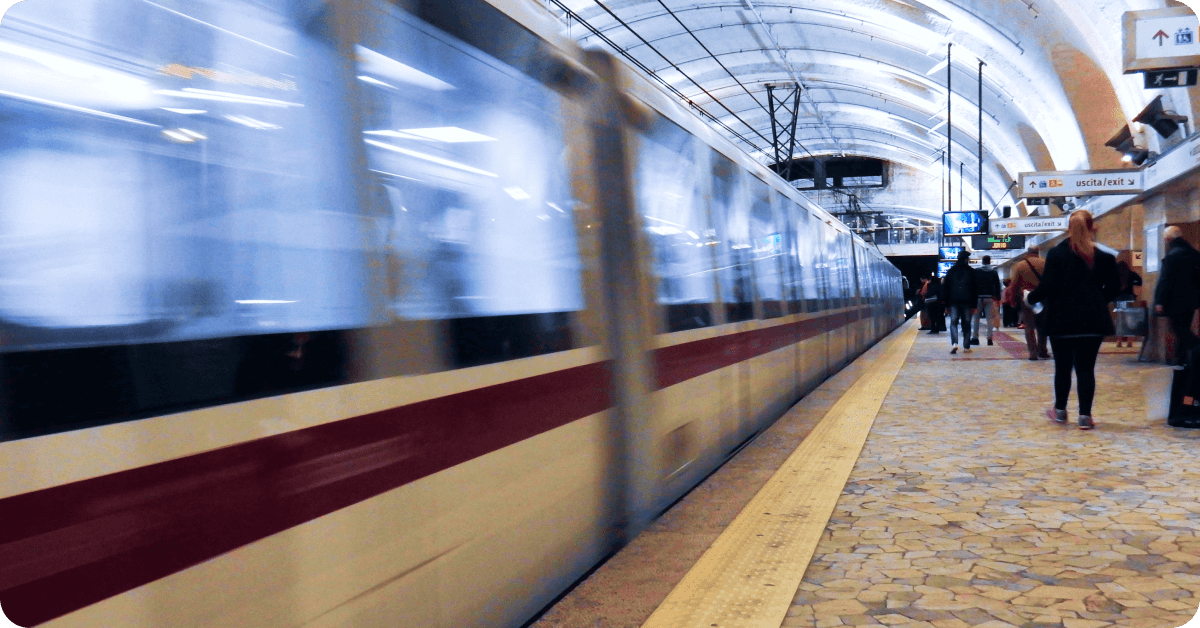
Italy’s metro system operates underground transportation services in Milan, Rome, Genoa, Naples, Turin, Brescia, and Catania. The locals often use it for daily commuting, but it’s great for tourists, too, because it’s a quick, affordable way to get to some of Italy’s most iconic places. There are a few things to remember:
You can typically use one ticket for buses, trams, metros, and regional trains because most Italian cities run integrated public transit networks.
Each city runs its own transit system under local government oversight and sells its own passes. For example, a Rome pass won’t work in Milan, and a Milan pass won’t work in Naples.
Generally, tickets must be used within 75-100 minutes of validation, depending on the city.
Tickets in paper form must be validated before you board the subway and kept with you.
If you’re traveling by metro, remember to keep an eye on the time. Not only can rush hour get crowded, but the stations close at night in most areas.
How to get tickets: You can buy your tickets at the station, at tabacchi shops (marked with a blue or black “T” sign), at newsstands, or by contactless tapping at the turnstiles. In Milan, paper tickets have been phased out completely and replaced with the RicaricaMi, a rechargeable, contactless plastic card.
Italy’s trams operate on above-ground rails in several bigger Italian cities, like Florence, Milan, Naples, Palermo, Rome, and Turin, offering a scenic, efficient way to experience some of Italy’s most interesting cities. Milan operates the most famous network, featuring Ventotto trams built between 1928 and 1930, much like those you’ll find in San Francisco. If you’re planning to stay out late, keep in mind that the trams typically run from 5:30 am until midnight, after which night buses take over.
How to get tickets: You can buy a digital ticket in an app or a paper tram ticket at the same places you buy metro and bus tickets.
Bus transportation systems
Buses run within cities and connect major stations with smaller towns and villages. Three types of buses run in Italy:
Urban buses. Local city buses operate in every major Italian urban environment and are managed by regional transit authorities. Standard city bus routes are supplemented by express lines and night buses (marked with an “N”).
Suburban and regional buses. Italy’s regional buses often travel on major roads and highways to connect major cities to smaller rural towns, coastal areas, and mountainous areas. They’re often larger and more comfortable than standard city buses. Because they’re typically used by students and commuters, regional buses run frequently and reliably on weekdays but not so much on the weekends and national holidays.
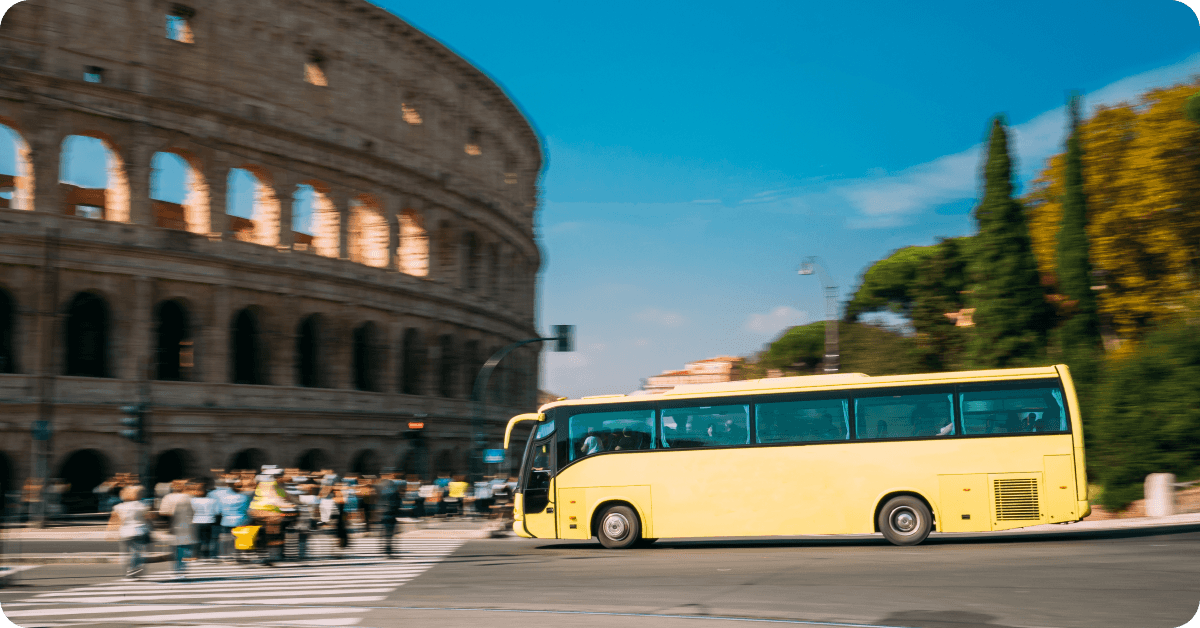
Long-distance buses. These coaches can be a budget-friendly alternative to the high-speed trains, capable of operating extensive networks connecting major hubs. They’re typically pretty modern, and some have free Wi-Fi, power outlets, air conditioning, and onboard restrooms. Keep in mind that you must book a specific seat for a designated departure time in advance, either online or through the carrier’s app, to get the best deals.
How to get tickets: You can typically purchase tickets for urban buses in advance at the same places you’d buy tram and metro tickets. Many cities now offer contactless tap-to-pay directly on buses. If you need a ticket for a regional or long-distance bus, you can buy it online. For example, use Cotral (opens in a new tab) in the Lazio region or Autolinee Toscane (opens in a new tab) in Tuscany.
Good to know: Tabaccherie in smaller villages often close for afternoon riposo (siesta) and on Sundays. Always buy your return ticket when you buy your departure ticket to avoid getting stranded. If all the shops are closed, you might be able to buy a ticket directly from the driver upon boarding. However, tickets purchased on board usually carry a cash-only surcharge and if the bus is already full, the driver might not let you on.
💡Pro tip: If you do get stuck, internet access will be essential to get home. To avoid expensive roaming charges in areas without the best service, you might consider purchasing a SIM card for Italy or a low-maintenance eSIM service in the app like Saily.
Ferries to transport passengers off land
Italy’s ferries transport passengers to major islands and travel between coastal towns. In some places, ferries are the only way to get around — for example, in Venice, people can only use vaporettos (water buses) to enter the historic city center.
Taking the ferry may help you avoid road congestion in some areas, and it can be a faster alternative to buses or trains in certain regions. Ferries are also a scenic way to travel in Italy, so many visitors use them for sightseeing or to visit popular summer destinations like the Amalfi Coast, Gulf of Naples, and Lake Como.
How to get tickets: You can purchase tickets online in advance through the ferry operator, although many experienced travelers use comparison sites like Ferryhopper (opens in a new tab) to check schedules and prices first. You can also buy tickets at most major ferry ports, but this option might not be ideal unless your itinerary is a little more flexible.
Private transportation modes in Italy
Italy offers several types of transportation through private companies tailored to different budgets and itineraries. Private transportation in Italy may be more flexible, but it’s also generally more expensive.
Car rental
Renting a car might be worth the effort if you’re traveling to more remote, rural areas with limited public transportation access or you’d like the extra flexibility. Road users may experience downsides, though. For one, it might not always be the most affordable option. Also traffic and parking can be really challenging in major cities and ZTL (restricted traffic area) zones in historic city centers. Car rental services range from popular companies such as Avis and Hertz to locals like Noleggiare (opens in a new tab) and Maggiore (opens in a new tab).
What you’ll need: You’ll need a credit card, your passport, and a driver’s license from your home country to rent a car, or if you’re a non-EU resident, an International Driving Permit (IDP).
Taxis
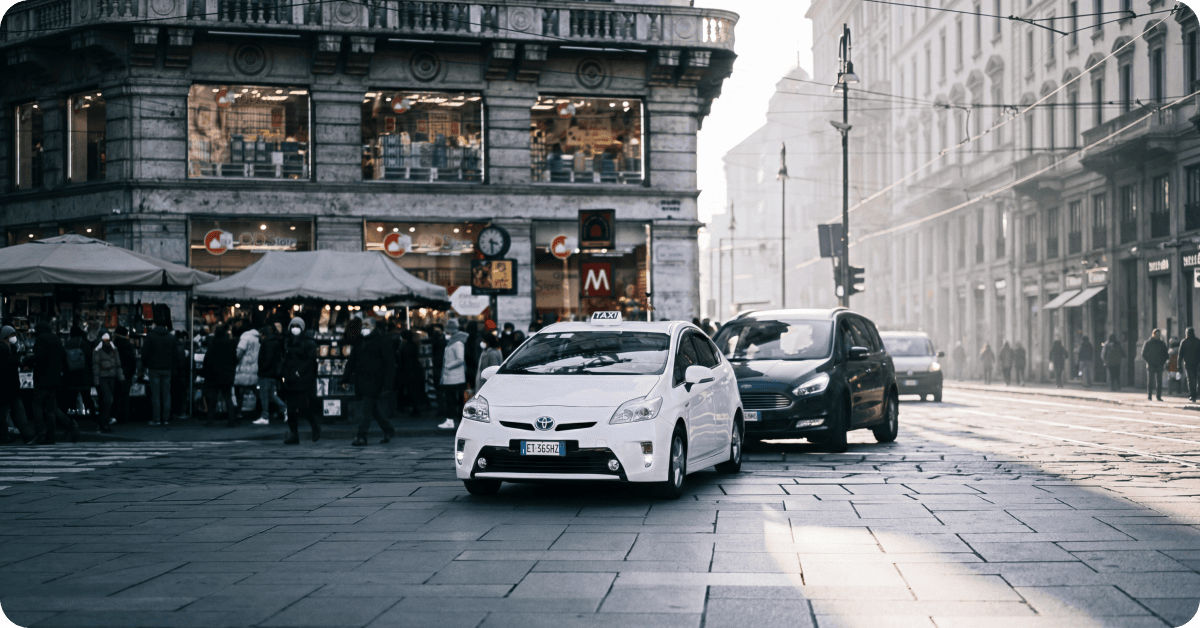
Unlike in many other parts of the world, you can’t hail a cab on the street in Italy — you’ll need to find an official taxi stand (parcheggio taxi) with the orange sign or request a ride by phone or mobile app. Licensed city cabs are white with the city’s municipality crest painted on the front doors.
Taxis generally run on metered rates within cities but use official fixed rates for major routes, such as to or from the airport. Getting around in a cab can get expensive. Even when using a meter, you may be charged extra for things like luggage, traveling on Sundays or holidays, or riding between 10:00 pm and 6:00 am.
A word from the locals: Never accept rides from drivers hanging around shouting “Taxi!” or “Private car!” These are likely unlicensed operators who might try to scam you by overcharging. Also don’t give a driver cash if they claim their meter is “broken.” By law, every licensed cab driver must accept credit and debit cards.
Ride-hailing and connected vehicles
You’ll have two choices for transportation in Italy via Uber: a licensed local city taxi or a private chauffeur. Both are more expensive than a taxi from a stand or public transportation. The Uber app is only available in select major cities, such as Bologna, Florence, Milan, and Rome. Regional platforms like itTaxi (opens in a new tab), FreeNow (opens in a new tab), and appTaxi (opens in a new tab) are popular alternatives that often offer lower prices.
Private transfers
Known as NCC (noleggio con conducente), private transfers offer door-to-door service. Viator (opens in a new tab) is a good place to find an NCC, but providers like Sixt (opens in a new tab) are particularly good for airport transfers, offering fixed rates and meet-and-greet service. Some private transfer companies, like Daytrip, (opens in a new tab) will book multi-city trips with sightseeing stops along the way. Private transfer services can be way more convenient than crowded public transportation and taxi lines, but they are more expensive than standard cabs and ride-hailing services.
Scooters, bikes, and mopeds
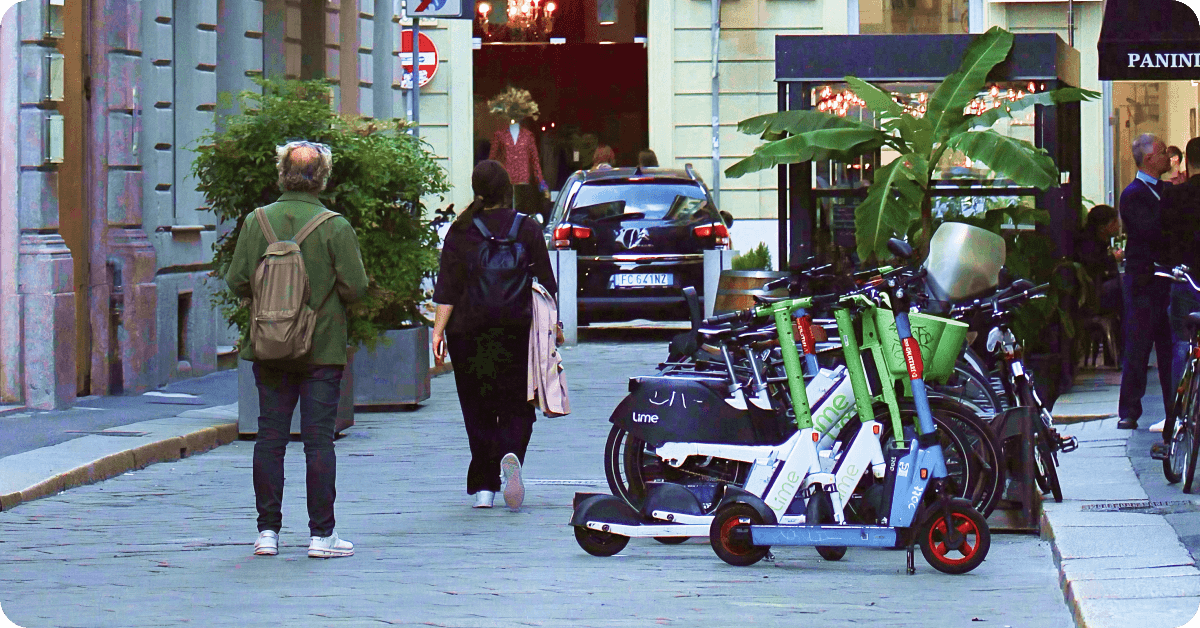
Most shared scooters and bikes rely on electric propulsion systems. They’re available in most major tourist cities. You can also rent a moped in many cities.
How to get a bike or scooter: Most “free-floating” rentals use technology and apps similar to those found in connected vehicles. (Lime (opens in a new tab), Dott (opens in a new tab), and Bird (opens in a new tab) are among the most common.) In the app, you’ll create an account, add a payment method, and find a nearby scooter or bike on the map. Then just scan the QR code to unlock it and drop it off in an approved area when you’re done.
How to get a moped: You can rent it through daily rentals at storefront agencies in tourist hubs or on-demand, app-based electric sharing services in major cities. You often need to meet certain requirements depending on engine type and where you rent it from. For example, most require a valid driver’s license from your home country plus an International Driving Permit.
While scooters, bikes, and mopeds can provide flexible movement around busy city centers, remember that Italian infrastructure features narrow, busy, or cobblestoned roads and historic sites, which can make traveling on two wheels less stable (and less comfortable, for that matter).
How much does transportation in Italy cost?
Transportation costs typically vary depending on distance, transport type, and region. Train prices typically range from €3-20 for local regional rides to €15-140 for flexible, high-speed tickets, depending on how early you book, and if you use a rail pass. Metro ticket prices range from €1.50 to €2.20. Review the table for more details for three major Italian cities:
Means of transport
Rome
Milan
Naples
Single ticket (bus/metro/tram)
€1.50 (100 min)
€2.20 (90 min)
€1.50 (90 min)
24-hour pass
€7.00
€7.60
€5.40
Rail (intercity, high-speed trains)
Rome to Naples: €15-50+
Milan to Rome: €29.9-110+
Naples to Milan: €55-140+
Taxi city rides (regulated)
€8-20
€10-20
€7-18
Ride-hailing apps/Uber
Limited (Uber Black only)
Limited (Uber Black only)
Very limited
Taxi apps (FreeNow, itTaxi)
Metered fare + fee
Metered fare + fee
Metered fare + fee
Bike rental
€5-20/day
€5-20/day
€5-20/day
E-scooter
€1 unlock + €0.20-0.35/min
€1 unlock + €0.20-0.35/min
€1 unlock + €0.20-0.35/min
Car rental
€30–€60/day (economy),
€70–€150+/day (SUV)
€30-60/day (economy),
€70-150+/day (SUV)
€30-60/day (economy),
€70-150+/day (SUV)
If you’re wondering how much money you should prepare for your trip overall, you can visit our guide on how much a trip to Italy costs in 2026.
What is the best way to get around in Italy as a tourist?
The best transportation in Italy for tourists depends on where you want to go. For city-to-city travel, the train is perhaps the most convenient and fastest. You might be better off renting a car to explore more rural areas (although there are bus routes within some smaller towns and villages, too). For traveling within cities, you’ll probably want to take the metro, tram, or bus.
Tips for getting around Italy
Navigating can be a little intimidating in Italy’s major cities. While less hectic, smaller towns and more rural areas can be tricky, too. But with a little planning, most journeys can be accomplished without difficulty. Here are a few tips on getting around Italy as safely and efficiently as possible:
Book in advance. When taking high-speed trains or long-distance buses, be sure to book your seats in advance through the operator’s app or website to get the best seats for the best prices.
Validate your tickets. Don’t forget to validate your tickets, regardless of whether you purchase them in the app or at the machines in the terminal, unless it’s automatically validated for the departure time.
Watch out for transport strikes. Transport strikes in Italy are relatively common and can throw a major monkey wrench in your plans.
Take advantage of navigation apps. It really is much easier to use local transportation apps if possible. Not only can you buy tickets, but you can also keep up with scheduling and find station locations.
Budget extra time for future delays. While they can be reliable, delays can happen with regional trains, buses, and ferries.
Carry a small amount of cash. Although credit and debit cards are widely accepted, it may be expected to pay in cash for small purchases, especially at places like rural bus stations or kiosks.
Stay aware of travel scams and pickpockets. Italy is generally safe for travelers. However, you might encounter transportation scams, such as drivers who ask for cash instead of using the meter, or pickpockets in crowded stations. You might also look for unsolicited “helpers” who offer to assist you with your luggage or your metro tickets, then demand a tip or fee. To learn more about common scams and safety issues, check out our guide to tourist safety in Italy.
Be sure you can get online. Online access is essential for traveling in Italy. If you’re not sure whether your phone works in Italy, check with your carrier. Most modern phone carriers allow you to add an international roaming package to your plan while you’re gone, though it can get pricey, and access can be spotty in some areas. To avoid unexpected charges and lapses in coverage, download the Saily eSIM app before you get on the plane. Just pick your plan, and you’ll have instant connection as soon as you land. You can also top-up through the app if you run out of data or decide to extend your trip.