


Things to do in Japan: A complete 2026 travel guide
From Tokyo’s glowing skyscrapers to the quiet tea houses of Kyoto, Japan encompasses dozens of regional cuisines, thousands of wooden temples, and distinct climate zones ranging from snowy mountains to tropical beaches. Packing such a varied landscape into a single trip can feel overwhelming. This guide filters the top things to do across the country, highlighting the key regional stops and the practical steps needed to organize an itinerary without wasting days in transit.


目录
- How to plan your trip and stay connected in Japan
- Best things to do in Tokyo, Japan
- Cross Shibuya and explore the city’s iconic neighborhoods
- Visit teamLab and Akihabara for tech and pop culture
- See Tokyo's best skyline views
- Top things to do in Kyoto, Japan
- Wear a kimono while visiting Kyoto’s temples and shrines
- Walk through the Arashiyama bamboo forest
- Experience a traditional tea ceremony and Gion district
- Fun things to do in Osaka, Japan
- Eat your way through Dotonbori and street food markets
- Visit Osaka Castle and Universal Studios Japan
- Things to do in Kobe, Japan
- Try authentic Kobe beef and explore the harborland
- Ride up Mount Rokko for panoramic night views
- Things to do in Okinawa, Japan
- Snorkel and dive the Kerama Islands and Ishigaki
- Explore Ryukyu culture and Shurijo Castle
- Best seasonal and nature experiences across Japan
- See Mount Fuji from Kawaguchiko
- Celebrate cherry blossom (hanami) in spring
- Meet the snow monkeys in Jigokudani Park, Nagano
- Soak in an onsen and stay in a ryokan
- Must-try food and cultural experiences in Japan
- Eat at a kaiten sushi restaurant
- Ride the Shinkansen bullet train
- Visit Nara to meet the bowing deer
- Tips for planning your trip to Japan
How to plan your trip and stay connected in Japan
Most Japan itineraries fail before anyone even books a flight. A bullet train gets you from Tokyo to Kyoto in just over two hours, and from Kyoto you can reach Osaka, Nara, and Kobe on short commuter trains. Mount Fuji is an easy day trip from Tokyo. Because so much feels within reach, travelers keep adding stops — then spend their vacation on trains and moving between hotels instead of at the places they came to see.
Grouping the route by region can help you solve that logistical puzzle. From Tokyo, many travelers add Mount Fuji or Nagano. From Kyoto, you can visit Osaka, Nara, and Kobe without changing hotels. Okinawa lies roughly a thousand miles south of Tokyo, and unless you have 25 hours to spare for a long-haul ferry, the only practical way to reach the islands is a flight from Tokyo, Osaka, or another major airport. If you want to see coral reefs and beaches, and experience Ryukyu culture, give Okinawa its own leg of the trip rather than squeezing the islands between temple visits.
Once your itinerary starts to take shape, price your train trips and book the big-ticket items. The nationwide Japan Rail Pass now costs roughly US$330 (depending on the exchange rates), so the JR Pass no longer saves money by default. A Tokyo-Kyoto round trip usually costs less with individual tickets. Only several long-distance bullet train rides inside one week can push your fares past the pass price. Our guide to getting around Japan compares trains, buses, and local transport, and our breakdown of whether the Japan Rail Pass is worth it walks you through the math before you commit to a JR Pass. A few reservations deserve early attention too: teamLab exhibitions, Universal Studios Japan, Shibuya Sky sunset slots, ryokan stays, Kobe beef restaurants, and high-end sushi bars can sell out weeks ahead, especially during cherry blossom season, autumn foliage season, Golden Week, Obon, and New Year.
Mobile data should have a place on the same pre-flight checklist. Japan’s large train stations can have dozens of exits, small restaurants often hand you handwritten menus, and rural buses may run only a few times a day. When your phone connects the moment you land, you can check train platforms, translate menus, and pull up hotel addresses without hunting for airport Wi-Fi. Before your trip, confirm whether your phone will work in Japan and check that your phone supports eSIM technology, which lets you install a mobile data plan digitally instead of swapping out a physical SIM card.
With the Saily eSIM app, you can install an eSIM mobile data plan before departure and skip the airport SIM card queue. Saily gives you affordable mobile data through local networks, in-app setup, coverage in 200+ destinations, and built-in features like an ad blocker and web protection. One last thing belongs in your day bag: paper yen. Many ramen shops, shrine donation boxes, rural buses, older stores, and family-run inns still take cash only. Your phone can guide you through a 30-exit train station, but coins may be what gets you noodles at the end of a long ride.
Best things to do in Tokyo, Japan
Tokyo sprawls across 23 distinct wards, each with its own personality. Shibuya pulses with neon and crowds. Asakusa smells of incense and ningyo-yaki cakes. Harajuku sells vintage jackets and rainbow crepes to teenagers in platform boots. Shinjuku hides tiny bars behind train tracks. You can visit a 1,300-year-old temple, a robot-lit arcade, and a glass observation deck before dinner.
Nowhere is that blend clearer than at Kanda Myojin, a shrine that has stood at the edge of Akihabara since 730 AD — long before the neighborhood filled with anime billboards, electronics stores, maid cafés, and capsule toy machines. Today, the shrine sells omamori shaped like circuit boards, charms IT workers buy to bless a new laptop, protect company servers, or give a product launch a little spiritual backup. That tiny charm explains Japan better than the old “culture shock” cliché ever did. The country doesn’t force a choice between ancient and modern. It lets both concepts share the same streets.
That same logic applies to how you explore Tokyo. The must-sees below cover the city’s biggest contrasts — the scramble crossing and the quiet shrine, the digital art and the analog temple, the neon arcade and the skyline view — and explain who each suits best and when to visit.
Cross Shibuya and explore the city’s iconic neighborhoods
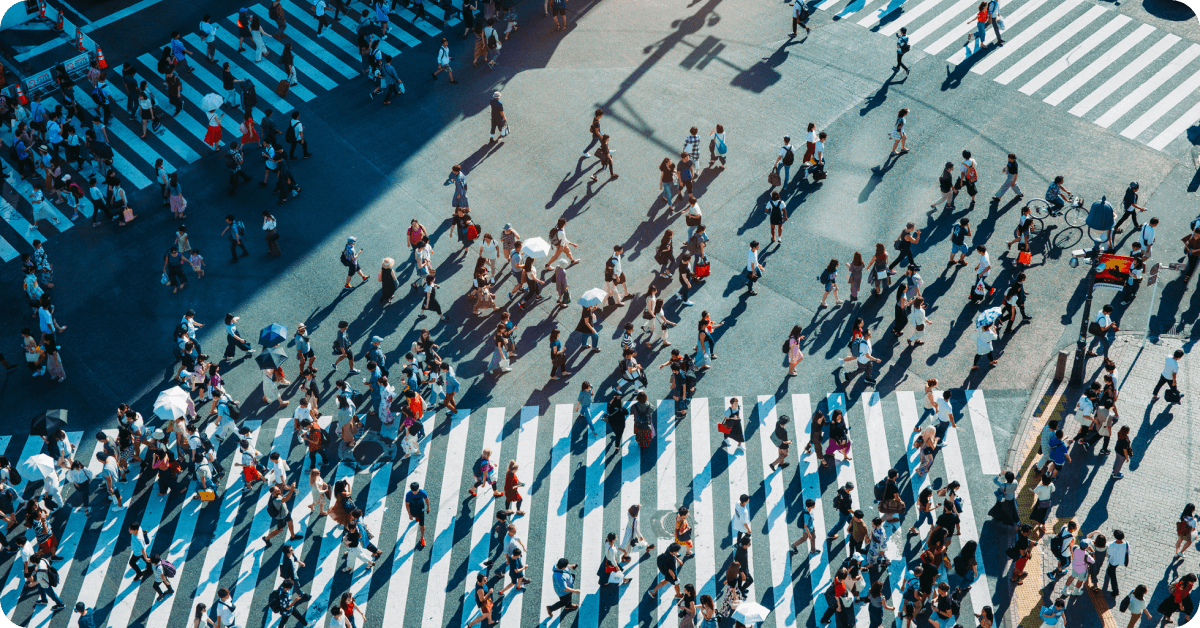
Shibuya Crossing is one of the busiest intersections in the country. When the lights turn red, thousands of pedestrians step into the street at once. The scene is loud and crowded, but standing in the middle demonstrates the density and coordination of a capital city housing 14 million people.
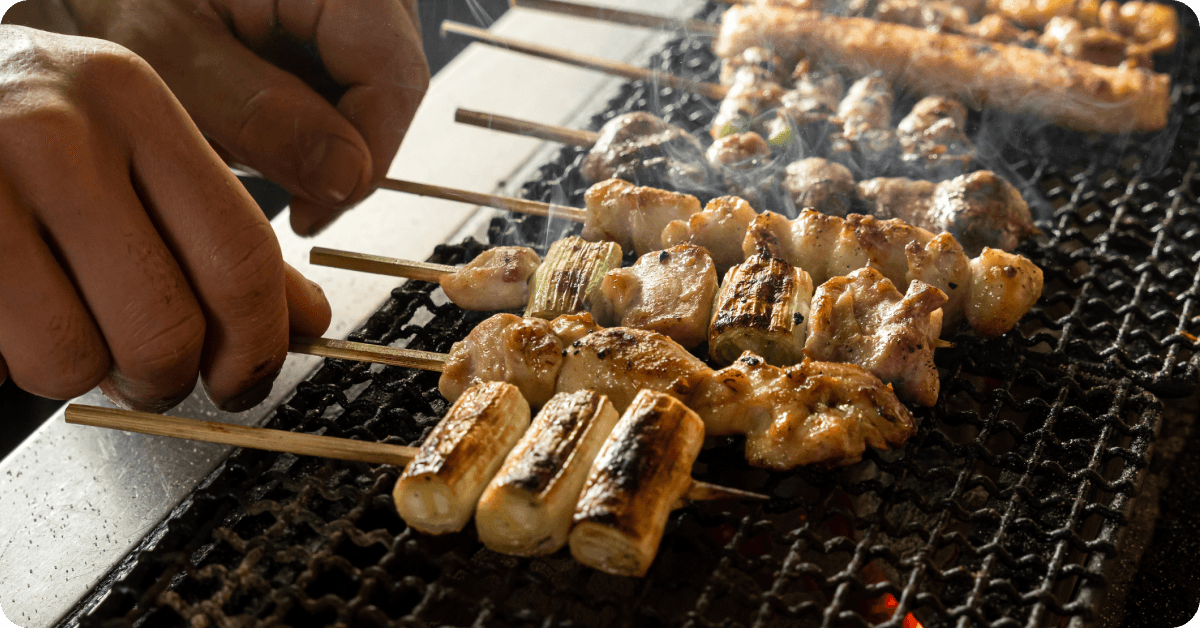
Nearby, Harajuku offers narrow streets filled with clothing boutiques, crepes, and vintage stores. Shinjuku features tight dining alleys lit by paper lanterns, where you can smell yakitori smoke before you see the grill. Across the city, Asakusa houses the incense-filled Senso-ji temple, Tokyo’s oldest, where you can watch locals pray beneath a massive red lantern before shopping for ningyo-yaki cakes on Nakamise Street.
This route works best for first-timers who want the full Tokyo contrast in one day. Crowds peak in the evening and on weekends, so mornings are calmer for photos.
Visit teamLab and Akihabara for tech and pop culture
At teamLab’s interactive exhibitions, you wade through shallow water as virtual koi fish swim around your feet. Digital flowers bloom and scatter in response to your movement, and mirrored corridors dissolve the line between artwork and observer. Families, tech fans, and pop-culture lovers can easily spend half a day here. Timed-entry tickets sell out weeks ahead, so buy yours online in advance.
Meanwhile, Akihabara serves as the city’s pop culture hub, filling multi-story buildings with electronics shops and colorful arcades. You can browse retro games or watch a friend disappear into a wall of lewd figurines.
See Tokyo's best skyline views
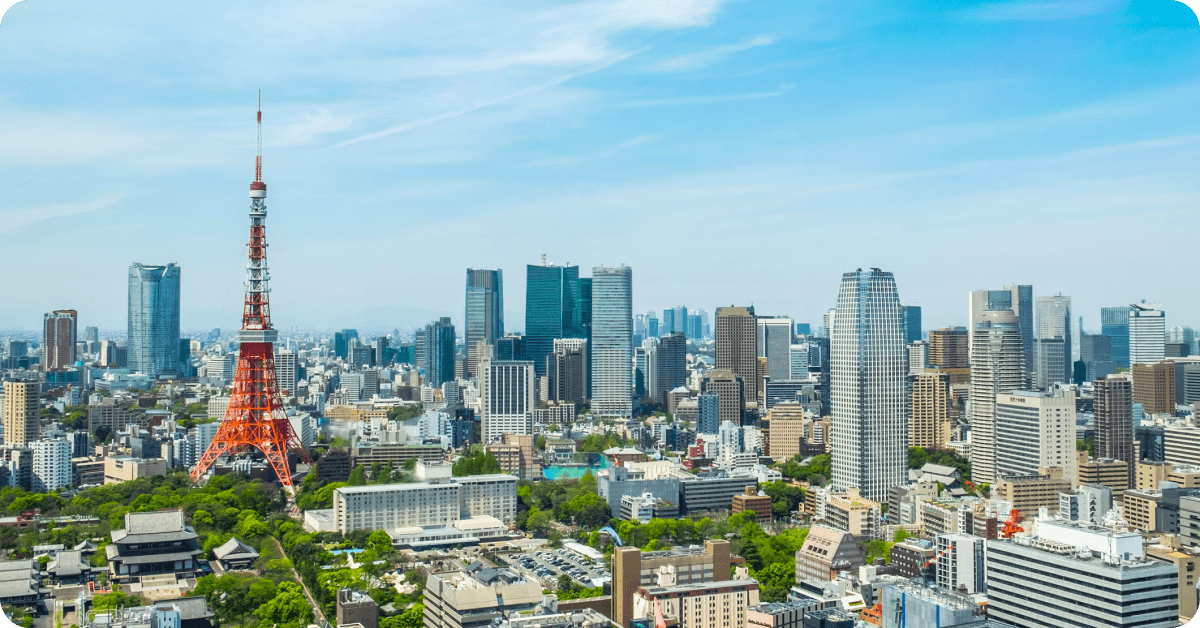
Dense and flat, Tokyo is best viewed from the Tokyo Skytree. Standing 634 meters tall, it is the tallest structure in the country. The height wasn’t chosen at random: in Japanese, the numbers 6 (mu), 3 (sa), and 4 (shi) phonetically spell “Musashi,” the historic name for the province that once encompassed Tokyo. You can get a 360-degree view of the city from the observation decks. Arriving on a crisp, clear winter morning provides the highest probability of spotting Mount Fuji on the western horizon because the cold air reduces atmospheric haze.
Shibuya Sky puts you above the scramble with an open-air deck built for sunset photography. Tokyo Tower does the opposite: you don’t climb it for the view — you stand in front of it. The 1958 red-and-white lattice glows orange after dark, and the surrounding Minato streets fill with photographers chasing the shot of the iconic tower against the modern skyline.
Top things to do in Kyoto, Japan
Kyoto is Japan’s cultural center, packed with 1,200-year-old wooden temples, Zen gardens with precisely raked gravel, and tea houses where matcha ceremonies unfold on tatami mats. The city rewards early alarms — the biggest sites fill fast during cherry blossom season, autumn foliage season, and weekends, and arriving before 8:00 AM often means the difference between a serene temple visit and a shoulder-to-shoulder photo queue.
Wear a kimono while visiting Kyoto’s temples and shrines
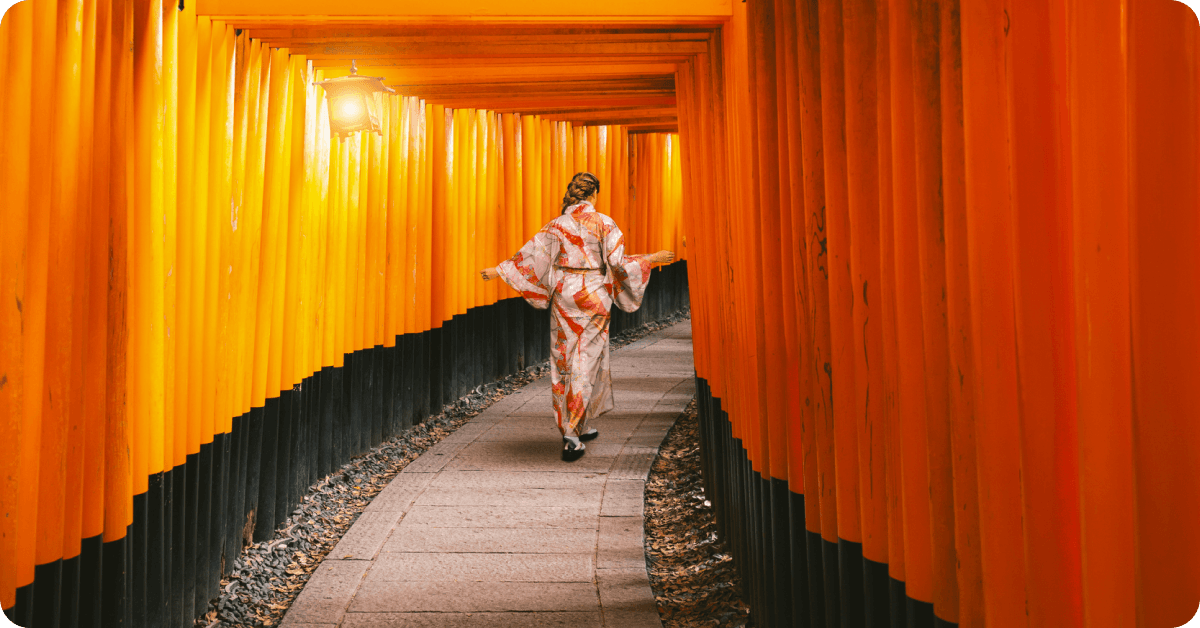
Kimono rental shops cluster around every major tourist area in Kyoto — you won’t miss them. Renting takes 45 minutes to an hour for fitting, hair styling, and obi wrapping, so factor that into your morning. The layers can feel stiff and warm, especially in summer, so ask yourself whether you’ll be comfortable walking temple paths and climbing stairs in traditional footwear. Japanese people generally view foreigners wearing kimono as cultural appreciation, not appropriation, especially when visitors treat the garment with respect and follow local etiquette. The key is to wear the garment thoughtfully rather than as a costume — avoid wearing it to bars or rowdy tourist spots, and follow the rental shop’s guidance on how to walk and sit properly.
Once you’re dressed, the temples reward the effort. You can walk through the thousands of bright orange gates at Fushimi Inari, where the vermilion tunnels thin out as you climb the mountain. At Kinkaku-ji, the gold-leaf-covered pavilion reflects in a mirror pond. Spring draws the biggest crowds when the cherry blossoms bloom, but the historic architecture stands out year-round. Autumn momiji offers equally striking colors with slightly thinner crowds. If you’re planning temple visits across Kyoto, browse additional Japan travel tips for more advice on navigating these busy cultural sites.
Walk through the Arashiyama bamboo forest
The Arashiyama bamboo forest is a sprawling grove of green stalks stretching dozens of feet high. The dense foliage provides striking, green-filtered light, but the narrow dirt pathways become impassable when tour buses arrive mid-morning. Arriving before 8:00 AM avoids the peak crowds and allows you to hear the bamboo stalks knocking together in the wind. Afterward, a short hike up a dirt trail leads to the local monkey park, where you can look down on Kyoto from a mountainside while macaques groom each other in the sun.
Experience a traditional tea ceremony and Gion district
For a slower pace, book a traditional matcha tea ceremony to sit on woven tatami mats and watch a host whisk bitter green tea powder into hot water. The host’s movements are so practiced they look effortless, but every turn of the bowl follows centuries of tradition. Later, a walk through Gion reveals preserved 19th-century architecture along stone-paved streets. You might even spot a geisha on her way to an appointment. But be sure to respect local ordinances by sticking to the main public thoroughfares — tourists are now strictly prohibited from entering Gion’s private residential alleys, and doing so carries a fine.
Fun things to do in Osaka, Japan
A 15-minute bullet train ride from the quiet temples of Kyoto, Osaka hits you with noise and the smell of fried batter. The Dotonbori canal district packs mechanical crab signs and glowing billboards into a few blocks of pure sensory overload. Vendors hawk takoyaki from open grills, office workers crowd into standing bars after dark, and the Glico running man sign has been flashing above the canal since 1935. The pace here is faster and dinner often stretches past midnight.
Eat your way through Dotonbori and street food markets
The Dotonbori canal area features building-sized mechanical crab signs and dense rows of late-night food stalls. You can sample hot street food directly from flat-top grills, from takoyaki (savory octopus balls) to okonomiyaki (griddle-cooked cabbage pancakes) to kushikatsu (deep-fried skewers). The pedestrian streets pack shoulder-to-shoulder on weekends, forcing you to walk slowly and absorb the noise, neon lights, and smoke from the cooking stations. Dotonbori is busiest after dark, so embrace the buzz! If you want to eat beyond the canal district, our guide to food in Japan maps regional specialties from Hokkaido to Okinawa.
Visit Osaka Castle and Universal Studios Japan
Osaka Castle dates to the 16th century, though the current main tower is a 1931 reconstruction. The surrounding park offers a quiet place to rest your legs between meals, with wide lawns, moats, and stone walls that photograph well during cherry blossom season. For faster-paced entertainment, Universal Studios Japan sits a short train ride away. Purchasing an Express Pass early lets you bypass the standard three-hour wait times for rides inside Super Nintendo World, where you can race Mario Karts and punch question blocks in real life.
Things to do in Kobe, Japan
A quick train ride to Kobe makes for an easy day trip from Osaka or Kyoto. The city has a calmer pace than Osaka, with the sea on one side and Mount Rokko rising behind it. You can visit for lunch and a waterfront walk, or stay into the evening for night views from the mountain.
Try authentic Kobe beef and explore the harborland
Kobe beef is globally recognized for its strict grading and rich flavor. To experience the famous melt-in-your-mouth texture, look for an A5 grade. This label means the carcass hit the highest yield tier and scored between 8 and 12 on the Japanese Beef Marbling Standard, ensuring the red meat is woven with fine, white fat that renders quickly over a hot grill. Reserve top beef restaurants in advance, especially on weekends.
After watching a chef sear a steak directly in front of you at a teppanyaki grill, you can walk off the meal along the concrete paths of the Harborland waterfront, where the Mosaic Ferris wheel lights up after dark.
Ride up Mount Rokko for panoramic night views
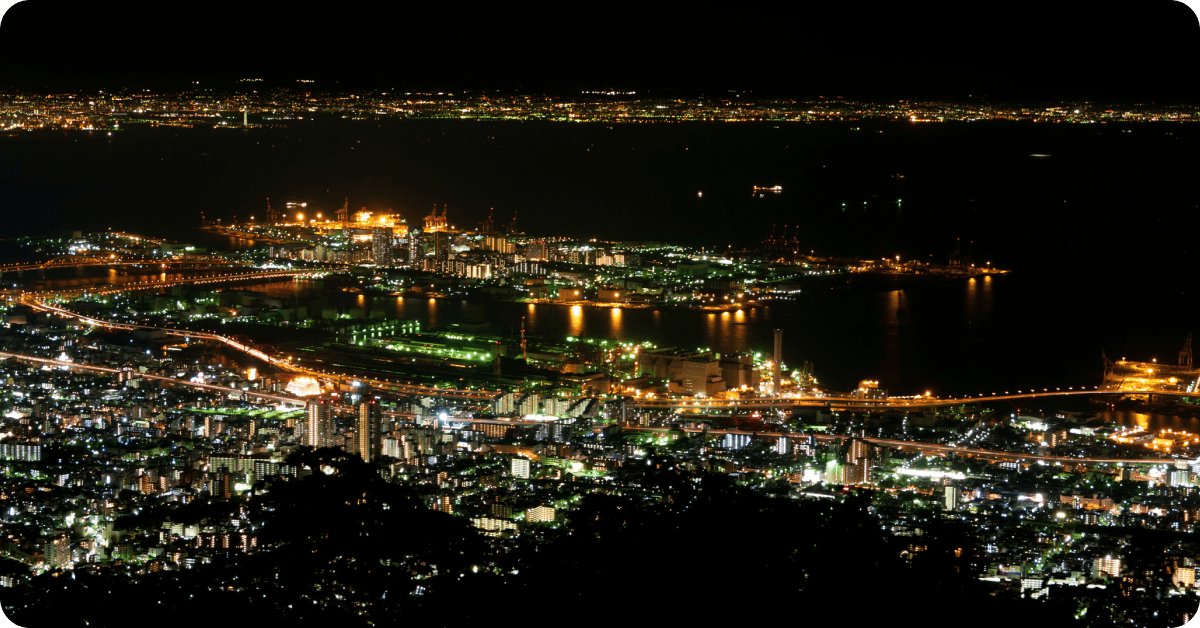
A cable car climbs Mount Rokko to provide an unobstructed view of the city streetlights and the port below. The Arima Onsen hot springs are located nearby, providing mineral-rich volcanic baths to rest tired legs after a day of walking. Evenings offer the famous sparkling cityscape, so bring layers in winter because the mountain air gets sharp fast!
Things to do in Okinawa, Japan
Okinawa feels like a different country, and in many ways it was. The Ryukyu Kingdom ruled these islands for centuries before Japan annexed them in the 19th century, and that history still shapes the food and the pace of life. You won’t find bullet trains or cedar forests here. Instead, you get coral reefs, white sand, and subtropical heat that feels closer to Taiwan than Tokyo. The islands lie roughly a thousand miles south of the capital, so reaching them requires a domestic flight from Tokyo, Osaka, or another major airport.
Snorkel and dive the Kerama Islands and Ishigaki
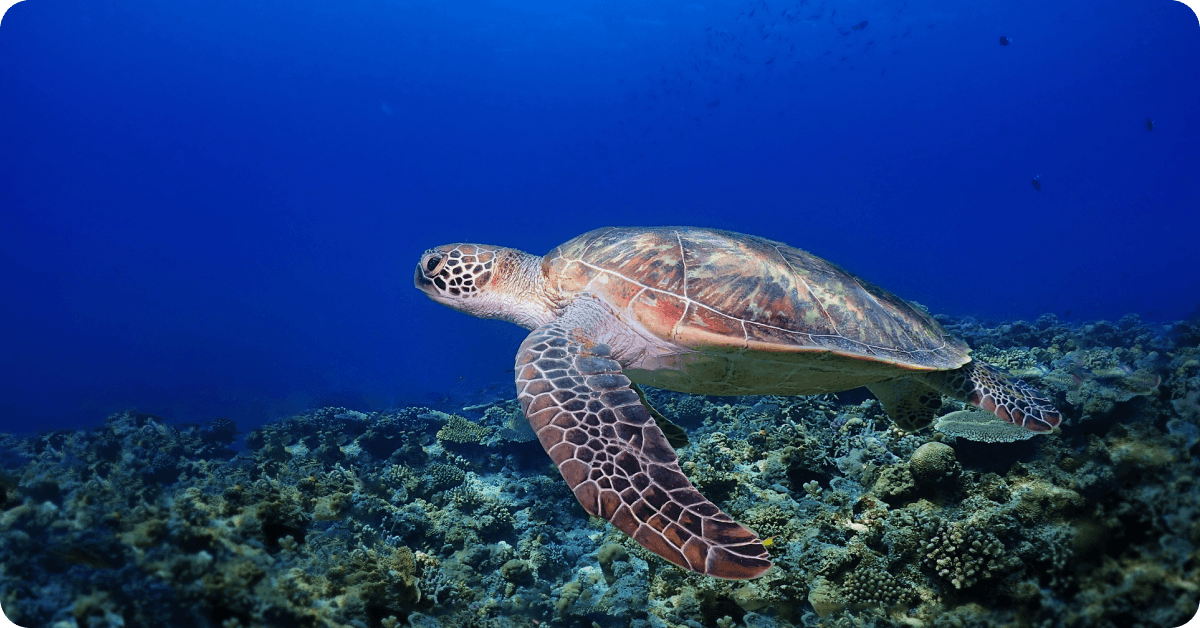
The ocean water here is incredibly clear, allowing visibility up to a hundred feet — making it a prime location to scuba dive or snorkel alongside sea turtles and manta rays. Peak season runs late spring to early autumn, so book dive trips ahead.
Explore Ryukyu culture and Shurijo Castle
Okinawa carries a distinct culture tied to the Ryukyu Kingdom, which traded with China and Southeast Asia long before Japanese annexation. Shurijo Castle serves as a major historical site for observing the region’s unique architecture. A 2019 fire destroyed the main hall, but carpenters are actively cutting fresh Okinawan pine and mainland cypress to reconstruct the wooden framework. The exterior is brilliant red again, and the fully restored interior is scheduled to open to the public on November 23, 2026. Okinawa has its own dialect, music, and food traditions worth exploring beyond the mainland's sushi counters — try goya chanpuru (bitter melon stir-fry) and rafute (braised pork belly) to taste the difference.
Best seasonal and nature experiences across Japan
Japan’s seasons shape what you can see and where you can go, so pick your dates around the natural events that matter most to you. If you’re still deciding when to book, our guide to the best time to visit Japan goes through what each season offers — cherry blossoms in spring, beach weather in summer, autumn foliage in fall, and snow monkeys in winter — so you can match your travel dates to the experiences you want most.
Once you’ve picked your season, pack for the climate zones you’ll cross. Tokyo, Nagano, Kyoto, and Okinawa can require very different clothes on the same trip. Our Japan packing list helps you organize what to bring for each region you’ll visit.
See Mount Fuji from Kawaguchiko
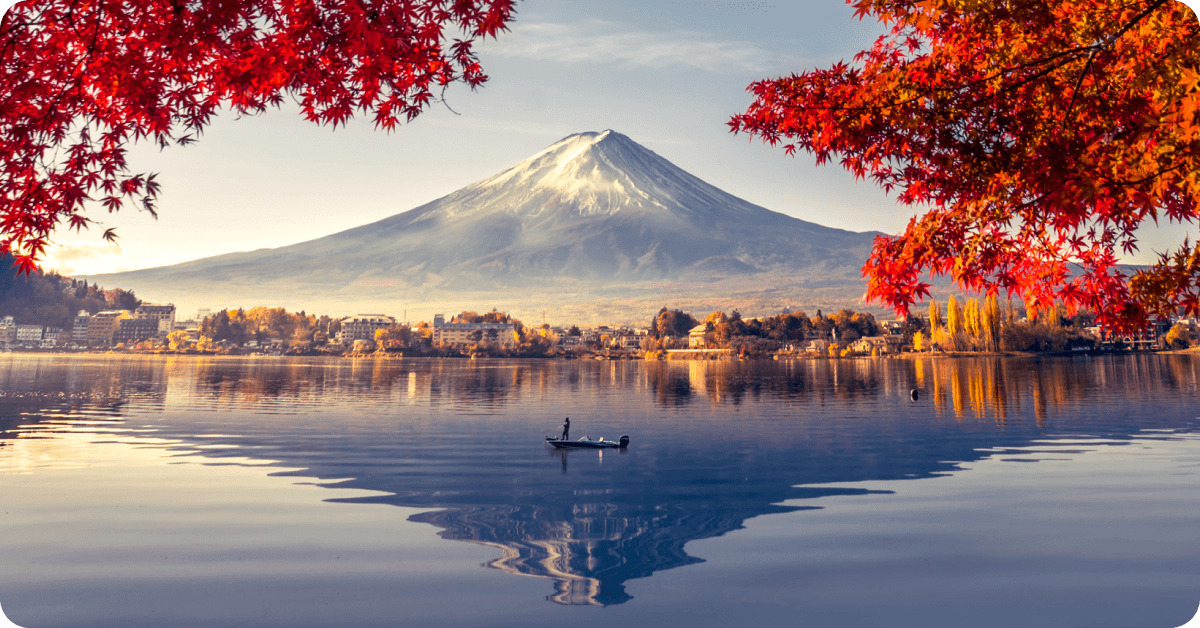
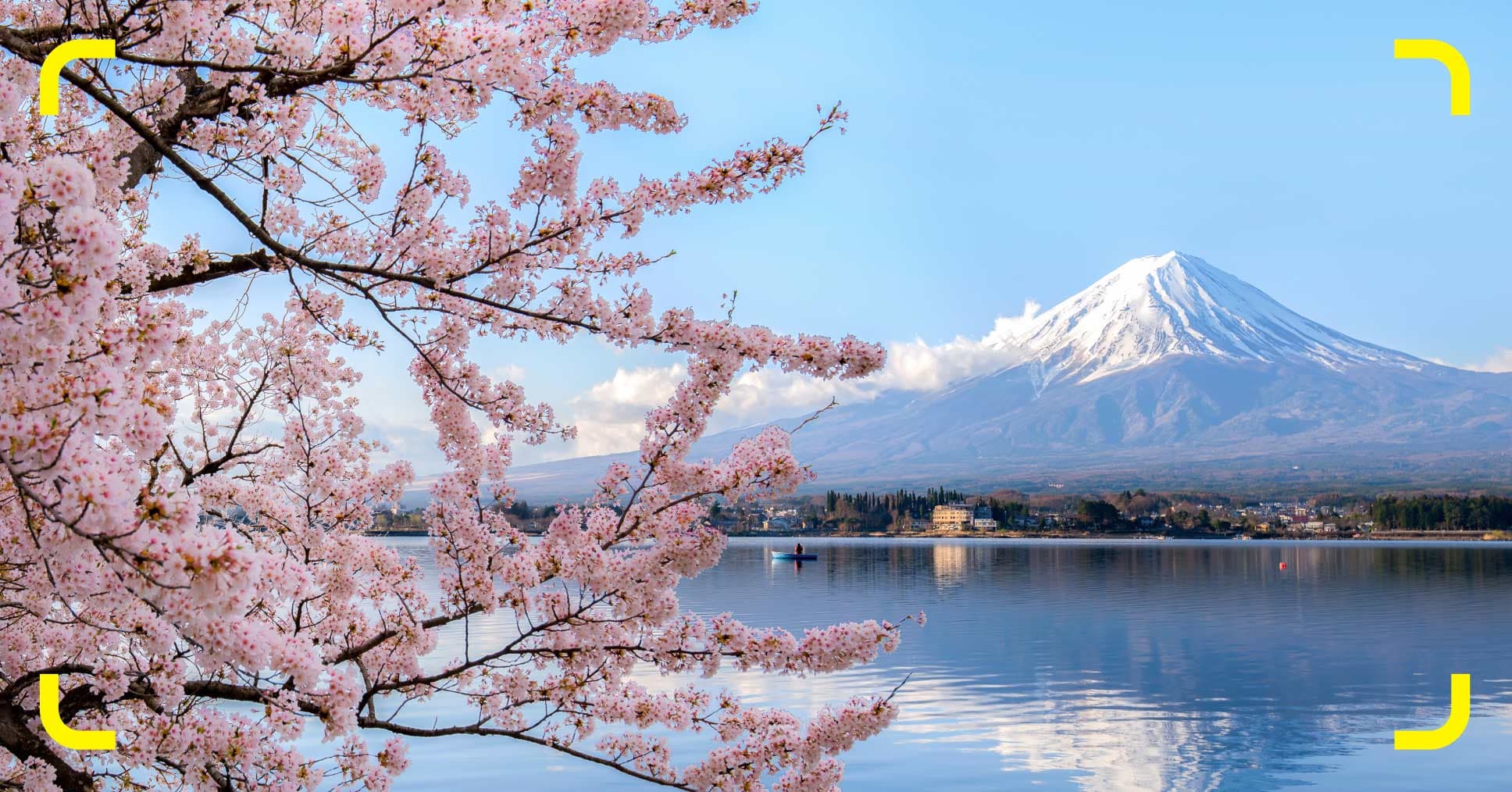
Lake Kawaguchiko offers a clear view of Mount Fuji reflecting on still water. It serves as a classic location for photography, particularly in the fall when bright red maple leaves frame the snow-capped peak. Clearest views come in autumn and winter mornings, and climbing season is in summer only.
Celebrate cherry blossom (hanami) in spring
If you visit in late March or early April, join locals for picnics under blooming cherry trees. This communal event, known as hanami, fills public parks across the country with friends and coworkers eating bento boxes on blue plastic tarps beneath the falling petals. Bloom dates vary yearly, but late March to early April covers most of Honshu in 2026.
Meet the snow monkeys in Jigokudani Park, Nagano

In the cedar forests of Nagano, wild macaques climb down from snowy mountains to soak in geothermal hot springs. Watching them brush snow off their fur while sitting in 100-degree Fahrenheit steam is a fascinating wildlife encounter. The experience is best in snowy months from December to March.
Soak in an onsen and stay in a ryokan
Booking a stay at a traditional inn (ryokan) introduces you to historical Japanese domestic life. Guests sleep on thick futon mats laid over tatami flooring, wear cotton robes (yukata) to dinner, and bathe in communal stone basins filled with mineral-heavy water. Learn onsen etiquette before you go: wash thoroughly before entering, and check tattoo policies in advance since some facilities restrict visible tattoos.
Must-try food and cultural experiences in Japan
Japan’s best activities aren't limited to famous landmarks. Some of the most memorable moments happen at counters and side streets.
Eat at a kaiten sushi restaurant
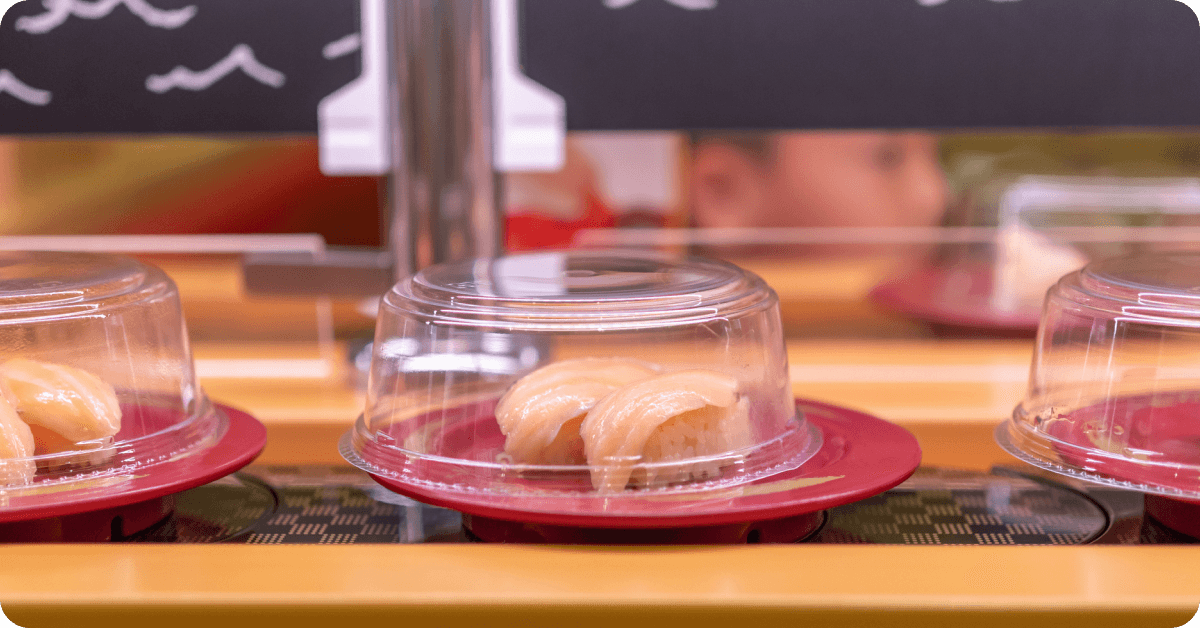
Conveyor belt sushi lets you eat high-quality raw fish without paying premium sushi-bar prices. Color-coded plates roll past the counter on a mechanical track, allowing you to grab the plates you want and tally the bill by counting the empty dishes. Most meals average around US$15 per person.
Ride the Shinkansen bullet train
Operating at speeds up to 200 miles per hour, Shinkansen bullet trains turn a 280-mile drive from Tokyo to Kyoto into a two-hour and fifteen-minute ride. The trains are strictly punctual and offer quiet, forward-facing seating with plenty of legroom. Reserve seats during peak holiday periods. Staying connected on the go with an eSIM for Japan helps you load schedules on your phone while riding.
Visit Nara to meet the bowing deer
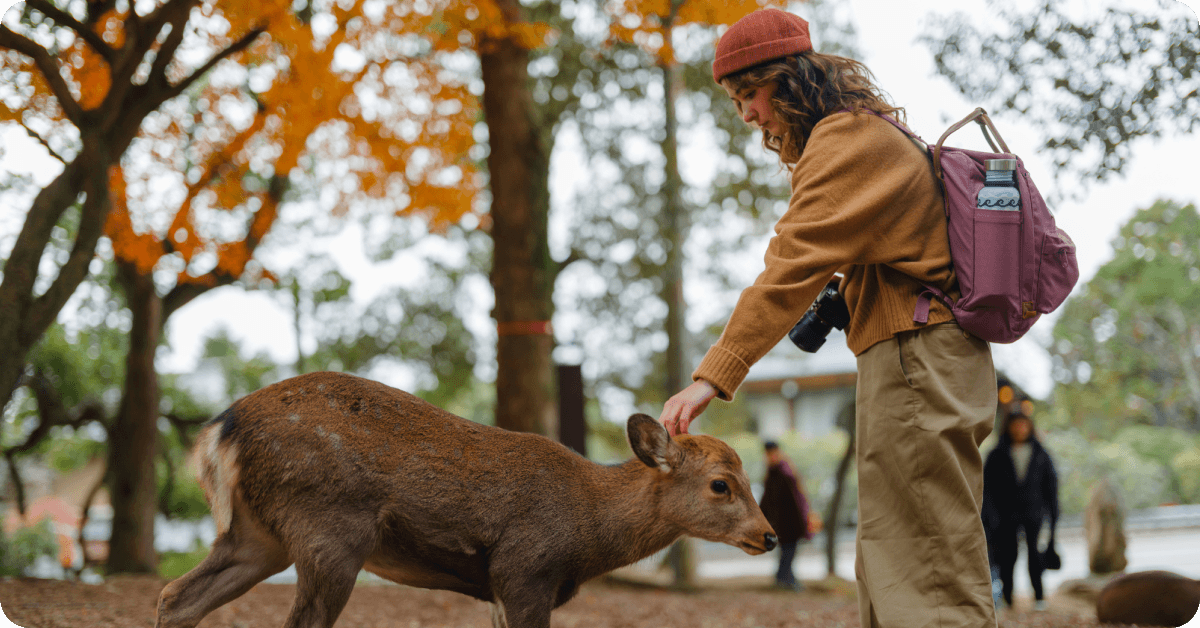
Just outside Kyoto, Nara Park is filled with hundreds of free-roaming deer. Because the deer associate humans with food, they physically bob their heads to ask for crackers. This creates a highly interactive walk through the park, ending at the nearby Todai-ji temple, home to a 15-meter bronze Buddha statue.
Tips for planning your trip to Japan
By now you probably know the cultural experiences worth building your itinerary around. The difference between a good trip and a great one often comes down to the small decisions you make before you fly — the train pass you do or don’t buy, the reservations you lock in early, the cash you remember to withdraw, and the mobile data that works the moment you land. These final tips can help you pull the practical threads together:
Get a JR Pass early. Add up the price of your train tickets before you fly. If you only plan a Tokyo to Kyoto trip, pay in cash. The US$330 pass only saves money if your itinerary requires multiple long-distance bullet train rides across different regions.
Carry some cash. Withdraw paper yen from an ATM. Train ticket machines, neighborhood noodle shops, and wooden shrines often take only coins and paper money.
Travel in shoulder seasons. Book flights for May or October for comfortable weather and shorter temple lines.
Learn basic etiquette. Do not talk on your phone on trains, do not tip waiters, and scrub your body with soap before entering a hot spring.
Book popular attractions ahead. Reserve tickets for teamLab, Universal Studios, and high-end sushi bars a month before you fly to guarantee entry.
Stay connected from the moment you land. Downloading an eSIM app before traveling ensures maps and translation apps load the moment you land in Japan. If your plans fall through or you need a place to crash between cities, our guide to internet cafes in Japan covers these 24-hour spaces with private booths, manga libraries, and showers.
Budget and prepare. Flights, hotels, rail passes, and restaurant meals add up fast in Japan. You can estimate your total spend with our guide to how much a trip to Japan costs.
Check safety and get inspired. If safety concerns are weighing on your plans, read whether Japan is safe to visit before you book. And if you need a push to hit “purchase” on those flights, these fun facts about Japan might do it.
Before you zip up your suitcase, one last thing: If you want calls or texts during your trip — for restaurant reservations, two-step verification codes, or contacting your ryokan — Saily offers an optional US phone number you can set up right in the app. Safe travels, and enjoy the noodles!

FAQ
The top things to do in Japan span big cities and quiet temples alike. You can cross Shibuya Crossing in Tokyo, wear a kimono at Kyoto’s Fushimi Inari shrine, eat takoyaki in Osaka’s Dotonbori district, see Mount Fuji from Lake Kawaguchiko, and soak in an onsen at a traditional ryokan. Japan blends ultramodern cities with deep tradition and natural beauty, so the best itineraries mix urban exploration with cultural immersion and seasonal nature experiences.
Spring (late March to early April) and autumn (October to November) offer the most scenic travel conditions, with cherry blossoms or fall foliage framing temple visits and milder weather for walking. Winter brings snow monkeys in Nagano and skiing in Hokkaido, while summer suits Okinawa’s beaches and mainland festivals. The best time depends on which natural events you want to see.
A first trip covering Tokyo, Kyoto, and Osaka works well in 7-10 days, with the Shinkansen making intercity travel efficient at speeds up to 200 miles per hour. Two weeks or more lets you add Okinawa’s beaches, Hokkaido’s nature, or stops like Mount Fuji and the Imperial Palace in Tokyo. The main island of Honshu contains most major attractions, but reaching Okinawa requires a domestic flight from Tokyo or Osaka.
Japan can be affordable if you eat at kaiten sushi restaurants, convenience stores, and local markets — meals at conveyor belt sushi spots average around US$15 per person. The JR Pass now costs roughly US$330 and only pays off with multiple long-distance bullet train rides, while top dining and theme parks like Universal Studios Japan cost more.
A travel eSIM like Saily provides the most reliable internet access across Japan, with app-based setup and no physical SIM card required. Public Wi-Fi remains patchy outside major hubs, and many smaller restaurants.